History & background
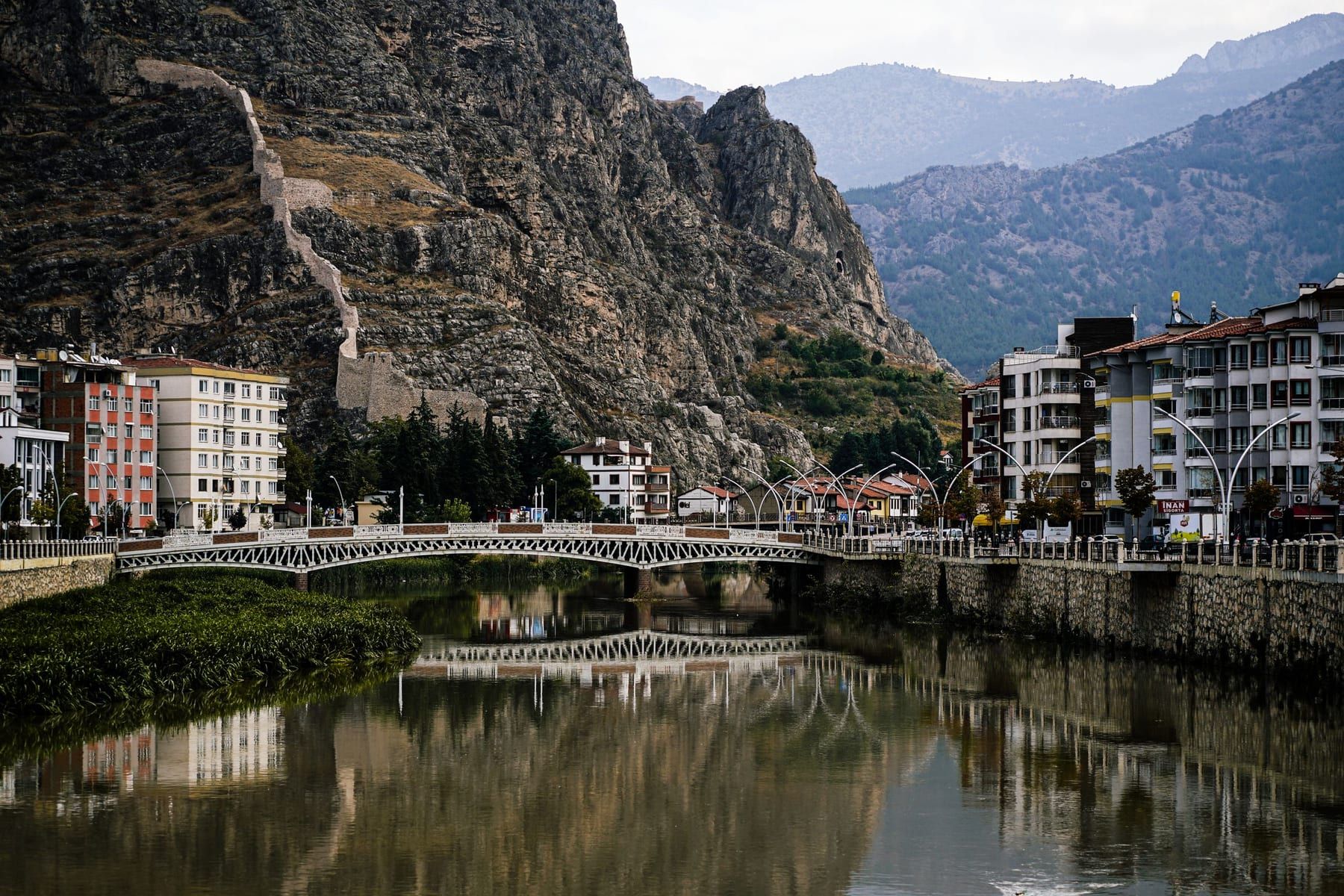
Amasya lies in a narrow gorge of the Yeşilırmak, wedged between rock walls, and precisely because of that it was a seat of power for over two thousand years. The kings of Pontus made the city their capital in the 3rd century BC and had their tombs carved high into the rock face above the river, where they still tower over the old town today. The geographer Strabo was born here around 64 BC and described his home as impregnable. After Romans, Byzantines and Danishmends, Amasya came under the Seljuks and in 1392 under the Ottomans, who gave the city its second great role: the princes of the House of Osman, among them the future sultans Mehmed the Conqueror, Bayezid II and Selim the Grim, were sent to Amasya as governors to learn how to rule. Hence the nickname Şehzadeler Şehri, City of Princes. The madrasas, the Bayezid Mosque and the tradition of scholarship date from this era. In 1919 Atatürk stayed here and drafted the Amasya Circular, the first call to the War of Independence. The wooden houses on the river, the Ottoman Yalıboyu konaks, have been restored over recent decades and today make Amasya one of the most beautiful small towns in Turkey.