History & background
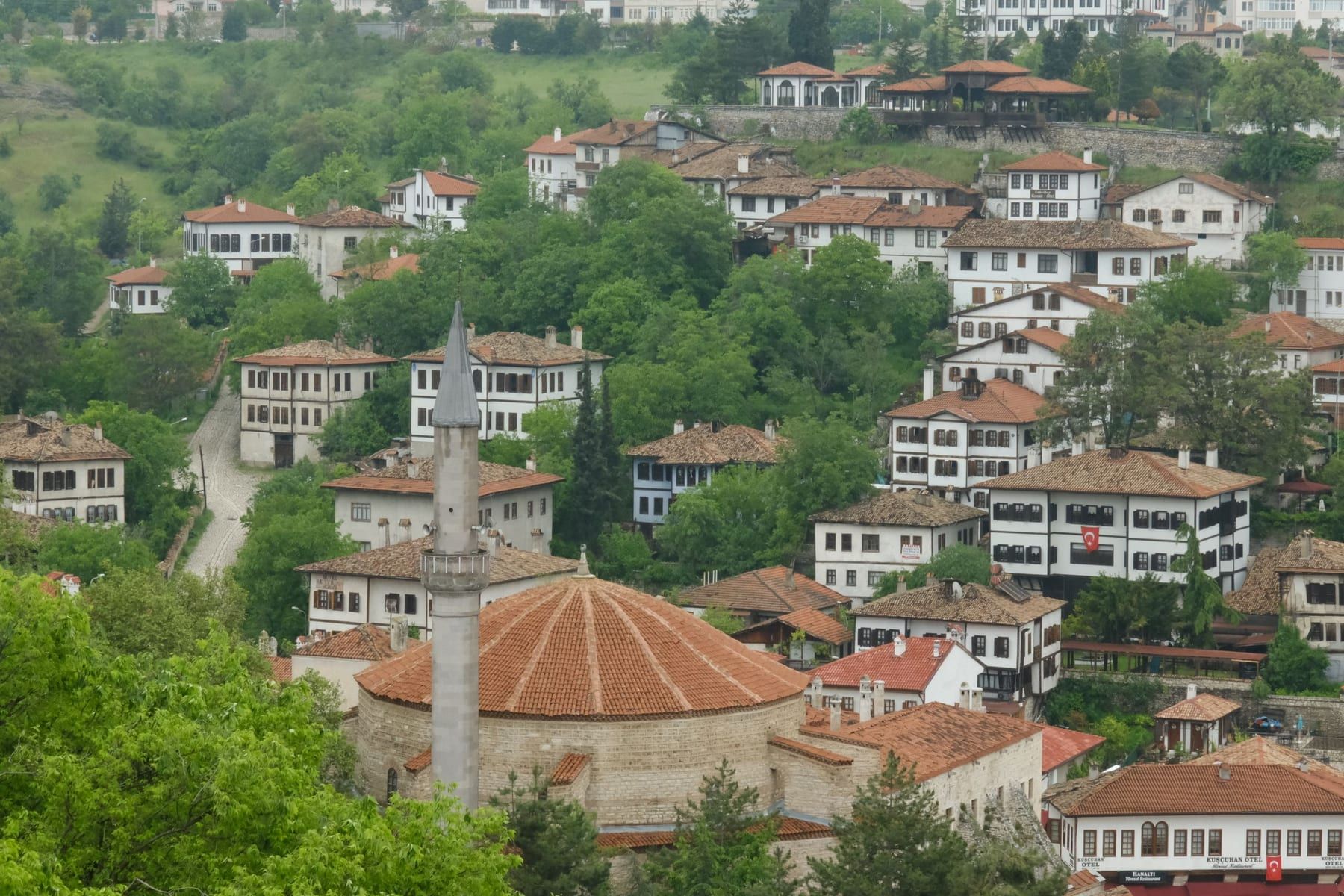
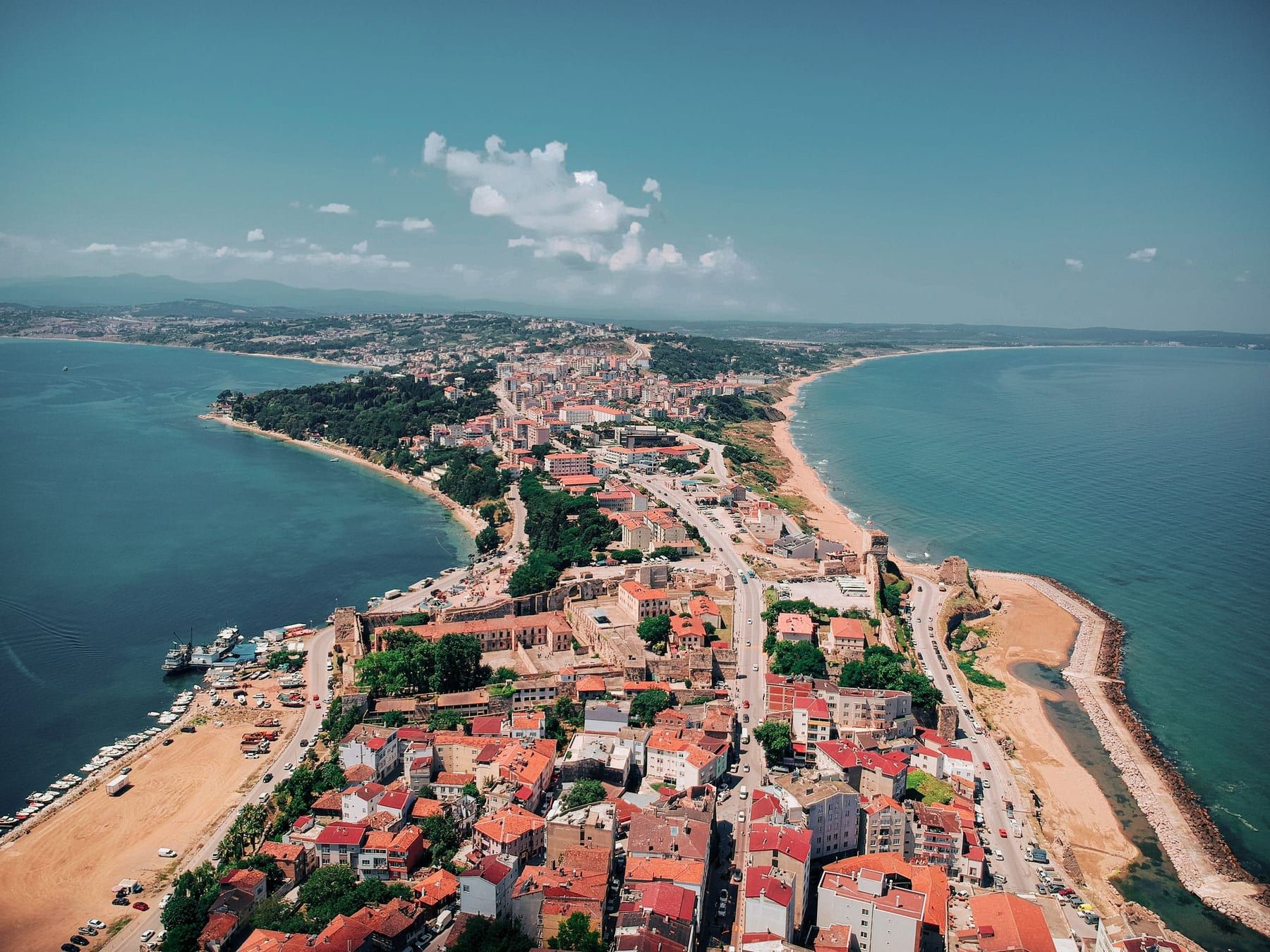
Safranbolu owes its name and its wealth to saffron, which was grown in the fields around the town and in the Middle Ages was worth more than gold. The town lay on the caravan route between Istanbul and the Black Sea, and from the 17th century it became a trading post where merchants, tanners, blacksmiths and saddlers grew prosperous. The money flowed into the houses: three-storey konaks of wood and mud brick with courtyards, carved ceilings, built-in cupboard bathrooms and separate wings for family and guests. Because the town stood still economically in the 20th century while the steel town of Karabük next door grew, the konaks were never demolished. Around 2,000 historic buildings survive, over 800 of them protected. In 1994 UNESCO added Safranbolu to the World Heritage list as one of the best-preserved Ottoman townscapes. The Çarşı old town with the Cinci Han, a caravanserai of 1645, the Cinci Hamam and the workshops in the bazaar has been restored since then. Most of the residents have stayed, the craftsmen still work, and saffron has been grown again for some years now, in small quantities but with great pride.