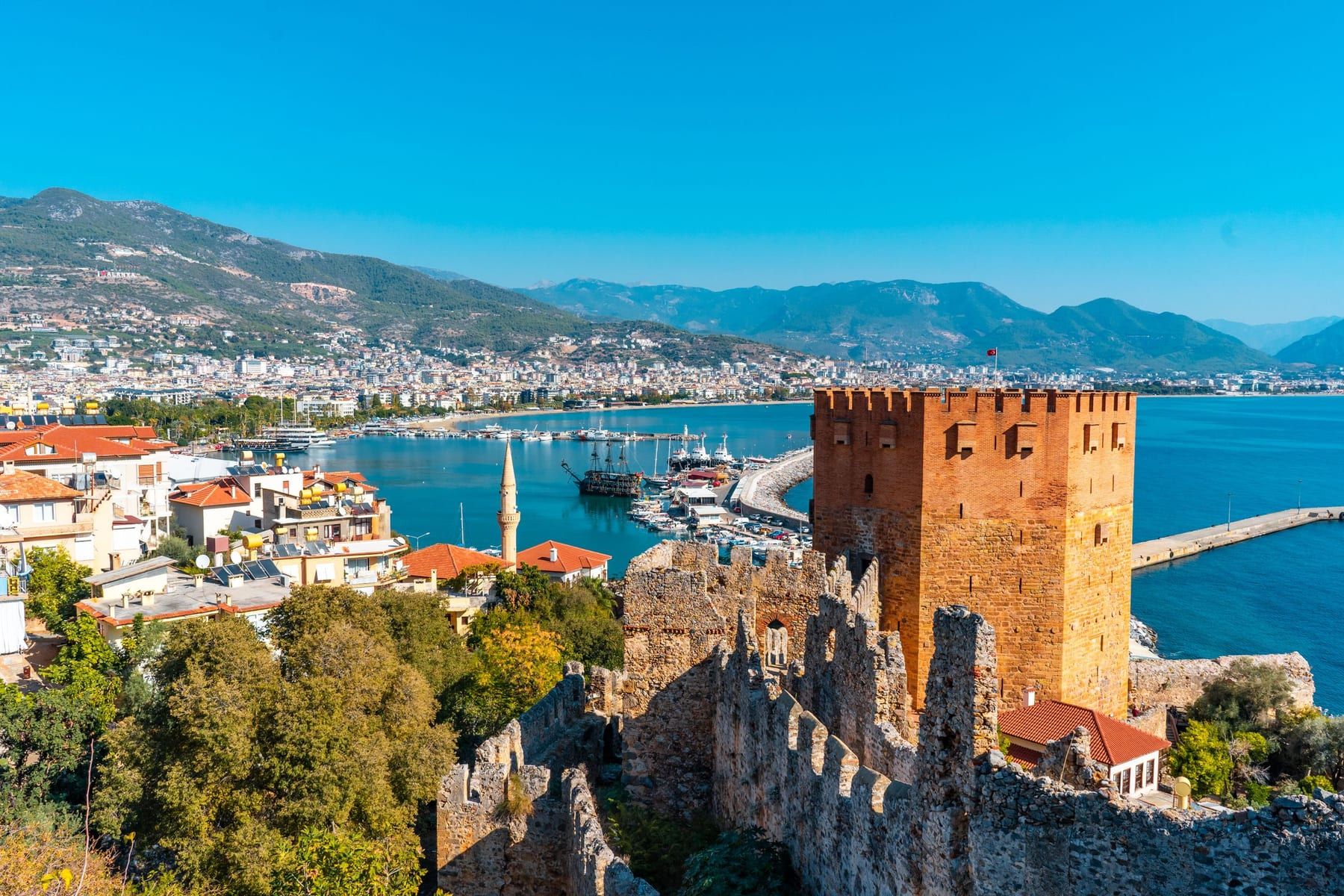
History & background
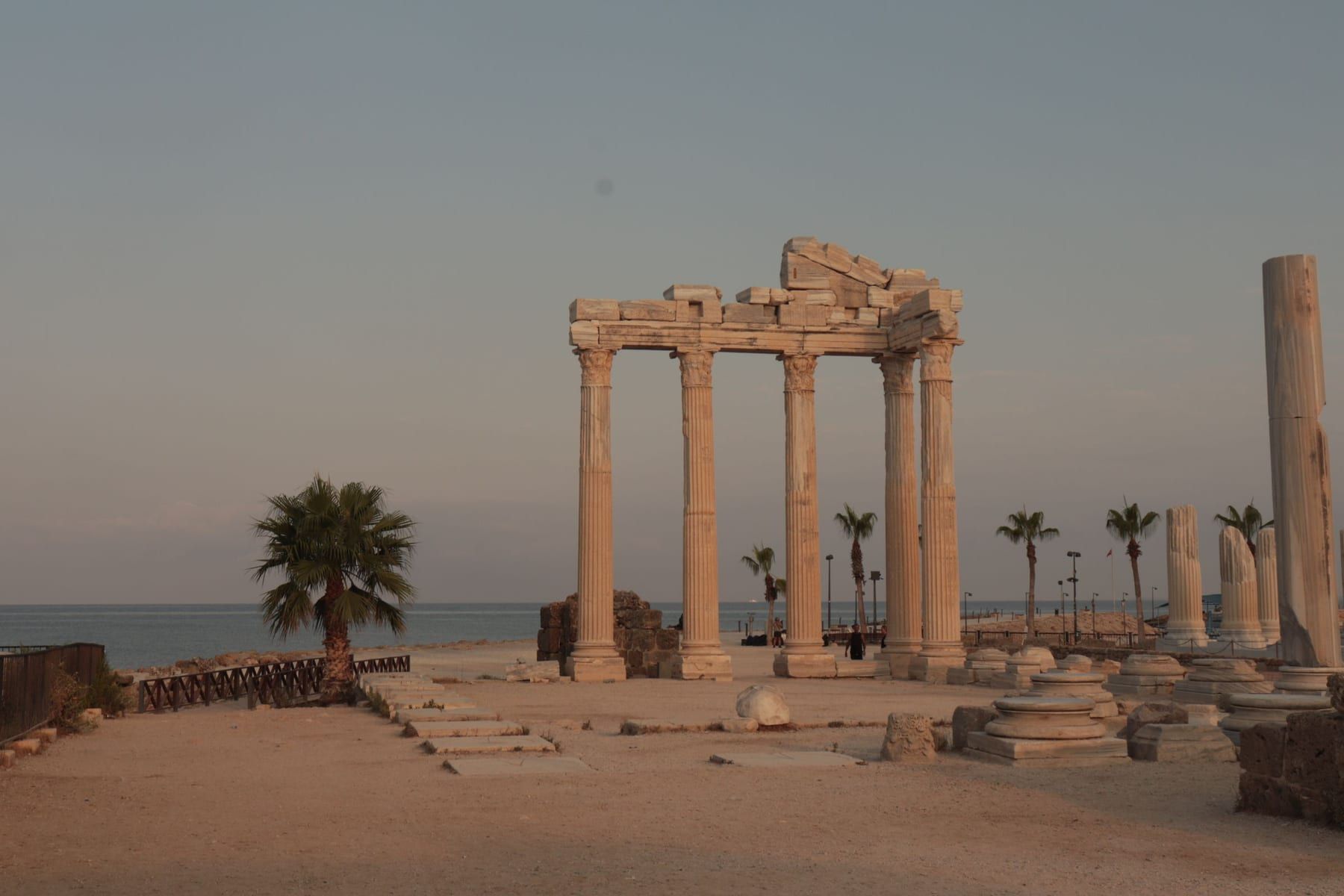
Side was founded in the 7th century BC by Greek settlers from Kyme; the name means pomegranate in the old Anatolian language. The city on the small peninsula had a sheltered harbour and grew rich: first through trade, then in the 2nd century BC as a centre of the slave trade, in league with the pirates of Alanya. Under the Romans Side had its golden age, with more than 20,000 inhabitants, a theatre for 15,000 spectators, an agora, baths, an aqueduct and the Temple of Apollo at the harbour. Arab raids, earthquakes and the silting up of the harbour sent the city into decline from the 7th century, and by the 10th century it was abandoned. Only at the end of the 19th century did Turkish Muslims from Crete settle among the ruins and found the village of Selimiye. Excavations began in 1947, tourism in the 1960s, when the fishing village with its ruins became a destination for artists and dropouts. Today the old town is protected, while the rest of the coast between Kumköy and Kızılağaç is built up with hotels. The ancient city and the modern village are still one and the same place.