History & background
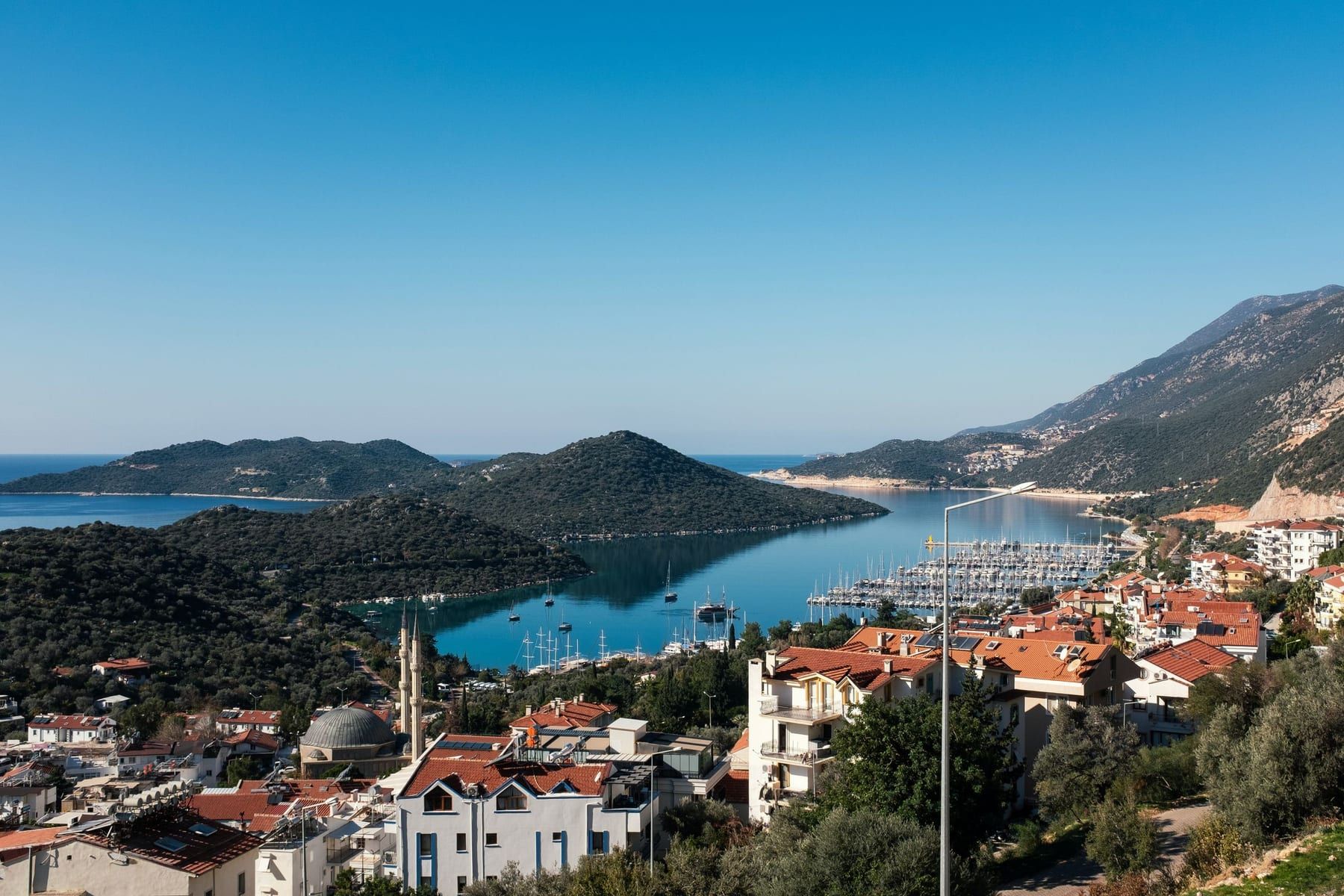
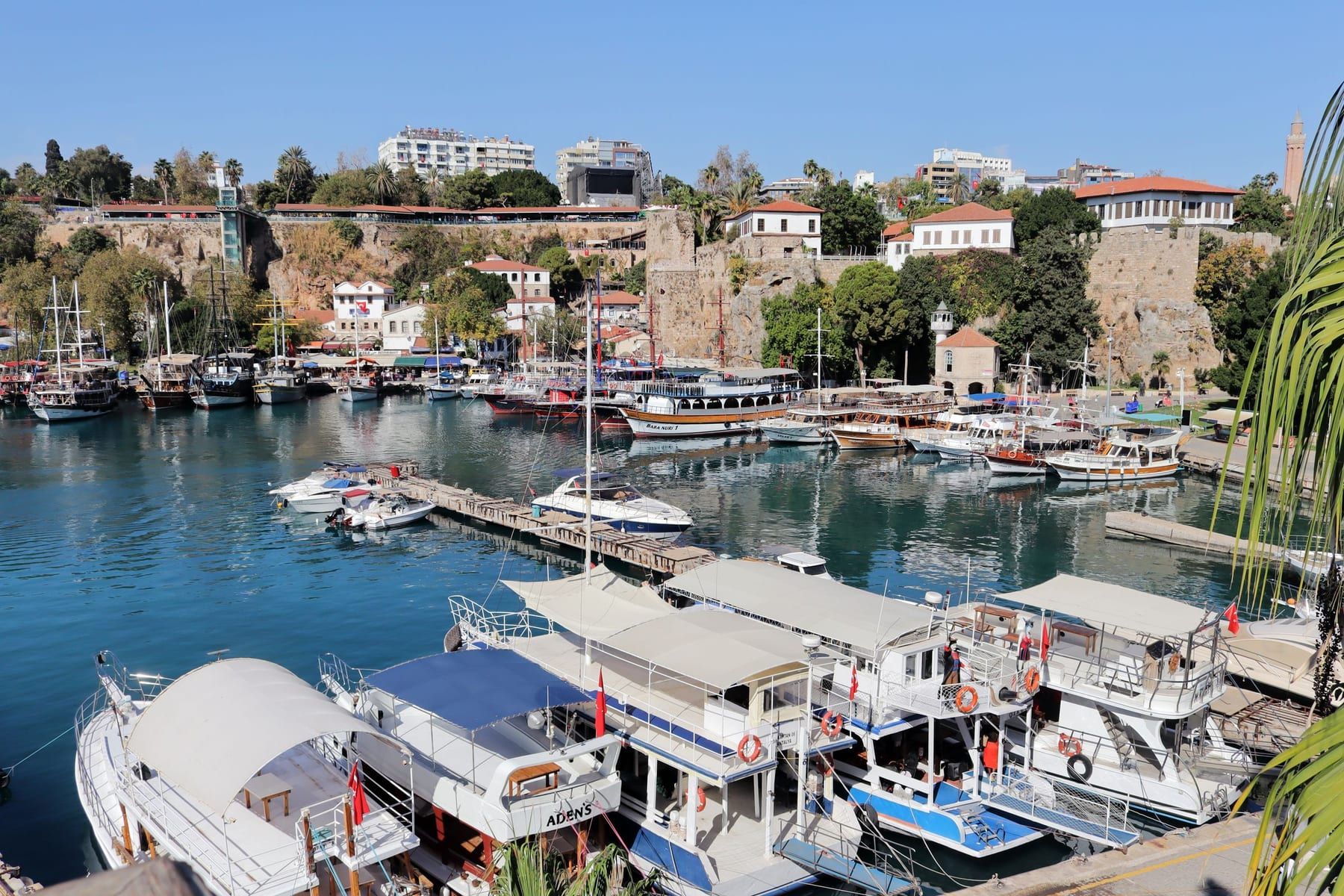
In antiquity Kaş was Antiphellos, the harbour of the Lycian city of Phellos up in the mountains. The Lycians were a people with a mind of their own: their own language, an early federal state and a fondness for tombs. Their rock tombs and sarcophagi still stand in the middle of town, one of them right in a lane above the harbour, surrounded by cafés. Then came the Persians, Alexander the Great, the Romans and the Byzantines. The Hellenistic theatre on the western edge of town still looks out over the sea and the Greek island of Meis. For centuries Greeks and Turks lived here side by side, until the population exchange of 1923 moved the Greek community to Greece. Kaş stayed a sleepy fishing and sponge-diving village until backpackers and divers discovered it in the 1980s. Because the road from Antalya was bad for a long time and there are no big beaches, mass tourism never arrived. Today Kaş is a small town of around 8,000 people, with bougainvillea on white houses, a small harbour and a reputation as the best diving spot in Turkey. Off the coast lies Kekova, with the ruins of a city that an earthquake in the 2nd century partly sank into the sea.