Turkey · Road trip · 10 days

Lycian Coast

The D400 along the Lycian Coast is the most beautiful coastal road in Turkey. You drive it in ten days from Antalya to Fethiye, with swimming stops, ruins and three bases instead of packing your bags every morning.

The route, day by day

  1. Day 1 to 3

    Antalya: Settling into Kaleiçi and the Ancient Sites outside Town

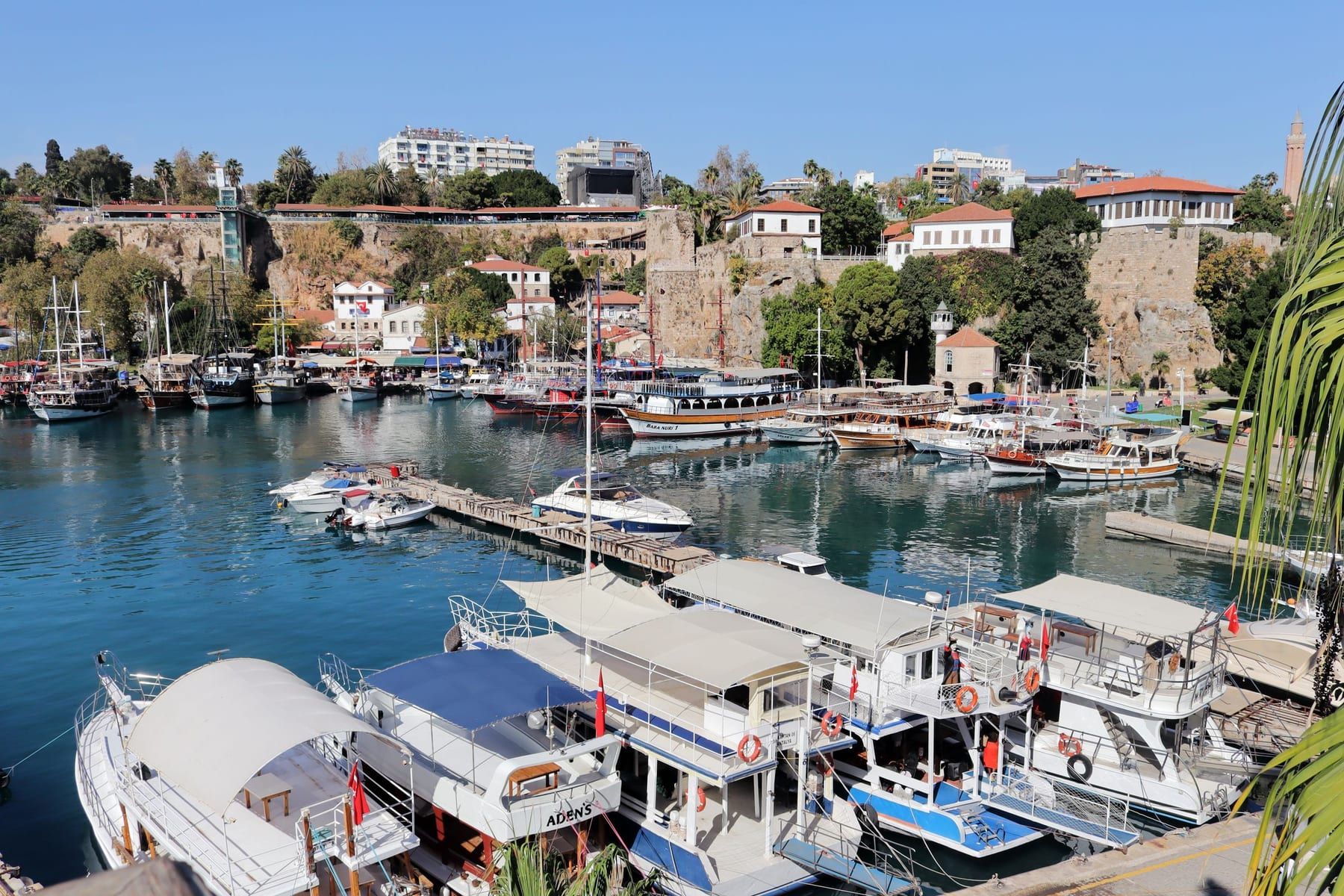
    You land in Antalya; the direct flight from Zurich takes a good three hours. Do not pick up the car until the day you leave, as parking in Kaleiçi is difficult anyway and the old town is best explored on foot: Hadrian's Gate, Ottoman timber houses, the old harbour, and in the evening a plate of piyaz in a side street. On the second day take the dolmuş to the Lower Düden Waterfalls and spend the afternoon on Konyaaltı beach. The third day belongs to antiquity: with the hire car, which you collect in the morning at the airport or in town, you drive to Perge and the theatre of Aspendos, around 90 kilometres in total, and are back by late afternoon. Three nights, because Antalya is more than an airport and while you have no jet lag, you do have the heat. Sleep in a guesthouse or a small boutique hotel in Kaleiçi, mid-range around CHF 80 to 100 (about EUR 86 to 107) for a double room. On to Kaş: 190 kilometres on the D400, just under three hours without stopping, but with Olympos and Çıralı closer to a full day.

    Tours at this stop: Antalya old town walking tour ↗Perge and Aspendos from Antalya ↗

    Open the Antalya travel guide →
  2. Day 4 to 7

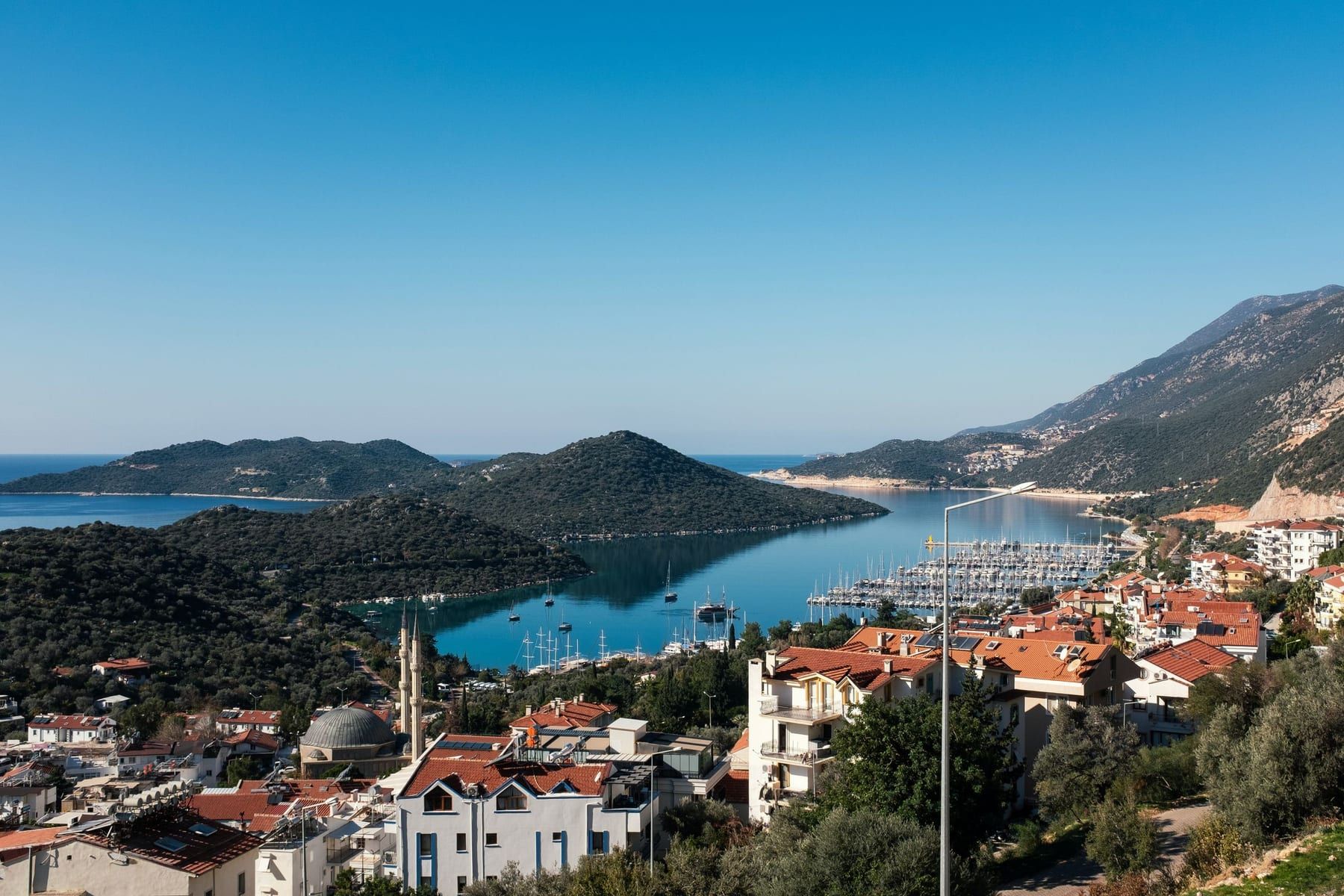
    Kaş: Kekova, Kaputaş and the Most Relaxed Harbour on the Coast

    The drive from Antalya to Kaş is an event in itself. Shortly after Kemer you turn off to Çıralı: the ruins of Olympos in the riverbed, three kilometres of pebble beach and, behind it, the eternal flames of the Chimaera, best visited at dusk. The D400 then climbs high above Finike and Demre to Kaş, where you stay four nights. That is deliberately long: one day for the boat trip to the sunken city of Kekova, with swims in coves you can only reach from the water, one day for Kaputaş and a stretch of the Lycian Way, one day for diving or the ferry to Meis, the Greek island of Kastellorizo, and one day on which you do nothing but harbour, tea and dinner. Sleep in a guesthouse above the harbour or on the Çukurbağ peninsula, mid-range around CHF 85 (about EUR 91) per night. On to Fethiye: 110 kilometres via Kalkan and Patara, two and a half hours of pure driving, a whole day with the obligatory stop at Patara beach.

    Tours at this stop: Kekova boat trip from Kaş ↗Discover scuba diving in Kaş ↗Day trip to Meis ↗

    Open the Kaş travel guide →
  3. Day 8 to 10

    Fethiye: Ölüdeniz, Rock Tombs and Drop-off in Dalaman

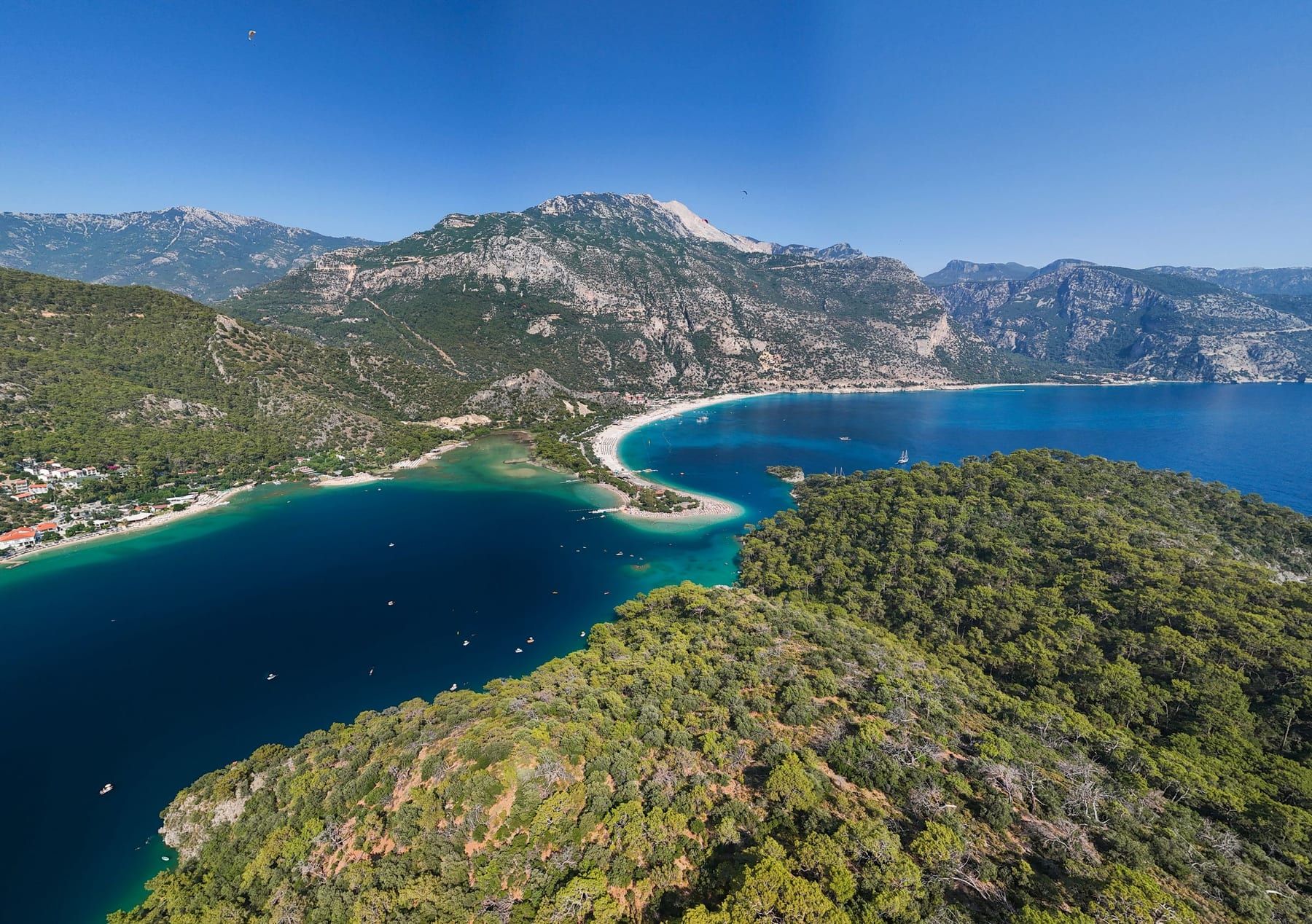
    On the way to Fethiye lies Patara, 18 kilometres of sandy beach behind an ancient city whose entrance fee includes access to the beach. You then follow the D400 via Eşen to Fethiye and settle in for three nights between the harbour and the fish market, where in the evening you buy your fish and have it cooked for you at one of the tables. On the first full day drive to Ölüdeniz early, before the buses arrive, and spend the afternoon in the abandoned village of Kayaköy. The second day belongs to the Saklıkent Gorge, 50 kilometres inland, ice-cold water, rent the rubber shoes. If you want to fly, book the tandem paragliding flight from Babadağ for CHF 70 to 100 (about EUR 75 to 107), ideally in the morning when the air is calm. Sleep in a mid-range hotel in Fethiye itself, not in Hisarönü, which is loud and very English. Return journey: 50 kilometres to Dalaman airport, just under an hour on the D400, drop the car there, return flight usually with a change in Istanbul.

    Tours at this stop: Tandem paragliding flight from Babadağ ↗12 Islands boat trip ↗Saklıkent Gorge and Tlos ↗

    Open the Fethiye travel guide →

If you book through these links we earn a small commission, at no extra cost to you.

What the route costs

Rough total per person for the whole route, mid-range, travelling as a pair. Flights and hotels vary by season; details are on the destination pages.

  • Getting there 364 EUR
  • Accommodation 449 EUR
  • Food 353 EUR
  • Local mobility 353 EUR
1,519 EUR
Total per person · 10 days

Money & payment: You pay in Turkish lira (TRY). The exchange rate moves a lot, which is why all prices here are given in francs and euros. Cards are accepted almost everywhere; you need cash for the dolmuş, markets and tips.

Rental car for this route

A rental comparison link will follow once the partner programme is live. Until then, compare directly with the rental companies or at your arrival airport.

Tips for the route

The route works just as well in reverse: land in Dalaman, drop the car in Antalya. That pays off when the flight to Dalaman is noticeably cheaper, which is often the case in spring. Antalya, however, has more direct flights from Zurich and Basel, and if you want a city day at the end you are better off there than in Dalaman, where there is nothing but the airport.

The big rental companies charge a surcharge of around CHF 40 to 70 (about EUR 43 to 75) for the one-way rental between Antalya and Dalaman. Book the car online before the trip with fully comprehensive cover and no excess, and when collecting it check for scratches, the tyres and whether the HGS toll sticker is fitted. There are no tolls on this route; you only need the sticker if you take the motorway towards Izmir after all.

The D400 is well built but winding, and between Finike and Kaş it hangs high above the sea. Reckon with 50 kilometres per hour, not 80. Turkish drivers overtake closely and give a short honk, which is an announcement, not an insult. Do not drive at night: unlit tractors, goats, potholes at the edge.

There are petrol stations in every town, fuel costs roughly the same as in Switzerland when converted, and you pay by card. Parking near the harbour in Kaş and Fethiye costs a fee to the man in the vest, a few francs a day, which is legal and customary. In Kaleiçi in Antalya you are not allowed to drive in at all; use the car park at Hadrian's Gate.

High season is July and August: beaches full from ten o'clock, hotel prices up by half, 35 degrees in the ruins. May, June, September and October are the right months; the sea is above 22 degrees from June and still 24 in October. You can drive the route in April, but swimming is cold then.

Pack light hiking shoes for Olympos and the Lycian Way, a head torch for the Chimaera at dusk, rubber shoes or sandals for the Saklıkent Gorge and a sun hat, because Patara and Perge have no shade. Apply for the e-visa online beforehand; credit cards work everywhere, and you need cash for the dolmuş, parking attendants and tips.

Frequently asked questions about Lycian Coast

How long do you need for the Lycian Coast?

Ten days is the honest middle ground: three bases, no daily hotel change, time for a boat day, a ruins day and a beach day in each place. It works in seven days with two nights per stop, but then Meis or the Saklıkent Gorge drop out. If you have 14 days, add a few beach days in Kaş or Kalkan.

When is the best time for the road trip?

May, June, September and October. The sea is then 22 to 26 degrees, the ruins are walkable at 25 to 30 degrees, and hotels cost around a third less than in high summer. July and August are hot and crowded, and in winter many guesthouses in Kaş and Çıralı are closed.

Can you do the route without a hire car?

Yes, with limitations. Intercity buses and dolmuş connect Antalya, Kaş and Fethiye several times a day along the D400, but you need half a day for each leg. Olympos, Çıralı and Patara can be reached by changing to a dolmuş on the main road. What you lose is the freedom to stop at every cove, and that is exactly what makes this route.

What does the route cost per person?

Reckon with around CHF 1,400 (about EUR 1,500) per person travelling as a couple in mid-range: flight 340, nine hotel nights 420, food 330, hire car with fuel, one-way fee and boat trips 330. Extras such as paragliding and diving add 70 to 100 francs each on top.

What is driving like on the Turkish coast?

More relaxed than its reputation. The D400 is paved, signposted and lightly used outside the towns. What you need is patience during tight overtaking manoeuvres, caution at roundabouts, where nobody takes right of way seriously, and a ban on night driving. Police checks are frequent, so keep your licence and rental contract to hand; a Swiss driving licence is sufficient.

Is there a shorter or longer version?

Shorter: skip Antalya, go straight from Dalaman to Fethiye and Kaş, seven days, no one-way surcharge. Longer: slot in two nights in Kalkan before Fethiye, or at the end drive on from Fethiye for two days to Göcek or Dalyan with its rock tombs on the river. The route then becomes two weeks long.

More itineraries through Turkey