
Izmir Backpackers
Well-rated hostel within walking distance of the Kordon and the Alsancak nightlife strip. Clean, friendly, with shared rooftop access and local tips.
from EUR 20 / night View →
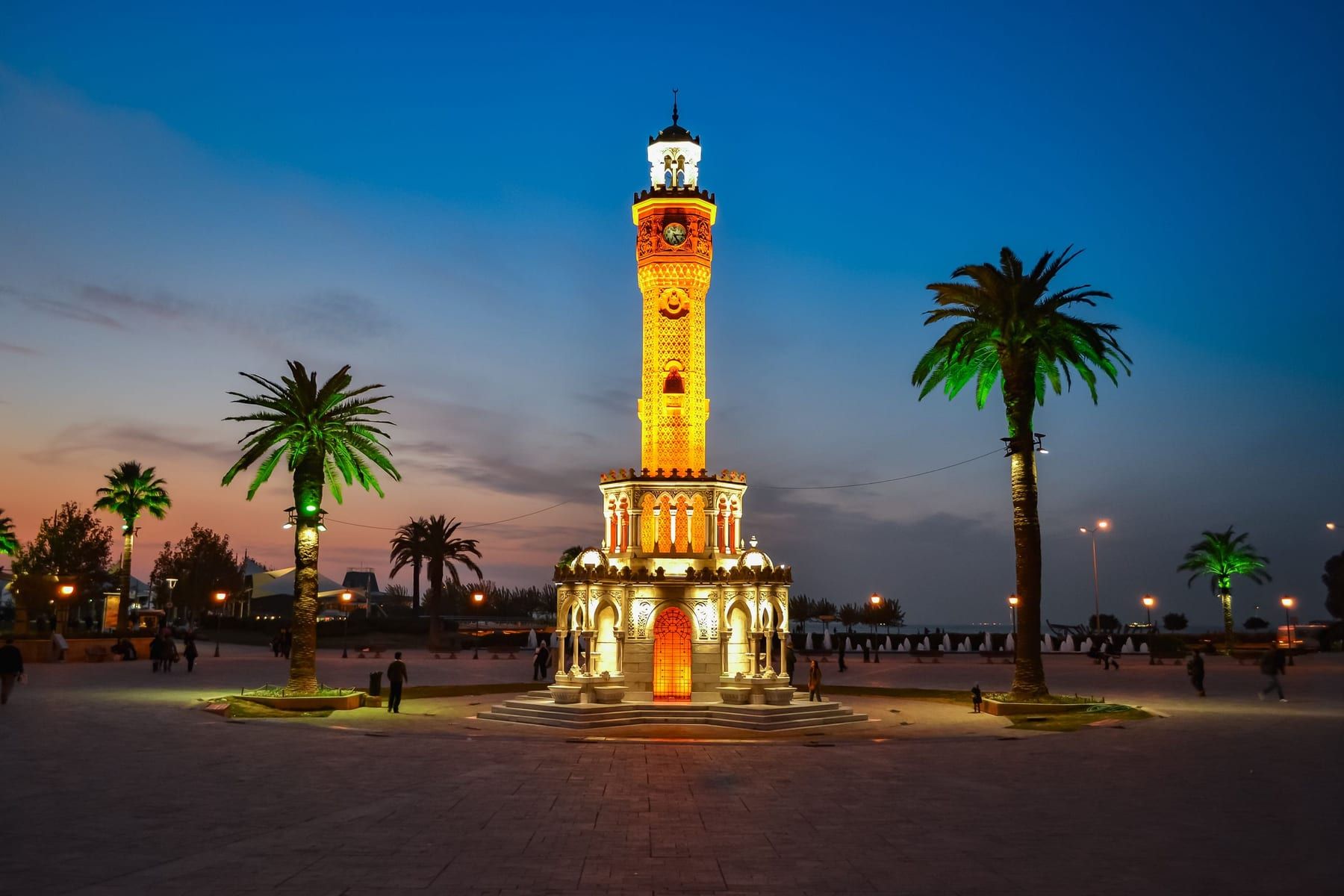
Turkey · Aegean · Travel guide
The most open-minded city in Turkey: a long waterfront promenade, a living bazaar quarter and the best-preserved ancient city, Ephesus, only 40 kilometres away.
Photo: Hakan Tahmaz / Pexels
Adjust the values to your trip: the calculator updates live (EUR, converted from CHF estimates).
Estimates for orientation, not booking prices. Flights and hotels vary strongly by season: current prices are behind the links below.
Money & payment: You pay in Turkish lira (TRY). The exchange rate moves a lot, which is why all prices here are given in francs and euros. Cards are accepted almost everywhere; you need cash for the dolmuş, markets and tips. Flight time: 3 to 4 hours.
Nine options in three price ranges, each among the best-rated on Booking.com.
Budget
Well-rated hostel within walking distance of the Kordon and the Alsancak nightlife strip. Clean, friendly, with shared rooftop access and local tips.
Solid, well-rated budget hotel in the centre near Basmane station. Handy for early trains to Ephesus. Clean, simple, inexpensive.
Small hotel in a historic caravanserai building in the middle of the Kemeraltı bazaar. Unique location, authentic atmosphere, very cheap for what it is.
Mid-range
Well-rated city hotel right on the waterfront promenade. Some rooms with sea views, breakfast included, very central location. One of the most popular mid-range hotels in Izmir.
Modern boutique hotel within walking distance of the water. More stylish than the big chain hotels, very attentive service and excellent reviews.
International chain hotel with a reliable standard, pool and fitness centre. Well connected, ideal for travellers who want a dependable mid-range hotel with no surprises.
Luxury
The best-known luxury hotel in Izmir, right on the bay. Large pool area, several restaurants, casino, the best sea views in the city. The address for travellers who expect international luxury standards.
Hilton standard in a prime location: rooftop pool with a panoramic view of the bay, generous rooms, dependable service. Very central, everything within walking distance.
Modern luxury hotel on the waterfront promenade with a large spa and excellent breakfast. Very well rated for service and location. Slightly cheaper than the Swissôtel for similar quality.
If you book through these links we earn a small commission, at no extra cost to you.
Roman agora from the 2nd century right in the city centre, freely accessible. One of the rare places where you meet ancient colonnades in the middle of a modern metropolis.
Izmir's historic bazaar, in operation since the 17th century. Not a tourist market but everyday life: spices, textiles, craftsmen, cafés. Allow at least an hour.
One of the largest ancient cities in the world, 70 km south of Izmir. The Library of Celsus, the marble streets and the Great Theatre are among the most impressive things Turkey has to offer.
The Çeşme peninsula lies 80 km to the west, with crystal-clear water, sandy beaches and a Venetian-era castle. Direct buses from Izmir.
Historic passenger lift from 1907 in the Karataş district. At the top: a café and a view over the whole bay. The loveliest free experience in the city.
If you book through these links we earn a small commission, at no extra cost to you.
Izmir eats differently from the rest of Turkey: lighter, with olive oil, herbs from the market and a lot of street. Boyoz for breakfast, kumru at midday, midye dolma in the evening on the Kordon. Most of it costs a few francs and is sold not in restaurants but from counters, carts and bakery windows.
Flaky, oily pastry of Sephardic origin, fresh from the oven, with sesame. The breakfast of Izmir. CHF 0.80 to 1.50 (about EUR 0.85 to 1.60) a piece.
Tip:Order it with a hard-boiled egg and a glass of tea, that is how it is eaten here, and before nine in the morning it comes out warm.
The Izmir simit is called gevrek: darker, crisper and dipped in grape syrup before it goes into the oven. CHF 0.50 to 0.80 (about EUR 0.55 to 0.85).
Tip:Eat it on the ferry to Karşıyaka; the crossing costs less than the gevrek.
Crisp sesame roll with tulum cheese, sucuk, tomatoes and grilled pepper, invented in Çeşme and found all over Izmir. CHF 3 to 5 (about EUR 3.20 to 5.40).
Tip:The Çeşme version with sucuk and salami is the filling one; the plain one with cheese is the original.
Mussels stuffed with spiced rice, pine nuts and currants, eaten cold with lemon. CHF 0.30 to 0.50 (about EUR 0.30 to 0.55) each, and you count the shells at the end.
Tip:In the evening and only where it is busy: turnover means fresh. Ten is a good start.
Vegetables braised in olive oil and wild Aegean herbs (şevketi bostan, radika, samphire), served cold with lemon. CHF 3 to 5 (about EUR 3.20 to 5.40) per meze.
Tip:Just point at three things in the counter; the herbs are seasonal and change daily.
Meatballs baked with potato slices, peppers and tomato sauce. The lokanta dish of the city, CHF 6 to 9 (about EUR 6.50 to 9.70) with rice.
Tip:At lunchtime, with cacık (yoghurt with cucumber) on the side, and pay at the till in a lokanta.
Semolina cake with yoghurt, soaked in syrup, served with kaymak or peanuts. Izmir's own dessert. CHF 1.50 to 3 (about EUR 1.60 to 3.20).
Tip:With kaymak rather than without, and a Turkish coffee from the Kızlarağası Hanı next door.
Through markets and eateries with a guide, tastings included.
If you book through these links we earn a small commission, at no extra cost to you.
Izmir, known in antiquity as Smyrna, is one of the oldest cities in the world. There was a settlement here as early as the 3rd millennium BC; from the 11th century BC the Greeks built Smyrna into a major trading port. The ancient agora in the city centre dates from the Roman period of the 2nd century AD and is freely accessible today in the middle of the city. In the 19th century Smyrna was one of the most cosmopolitan trading cities in the whole eastern Mediterranean, with large Greek, Armenian, Jewish and Levantine communities. Merchants from all over Europe kept trading houses here. This cosmopolitan legacy ended with the Great Fire of 1922, which destroyed large parts of the city shortly after the end of the Greco-Turkish War. Today's city has completely reinvented itself: Izmir is considered the most liberal and open-minded big city in Turkey, with a lively café culture, a long waterfront promenade, the Kordon, and one of the most interesting old-town markets in the country.
The Kemeraltı bazaar is not a tourist market but the heart of Izmir since the 17th century. Craftsmen, spice traders, textiles, antiques and street stalls stretch over several kilometres of lanes. Locals shop here every day. No picture menus, no price tags in euros, no tour groups with flags. The Bet Israel synagogue and the Kızlarağası Han, an Ottoman caravanserai, both sit in the middle of the bazaar and can be visited.
The Kordon is the long waterfront promenade along the Bay of Izmir, about three kilometres from Alsancak to Konak. In the morning locals jog here; in the afternoon they sit in coffee houses looking out over the water. In the evening the restaurants fill up. The view of the bay with its ships and the coast on the far side is free. At the end of the Kordon stands the old Ottoman clock tower on Konak Square, Izmir's best-known landmark.
From Izmir to Ephesus (Efes) is about 70 kilometres, reachable by bus or train in under an hour and a half. In antiquity Ephesus was one of the largest cities in the world and today it is the best-preserved ancient city in the eastern Mediterranean: the Library of Celsus, the Great Harbour, the marble streets, and the House of the Virgin Mary nearby. Go early; Ephesus is more pleasant and quieter before midday. Nearby is Selçuk, a small, quiet town that makes a good base for an overnight stay.
About 80 kilometres west of Izmir lies Çeşme, a peninsula with turquoise water, sandy beaches and a constant wind that makes it one of the best windsurfing and kitesurfing spots in Turkey. The old town of Çeşme itself has a Venetian-era fortress, small fish restaurants and far fewer tourists than Antalya. Direct buses leave regularly from the Izmir bus station.
Izmir has its own culinary identity. Boyoz is a flaky pastry that comes fresh from the oven early in the morning and is served sprinkled with sesame. Kumru is the local sandwich: a crusty roll with cheese, sucuk (spicy sausage) and tomatoes. Midye dolma, mussels stuffed with spiced rice and served with lemon, are bought in the evening from street stalls for a few lira apiece. A çay in the bazaar costs next to nothing.
The Asansör ("elevator") is a historic passenger lift from 1907 in the Karataş district that connects a lane with a raised rocky ledge. At the top: a café and a view over the whole Bay of Izmir. The ride costs a few lira. The surrounding neighbourhood, Karataş, is one of the prettiest and quietest in the city, with turn-of-the-century houses and little tourism.
Two to three days are enough for the city itself. Add Ephesus, Çeşme and one more day trip and you are at five to six days. Izmir combines well with a short trip to Cappadocia.
There are seasonal direct connections from Zurich and several other European cities to Izmir (ADB). More often you connect in Istanbul or another hub. It pays to compare both options on price.
Yes, especially so. Izmir is considered the safest and most pleasant city in Turkey for solo travellers. The city is well developed, has a reliable metro system and a relaxed atmosphere.
The TCDD train from Basmane station towards Selçuk takes about 1.5 hours and costs very little. From Selçuk, Ephesus is reachable on foot or by dolmuş. Alternatively there are guided day trips from Izmir.
Izmir · Çeşme · Kuşadası · Pamukkale · Bodrum
Ancient cities, wine villages, travertine terraces and the most beautiful coves of the west coast in one loop from Izmir. Twelve days, five bases, around 800 kilometres on good roads.
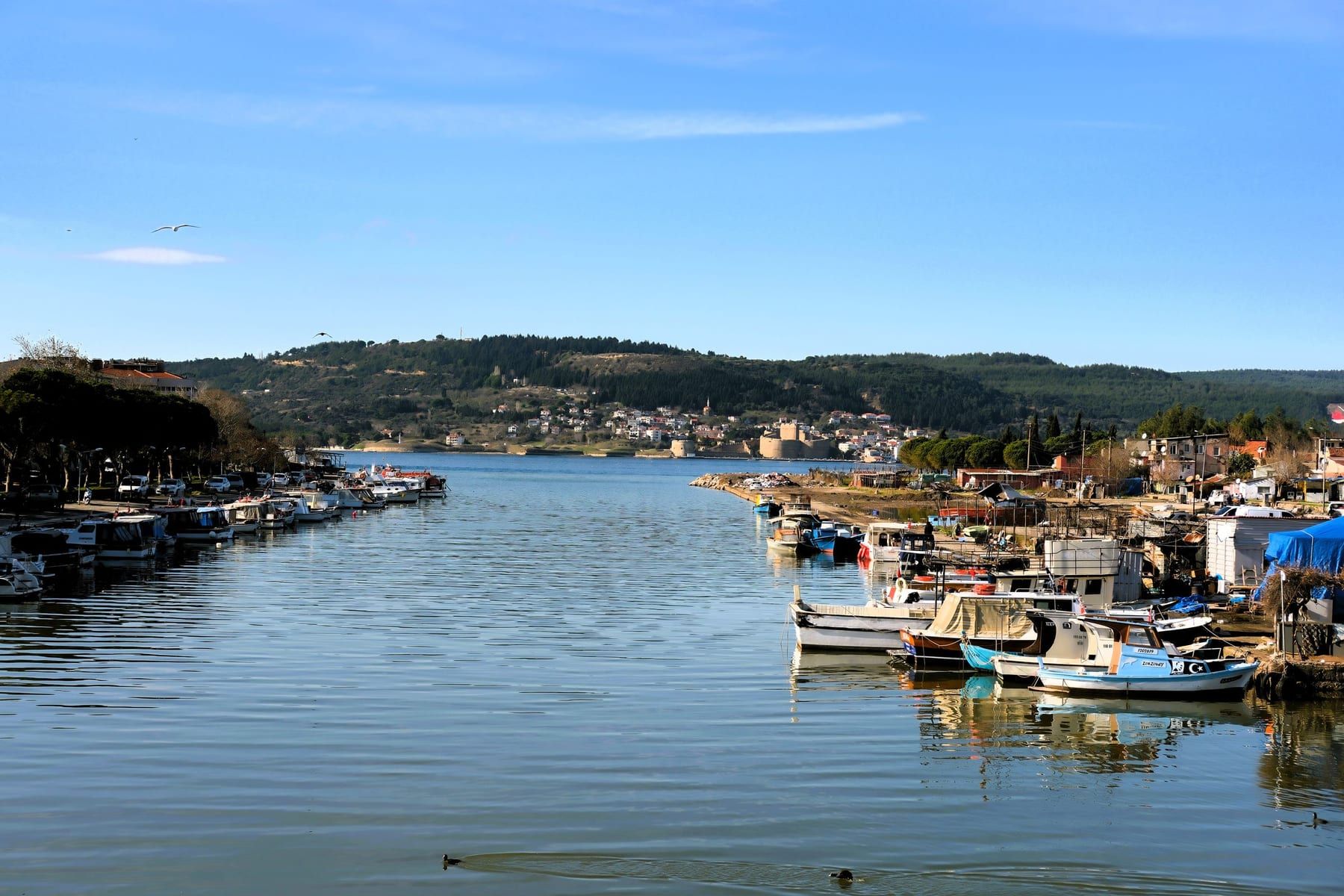
Çanakkale · Izmir · Çeşme · Bodrum · Fethiye · Kaş
Two weeks in a camper between the Dardanelles and the Lycian Coast: Troy and Assos, olive groves, windy bays, beaches where you sleep by the water, and harbour towns where in the evening you simply park the van.
For over 450 years, the spice paste Mesir Macunu, a mix of 41 spices and sugar, has been thrown into the crowd from the Sultan Mosque in Manisa. The custom goes back to the healing of Sultan Süleyman's mother and is on the UNESCO list of intangible cultural heritage. There are also parades, concerts and markets throughout the city.
For travellers: Manisa is an hour from Izmir, a day trip by train or bus; on the main throwing day the old town is packed.
The oldest fair in Turkey, held since the 1920s in Kültürpark in the middle of Izmir: a mix of trade fair, fairground, concerts and food with a different partner country every year. In the evening Turkish stars play on the open-air stage; during the day there are exhibitions and food stalls. Entrance to the park costs a few francs.
For travellers: Hotels around Alsancak and Konak are pricier and fuller during fair week; otherwise early September is a good time for Izmir and Çeşme.
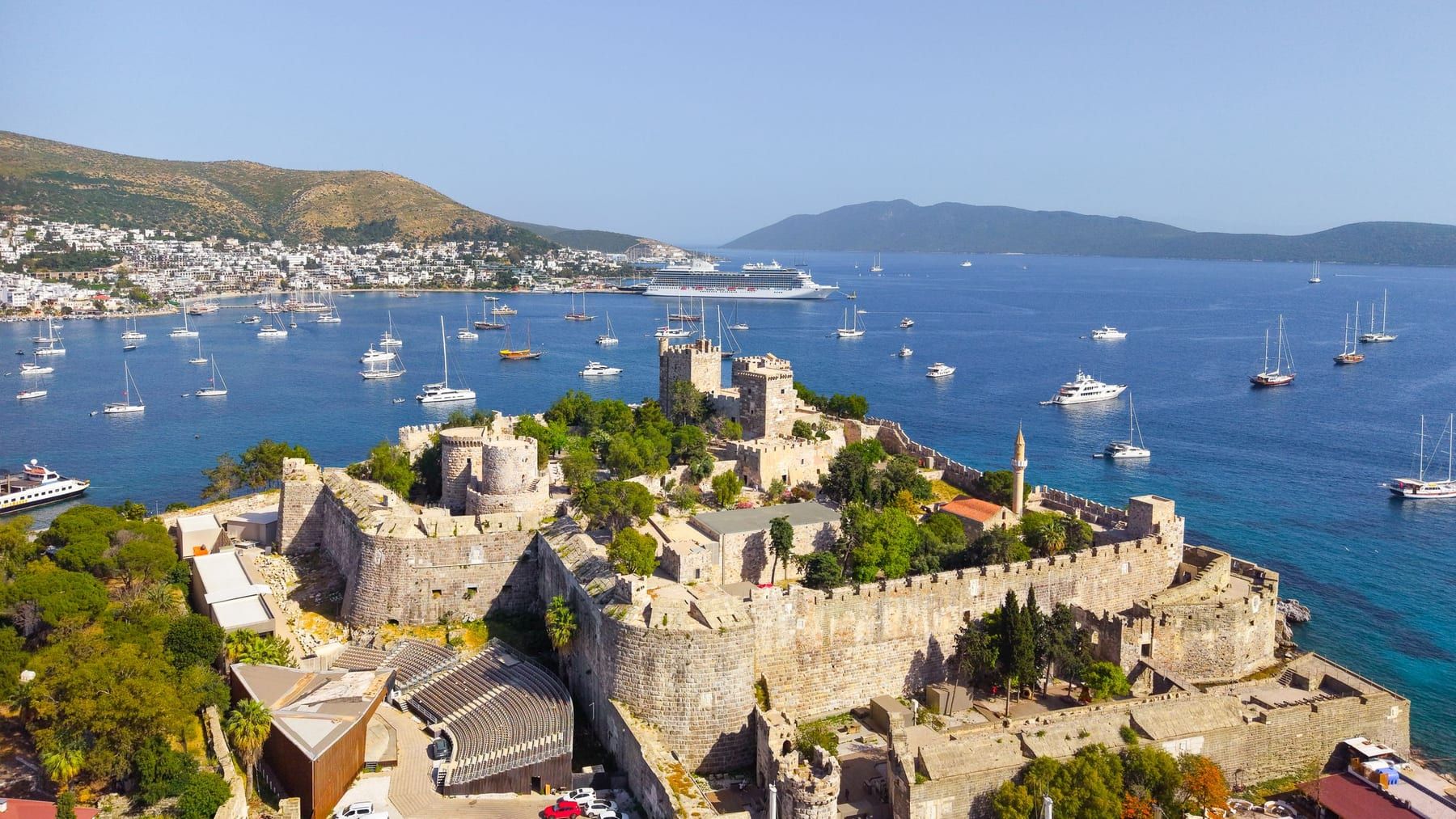
Whitewashed lanes, a Crusader castle on the harbour, one of the Seven Wonders in ruins and the quietest bays on the Aegean coast: Bodrum is more than a summer party destination.
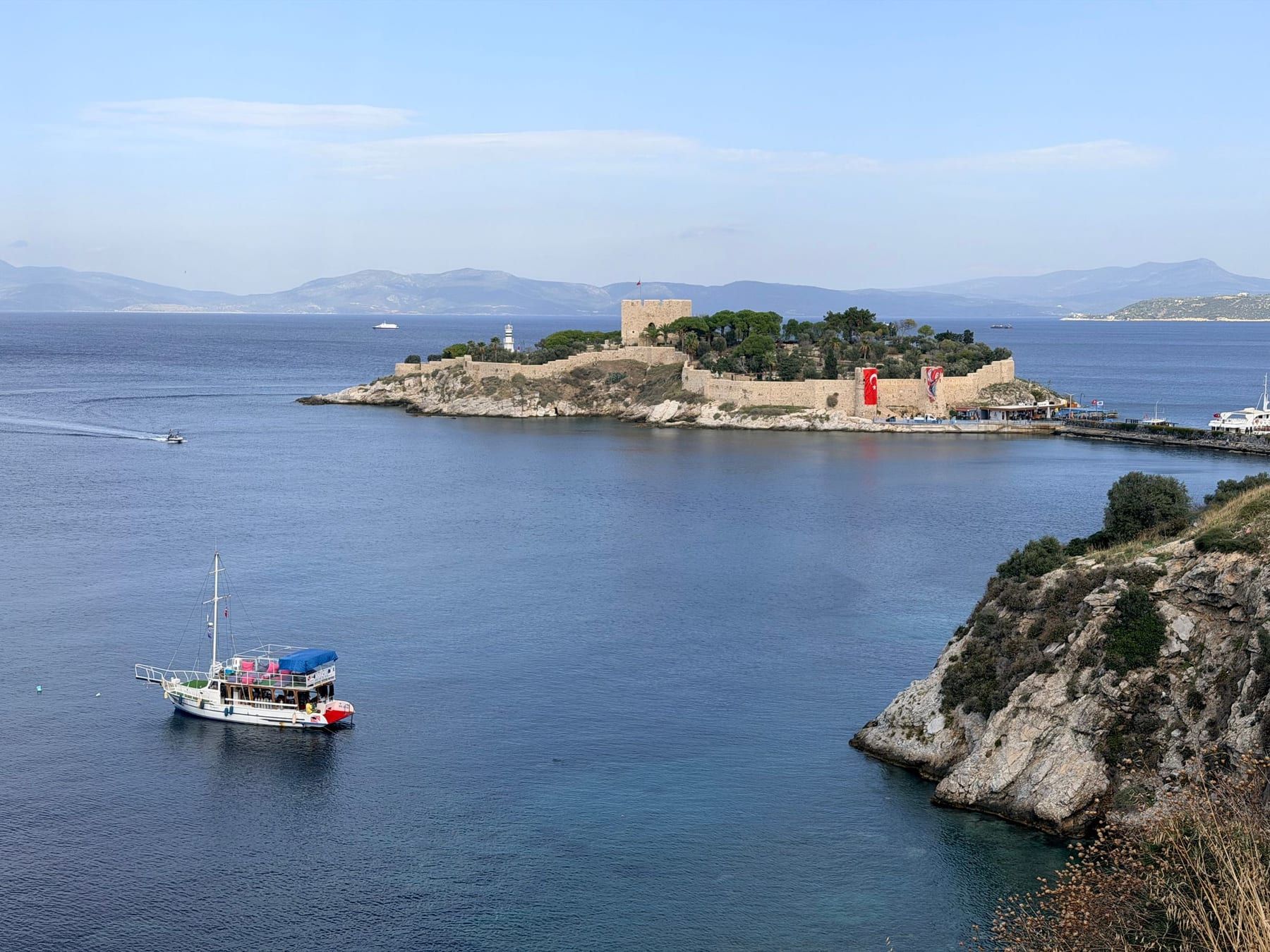
Gateway to Ephesus, three more ancient cities and the wine village of Şirince: Kuşadası is the best base for the ancient west coast of Turkey.
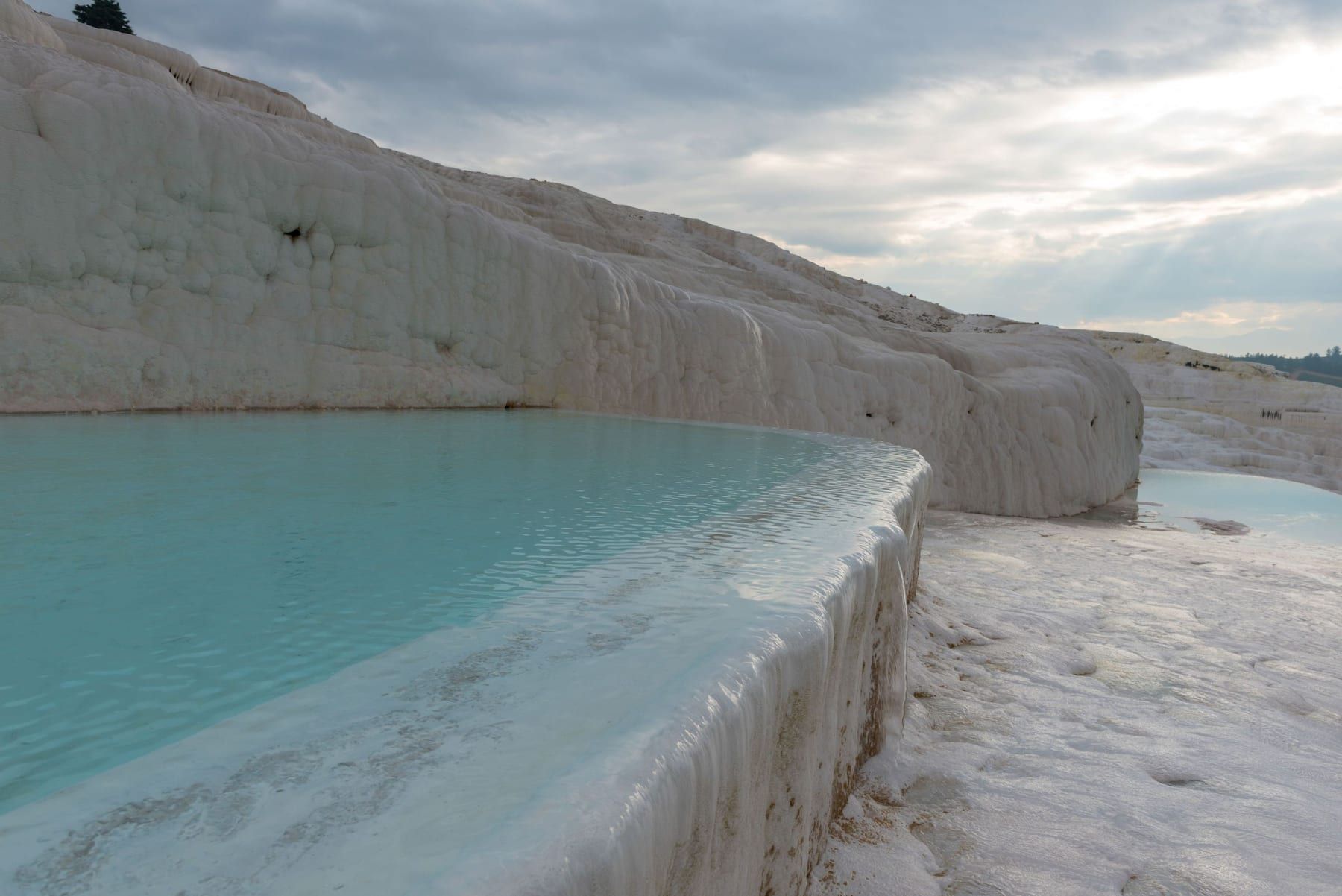
What the white travertine terraces really cost, why you should stay one night and how to see Hierapolis without the tour buses.
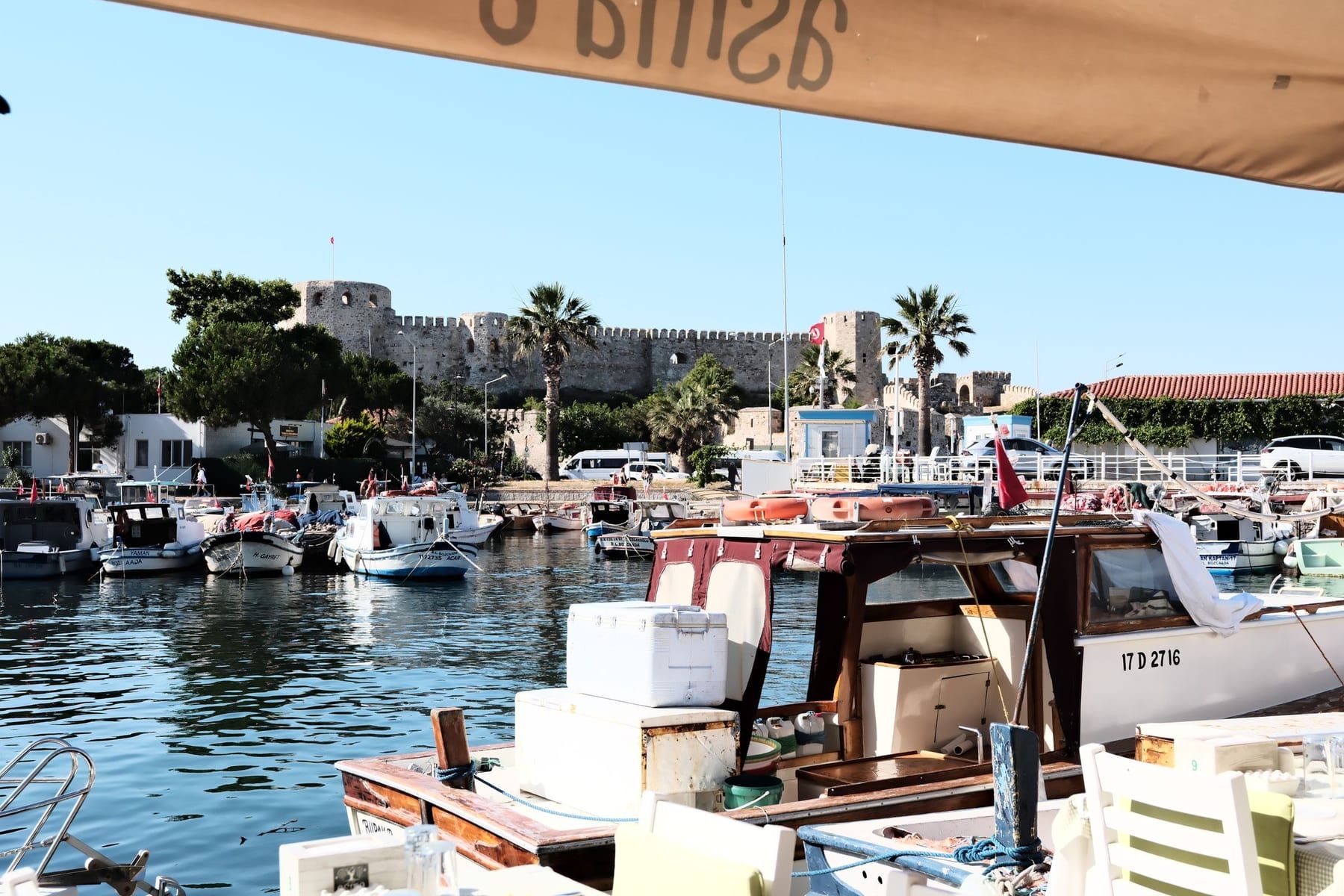
What a week at the tip of the Aegean really costs, where Alaçatı is more show than substance and which bays are worth it.