Activities

Cycling and Bike Tours

Turkey is not a cycling country like Switzerland, Japan on the other hand is a surprisingly good one, and between Lake Constance, the Danube and the Moselle lie the flattest river routes in Europe: if you know the right routes, you experience all five countries better from the saddle than from any bus.

Best months: JanFebMarAprMayJunJulAugSepOctNovDec

Cappadocia by mountain bike

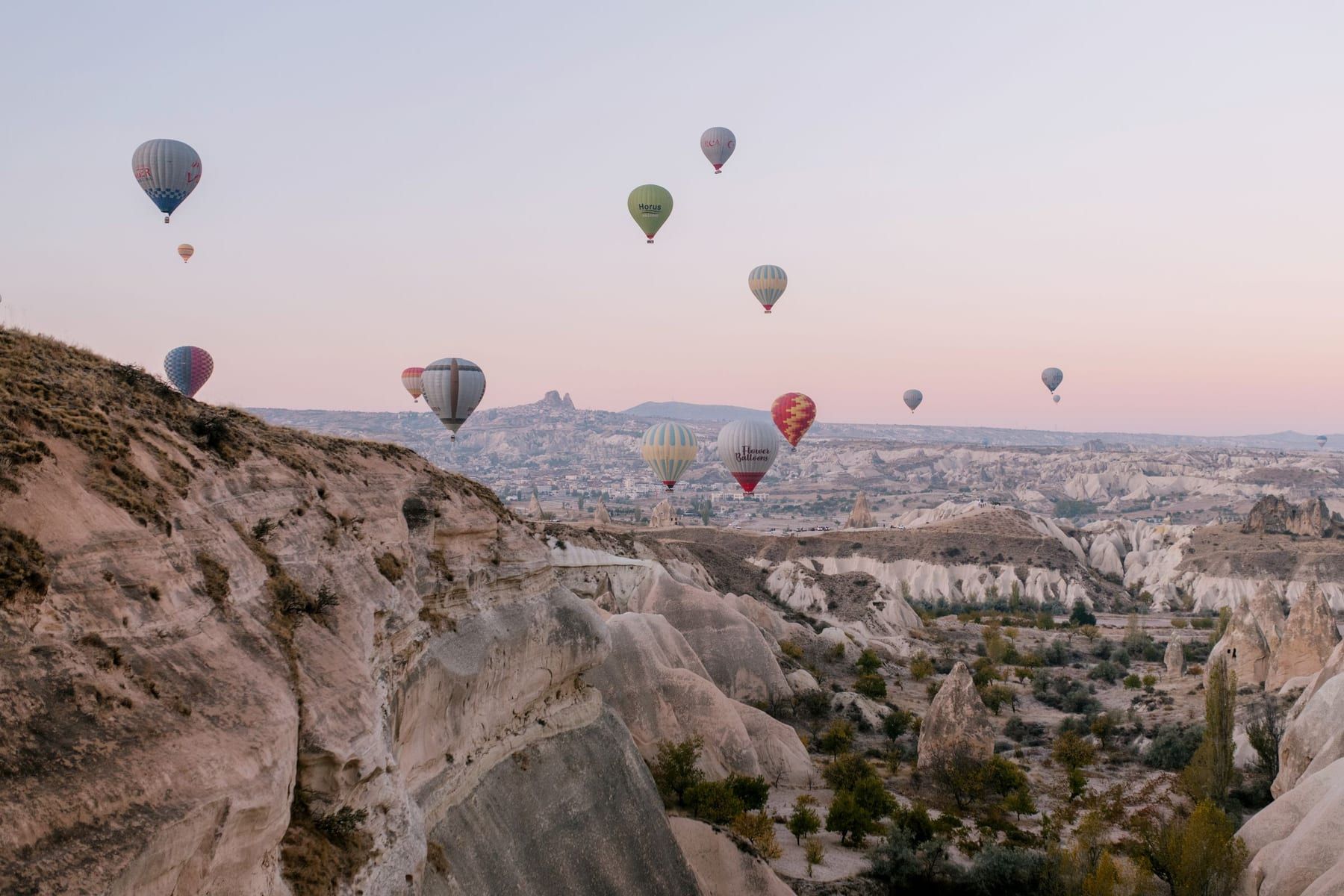
Cappadocia is the best place to cycle in Turkey. The valleys between Göreme, Uçhisar, Çavuşin and Ürgüp are criss-crossed with tracks and singletrails, the climbs are short and traffic is light. You can rent mountain bikes and e-bikes in Göreme for CHF 15 to 30 (about EUR 16 to 32) per day, e-bikes a bit more; quality varies, so check brakes and gears before you set off. Nice loops: Göreme via Rose Valley to Çavuşin and back (two to three hours), or to Ortahisar and the viewpoint. The tuff is soft and sticks to your tyres after rain. Guided tours cost CHF 40 to 70 and save you hunting for the turn-offs. In summer you ride early; from midday it is too hot. Bring your own helmet, as the rental helmets are often in poor condition.
Aegean coast and Lycia by road bike and gravel

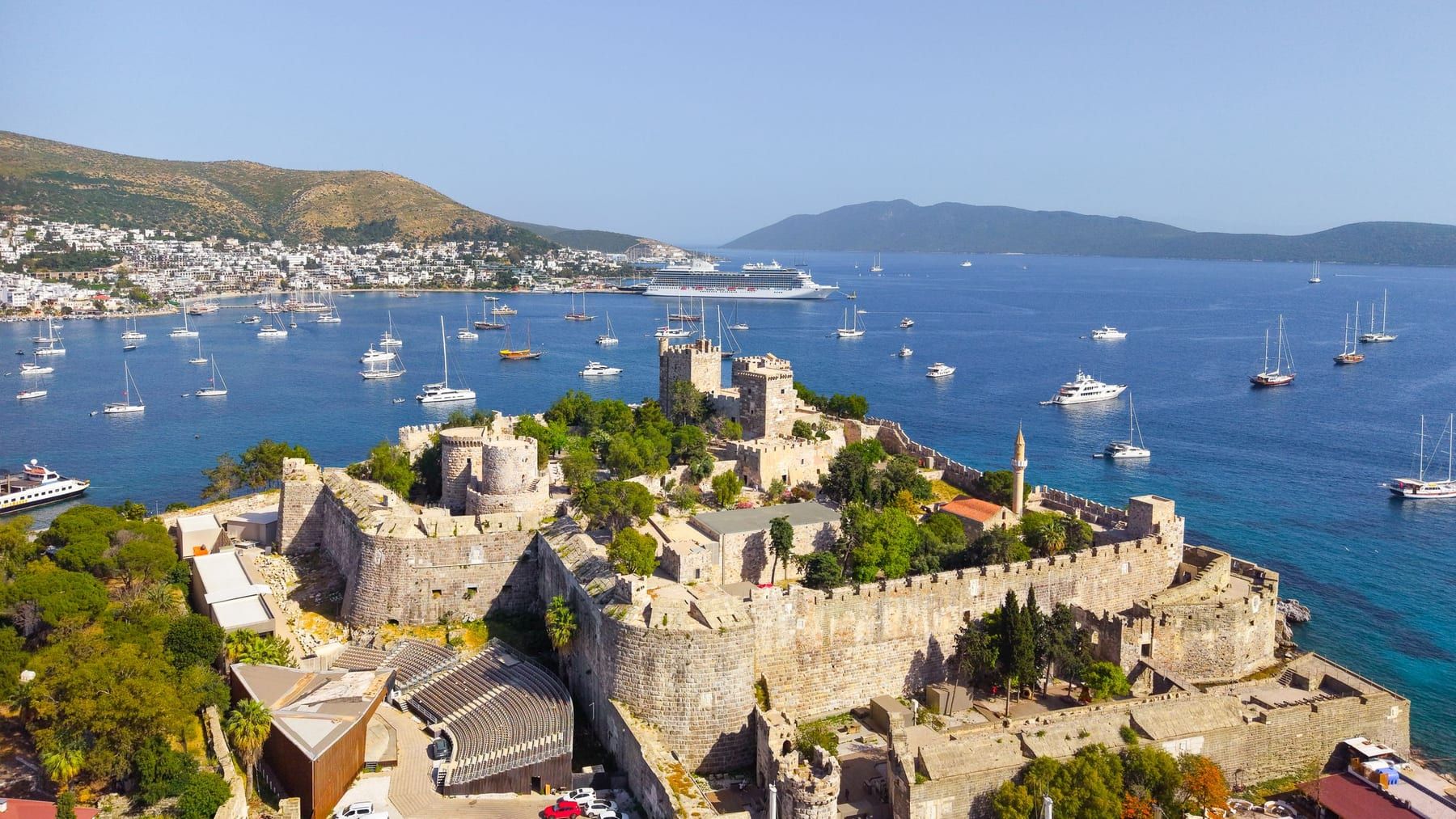
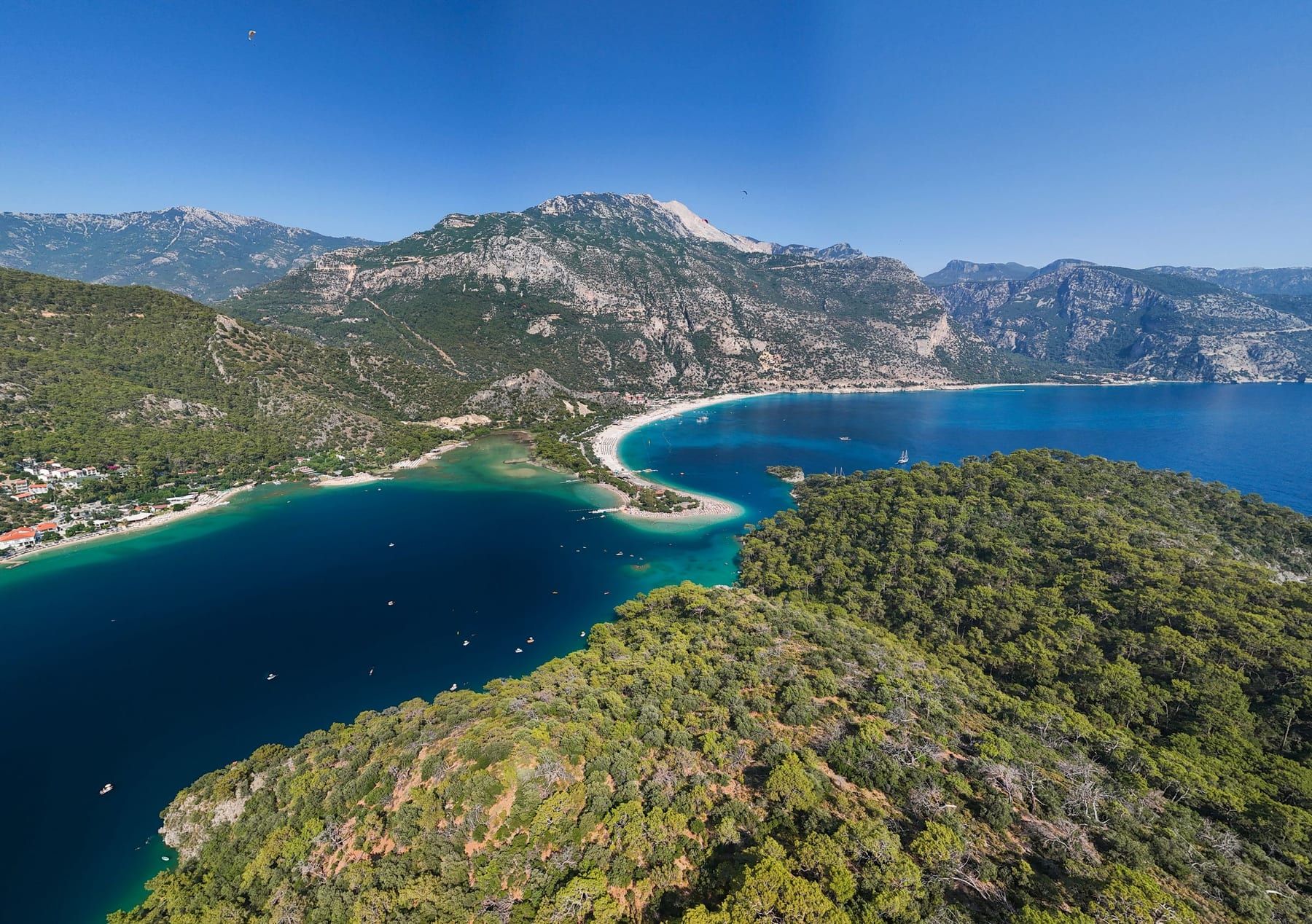
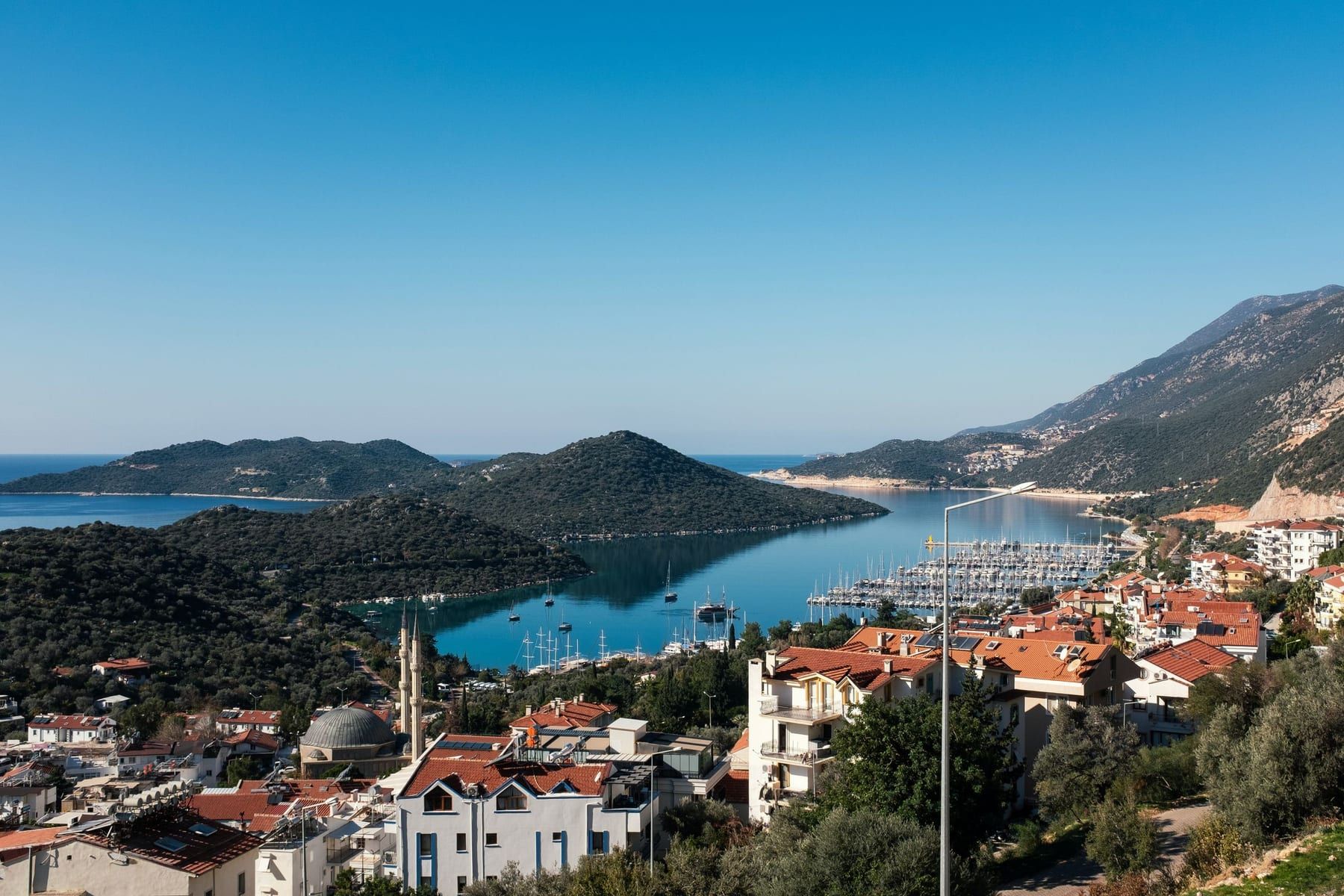
The coastal roads between Bodrum, Datça and Fethiye and on to Kaş are scenically superb but rolling. The Datça peninsula is an insider tip: little traffic, olive groves, views of two seas, though with gradients of up to 10 percent. The coastal stretch from Kaş to Demre is one of the most beautiful road-bike stages in Turkey. The problems are the main D400 artery with its lorries and the unlit tunnels. Plan with Komoot or similar apps using the back roads. Road bikes are easiest to rent in Antalya, Fethiye or Bodrum for CHF 30 to 50 (about EUR 32 to 54) per day; better to bring your own. Spring and autumn are ideal; in summer it is too hot for longer stages. You can refill water in any village, there are repair shops in the towns, and in the countryside the motorbike mechanic improvises.

Izmir and the Kordon: cycling in the city

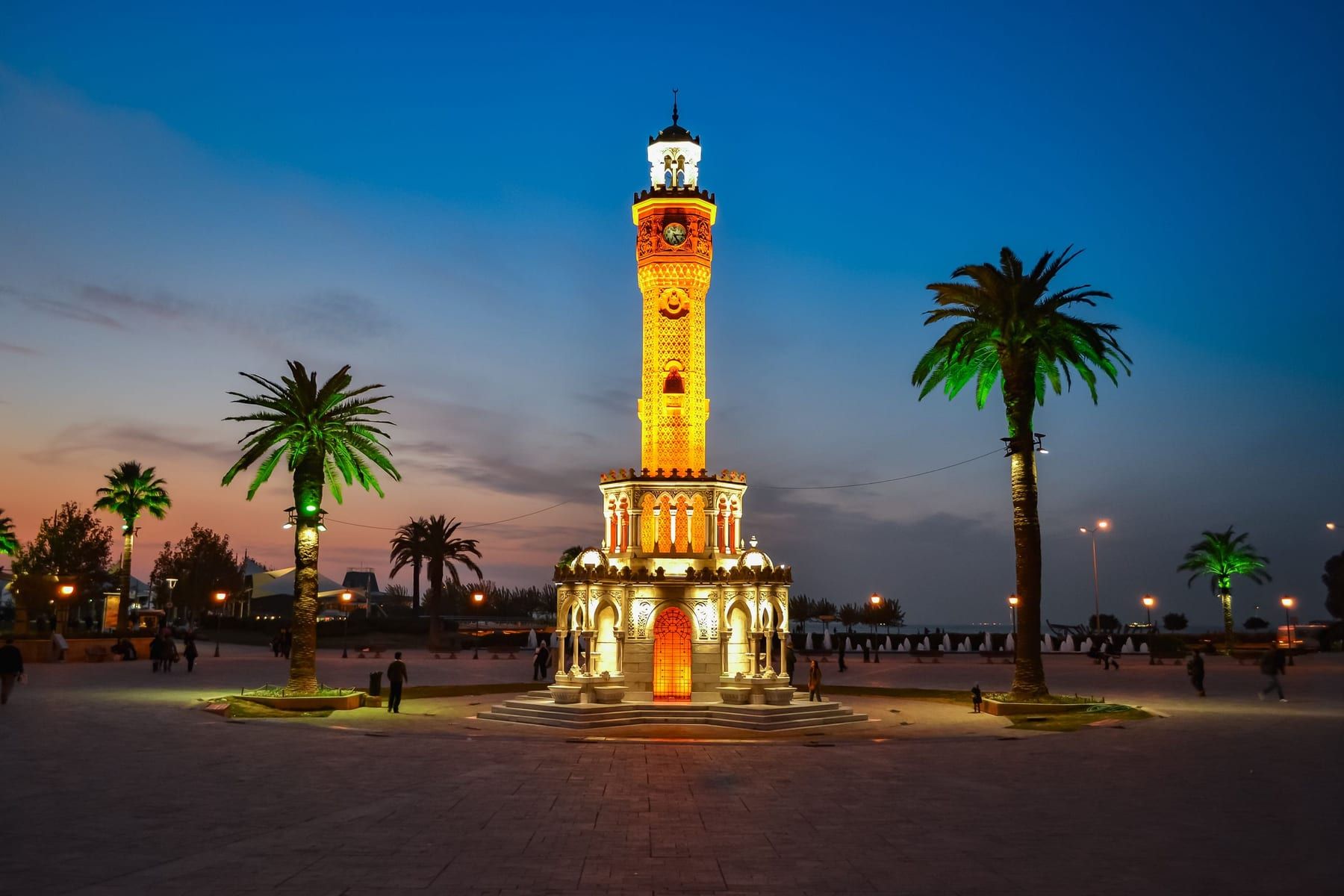
Izmir is the most bike-friendly big city in Turkey. The Kordon, the waterfront promenade from Alsancak to Konak, has a continuous cycle path with sea views, plus a municipal bike-share scheme (BİSİM) with stations along the bay. You pay with a transport card or via app, a few francs per hour. The route can be extended to Bostanlı on the north side, with a ferry back. Istanbul, by contrast, is only rideable in places: the islands (Büyükada, Heybeliada) and the coastal path along the Sea of Marmara from Bakırköy to Florya are good; the rest is traffic chaos. On the Princes' Islands you rent bikes for CHF 5 to 10 (about EUR 5 to 11) per day, best right at the ferry pier. For city trips the rule is: bike as a day-trip vehicle yes, as a way to get across the city better not. In Izmir too, stick to the promenade; the streets behind it are narrow and busy.

Bikepacking across Anatolia

If you want a big tour, Anatolia offers one of the last wide-open landscapes in Europe. Popular routes are Istanbul via Cappadocia to Antalya (around 1200 kilometres), the Black Sea coast, or the east from Kars to Van across plateaus at 2000 metres. The infrastructure is better than you would expect: petrol stations with tea and toilets every 30 to 50 kilometres, groceries in every village, wild camping outside settlements is tolerated and you get invited in often. Budget CHF 15 to 30 (about EUR 16 to 32) per day if you camp and eat simply. The hard parts are the dogs that chase cyclists (slow down; getting off helps), climbs over long distances and the heat in July and August in the interior. May, June, September and October are the months to choose. A Turkish SIM with data is essential for navigation and translation.

Transporting your bike: plane, bus, train

Turkish Airlines and most European carriers carry bikes as sports luggage, usually for CHF 50 to 120 (about EUR 54 to 128) per leg depending on the fare; a box from a bike shop or a bike bag is mandatory. Within Turkey, long-distance buses often take bikes in the luggage hold if there is space and the front wheel is removed; some charge a small fee, some refuse. Ask the bus company, not the ticket counter. The high-speed trains (YHT) only take packed, folded bikes; conventional trains are more lenient. Ferries are no problem. Inland, a rental car with a bike rack is often the easiest option for groups. Do not leave your bike unlocked; theft is rare but not unheard of. Bring tools, spare tubes and brake pads, as small towns have hardly any road-bike parts. If you want to buy a bike locally, Istanbul, Izmir and Antalya have dealers with well-known brands, but at prices above those in Western Europe.

Japan

Japan: Shimanami Kaido, the most beautiful cycle route in the country

The Shimanami Kaido links Onomichi on Honshu with Imabari on Shikoku across six islands and seven bridges of the Seto Inland Sea, around 70 kilometres on a blue-marked lane you cannot miss. The bridges have their own bike ramps, the gradients are gentle, traffic is light, and in between wait citrus groves, fishing villages and temples. Fit riders do it in a day in five to seven hours; two days with a night on Ikuchijima or Omishima for CHF 60 to 120 (about EUR 64 to 128) is more relaxed. Rental bikes are available at the public terminals in Onomichi and Imabari for around CHF 15 to 20 a day including drop-off at the other end; e-bikes and good road bikes cost CHF 40 to 80. Hiroshima is 90 minutes by train from Onomichi, and many combine the ride with Miyajima. Bridge tolls for bicycles have been waived for years. Best time: March to May and October to November; summer is hot and humid but doable with an early start.

Japan

Lake Biwa and Kyoto: lake loop and city by bike

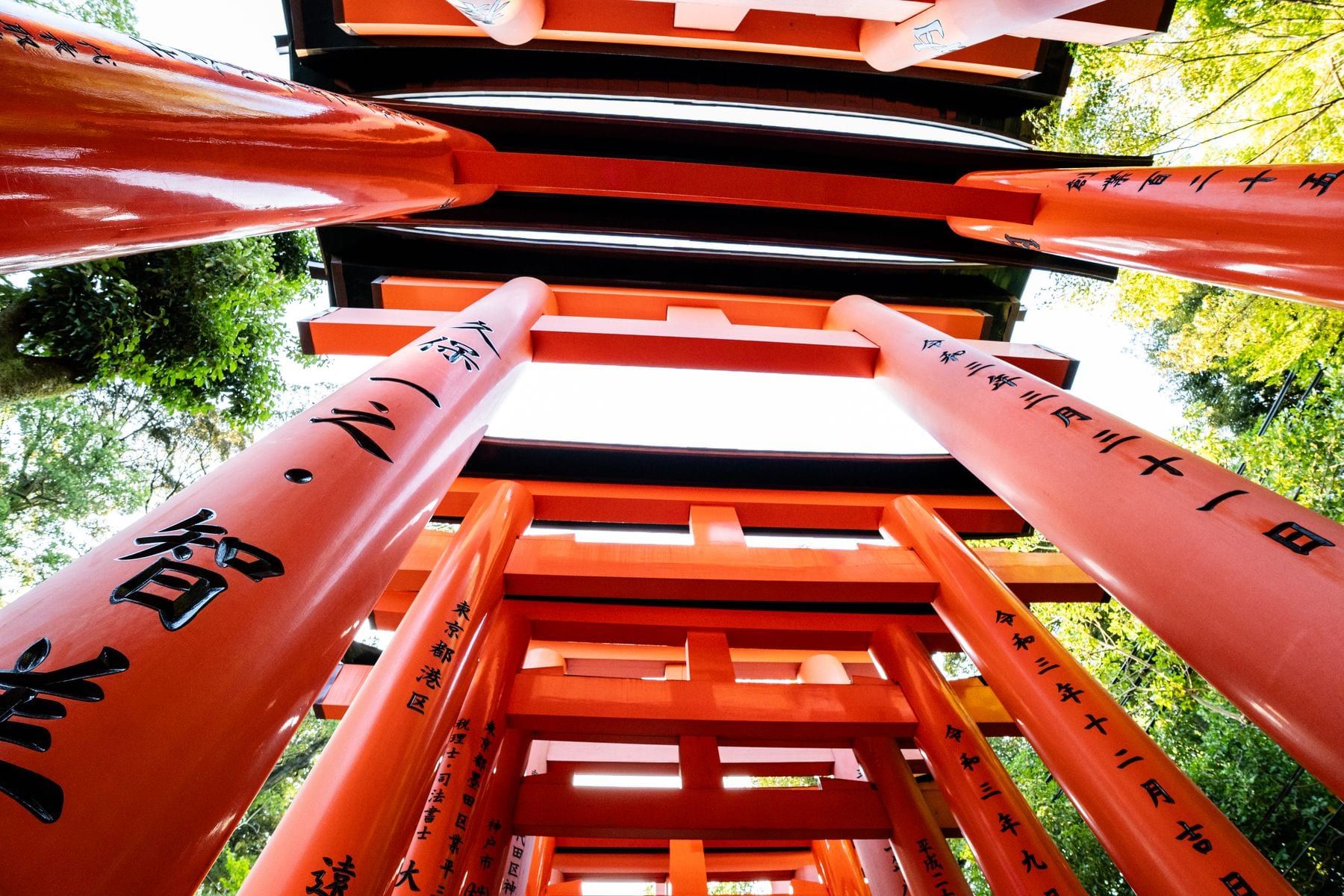
Lake Biwa north east of Kyoto is the largest lake in Japan, and riding around it (Biwaichi, about 200 kilometres) is something of a national sport, with a marked shoreline route, rest stations and hotels with bike rooms. Most people plan two to three days and start in Otsu or Maibara, both 15 to 60 minutes from Kyoto by train. The north shore is quiet and rural, the south shore urban. Road bikes can be rented at Maibara station or in Otsu for CHF 30 to 60 (about EUR 32 to 64) a day. In Kyoto itself the bike is the best way to get around: the city is flat, the temples are scattered and the buses are packed. City bikes cost CHF 6 to 12 a day, e-bikes about double, with rental shops at the station and in Gion. Good routes: the Kamo river northwards, the Philosopher's Path to Ginkakuji, Arashiyama with the bamboo grove early in the morning. Important: in the city centre bikes may only be parked at paid bike parks (CHF 1 to 2 a day); towed bikes cost CHF 15 to retrieve. You ride on the left, and cycling is explicitly allowed on many pavements.

Switzerland

Switzerland: Veloland, Herzroute and the Rhine cycle route

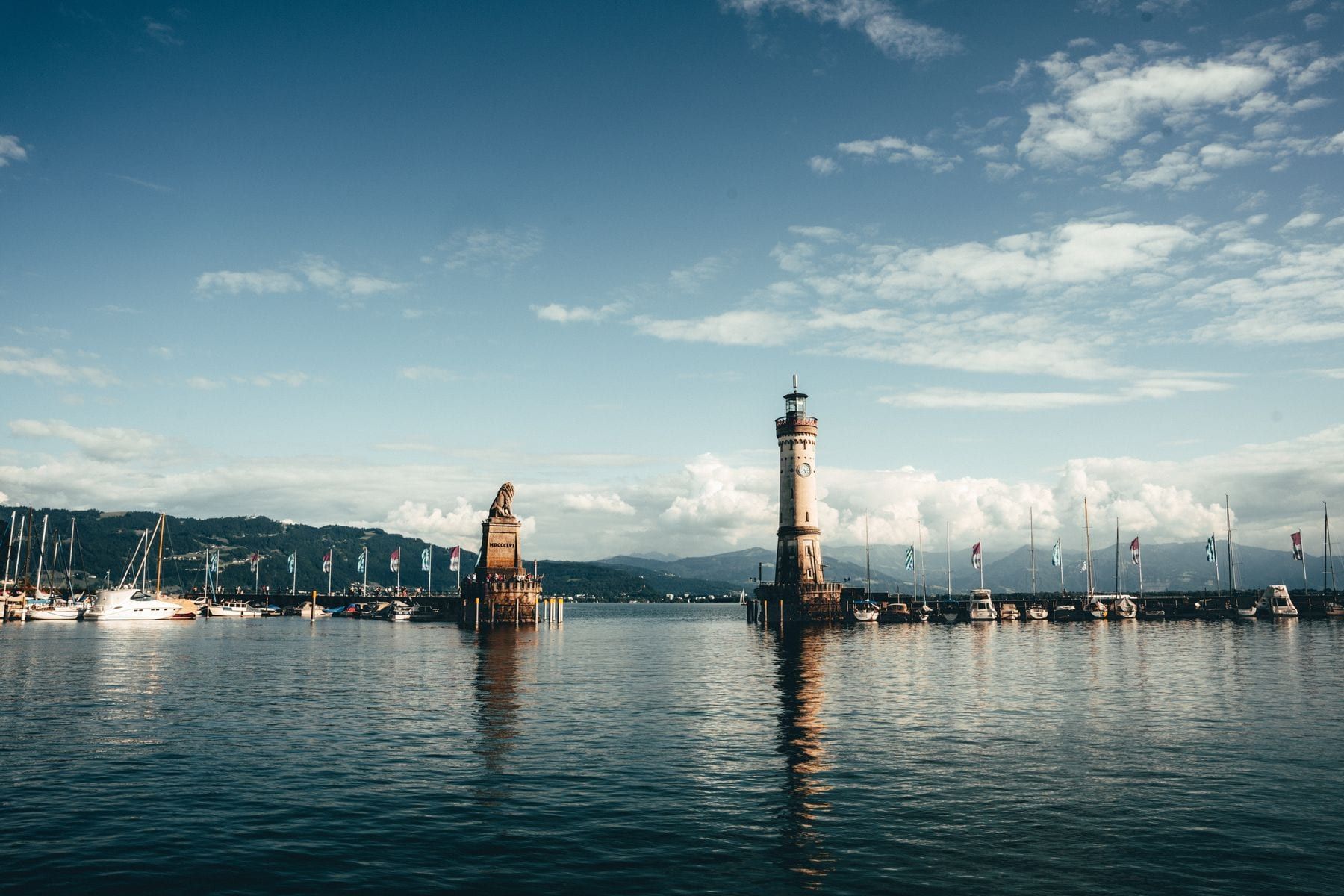
With Veloland Schweiz, Switzerland is the best signposted cycling country in Europe: nine national routes, numbered and marked with red signs, from the Rhone Route (1) via the Rhine Route (2) to the Lakes Route (9), plus dozens of regional routes, all on SchweizMobil with map and elevation profile. The Rhine Route follows the Rhine cycle route (EuroVelo 15) from the Oberalp Pass via Chur, Lake Constance and the Rhine Falls at Schaffhausen to Basel, mostly flat from Chur onwards and with railway stations on almost every stage in case your legs give up. The Lake Constance cycle path circles the lake in 260 kilometres through three countries, flat, family-friendly and correspondingly busy in July and August; May, June and September are the better months. The Herzroute (Route 99) is the e-bike route from Lausanne to Rorschach, 720 kilometres in 13 stages over the hills of the Emmental, Napf and Appenzell, with battery swap stations and e-bike rental from Rent a Bike at the stage towns. Rental prices: bike CHF 35 to 45 (about EUR 37 to 48) per day, e-bike CHF 60 to 80, one-way rental between stations possible. On SBB trains your own bike needs a bike day pass for CHF 14 and, on Intercity trains from March to October, a reservation for CHF 2 booked in the app. Bern with its Aare paths and Basel as the start of the three-country stretch of the Rhine are worthwhile stage towns.

Austria

Austria: the Danube cycle path from Passau to Vienna and Lake Neusiedl

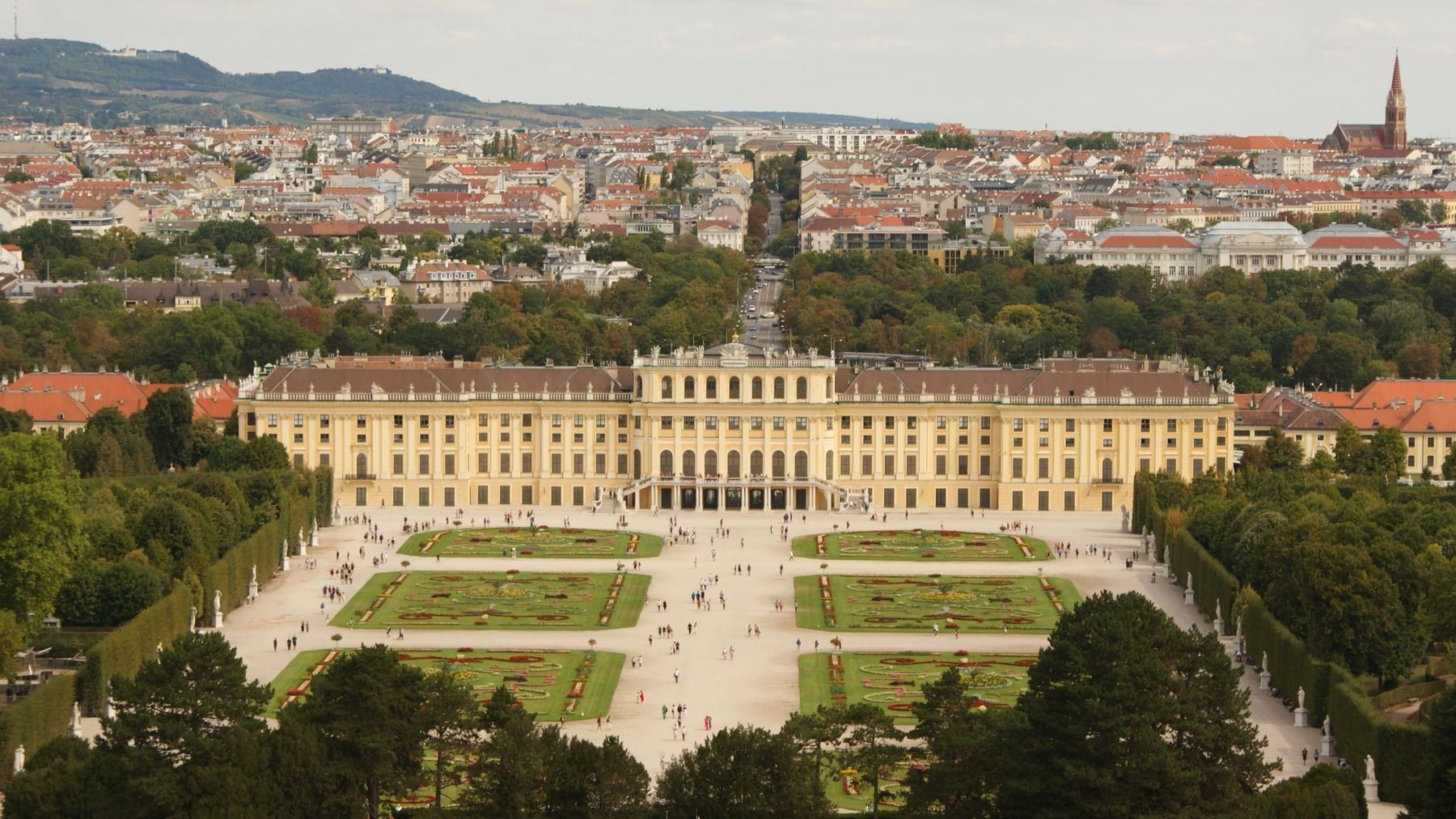
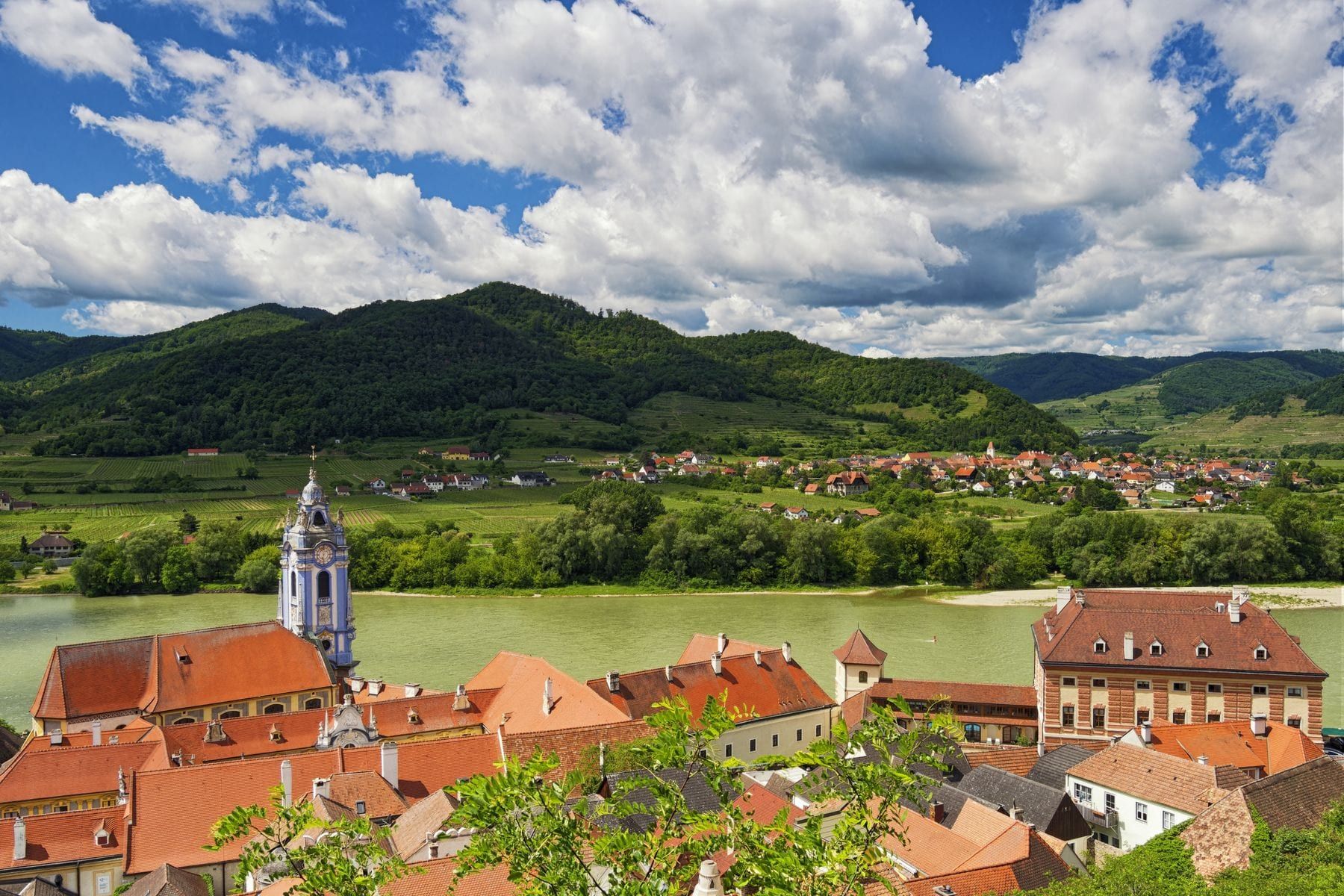
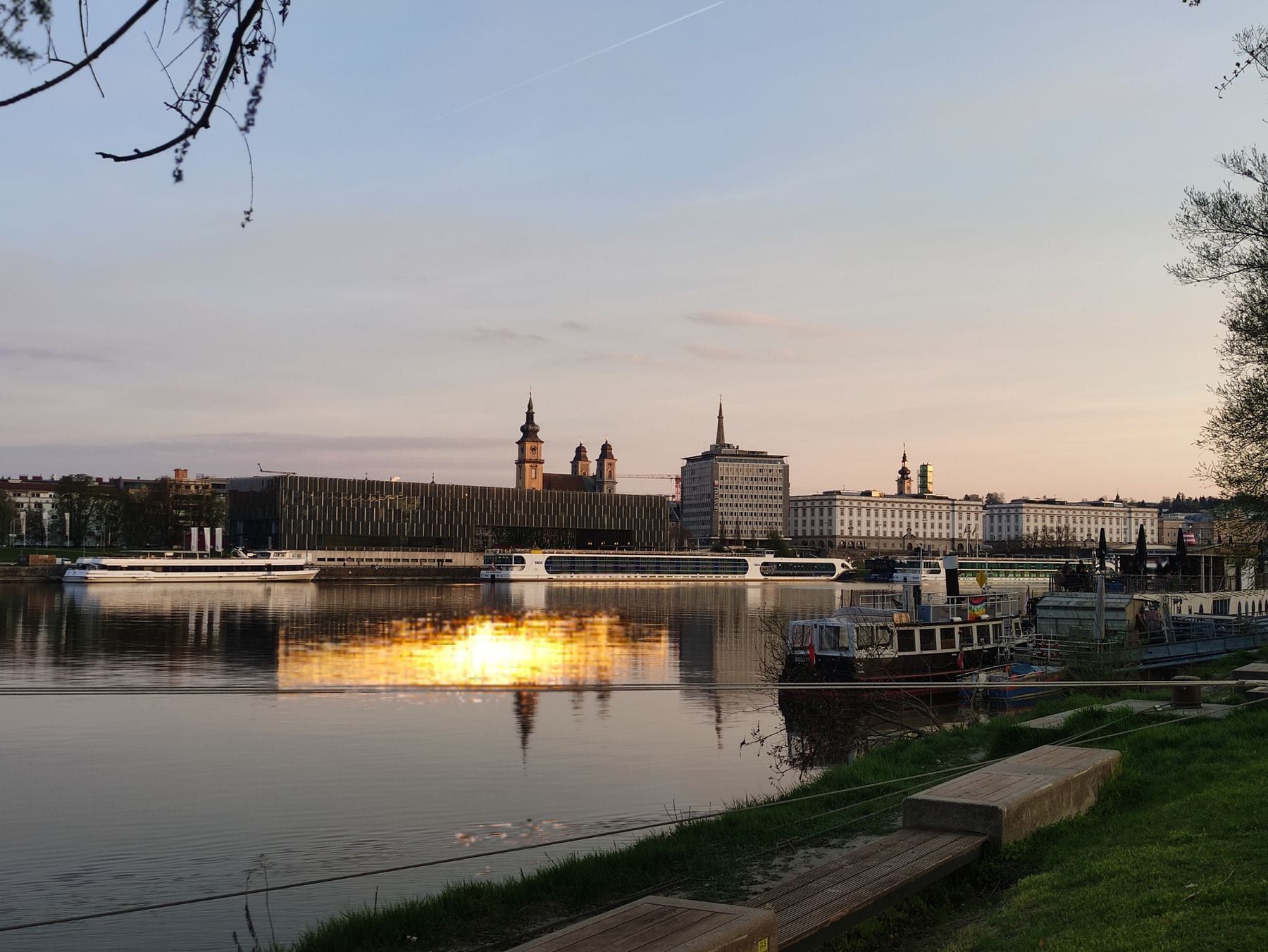
The Danube cycle path between Passau and Vienna is the most ridden river route in Europe, and rightly so: around 320 kilometres downstream, almost without a climb, asphalted on both banks and signposted so well you need no map. The stages fall into place by themselves: Passau to Schlögen with the Danube loop, on to Linz, via Grein and the Strudengau to Melk, then the Wachau with Dürnstein, Weissenkirchen and the apricot orchards to Krems, finally via Tulln to Vienna. Five to seven days is usual, and bike ferries take you across for a few francs. Guesthouses and inns cost CHF 70 to 120 (about EUR 75 to 128) per double room, operators such as Eurobike or Donau Touristik offer weeks with hotels and luggage transport from CHF 700 per person, e-bike rental for the week CHF 150 to 250. If you want more, add the Tauern cycle path from Krimml to Passau beforehand or ride Lake Constance from Bregenz. The Lake Neusiedl cycle path in Burgenland is 120 flat kilometres through reeds, wine villages and across into Hungary, with a bike ferry between Illmitz and Mörbisch, ideal for two days from Vienna. On the train: ÖBB takes bikes on the Railjet with a reservation for around CHF 3 plus a bike ticket (ten percent of the fare, at least CHF 2), on regional trains without a reservation. From Zurich you reach Passau via Munich in around six hours.

Germany

Germany: Moselle cycle path, Middle Rhine and bikes on Deutsche Bahn

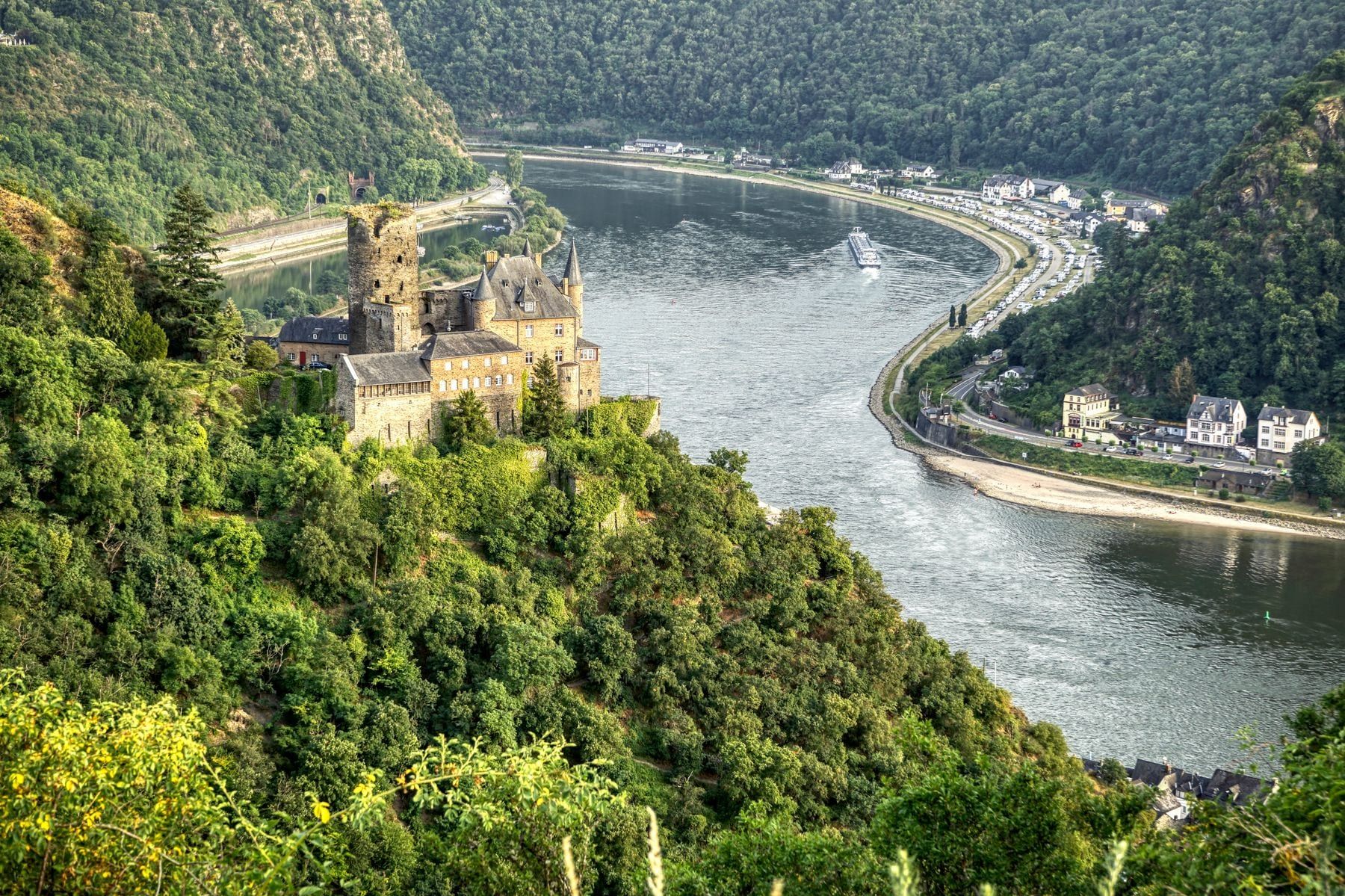
Germany has over 200 signposted long-distance cycle routes, and three of them are ideal for a long weekend from Switzerland. The Moselle cycle path from Trier to Koblenz is 240 flat kilometres through vineyards and river loops, via Bernkastel-Kues, Traben-Trarbach and Cochem, with winegrowers' estates, seasonal wine taverns and guesthouses for CHF 70 to 110 (about EUR 75 to 117); three to four days are enough, ferries link the banks. The Rhine cycle route through the Upper Middle Rhine Valley between Bingen and Koblenz passes over 40 castles and the Loreley, 65 kilometres you ride in a day and shorten as you like with ferries and regional trains; further upstream around Mainz and Frankfurt it turns flat and urban. The Elbe cycle path from Dresden is the third option: upstream into Saxon Switzerland to Bad Schandau and Děčín, downstream to Meissen, both directions flat and doable in a day. On Rügen and Sylt there are coastal cycle paths with wind as the main opponent, bike rental everywhere for CHF 15 to 25, e-bikes CHF 35 to 50 per day. On Deutsche Bahn long-distance trains you need a bike ticket for around CHF 9 and a reserved bike space, of which each ICE has only eight to twelve, so book early; regional trains usually take bikes without a reservation, sometimes for a surcharge, and the Deutschlandticket does not cover bikes. From Basel the ICE gets you to Mainz or Koblenz in three to four hours.

Tours worth booking

Guided mountain bike tour through the valleys of Cappadocia

Half-day or full-day tour from Göreme with guide, mountain bike and helmet through Rose Valley, Çavuşin and Love Valley. Doable with normal fitness, with breaks at the viewpoints.

View & book →

E-bike sunset tour Cappadocia

Relaxed evening loop by e-bike to the viewpoints above Red Valley. Little effort, lots of light. A good option for couples and anyone who does not want to ride hard.

View & book →

Bike tour of the Princes' Islands from Istanbul

Day trip with ferry to Büyükada, bike rental on the island and a loop around it past pine forests and wooden villas. Car-free, and therefore the best bike excursion in Istanbul.

View & book →

Road bike tour on the coast road from Antalya

Guided road-bike ride from Antalya with support vehicle towards the Taurus or the coast. Rental bike at extra cost. For experienced riders who want to combine their holiday with training.

View & book →

Bike tour Alaçatı and Çeşme

Flat loop through the vineyards and villages of the Çeşme peninsula with a swim stop. Rental bikes on site, guide optional. Best in spring and autumn; windy in summer.

View & book →
Japan

Shimanami Kaido cycling tour with rental bike and luggage transfer

One or two day ride from Onomichi to Imabari with a good rental bike, route map and luggage transport, with a guide on request. You cross the bridges at your own pace and get picked up at the end.

View & book →
Japan

Kyoto bike tour to temples and through old town lanes

Guided half-day ride through Gion, along the Kamo river and to temples away from the bus routes, with breaks and explanations. Flat, slow, ideal on your first day in Kyoto.

View & book →
Switzerland

E-bike tour around Lucerne and along Lake Lucerne

Guided half-day e-bike ride from Lucerne along the lake, via Meggen or to Küssnacht, with views of Pilatus and Rigi and a swim stop in summer. Flat to rolling, for everyone who would rather enjoy the bike than train on it.

View & book →
Austria

Cycling tour through the Wachau from Vienna with wine tasting

Day trip by train to Krems or Melk, rental bike and a ride through Dürnstein, Weissenkirchen and Spitz with a stop at a Heuriger wine tavern. The most beautiful stretch of the Danube cycle path in one day, even without your own bike.

View & book →
Germany

Guided bike tour on the Moselle with a winery visit

Half-day or full-day tour from Cochem or Bernkastel-Kues upstream or downstream, with rental bike or e-bike, a stop at a winery and return by train or boat. Ideal for finding out whether the whole Moselle cycle path is for you.

View & book →

If you book through these links we earn a small commission, at no extra cost to you.

Where

Istanbul Flights approx. 235 EUR
Marmara

Istanbul

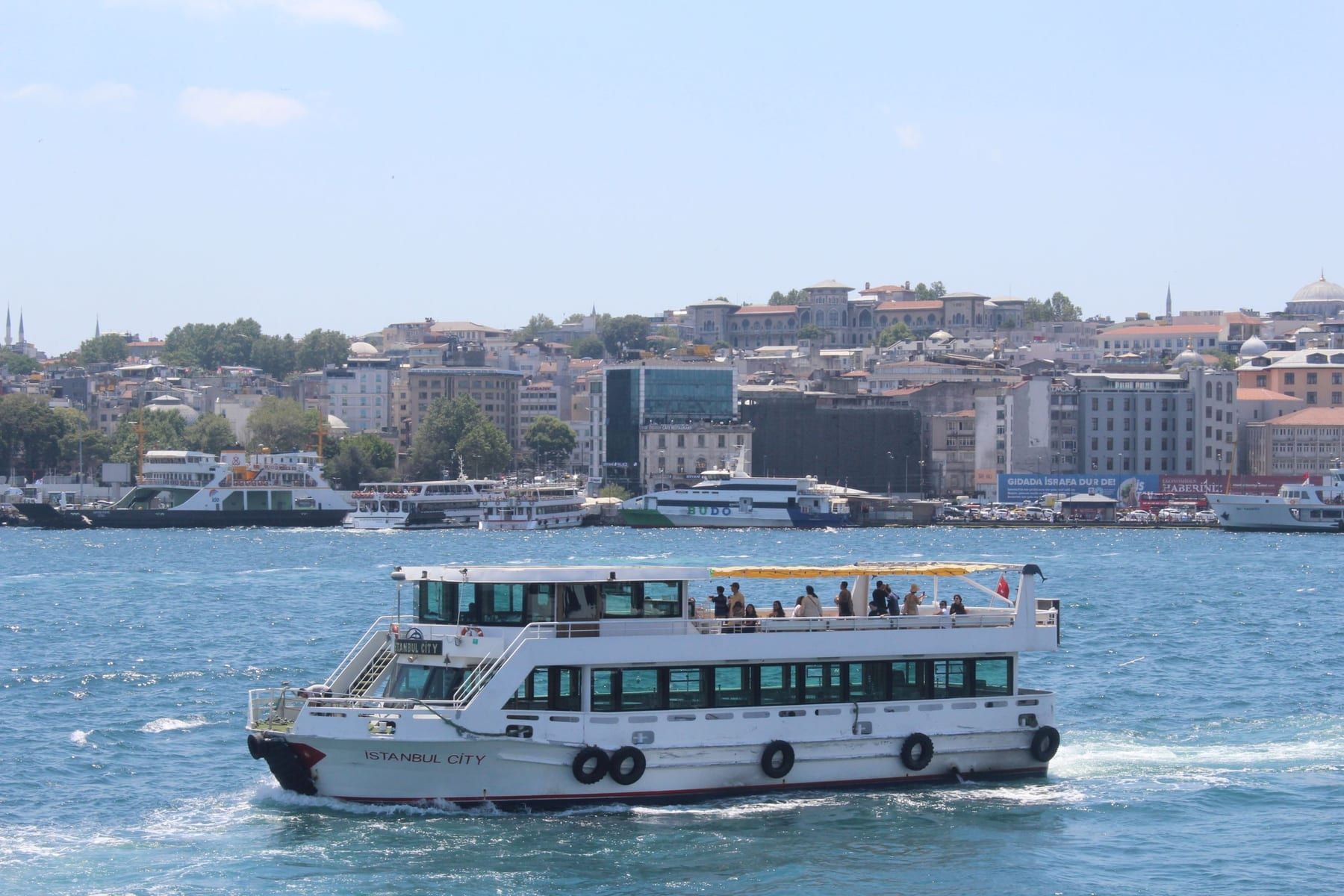
What a long weekend or a week in the city on two continents really costs, which neighbourhoods you actually need, and where the locals eat.

Izmir Flights approx. 321 EUR
Aegean

Izmir

The most open-minded city in Turkey: a long waterfront promenade, a living bazaar quarter and the best-preserved ancient city, Ephesus, only 40 kilometres away.

Bodrum Flights approx. 310 EUR
Aegean

Bodrum

Whitewashed lanes, a Crusader castle on the harbour, one of the Seven Wonders in ruins and the quietest bays on the Aegean coast: Bodrum is more than a summer party destination.

Çeşme Flights approx. 300 EUR
Aegean

Çeşme

What a week at the tip of the Aegean really costs, where Alaçatı is more show than substance and which bays are worth it.

Fethiye Flights approx. 332 EUR
Mediterranean

Fethiye

Turquoise lagoons, ancient Lycian rock tombs and one of the wildest gorges in Turkey: Fethiye is more than the most famous paragliding spot in the country.

Kaş Flights approx. 375 EUR
Mediterranean

Kaş

What a week in the most relaxed town on the Turkish Mediterranean costs, why no package-tour buses stop here and which experiences are really worth it.

Cappadocia Flights approx. 342 EUR
Central Anatolia

Cappadocia

What a week among the fairy chimneys really costs, how to avoid the tourist traps once you are there, and which experiences are worth your money.

Kyoto Flights approx. 1070 EUR
Kansai

Kyoto

What a week in the old imperial city really costs, when you need to be at which temple to actually see it, and why a bike beats the bus here.

Hiroshima Flights approx. 1177 EUR
Chugoku & Shikoku

Hiroshima

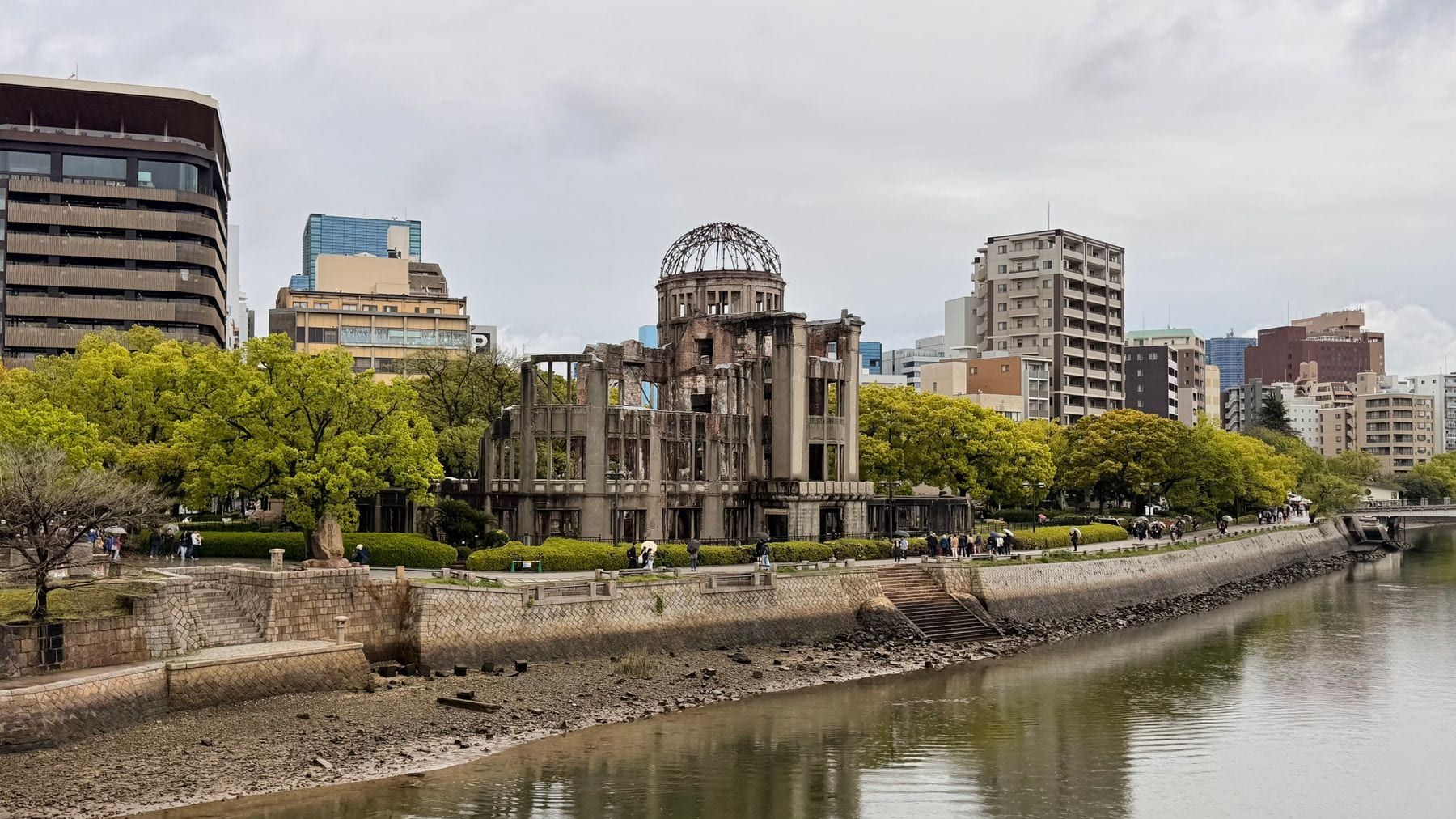
What two to three days in Hiroshima really cost, why the Peace Memorial Museum needs half a day rather than an hour, and where the city comes alive in the evening.

Basel Getting there approx. 54 EUR
Zurich, Basel & Lucerne

Basel

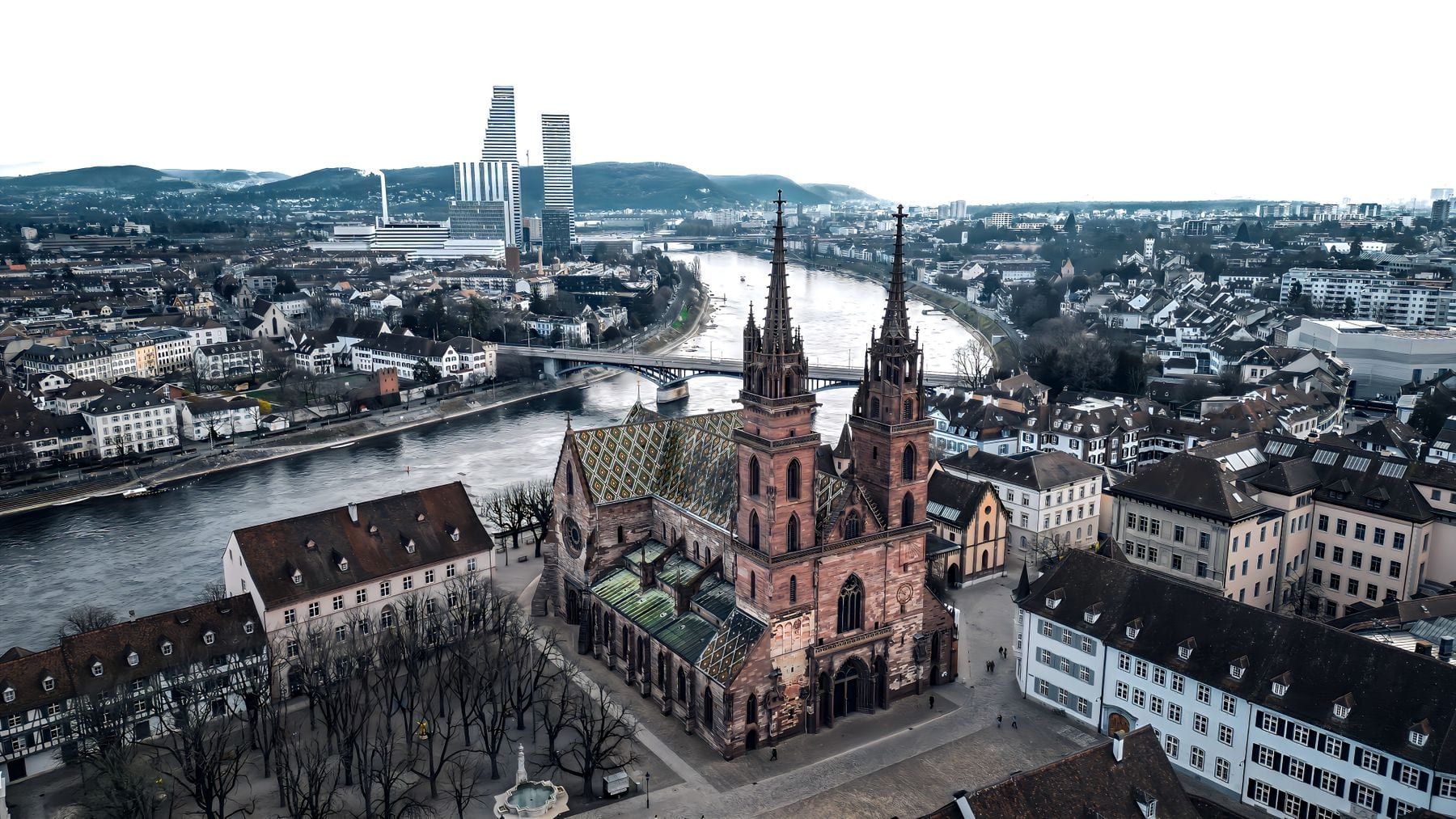
What a museum weekend in Basel costs, why in summer you float through the city on the Rhine instead of walking, and how the BaselCard saves you half of the admission fees.

Lucerne Getting there approx. 54 EUR
Zurich, Basel & Lucerne

Lucerne

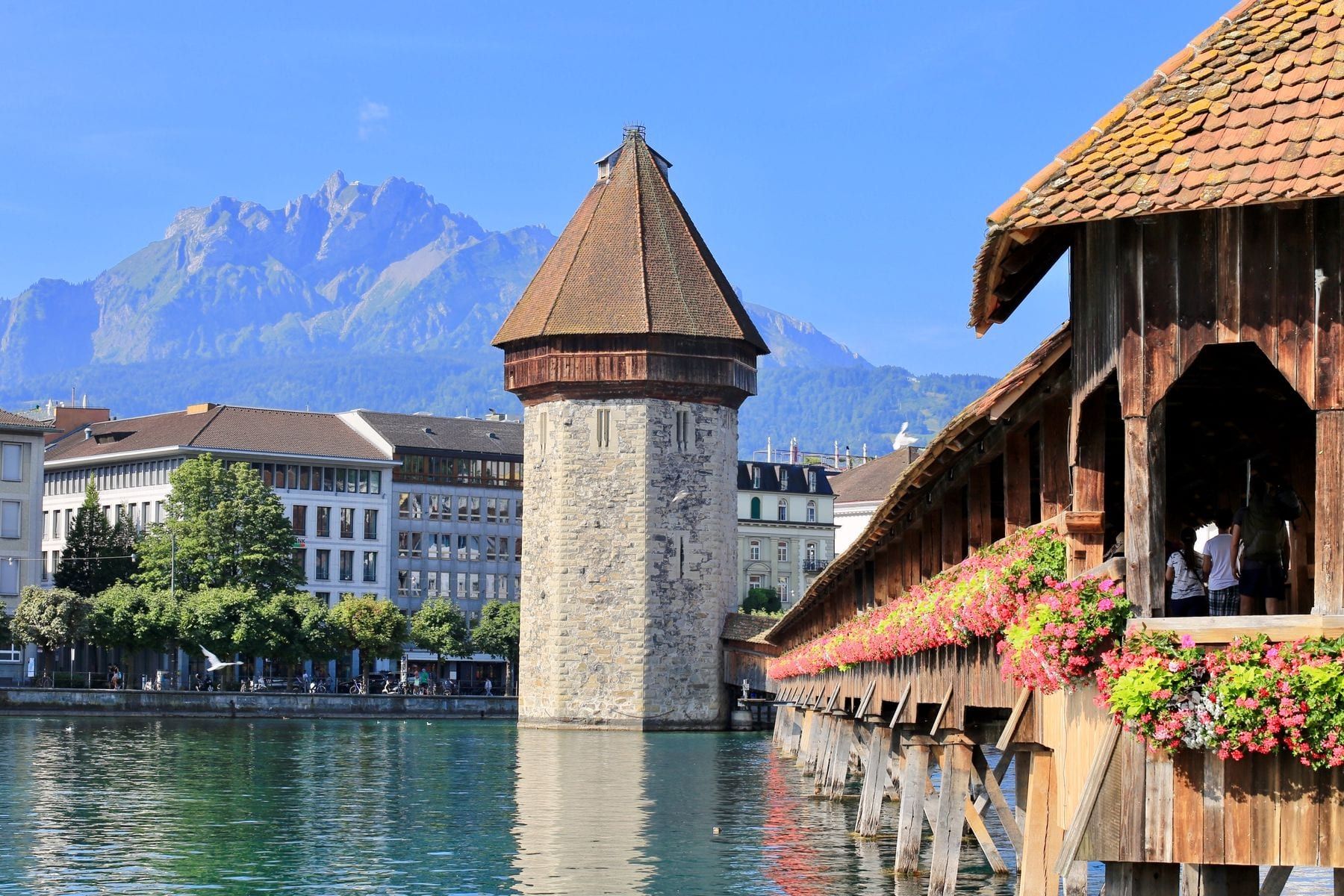
What three days in Lucerne with a mountain and a boat really cost, why you do not need Pilatus, Rigi and Titlis all together, and how the Half Fare Card and Saver Day Pass halve the mountain railways.

Schaffhausen and the Rhine Falls Getting there approx. 43 EUR
Zurich, Basel & Lucerne

Schaffhausen and the Rhine Falls

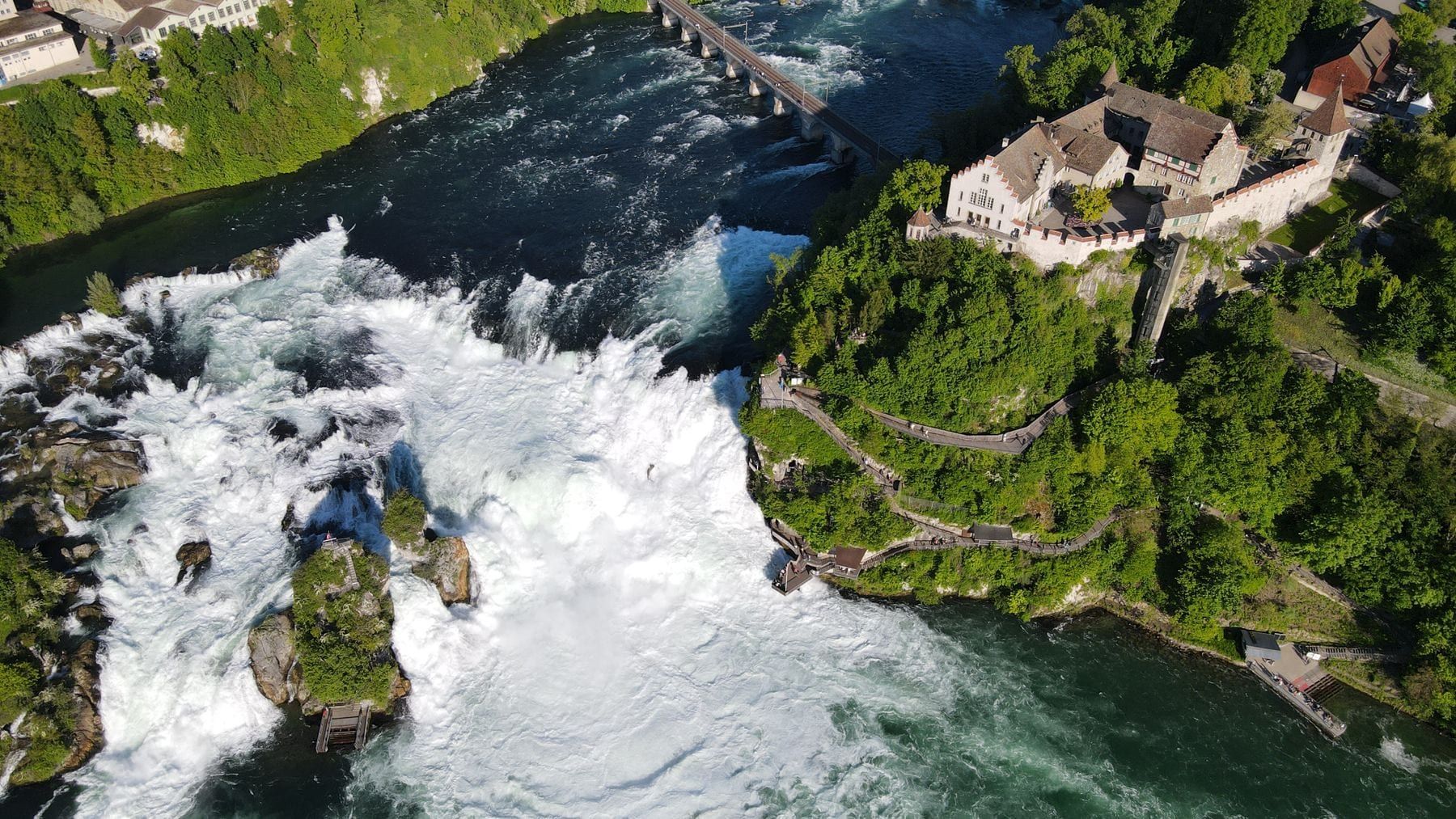
What a day or a weekend at the largest waterfall in Europe really costs, why the north bank beats Schloss Laufen, and why you should not see Schaffhausen only as a station to change trains.

Bern Getting there approx. 43 EUR
Bern & Bernese Oberland

Bern

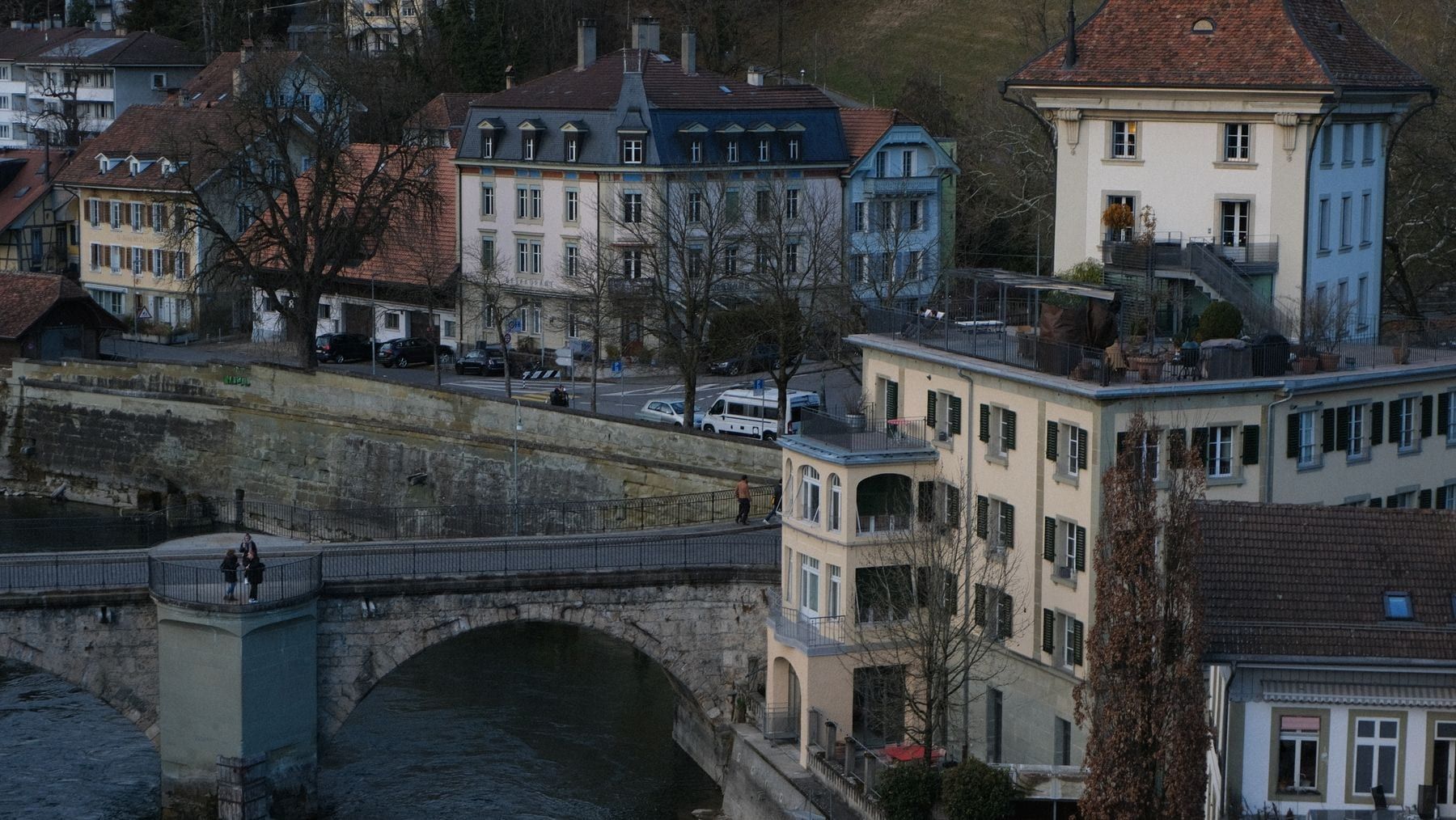
What a weekend in the federal city really costs, why you pack swimming trunks in summer, and how to see Bern thoroughly in two days without spreading yourself thin.

Chur Getting there approx. 54 EUR
Graubünden & Ticino

Chur

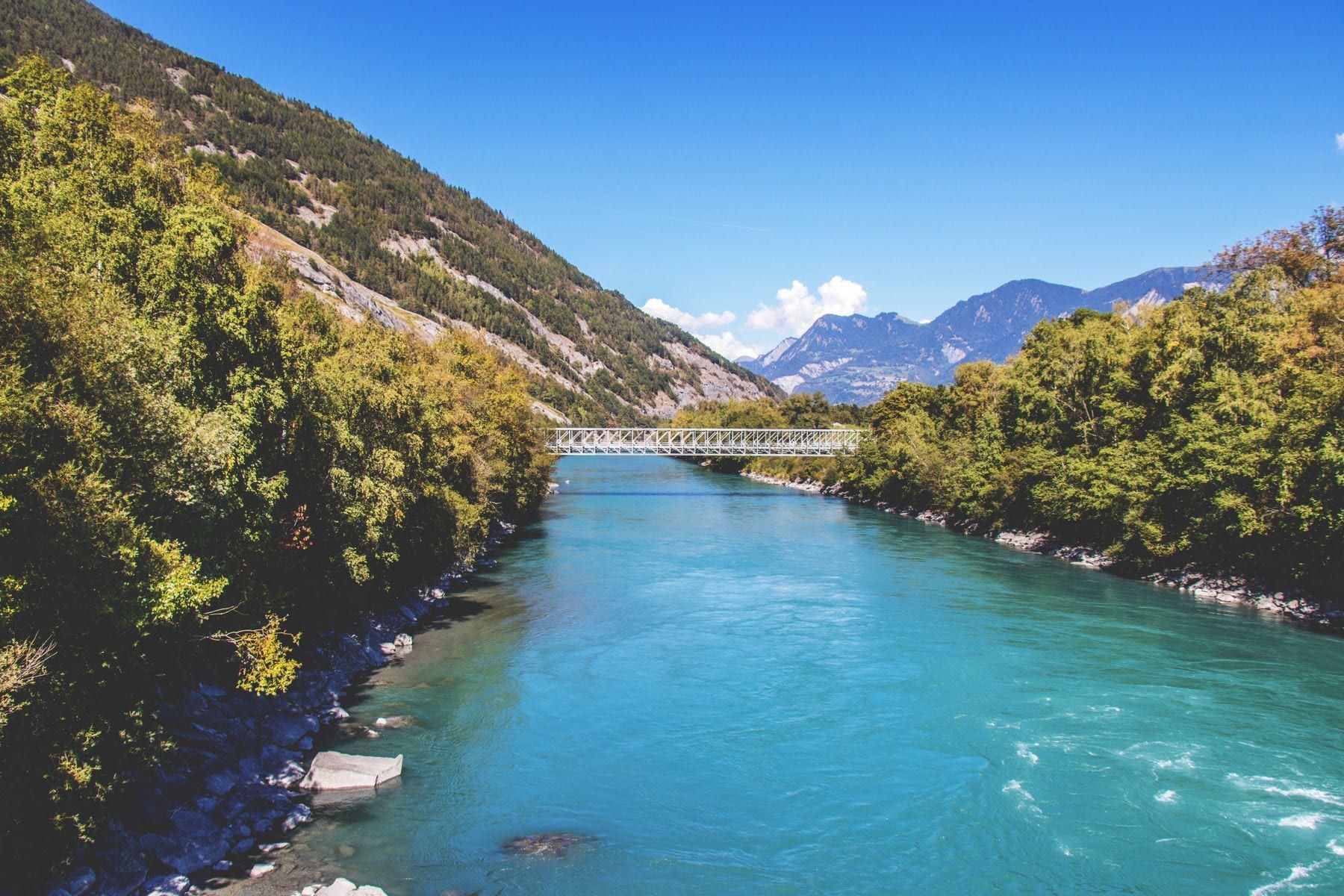
What two or three days in the oldest town in Switzerland cost, why Chur is the smartest base for the Rhine Gorge, Arosa and the Bernina Railway, and where you eat Capuns that do not come out of the freezer.

Rügen Getting there approx. 182 EUR
Berlin & the North

Rügen

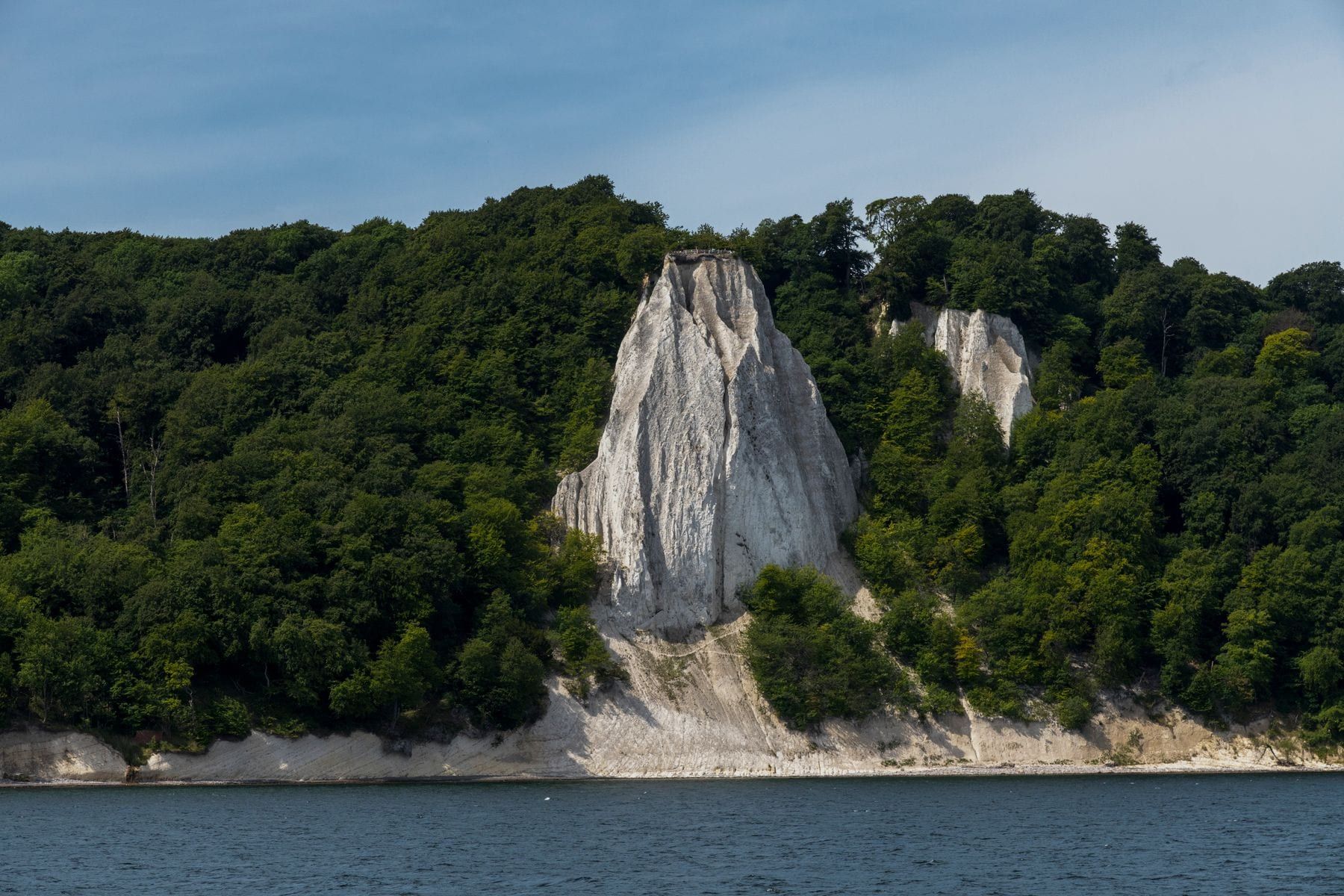
What a week on Germany's largest island really costs, why you should see the chalk cliffs from below instead of from the Königsstuhl, and when the Sellin pier is yours alone.

Sylt Getting there approx. 214 EUR
Berlin & the North

Sylt

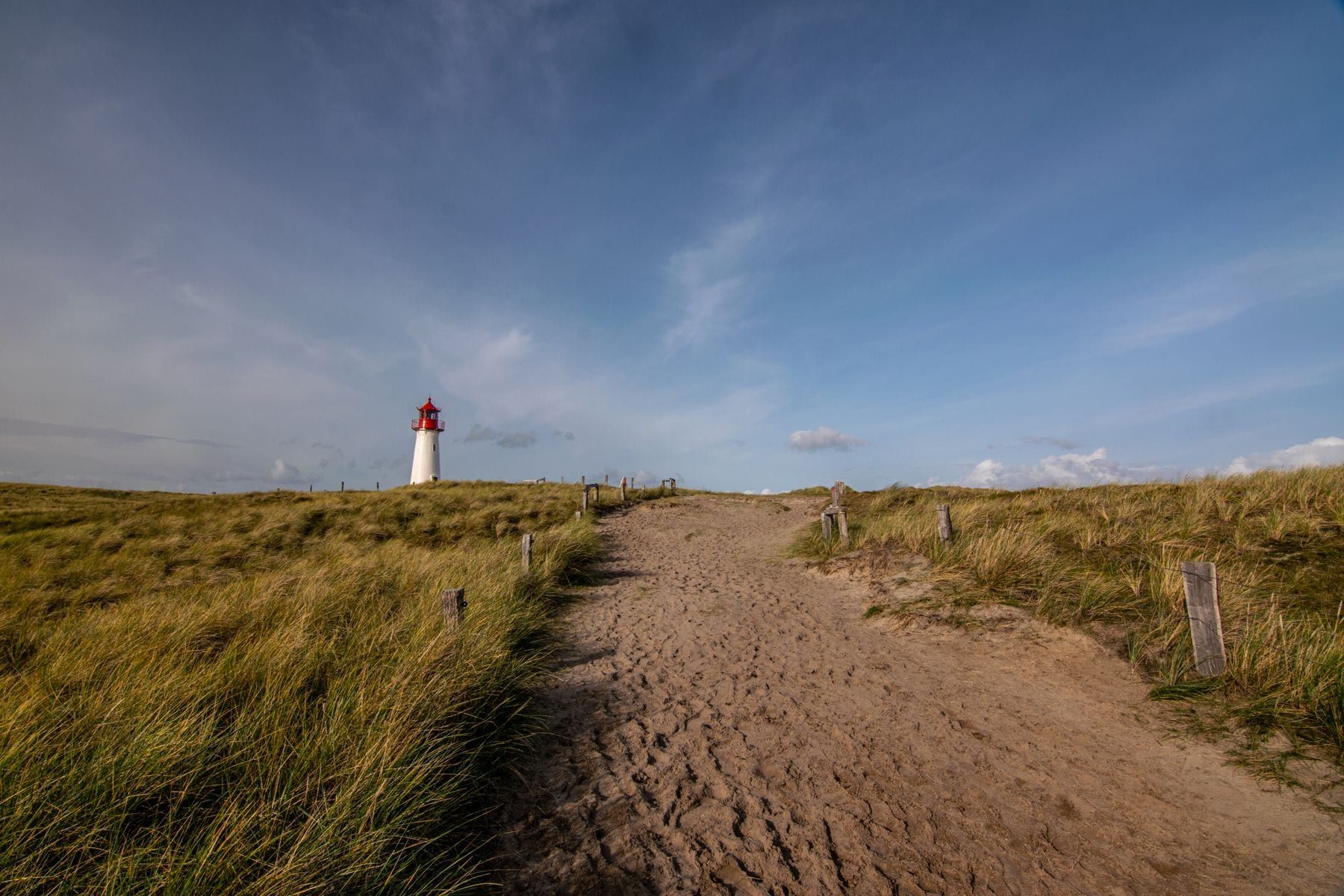
What a week on the most expensive island in Germany really costs, how to get there by car train or rail, and why October beats July if you want Sylt for the wind, the mudflats and the dunes rather than the champagne.

Dresden Getting there approx. 182 EUR
Saxony & Harz

Dresden

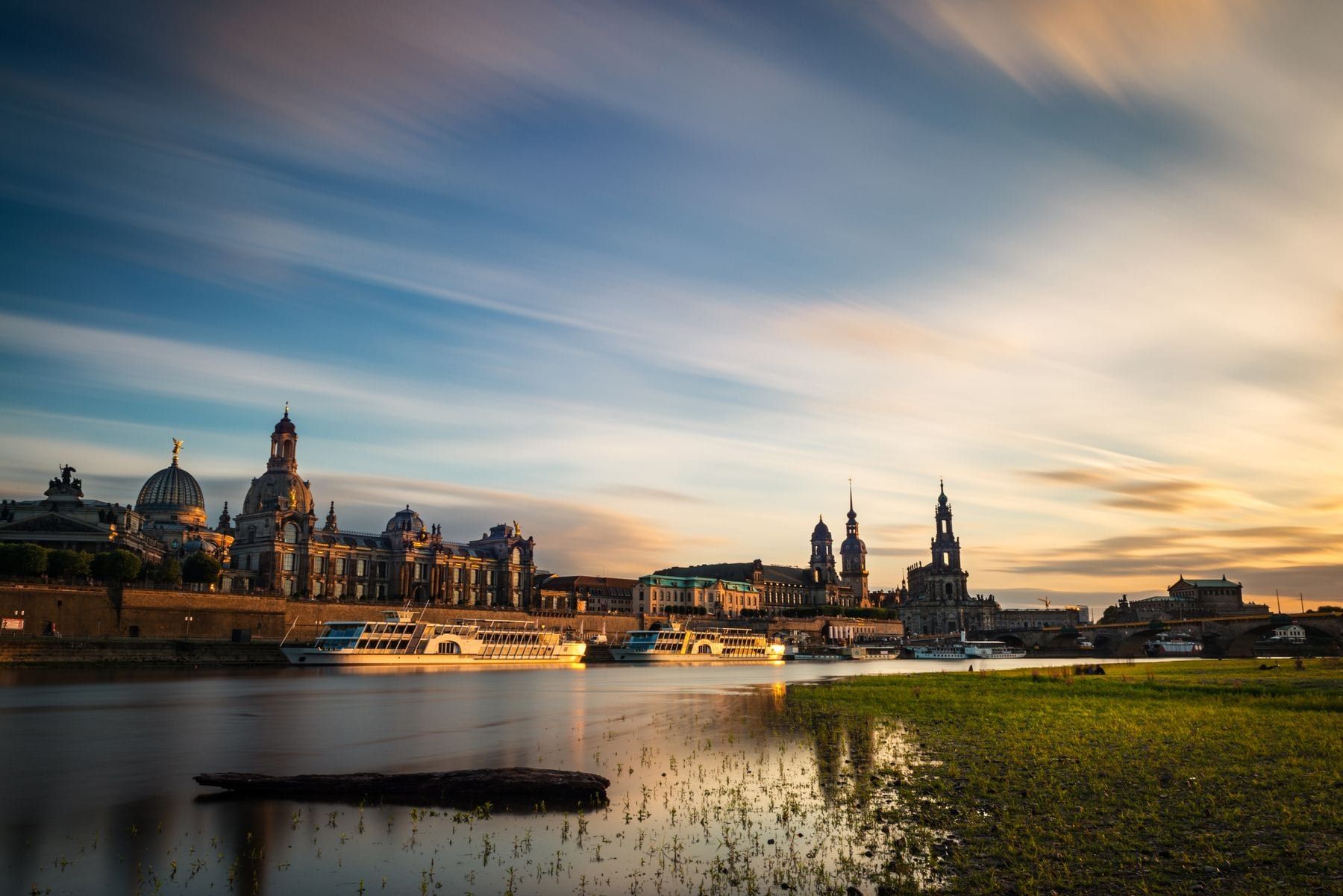
What a long weekend in "Florence on the Elbe" really costs, why you should stay in the Neustadt rather than the Altstadt, and when you have the Frauenkirche almost to yourself.

Moselle Getting there approx. 128 EUR
Rhineland & Moselle

Moselle

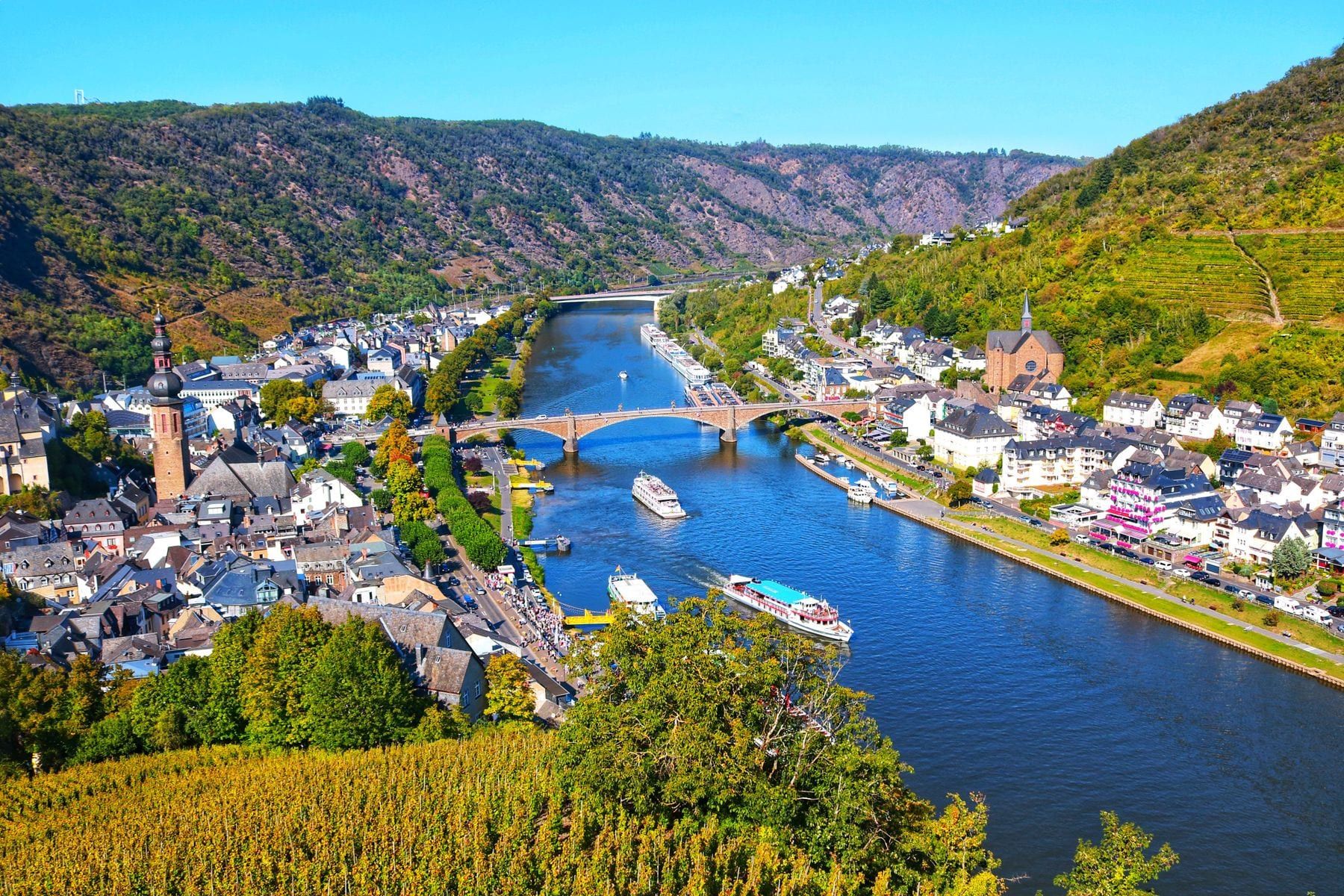
What a week between Trier and Koblenz really costs, where to drink Riesling straight from the winegrower, why the Moselle cycle path beats the car and when the villages are yours alone.

Upper Middle Rhine Valley Getting there approx. 118 EUR
Rhineland & Moselle

Upper Middle Rhine Valley

What five days in the valley of castles between Rüdesheim and Koblenz really cost, which of the 40 castles you should visit, when the boat is worth it and how to survive Rüdesheim.

Lake Constance Getting there approx. 43 EUR
The Southwest

Lake Constance

What a weekend or a week of cycling on the German shore of Lake Constance really costs, which ferry runs when, what shopping in Konstanz still saves you, and why you are in a different price bracket an hour from Zurich.

Vienna Getting there approx. 171 EUR
Vienna, Danube & Burgenland

Vienna

What four days in the imperial city really cost, why the night train is the best way to get there and how to stand in the State Opera for CHF 15 instead of sitting for CHF 200.

Wachau Getting there approx. 161 EUR
Vienna, Danube & Burgenland

Wachau

What two or three days between Melk and Krems really cost, why you take the cycle path and not the car, and how to see Dürnstein before the boats tie up.

Linz Getting there approx. 128 EUR
Vienna, Danube & Burgenland

Linz

What one or two days in the underrated city on the Danube really cost, why you should get off here on the way to Vienna and where the Linzer Torte tastes best.

Lake Neusiedl Getting there approx. 171 EUR
Vienna, Danube & Burgenland

Lake Neusiedl

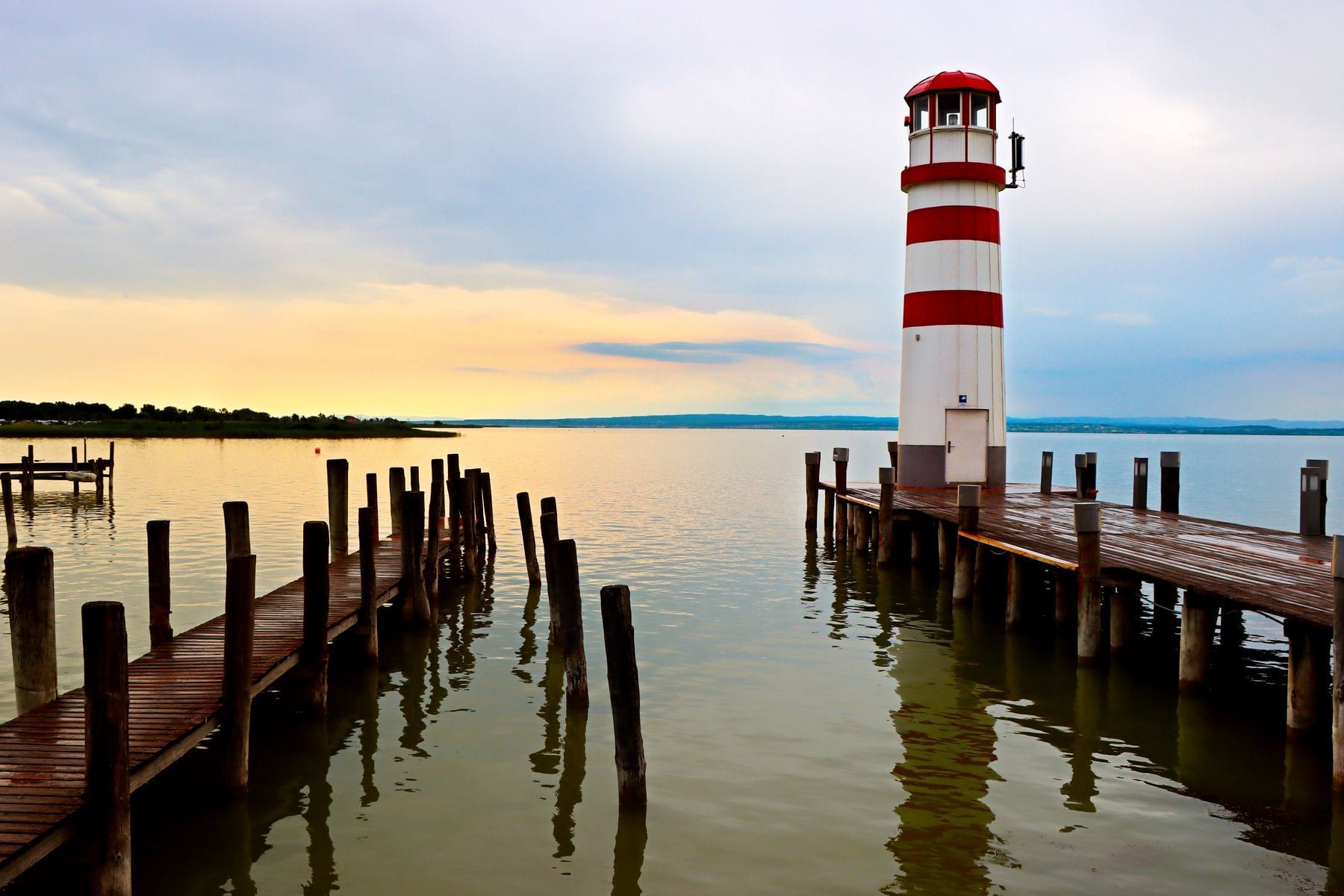
What three or four days on the steppe lake really cost, why the cycle path round the lake beats any beach and how to see the storks in Rust before the coaches arrive.

Bregenz and Lake Constance Getting there approx. 54 EUR
Arlberg, Ötztal & Vorarlberg

Bregenz and Lake Constance

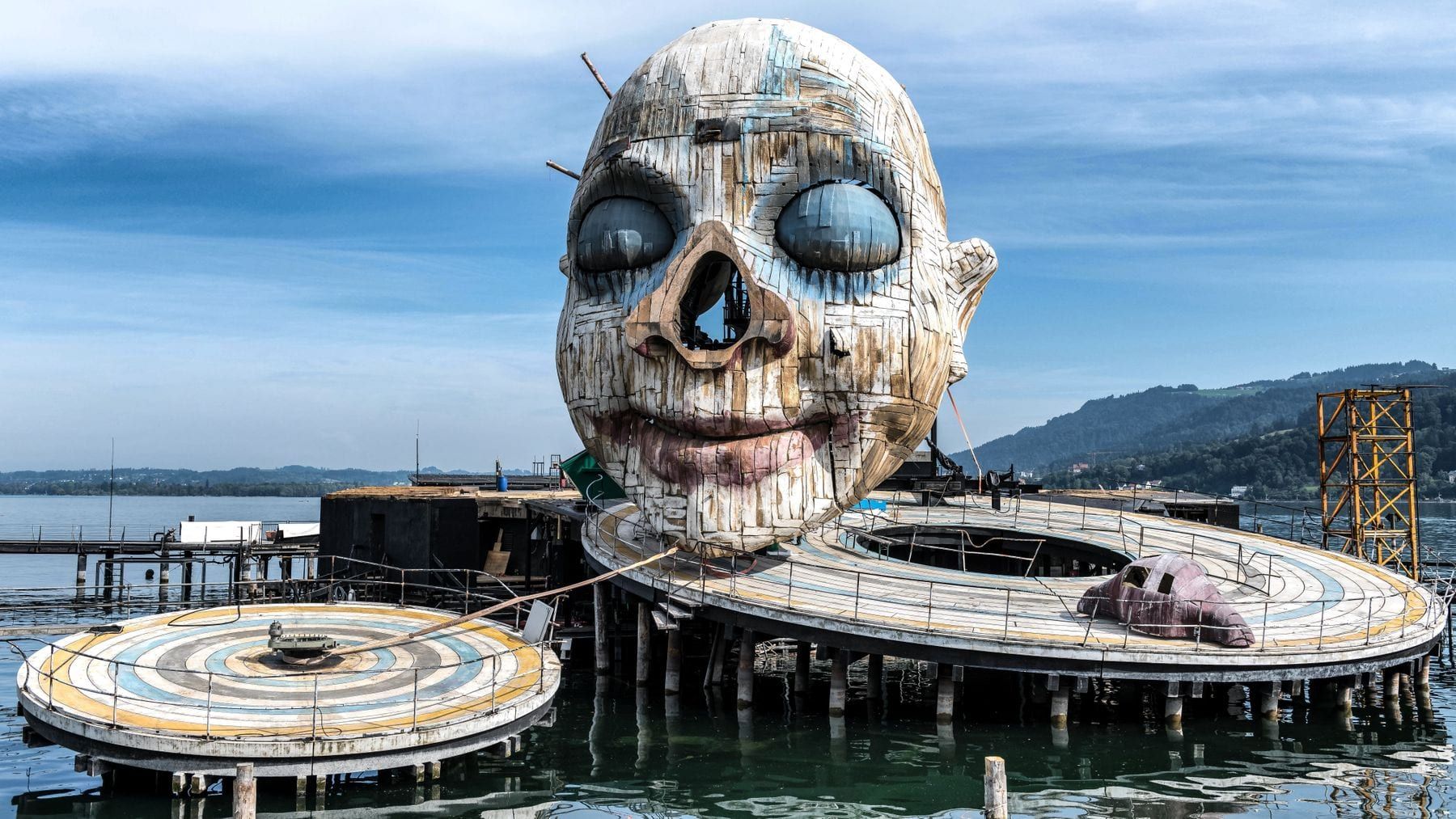
What a festival evening on the lake stage really costs, why Bregenz is worth a trip even without the opera, and how you can be sitting over cheese in the Bregenzerwald 1.5 hours after leaving Zurich.

Frequently asked questions

Is cycling in Turkey dangerous?

On main roads and in big cities, yes; there are no cycle paths and little consideration. On back roads, in Cappadocia and on the islands it is relaxed. Plan routes deliberately away from the expressways and ride with lights through tunnels.

Where can I rent a good bike?

Cappadocia has the widest choice of mountain bikes and e-bikes. Road bikes are available in Antalya, Bodrum and Fethiye with advance booking. For city rides in Izmir use the bike-share scheme on the Kordon. For longer tours, bring your own bike.

What does it cost to fly with a bike?

With Turkish Airlines and most European carriers usually CHF 50 to 120 (about EUR 54 to 128) per leg as sports luggage, included in some fares. It must be packed in a box or bag, pedals off, handlebars turned. Register the bike when booking, not at the airport.

When is the best season?

April to June and September to October. In summer it is over 35 degrees inland and on the coast; in winter there is snow in Cappadocia. The Aegean is windy in summer, which gets tiring on the coast road.

How do I deal with dogs?

Shepherd dogs and street dogs often chase bikes. Slowing down, getting off and putting the bike between you and the dog almost always calms the situation. Do not sprint away, do not shout. Rabies is rare, but a bite means a visit to the doctor.

Is cycling in Japan worthwhile compared with Turkey?

Yes, but differently. Japan has calm drivers, signposted routes like the Shimanami Kaido and rental bikes at every station, but higher prices and strict parking rules. On trains you have to pack your bike in a bag (rinko bag). Turkey offers more freedom and lower costs but demands more attention in traffic. For beginners Japan is more relaxed, for adventurers Turkey is more exciting.

How do I take my bike on SBB, DB and ÖBB trains?

SBB: bike day pass CHF 14 (about EUR 15), or a single bike ticket for one journey, plus on Intercity and Eurocity trains from March to October a reservation for CHF 2, bookable in the SBB app until shortly before departure. DB: on ICE and IC trains you need a bike ticket for around CHF 9 per journey and a reserved bike space, ideally weeks ahead because each train has only a few; on regional trains usually no reservation. ÖBB: a bike ticket on top of the fare (ten percent, at least CHF 2), on the Railjet with a reservation for around CHF 3. In all three countries, a folded bike or one packed in a bike bag travels free as hand luggage, and on the Nightjet you need one of the few bike spaces, which sell out early.

Related events

Apr 25

Presidential Cycling Tour of Türkiye

Sport · Turkey

25 April 2027 Late April, eight stages over about a week Antalya to Istanbul (varies)

The most important cycling race in Turkey, part of the UCI ProSeries, usually runs from the Mediterranean coast via the Aegean to Istanbul with the finish on the Bosphorus. Professional teams from Europe take part, and watching from the roadside is free. The stages pass through Antalya, Fethiye, Marmaris, Bodrum, Çeşme or Izmir, with summit finishes in the Taurus and on Babadağ above Ölüdeniz.

For travellers: Coast roads and city centres are closed for hours on stage days; book hotels in the stage towns early.