History & background
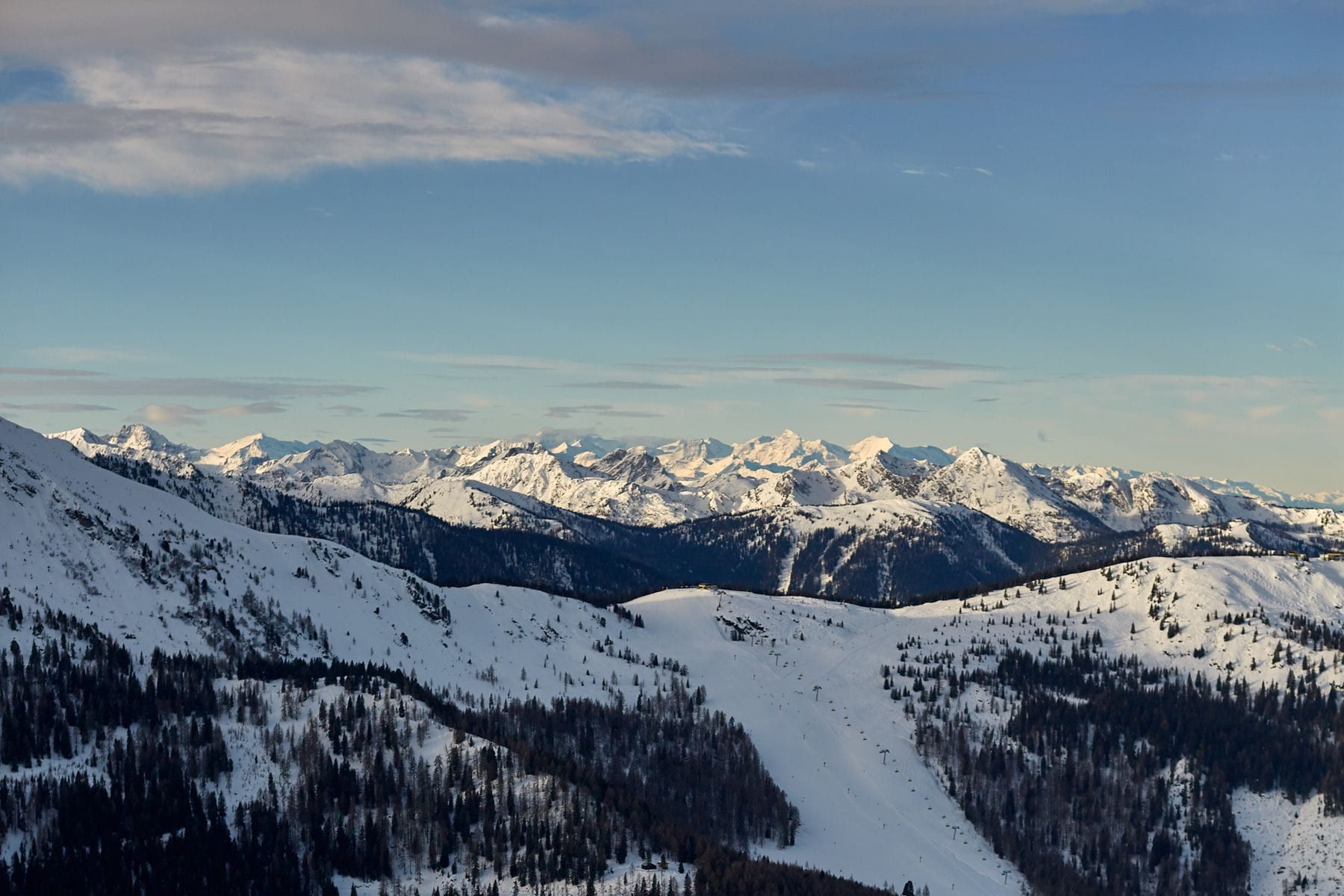
Schladming lies in the uppermost Enns valley at 745 metres, wedged between the Dachstein massif to the north and the Schladminger Tauern to the south, and for a long time it was not a tourist town but a mining town. In the 14th century silver, lead, copper and cobalt were mined here, and in 1322 Schladming was granted its town charter. The miners had their own mining law, the "Schladminger Bergbrief" of 1408, and they were self-assured: in the Peasants' War of 1525 they joined the uprising against the prince and the archbishop and defeated an army of the authorities, and the revenge was brutal. Schladming was burned to the ground, lost its town charter and only got it back in 1925, after exactly 400 years. The Reformation lasted longer here than elsewhere in Styria, and the Protestant church of 1862 is the largest Protestant church in Styria. When mining came to an end in the 19th century, the railway arrived, in 1875 the line from Bischofshofen to Selzthal, and with it the first summer guests and mountaineers who wanted the Dachstein. Winter came late: the first Planai cable car ran in 1973, and in 1982 Schladming hosted the Alpine World Ski Championships, with a Planai downhill won by Harti Weirather. Since 1997 the night slalom on the Planai has been the loudest World Cup evening of the season, and in 2013 came the second World Championships, which gave the town its new valley station, the Congress centre and the Hohenhaus Tenne. Ramsau am Dachstein, the high plateau 300 metres above the town, hosted the Nordic World Championships in 1999 and has been the cross-country skiing centre of Austria ever since. Today Schladming has around 7,000 inhabitants and, on a peak day in winter, more skiers than the town has residents.