Activities

Trekking and Hiking

From a coastal path with sea views to high mountains on the Black Sea, pilgrim trails and alps in Japan, plus SAC huts, the Lechweg and the Malerweg on the doorstep: five hiking countries compared honestly.

Best months: JanFebMarAprMayJunJulAugSepOctNovDec

The Lycian Way: coast, ruins and 500 kilometres to choose from

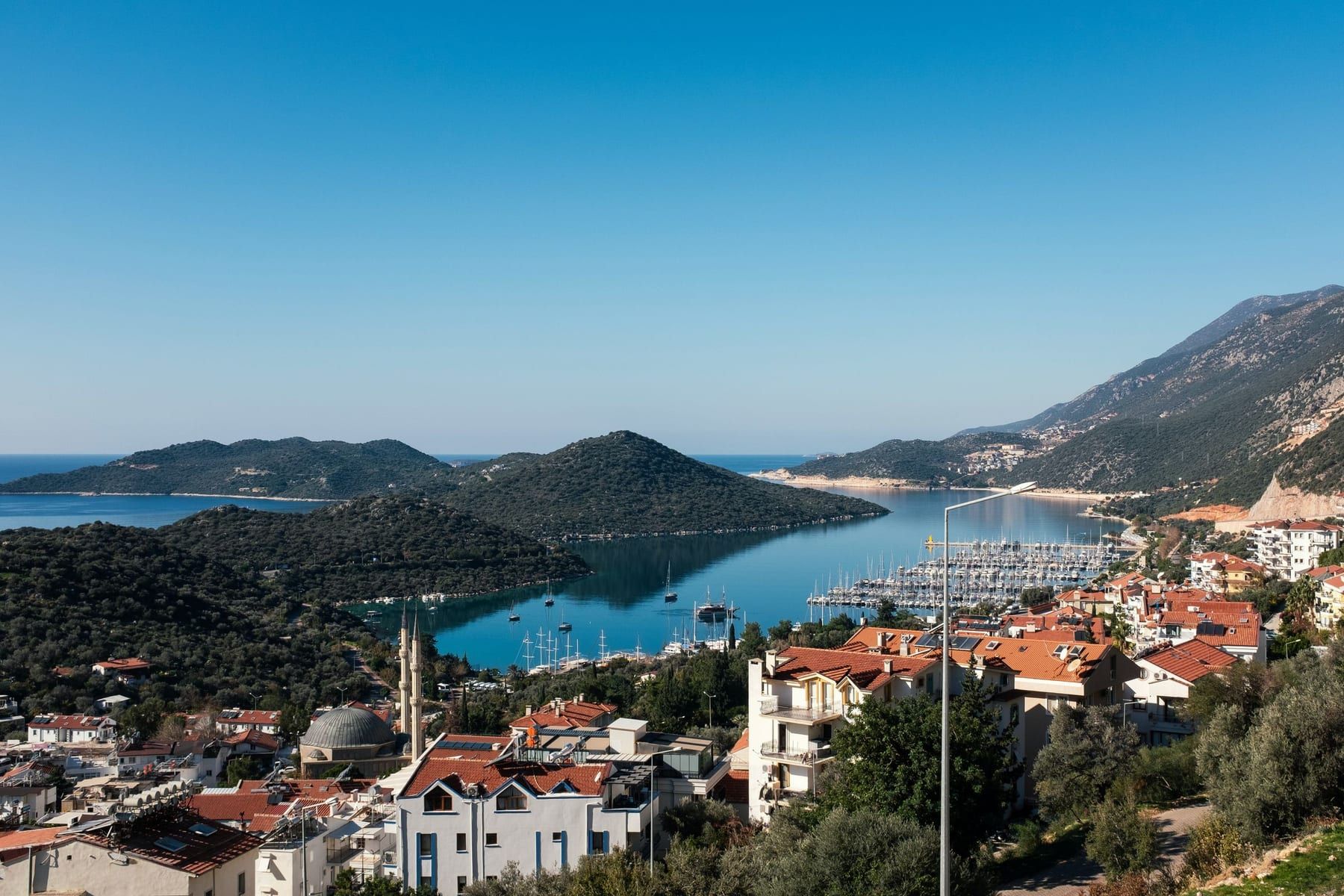
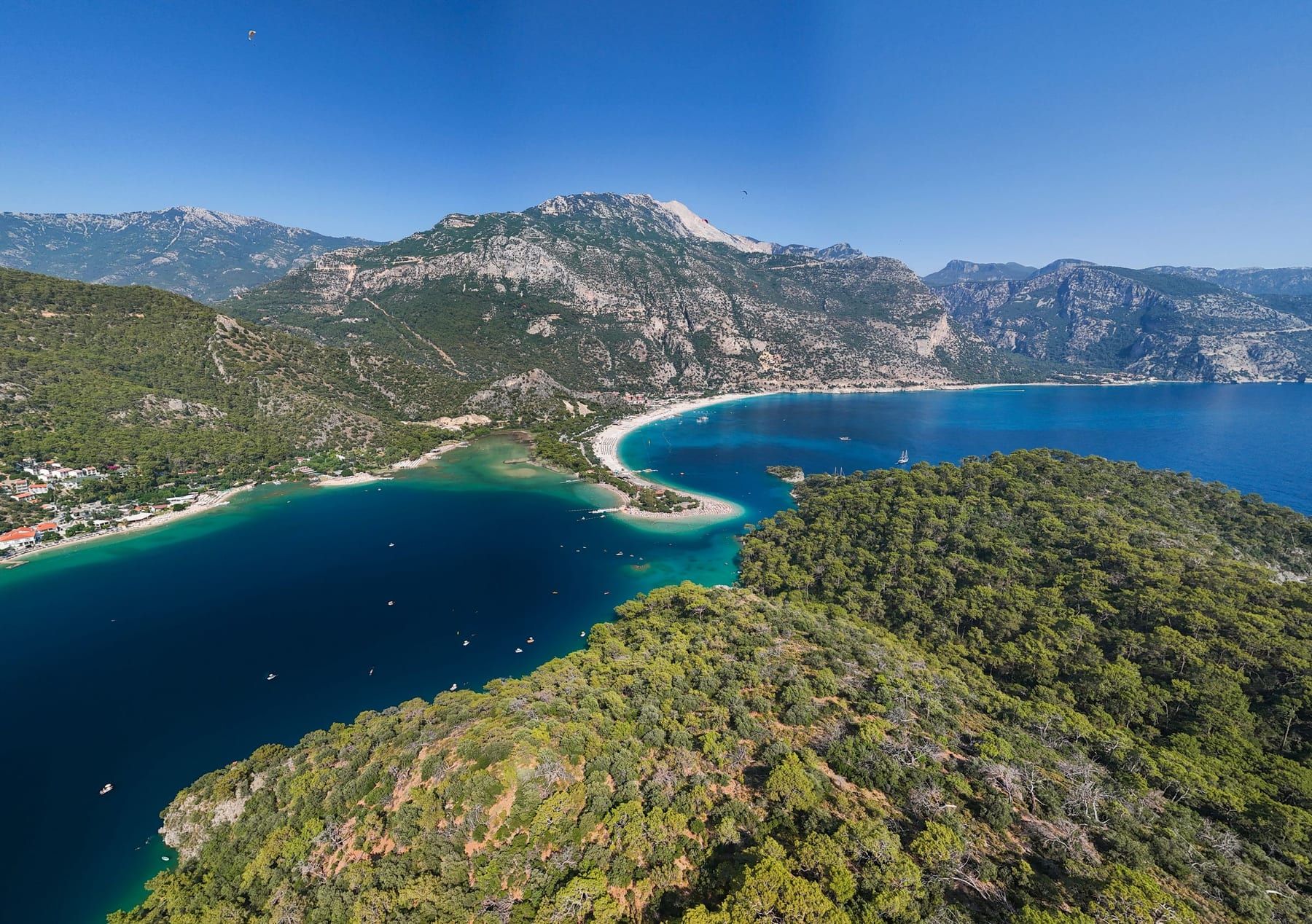
The Lycian Way (Likya Yolu) runs from Fethiye to just short of Antalya, mostly between the sea and the Taurus. Nobody hikes the whole thing in one holiday; most people pick a section of four to seven days. The most popular part lies between Ölüdeniz and Kaş: Butterfly Valley, Kabak, Patara beach, then Kekova with its sunken ruins. A second classic is the stretch from Olympos to Tekirova over the foothills of Tahtalı. Waymarking consists of red and white paint stripes, partly faded; a GPS file (via the Lycian Way app or Komoot, for instance) is essential. You sleep in guesthouses in the villages, CHF 25 to 45 (about EUR 27 to 48) per night with breakfast, often with dinner for CHF 8 to 12. Water is scarce in summer; springs are marked in the apps. In July and August it is too hot at 35 degrees, and nobody hikes voluntarily then.
Kaçkar Mountains: the alpine counterpart on the Black Sea

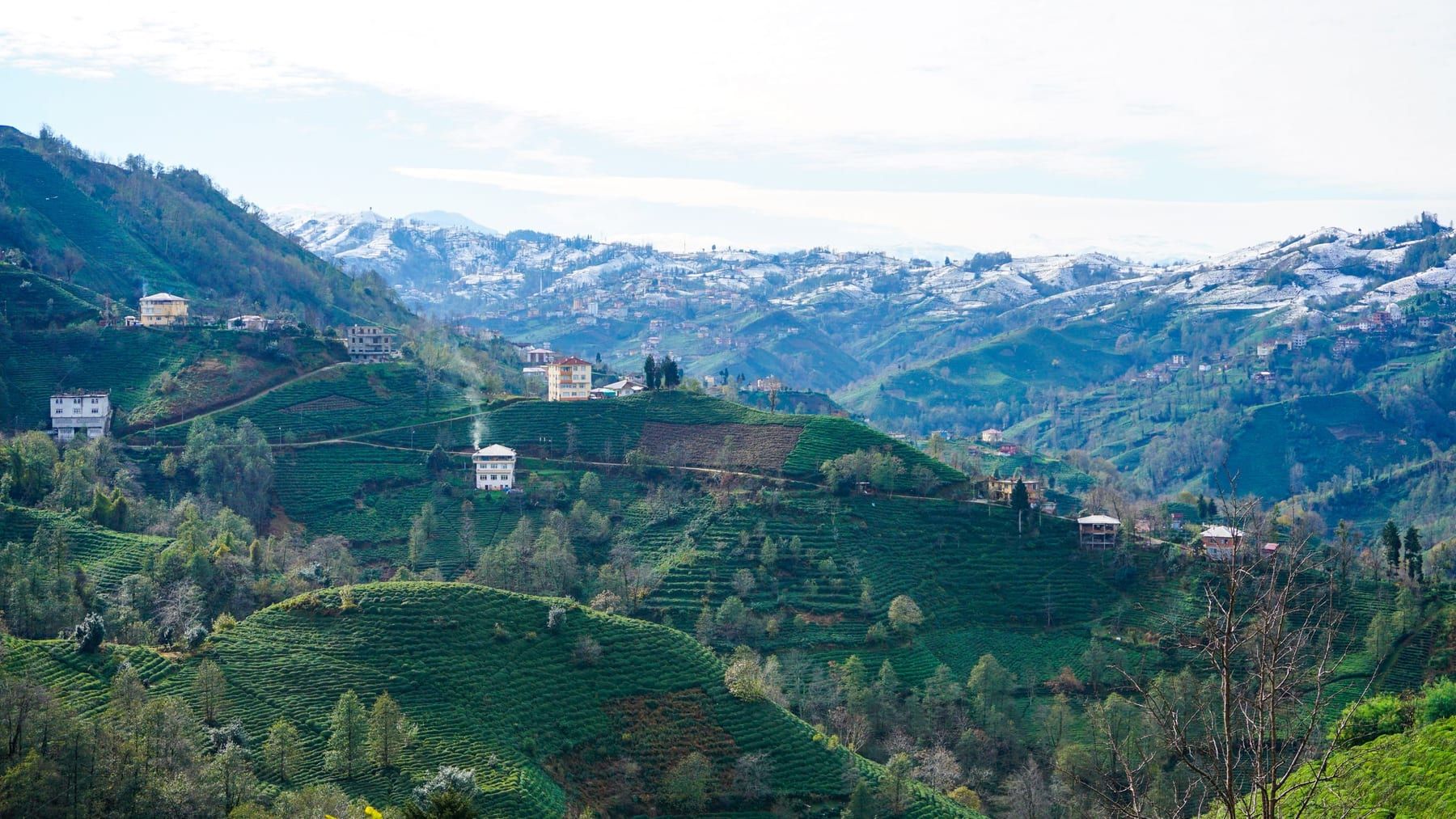
The Kaçkar Mountains near Rize look like a wet, green Bernese Oberland without infrastructure. The highest peak, Kaçkar Dağı, is 3937 metres and can be done without climbing gear, but only with a guide and in stable weather. Starting points are the villages of Ayder (north side) and Yaylalar or Olgunlar (south side, reached via Yusufeli). The classic south to north crossing takes three to four days with a tent or in simple alpine pasture huts (yayla). Important: fog rolls in here almost daily from midday. Start early and be at the top by 1 pm. A local guide costs CHF 60 to 100 (about EUR 64 to 107) per day for the group, mules for luggage about the same. The season is short, late June to mid September; before that, snow lies on the passes. Ayder itself is touristy, with a thermal bath and guesthouses for CHF 40 to 70.

Cappadocia: day hikes through the valleys

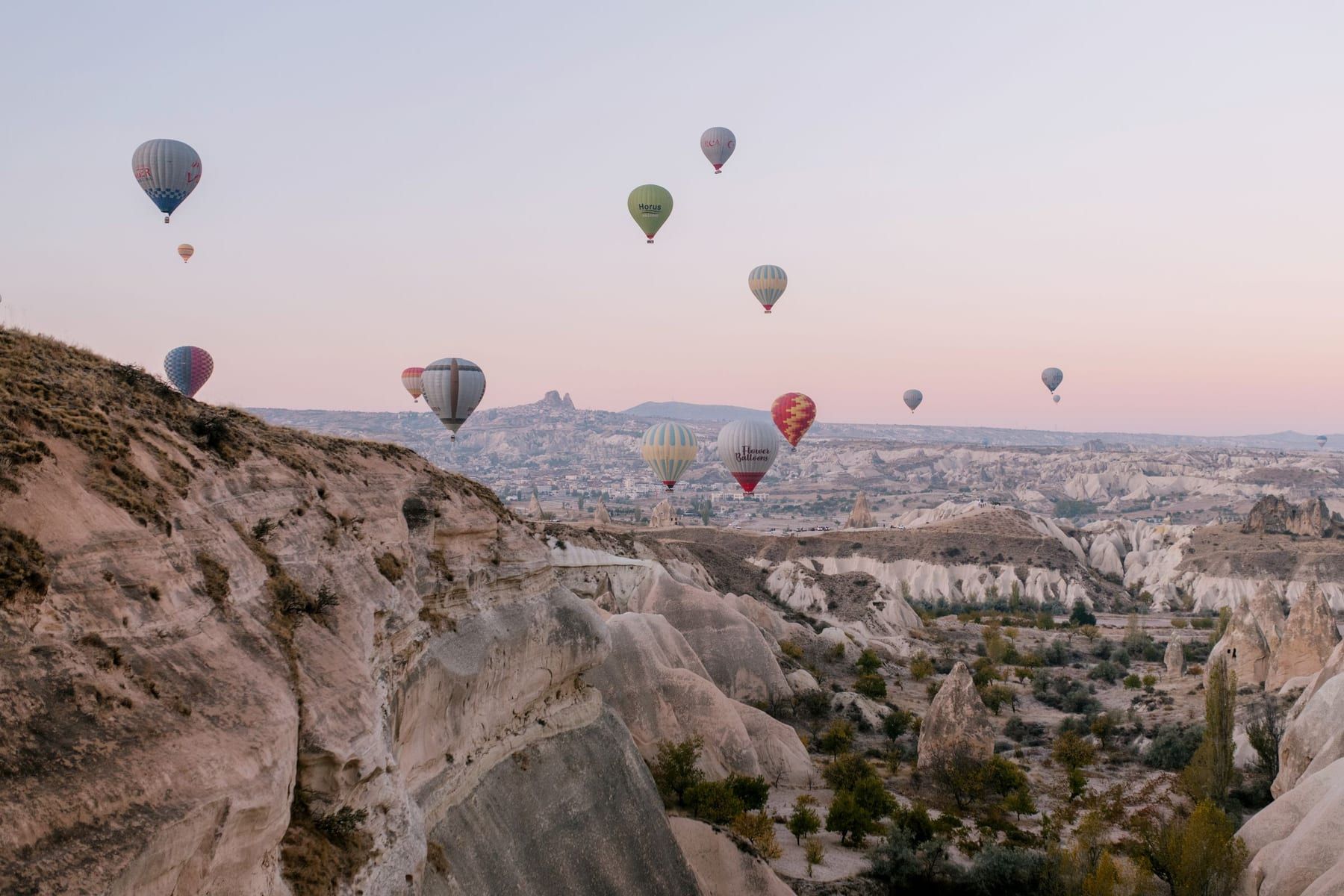
Cappadocia is not a multi-day trek but the best area for half-day and full-day walks. The valleys around Göreme are flat to gently hilly and can be walked without a guide: Rose Valley and Red Valley (Güllüdere, Kızılçukur) with rock churches and sunset views, Love Valley and Pigeon Valley between Göreme and Uçhisar, the Zemi Valley, and a little further away the Ihlara Valley with its 14 kilometre canyon. Allow two to four hours per valley. The ground is tuff, slippery when wet and dusty when dry; hiking boots with grip are needed even though the routes look short. There is no entrance fee, no barriers and hardly any signage; the paths branch often. An offline map is enough. In summer it gets hot from 11 am, so either leave early or set off after 4 pm. In winter with snow, the valleys are empty and especially beautiful.

St. Paul Trail: from the sea into the Taurus

The St. Paul Trail begins in Perge near Antalya (a second branch starts in Aspendos) and runs around 500 kilometres north to Yalvaç, roughly following in the footsteps of the apostle Paul. It is less walked than the Lycian Way, higher (up to 2200 metres) and lonelier. Highlights are the Köprülü Canyon, the ruins of Selge, Lake Eğirdir and the mountain villages where you are often the only guest. Accommodation is more thinly spread; a tent or advance planning is needed. Waymarking is red and white too, but weak in places; without a GPS track it does not work. The best time is May to June and September to October. For the high sections you need warm clothing even in June. If you only want a taste, take the section around Köprülü and combine it with rafting.

Costs, getting there and what to bring

A week on the Lycian Way on your own costs about CHF 400 to 600 (about EUR 430 to 640) per person with guesthouses, food and transfers, excluding flights. Guided group weeks with luggage transport run CHF 900 to 1500. Getting there: fly to Dalaman or Antalya, then bus or dolmuş. Gear: light hiking boots with grip, three litres of water capacity, sun protection, a light sleeping bag if you stay in basic guesthouses. There are ticks in spring and mosquitoes on the coast. Mobile reception is mostly available; a Turkish SIM or eSIM is worth it. Typical mistakes: starting in July, carrying too little water, planning stages by kilometres instead of metres of ascent, and trusting the people on buses who claim the next village is «very close». Mountain rescue is not organised the way it is in the Alps; travel insurance with rescue cover makes sense.

Japan

Japan: Kumano Kodo and Nakasendo, hiking on old pilgrim trails

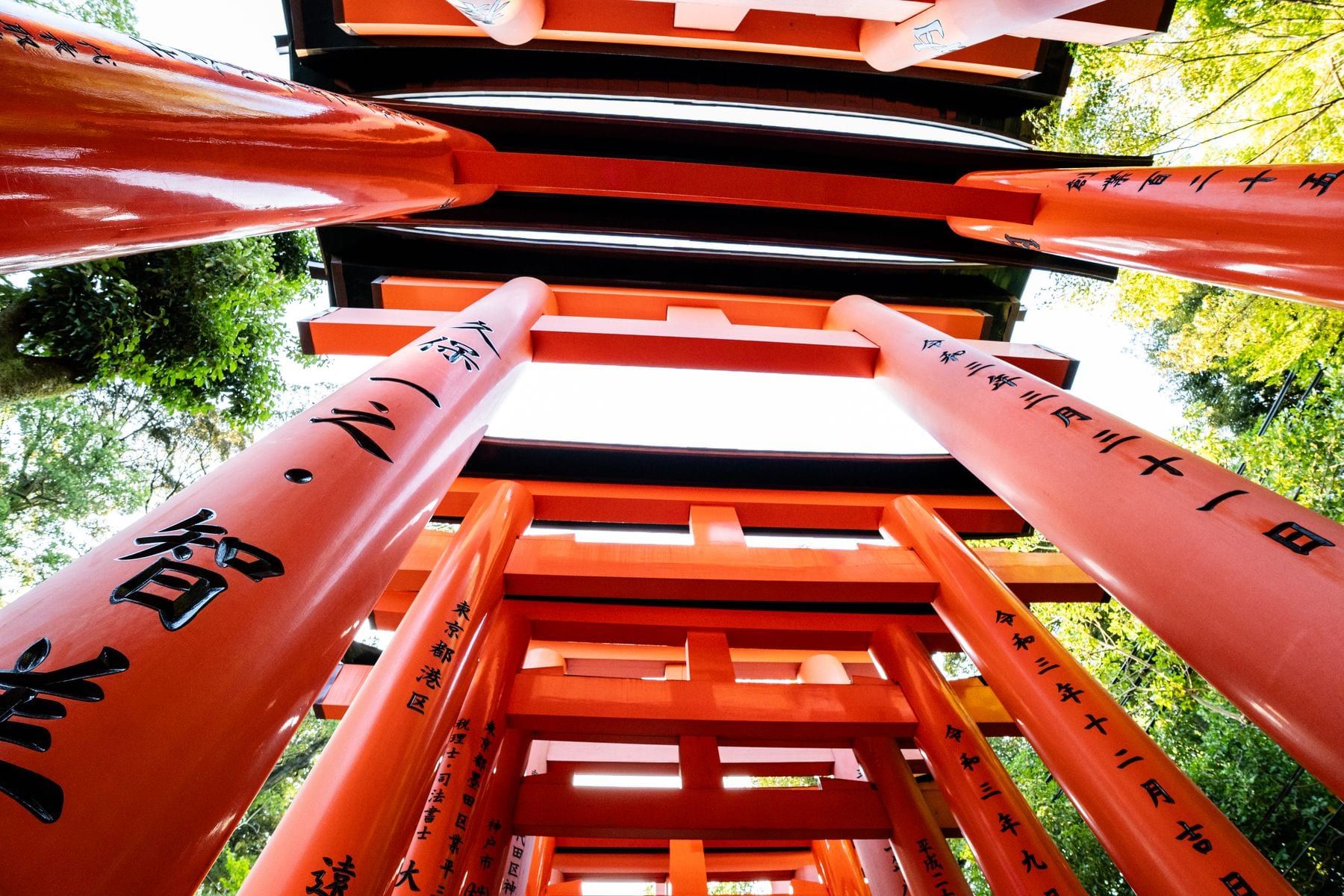
The Kumano Kodo on the Kii peninsula south of Osaka is, alongside the Camino de Santiago, the only pilgrimage route with World Heritage status. The classic Nakahechi route leads in four to five days from Takijiri to Hongu and on to Nachi with the highest waterfall in Japan, through cedar forest, over passes and through villages that have hosted pilgrims for a thousand years. Stages are 10 to 25 kilometres, well marked, with ryokan and minshuku in every stage village: CHF 70 to 130 (about EUR 75 to 139) per person with dinner and breakfast, luggage transfer between villages CHF 10 to 20. You need to book months ahead; beds are scarce. In Yunomine you bathe in an onsen pilgrims have used since the 9th century. The Nakasendo between Magome and Tsumago in the Kiso valley is the gentle introduction: eight kilometres in two to three hours over the Magome pass, between two perfectly preserved post towns of the Edo period. Doable as a day trip from Nagoya or Matsumoto, with a luggage service for a few francs. Best time: April to May and October to November; June is rainy and August humid.

Japan

Japanese Alps and Fuji: Kamikochi, huts and the sacred mountain

Kamikochi is the gateway to the Northern Alps: a car-free high valley at 1500 metres near Matsumoto, reachable only by bus (CHF 20 to 30, about EUR 21 to 32, one way from Matsumoto), open from mid April to mid November. Along the crystal clear Azusa river you walk on the flat for three to four hours between Kappa bridge, Myojin pond and Tokusawa. If you want altitude, you climb Yari (3180 metres) or Hotaka in two days. The huts are exemplary: futon, hot dinner, CHF 70 to 100 a night with two meals, reservation required. Fuji (3776 metres) is no solitary experience with over 200,000 ascents a summer, but an impressive one. The season lasts only from early July to early September. On the Yoshida trail from the 5th station there has been a fee of around CHF 25 since 2025, a daily cap and a gate closing at 2 pm for anyone without a hut reservation; huts cost CHF 60 to 90 with dinner. The ascent takes five to seven hours, the descent three to four, and altitude sickness is the real risk. You reach the 5th station by bus from Kawaguchiko in the Fuji Five Lakes region or directly from Shinjuku.

Switzerland

Switzerland: Bernese Oberland, Valais and the SAC huts

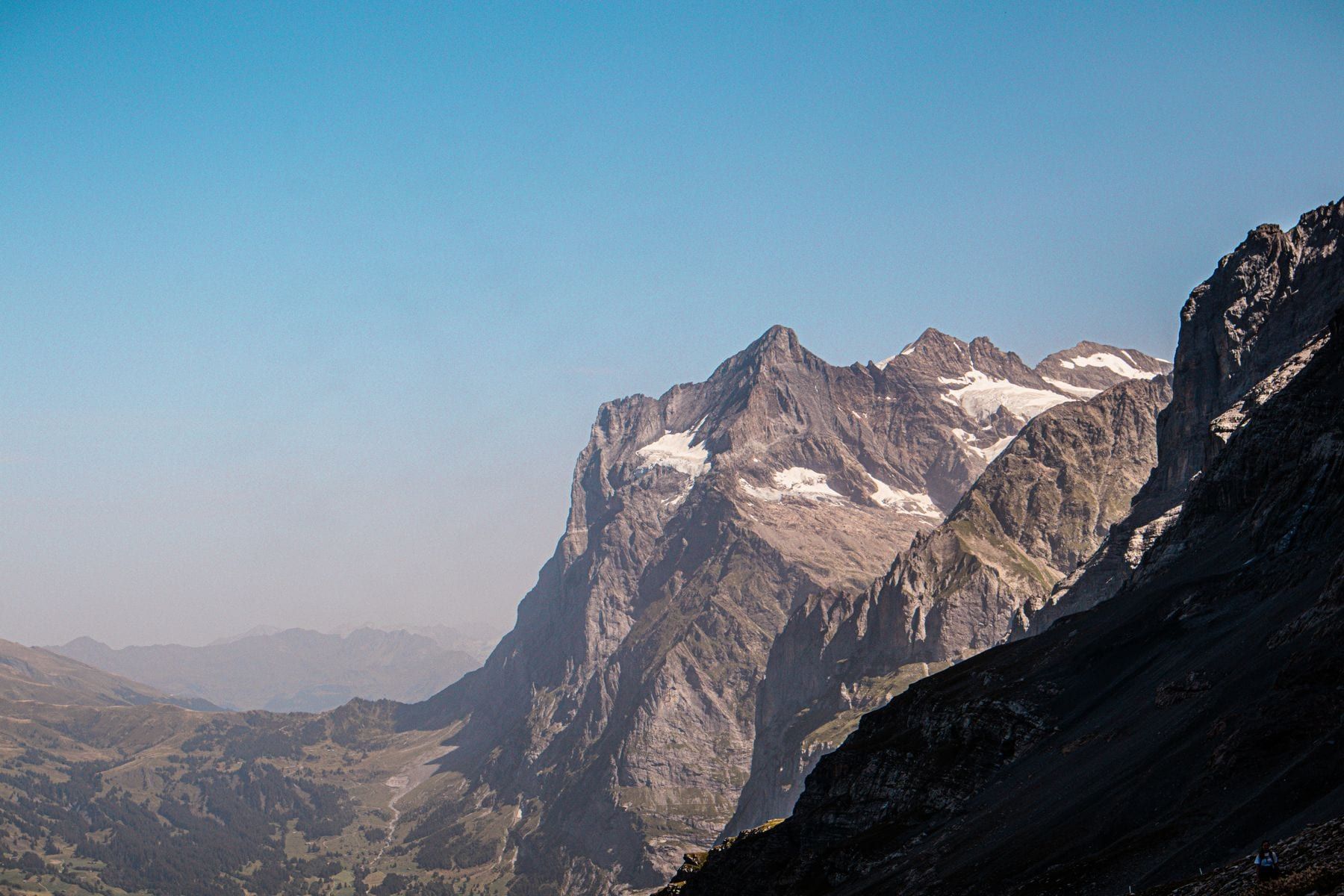
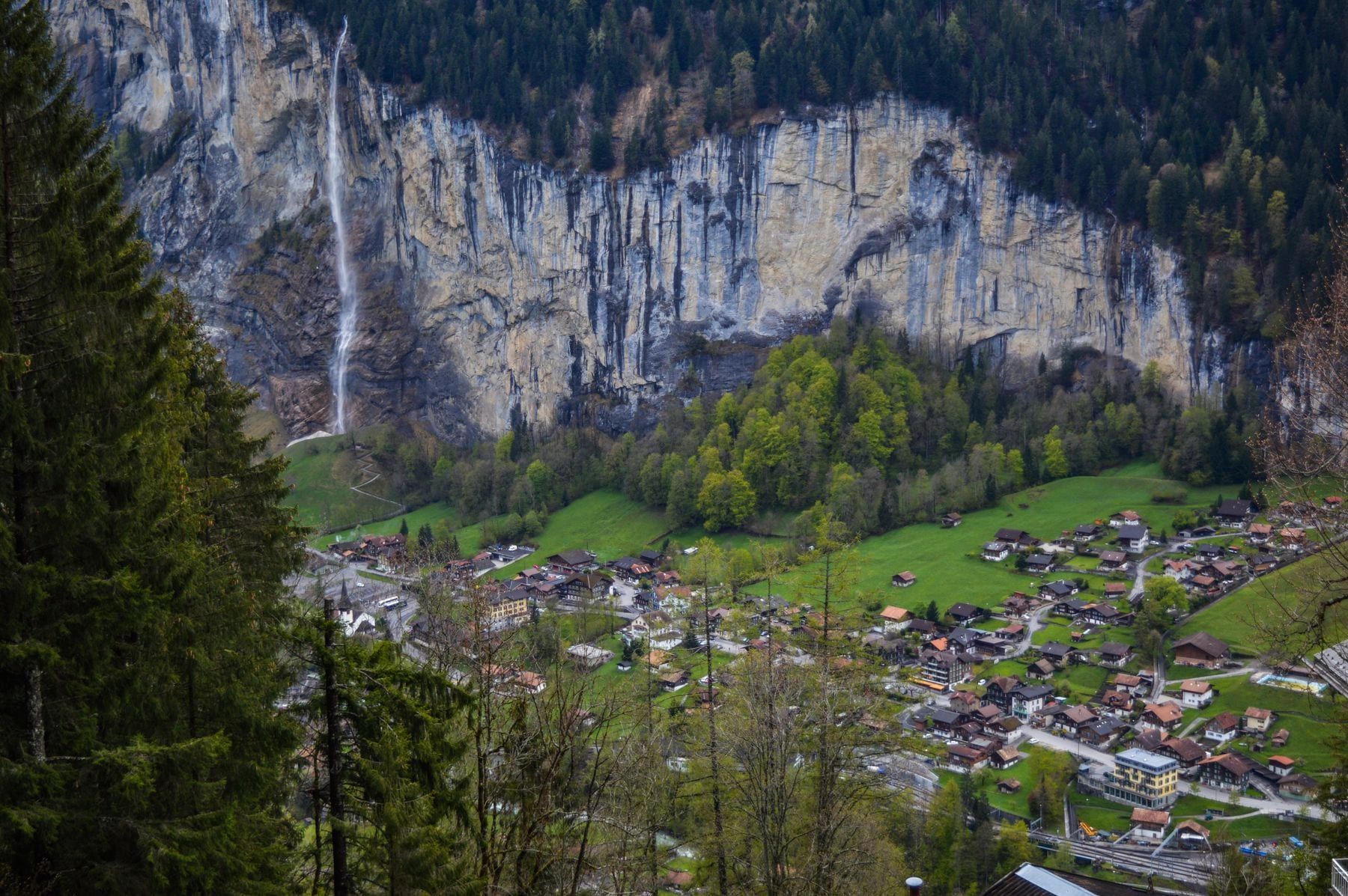
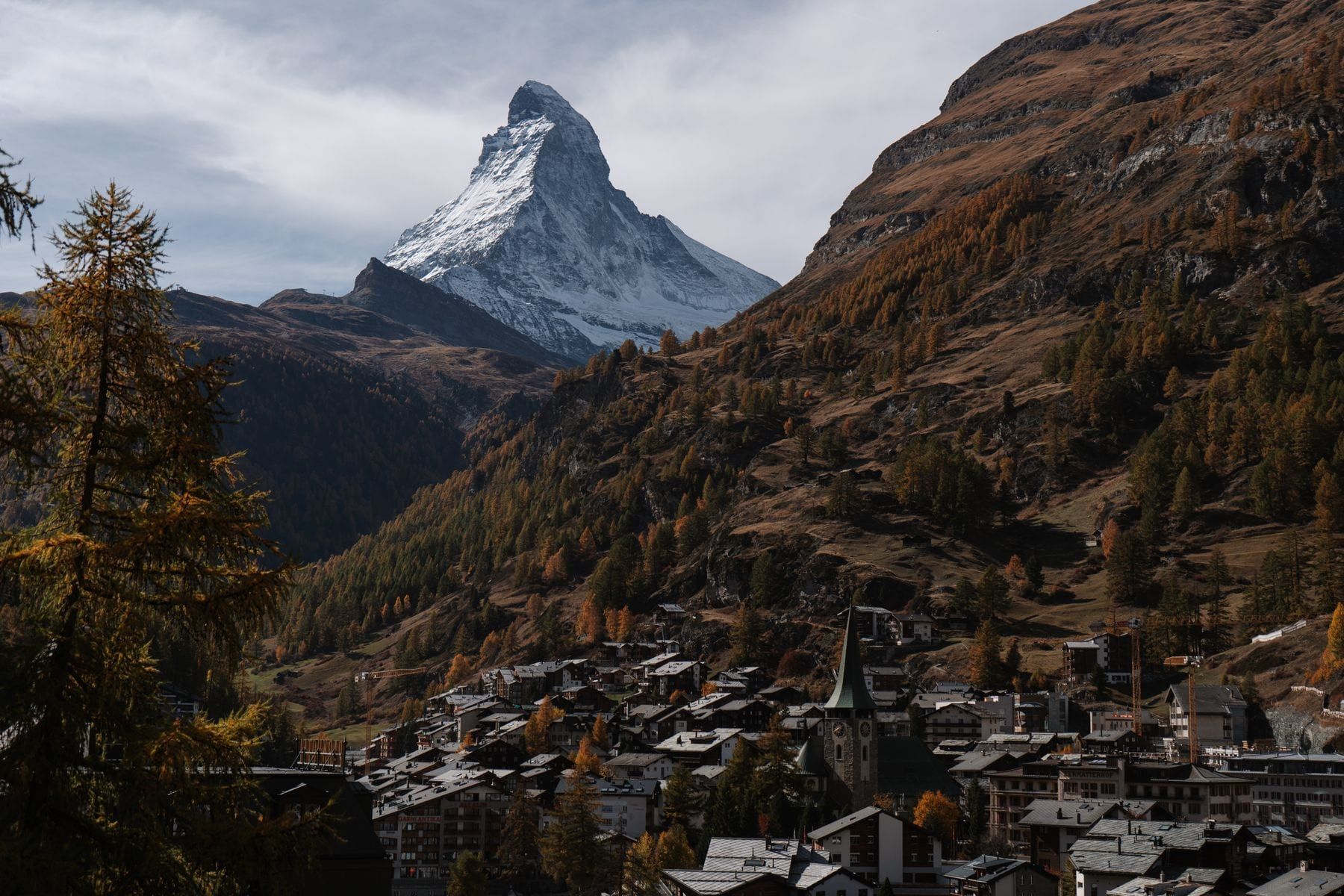
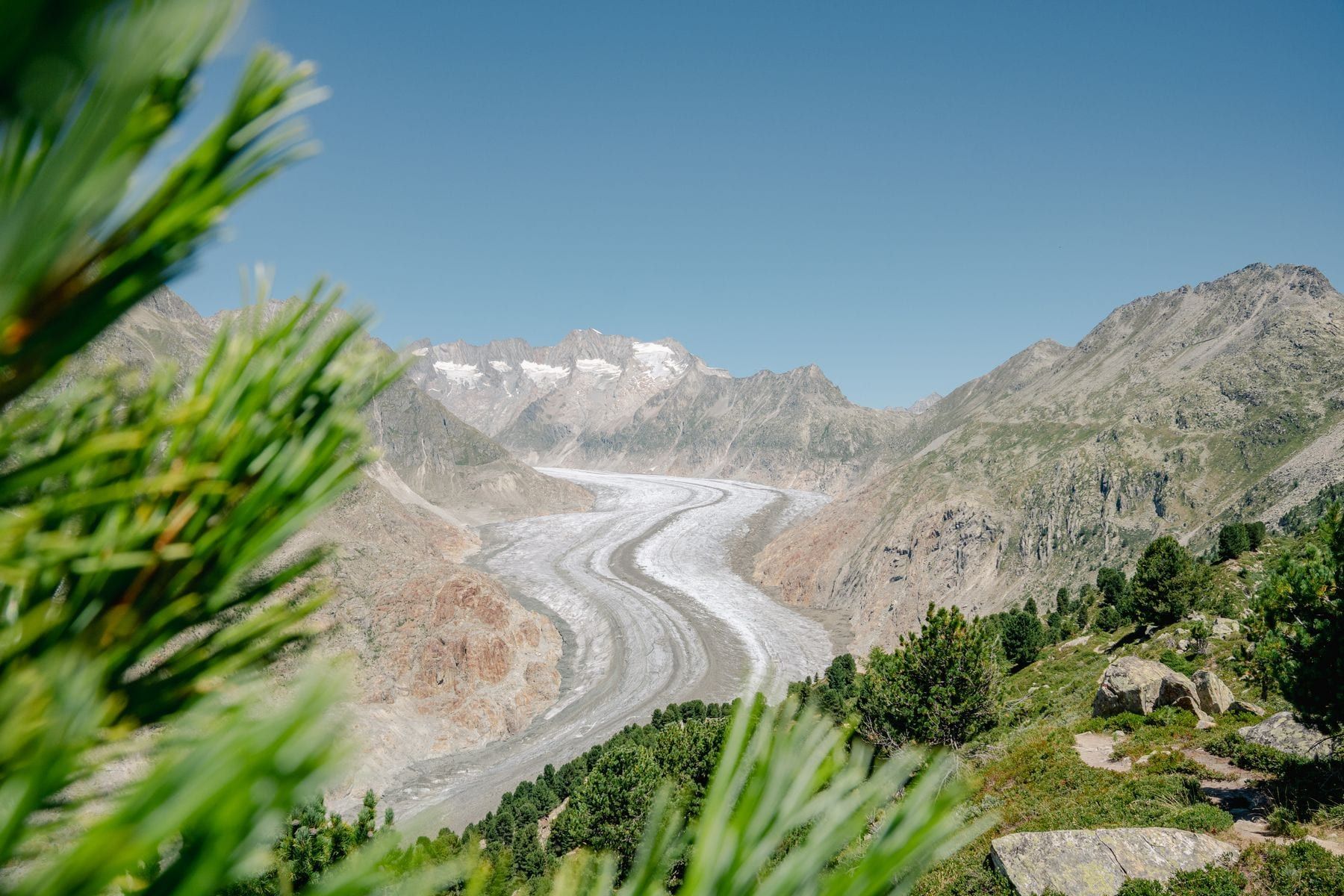
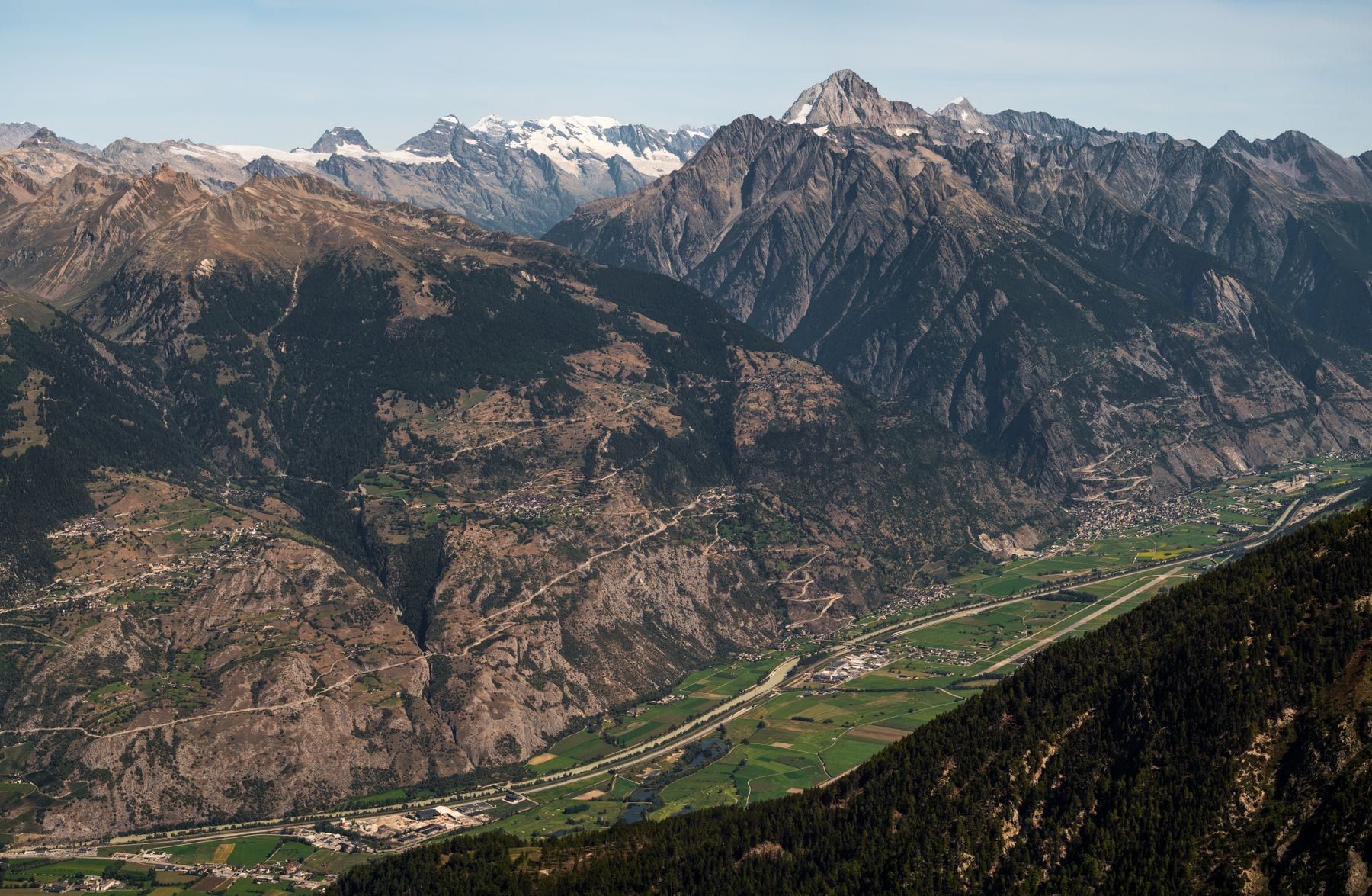
The Bernese Oberland and the Valais are the hiking everything else is measured against: the Eiger Trail from Eigergletscher station to Alpiglen beneath the north face, the panorama trail from Schynige Platte over the Faulhorn to First (six hours, the classic of classics), the Lauterbrunnen valley with its 72 waterfalls and the high trail from Mürren to Grütschalp. In the Valais, the Europaweg runs from Grächen to Zermatt across the 494 metre Charles Kuonen suspension bridge, and above the Aletsch glacier you walk from Bettmerhorn to Riederalp with the largest ice stream in the Alps beside you. Verbier is a stage stop on the Walker's Haute Route from Chamonix to Zermatt. The huts of the Swiss Alpine Club (SAC) are the backbone of multi-day tours: a night costs non-members CHF 40 to 55 (about EUR 43 to 59), half board another CHF 40 to 50, members pay roughly half for the night. SAC membership costs CHF 100 to 150 a year depending on the section and pays off from three hut nights. Reserve online via the hut's website; huts like the Konkordiahütte, the Cabane du Mont Fort or the Hörnlihütte are full weeks ahead in summer, and mind the cancellation rules. Mountain railways are expensive (Schilthorn, Gornergrat and Jungfraujoch cost CHF 100 to 220 return) but save you a thousand metres of climbing; with a Half Fare Card you usually pay half.

Austria

Austria: Lechweg, Adlerweg and the Alpine Club huts

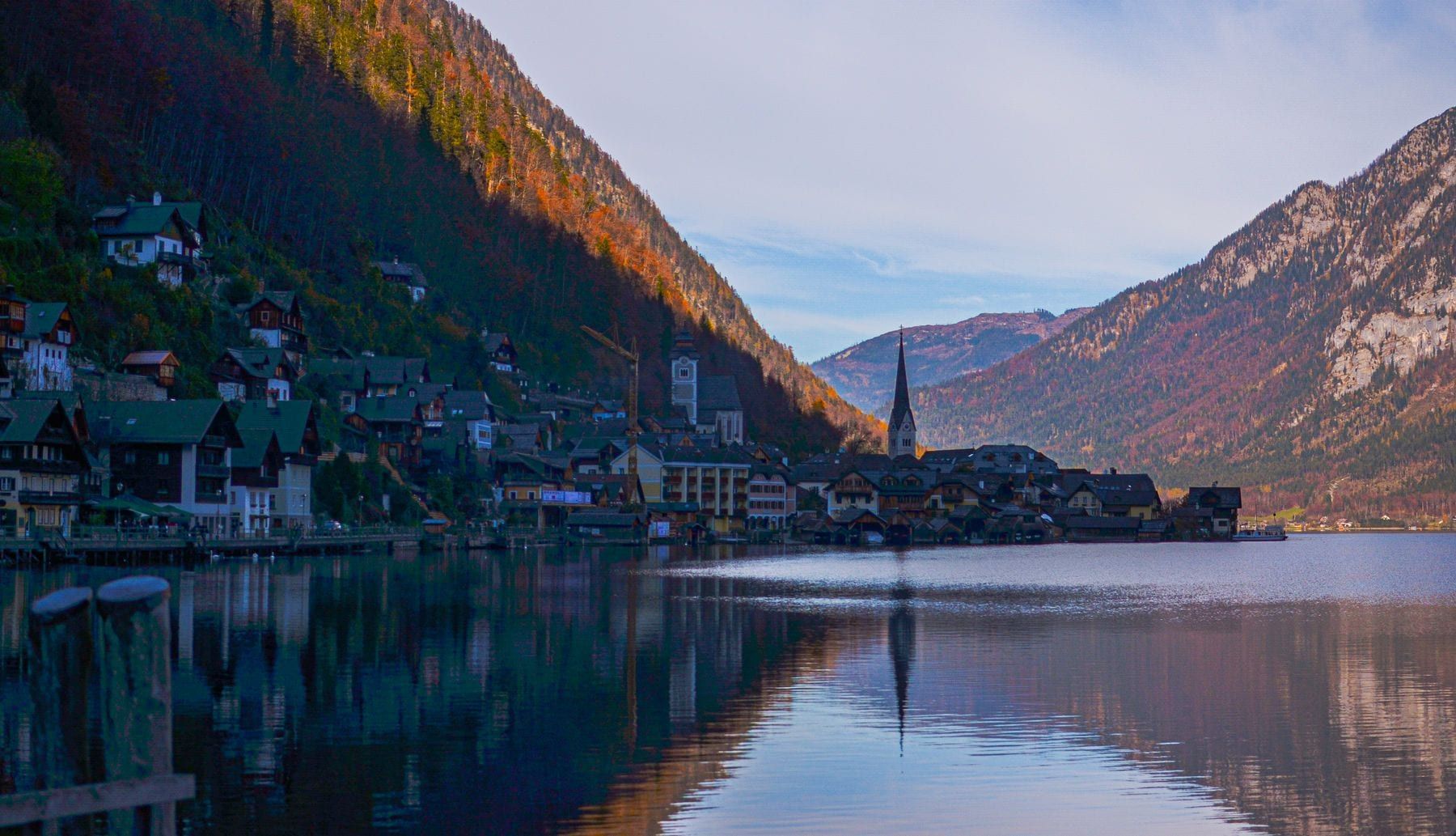
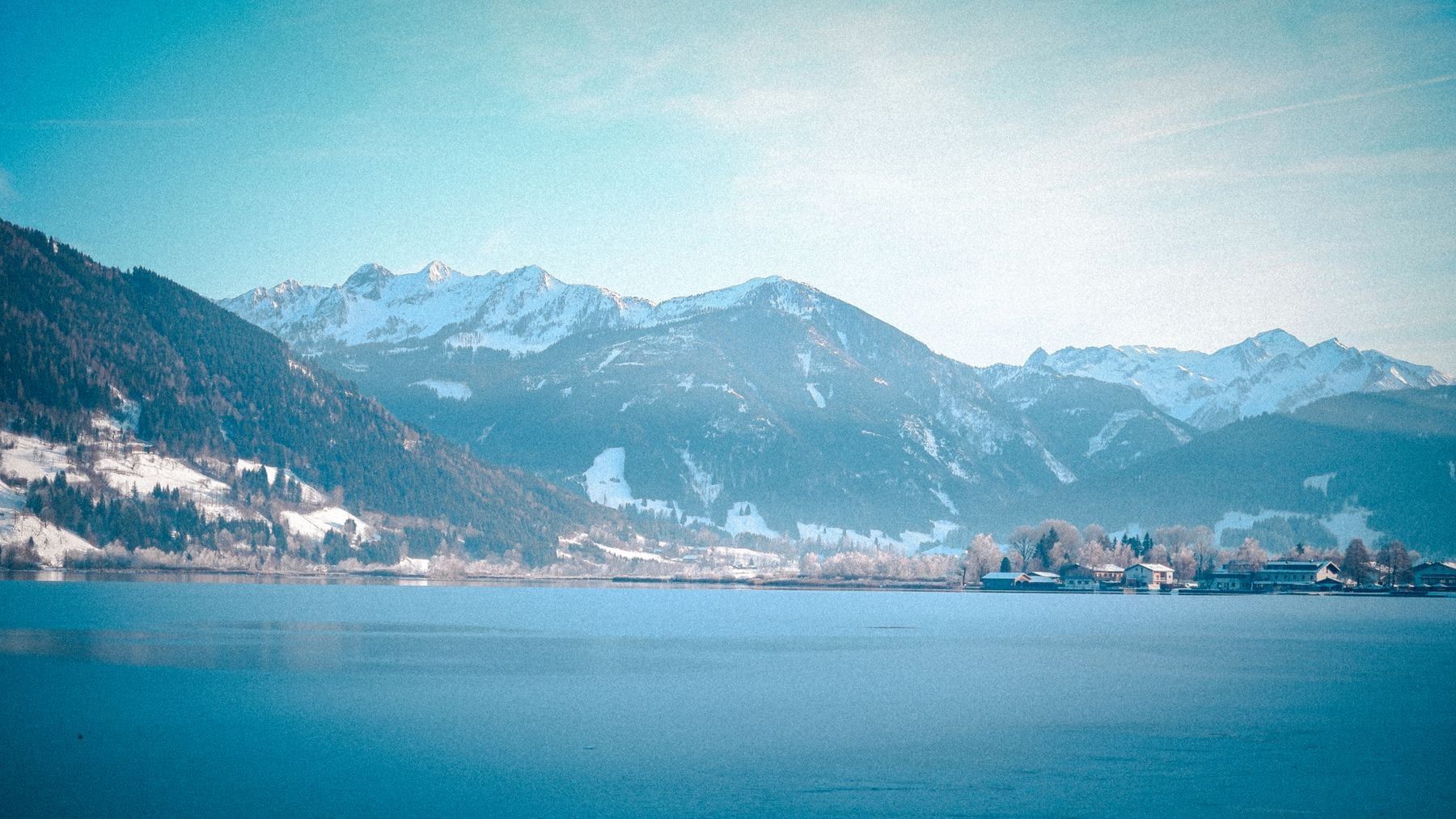
Austria has the long-distance trails you can walk without a tent and without high-alpine experience. The Lechweg follows the last wild river of the northern Alps from the Formarinsee above Lech to Füssen in the Allgäu, around 125 kilometres in six to eight stages, mostly near the valley floor with inns instead of huts; luggage transport can be booked for CHF 10 to 15 (about EUR 11 to 16) per stage. The Adlerweg crosses Tyrol from St. Johann to St. Anton in 24 stages and over 400 kilometres, partly alpine with hut nights, partly through villages; most people walk a week of it, for instance the Karwendel stages from Innsbruck. The Berliner Höhenweg in the Zillertal is the demanding hut circuit for experienced hikers, the Dachstein circular trail from Schladming or Hallstatt the gentler option for a good week with World Heritage views, and around Zell am See and Bad Gastein lie the valleys of the Hohe Tauern with high trails up to the glaciers. The huts of the Austrian Alpine Club and the German DAV are a little cheaper than the SAC's: dormitory for non-members CHF 25 to 35, rooms up to CHF 60, members pay about half, and the cheap Bergsteigeressen (mountaineer's meal) for around CHF 12 is compulsory on every menu. SAC members get the same discount under the reciprocal agreement. Cable cars cost CHF 30 to 50 return, often included with valley guest cards such as the Kitzbüheler Alpen Sommer Card or the Zillertal Activcard.

Germany

Germany: Malerweg, Harzer Hexenstieg and the Zugspitze

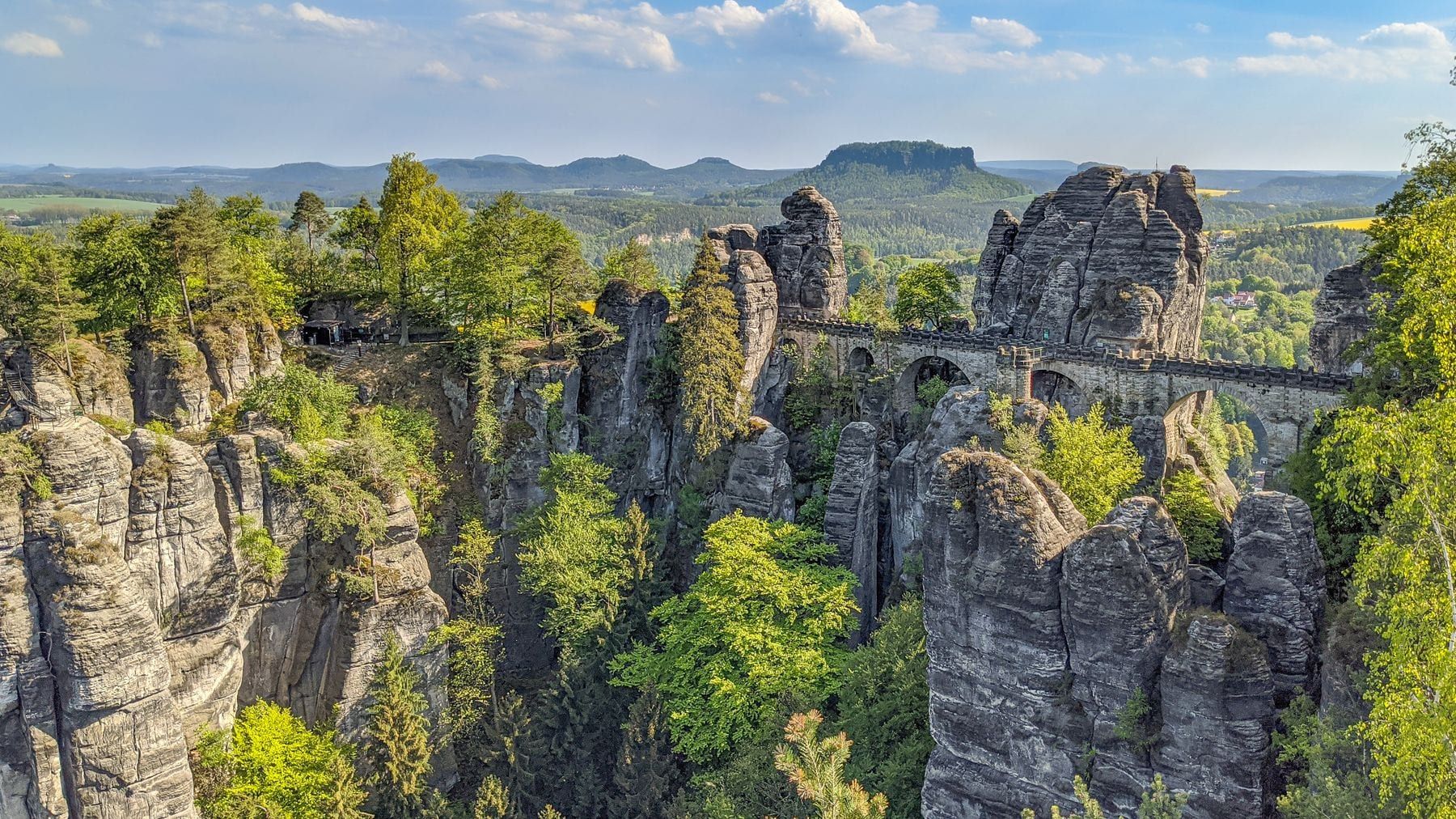
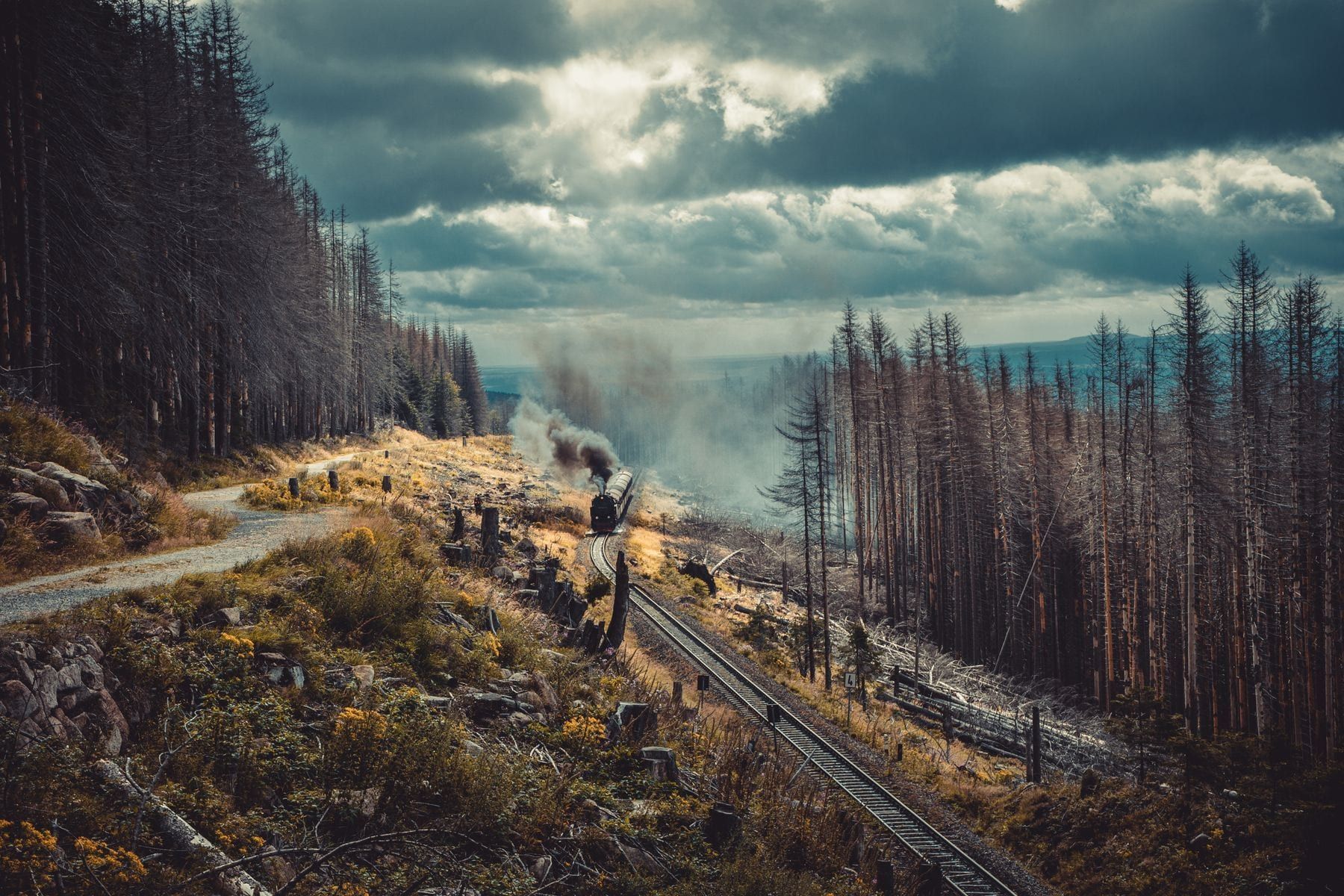
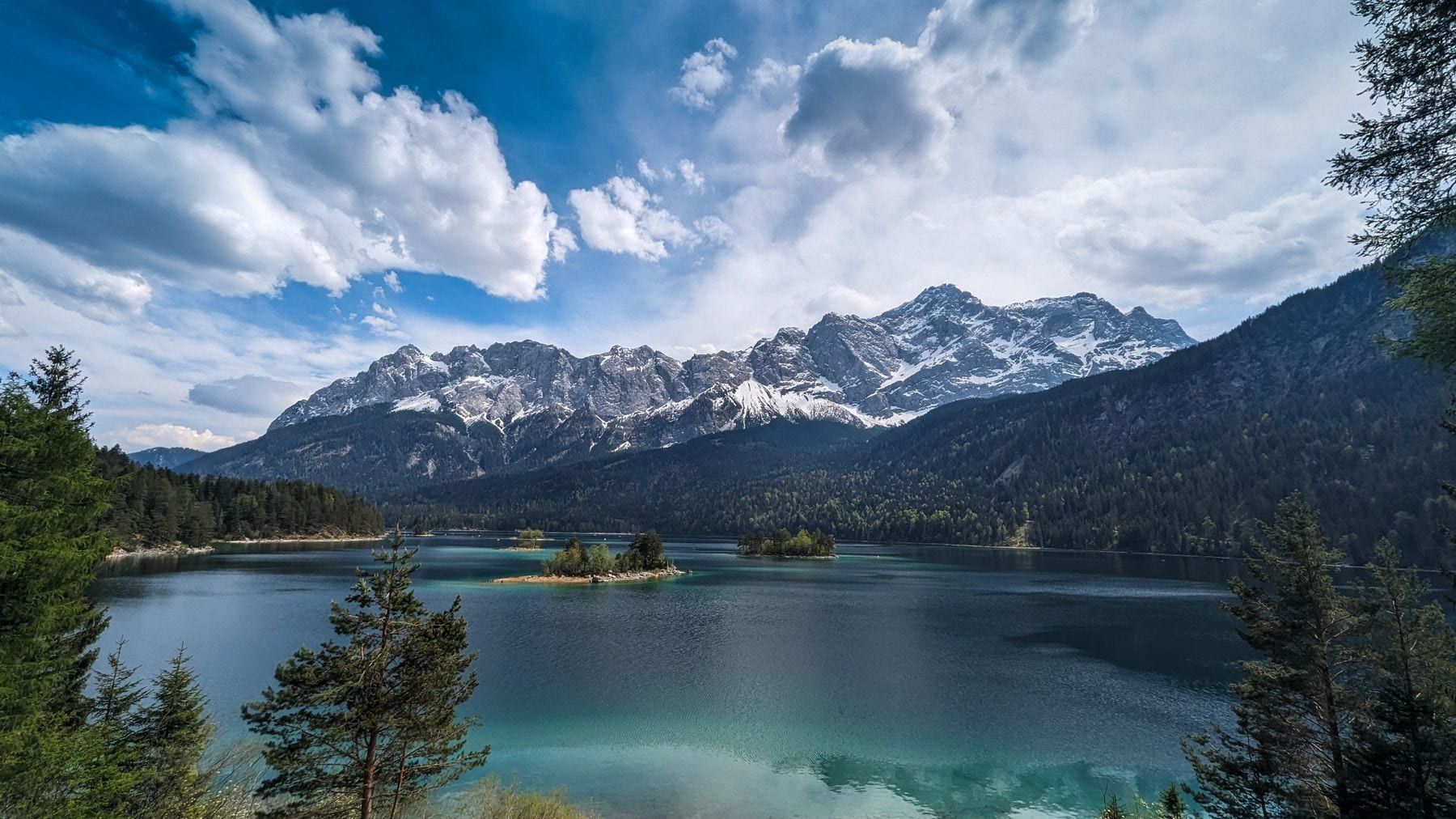
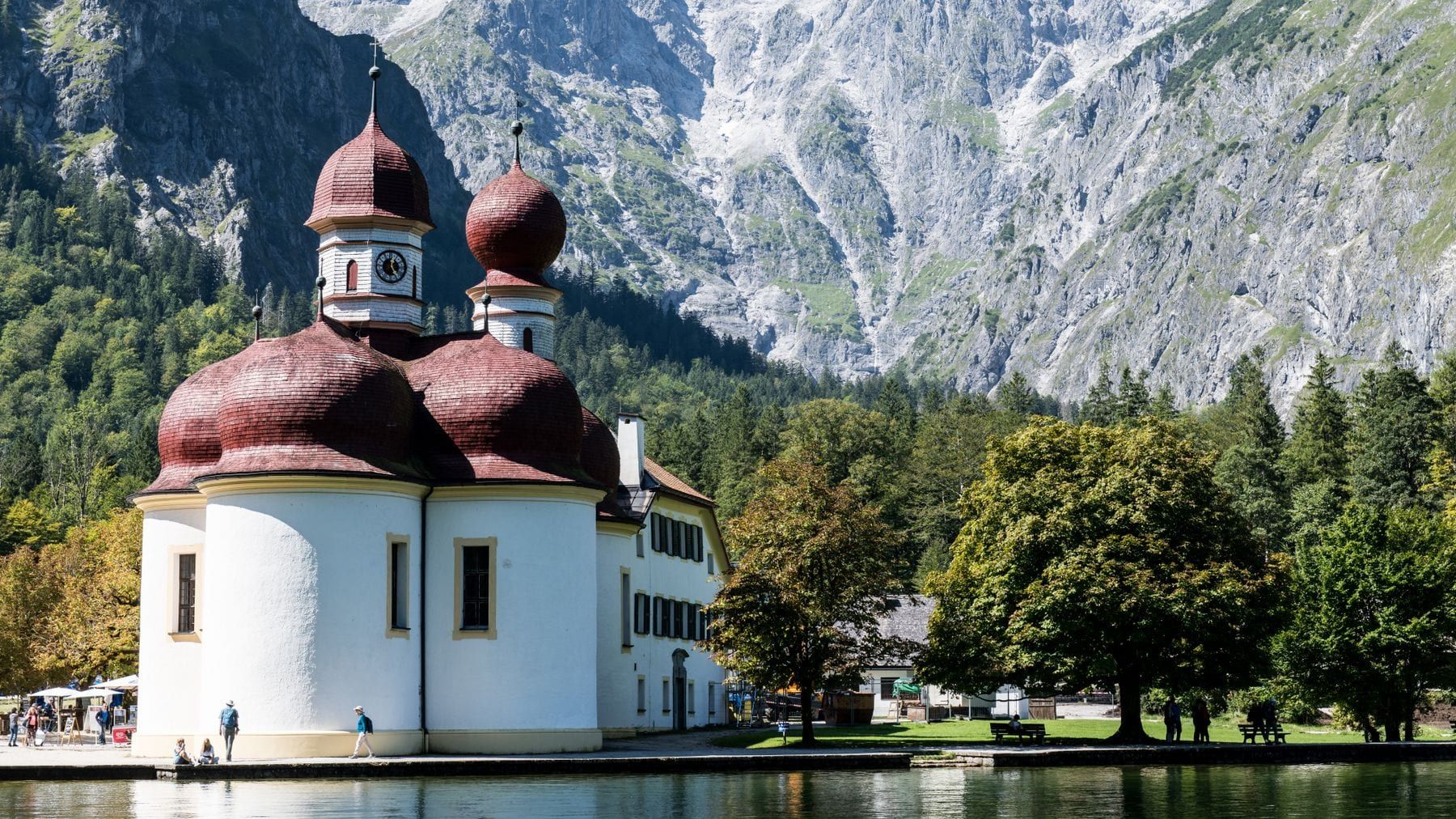
Germany hikes differently from the Alpine countries: fewer metres of ascent, more forest, rock and river, and a dense network of guesthouses. The Malerweg in Saxon Switzerland is the most beautiful long-distance trail in the country: 116 kilometres in eight stages through the sandstone of the Elbe Sandstone Mountains, over the Bastei, through the Schwedenlöcher, to the Schrammsteine and up the Grosser Winterberg, with stairways, ladders and views reminiscent of Cappadocia. Dresden is half an hour away by S-Bahn, guesthouses cost CHF 60 to 100 (about EUR 64 to 107). The Harzer Hexenstieg runs in five to six stages and around 95 kilometres from Osterode over the Brocken (1141 metres) to Thale, through moorland, past the ponds of the Upper Harz water management system and down the Bode gorge; if you like, take the steam train for the Brocken. It only gets alpine in the south: three routes lead up the Zugspitze, the Reintal is the long, technically easy two-day option with a night in the Reintalangerhütte or the DAV's Knorrhütte, the Höllental a via ferrata with a glacier crossing, only with experience and equipment. At the Königssee near Berchtesgaden, trails lead to the Watzmannhaus and across the Steinernes Meer to the Kärlingerhaus on the Funtensee. DAV huts cost CHF 25 to 35 in the dormitory for non-members, as in Austria. The best time for the Malerweg and Hexenstieg is May to October, for the Zugspitze July to September.

Tours worth booking

Guided day hike through Rose Valley and Red Valley

Half-day hike from Göreme through the two most beautiful valleys of Cappadocia, with rock churches, viewpoints and a guide who knows the turn-offs. Ideal on your first day to get your bearings.

View & book →

Lycian Way day hike from Kaş

A day on the Lycian Way without the weight of a pack: transfer, guide, hike along the coastal paths with a swim stop in a cove. A good way to find out whether the multi-day version is for you.

View & book →

Ihlara Valley and Derinkuyu day tour

The classic southern tour from Göreme: a walk through the Ihlara canyon along the river, then the underground city of Derinkuyu and lunch by the water. Transport and entrance fees included.

View & book →

Butterfly Valley and Kabak from Fethiye

Hike and boat trip combined: down from the Lycian Way into Butterfly Valley, a swim break, then back by boat to Ölüdeniz. Steep descent, only if you are sure-footed.

View & book →

Kaçkar Mountains multi-day trek with guide

Three to four days in the Kaçkar with a local mountain guide, tent or pasture hut and meals. Departure from Ayder or Yusufeli. For experienced hikers with the fitness for 1200 metres of ascent a day.

View & book →

Köprülü Canyon hike and rafting

Day tour from Antalya or Side: a short walk in the canyon on a stretch of the St. Paul Trail, then rafting on the Köprüçay. A relaxed mix of nature and water.

View & book →
Japan

Nakasendo hike from Magome to Tsumago with a guide

Guided day hike over the Magome pass between the two post towns, with explanations of the Edo period, a tea break at the trail rest house and train connections from Nagoya or Nagano. Around eight kilometres, easy.

View & book →
Japan

Mount Fuji climb with mountain guide and hut night

Two-day ascent from the 5th station with an English-speaking guide, a night in a mountain hut and sunrise on the summit. Most operators include transport from Tokyo. July to early September only.

View & book →
Switzerland

Grindelwald First: Cliff Walk, Bachalpsee and walk down

Gondola from Grindelwald up to First, the Cliff Walk along the rock face, a walk to the Bachalpsee with the Schreckhorn mirrored in the water (one hour, flat) and either a descent via Bussalp or the ride back down. The easiest big mountain day in the Bernese Oberland.

View & book →
Austria

Hallstatt and Dachstein: ice cave, 5 Fingers and World Heritage views

Day tour from Salzburg or Hallstatt with the cable car up the Krippenstein, the 5 Fingers viewing platform, the Giant Ice Cave or Mammoth Cave and time in the village. If you prefer to hike yourself, take just the cable car ticket and walk the Heilbronn circular trail.

View & book →
Germany

Guided hike to the Bastei and Schwedenlöcher from Dresden

Day trip by S-Bahn or bus into Saxon Switzerland, the Bastei bridge early before the coaches, descent through the Schwedenlöcher and back via Rathen with the ferry. One stage of the Malerweg in a day, with a guide who knows the quiet paths.

View & book →

If you book through these links we earn a small commission, at no extra cost to you.

Where

Antalya Flights approx. 268 EUR
Mediterranean

Antalya

Direct flights from Zurich, turquoise water, a 2,000-year-old old town, and far more than the all-inclusive resort most people book.

Fethiye Flights approx. 332 EUR
Mediterranean

Fethiye

Turquoise lagoons, ancient Lycian rock tombs and one of the wildest gorges in Turkey: Fethiye is more than the most famous paragliding spot in the country.

Kaş Flights approx. 375 EUR
Mediterranean

Kaş

What a week in the most relaxed town on the Turkish Mediterranean costs, why no package-tour buses stop here and which experiences are really worth it.

Cappadocia Flights approx. 342 EUR
Central Anatolia

Cappadocia

What a week among the fairy chimneys really costs, how to avoid the tourist traps once you are there, and which experiences are worth your money.

Rize Flights approx. 385 EUR
Black Sea

Rize

What a week between tea plantations and high pastures costs, when Ayder is empty and how to experience the Fırtına valley without a tour bus.

Kyoto Flights approx. 1070 EUR
Kansai

Kyoto

What a week in the old imperial city really costs, when you need to be at which temple to actually see it, and why a bike beats the bus here.

Takayama Flights approx. 1070 EUR
Chubu

Takayama

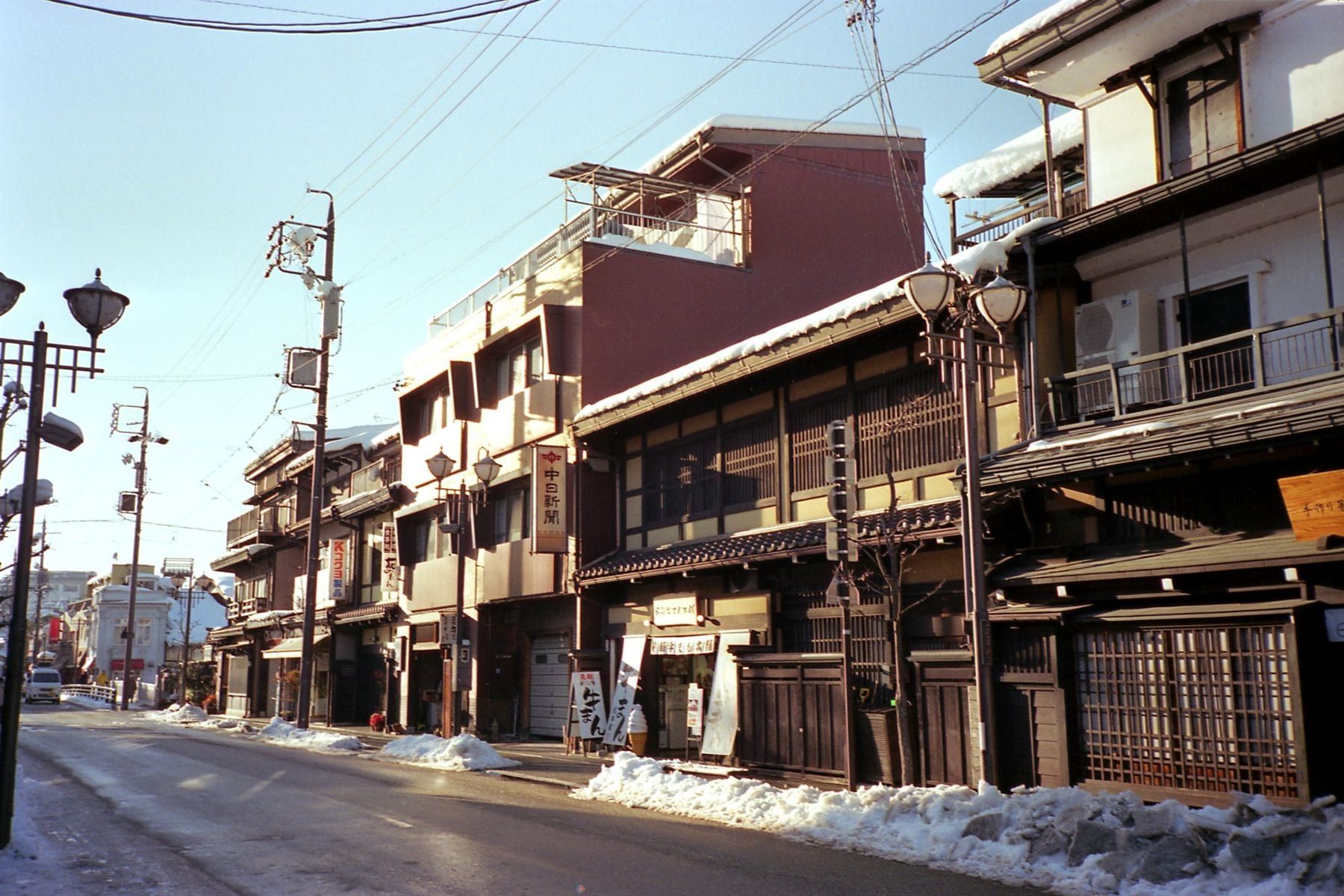
What a few days in the timber town of the Japanese Alps really cost, when the old town is empty, where Hida beef stays affordable and how to continue from here to Shirakawa-go.

Matsumoto Flights approx. 1049 EUR
Chubu

Matsumoto

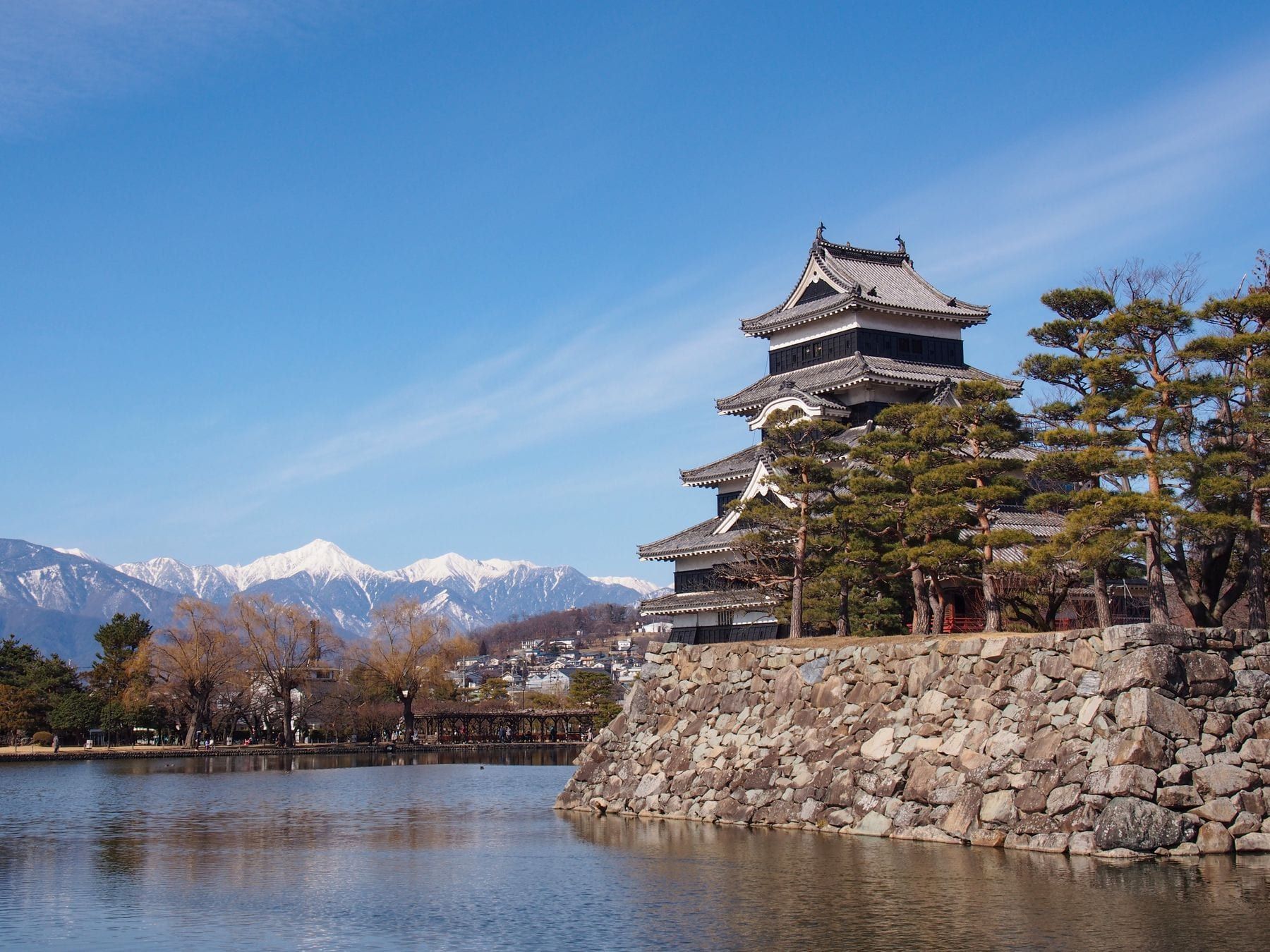
What a few days in the city with the black castle really cost, how to manage Kamikochi as a day trip, where the soba is best and whether the Alpine Route is worth it.

Fuji Five Lakes Flights approx. 1049 EUR
Chubu

Fuji Five Lakes

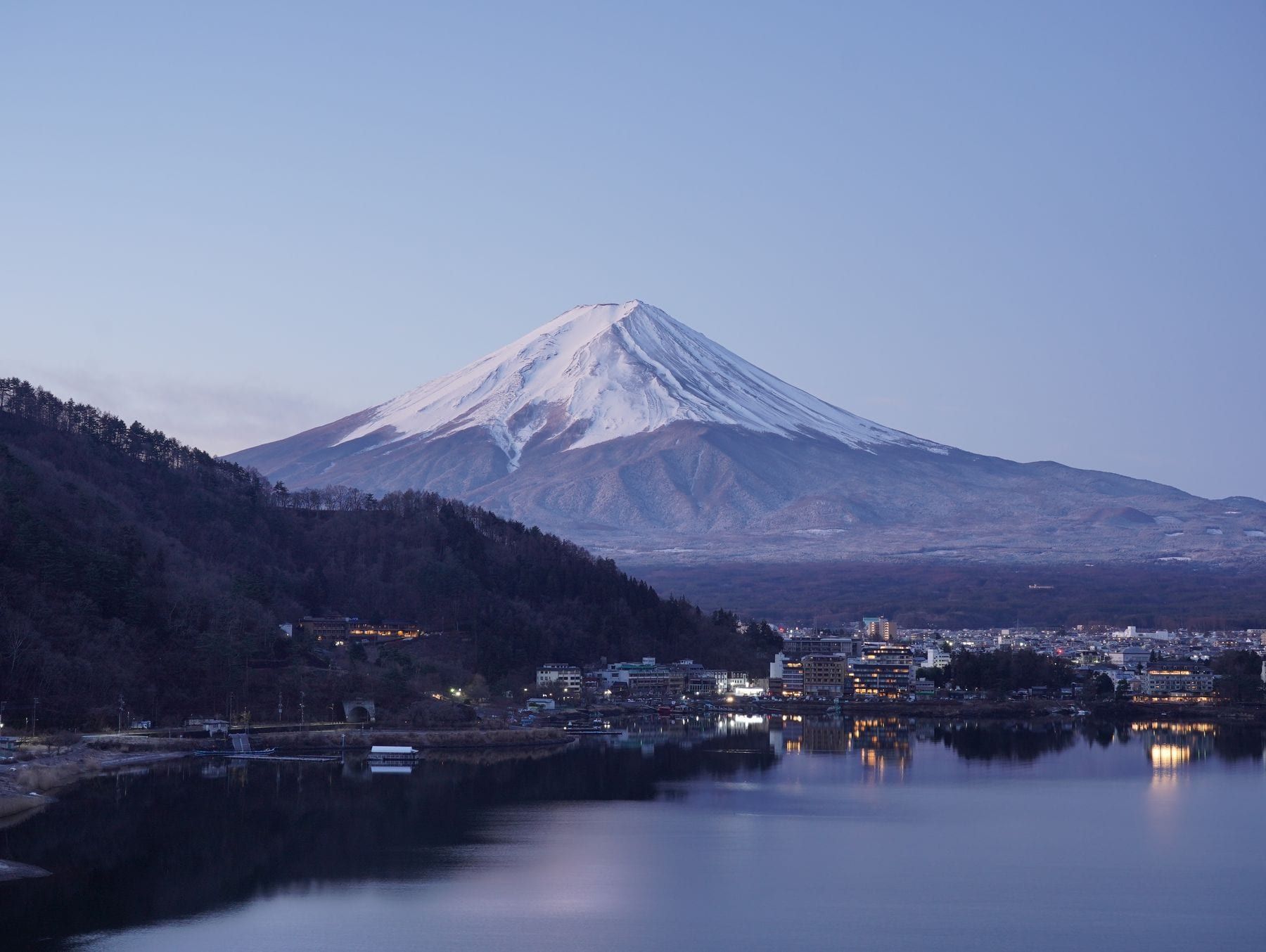
What two days at the foot of Mount Fuji really cost, why you need to stay a night to see the mountain, how the highway bus from Shinjuku works and what a summer climb involves.

Interlaken and Jungfraujoch Getting there approx. 75 EUR
Bern & Bernese Oberland

Interlaken and Jungfraujoch

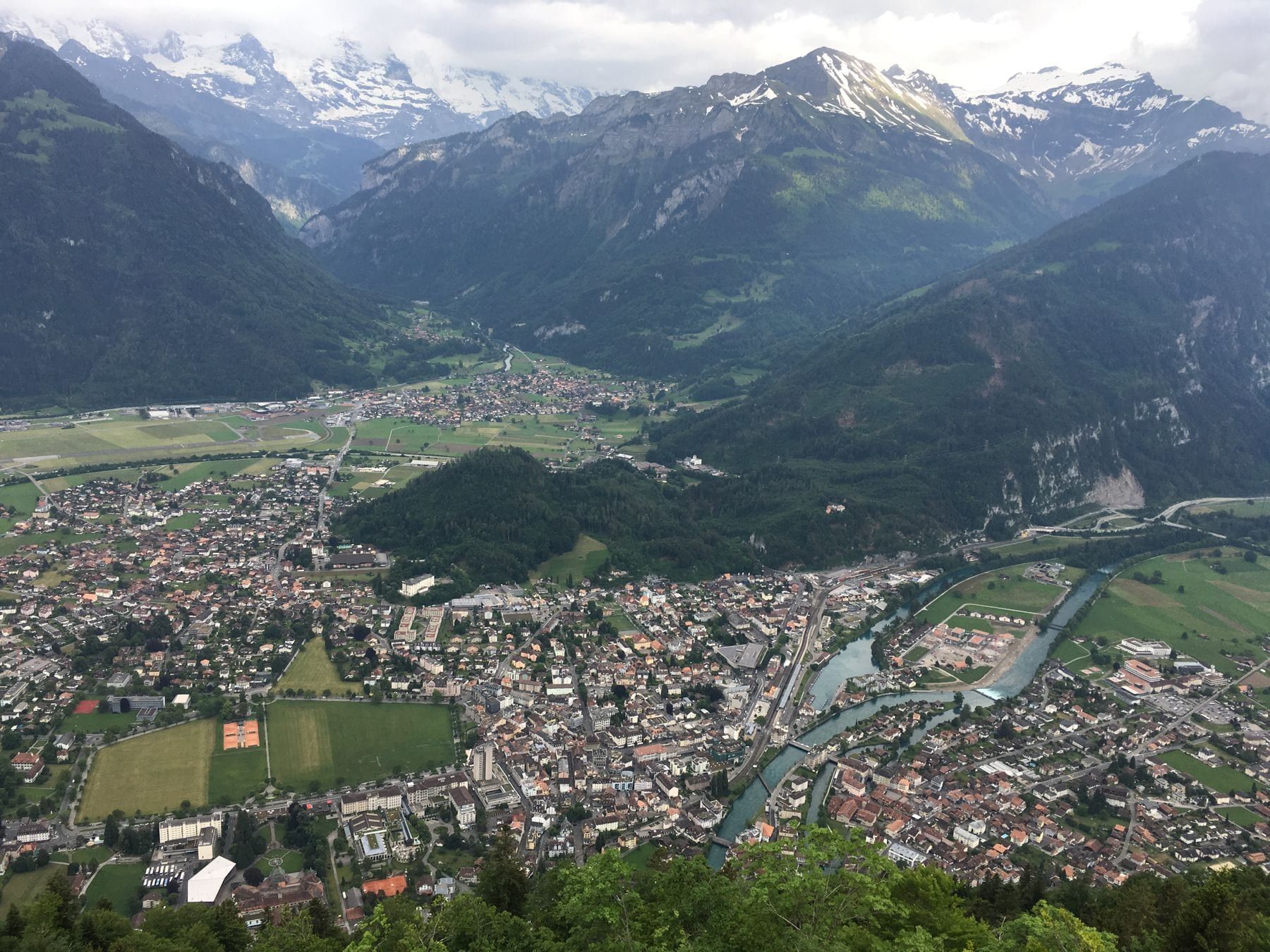
What the trip up to the Jungfraujoch really costs, when it is worth it and when it is not, and why Interlaken itself is only the base, not the destination.

Grindelwald Getting there approx. 86 EUR
Bern & Bernese Oberland

Grindelwald

What a week under the Eiger north face really costs in summer and winter, which mountain railway gives you which view, and why you take the First before 9 am.

Lauterbrunnen Getting there approx. 86 EUR
Bern & Bernese Oberland

Lauterbrunnen

What the valley of 72 waterfalls really costs, why you should sleep up in Mürren or Wengen rather than down in the village, and how to have Lauterbrunnen to yourself despite the Instagram rush.

Zermatt Getting there approx. 161 EUR
Lake Geneva & Valais

Zermatt

What a few days beneath the Matterhorn really cost, why you should ride the Gornergrat before 8 am, and how the Half Fare Card, the Peak Pass and the right month save you a third.

Aletsch Arena Getting there approx. 128 EUR
Lake Geneva & Valais

Aletsch Arena

What a few days above the largest glacier in the Alps really cost, why the three car-free villages are the better Valais for families, and how the guest card and railway pass keep you below Zermatt prices.

Verbier Getting there approx. 118 EUR
Lake Geneva & Valais

Verbier

What a ski week or a hiking summer in the freeride mecca of Valais really costs, why you sleep in Le Châble and ski in Verbier, and where the bisses lead you across the hillside in July.

Saxon Switzerland Getting there approx. 187 EUR
Saxony & Harz

Saxon Switzerland

What a week of hiking in the Elbe Sandstone Mountains really costs, why you visit the Bastei at 7 am and not at 11 am, and how you get through the whole national park without a car.

Harz Getting there approx. 193 EUR
Saxony & Harz

Harz

What a week in Germany's northernmost mountain range really costs, whether the Brockenbahn is worth its CHF 50, and why Quedlinburg is the most beautiful town you have never heard of.

Garmisch-Partenkirchen and Zugspitze Getting there approx. 107 EUR
Bavaria & the Alps

Garmisch-Partenkirchen and Zugspitze

What Germany's highest mountain really costs, why the Partnachklamm and the Wank save the day when the summit is in cloud, and whether the trip to Neuschwanstein is worth the stress.

Berchtesgaden and Königssee Getting there approx. 139 EUR
Bavaria & the Alps

Berchtesgaden and Königssee

What a few days in the south-easternmost corner of Germany really cost, why you have to take the first boat across the Königssee, and how to place the Eagle's Nest and the Obersalzberg without it turning into a Hitler tour.

Hallstatt and Salzkammergut Getting there approx. 128 EUR
Salzburg & Salzkammergut

Hallstatt and Salzkammergut

Between 10 am and 4 pm Hallstatt is a selfie corridor, and before and after that one of the most beautiful villages in the Alps. Here is how to do it right, what the surrounding lakes cost and why you do not have to sleep in Hallstatt itself.

Zell am See and Kaprun Getting there approx. 118 EUR
Salzburg & Salzkammergut

Zell am See and Kaprun

Lake, glacier and the highest road in Austria in one place: what a week in Zell am See costs in summer and in winter, which card gives you the cable cars for free and when the glacier is really worth skiing.

Zillertal Getting there approx. 107 EUR
Tyrol

Zillertal

What a week in the best-known ski valley in Tyrol really costs, which of the four valley sections suits you, when the glacier is the best choice and how the guest card lets you travel almost free in summer.

St. Anton am Arlberg Getting there approx. 86 EUR
Arlberg, Ötztal & Vorarlberg

St. Anton am Arlberg

What a ski week in Austria's largest ski area really costs, why the train beats the car here, and where on the Arlberg you can be happy without après-ski.

Lech Zürs Getting there approx. 96 EUR
Arlberg, Ötztal & Vorarlberg

Lech Zürs

What the most expensive ski resort in Austria really costs, why it is often worth its money all the same, and how Warth, Schröcken and summer on the Lech get you away far cheaper.

Schladming Getting there approx. 128 EUR
Styria & Carinthia

Schladming

What a ski week on the Planai or a hiking week below the Dachstein really costs, why Schladming is cheaper than any comparable Swiss resort and when the night slalom turns the valley upside down.

Frequently asked questions

Can I hike the Lycian Way without a guide?

Yes, most people do. You need a GPS track, an offline map and some experience with poorly marked trails. The villages are close enough together that you can sleep in a guesthouse almost every night. Guides are worth it for groups or if you want to skip the navigating.

When is the best time to hike in Turkey?

On the coast, April to early June and late September to early November. In the Kaçkar Mountains, July to mid September. Cappadocia works almost all year, best in May and October. Avoid the coast in high summer because of the heat.

How much does a week of hiking cost?

On your own with guesthouses about CHF 400 to 600 (about EUR 430 to 640) per person without flights. Guided weeks with luggage transport CHF 900 to 1500. Meals in village guesthouses cost CHF 8 to 12, a dolmuş ride a few francs.

Is hiking in Turkey safe?

In the hiking areas, yes. The real risks are heat, lack of water, faded waymarks and free-roaming shepherd dogs, which you are best off passing calmly and at a distance. Mountain rescue is less developed than in the Alps; insurance that covers rescue costs is part of the plan.

Do I need a tent?

Not on the Lycian Way, where there are guesthouses in almost every stage village. In the Kaçkar and on the St. Paul Trail you need a tent or have to plan your stages so you reach pasture huts or villages. Wild camping is tolerated in the mountains.

How does hiking in Japan differ from Turkey?

Japan is organised: marked trails, mountain huts with dinner, buses to the trailhead, luggage transfer on the Kumano Kodo and Nakasendo. In return, accommodation is scarce and must be booked months ahead, and Fuji is crowded in summer. Turkey offers solitude and low prices but demands GPS and self-reliance. Budget CHF 90 to 150 (about EUR 96 to 160) a day for lodging and food in Japan, CHF 50 to 80 in Turkey.

How do I reserve SAC huts and what do they cost?

Almost all SAC huts are booked online via the hut's website or the SAC reservation system, the staffed summer huts from January. Popular huts in the Bernese Oberland and the Valais are full weeks ahead at weekends in July and August; midweek you usually find space. Non-members pay CHF 40 to 55 (about EUR 43 to 59) for the night and CHF 40 to 50 for half board, members considerably less. Cancel in good time or the night is charged, and bring a sleeping bag liner, it is compulsory. In Austria and Germany the Alpine Club huts follow the same rules at lower prices; your SAC card is valid there under the reciprocal agreement.

Related events

May 1

Rhine in Flames (Rhein in Flammen)

Festival · Germany

1 May 2027 Five dates May to September; 2027 expected: Bonn 1 May, Rüdesheim/Bingen 3 July, Koblenz 14 August, Oberwesel 11 September, St. Goar 18 September Middle Rhine between Bonn and Rüdesheim

On five evenings in the summer half-year, a convoy of around 50 illuminated boats sails down the Rhine while the castles and banks are lit up in Bengal red and several fireworks displays go up one after another over the river. Each date has its own stretch: Bonn with the big closing fireworks in the Rheinaue park, Rüdesheim and Bingen at the Binger Loch, Koblenz from Spay to the Deutsches Eck, Oberwesel with Schönburg castle and St. Goar with the Loreley and Rheinfels castle. It is most beautiful from a boat; places cost around CHF 60 to 150 (EUR 65 to 160) including dinner and are gone months in advance; from the bank you watch for free, but need to claim a spot early in the afternoon. The towns are packed on these evenings, there is no parking, and the last trains back are crammed. Everything goes ahead in the rain.

For travellers: Combine one of the dates with two or three days in the Upper Middle Rhine Valley; the Rheinsteig stages between St. Goar and Oberwesel are at their best on exactly these weekends, but hotels there are scarce then.

Jul 1

Mount Fuji Climbing Season

Sport · Japan

1 July 2027 Yoshida trail 1 July to 10 September, Shizuoka trails 10 July to 10 September Mount Fuji (3,776 m), Yamanashi and Shizuoka

For only a good two months a year the huts are open and the trails up the 3,776 metre Mount Fuji are free of snow. The most popular is the Yoshida trail from the 5th station on the Yamanashi side, reached by bus from Kawaguchiko or Shinjuku. Since 2025 both prefectures charge a fee of 4,000 yen (around CHF 25, about EUR 27) per person, to be reserved online; the Yoshida trail is capped at 4,000 climbers a day, and between 2 pm and 3 am only those with a hut reservation get through the gate. Huts cost CHF 60 to 90 (about EUR 64 to 96) with dinner and are booked out months ahead. The classic plan: hut in the afternoon, onwards at night, sunrise (goraiko) on the summit.

For travellers: Avoid weekends and the Obon week, when you queue on the mountain; altitude sickness is the most common problem, so take your time at the 5th station and bring warm clothes, as the summit is around zero degrees even in August.

Oct 16

Cappadocia Ultra-Trail

Sport · Turkey

16 October 2027 Mid to late October, one weekend Ürgüp, Cappadocia

Trail running through the valleys and fairy chimneys of Cappadocia: distances from around 38 to 119 kilometres, start and finish in Ürgüp, part of international ultra-trail series. The race runs through Rose Valley, Love Valley, cave villages and across high plateaus, with aid stations in villages. Entry fees CHF 80 to 200 (about EUR 86 to 215); registration usually opens in winter and fills up early.

For travellers: Accommodation in Ürgüp and Göreme is scarce on race weekend, and the valley trails are full of runners on Saturday.