Activities

Skiing and Winter Sports

Powder at 3000 metres in Turkey, legendary deep snow in Hokkaido and, on the doorstep, the Alps from Zermatt via the Arlberg to the Zugspitze: five ski countries compared honestly, with prices that are worlds apart.

Best months: JanFebMarAprMayJunJulAugSepOctNovDec

Erciyes: the most modern ski resort

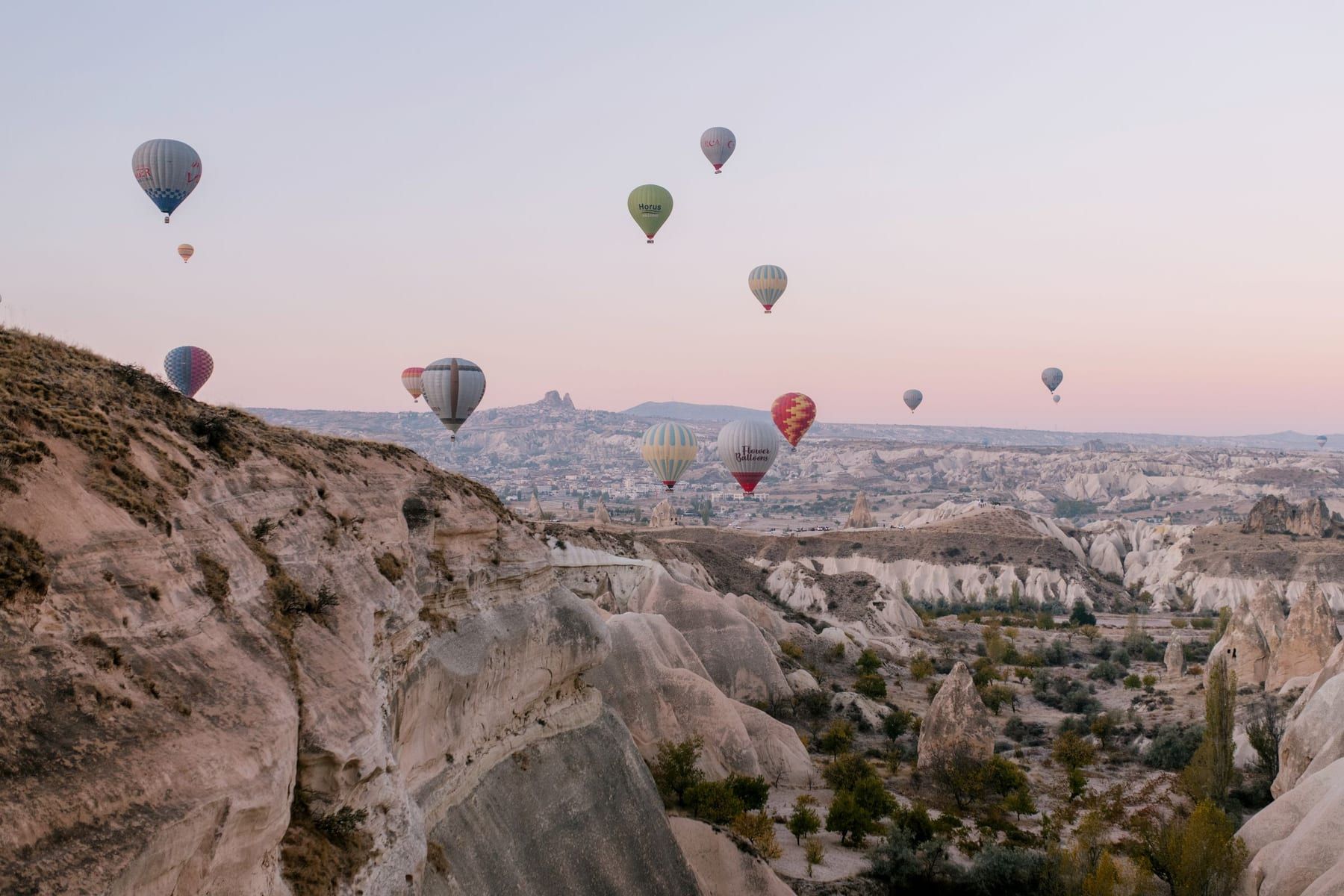
Erciyes is a 3917 metre volcano near Kayseri, an hour from Cappadocia. Since 2010 the area has been developed with gondolas and chairlifts to European standards; today there are over 100 kilometres of pistes between 2200 and 3400 metres, 18 lifts and snowmaking. The pistes are wide, mostly red and blue, with a few black variants from the summit area. A day pass costs around CHF 30 to 45 (about EUR 32 to 48), ski and boot rental CHF 20 to 30 per day. There are few hotels right on the piste; most people stay in Kayseri or in the hotels at the foot of the resort, CHF 80 to 180 for a double room. The big trump card: Erciyes can be combined with Cappadocia in the snow; you fly to Kayseri and have both. The season runs from December to April, with the best snow in January and February.
Palandöken: altitude, cold, powder

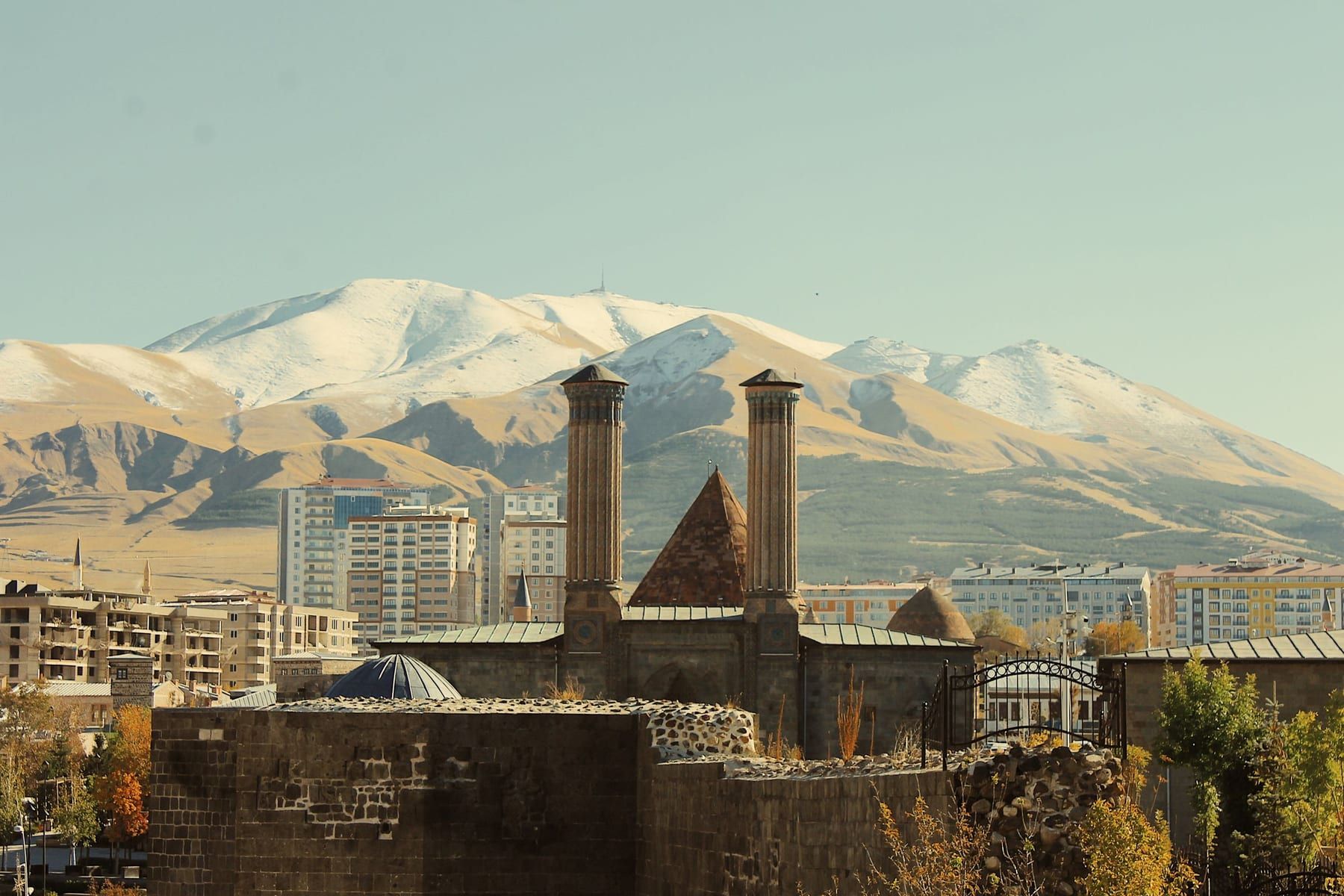
Palandöken near Erzurum in the east lies between 2200 and 3176 metres, making it the highest resort, and thanks to the continental climate it has the driest snow. In January it reaches minus 20 degrees, but the powder after a snowfall is impressive. There are around 40 kilometres of pistes, several gondolas and chairlifts, a long run with over 1000 metres of vertical and good freeride options. The hotels stand right on the piste, half board for CHF 90 to 160 (about EUR 96 to 170) per double room. Ski pass CHF 25 to 40. Erzurum itself is a conservative city with Seljuk buildings and good cağ kebab, but no après-ski. You get there via Istanbul to Erzurum; the airport is 15 minutes from the resort. Palandöken is the resort for strong skiers who want snow and can do without hut romance.

Uludağ, Kartalkaya and Sarıkamış

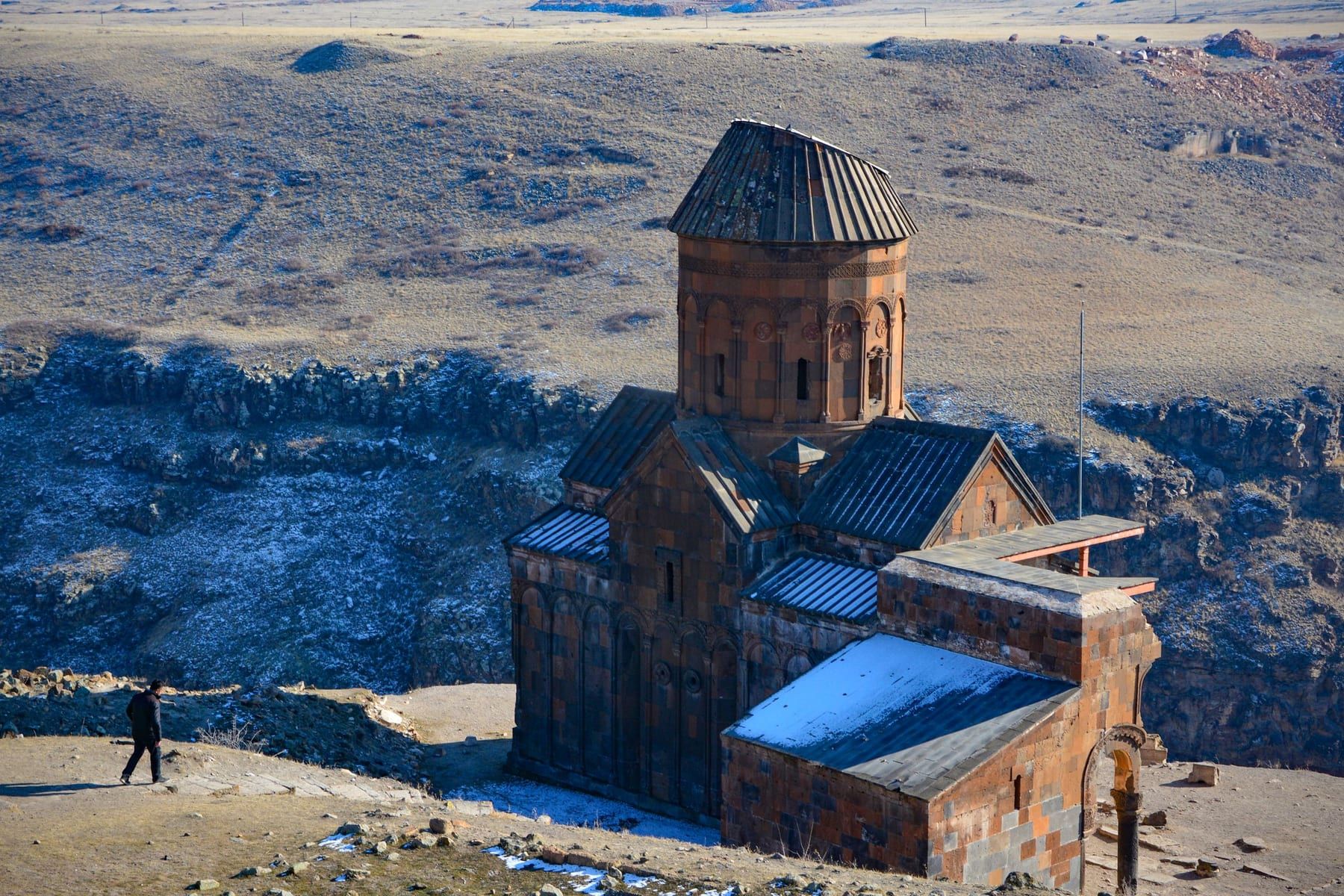
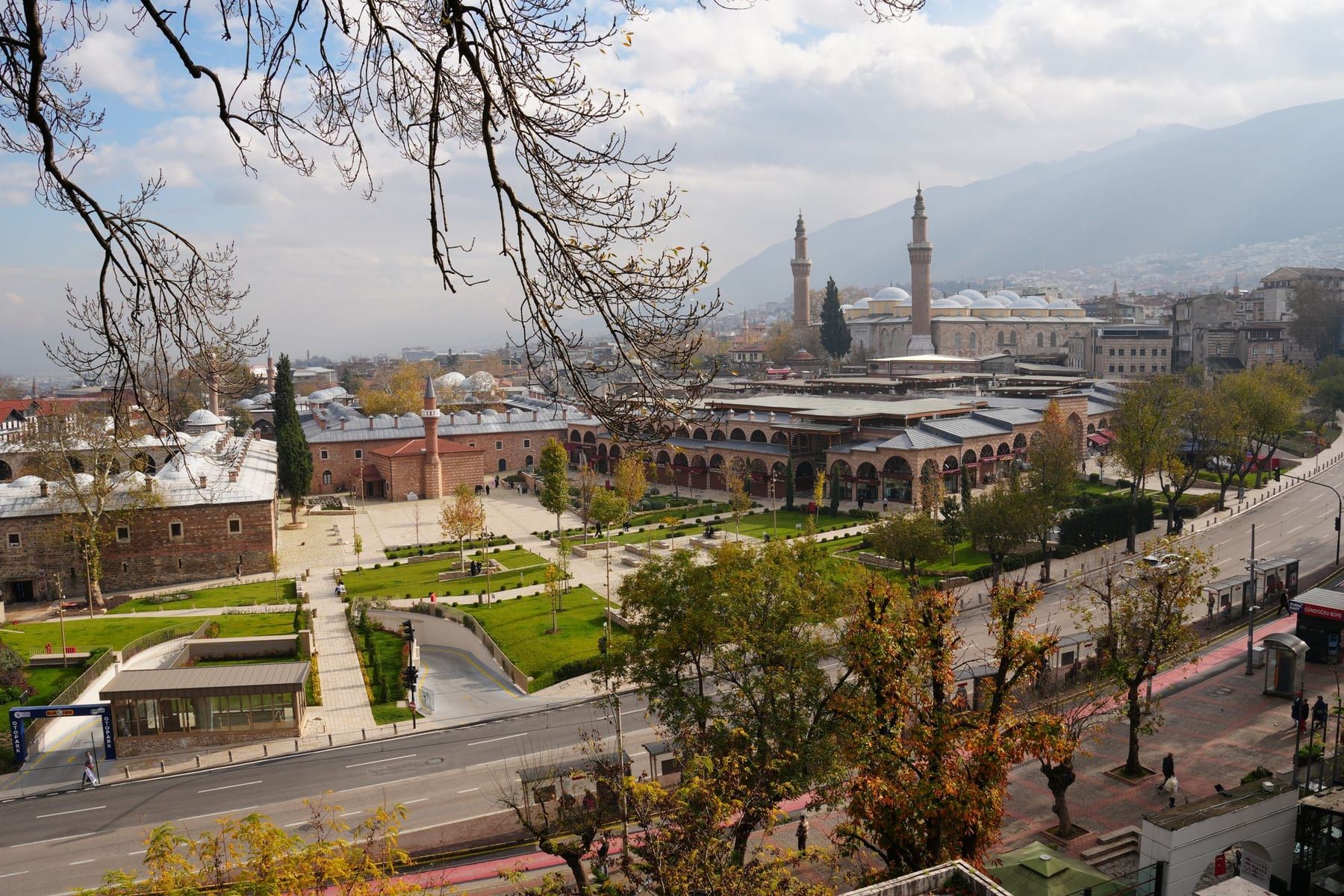
Uludağ near Bursa is the oldest and best-known ski resort in Turkey, 2500 metres high, with two hotel zones and about 30 kilometres of pistes. The resort is packed with Istanbulites at weekends, the prices are the highest in the country (ski pass CHF 35 to 50, about EUR 37 to 54; hotels from CHF 120) and the pistes are rather short. During the week it is pleasant, and the cable car up from Bursa is an attraction in itself. Kartalkaya near Bolu, between Istanbul and Ankara, is a family resort with gentle pistes and a few big full-board hotels. Sarıkamış near Kars in the north east is an insider tip: powder at 2200 to 2600 metres between pine forests, hardly any crowds, ski pass under CHF 25. The infrastructure is basic, but Kars, with the ruined city of Ani and its winter atmosphere, is a destination in its own right. Ideal to combine with a trip through Eastern Anatolia.

Comparison with the Alps

Honestly calculated: a ski day in Turkey costs around CHF 70 to 90 (about EUR 75 to 96) with pass, rental and food; in Switzerland it is CHF 150 to 200. A week with flight, hotel and ski pass comes to CHF 900 to 1400 per person, which in the Alps often covers the hotel alone. In return the resorts are smaller, hardly any offers more than 100 kilometres of pistes, grooming is irregular and off the main pistes there is little safety provision. The rental equipment is usually fine but rarely new; if you have your own boots, bring them. Ski schools exist in all the big resorts, and private lessons cost CHF 30 to 50. The skill level of local skiers is mixed; on the blue pistes it sometimes gets chaotic. If you want good pistes, peace, snow and a low budget, you are in the right place. If you are after Alpine hut culture, stay in the Alps.

Season, getting there and practicalities

The season runs from mid December to the end of March, in Palandöken and Erciyes often until mid April. The best conditions are from mid January to the end of February. Avoid the Turkish school half-term holidays from late January to early February, when Uludağ and Kartalkaya are full. Getting there: fly via Istanbul to Kayseri (Erciyes), Erzurum (Palandöken) or Kars (Sarıkamış), each with a transfer of 15 to 60 minutes. You reach Uludağ via Istanbul with a bus or ferry to Bursa and the cable car. Book hotels with half board; the choice of restaurants in the resorts is small. Ski equipment on the plane costs the same as a bike, CHF 50 to 100 (about EUR 54 to 107) per leg. Bring your own avalanche gear if you want to go off-piste; there is no avalanche bulletin like in the Alps, so you depend on local guides.

Japan

Japan, Hokkaido: Niseko and Furano in the powder

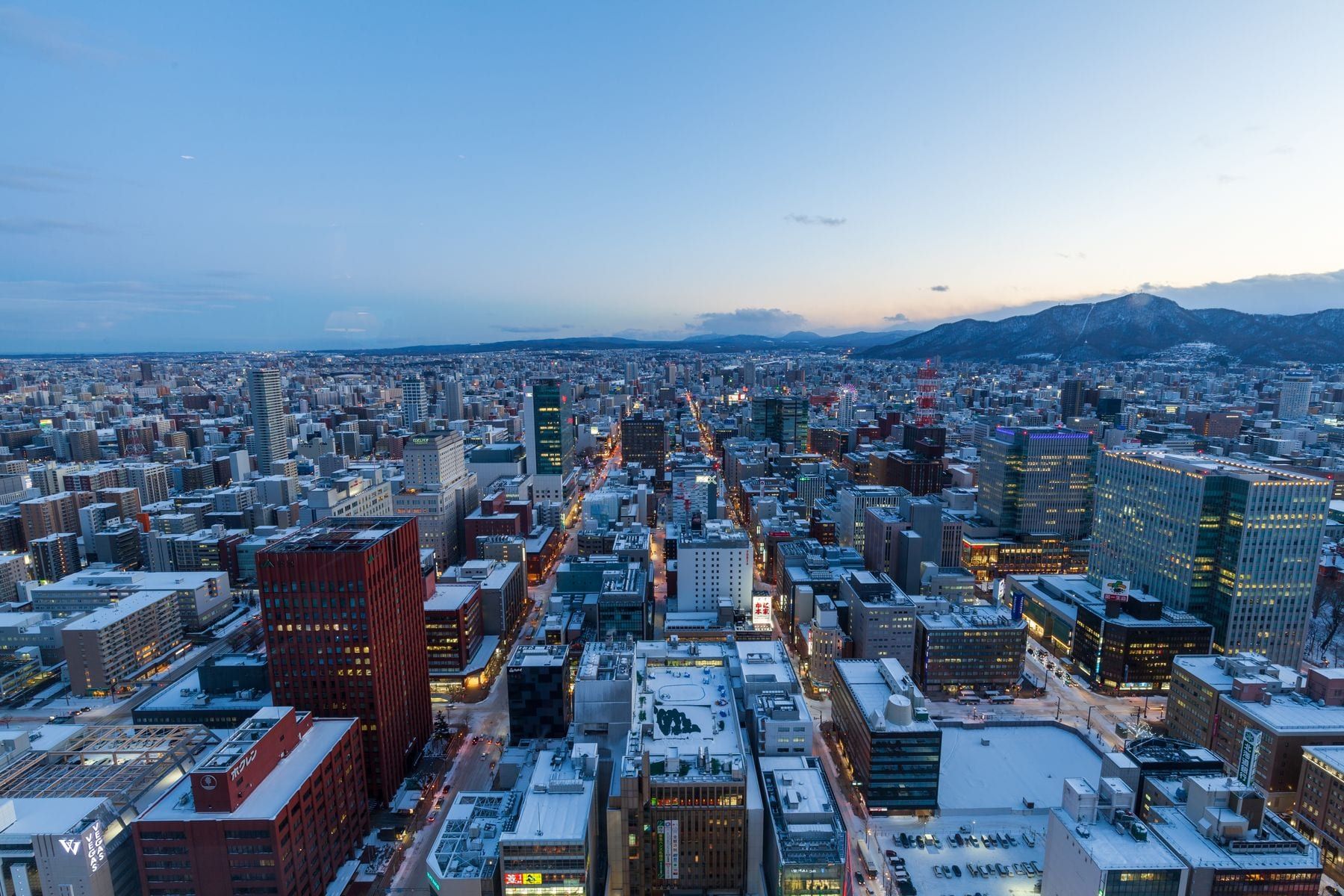
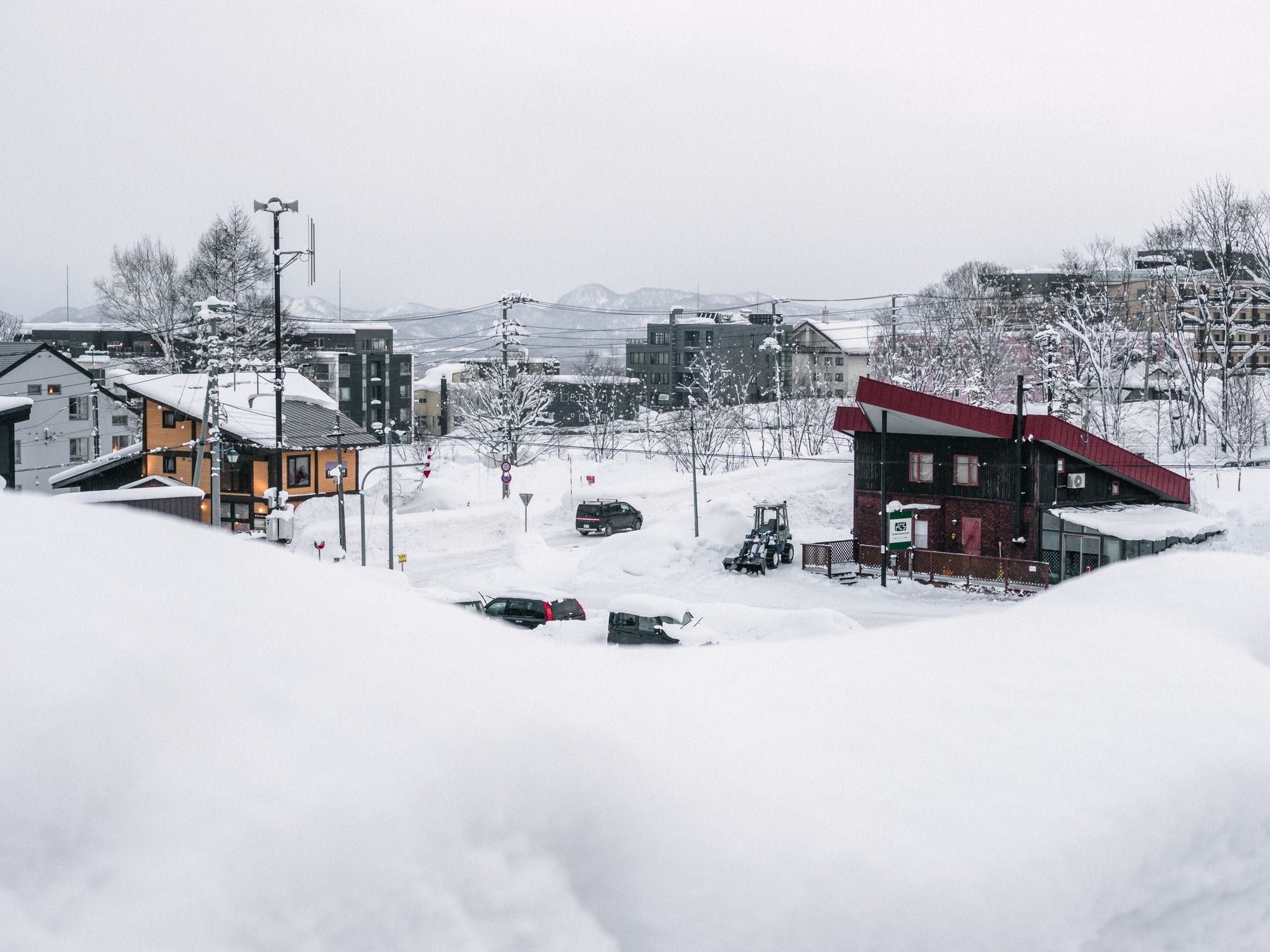
Hokkaido is the reason skiers from all over the world fly to Japan. Siberian cold air picks up moisture over the Sea of Japan and dumps it as extremely light, dry snow: Niseko gets 13 to 15 metres a winter, and in January it snows almost every day. Niseko United links four areas (Grand Hirafu, Hanazono, Niseko Village, Annupuri) facing the Yotei volcano; the all-mountain pass costs around CHF 60 to 70 (about EUR 64 to 75) a day, rental skis CHF 30 to 50. The gates into controlled backcountry are the special thing: you ski deep snow through birch forest without anyone ignoring the avalanche warning. Niseko is international, expensive and busy, with hotels at CHF 200 to 500 in January. Furano, two hours east, is the quiet alternative with colder, even drier snow, a Japanese crowd and passes around CHF 45 to 55. Sapporo is 90 minutes from Niseko and has its own city ski areas (Teine, Kokusai) for day trips. Season December to early April; the deepest snow lies from mid January to the end of February.

Japan

Hakuba and the Japanese Alps: steeper, higher, closer to Tokyo

Hakuba in Nagano prefecture hosted the 1998 Olympics and is the alpine counterpart to Hokkaido: peaks up to 3000 metres, long runs with up to 1000 metres of vertical and steeper slopes than Niseko. The Hakuba Valley covers ten areas including Happo-One, Goryu and Cortina; the joint pass costs about CHF 55 to 65 (about EUR 59 to 70) a day, single areas are cheaper. The snow is slightly heavier than on Hokkaido but falls on demanding terrain, and Cortina is considered the best tree skiing in the region. You reach Hakuba from Tokyo Haneda in around four hours by Shinkansen to Nagano plus bus, or directly by coach from Shinjuku for CHF 40 to 60. Accommodation ranges from guesthouses at CHF 80 to hotels at CHF 250 a night. Between ski days, Matsumoto with its castle and the snow monkeys of Jigokudani near Nagano are worth the trip. Practical notes: ski schools in English exist in all major areas, avalanche gear is compulsory at the gates, and many onsen in the valley open in the evening for skiers, entry CHF 5 to 10.

Switzerland

Switzerland: Zermatt, Verbier, the Engadin and the price question

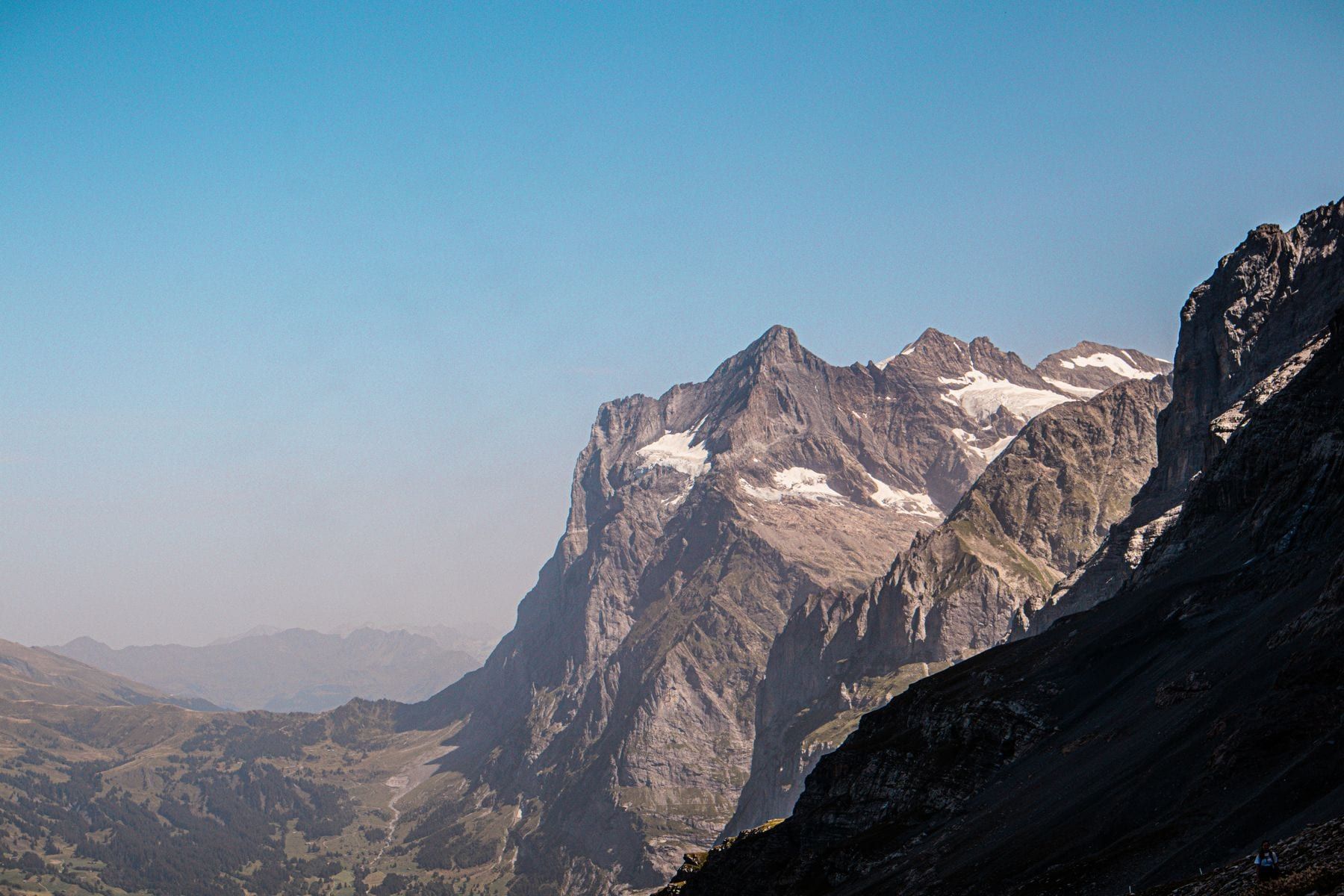
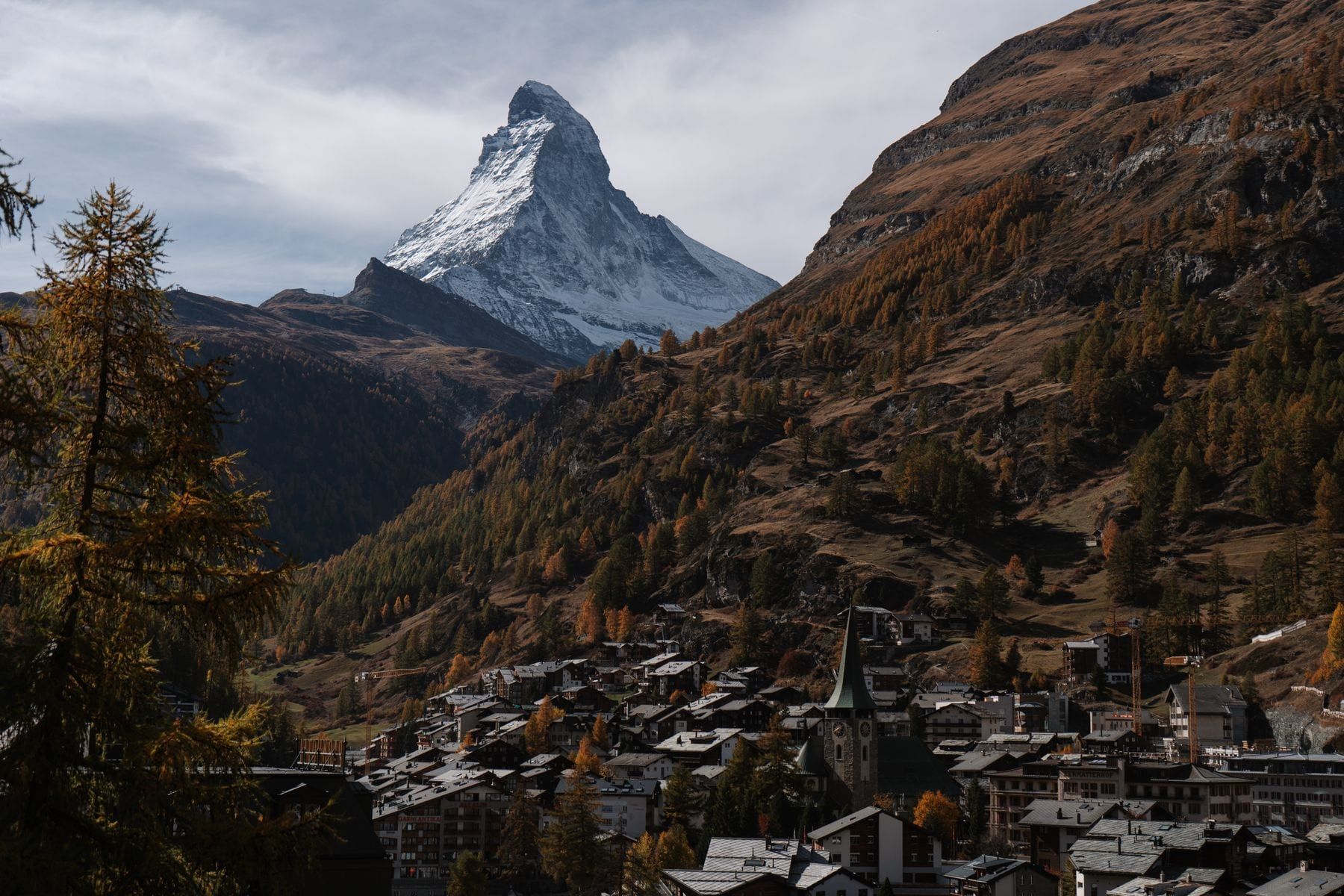
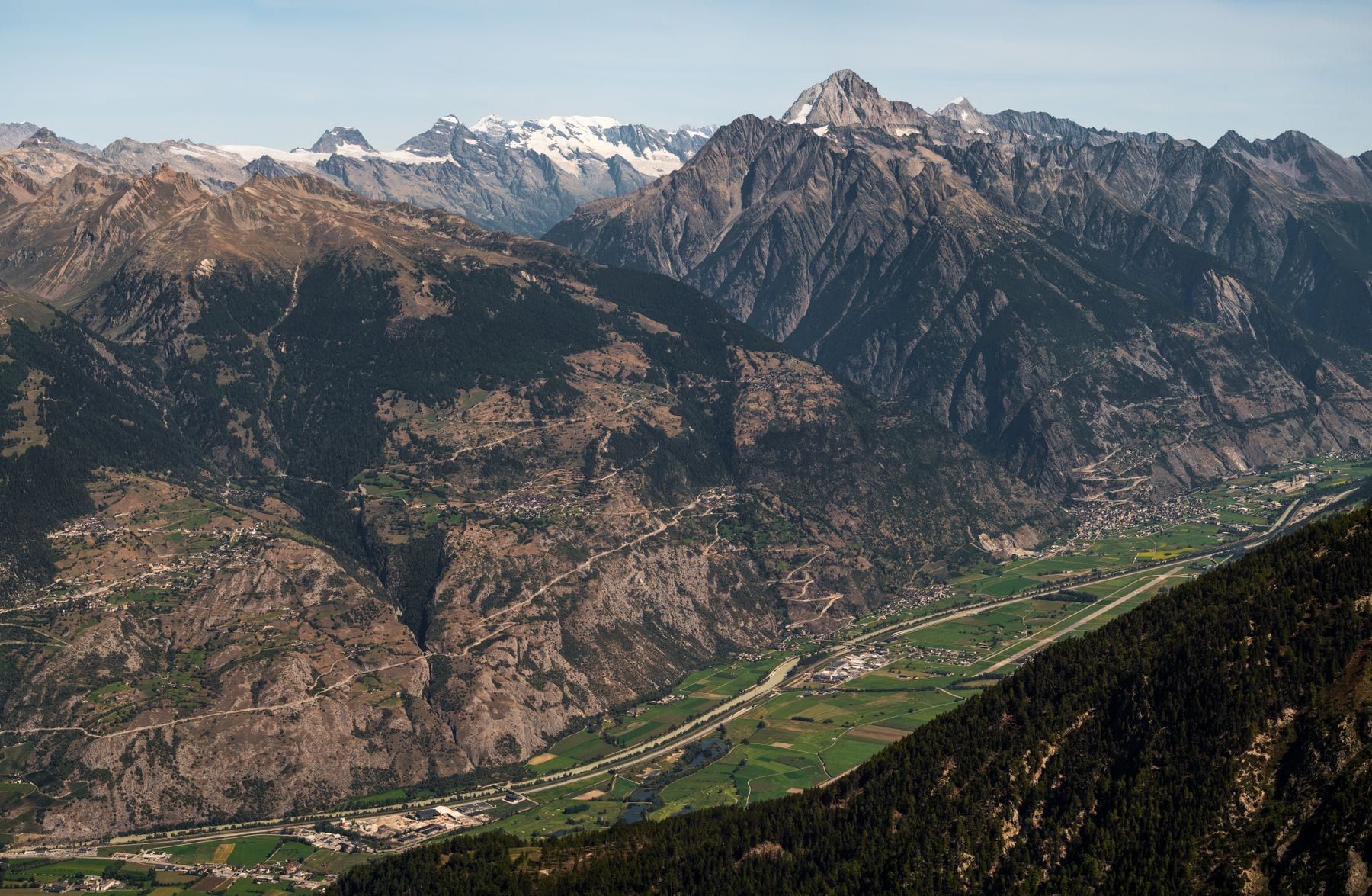
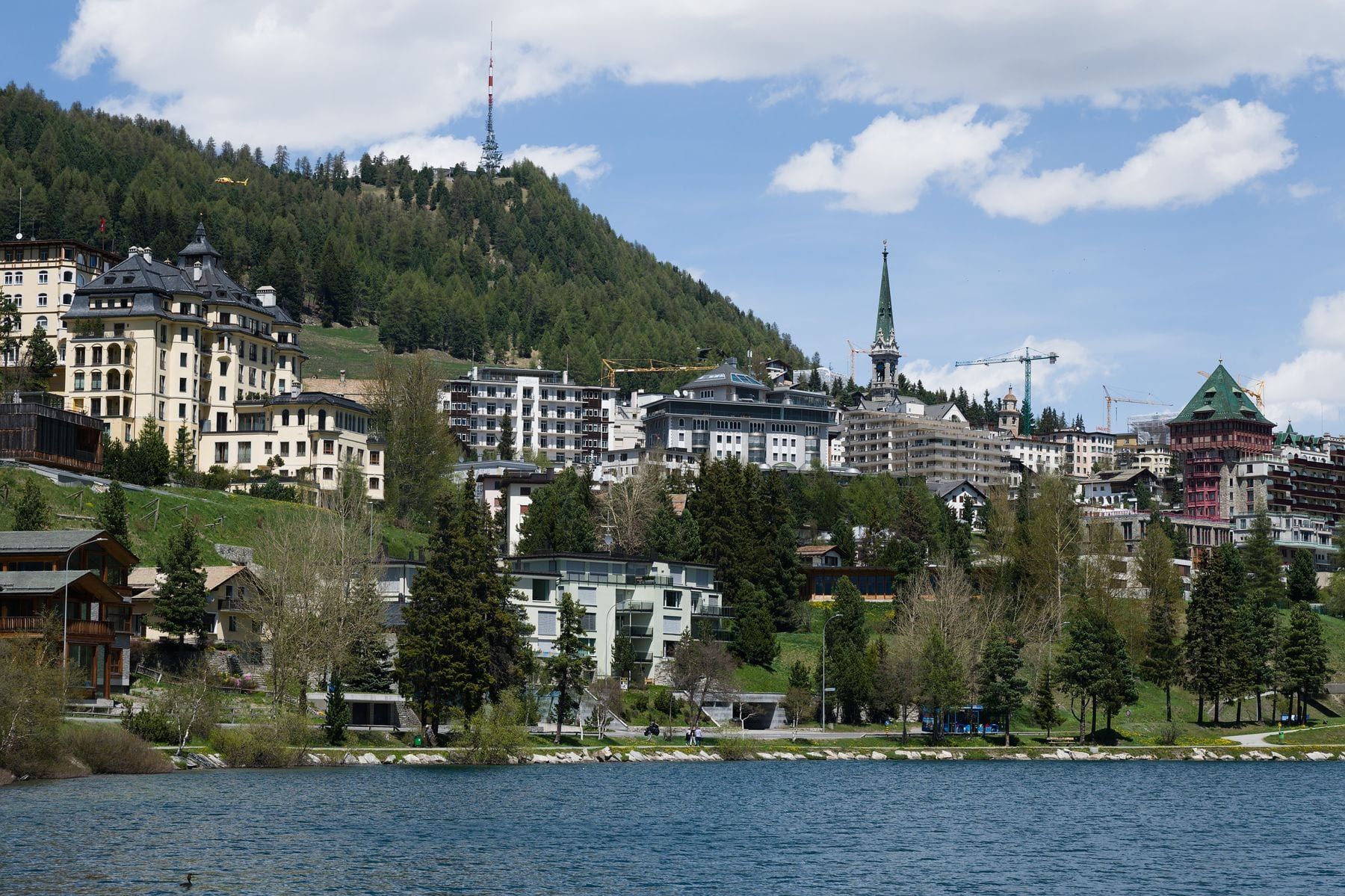
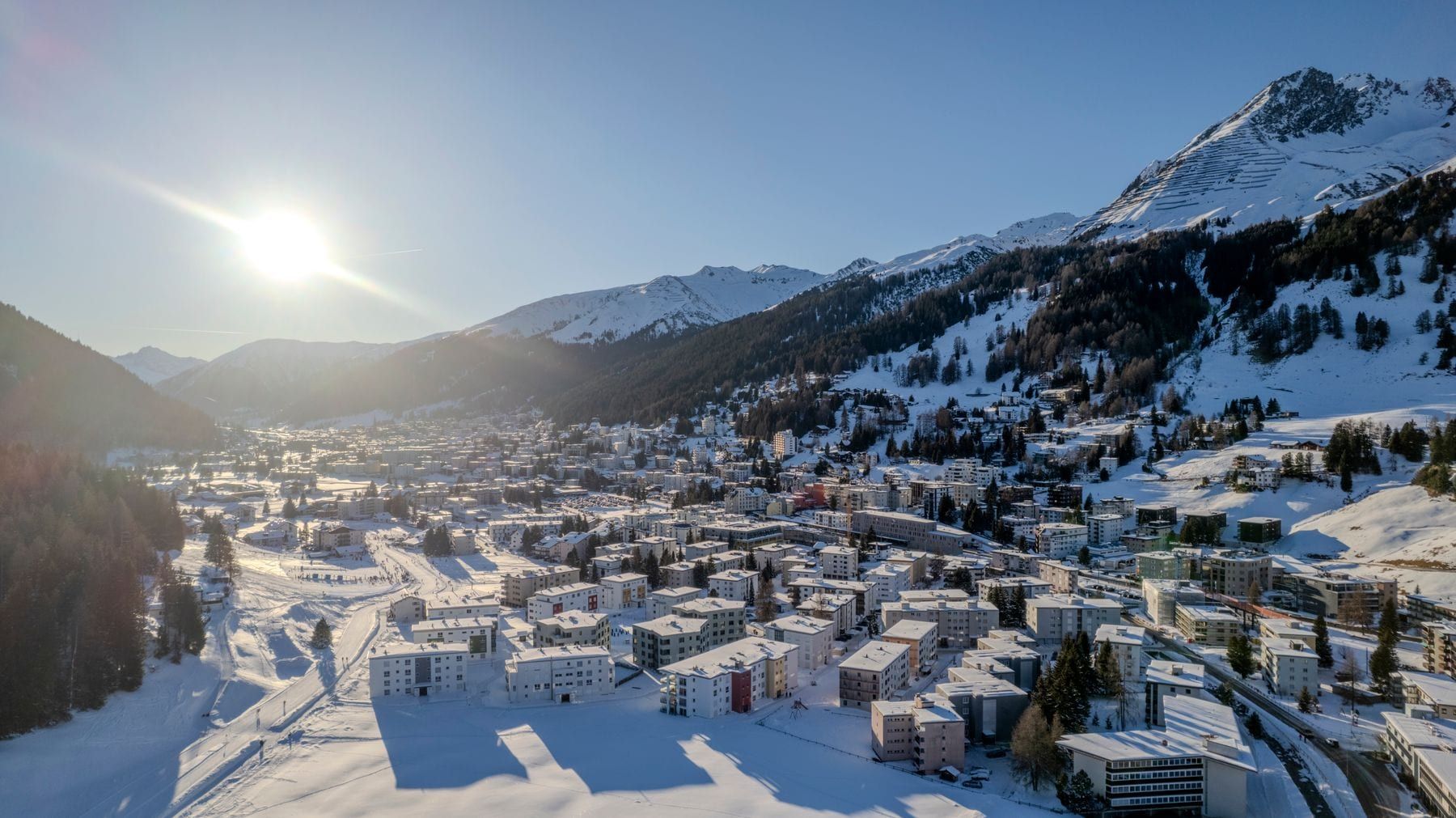
Switzerland has the highest ski areas in the Alps and the highest prices. Zermatt reaches 3883 metres at the Klein Matterhorn and links to Cervinia, Verbier and the 4 Vallées form one of the largest linked areas, St. Moritz and Davos have long sunny slopes and villages with history, Grindelwald and Wengen sit below the Eiger north face. Honestly calculated: a day pass costs CHF 80 to 100 (about EUR 85 to 107) in the big areas, and in Zermatt and Verbier dynamic pricing pushes it higher on peak days. Booking early online or skiing midweek costs less. The Magic Pass is the real price breaker: a season pass for around 90 lift areas in western Switzerland, the Valais and the Bernese Oberland, including Saas-Fee, Villars-Gryon, Grimentz-Zinal and Meiringen-Hasliberg, for CHF 400 to 500 depending on when you buy, cheaper than day passes from the fifth ski day. SBB sells Snow'n'Rail, train plus ski pass in one package with around 20 percent off, and many areas work without a car: Zermatt is car-free, Grindelwald is on the Bernese Oberland railway, Davos and St. Moritz on the Rhaetian Railway. A double room in the resort costs CHF 150 to 300, far less in Chur, Brig or Interlaken, in exchange for a half-hour commute.

Austria

Austria: Arlberg, Zillertal, Ski amadé and après-ski

Austria is the ski country with the best ratio of piste kilometres to price in the Alps, and from Zurich it is closer than much of the Valais. Ski Arlberg links St. Anton, Lech, Zürs, Stuben and Warth-Schröcken into around 300 piste kilometres, with steep terrain in St. Anton and quiet, expensive hotels in Lech. The Zillertal has four big areas from Mayrhofen to the Hintertux glacier, which is open all year, with the Zillertal Superskipass covering everything. Ski amadé bundles 25 resorts in Salzburg province and Styria, including Schladming, Bad Gastein and Flachau, over 700 piste kilometres on one pass. Add Kitzbühel with the Streif, Ischgl with the Silvretta Arena across to Samnaun, and the Ötztal with Sölden and two glaciers. Day passes in the big linked areas cost CHF 65 to 80 (about EUR 70 to 85), smaller valleys and the low season come in below that. Hotels with half board are cheaper than in Switzerland, CHF 120 to 220 per double room, bed and breakfast places from CHF 80. Cross-country skiers head for Ramsau am Dachstein, with over 200 kilometres of trails at 1100 metres. What defines Austria: hut food with Kaiserschmarrn, après-ski in St. Anton and Ischgl that you can seek out or avoid, and ÖBB train connections to Innsbruck, St. Anton, Zell am See and Schladming.

Germany

Germany: Zugspitze, Berchtesgaden and the Harz

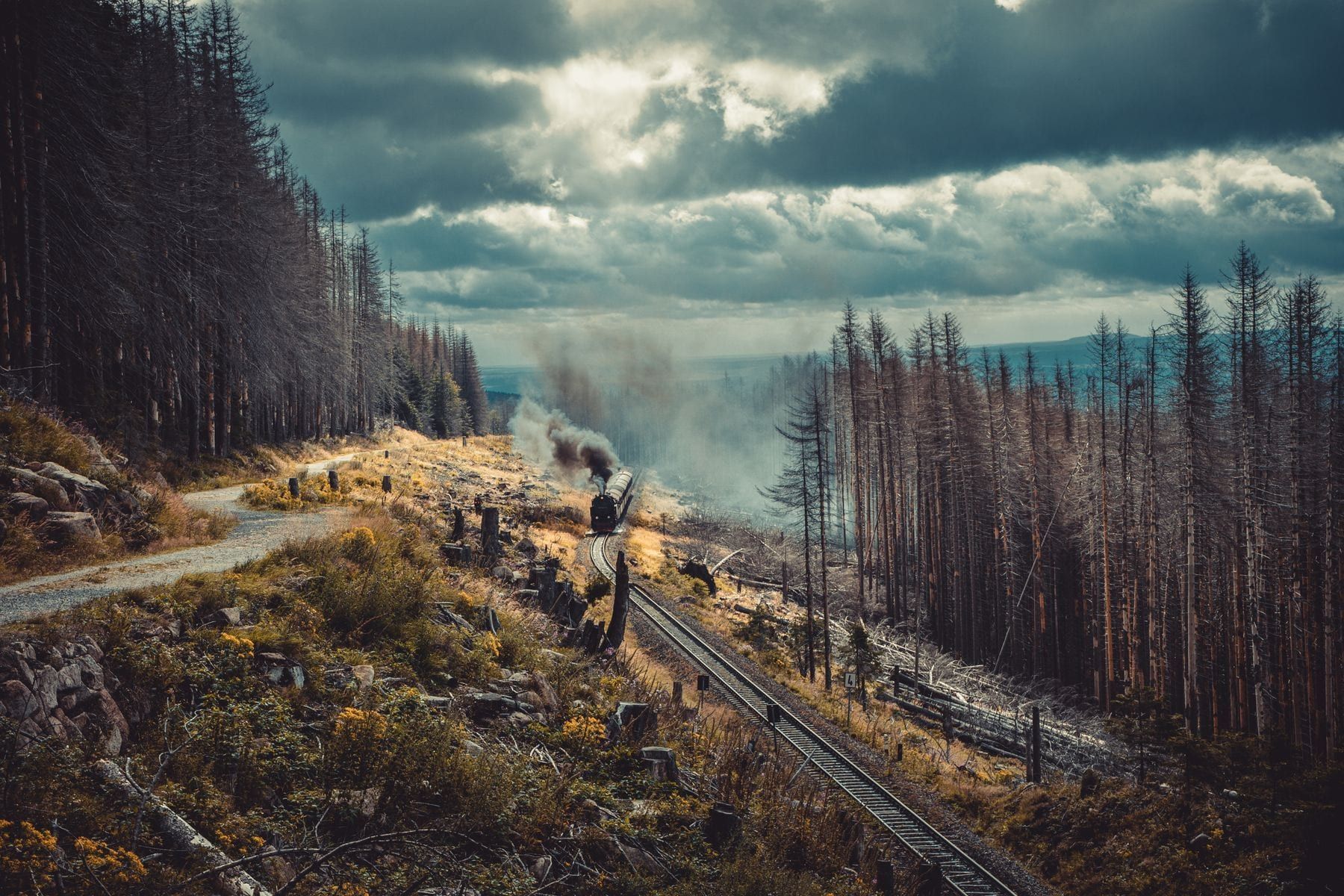
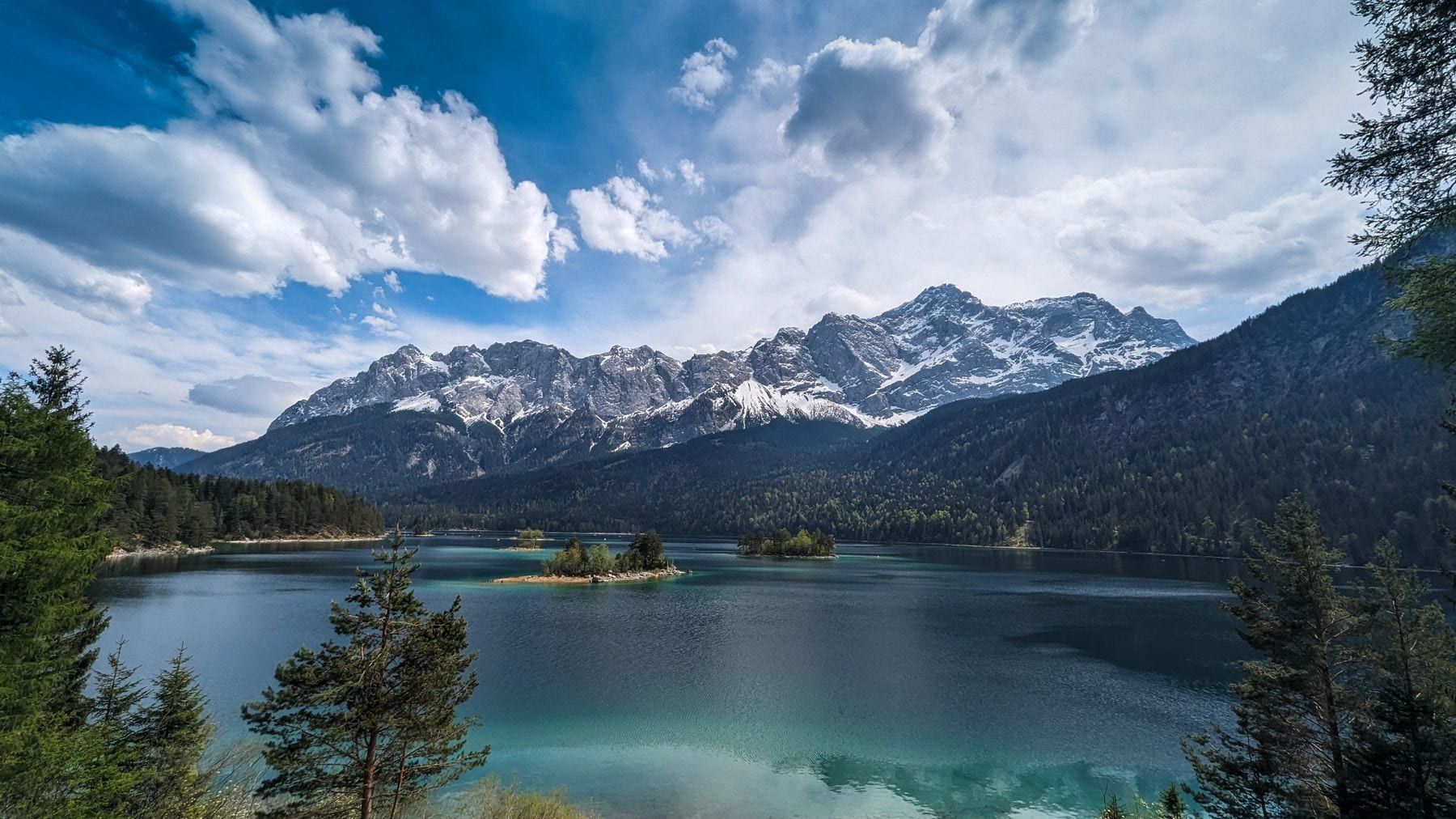
Germany is a smaller ski country than its neighbours, but not an uninteresting one, especially for budget-minded skiers and families. The Zugspitzplatt above Garmisch-Partenkirchen is the highest and most snow-sure area in the country at 2000 to 2720 metres, 20 piste kilometres in a glacial bowl with views over four countries; Garmisch-Classic with Alpspitze, Kreuzeck and Hausberg adds another 40 kilometres and the Kandahar downhill. Day passes cost CHF 55 to 65 (about EUR 59 to 70), and the Zugspitzbahn from Garmisch station is included in the pass. Berchtesgaden has the Jenner above the Königssee, the Rossfeld and the Götschen, small areas with big views, day passes around CHF 40 to 50. The Harz is a low mountain range: at the Wurmberg near Braunlage you ski at 970 metres when it snows, which by no means happens reliably every winter; cross-country skiing, winter walking and the Brocken steam railway through snowy spruce forest are safer bets. For travellers from Switzerland, Germany works as a combination: Garmisch is around five hours by train from Zurich via Munich or Innsbruck, with a ski day on the Zugspitze and a detour to Munich. Rental gear costs CHF 25 to 35 a day, and ski schools are cheaper than in Austria. Hotels in Garmisch cost CHF 110 to 200, similar at the Königssee.

Cross-country in the Engadin and saving money in the low season

If you do not ski downhill, the Upper Engadin has one of the best cross-country areas in Europe: over 200 kilometres of trails between Maloja, St. Moritz and Zernez at 1800 metres, with the Engadin Skimarathon in March as the highlight. The Swiss cross-country pass costs around CHF 160 (about EUR 170) for the season, day tickets are about CHF 15, and rental gear CHF 30 to 40. Ramsau am Dachstein in Styria and the Zillertal also have trail networks with classic and skating lanes. And this is how you save in the Alps: go after Epiphany until early February or in March, when sun and prices are kinder than at Christmas and in the February school holidays. In the border regions, avoid the school holidays of the German states and the Zurich sports holidays in February. Dynamic pricing in Zermatt, Verbier and many Austrian areas rewards early online booking with 10 to 25 percent off. Sleep in the valley rather than the resort: Chur instead of Lenzerheide, Innsbruck instead of Kühtai, Interlaken instead of Grindelwald. Multi-day passes from three days noticeably lower the daily price, and if you ski regularly, run the numbers on the Magic Pass or a season pass early in the year. With a Half Fare Card the Snow'n'Rail package costs even less.

Tours worth booking

Erciyes ski pass and rental with transfer from Cappadocia

Day trip from Göreme to Erciyes with transfer, ski pass and rental equipment. The practical combination for anyone visiting Cappadocia in winter who wants a day on the slopes.

View & book →

Uludağ day trip from Istanbul

Drive to Bursa, cable car up Uludağ, time for skiing, sledging or walking, and return in the evening. A long day, but the only option for a snow day from Istanbul.

View & book →

Palandöken ski week with hotel and ski pass

Package with a hotel on the piste, half board and ski pass in Palandöken. Flight via Istanbul to Erzurum booked separately. For skiers looking for powder and quiet.

View & book →

Private ski lesson in Erciyes or Palandöken

Private tuition with an English-speaking instructor for beginners and advanced skiers, bookable by the hour. Cheaper than in the Alps and possible in small groups.

View & book →

Cappadocia in winter with a snowshoe hike

Guided snowshoe walk through Rose Valley or Love Valley when the fairy chimneys are white. The quietest time of year, with tea in a cave to warm up.

View & book →
Japan

Guided backcountry ski tour in Niseko

A guided day in deep snow off the pistes, with avalanche gear, a safety briefing and a local guide who knows the best slopes after the latest snowfall. For confident powder skiers.

View & book →
Japan

Snowshoe tour and onsen from Hakuba

Half-day snowshoe walk through snow-covered forests of the Japanese Alps, followed by a hot spring bath. A good option for non-skiing companions or for a rest day.

View & book →
Switzerland

Gornergrat railway from Zermatt with Matterhorn views

The rack railway up to 3089 metres with views of the Matterhorn and the Gorner glacier, also for companions who do not ski. Skiers drop straight onto the pistes at the top, everyone else stays on the viewing platform. The Half Fare Card is accepted on most offers.

View & book →
Switzerland

Jungfraujoch day trip from Interlaken

The most expensive rail excursion in Switzerland and still an experience: rack railway and Eiger Express up to 3454 metres, the Aletsch glacier, the Ice Palace. For the rest day or for anyone travelling along without skiing. Book only in clear weather.

View & book →
Austria

Ski day from Innsbruck with transfer and lift pass

Day trips from Innsbruck to the Axamer Lizum, Kühtai or the Stubai valley, with transfer, lift pass and rental gear on request. Practical if you are staying in the city and want to ski a different area every day.

View & book →
Germany

Zugspitze: rack railway and cable car to Germany's highest peak

Ticket for the Zugspitzbahn or the cable car from Garmisch-Partenkirchen or Eibsee up to 2962 metres, with glacier plateau and views over four countries. In winter it doubles as the ski pass for the Zugspitzplatt, otherwise it is a sightseeing ride. Secure a time slot early at weekends.

View & book →

If you book through these links we earn a small commission, at no extra cost to you.

Where

Bursa Flights approx. 300 EUR
Marmara

Bursa

What a few days in the first Ottoman capital really cost, where the İskender kebab was invented and how to experience Uludağ without the tourist markup.

Cappadocia Flights approx. 342 EUR
Central Anatolia

Cappadocia

What a week among the fairy chimneys really costs, how to avoid the tourist traps once you are there, and which experiences are worth your money.

Ankara Flights approx. 225 EUR
Central Anatolia

Ankara

The underrated capital: a world-class museum, Atatürk's mausoleum, hardly any tourists and prices that make Istanbul look expensive.

Kars Flights approx. 428 EUR
Eastern Anatolia

Kars

What a trip to Kars and the ghost city of Ani really costs, when winter is worth it and how to book the famous train without losing your nerve.

Erzurum Flights approx. 396 EUR
Eastern Anatolia

Erzurum

What a ski holiday in Palandöken costs compared with the Alps, which Seljuk buildings you have to see and why the cağ kebab is different here.

Sapporo Flights approx. 1177 EUR
Hokkaido

Sapporo

What a few days in Hokkaido's capital really cost, where to eat the best miso ramen and how to use Sapporo as a base for the whole island.

Niseko Flights approx. 1177 EUR
Hokkaido

Niseko

What a ski week in the world's most famous powder snow really costs, why the hotels are pricier than in Zermatt and where you can still sleep cheaply.

Furano & Biei Flights approx. 1177 EUR
Hokkaido

Furano & Biei

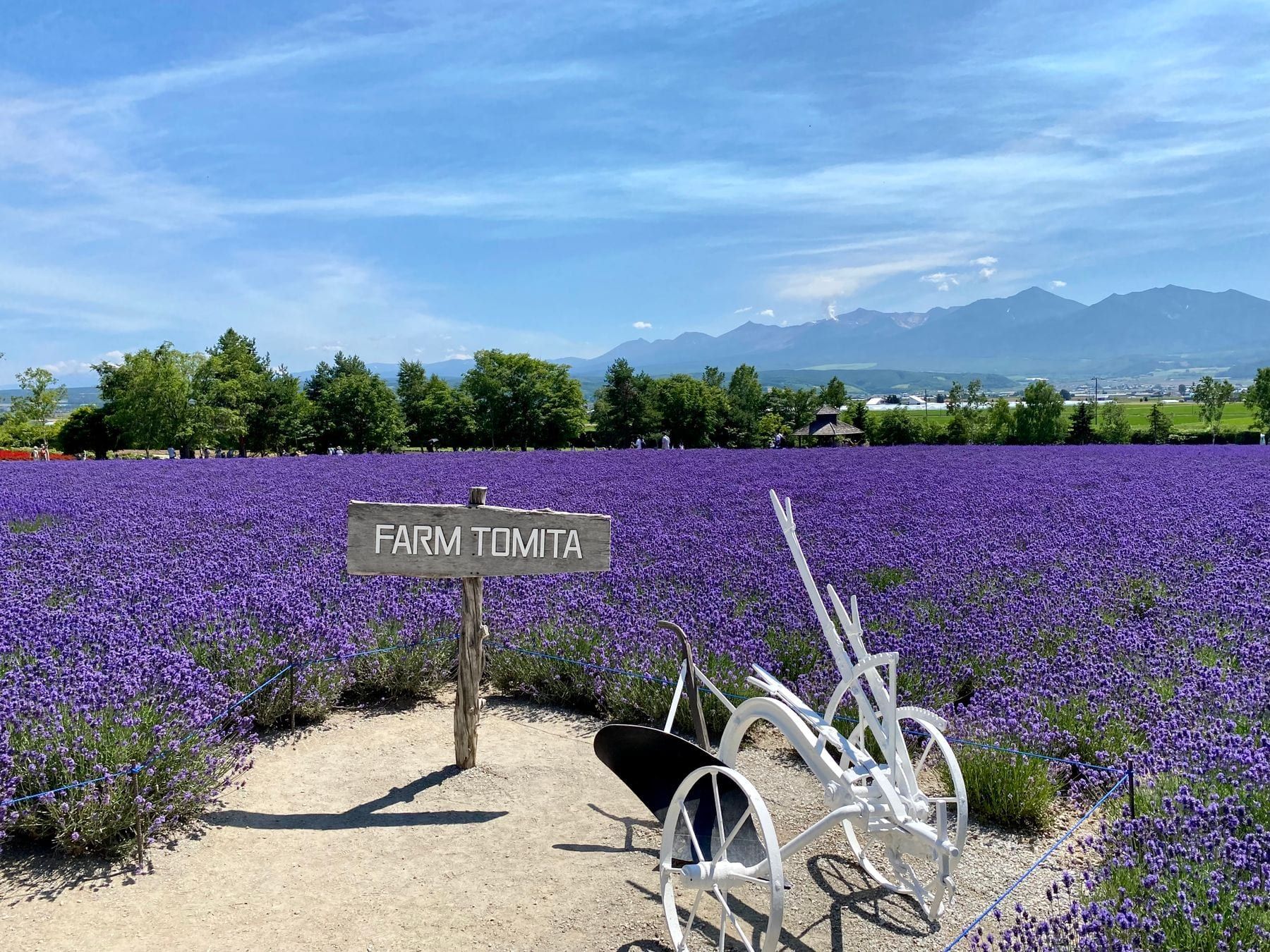
What the lavender fields in July and the hills of Biei really cost, why you miss half of it without a rental car and how Furano becomes a quiet ski resort in winter.

Grindelwald Getting there approx. 86 EUR
Bern & Bernese Oberland

Grindelwald

What a week under the Eiger north face really costs in summer and winter, which mountain railway gives you which view, and why you take the First before 9 am.

Zermatt Getting there approx. 161 EUR
Lake Geneva & Valais

Zermatt

What a few days beneath the Matterhorn really cost, why you should ride the Gornergrat before 8 am, and how the Half Fare Card, the Peak Pass and the right month save you a third.

Verbier Getting there approx. 118 EUR
Lake Geneva & Valais

Verbier

What a ski week or a hiking summer in the freeride mecca of Valais really costs, why you sleep in Le Châble and ski in Verbier, and where the bisses lead you across the hillside in July.

St. Moritz and the Engadin Getting there approx. 118 EUR
Graubünden & Ticino

St. Moritz and the Engadin

What a week in the Upper Engadin really costs, why you do not have to sleep in St. Moritz itself, and how to pay for Diavolezza, the lake walk and the mountain railways without getting annoyed.

Davos Getting there approx. 107 EUR
Graubünden & Ticino

Davos

What a week in the highest town in Europe really costs, which mountain suits you, why Klosters is often the better base and when you should on no account book Davos.

Harz Getting there approx. 193 EUR
Saxony & Harz

Harz

What a week in Germany's northernmost mountain range really costs, whether the Brockenbahn is worth its CHF 50, and why Quedlinburg is the most beautiful town you have never heard of.

Garmisch-Partenkirchen and Zugspitze Getting there approx. 107 EUR
Bavaria & the Alps

Garmisch-Partenkirchen and Zugspitze

What Germany's highest mountain really costs, why the Partnachklamm and the Wank save the day when the summit is in cloud, and whether the trip to Neuschwanstein is worth the stress.

Berchtesgaden and Königssee Getting there approx. 139 EUR
Bavaria & the Alps

Berchtesgaden and Königssee

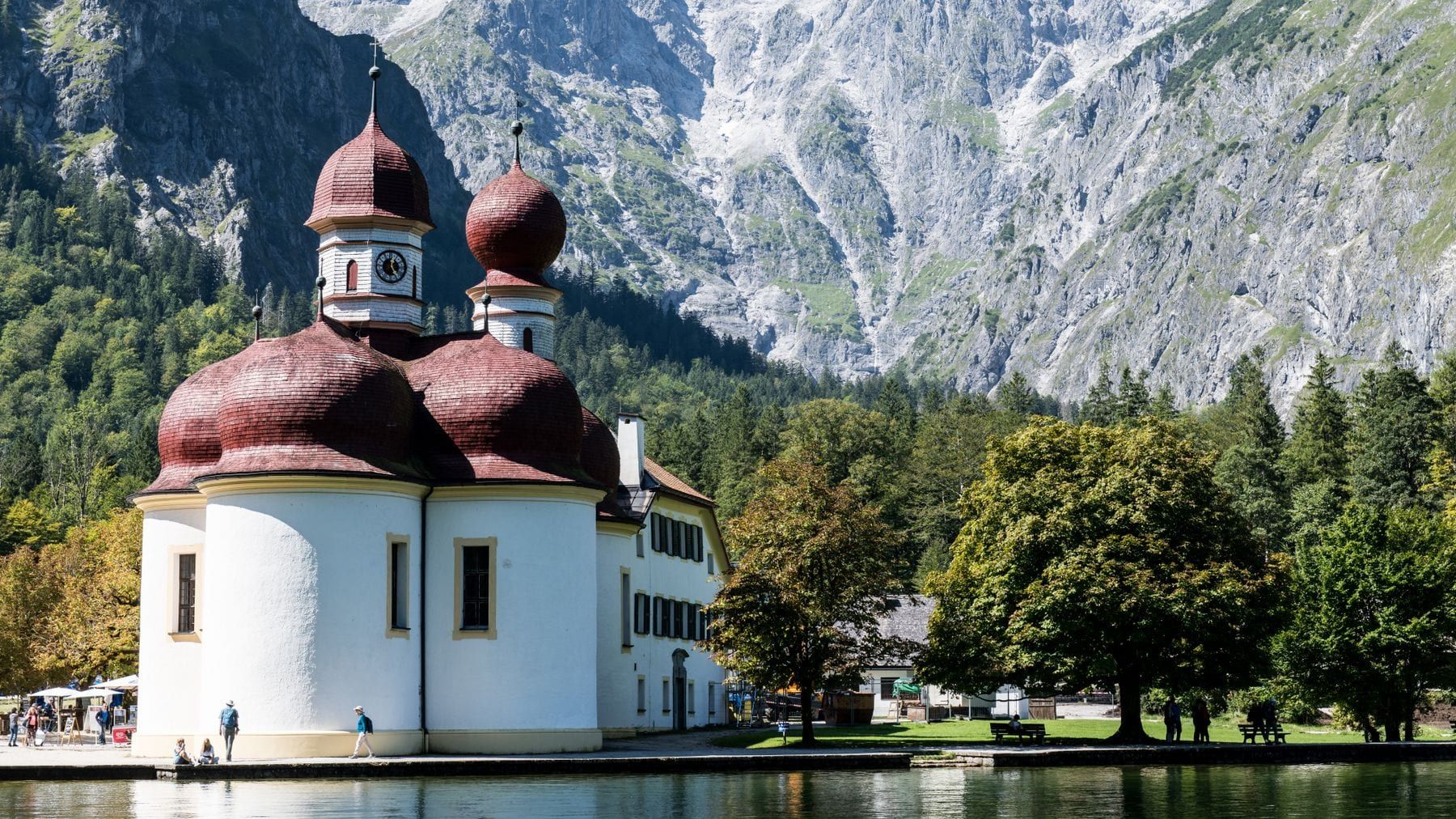
What a few days in the south-easternmost corner of Germany really cost, why you have to take the first boat across the Königssee, and how to place the Eagle's Nest and the Obersalzberg without it turning into a Hitler tour.

Bad Gastein Getting there approx. 128 EUR
Salzburg & Salzkammergut

Bad Gastein

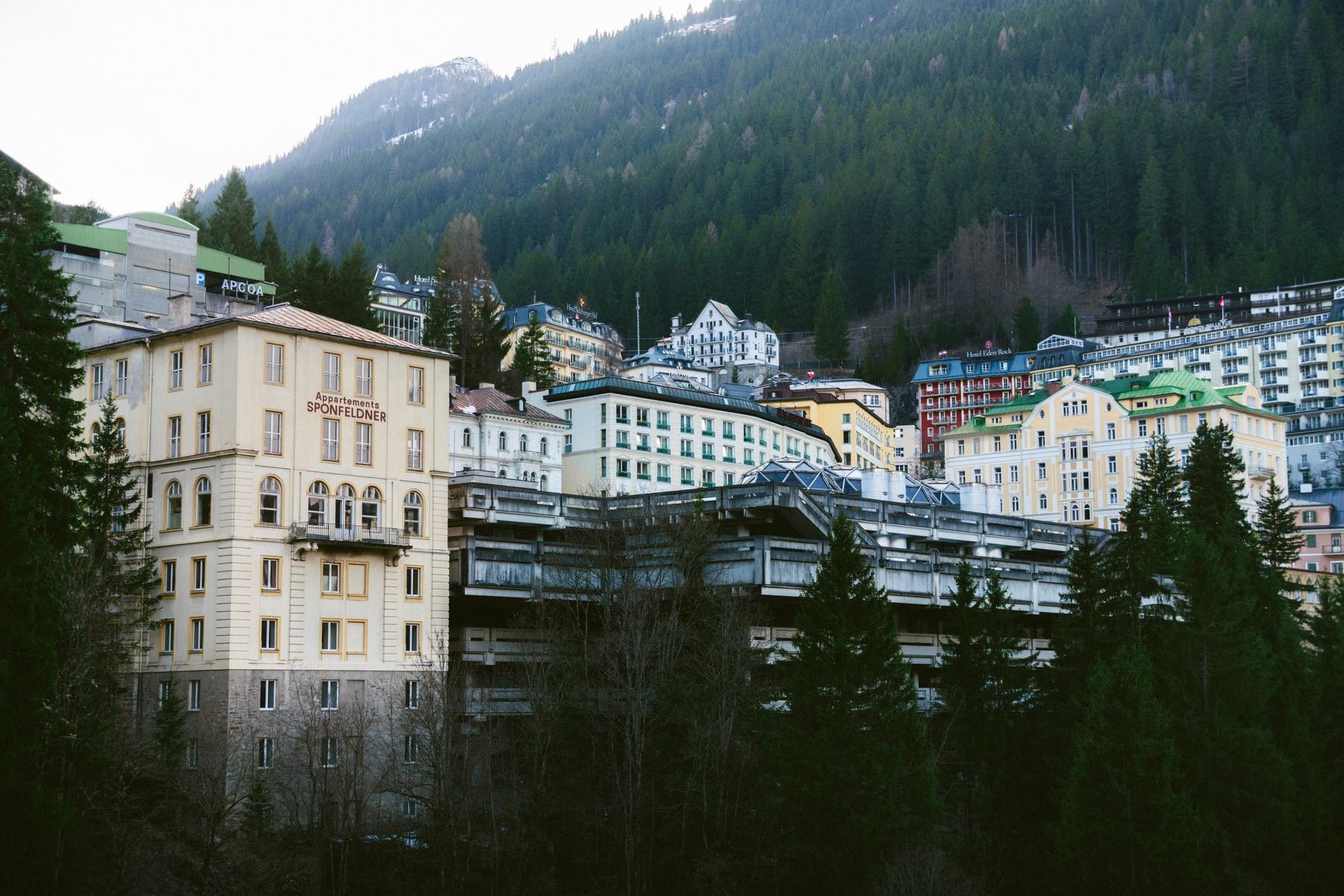
A waterfall in the middle of town, grand hotels from the imperial era that are half ruin, half design hotel, and a ski area with 760 kilometres of piste: what Bad Gastein costs, how to get there by night train and when the town is at its best.

Kitzbühel Getting there approx. 118 EUR
Tyrol

Kitzbühel

What a ski week in the most expensive town in Tyrol really costs, where you still save, why summer here is underrated and when you are better off just looking at the Streif.

Zillertal Getting there approx. 107 EUR
Tyrol

Zillertal

What a week in the best-known ski valley in Tyrol really costs, which of the four valley sections suits you, when the glacier is the best choice and how the guest card lets you travel almost free in summer.

Mayrhofen Getting there approx. 107 EUR
Tyrol

Mayrhofen

What a week in the loudest ski resort in the Zillertal really costs, where you can sleep despite the après-ski, when the Harakiri is a good idea and why summer here is another world.

Ötztal Getting there approx. 96 EUR
Arlberg, Ötztal & Vorarlberg

Ötztal

What a week in Sölden or Obergurgl really costs, why the valley is cheaper and quieter in summer, and how to get there from Zurich without a car.

St. Anton am Arlberg Getting there approx. 86 EUR
Arlberg, Ötztal & Vorarlberg

St. Anton am Arlberg

What a ski week in Austria's largest ski area really costs, why the train beats the car here, and where on the Arlberg you can be happy without après-ski.

Ischgl and Paznaun Getting there approx. 107 EUR
Arlberg, Ötztal & Vorarlberg

Ischgl and Paznaun

What a week in the Silvretta Arena really costs, why you can ski from Ischgl into Switzerland and shop duty-free there, and where in the Paznaun the quiet lives.

Lech Zürs Getting there approx. 96 EUR
Arlberg, Ötztal & Vorarlberg

Lech Zürs

What the most expensive ski resort in Austria really costs, why it is often worth its money all the same, and how Warth, Schröcken and summer on the Lech get you away far cheaper.

Schladming Getting there approx. 128 EUR
Styria & Carinthia

Schladming

What a ski week on the Planai or a hiking week below the Dachstein really costs, why Schladming is cheaper than any comparable Swiss resort and when the night slalom turns the valley upside down.

Frequently asked questions

Which is the best ski resort in Turkey?

Erciyes for piste kilometres and modern lifts, Palandöken for snow quality and altitude. Uludağ is the best-known resort but has short pistes and high prices. Sarıkamış is the insider tip for powder and quiet.

What does skiing in Turkey cost?

Day pass CHF 25 to 50 (about EUR 27 to 54), rental CHF 20 to 30, hotel with half board CHF 80 to 180 per double room. A week including flights from CHF 900 per person. That is about half to a third of Alpine prices.

How is the snow quality?

In Palandöken, Erciyes and Sarıkamış dry and cold thanks to the continental climate and altitude. Uludağ and Kartalkaya are lower and have wetter snow. Erciyes and Uludağ have snowmaking. January and February are the safest months.

Can skiing be combined with sightseeing?

Yes, and that is the big advantage. Erciyes is an hour from Cappadocia, Uludağ via Bursa two hours from Istanbul, Sarıkamış next to Kars with the ruined city of Ani. A week with three ski days and culture is realistic.

Is there après-ski?

Hardly. In Uludağ there are hotel bars and a bit of nightlife; in Palandöken and Erciyes the evening is limited to the hotel restaurant. Alcohol is available in the hotels but pricier than in Western Europe. If you are looking for parties, this is the wrong place.

Turkey or Japan: where is skiing more worthwhile?

It depends on budget and goal. Turkey is cheaper (day pass CHF 25 to 50, about EUR 27 to 54, three hours by plane from Zurich) and combines with Cappadocia or Istanbul. Japan costs considerably more with flights, passes of CHF 50 to 70 and hotels, but offers the most reliable powder in the world. If deep snow is the point, fly to Hokkaido; if you want cheap pistes and culture, go to Turkey.

Is the Magic Pass worth it?

From about five ski days a season, yes, if you ski in the participating areas in western Switzerland, the Valais and the Bernese Oberland. Zermatt, Verbier, St. Moritz and Davos are not included. Buy it in spring or summer at the presale price, after that it rises in steps. For a single ski week, multi-day passes bought locally are cheaper.

Switzerland, Austria or Germany: where is skiing cheapest?

Germany (CHF 55 to 65, about EUR 59 to 70, per day) ahead of Austria (CHF 65 to 80) and Switzerland (CHF 80 to 100); the gap for hotels and hut food is similar. Austria offers the largest linked areas in return, Switzerland the highest and most snow-sure ones. Budget CHF 180 to 250 per ski day with pass, rental, food and hotel in Switzerland, CHF 130 to 190 in Austria and CHF 110 to 160 in Germany. Turkey and Japan come in lower, but cost you the flight.

Related events

Jan 15

Lauberhorn Races Wengen

Sport · Switzerland

15 January 2027 Mid January, three race days; 2027 expected 15 to 17 January Wengen, Bernese Oberland

The longest downhill on the World Cup circuit: 4.5 kilometres from the Lauberhorn down to Wengen, past the Hundschopf, the Kernen-S and the finish jump, where racers top 150 km/h. Car-free Wengen can only be reached by the cog railway from Lauterbrunnen; on downhill Saturday around 30,000 spectators arrive, the trains run non-stop and are still packed. Standing places along the course cost around CHF 50 to 80 (about EUR 53 to 85), the finish grandstand more, children usually go free. The mood is more family-like than in Kitzbühel, with cowbells rather than party tents, but on the course it is cold for hours and there is nowhere to sit. Hotels in Wengen and Lauterbrunnen are booked a year ahead for this weekend and demand minimum stays.

For travellers: Come as a day trip from Interlaken or Grindelwald and start early; the journey back after the race easily takes two hours because of the queue for the train.

Jan 22

Hahnenkamm Races Kitzbühel

Sport · Austria

22 January 2027 Third or fourth weekend in January; 2027 expected 22 to 24 January Kitzbühel, Tyrol

The Streif is the most notorious downhill in the world: the Mausefalle with an 85 per cent gradient, the Steilhang, the Hausbergkante and a final schuss in which racers fly over a roller at 140 km/h. Race weekend brings around 90,000 visitors to a town of 8,000, plus celebrities, sponsor tents and a party that runs into Sunday morning. Standing places in the finish area cost from around CHF 25 (EUR 25 to 30), grandstand seats a lot more, and they sell out in autumn. Hotels in Kitzbühel charge three times the usual rate and demand four-night minimum stays; Kirchberg and St. Johann are a little more relaxed. If you want peace and quiet, avoid this weekend: some pistes around the Hahnenkamm are closed and the town centre is loud.

For travellers: Arrive by train (Kitzbühel has a station on the Wörgl to Salzburg line) as the roads are closed or jammed; if you just want to watch, the Friday super-G is far less crowded.

Jan 26

Schladming Night Slalom (The Nightrace)

Sport · Austria

26 January 2027 Tuesday in the last week of January; 2027 expected 26 January Planai, Schladming

The World Cup slalom on the Planai is raced in the evening under floodlights and, with around 45,000 spectators, is the biggest slalom of the season. The first run starts at about 5.45 pm, the second at about 8.45 pm, and before, between and after the runs the whole town turns into a festival ground with stages and umbrella bars. Standing places in the finish stadium cost around CHF 20 to 30 (EUR 20 to 30); grandstand tickets are gone weeks ahead. The mood is loud, boozy and very Austrian, with flags, firecrackers and brass bands; if that is not your thing, stay away from the finish area. Since the race is on a Tuesday, the pistes remain perfectly skiable during the day; only the Planai descent is closed from midday.

For travellers: Stay in Rohrmoos, Haus im Ennstal or Ramsau rather than Schladming itself, where rooms are available and quieter this week; ski buses run late into the night.

Feb 4

Sapporo Snow Festival (Yuki Matsuri)

Culture · Japan

4 February 2027 Early February, about a week; 2027 expected 4 to 11 February Sapporo

Japan's biggest winter festival, held since 1950: along one and a half kilometres of Odori Park stand around 200 snow and ice sculptures, among them a few building-sized works that the Self-Defense Forces pile up over several weeks, lit with projections in the evening. In Susukino ice sculptures glitter between the bars, and the Tsudome site has snow slides for children. Add food stalls with Hokkaido crab, ramen and hot sake. Entry is free, two million visitors come in one week, at temperatures between minus two and minus ten degrees. Non-slip shoes or spikes are a must; the pavements are sheer ice.

For travellers: Hotels in Sapporo cost double during the festival week and are gone months ahead; Otaru (40 minutes) is the alternative and holds its lantern festival at the same time, and Niseko is two hours away for ski days before or after.

Mar 14

Engadin Ski Marathon

Sport · Switzerland

14 March 2027 Second Sunday in March; 2027: 14 March Maloja to S-chanf, Upper Engadin

Switzerland's biggest cross-country skiing event: around 14,000 skiers start in Maloja and skate 42 kilometres across the frozen lakes of Sils and Silvaplana, past St. Moritz to S-chanf. The mass start on the frozen Lake Sils at sunrise is a sight worth seeing even if you are not racing, and the course is easily reached from the railway and the villages. Entries cost around CHF 130 to 160 (EUR 135 to 170) and are gone within a few weeks of registration opening in autumn; the half marathon from Maloja runs the day before, the women's race the Wednesday before. The Engadin is sold out this weekend and hotels demand minimum stays, even for non-skiers. The weather can be anything from minus 20 degrees to slush.

For travellers: As a spectator, take the train to Pontresina or Zuoz, where the track runs right past the station; the valley road is closed to cars on race day.