Zillertal

Austria · Tyrol · Travel guide

Zillertal

What a week in the best-known ski valley in Tyrol really costs, which of the four valley sections suits you, when the glacier is the best choice and how the guest card lets you travel almost free in summer.

Photo: Omar Ramadan / Pexels

What does a trip to Zillertal cost?

Adjust the values to your trip: the calculator updates live (EUR, converted from CHF estimates).

2,600 EUR
≈ 1,300 EUR per person
  • Getting there 214 EUR
  • Accommodation 856 EUR
  • Food 589 EUR
  • Local transport 107 EUR
  • Zillertal Superskipass, 6 days 835 EUR

Estimates for orientation, not booking prices. Getting there means train or car from Switzerland, return, per person. Hotels vary strongly by season: current prices are behind the links below.

Money & payment: You pay in euros (EUR). Cards work almost everywhere; mountain huts and sausage stands often want cash. Tipping is expected: 5 to 10 percent, by naming the rounded total when you pay. In ski resorts a visitor tax of EUR 2 to 4 per night is added to the hotel price. Getting there: By train (ÖBB Railjet), car or a flight to Vienna, 2 to 8 hours.

Recommended hotels

Nine options in three price ranges, each among the best-rated on Booking.com.

Budget

Gasthof zum Löwen

Dorfplatz, Aschau im Zillertal

Historic village inn on the Dorfplatz of Aschau, four kilometres down the valley from Zell am Ziller, with simple rooms above the tavern, a small spa and a garden. Breakfast included, Tyrolean cooking downstairs, payment by bank transfer before arrival. For skiers with a car who would rather stay in the village than in a hotel complex.

from CHF 90 / night (about EUR 96) View →

Hotel zum Pinzger

Stumm

Family-run inn in Stumm in the lower Zillertal, quietly located, with outdoor pool, sauna and a ski bus to Hochzillertal and the Arena in ten minutes. Solid rooms with balconies, good cooking and honest prices that show what the valley costs away from Mayrhofen.

from CHF 95 / night (about EUR 102) View →

Hotel Garni Jagdhof

Zell am Ziller

Bed and breakfast hotel in Zell am Ziller with balcony rooms and a breakfast buffet, no dinner, but cheap and very well rated by guests. Zillertalbahn station and Zillertal Arena valley station within walking distance. For families and anyone arriving by train.

from CHF 100 / night (about EUR 107) View →

Mid-range

Hotel Bräu Zell am Ziller

Village square, Zell am Ziller

The house of the Zillertal brewery right on the village square, an inn for centuries, today a four-star hotel with spa, brewery tours and a restaurant where the locals eat. For anyone who wants beer, village and the Arena valley station within walking distance.

from CHF 160 / night (about EUR 171) View →

Hotel Theresa

Zell am Ziller

Family-run wellness hotel on the edge of Zell with a large spa, pools and a kitchen that regularly wins awards. Half board is worth it here, ski bus at the door. For couples who want peace and good food after a day on the slopes.

from CHF 200 / night (about EUR 214) View →

Hotel Alpenhof Hintertux

Hintertux

Four-star hotel right at the valley station of the glacier cable car, with indoor pool, sauna and half board. Ski-in and ski-out on the glacier at any time of year; in the evening Hintertux is silent. For skiers who put snow reliability before village life.

from CHF 190 / night (about EUR 203) View →

Luxury

STOCK resort

Finkenberg

Five-star resort above Finkenberg with one of the largest spas in Tyrol, several restaurants and pools with views over the valley. Shuttle to the Penkenbahn. For wellness guests who stop skiing in the afternoon and spend the rest of the day in the water.

from CHF 450 / night (about EUR 482) View →

Hotel Klausnerhof

Hintertux

Elegant wellness hotel at the end of the Tuxertal, with gourmet cooking, a large spa and a view of the glacier, a few minutes from the glacier cable car. Quiet, refined, family-run. For guests who want Hintertux without giving up comfort.

from CHF 380 / night (about EUR 407) View →

Sporthotel Alpenblick

Zell am Ziller

Large four-star superior hotel in Zell with spa, pools and direct connection to the ski buses to the Arena, half board with themed evenings. Large rooms, many with balconies facing the valley. For families and groups looking for comfort and space.

from CHF 300 / night (about EUR 321) View →

If you book through these links we earn a small commission, at no extra cost to you.

Experiences worth your time

Hintertux Glacier and Natur Eis Palast

Three cable cars up to 3,250 metres, skiing all year round, pedestrian ticket around CHF 60 (about EUR 64) return, reduced with the Activcard. The Natur Eis Palast, a glacier cave with an ice lake, costs around CHF 25 extra. Allow half a day, warm clothing even in August.

View & book →

Schlegeis reservoir and Olpererhütte

By bus from Mayrhofen or by car over the toll road (CHF 15) to the reservoir at 1,780 metres, then 2 hours up to the Olpererhütte with its suspension bridge. Start early; from 10 am there is a queue for the photo. 5 hours in total, June to October only.

View & book →

Zillertal Arena ski day

Around 150 kilometres of piste from Zell am Ziller via Gerlos to Königsleiten, day pass around CHF 72, included in the Superskipass. Wide carving pistes; the crossing to Königsleiten is a day tour. Valley station right in the village of Zell.

View & book →

Zillertalbahn with steam train

Narrow-gauge railway from Jenbach to Mayrhofen, 55 minutes, daily in normal service for around CHF 9, free with the guest card. In summer the steam train with historic carriages runs as well, around CHF 30 return, for children and railway fans.

View & book →

Spieljochbahn Fügen

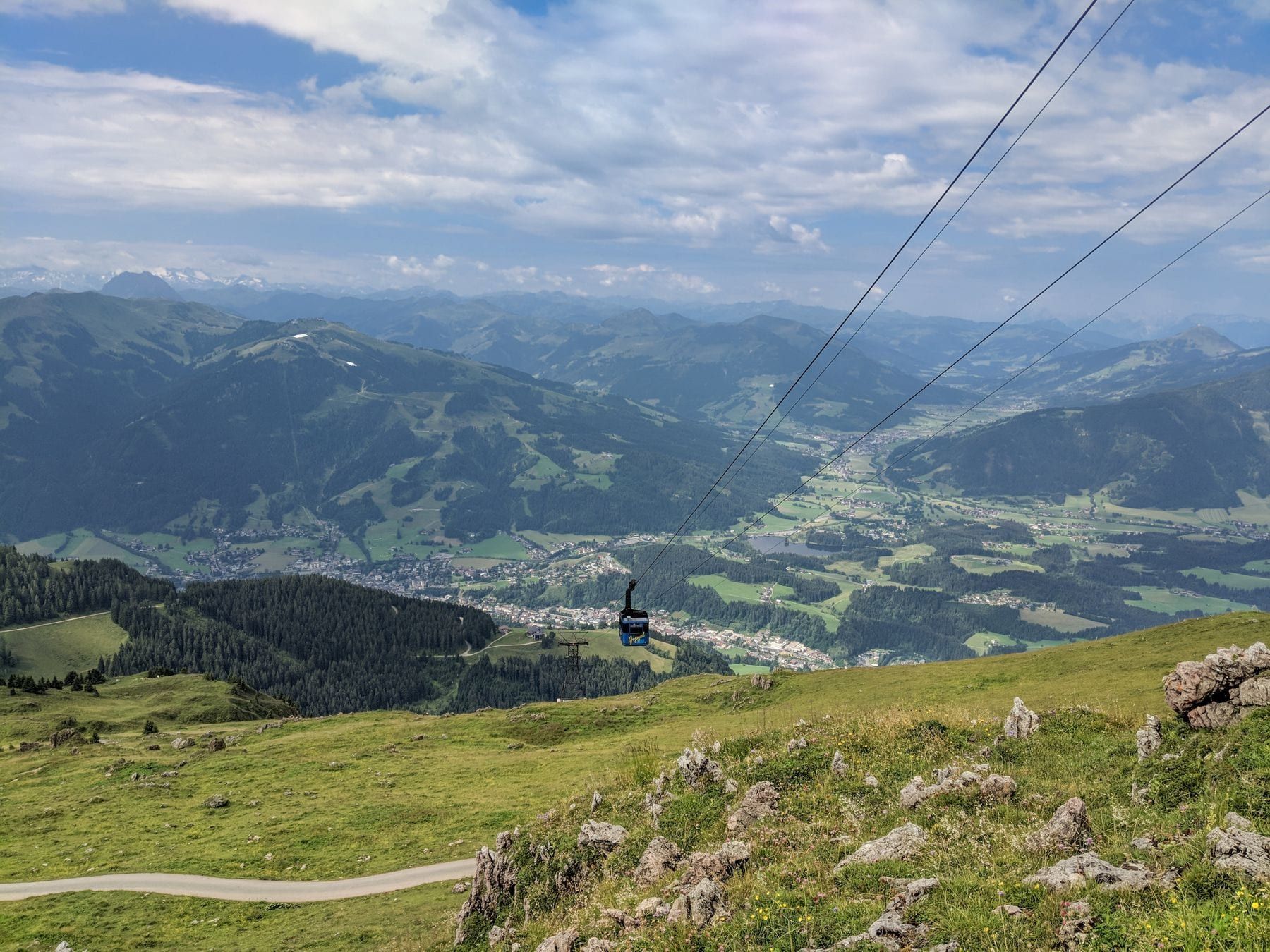
The first summer cable car in the valley, from Fügen up to 1,865 metres, around CHF 32 return or included with the Activcard. At the top a summit circuit, playground and views into the Inn valley. Two to three hours, doable even in uncertain weather.

View & book →

Zillertaler Höhenstrasse

Toll road (around CHF 10 per car) from Ried or Kaltenbach to Zellberg at almost 2,000 metres, with Alpine pastures, huts and a panorama over the whole valley. Two hours by car with stops, by road bike one of the hardest climbs in Tyrol.

View & book →

Zillertal Bier brewery tour

The oldest private brewery in Tyrol in Zell am Ziller, tour with tasting around CHF 15, 90 minutes. Afterwards into the Bräu tavern next door. Good for a rainy day.

View & book →

Rafting on the Ziller

White water on the Ziller from Mayrhofen or Zell, grade two to three, two to three hours from CHF 55 including equipment. May to September, from age 8, wildest in June with the meltwater.

View & book →

Gauderfest in Zell am Ziller

The largest spring and traditional-costume festival in Tyrol on the first weekend in May, with Gauderbock strong beer, Ranggeln wrestling, a procession and folk music. Admission to the festival grounds free to CHF 10, half a day each for the marquee and the procession. Book hotels early.

View & book →

If you book through these links we earn a small commission, at no extra cost to you.

Food & drink

The Zillertal eats like Tyrol, only with more cheese: Graukäse, Zillertal hay-milk cheese and mountain cheese from the Alpine pastures shape the Kaspressknödel, Kasnocken and the Brettljause. With it the beer from Zell and the schnapps from the farm distilleries. You find the best cooking on the Alpine pastures in summer and in the village inns, not at the valley stations.

Zillertaler Kaspressknödel

Alpine pastures around the Penken and on the Zillertaler Höhenstrasse

Flat dumplings of bread cubes and Graukäse or mountain cheese, fried crisp, in beef broth or with sauerkraut and salad. The dish of the valley, CHF 10 to 15 (about EUR 11 to 16).

Tip:Ask for the Graukäse version on the pastures: the stronger, the more authentic, and on the Höhenstrasse they are best.

Zillertaler Krapfen

Festivals such as the Gauderfest, cattle drives and farmers' markets in Zell and Fügen

Thin pockets of rye dough with a potato and Graukäse filling, fried in clarified butter, made for festivals. Three pieces CHF 8 to 12.

Tip:They only come fresh and rarely in restaurants, so grab them at festivals.

Melchermuas

Working Alpine pastures in the Stillup and Zillergrund

Flour, milk and butter fried in the pan into a sweet porridge, with cranberries, the old pasture meal of the dairymen. One pan for two CHF 14 to 18.

Tip:Only on pastures that still do their own milking, and often only by advance order.

Graukäse with vinegar and oil

Erlebnissennerei Zillertal in Mayrhofen and farm shops

Low-fat sour-milk cheese, crumbly and pungent, with onions, vinegar, oil and farmhouse bread. As a starter CHF 7 to 10, at the dairy from CHF 3 per 100 grams.

Tip:The dairy has a show cheese-making room and a restaurant with all the valley's cheeses on one plate.

Gröstl with fried egg

Inns in Zell am Ziller and Fügen

Fried potatoes with beef and bacon, fried egg on top. The right portion after a day of skiing, CHF 14 to 17.

Tip:As a weekday lunch plate with soup for CHF 15.

Kaiserschmarrn with stewed plums

Huts in the Zillertal Arena and on the Spieljoch

In the Zillertal usually with raisins and plenty of butter, fresh from the pan in the huts. CHF 12 to 16.

Tip:The portion is enough for two; order a soup with it.

Zillertal Bier and Gauderbock

Bräu tavern in Zell am Ziller and every hut

Beer from Zell since 1500, the lager and the wheat beer everywhere in the valley, the Gauderbock at 7.8 per cent only in spring. A half litre CHF 4 to 5.

Tip:The Gauderbock drinks like beer and works like wine; two are enough.

Obstler and Zirbenschnaps

Farm shops and distilleries in Stumm and Hippach

From the valley's farm distilleries: Swiss pine, rowan berry, gentian and fruit schnapps, as a digestif after the meal. A shot CHF 3 to 5, a bottle from CHF 20.

Tip:Buy from the farmer, not at the valley station; the price halves.

Book a food tour: Zillertal

Through markets and eateries with a guide, tastings included.

View & book →

If you book through these links we earn a small commission, at no extra cost to you.

History & background

The Zillertal stretches 47 kilometres south from the Inn valley at Jenbach to the main Alpine ridge, and for centuries it was a borderland: the Ziller separated the Archbishopric of Salzburg from the County of Tyrol, and until 1816 half the valley, Zell am Ziller included, belonged to Salzburg. That explains why the church towers on the east side are roofed green and on the west side red, as the saying goes, and why the people of the Zillertal are still considered headstrong today. In 1837, 400 Protestant Zillertalers, the Inklinanten, had to leave Catholic Tyrol and emigrated to Silesia. The valley never grew rich; the farmers lived from cattle, garnets (the Zillertal garnets were cut and sold in the 19th century) and from travelling through Europe in winter as pedlars, folk singers and glove sellers. The Rainer siblings from Fügen sang before Emperor Francis and Tsar Alexander in 1822 and took "Silent Night" to England and America. The craft of music remained: the Zillertaler Schürzenjäger and countless folk music groups come from here. In 1902 the Zillertalbahn opened as a narrow-gauge railway from Jenbach to Mayrhofen, first for timber and magnesite, then for guests. Tourism began with ski pioneers in the 1950s, and from 1968 the Zillertal glacier railways developed the Hintertux Glacier into a year-round ski area. In 1971 the Schlegeis reservoir was completed, its 131-metre dam closing off the Zamser Tal and supplying electricity for half of Tyrol. Today the valley has around 35,000 inhabitants, more than 7 million overnight stays a year and four large ski areas with 540 kilometres of piste under one pass.

Insider tips

Getting there and around: Zillertalbahn from Jenbach

From Zurich you take the Railjet via Innsbruck to Jenbach, 4 hours, around CHF 80 (about EUR 86) each way, from CHF 40 with Sparschiene. In Jenbach you change to the Zillertalbahn, the narrow-gauge railway that runs in 55 minutes via Fügen and Zell am Ziller to Mayrhofen, ticket around CHF 9 single, free with the guest card in summer and free with a valid ski pass in winter. From Munich you reach Jenbach in 1 hour 45 minutes, from Vienna in around 4 hours. By car from Zurich it is 3 hours 30 minutes to Zell am Ziller via Innsbruck, Zillertal exit at Wiesing, vignette CHF 12, Arlberg tunnel around CHF 12 per direction. In winter the valley road is a problem on Saturdays: changeover day in both directions jams between Jenbach and Zell for hours, so travel on Friday or Sunday or take the train. Once there: ski buses throughout the valley are free with a ski pass and run frequently; in summer the Zillertalbahn and buses are included with the Zillertal Activcard or guest card. A car pays off for the Schlegeis reservoir, the side valleys and trips into the Inn valley, but in Mayrhofen and Zell it is a hunt for parking. Between Hintertux and Mayrhofen buses run every quarter of an hour.

Four areas, one pass: where you should ski

The Zillertal Superskipass is valid in all the valley's areas: around CHF 72 (about EUR 77) a day, 6 days around CHF 390, cheaper in advance and in December. From north to south: the Spieljochbahn in Fügen and Hochzillertal/Hochfügen in Kaltenbach are the first big area with 90 kilometres of piste, sunny, family-friendly, with Hochfügen as a snow-sure bowl at 1,500 metres. The Zillertal Arena from Zell am Ziller is the largest area at 150 kilometres and stretches via Gerlos to Königsleiten in Salzburg province, long, wide pistes, ideal for carvers and families, and the village of Zell is quieter than Mayrhofen. The Ski- und Gletscherwelt Zillertal 3000 is Mayrhofen's Penken and Ahorn plus Finkenberg, Eggalm, Rastkogel and the Hintertux Glacier, 200 kilometres in all. The glacier at up to 3,250 metres is the only year-round ski area in Austria, operating 365 days, with the best snow conditions in the valley in winter and in summer with pistes in the morning and the Natur Eis Palast, a glacier cave (admission around CHF 25). Day pass for the glacier alone around CHF 68. Our honest assessment: for beginners and families the Zillertal Arena or Hochzillertal, for experts and snow reliability Hintertux, Mayrhofen for those who want après-ski. Skiing everything in one week is only possible with ski-bus patience; better to do two areas thoroughly.

Where to stay: Fügen, Zell, Mayrhofen or Tux

Prices rise from the bottom of the valley to the top and fall away from the main resorts. Fügen and Kaltenbach in the lower valley have guesthouses from CHF 90 (about EUR 96) and mid-range hotels from CHF 130, are well connected to the Zillertalbahn and quiet, but you take the bus to the valley stations unless you stay right at the Spieljoch. Zell am Ziller is our favourite for value: the Arena valley station in the village, a brewery, a church, a real village centre, double rooms CHF 130 to 180. Mayrhofen is the most expensive, the loudest and the best developed; the same class costs CHF 180 to 250 there, and we have given the resort its own page. The Tuxertal with Lanersbach and Hintertux lies at the end of the world at 1,300 to 1,500 metres, has the most snow-sure accommodation and quiet evenings, prices like Mayrhofen, minimum stays in winter. The side valleys Gerlos (on the Arena, at 1,250 metres, snow-sure) and Hochfügen (right on the piste, no village) are for pure ski holidaymakers. Price traps: half board is standard in the Zillertal and usually a good deal because restaurants are expensive in the evening, but check whether the room price is quoted with or without it. Christmas, carnival and the February holidays double the prices; January after Epiphany and March are 20 to 30 per cent cheaper. In summer mid-range costs CHF 110 to 160 with half board.

Cost traps and saving tricks: Activcard, advance sales, huts

The Zillertal Activcard in summer (6 days around CHF 95, about EUR 102, for adults, children half, from mid-May to mid-October) is one of the best deals in the Alps: one ascent and descent daily with one of twelve summer cable cars, Zillertalbahn and buses throughout the valley free, admission to outdoor pools, discounts at the glacier and the Natur Eis Palast. A single cable car costs CHF 30 to 40, so the card has paid for itself after three days. Many places to stay include it free, ask when booking. In winter: buying the Superskipass online in advance saves 5 to 10 per cent, the early season until 20 December and the period after mid-March are noticeably cheaper, and children under 6 ski free. Ski hire costs CHF 30 to 45 a day, cheaper in Fügen and Zell than in Mayrhofen and at the glacier; booking online in advance saves 10 to 20 per cent. In the huts prices are CHF 14 to 18 for a main course, drinks CHF 5 for a beer, which is lower than in Kitzbühel and well below Switzerland. The glacier huts and the places at the Penken valley station are expensive. The local tax of around CHF 3 to 4 per night is often not in the Booking price, but in return you get the guest card.

Timing: glacier in autumn, valley in winter, summer for hikers

The Zillertal is the only valley in Tyrol with two winters: the glacier opens continuously, in October and November the national teams train there, and you ski at 3,000 metres on empty pistes at low-season hotel prices before the valley opens. The valley areas start in early to mid-December depending on snow and run until mid-April, Hintertux until May. High season is Christmas to Epiphany, the February holidays and carnival, with full pistes and full prices. Our recommendation: mid-January to early February for snow and peace, the second half of March for sun and prices. In April the lower pistes melt, and then Hintertux is the only reliable choice. Summer from mid-June to mid-September is hiking season: some summer cable cars run from mid-May, all of them from the end of June, and the high-mountain huts open in mid-June. July and August bring afternoon thunderstorms, so setting off early pays. September is the best month for hiking: stable, clear, the Alpine pastures still open, hotels cheaper. The quiet times are mid-April to mid-May and November: many businesses close for weeks, cable cars under maintenance. If you come then, you have the valley to yourself and pay half, but without cable cars apart from Hintertux.

Underrated: Schlegeis, the side valleys and Zillertal music

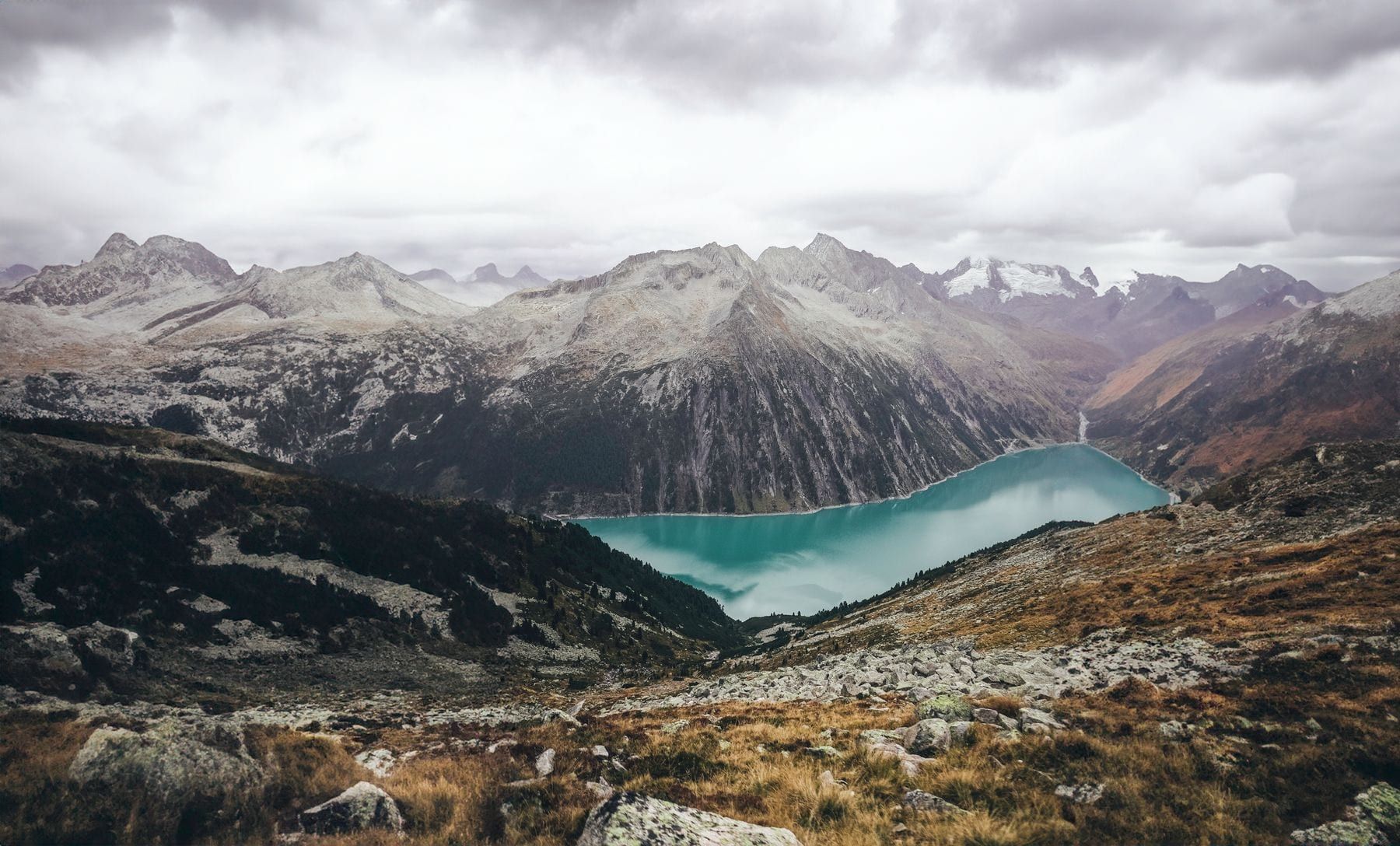
The Schlegeis reservoir at the end of the Zamser Grund is the most beautiful destination in the valley and long since famous in photos, but in reality still quiet if you come early. The Schlegeis Alpine road from Ginzling is open from the end of May to October, toll around CHF 15 (about EUR 16) per car, or by bus from Mayrhofen for around CHF 10, cheaper with the guest card. At the top at 1,780 metres: a walk across the dam, the hike to the Olpererhütte with its suspension bridge (2 hours up, 600 metres of ascent, in the morning, otherwise there is a queue for the photo) or the easy circular route to the head of the valley and the Lavitzalm. The other side valleys behind Mayrhofen are underrated: the Zillergrund with the Zillergründl reservoir and the Stillupgrund with the Stillup reservoir are both reachable by taxi bus and almost free of tourists. In the lower valley the Spieljoch summit trail with views into the Inn valley is worthwhile, as is the Zillertaler Höhenstrasse, a toll road (CHF 10) from Ried to Zellberg at 2,000 metres with Alpine pastures and panoramas, a hard tour by bike, an easy one by car. The music: the Zillertal is the folk music valley of Austria, and that is not a tourist show. In summer the village brass bands play open-air concerts every week, free; in May and October there are the Gauderfest in Zell (the largest spring festival in Tyrol, early May, with strong beer, Ranggeln wrestling and a procession) and the cattle drives down from the pastures. An evening of Zillertal tavern music is worth more than any après-ski.

Frequently asked questions about Zillertal

How do I get from Switzerland to the Zillertal?

By Railjet from Zurich via Innsbruck to Jenbach in 4 hours, around CHF 80 (about EUR 86) each way, from CHF 40 with Sparschiene. Change in Jenbach to the Zillertalbahn, 55 minutes to Mayrhofen for around CHF 9, free with a ski pass or guest card. By car 3 hours 30 minutes to Zell am Ziller via Innsbruck, vignette CHF 12 and Arlberg tunnel CHF 12. On Saturdays in winter the valley road jams, so better arrive on another day or take the train. Once there, ski buses and the Zillertalbahn run frequently and free.

Which place in the Zillertal is right for me?

For families and the price-conscious, Zell am Ziller or Fügen, both with a station and a valley station. For snow reliability and quiet, Tux or Gerlos at over 1,250 metres. For après-ski, shopping and the biggest choice, Mayrhofen, which is also the most expensive. For pure skiers with no need for a village, Hochfügen right on the piste. In summer all the places are equally well connected, and then price and quiet decide.

What does a ski week in the Zillertal cost?

Per person for seven nights mid-range with half board in a double room CHF 700 to 1,000 (about EUR 749 to 1,070), 6-day Superskipass around CHF 390, ski hire CHF 200 to 250, hut meals and drinks CHF 30 to 40 a day: together CHF 1,500 to 1,900 plus travel. That is 20 to 30 per cent below comparable Swiss areas. January after Epiphany and March are the cheapest weeks of the season.

Is the Hintertux Glacier worth it?

Yes, if you want snow reliability or come outside the season. The glacier is open 365 days, in October and November with empty pistes and cheap hotels in the Tuxertal, in winter with the best snow in the valley, in summer with skiing in the morning and the Natur Eis Palast. Day pass around CHF 68 (about EUR 73), included in the Superskipass. Drawbacks: closed in wind, cold, and the trip from Mayrhofen takes 40 minutes by bus.

What is the Zillertal Activcard, and do I need it?

The valley's summer card, valid from mid-May to mid-October: one trip daily on one of twelve cable cars, Zillertalbahn and buses free, outdoor pools included, discounts at the glacier. 6 days cost around CHF 95 (about EUR 102), children half, and many hotels include it free. From three cable car trips you have got your money back. Without the card each cable car costs CHF 30 to 40.

What is the Zillertal like in summer?

Very good if you hike or cycle, and quieter than in winter. Twelve summer cable cars, the Schlegeis reservoir with the Olpererhütte, the side valleys Zillergrund and Stillup, the Zillertaler Höhenstrasse and the glacier for snow in July. Hotels cost CHF 110 to 160 (about EUR 118 to 171) with half board, and cable cars are included with the Activcard. July and August have afternoon thunderstorms, September is the most beautiful month.

Itineraries with this destination

Activities in the region

More destinations in Tyrol