Austria · Hiking · 9 days

Hiking in Tyrol

Four valleys, day hikes instead of hut-to-hut marches, cable cars included with the guest card and a bed with a shower in the evening: the hiking route for anyone who wants Tyrol on foot and by train.

The route, day by day

  1. Day 1 to 2

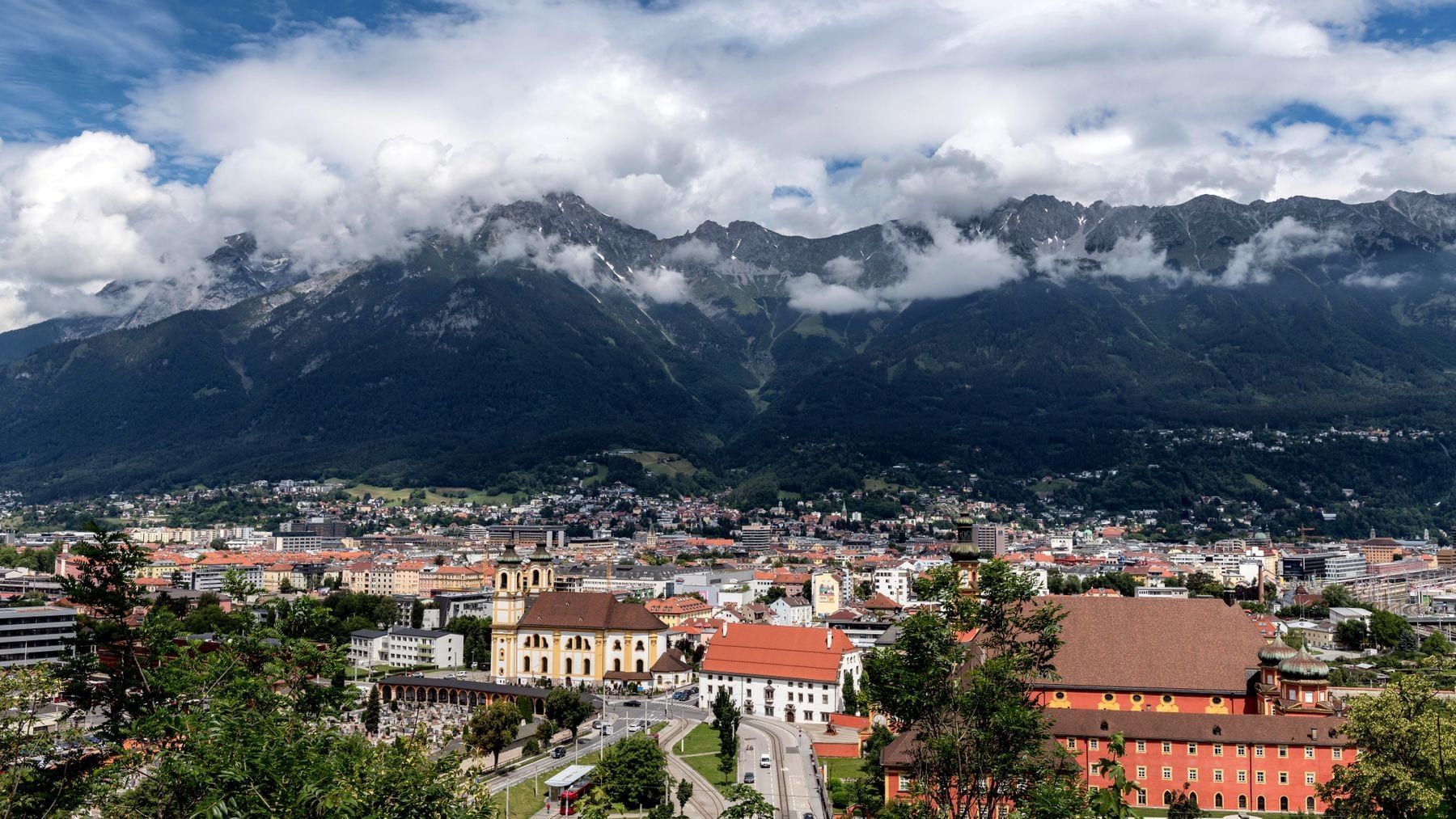
    Innsbruck: Warming Up on the Nordkette and the Patscherkofel

    The Railjet takes you from Zurich to Innsbruck in three and a half hours, saver fare from CHF 30 to 40 (about EUR 32 to 43), and you are there by midday. In the afternoon you take the Nordkettenbahnen from the Congress to the Seegrube and walk the high path to the Hafelekar, two hours with views over the city, return fare around CHF 48 or included with the Innsbruck Card. Day two is the first proper stage: by tram and Patscherkofelbahn up and along the Zirbenweg to the Glungezerbahn in Tulfes, two and a half hours almost on the level through the oldest stone pine forest in the Alps, with the bus back. If you want more, walk the Goetheweg from the Seegrube to the Pfeishütte, four hours, only in settled weather. You sleep in Wilten or Saggen, double room CHF 130 to 180, ten minutes on foot from the main station. On to the Ötztal: Railjet or Regionalexpress to Ötztal Bahnhof in 35 minutes, then Postbus 8352 to Sölden or Obergurgl in 50 to 70 minutes, two hours in all, around CHF 20.

    Tours at this stop: Nordkettenbahnen Innsbruck ↗Guided hike Innsbruck ↗

    Open the Innsbruck travel guide →
  2. Day 3 to 4

    Ötztal: Obergurgl, Gaisbergtal and the Stuibenfall

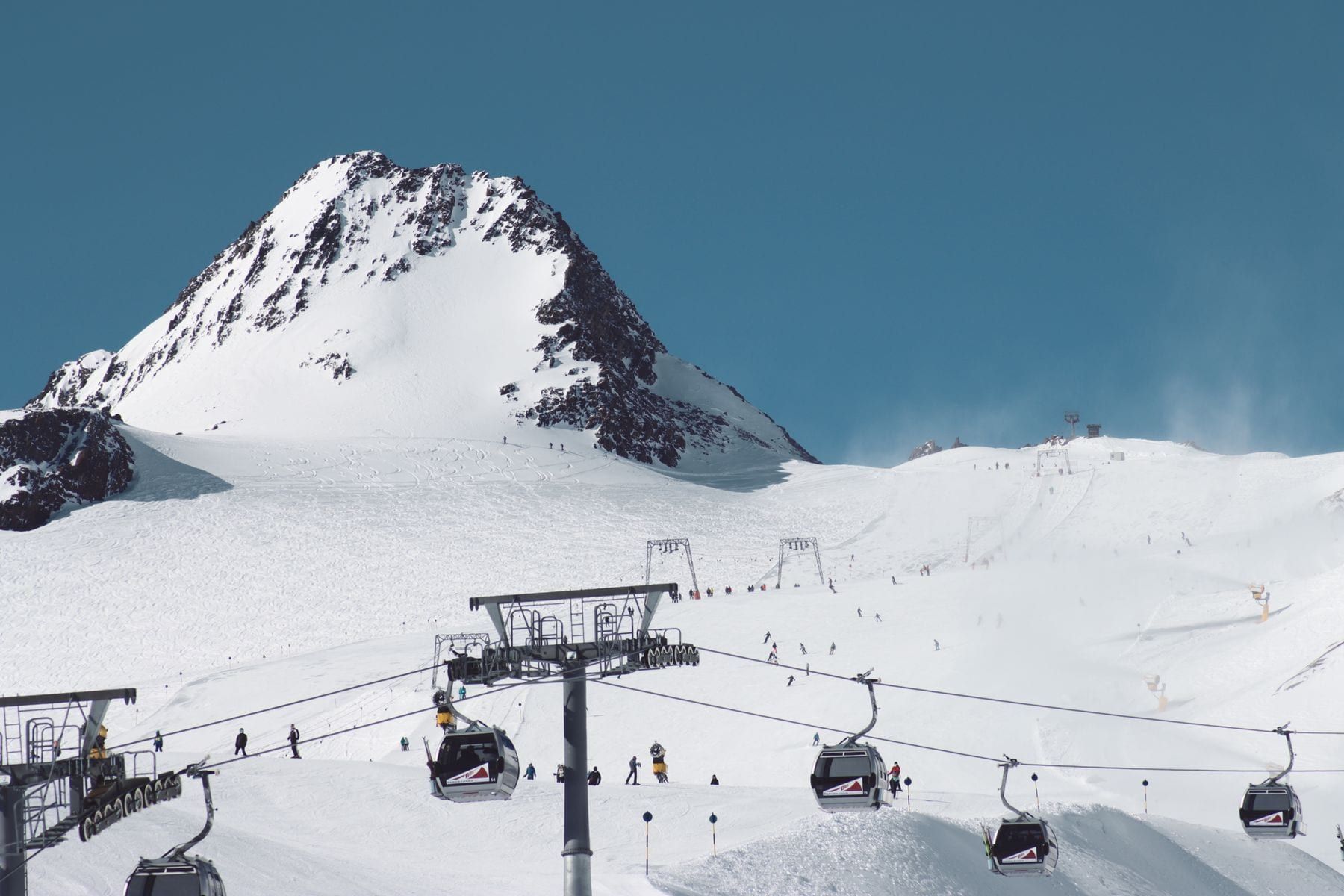
    You stay in Obergurgl at 1,930 metres, the highest parish village in Austria, quiet and free of Sölden noise, and from two nights you receive the Ötztal Inside Summer Card, which makes the cable cars in Obergurgl, Sölden and Hochötz and the valley buses free. Day three: up on the Hohe-Mut-Bahn and back via the Schönwieshütte through the Gaisbergtal, with views of the Gaisbergferner, four hours, with a stop at the hut for Kaspressknödelsuppe at CHF 9 (about EUR 10). Day four: either the path from Obergurgl to the Langtalereckhütte at the glacier's edge, five hours there and back, or the bus to Umhausen for the Stuibenfall, the highest waterfall in Tyrol, along the via ferrata or the stepped path, three hours, plus a swim in the Piburger See. You sleep in a half-board hotel in Obergurgl, CHF 140 to 200 for two in summer, half the winter price. On to the Zillertal: bus to Ötztal Bahnhof, train via Innsbruck to Jenbach, then the Zillertalbahn to Zell am Ziller, three and a half hours in all, around CHF 35.

    Tours at this stop: Stuibenfall via ferrata ↗Glacier hike Obergurgl ↗

    Open the Ötztal travel guide →
  3. Day 5 to 6

    Zillertal: Olpererhütte and a Stretch of the Berliner Höhenweg

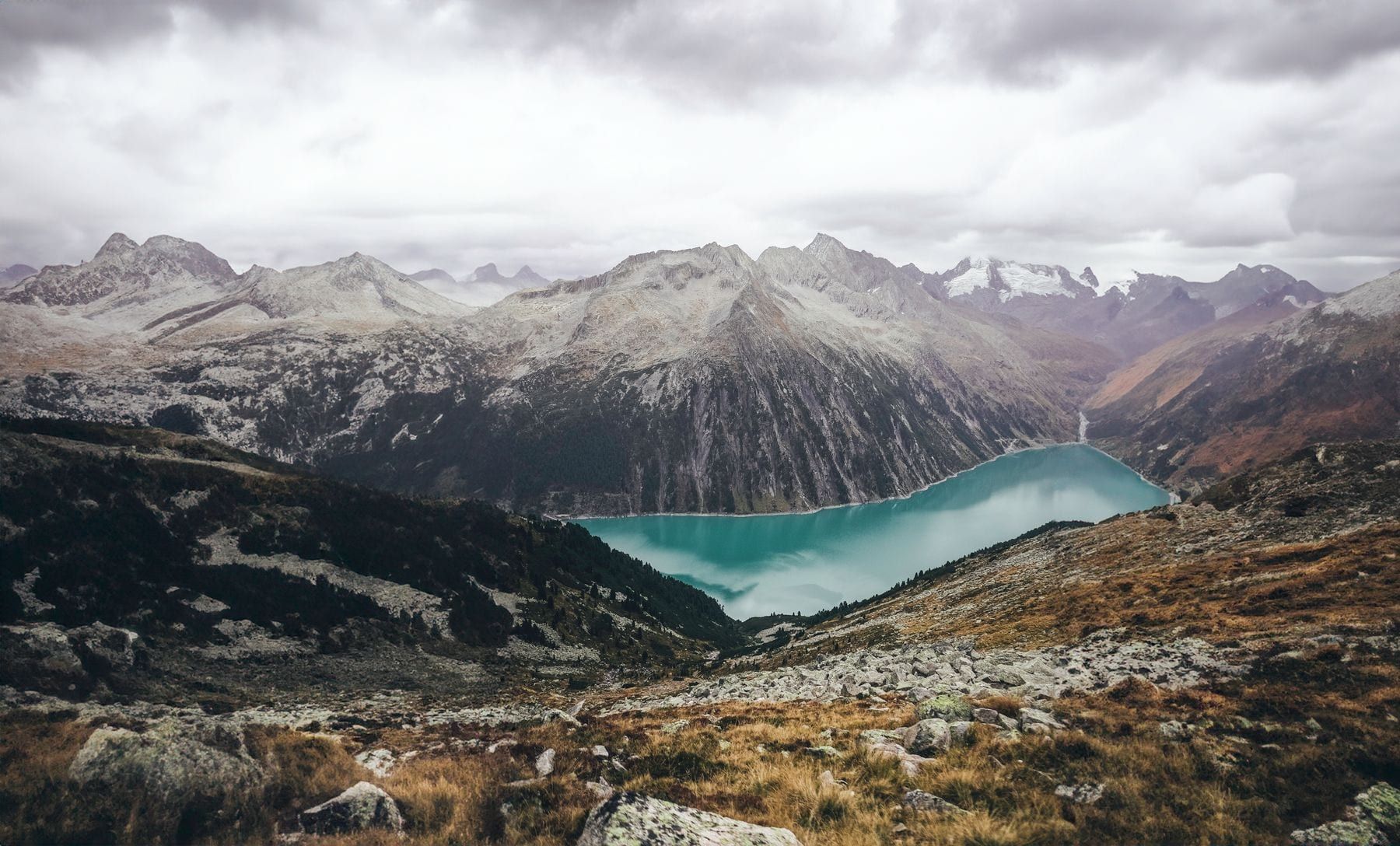
    Zell am Ziller is your base because it lies on the Zillertalbahn, has a brewery and costs less than Mayrhofen. Your overnight stay brings a guest card covering the Zillertalbahn and the valley buses, and you buy the six-day Zillertal Activcard for around CHF 95 (about EUR 102), which covers one cable car a day and the open-air pools, or pay CHF 30 to 40 for a single lift. Day five is the classic: bus to the Schlegeis reservoir beyond Mayrhofen, climb to the Olpererhütte with its suspension bridge and the view over the lake, three hours there and back, more if you linger at the hut. Day six: the Ahornbahn from Mayrhofen up to 2,000 metres and across the Ahorn plateau to the Edelhütte, a stretch of the Berliner Höhenweg, four hours, or in rain the Krimml Waterfalls via the Gerlos pass. You sleep in a Gasthof in Zell am Ziller, double room CHF 120 to 160. On to Kitzbühel: Zillertalbahn to Jenbach, train to Wörgl, change for Kitzbühel, two to two and a half hours, around CHF 25.

    Tours at this stop: Olpererhütte hike ↗Zillertalbahn steam train ↗

    Open the Zillertal travel guide →
  4. Day 7 to 9

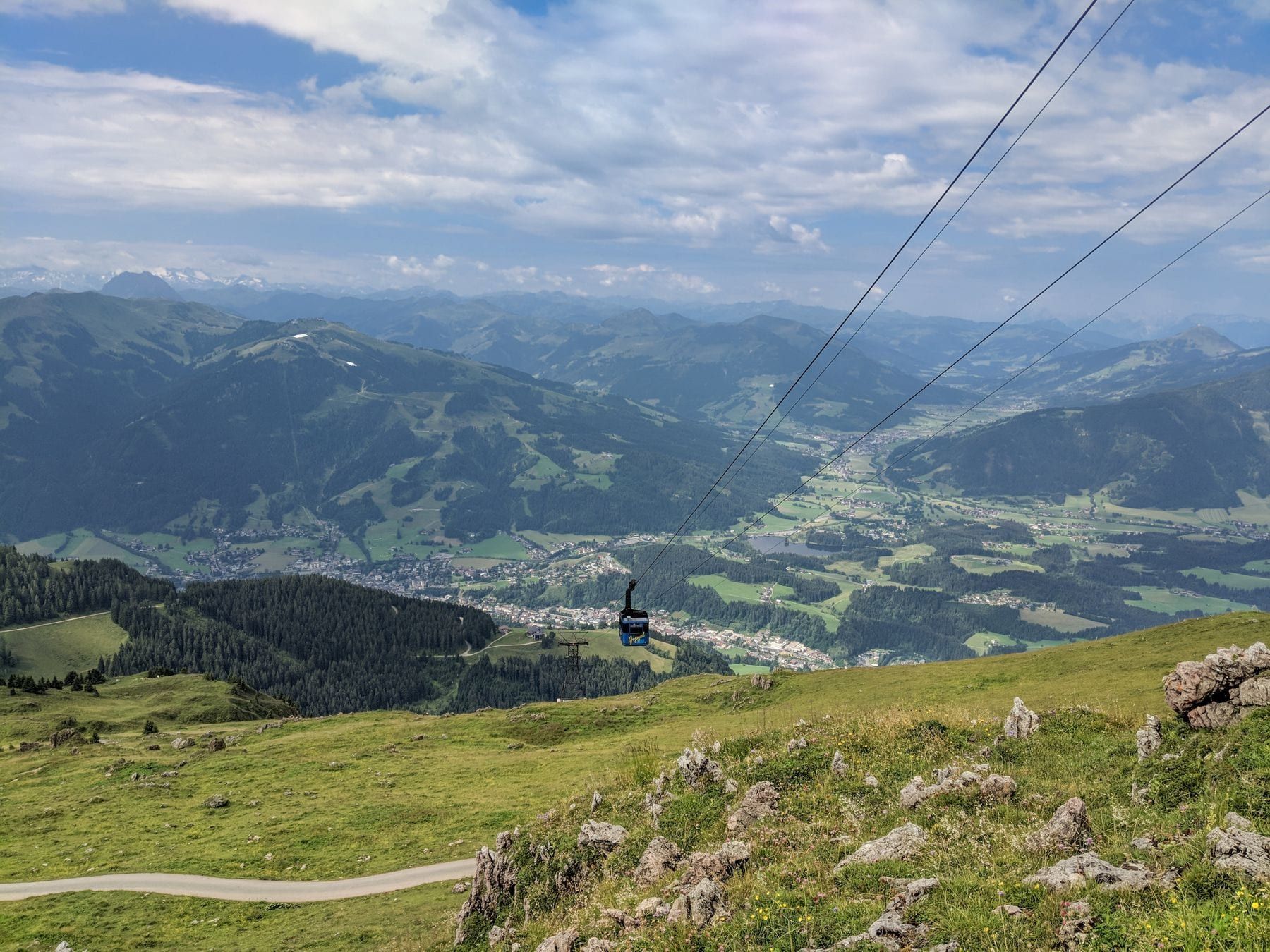
    Kitzbühel: Hahnenkamm, Horn and Wildseeloder on Foot

    Three nights to finish, because in summer the Kitzbühel Card is the best guest card on this route: from one night it gives you every cable car in the region once up and down per day, buses, regional trains between Wörgl and Hochfilzen and the swimming pool. Day seven: Hahnenkammbahn up, down via the Ehrenbachgraben and the Streif markers, two to three hours, then a swim in the Schwarzsee. Day eight: the Kitzbüheler Horn with its alpine flower garden and the summit at 1,996 metres, descending via the Hornköpflhütte, four hours. Day nine: by train to Fieberbrunn, cable car to the Lärchfilzkogel and on to the Wildseeloderhaus by the mountain lake, three hours there and back, free with the card. You sleep in Kirchberg or a guesthouse on the edge of Kitzbühel, double room CHF 120 to 170 (about EUR 128 to 182) in summer, well below winter prices. Return: train from Kitzbühel to Wörgl or Innsbruck and the Railjet to Zurich, five hours in all, saver fare from CHF 45. Leave in the afternoon and you are home for dinner.

    Tours at this stop: Hahnenkammbahn Kitzbühel ↗Guided hike Kitzbühel Alps ↗Alpine flower garden Kitzbüheler Horn ↗

    Open the Kitzbühel travel guide →

If you book through these links we earn a small commission, at no extra cost to you.

What the route costs

Rough total per person for the whole route, mid-range, travelling as a pair. Flights and hotels vary by season; details are on the destination pages.

  • Getting there 107 EUR
  • Accommodation 642 EUR
  • Food 482 EUR
  • Local mobility 161 EUR
1,391 EUR
Total per person · 9 days

Money & payment: You pay in euros (EUR). Cards work almost everywhere; mountain huts and sausage stands often want cash. Tipping is expected: 5 to 10 percent, by naming the rounded total when you pay. In ski resorts a visitor tax of EUR 2 to 4 per night is added to the hotel price.

Tips for the route

Reverse the order if you start at the end of June: then you begin in Kitzbühel, where the paths lie lower and are snow-free earlier, and finish in the Ötztal, where the high routes from Obergurgl are often only clear of old snow from early July. In September the order as described is better, because the cable cars in the Ötztal close earlier.

Guest cards are the heart of this route, but you have to ask for them: the Ötztal Inside Summer Card from two nights, the Kitzbühel Card from the first night, in the Zillertal the free guest card for train and bus plus the Activcard to buy. When booking, ask in writing whether the accommodation issues the card, as not all private rooms take part. Without the cards you pay CHF 30 to 48 (about EUR 32 to 51) per cable car.

Huts: the Olpererhütte, the Schönwieshütte and the Wildseeloderhaus are huts for a meal stop, not compulsory overnight stays. If you want a night on the mountain, reserve at the Langtalereckhütte or the Pfeishütte via the Alpine Club's hut site, four to six weeks ahead in July and August. Bring a sleeping bag liner and cash for dinner, around CHF 25 (about EUR 27) with a beer.

Weather and kit: Tyrol has thunderstorms from 2 pm in summer, so set off early and be below the ridges by midday. Boots above the ankle, rain jacket, hat and gloves for Obergurgl, sun cream for everything. A small rucksack with two litres of water is enough; the big luggage stays at the hotel, and the trains between the stops take wheeled cases without any trouble.

Booking and off season: July and August are high season in all four places, with families from Germany and the Netherlands. The second half of June and September are emptier, 20 to 30 percent cheaper and more settled weather-wise; only in Obergurgl is there still snow higher up in June. Book hotels four to six weeks ahead, with half board, because restaurants in the mountain villages are expensive.

Frequently asked questions about Hiking in Tyrol

How many days do you need for the Tyrol hiking route?

Nine days with four bases is relaxed, with a rest day in each for swimming or rain. If you have a week, drop Innsbruck and go straight to the Ötztal. If you have twelve days, stay a night longer in each valley and do a second hut tour, for example two days on the Berliner Höhenweg in the Zillertal.

When is the best time to hike in Tyrol?

Mid-June to the end of September, with September the favourite: stable high pressure, clear views, no afternoon thunderstorms, empty huts. July and August are green and warm, but crowded and stormy. In June there is still snow above 2,500 metres in Obergurgl, and in October the first cable cars close.

Does the route really work without a car?

Yes, and better than with one: all four places are reachable by Railjet, regional train, Zillertalbahn and Postbus, the guest cards include buses and regional trains, and the cable cars start in the villages. You would have to park a car on the toll road at the Schlegeis and otherwise leave it standing in the garage.

What does the hiking week cost per person?

Around CHF 1,300 (about EUR 1,390) mid-range as a couple: Railjet there and back around CHF 100, eight nights around CHF 600, food including hut stops CHF 450, and around CHF 150 for trains between the stops, the Activcard and the Nordkettenbahn. The remaining cable cars are included thanks to the guest cards, which saves CHF 150 to 200 on this route.

How difficult are the hikes?

All the stages described are red-marked mountain paths with three to five hours of walking and 400 to 900 metres of ascent, manageable for experienced, sure-footed hikers. The Goetheweg and the Langtalereckhütte are more alpine and only sensible in settled weather. The Zirbenweg and the Hahnenkamm loop also work with children from eight.

Is there a shorter or longer version?

Shorter: Innsbruck and the Ötztal in five days, or the Zillertal and Kitzbühel in six, both with a direct train connection. Longer: slot two nights in the Stubaital with the Wilde-Wasser-Weg between the Ötztal and the Zillertal, or add two days at the Wilder Kaiser from St. Johann after Kitzbühel, making it twelve to thirteen days.

More itineraries through Austria