
Star Hostel Eskişehir
Reliable, well-rated hostel in a central location. Clean, friendly, with free breakfast. The cheapest way into the city.
from EUR 15 / night View →
Turkey · Central Anatolia · Travel guide
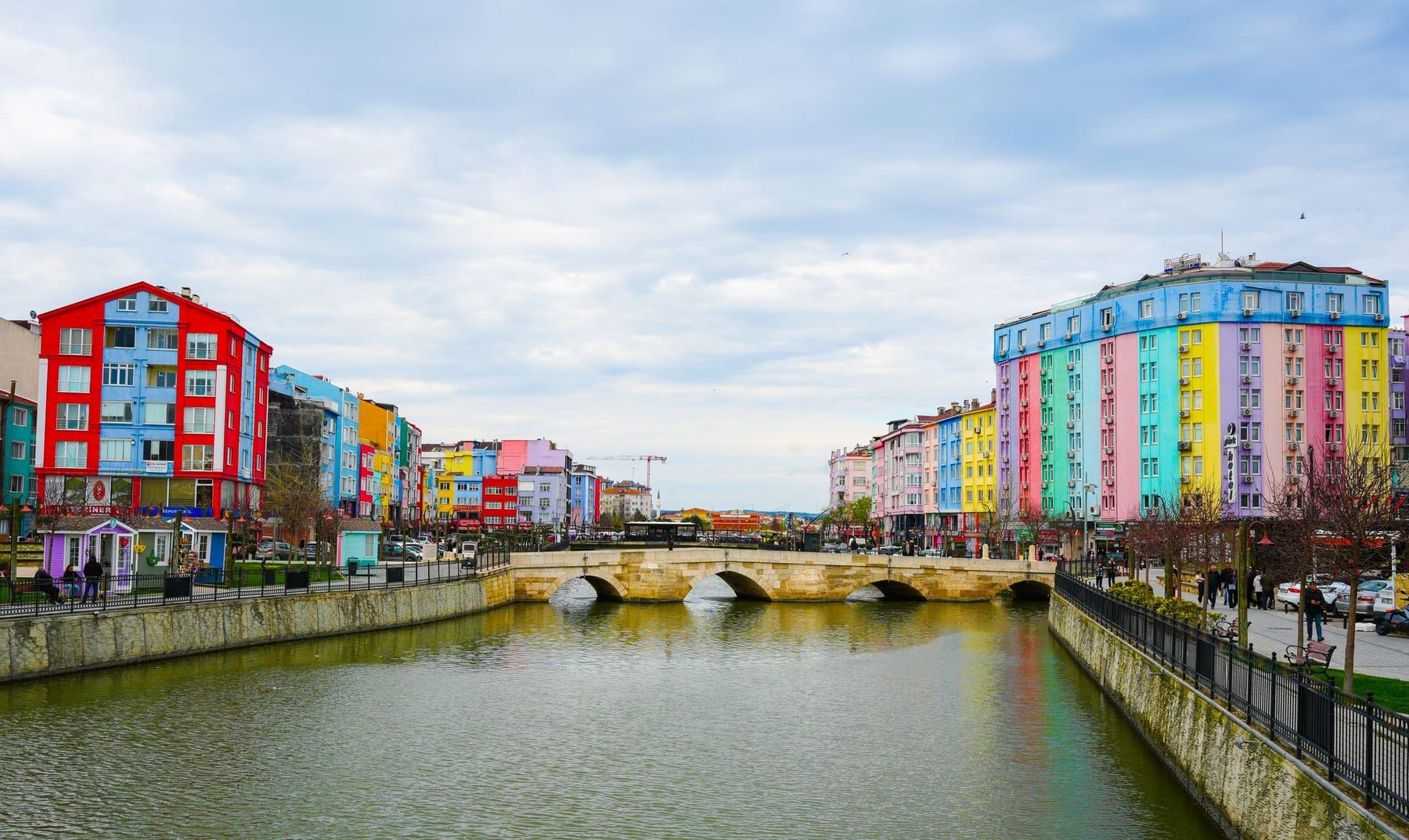
UNESCO World Heritage, meerschaum craftsmanship and canal boats beneath Ottoman timber houses: Eskişehir is the most interesting hidden gem in Turkey.
Photo: Şinasi Müldür / Pexels
Adjust the values to your trip: the calculator updates live (EUR, converted from CHF estimates).
Estimates for orientation, not booking prices. Flights and hotels vary strongly by season: current prices are behind the links below.
Money & payment: You pay in Turkish lira (TRY). The exchange rate moves a lot, which is why all prices here are given in francs and euros. Cards are accepted almost everywhere; you need cash for the dolmuş, markets and tips. Flight time: 3 to 4 hours.
Nine options in three price ranges, each among the best-rated on Booking.com.
Budget
Reliable, well-rated hostel in a central location. Clean, friendly, with free breakfast. The cheapest way into the city.
Simple, well-rated city hotel near the railway station. Handy for early train departures to Istanbul. Good value for money.
Solid budget hotel, very central and well rated. Clean, enough space, friendly staff. Good for travellers who explore the city and spend little time in the room.
Mid-range
International chain standard in a prime location near Odunpazarı. Spacious rooms, dependable service, fitness centre. Popular with business travellers and weekend visitors.
Modern Accor hotel with the typically reliable Ibis standard. Good location, simple rooms, fair prices. Very well rated for clean rooms and location.
Well-equipped city hotel with a pleasant atmosphere. Pool, restaurant, well connected. For travellers who want a bit more comfort than an Ibis without paying luxury prices.
Luxury
The leading luxury hotel in the city, with spacious rooms, a pool and the typical Mövenpick breakfast buffet. Very well rated, an ideal base for Odunpazarı and the Porsuk promenade.
Large, well-equipped hotel with a spa, several restaurants and comfortable rooms. One of the better luxury options in Eskişehir.
Large conference and city hotel with the dependable IHG standard. Well-equipped rooms, fitness, pool. Very well rated on Booking.com.
If you book through these links we earn a small commission, at no extra cost to you.
UNESCO World Heritage since 2021: Ottoman timber houses from the 18th and 19th centuries, restored and full of life. Museums, cafés and studios in historic buildings. The absolute highlight of Eskişehir.
One of the most striking museum buildings in Turkey. Kengo Kuma's stack of timber boxes houses contemporary Turkish art. An experience even if you are not into art.
Lüle taşı, meerschaum, comes almost exclusively from this region. In the museum you can watch the craftsmen at work. Right next door you can buy, far cheaper than in tourist shops.
Gondolas and pedal boats on the Porsuk canal for a few lira. The banks are lined with cafés, bridges and Ottoman house fronts. A relaxed alternative to overloaded tourist itineraries.
Rocky canyons 60 km to the southwest with Phrygian monuments from the Bronze Age carved into the rock. Hardly any tourism, lots of nature, free to visit. Best by rental car.
If you book through these links we earn a small commission, at no extra cost to you.
Eskişehir has a cuisine found nowhere else in Turkey: the Crimean Tatars brought çibörek and mantı with them in the 19th century, and met helva and poppy-seed bread come from the surrounding countryside. And because the city is full of students, prices are honest and portions are big.
Half-moon pastry filled with raw mince, onions and pepper, fried until the dough blisters. Tatar, hot, juicy. CHF 1 to 1.50 (about EUR 1.10 to 1.60) a piece; four or five make a meal.
Tip:Eat it immediately, with your hands, and let the steam out before you bite or you will burn your mouth.
Slices of köfte on cubed flatbread with tomato sauce and yoghurt, drenched in hot butter. The meat dish of the city. CHF 7 to 10 (about EUR 7.50 to 10.70).
Tip:It is heavy and you will not want anything afterwards, so have it at lunch and not before an excursion.
Larger dumplings than in Kayseri, boiled, with butter, yoghurt and garlic. CHF 6 to 9 (about EUR 6.50 to 9.70) a plate.
Tip:Çibörek first and mantı after is the classic Tatar menu, but only if you are very hungry.
Soft yeast pastry filled with poppy-seed paste, slightly sweet, from the surrounding region (Afyon, Eskişehir). CHF 1 to 2 (about EUR 1.10 to 2.20) a piece.
Tip:For breakfast with tea, or as provisions for the trip to the Phrygian Valley.
Thread halva of pulled sugar and flour, airy and crumbly, the sweet of Eskişehir. A box costs CHF 3 to 6 (about EUR 3.20 to 6.50).
Tip:Buy it made the same day; after two days it turns chewy. As a souvenir it keeps all the same.
Tea gardens along the river, with students and gondolas in front of you. Tea costs CHF 0.50 to 1 (about EUR 0.55 to 1.10), a nargile CHF 5 to 8.
Tip:In the afternoon, when the university lets out, is when it is busiest.
The bar street of the student city: local draught beer at CHF 2.50 to 4 (about EUR 2.70 to 4.30), live music most evenings, no cover charges.
Tip:Thursday to Saturday from 9 pm; earlier it is empty.
Eskişehir lies in northwestern Anatolia at about 780 metres, where the Anatolian plateau opens out towards the west. The city's history reaches back to the Bronze Age; in antiquity the Phrygian city of Dorylaion stood here, later known to the Romans as Dorylaeum and an important military base in the Byzantine Empire. Crusaders and Seljuks fought repeatedly over this strategic city in the 12th and 13th centuries. In the Ottoman Empire Eskişehir played an important role as a trading hub; the Odunpazarı quarter with its characteristic multi-storey timber houses was built mainly in the 18th and 19th centuries and has been a UNESCO World Heritage Site since 2021. The region is internationally known for lüle taşı, meerschaum, a soft mineral found here in unique quality and worked for centuries into ornate pipes, jewellery and figurines. The 20th century brought universities that turned Eskişehir into a lively student city with more than 150,000 students and created the open, modern atmosphere that shapes the city today.
The Odunpazarı quarter ("timber market") was added to the UNESCO World Heritage List in 2021 as part of the "historic districts of Ottoman timber architecture". Hundreds of multi-storey timber houses in ochre, terracotta and pale blue stand close together, many of them restored and used as cafés, studios or small museums. The Odunpazarı Modern Museum (OMM) is one of the most architecturally remarkable museums in Turkey and shows contemporary Turkish art. The quarter is a 15-minute walk from the city centre.
The Porsuk river flows right through Eskişehir and has been developed with bridges, cafés and swan boats into a kind of Turkish canal city. Gondolas and pedal boats can be hired for a few lira. The riverside promenade is where students meet, and in the afternoon it is as busy as a shopping street. The mood is lighter, more cheerful and more relaxed than in the big tourist centres.
Lüle taşı, meerschaum, comes almost exclusively from the Eskişehir region. The soft white mineral can be cut like soap and hardens in the air. Traditionally it is made into pipes, but also figurines, jewellery and decorative pieces. In the Meerschaum Museum (Lüle Taşı Müzesi) you can watch the craftsmen at work. Buy directly from the craftsman, not in souvenir shops that offer the same thing at much higher prices.
With more than 150,000 students and three big universities, Eskişehir has an extremely dense restaurant scene specialised in cheap food. Lunch with a drink costs between CHF 3 and 7 (about EUR 3 to 7). The best places are around Anadolu University and along Yunus Emre Caddesi. In the evening the coffee houses on the Porsuk promenade fill up.
About 60 kilometres southwest of Eskişehir lies the Phrygian Valley (Frig Vadisi), a little-known nature reserve of rocky valleys into which the ancient Phrygians carved monuments, deities and inscriptions 3,000 years ago. No tourist crowds, no tickets, just landscape and history. Reachable by rental car in two hours.
There are no direct flights to Eskişehir (ESK). The easiest route: fly to Istanbul, then take the high-speed train (YHT) from Istanbul Pendik or Halkalı directly to Eskişehir. The train journey takes about 1.5 hours and costs very little. A very pleasant connection.
In student areas and tourist spots like Odunpazarı, yes. In the traditional parts of the city, less so. A few basic Turkish words help, but Eskişehir is tolerant and helpful.
Yes. Even without the historic sights, the city has a pleasant atmosphere, good restaurants, the canal promenade and lively nightlife in the student districts. One to two days are enough for a stay.
Spring (April to May) and autumn (September to October) are ideal: pleasant temperatures around 15 to 25 degrees. Summer can get hot (up to 35 degrees); in winter it snows regularly, which gives the Odunpazarı quarter a special charm.
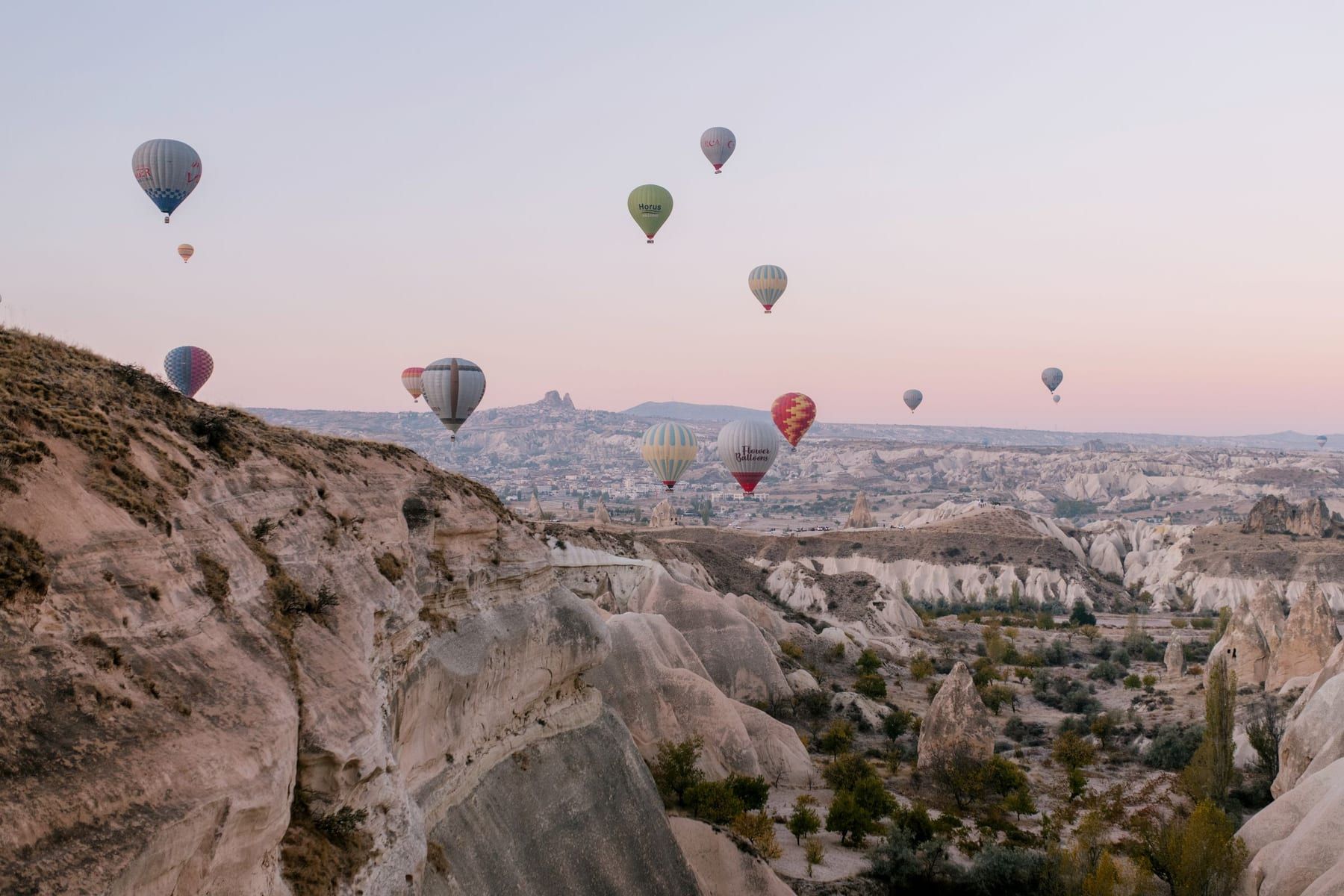
What a week among the fairy chimneys really costs, how to avoid the tourist traps once you are there, and which experiences are worth your money.
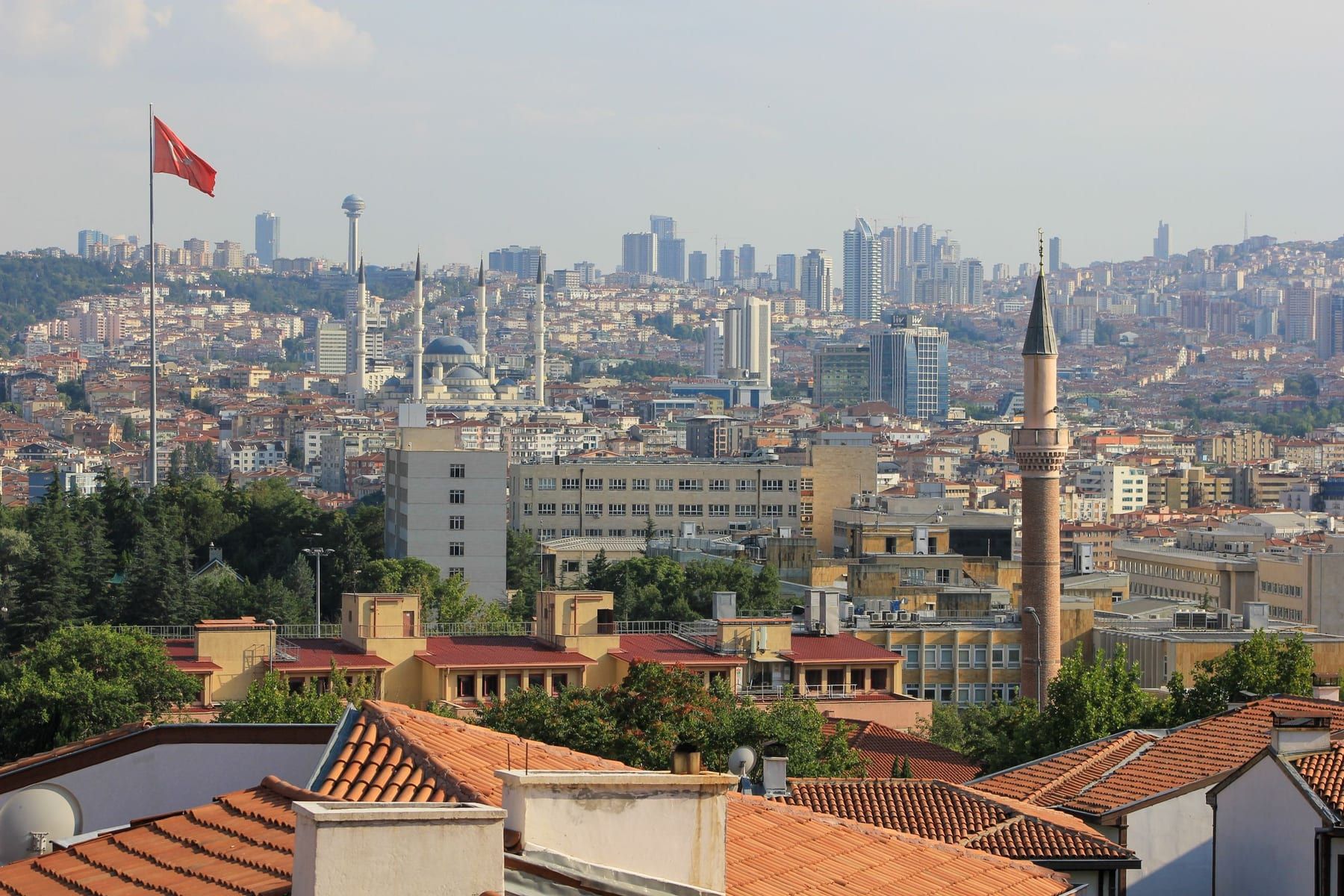
The underrated capital: a world-class museum, Atatürk's mausoleum, hardly any tourists and prices that make Istanbul look expensive.
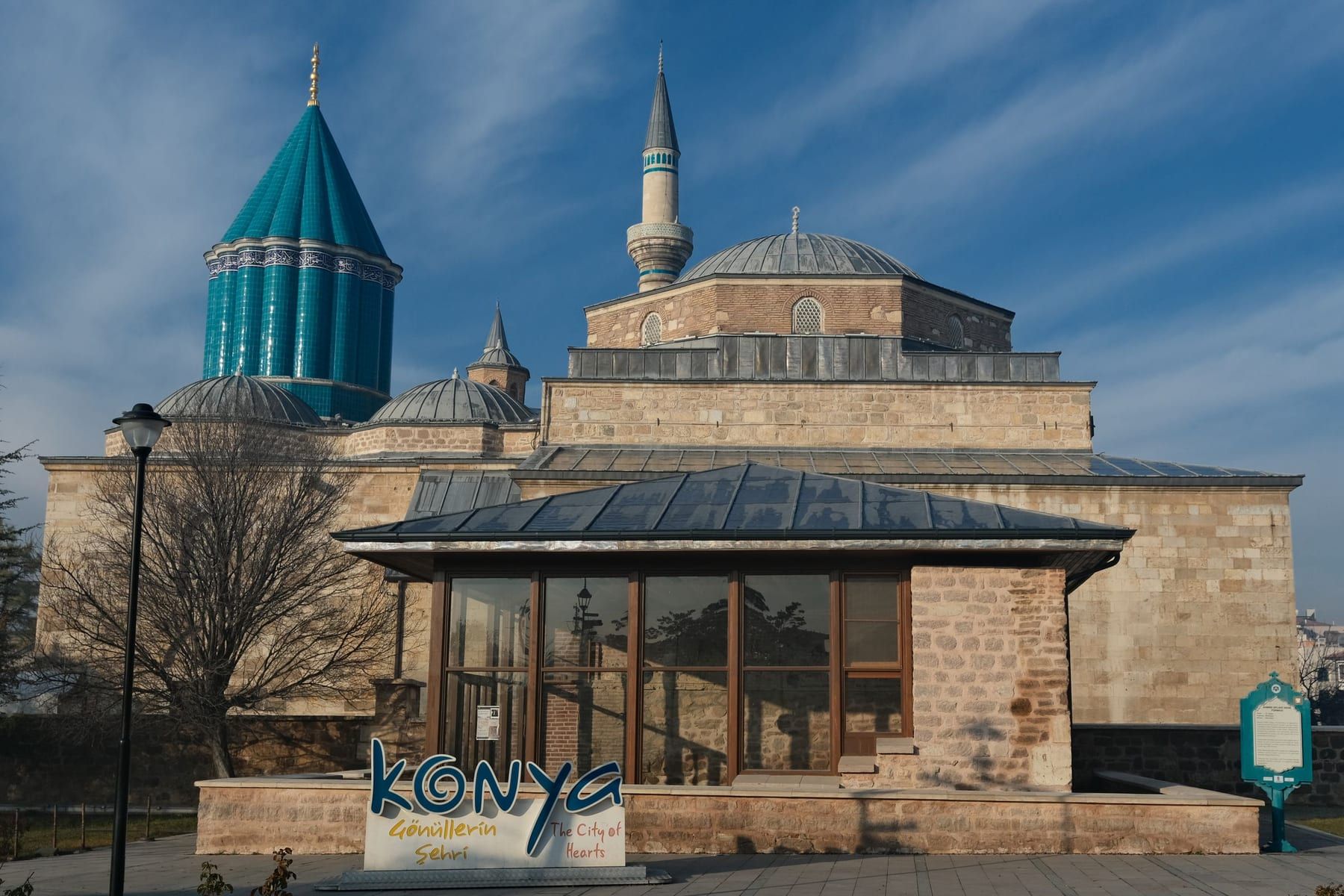
What Konya really costs, where you can see the whirling dervishes without the tourist-show feel, and why the city is more than a stop on the way to Cappadocia.
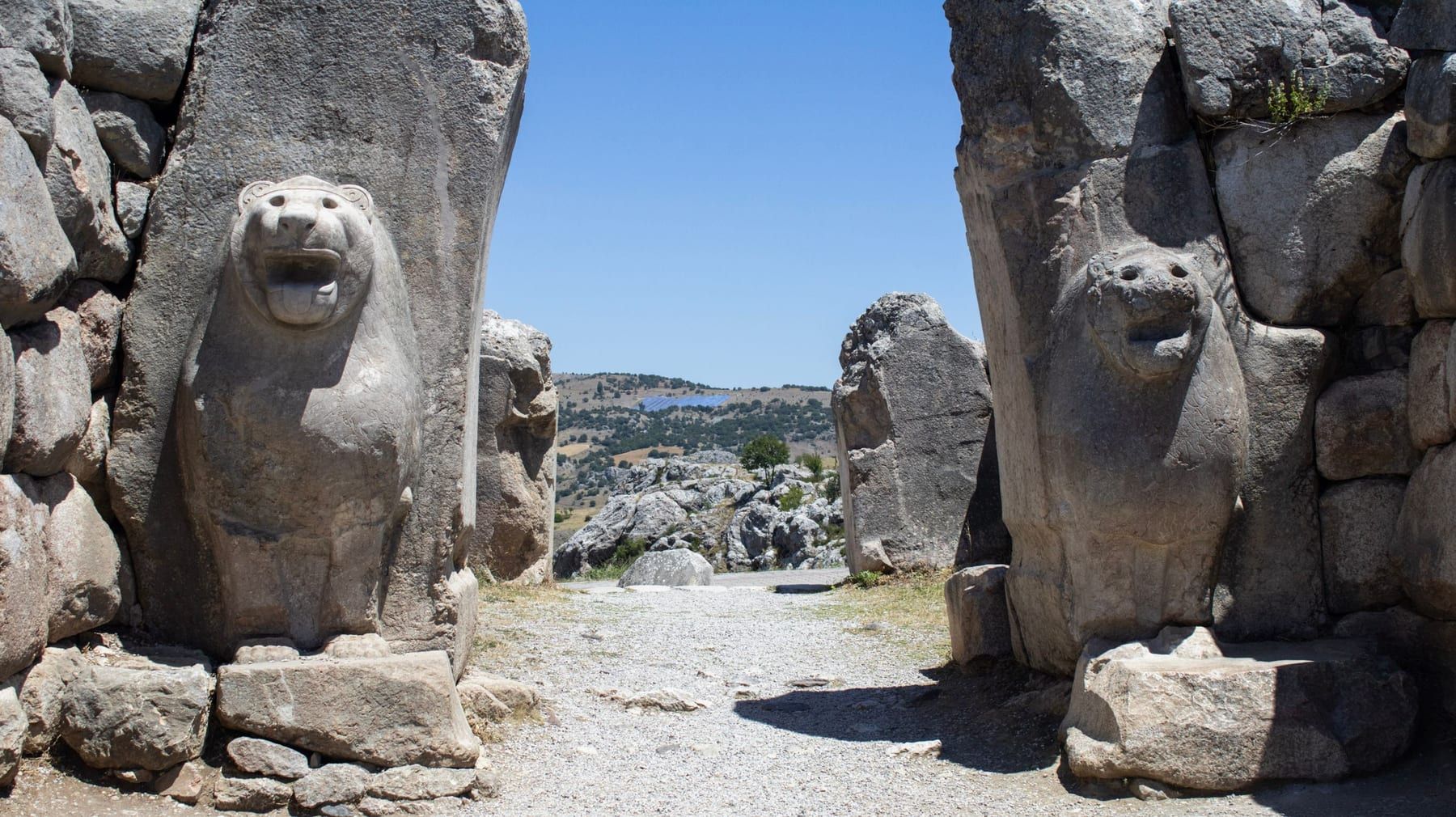
How to reach the 3500-year-old Hittite capital, what the visit really costs and why you will walk through the Lion Gate and the rock sanctuary almost alone.