
Deeps Hostel
The best-rated budget option in Kızılay, Ankara's liveliest district. Clean, friendly staff, central location with good metro connections. Ideal for anyone exploring Ankara on their own.
from EUR 25 / night View →
Turkey · Central Anatolia · Travel guide
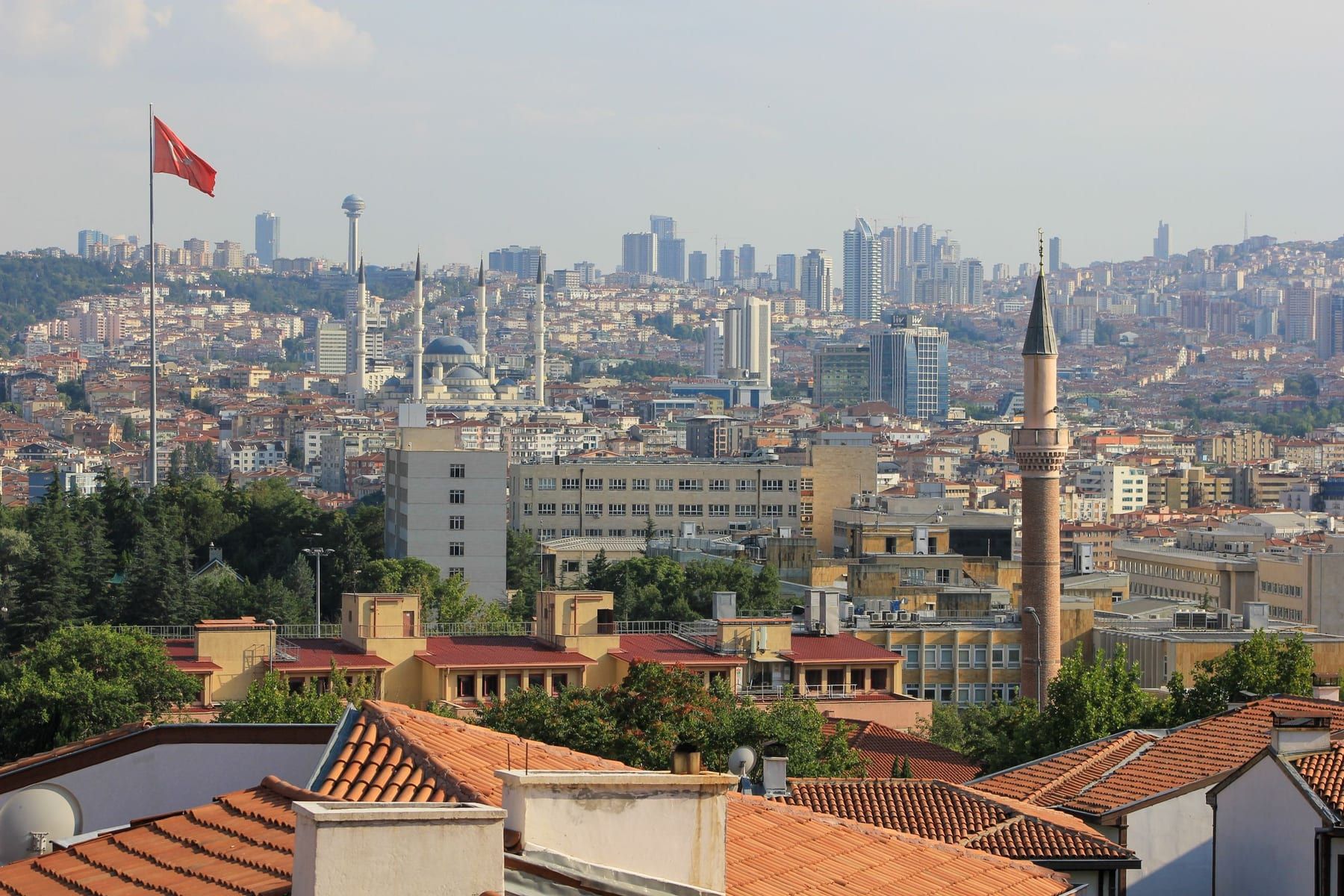
The underrated capital: a world-class museum, Atatürk's mausoleum, hardly any tourists and prices that make Istanbul look expensive.
Photo: Mehdi / Pexels
Adjust the values to your trip: the calculator updates live (EUR, converted from CHF estimates).
Estimates for orientation, not booking prices. Flights and hotels vary strongly by season: current prices are behind the links below.
Money & payment: You pay in Turkish lira (TRY). The exchange rate moves a lot, which is why all prices here are given in francs and euros. Cards are accepted almost everywhere; you need cash for the dolmuş, markets and tips. Flight time: 3 to 4 hours.
Nine options in three price ranges, each among the best-rated on Booking.com.
Budget
The best-rated budget option in Kızılay, Ankara's liveliest district. Clean, friendly staff, central location with good metro connections. Ideal for anyone exploring Ankara on their own.
Classic city hotel in the middle of Kızılay. Well-kept rooms, good breakfast, right by the metro. Repeatedly praised for cleanliness on Booking. A good base for Anıtkabir and the museum.
In the historic Ulus district, walking distance to the castle, the Temple of Augustus and the Museum of Anatolian Civilisations. Simple and cheap, but ideal for anyone focused on Ankara's historic side.
Mid-range
Reliable mid-range on the central Atatürk boulevard. Large, well-equipped rooms, fitness centre, restaurant. Very well rated for service and breakfast quality. Walking distance to all the Kızılay restaurants.
Boutique hotel in the Çankaya nightlife district, near Tunalı Hilmi street with its restaurants and bars. Modern design, quieter location than Kızılay, still well connected. Ideal for longer stays.
Consistently well rated on Booking for location and service. In the embassy district of Kavaklıdere, between Kızılay and Çankaya. Good restaurants within walking distance, a quiet street despite the central location.
Luxury
Consistently the best luxury hotel in Ankara, with multiple awards. Large rooms, excellent spa, panoramic views over the city, rooftop restaurant. In the embassy district of Çankaya, quiet yet well connected.
Modern luxury hotel in the heart of the embassy and business district. Several restaurants, infinity pool, large spa. Very well rated for room quality and service. Ideal for business travellers and anyone who likes comfort.
Classic luxury hotel with a long tradition in Ankara. Large breakfast buffet, pool, several restaurants. In the Kavaklıdere district with good restaurants and bars nearby. Known for dependable service.
If you book through these links we earn a small commission, at no extra cost to you.
The most important monument of the Turkish Republic, free admission. Ceremonial courtyard, main hall with the sarcophagus and an outstanding museum on the founding of the Republic. Changing of the guard daily at 9:05 and 17:05.
European Museum of the Year, the world's finest collection of Hittite artefacts. Housed in an Ottoman caravanserai in Ulus. Allow at least two hours.
Byzantine fortress above the Ulus district, with lanes, coppersmiths and an honest local bazaar. The Temple of Augustus with its Latin inscription is right next door.
The capital of the Hittite Empire, 200 km from Ankara. UNESCO World Heritage Site, extensive ruins with city walls, temples and the famous Lion Gate. Only reachable by rental car or organised tour.
Konya is the holy city of the dervishes and home to the Mevlana Museum (Rumi's tomb). Reachable from Ankara in 2.5 hours by high-speed train. A completely different picture of Turkey.
The modern districts of Ankara: shopping streets, cafés, parks and the buzzing street life of a Turkish university city. Tunalı Hilmi street in Çankaya is especially lively in the evening.
If you book through these links we earn a small commission, at no extra cost to you.
Ankara has no coastal glamour, but it has a civil-servant and student cuisine that is honest, filling and cheap. The capital eats Central Anatolian: oven-roasted lamb, beans with rice, simit from a cart, and from nearby Beypazarı come pastries and casseroles hardly known outside Ankara.
Lamb with orzo pasta (arpa şehriye), baked until the sauce has soaked in. The dish of the city, hearty and simple. CHF 8 to 14 (about EUR 8.60 to 15) a portion.
Tip:Order it in the evening with the view over the city from the citadel, and reserve a table beforehand.
White beans in tomato sauce on rice, with pickles and ayran. The lunch of the ministries. CHF 5 to 9 (about EUR 5.40 to 9.70) for the full plate.
Tip:Between 12 and 1 pm it is rush hour; that is when the food is freshest and you eat beside the civil servants.
The Ankara simit is thinner and crisper than the Istanbul one, with more sesame. CHF 0.50 to 0.80 (about EUR 0.55 to 0.85), breakfast on the go.
Tip:Take a triangle of processed cheese (üçgen peynir) from the same cart and a tea in the next tea garden.
From the Ottoman town of Beypazarı come crisp rusk rings (kurusu) and lamb casserole in a clay pot (güveç). Kurusu CHF 2 to 4 (about EUR 2.20 to 4.30) a bag, güveç CHF 8 to 12.
Tip:A day trip to Beypazarı is worth it for the food alone; Saturday is market day.
Pickled vegetables from the Çubuk district: cucumbers, cabbage, peppers, and the brine is drunk too. A glass of turşu suyu costs CHF 1 (about EUR 1.10), a plate of pickles CHF 2 to 3.
Tip:Order it alongside kebab or beans, not as a main, and only drink the brine if you like sour.
Semolina pastry with walnuts, pressed through a sieve for its surface and soaked in syrup. Less sweet than baklava, typical of Ankara. CHF 2 to 4 (about EUR 2.20 to 4.30) a piece.
Tip:Have it with afternoon tea rather than as dessert; two pieces are enough.
The restored Ottoman quarter of Hamamönü is full of tea gardens in old timber houses. Tea costs CHF 0.50 to 1 (about EUR 0.55 to 1.10), Turkish coffee CHF 2 to 3.
Tip:Walk over in the afternoon after the Museum of Anatolian Civilizations; it is ten minutes from Ankara Kalesi.
Ankara is a city that was founded twice: once in antiquity and once in the 20th century. The first founding lies more than 3,000 years back. Hittites, Phrygians, Galatians and Romans settled here one after another; the city was then called Ancyra, Latin for "anchor". The Romans built a theatre, baths and the Temple of Augustus, whose ruins still stand in the middle of the old Ulus district. Carved into the walls of this temple is the record of Emperor Augustus's deeds, the "Res Gestae Divi Augusti", one of the most important Latin inscriptions in the world. Byzantium and later the Ottoman sultans controlled Ankara, but the city remained a rather insignificant Anatolian provincial town of a few thousand inhabitants. For centuries Ankara was known above all as the centre of Angora wool; the fleece of the Angora goat bred in the region even gave the city its European name. The second founding came in 1923. Mustafa Kemal Atatürk, founder of the Turkish Republic, chose Ankara as the new capital, a deliberate decision against Istanbul, which was seen as Ottoman, cosmopolitan and shaped by the West. The new capital was to be modern, Turkish and forward-looking. Within a few decades Ankara grew from a small town of 30,000 into a planned metropolis. Wide boulevards, neoclassical ministries and parks were laid out on the drawing board: a city that was built rather than grown. The most important monument of this era is Anıtkabir, Atatürk's mausoleum, inaugurated in 1953. It sits enthroned on a hill and gives the founding father a monument somewhere between an ancient temple and modern monumental architecture. For Turks it is a national shrine; millions come every year to honour Atatürk. If you want to understand how Turkey sees itself, visit this place. Today Ankara, with 5 million inhabitants, is the second-largest city in Turkey. It is a city of civil servants, a university city, a city of embassies and ministries. Tourists rarely come, which is a mistake. In the Museum of Anatolian Civilisations, Ankara holds one of the most important archaeological collections in the world: Hittite sculptures, Bronze Age jewellery and artefacts from Hattusa, the capital of the mighty Hittite Empire that could stand up to Egypt and Mesopotamia.
Atatürk's mausoleum is the most visited monument in Turkey, and admission is free. The complex is bigger than you expect: broad avenues lined with lion statues, a great ceremonial courtyard, the mausoleum itself and an excellent museum on the history of the Republic. Visit the main hall where the sarcophagus stands; the silence and reverence of the Turkish visitors leave a deep impression. Changing of the guard daily at 9:05 and 17:05 (echoing the hour of Atatürk's death). Allow two hours.
The Museum of Anatolian Civilisations in Ulus was named "European Museum of the Year" by the European Museum Forum, and rightly so. It houses the most significant collection of Hittite artefacts in the world, plus objects from the Palaeolithic, Chalcolithic and Bronze Age, and from the Phrygians and Urartians. The exhibition is housed in a restored Ottoman caravanserai. Two hours minimum; if you are into archaeology, stay half the day.
The Byzantine castle (Hisar) above the Ulus district is one of the few places in Ankara with the feel of an old town. In the lanes below it there are small workshops, coppersmiths and carpet shops: hardly touristy, honest and cheap. The Roman Temple of Augustus stands right next door, in the middle of an ordinary neighbourhood. A contrast that defines Ankara.
Kızılay is the heart of modern Ankara: pedestrian zones, shopping centres, university cafés and the best restaurants in the city. This is where Ankara's own residents eat; prices are lower than in Istanbul and the quality often better. Recommended: the area around Tunalı Hilmi Caddesi in Çankaya for evenings out, restaurants and cafés.
The YHT (Yüksek Hızlı Tren) links Ankara and Istanbul in about 4 hours, city centre to city centre, without airport stress. Tickets cost CHF 15 to 25 (about EUR 16 to 27), can be booked online (tcddtasimacilik.gov.tr), and the trains are comfortable and punctual. If you combine Ankara and Istanbul in one trip, going there and back by train makes the most sense: one of the most relaxing rail journeys in Turkey.
Hattusa, capital of the Hittite Empire (around 1650 to 1200 BC), lies about 200 km northeast of Ankara near the town of Boğazkale. The Hittites were one of the great powers of antiquity; they signed the oldest surviving peace treaty in history with the Egyptian pharaoh Ramesses II. The site is vast and impressive, and a UNESCO World Heritage Site. Best reached by rental car (2.5 hours' drive) or organised tour.
A good lunch in Kızılay costs CHF 5 to 8 (about EUR 5 to 9). A taxi across the city (on the meter) rarely more than CHF 6. Museum admission ranges from zero (Anıtkabir) to CHF 5 to 10. If you budget at Istanbul prices, Ankara will be a pleasant surprise. Public transport (metro, bus) is very cheap with a rechargeable card (Ankarakart).
In 1923 Atatürk deliberately chose Ankara as the capital of the new Turkish Republic. Istanbul was too closely tied to the Ottoman legacy, too close to Europe, and had been occupied by Allied troops in the First World War. Ankara, in the heart of Anatolia, symbolised a fresh start in the Turkish heartland: far from European influence and harder to occupy.
Two full days are enough for the main sights: Anıtkabir, the Museum of Anatolian Civilisations and the castle quarter. A third day for the day trip to Hattusa. Ankara also works very well as a stopover on a round trip through Turkey.
Turkish Airlines flies direct from Zurich to Ankara (Esenboğa Airport, ESB), with a flight time of about 3.5 hours; several other European cities have direct connections too. Alternatively fly to Istanbul and take the high-speed train (4 hours, cheap and comfortable). The train is often the more pleasant option.
Hardly. Ankara is a city of civil servants and students, not a tourist city. That is its appeal: no overpriced restaurants with picture menus, no tourist traps, no bustle. Instead, real city life and the chance to experience Turkey the way most Turks do.
It depends on your nationality. Swiss nationals and travellers from many other countries need an e-visa, which is easy to apply for online (evisa.gov.tr); it currently costs around USD 50 and is issued within minutes. Citizens of many EU countries and the UK are currently visa-exempt for tourist stays. The same visa covers the whole of Turkey, so Istanbul, Cappadocia and Ankara too.
23 April commemorates the opening of the Grand National Assembly in 1920 and is also Children's Day, dedicated by Atatürk to the children of the world. Schools put on performances, children symbolically take over public offices, and there are parades and concerts in Ankara and Istanbul. Banks, government offices and many shops are closed; museums and restaurants are open.
For travellers: If the day falls on a Thursday or Tuesday, many Turks take a long weekend; domestic flights and hotels in the resort towns are then pricier.
Zafer Bayramı commemorates the victory at the Battle of Dumlupınar in 1922, the end of the War of Independence. Military parades in Ankara and Istanbul, flags on every house, wreath-laying at Anıtkabir, Atatürk's mausoleum. Banks and government offices are closed; the resort towns carry on in full summer mode. For travellers it is mainly a day of full beaches and a sea of flags.
For travellers: If the day falls on a weekday, people bridge it, and the last days of the summer holidays are especially busy on the coast.
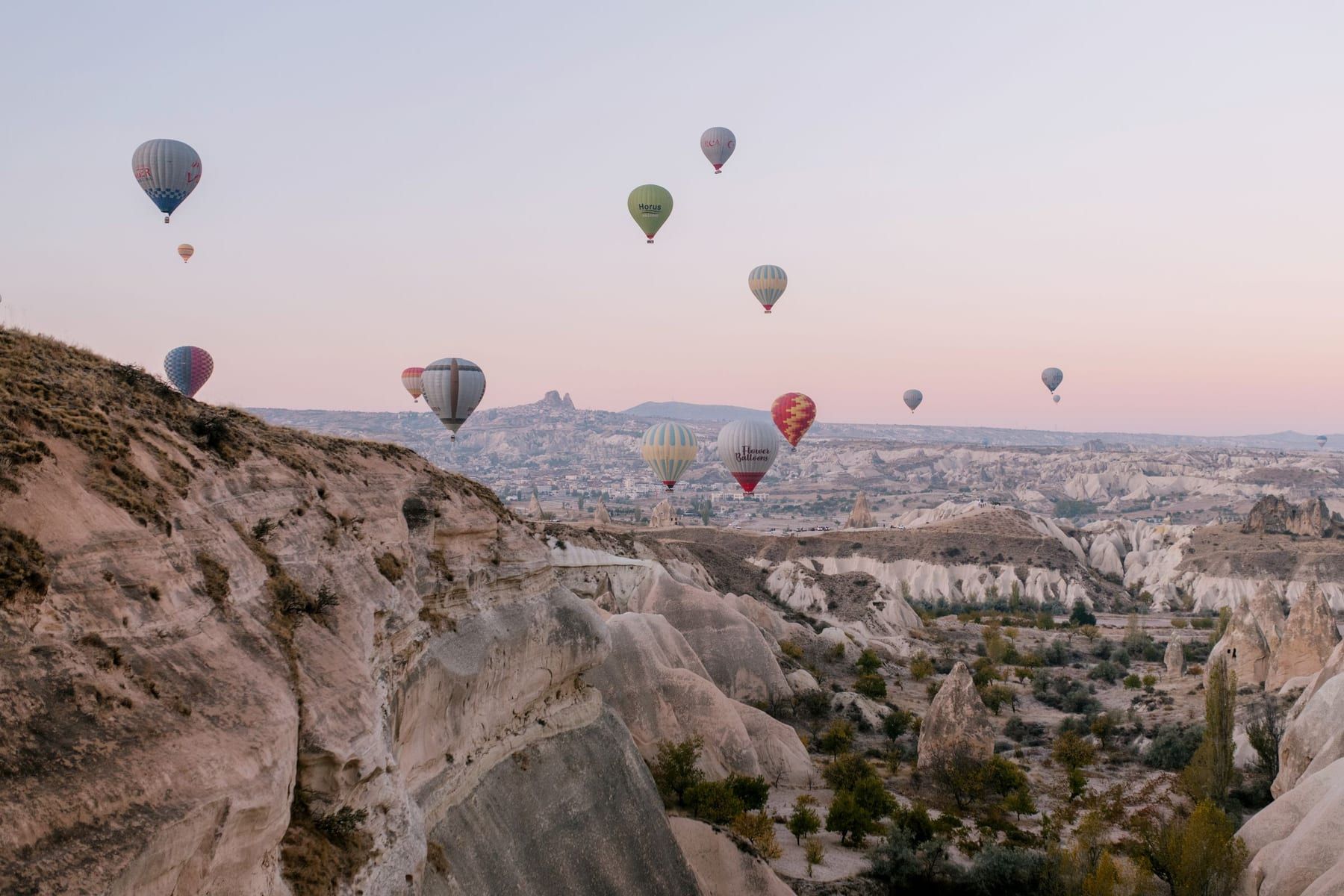
What a week among the fairy chimneys really costs, how to avoid the tourist traps once you are there, and which experiences are worth your money.
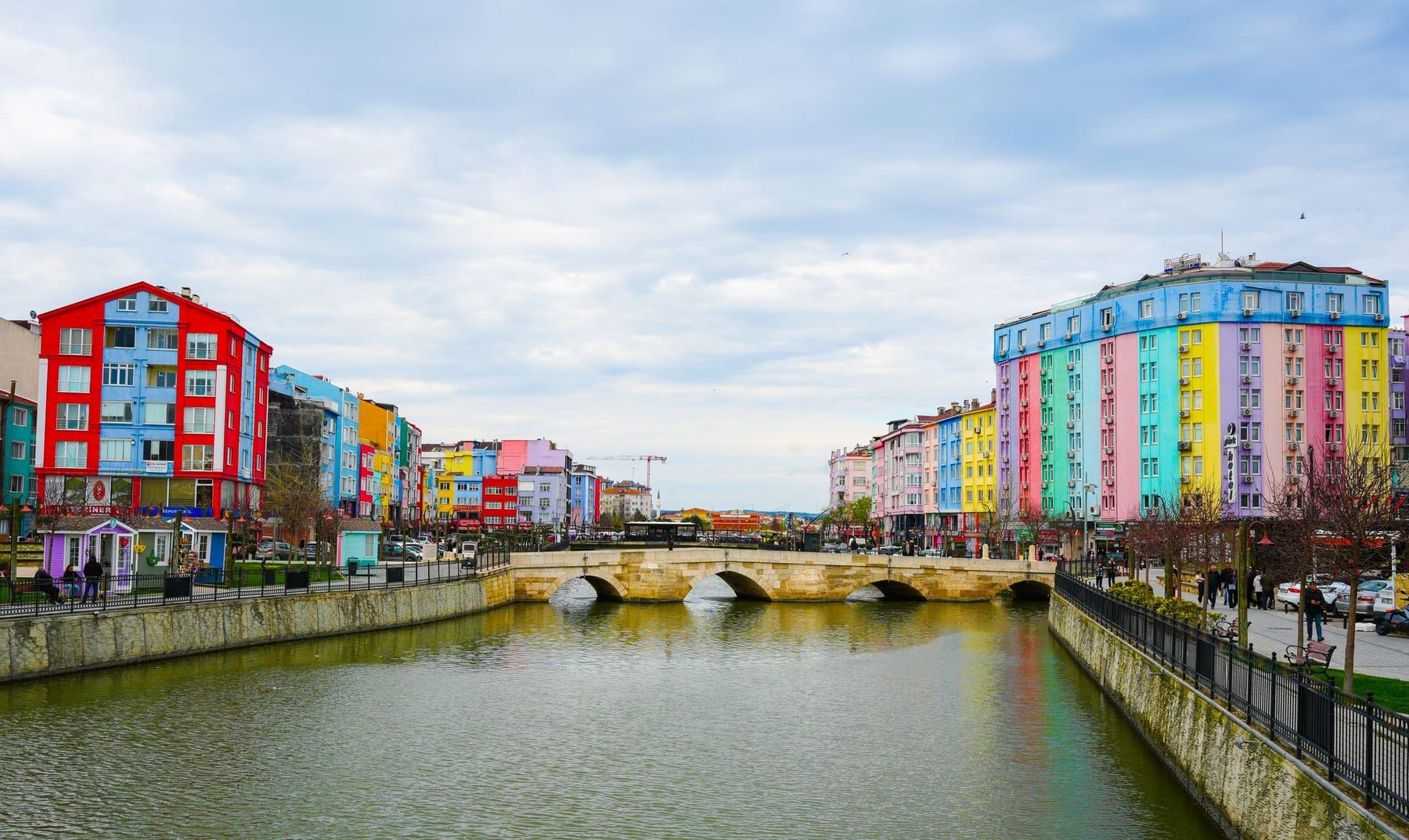
UNESCO World Heritage, meerschaum craftsmanship and canal boats beneath Ottoman timber houses: Eskişehir is the most interesting hidden gem in Turkey.
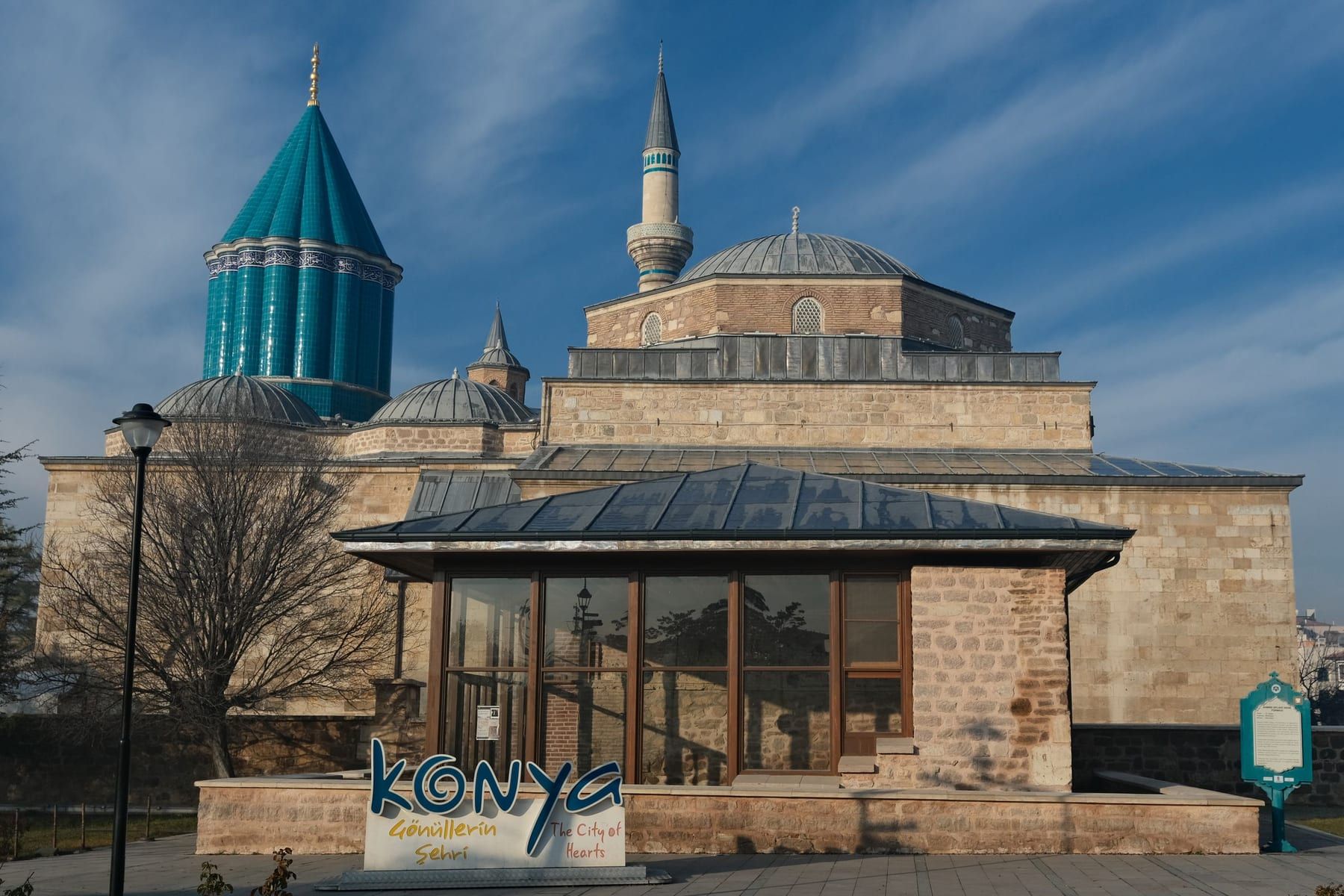
What Konya really costs, where you can see the whirling dervishes without the tourist-show feel, and why the city is more than a stop on the way to Cappadocia.
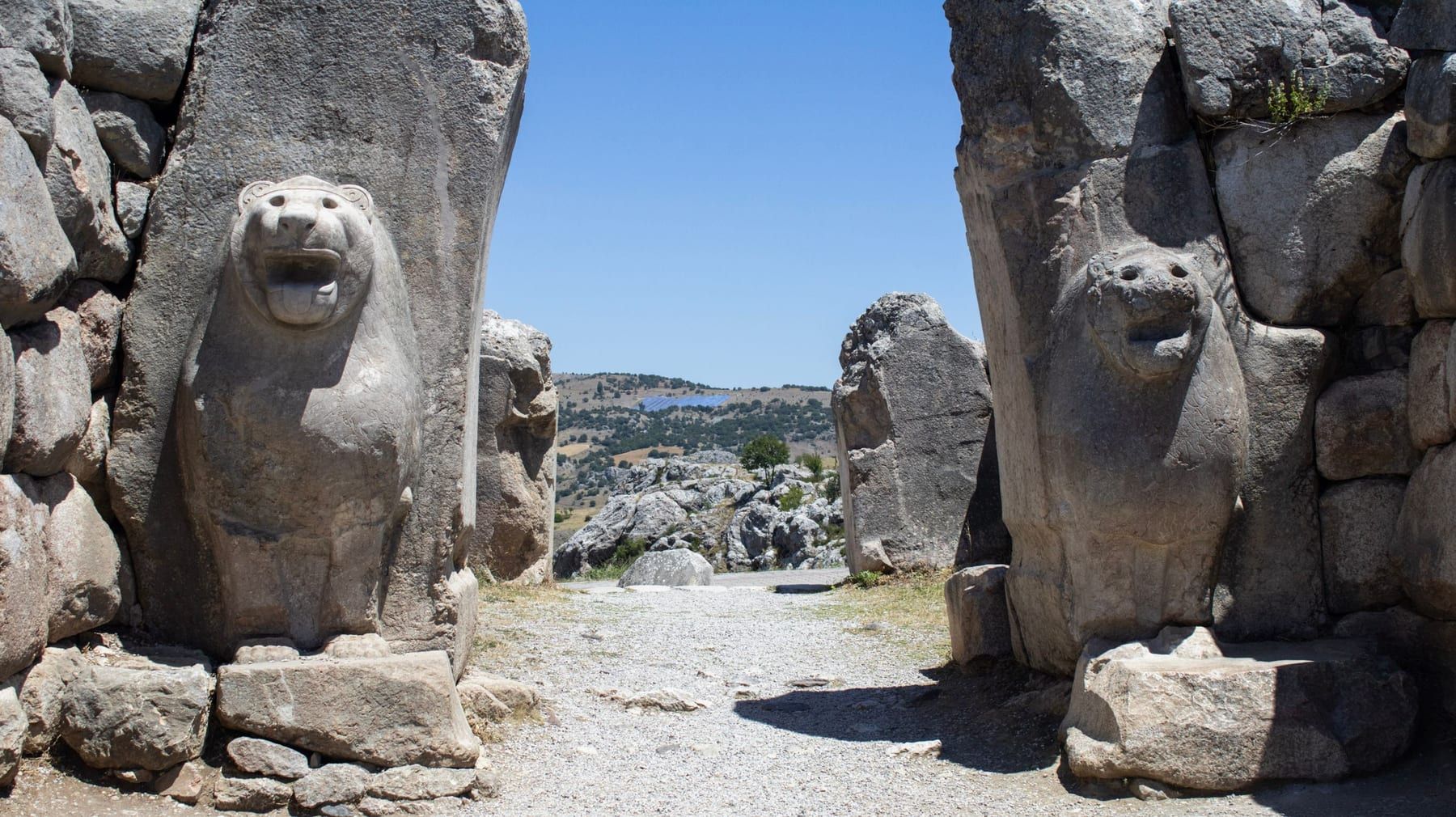
How to reach the 3500-year-old Hittite capital, what the visit really costs and why you will walk through the Lion Gate and the rock sanctuary almost alone.