Kobe

Japan · Kansai · Travel guide

Kobe

What the port city between mountains and sea really costs, how to eat Kobe beef without paying CHF 200, and why Arima Onsen is the best bathing day in all of Kansai.

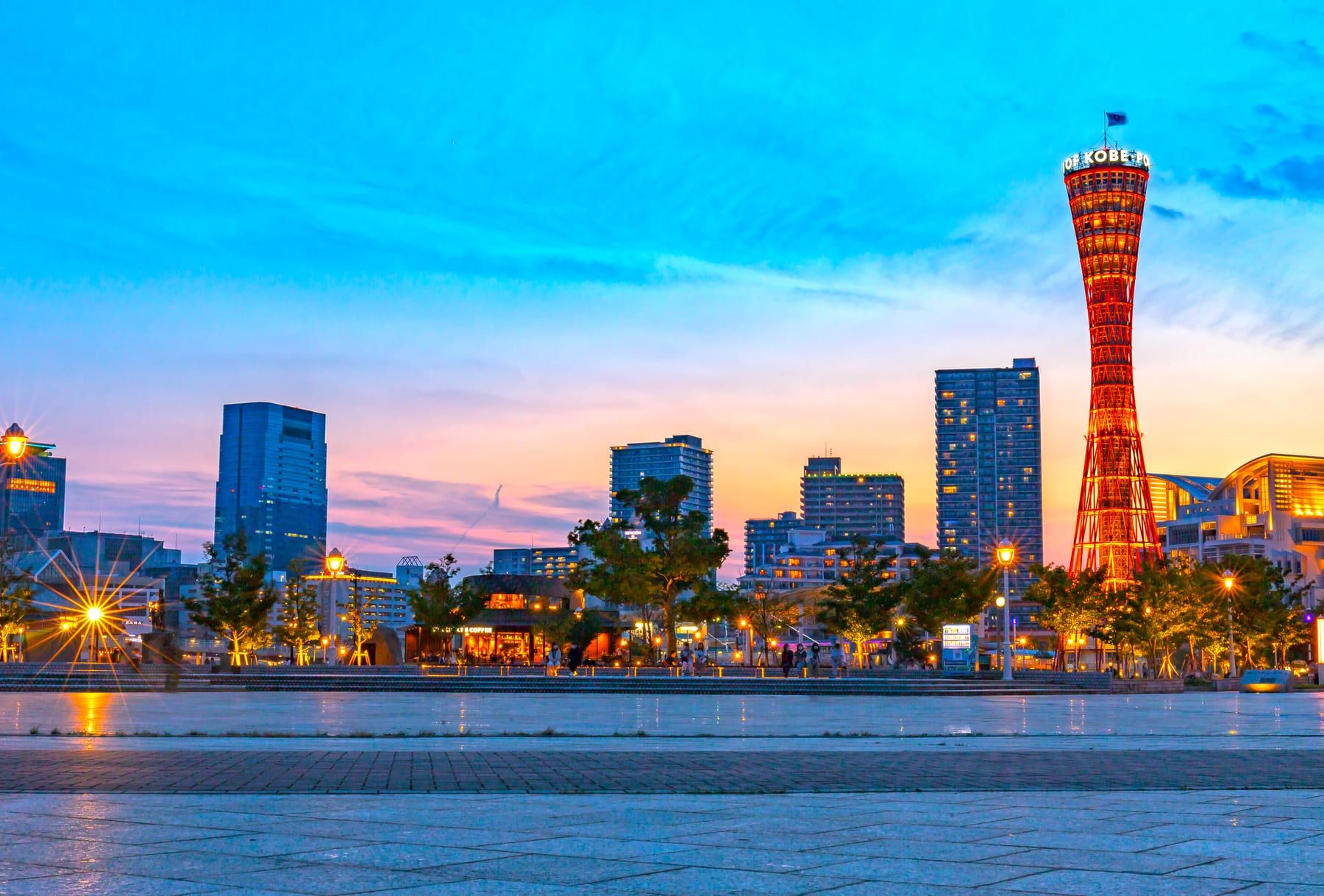
Photo: Thắng Văn / Pexels

What does a trip to Kobe cost?

Adjust the values to your trip: the calculator updates live (EUR, converted from CHF estimates).

3,338 EUR
≈ 1,669 EUR per person
  • Flights 2,140 EUR
  • Accommodation 482 EUR
  • Food 535 EUR
  • Local transport 64 EUR
  • Kobe beef lunch (teppanyaki) 118 EUR

Estimates for orientation, not booking prices. Flights and hotels vary strongly by season: current prices are behind the links below.

Money & payment: You pay in yen (JPY). 1,000 yen is roughly CHF 6 or EUR 6.50. Cards work in cities and hotels; small restaurants, temples and rural stations often want cash. An IC card (Suica or ICOCA) on your phone pays for trains, buses and convenience stores. Flight time: 12 to 14 hours, usually with one stop.

Recommended hotels

Nine options in three price ranges, each among the best-rated on Booking.com.

Budget

Toyoko Inn Kobe Sannomiya No.1

Sannomiya, Kobe

Reliable budget hotel five minutes from Sannomiya station, with small clean rooms and free breakfast. Nothing special, but exactly what you need for one or two nights in Kobe.

from CHF 55 / night (about EUR 59) View →

Hotel Sunroute Sopra Kobe

Sannomiya, Kobe

Business hotel between Sannomiya and the harbour, rooms slightly larger than at the pure budget chains, on a quiet side street. Motomachi and Chinatown are five minutes away on foot.

from CHF 65 / night (about EUR 70) View →

Kobe Sannomiya Union Hotel

Sannomiya, Kobe

Simple, well-kept hotel right by Hankyu Sannomiya station, with small rooms and friendly staff. The most practical budget location for day trips to Himeji, Osaka and Arima.

from CHF 60 / night (about EUR 64) View →

Mid-range

Hotel Okura Kobe

Meriken Park, Kobe

The city's classic grand hotel, 35 floors right on the harbour next to the red Port Tower. Rooms with sea or mountain views, a pool and a Japanese garden. Inexpensive by Okura standards, because Kobe is not Tokyo.

from CHF 150 / night (about EUR 161) View →

Hotel Monterey Kobe

Sannomiya, Kobe

Hotel styled like an Italian monastery with an inner courtyard, fitting for European Kobe. Classic rooms, located between Sannomiya and Kitano. Quieter than the business hotels at the station, with breakfast in the courtyard.

from CHF 110 / night (about EUR 118) View →

Daiwa Roynet Hotel Kobe Sannomiya

Sannomiya, Kobe

Upscale business hotel from the chain with good beds, a desk and washing machines, three minutes from the station. No surprises either way, a solid choice for two to three nights.

from CHF 95 / night (about EUR 102) View →

Luxury

Arima Grand Hotel

Arima Onsen, Kobe

Large onsen hotel above the village with both springs (kinsen and ginsen) in indoor and outdoor pools, kaiseki dinner and a view over the valley. Choose between Western-style and Japanese-style rooms. Comfort rather than intimacy, but reliable.

from CHF 300 / night (about EUR 321) View →

Arima Onsen Taketoritei Maruyama

Arima Onsen, Kobe

Small, top-class ryokan on the hillside above Arima with around 30 rooms, several with their own outdoor bath, kaiseki served in your room and both springs in the house. For the one ryokan night of your trip that you want to remember.

from CHF 550 / night (about EUR 589) View →

Oriental Hotel Kobe

Kyukyoryuchi, Kobe

Successor to the Oriental Hotel founded in 1870, in the district of the old foreign settlement, with dark wood, a library bar and rooms from the 11th floor up with harbour views. Grown-up, quiet and unfussy, right between Motomachi and the harbour.

from CHF 280 / night (about EUR 300) View →

If you book through these links we earn a small commission, at no extra cost to you.

Experiences worth your time

Kobe beef teppanyaki for lunch

Certified Kobe beef cooked on the hot plate in front of you, CHF 45 to 80 at lunchtime instead of CHF 150 in the evening. Book ahead or queue before 11.30 am. Look for the bronze plaque of the Kobe Beef Association.

View & book →

Kitano ijinkan walk

The hillside villa district of the foreign merchants, free from the outside, with two or three houses worth entering for CHF 3 to 6. The Weathercock House and the Uroko House are worth it; the rest is backdrop. Go in the morning before the coaches.

View & book →

Arima Onsen bathing day

The oldest onsen in Japan, 35 minutes from Sannomiya. Kin no Yu (reddish-brown iron water, CHF 4) and Gin no Yu (clear radon water, CHF 3.50), with lanes of rice crackers and foot baths in between. Bring a towel or buy one there for CHF 2.

View & book →

Sake breweries in Nada

Japan's largest sake region with Hakutsuru, Kiku-Masamune and Kobe Shushinkan, museums and tastings free to CHF 3, 15 minutes on the Hanshin line. Guided tours of four breweries from CHF 60 save you the orientation.

View & book →

Night view from Rokko or Maya

One of the three great night views of Japan: Kobe, Osaka and the bay as a sea of lights. Maya cable car CHF 9 return to the Kikuseidai platform, Rokko with cable car and bus CHF 12. Check the last descent beforehand and bring a jacket.

View & book →

Harbour cruise from Meriken Park

45 minutes through the port to the Akashi Kaikyo Bridge, the longest suspension bridge in the world until 2022, CHF 10 to 15. Go at sunset, when the Port Tower and the bridge light up. With dinner on board from CHF 60.

View & book →

Nunobiki Falls and herb garden

A 20-minute walk from Shin-Kobe shinkansen station to the falls, free, then optionally the ropeway up to the herb garden (CHF 11 return including admission). A view over the whole city and a greenhouse with a café.

View & book →

Nankinmachi Chinatown

One of Japan's three Chinatowns, compact, with street stalls selling steamed buns (CHF 3), Peking duck on a skewer and bubble tea. Busy at lunchtime, but cheap. The butaman at Roushouki is worth the queue.

View & book →

Akashi Kaikyo Bridge: Bridge World Tour

A guided walk inside the 300-metre-high suspension bridge up to the tower, with views of Awaji and Osaka, CHF 20, booking required. 20 minutes by JR to Maiko. Free down below: the glass floor of the Maiko Marine Promenade.

View & book →

If you book through these links we earn a small commission, at no extra cost to you.

Food & drink

Kobe means beef, but not only that: with the foreign merchants came bread, patisseries and Western cooking, and to this day Kobe has the best bakeries in the country. Add sake from Nada, Chinatown and sobameshi, the workers' meal from the post-war years.

Kobe beef teppanyaki

Steakland, Mouriya or Wakkoqu, all in Sannomiya

Fillet or sirloin with marbling that melts on the tongue, cooked in front of you on the steel plate, with garlic chips and salt. CHF 45 to 80 at lunchtime, from CHF 120 in the evening.

Tip:The bronze plaque at the entrance shows the certification, and 120 grams is plenty.

Sobameshi

Okonomiyaki restaurants in Nagata, for example around Shin-Nagata station

Fried rice with chopped yakisoba noodles and scraps of meat on the hot plate, invented in Nagata for factory workers. CHF 6 to 9.

Tip:Order it with the dark bokkake sauce of braised tendon; that is the original.

Butaman from Chinatown

Roushouki, Nankinmachi

Steamed buns filled with pork, soft outside and juicy inside. CHF 1 each, a dozen as a gift CHF 10.

Tip:The queue is long but fast, and there are takeaway boxes at the side entrance.

Kobe beef croquette

Butchers in Kitano and on the Motomachi shopping street

A potato croquette with minced Kobe beef, deep-fried and eaten hot out of the paper. CHF 3 to 5, the honest way to Kobe beef for budget travellers.

Tip:Eat it at the stall, not while walking, however tempting it is.

Bread and pastries

Isuzu Bakery or Donq, Sannomiya and Motomachi

Kobe has the highest density of bakeries in Japan, ever since Donq introduced the baguette here in 1905. Croissant CHF 2.50, melonpan CHF 2, breakfast with coffee CHF 7.

Tip:Isuzu is open 24 hours, so you are covered even for the night train to the airport.

Tansan senbei

Mitsumori Honpo, Arima Onsen

Thin, crispy wafer crackers baked with Arima's carbonated spring water, with almost no sugar. A tin CHF 5 to 8.

Tip:Some shops let you try them fresh off the iron for free, with a shelf life of about five seconds.

Sake from Nada

Hakutsuru Museum and Kobe Shushinkan, Nada

Dry, clean sake made with the hard miyamizu water, from Hakutsuru to small breweries. Tastings free to CHF 3, bottles from CHF 8.

Tip:Kobe Shushinkan's Fukuju is served at the Nobel Prize banquet, and the brewery has a restaurant.

Akashiyaki

Uontana market in Akashi or restaurants in Sannomiya

The forerunner of takoyaki from neighbouring Akashi: softer egg batter balls with octopus, dipped in dashi instead of topped with sauce. 20 pieces CHF 5 to 7.

Tip:Akashi is 15 minutes west by JR, and the Uontana fish market is worth the detour.

Book a food tour: Kobe

Through markets and eateries with a guide, tastings included.

View & book →

If you book through these links we earn a small commission, at no extra cost to you.

History & background

For centuries Kobe was a small port called Hyogo, from which Taira no Kiyomori traded with Song China in the 12th century; in 1180 he even made it the capital for half a year. The city's real story begins in 1868: after the unequal treaties with the Western powers, Kobe was opened as a treaty port, and merchants from England, Germany, the USA and China built their villas on the slopes of Kitano, which you can visit today as the ijinkan. With the foreigners came bread, beer, jazz, golf (Japan's first course was laid out on Mount Rokko in 1903) and the habit of eating beef, which the Japanese had barely touched until then. The meat of Tajima cattle from the mountains of Hyogo caught the attention of the Europeans, and so a working animal became a global brand. Kobe grew into the largest port in Asia, survived the bombing of 1945 and in the 1970s was the busiest container port in the world. On 17 January 1995 at 5.46 am the Great Hanshin earthquake destroyed large parts of the city; 6,434 people died and the Hanshin Expressway toppled over. Rebuilding took ten years and the port never regained its rank, but Kobe became the city with the highest quality of life in Japan, with the sea in front, the mountains behind and the country's oldest onsen, Arima, in between.

Insider tips

Getting there and around: three railways, one centre

Three railways run from Osaka to Kobe, all reaching the central Sannomiya station in around 30 minutes: the JR Special Rapid (CHF 2.70, about EUR 2.90, the fastest), Hankyu from Umeda (CHF 2, comfortable trains with wood-effect interiors) and Hanshin from Umeda or Namba (CHF 2). From Kyoto it takes 50 minutes by JR (CHF 6.50). The shinkansen stops at Shin-Kobe, which sits above the city and is linked to Sannomiya by subway; from Tokyo it is 2 hours 45 minutes for CHF 90. From Kansai Airport the limousine bus takes 65 minutes to Sannomiya for CHF 12, or you take the Bay Shuttle high-speed ferry in 30 minutes to Kobe Airport and then the Port Liner from there (CHF 11 together, with a discount for foreign visitors). Kobe is narrow: there are only two to three kilometres between the mountains and the sea, and everything from Kitano via Sannomiya to the harbour is walkable. To Arima Onsen take the subway to Tanigami and continue on the Kobe Dentetsu, 35 minutes for CHF 4, or cross the mountain on the Rokko ropeway. ICOCA works everywhere.

Kobe beef: honest prices and where it is genuine

Kobe beef is a protected name: Tajima cattle born, raised and slaughtered in Hyogo, with a marbling grade of 6 or higher, each animal with a ten-digit number. Only around 5,000 animals a year qualify. That explains the price: a teppanyaki dinner with 150 grams of Kobe fillet or sirloin costs CHF 120 to 220 (about EUR 128 to 235) per person in a certified restaurant, and lunch menus with 100 to 130 grams CHF 45 to 80. Anything cheaper is either "Kobe style", uncertified Tajima beef, or not wagyu at all. Certified restaurants display the bronze plaque of the Kobe Beef Association, and a list is on its website. Well-known addresses with a plaque are Steakland (cheapest lunch menu from CHF 40, but with a queue), Mouriya, Wakkoqu and Ishida. Our honest take: the lunch menu at a certified teppanyaki restaurant gives the best value for the experience, and 120 grams is more than enough because of the marbling. The Kobe beef burgers for CHF 15 and croquettes for CHF 3 in Kitano are nice snacks but not comparable with the steak. And uncertified Tajima beef is often almost as good and costs half as much.

Where to stay: Sannomiya, the harbour or a night in Arima

Kobe is cheaper than Kyoto and Osaka, because most people only come on a day trip. Business hotels in Sannomiya from CHF 55 (about EUR 59), mid-range from CHF 90, hotels by the harbour with a sea view from CHF 130. Sannomiya is the station where every line stops, the nightlife starts right behind it, and Kitano is 15 minutes uphill. If you want peace and a view, stay by Meriken Park overlooking the red Port Tower. The special experience is a night in Arima Onsen, 35 minutes from Sannomiya: a ryokan with kaiseki and the two famous springs (kinsen, the iron-rich reddish-brown water, and ginsen, the clear radon water). Prices per person with half board are CHF 180 to 350, more in the big houses such as Taketoritei Maruyama or Tocen Goshobo. If you do not have a ryokan budget, use the public baths Kin no Yu (CHF 4) and Gin no Yu (CHF 3.50) as a day visitor and sleep in Kobe. For families Kobe is more relaxed than Osaka: wide pavements, the harbour promenade and the Animal Kingdom on Port Island.

Cost traps: beef marketing, ropeways, ijinkan

The biggest trap is the meat: restaurants around Sannomiya advertise "Kobe beef" for CHF 30 (about EUR 32) but serve wagyu from other prefectures or inferior cuts. Without a plaque and certificate number it is not Kobe beef. The second trap: the ijinkan in Kitano. 15 villas each charge CHF 3 to 6 admission, combination tickets cost CHF 10 to 20, and half of them are disappointing inside (dolls, perfume sales). Two are really worth it: the Weathercock House (a German residence from 1909, open again after renovation) and the Uroko House with its view. The rest look better from outside. Third trap: the Shin-Kobe ropeway to the herb garden costs CHF 11 return; the garden is pretty, but the Rokko ropeway and the view from the Rokko summit (Garden Terrace) are the better experience for CHF 12 including the bus. The night view from Rokko or Maya, one of the "three great night views of Japan", is free, and the cable car up runs until about 9 pm. Cheap and good: Nunobiki Falls, right behind the shinkansen station, a 20-minute climb that costs nothing.

Timing: Kobe works all year round

Kobe depends less on weather and season than Kyoto. The cherry blossom in early April is lovely along the Ikuta River and in Shukugawa Park, without being overrun. May and October are mild and clear, when you can see from Rokko to Osaka and Wakayama. Summer is hot, but there is a breeze at the harbour, and in mid-July there are the harbour fireworks (Minato Kobe Kaijo Hanabi, date varies). Arima Onsen is at its best in autumn: in mid-November the maples turn colour in Zuiho-ji Park and the ryokan are booked out, so book on weekdays. Kobe Luminarie, a light installation in memory of the 1995 earthquake, used to be held in December and since 2024 takes place at the end of January; the crowds are considerable. Winter is dry and mild, 5 to 10 degrees, and an onsen day in Arima in the cold is better than in summer. In February and March Nada has its season for freshly pressed sake (shinshu), when the breweries invite you in for tastings.

Underrated: Nada, Shinkaichi and the night view from Maya

Nada, between Kobe and Nishinomiya, is Japan's largest sake region: a third of all sake comes from here, because the water (miyamizu) and the rice from Hyogo are just right. The breweries Hakutsuru, Kiku-Masamune, Sawanotsuru and Kobe Shushinkan (Fukuju) have museums and tastings, most of them free or CHF 3 (about EUR 3), and are 15 minutes from Sannomiya on the Hanshin line. An afternoon at three breweries costs you CHF 10 and is the most honest look into Japan's drinking culture. Shinkaichi in the west was once the entertainment district and is now the area of cheap izakaya, standing bars and old cinemas, with beer for CHF 2.50 and no tourists. And the night view: everyone goes up Rokko, but the Kikuseidai platform on Mount Maya (cable car from Maya Cable station, CHF 9 return) is closer to the city, with the lights spread out right below you. The view counts as one of the three most beautiful night views in Japan, and for once the claim is true. The last descent is at 5.30 pm or 8.50 pm depending on the season, so check beforehand.

Frequently asked questions about Kobe

How many days should you plan for Kobe?

One full day is enough for Kitano, the harbour, a Kobe beef lunch and the night view from Rokko or Maya. With Arima Onsen and the Nada sake district it becomes two days, ideally with a night in a ryokan in Arima. As a day trip from Osaka (30 minutes) or Kyoto (50 minutes), Kobe also works well without staying overnight.

What does genuine Kobe beef cost?

At lunchtime in a certified teppanyaki restaurant CHF 45 to 80 (about EUR 48 to 86) for 100 to 130 grams with sides, in the evening CHF 120 to 220 for 150 to 200 grams. Anything well below that is not certified Kobe beef. Look for the bronze plaque of the Kobe Beef Association and the ten-digit animal number, which you will be shown on request. Uncertified Tajima beef is a good alternative at half the price.

Is Arima Onsen worth it?

Yes, it is the oldest onsen in Japan and 35 minutes from Kobe. As a day visitor you bathe at Kin no Yu (CHF 4, about EUR 4) or Gin no Yu (CHF 3.50), and many ryokan open their baths at midday for CHF 10 to 25. The village is small, with steep lanes, senbei bakeries and foot baths. A night with kaiseki costs from CHF 180 per person.

Can you combine Kobe with Himeji?

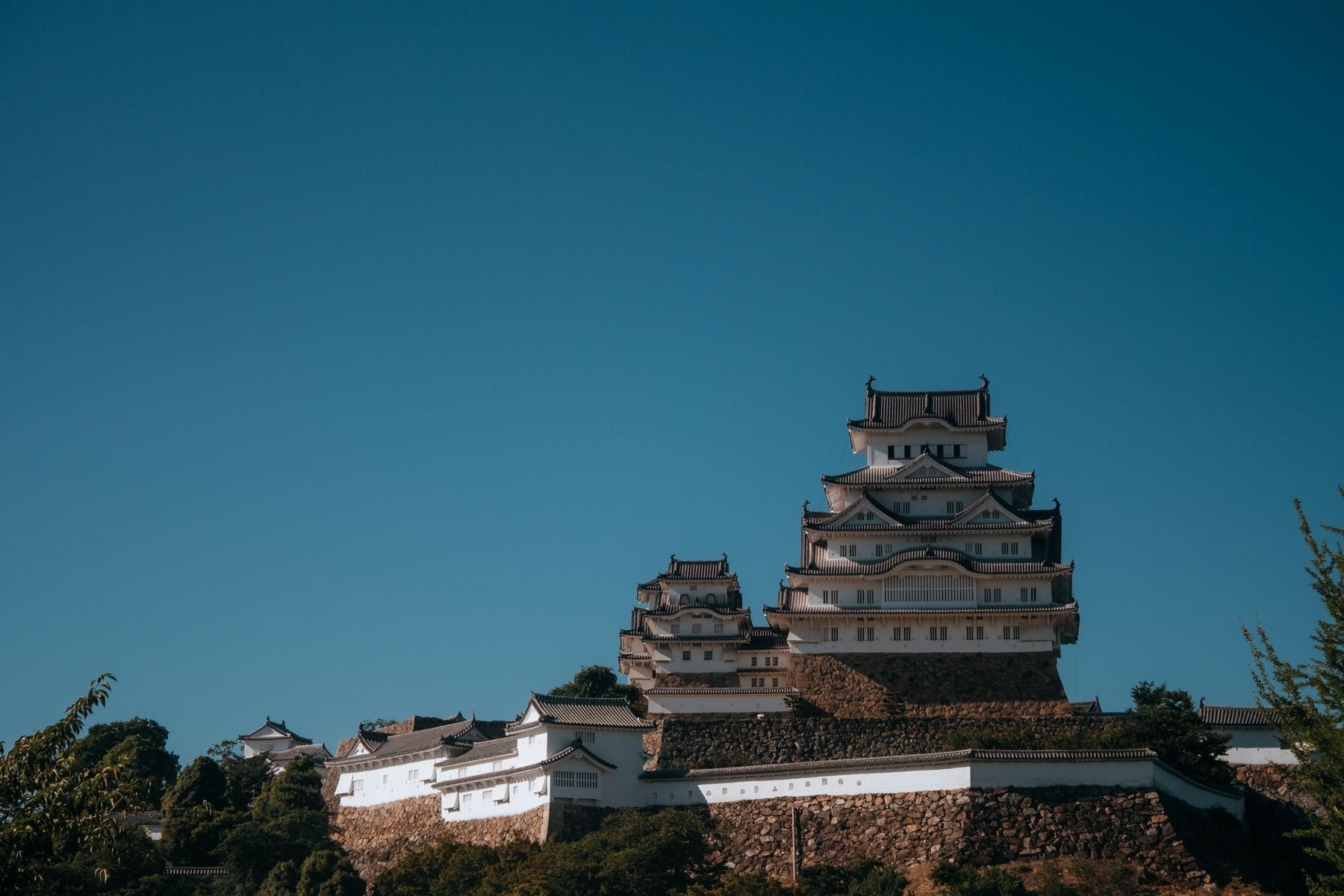
Very well, in fact. Himeji is 40 minutes west of Kobe by JR (CHF 6, about EUR 6) or 15 minutes by shinkansen from Shin-Kobe (CHF 20). A day plan: Himeji Castle at opening time at 9 am in the morning plus Koko-en, back to Kobe for a late Kobe beef lunch, Kitano in the afternoon and the view from Rokko in the evening. That is a long but rewarding day.

Can you still feel the 1995 earthquake?

Hardly; the city has been completely rebuilt. Two places deliberately keep the memory alive: the Earthquake Memorial Park at Meriken Park has left a section of destroyed quay wall in its original state, free of charge. The Disaster Reduction and Human Renovation Institution in HAT Kobe (CHF 4) shows vividly what happened in the first seconds. Both are worth it to understand the city.

Which areas are good to stay in?

Sannomiya is the transport hub with all the railways, restaurants and nightlife, the most practical choice. Kitano on the slope is quieter, with villas and cafés, but uphill. The harbour around Meriken Park has the nicest hotels with sea views. Motomachi, between the two, is on the shopping street and near Chinatown. Arima Onsen for the ryokan night.

Itineraries with this destination

More destinations in Kansai