Piece Hostel Sanjo
Stylish hostel within walking distance of Nishiki Market and the Kamo riverside promenade. Dorm beds and small double rooms, a shared kitchen and a café on the ground floor. The best address in Kyoto for solo travellers.
Japan · Kansai · Travel guide
What a week in the old imperial city really costs, when you need to be at which temple to actually see it, and why a bike beats the bus here.
Photo: Emanuele Ricciardi / Pexels
Adjust the values to your trip: the calculator updates live (EUR, converted from CHF estimates).
Estimates for orientation, not booking prices. Flights and hotels vary strongly by season: current prices are behind the links below.
Money & payment: You pay in yen (JPY). 1,000 yen is roughly CHF 6 or EUR 6.50. Cards work in cities and hotels; small restaurants, temples and rural stations often want cash. An IC card (Suica or ICOCA) on your phone pays for trains, buses and convenience stores. Flight time: 12 to 14 hours, usually with one stop.
Nine options in three price ranges, each among the best-rated on Booking.com.
Budget
Stylish hostel within walking distance of Nishiki Market and the Kamo riverside promenade. Dorm beds and small double rooms, a shared kitchen and a café on the ground floor. The best address in Kyoto for solo travellers.
A classic Japanese business hotel, three minutes from the station: small, clean rooms, a good bed and a large bath on the roof. Unbeatable location for day trips to Osaka, Nara and Himeji.
Capsule hotel from the well-known chain, right in the Teramachi shopping arcade. Clean capsules, separate floors for women and men, good showers. Not for couples, but for one or two nights an experience that belongs to Japan.
Mid-range
Solid mid-range hotel at Shijo subway station with a shared bath in the garden that takes the temple days out of your legs in the evening. Rooms larger than usual, good breakfast with Kyoto dishes.
Newer hotel in machiya style between the Kamo River and Nishiki Market, with tatami elements in the rooms and a quiet inner courtyard. Gion is ten minutes away on foot.
Dormy Inn with the familiar package: onsen bath on the roof, free ramen in the evening and a good breakfast buffet. Directly opposite the station, ideal as a base for the whole Kansai region.
Luxury
Owned by the same family for more than 300 years and the most famous ryokan in Japan. 18 rooms with their own garden, kaiseki served in your room, service that anticipates every wish. Only for a few nights, but then without compromise.
Opposite the Tawaraya, run since 1818 and a little more accessible: traditional rooms in the main house, more modern ones in the new wing, kaiseki of the highest standard. Kawabata and Chaplin stayed here.
On the slopes of Higashiyama next to Kodai-ji, with a view of the Yasaka Pagoda. A small house with 70 rooms, the Japanese restaurant Kyoyamato on the grounds and a bar with a city view. Luxury without tatami, but with a perfect location.
If you book through these links we earn a small commission, at no extra cost to you.
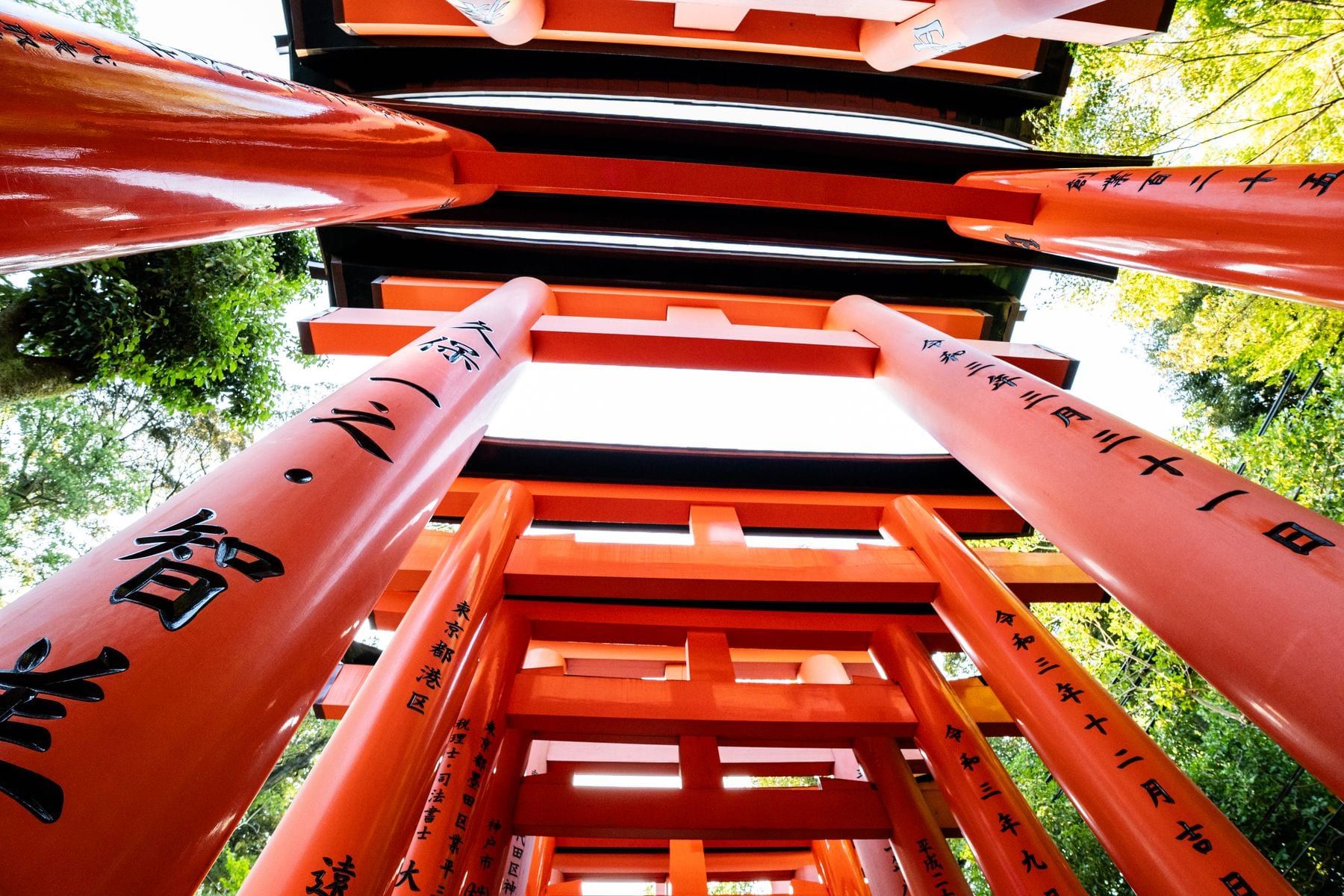
Thousands of red gates winding up the mountain, open around the clock and free. Before 7 am you have the gates almost to yourself; from 9 am you are in a column. The summit takes 2 to 3 hours, but most people turn back after 20 minutes.
An hour's introduction to the way of tea with matcha and wagashi, from CHF 25 per person. Small groups in Higashiyama or Nishijin are better than the big shows at Kiyomizu-dera. Book ahead; sitting on tatami is part of the programme.
The bamboo grove before 8 am, then the Zen garden of Tenryu-ji (admission CHF 3) and the climb to Iwatayama Monkey Park (CHF 4). 15 minutes from Kyoto on the JR Sagano line. In the afternoon the village is overrun.
The Golden Pavilion (admission CHF 3) is the most photographed building in Kyoto; the rock garden of Ryoan-ji is 20 minutes away on foot and demands calm. Visit both right at opening time at 9 am, then move on to Daitoku-ji.
Hanamikoji, the Shirakawa canal and Pontocho after dark, when the lanterns come on. With a guide you understand what goes on behind the wooden facades. Photography is banned in the private lanes, and geiko are not photo subjects.
Make dashi, tamagoyaki, pickled vegetables or sushi yourself, two to three hours from CHF 60. Classes in private homes are more personal than the big schools. A good option for a rainy day.
Shogun residence from 1603 with the "nightingale floors" that chirp with every step, admission CHF 8 including the palace. The audio guide is worth it. Less crowded than the temples in the east; allow 90 minutes.
After Nada, Fushimi is one of the great sake centres of Japan. The Gekkeikan brewery museum with a tasting costs CHF 4, followed by a guided tour through the brewery lanes with three to five samples from CHF 50. Easy to combine with Fushimi Inari.
Byodo-in, matcha teahouses and the oldest shrine in Japan, 20 minutes by train. Guided with a tea mill visit and tasting from CHF 70, or on your own for CHF 15 in half a day.
If you book through these links we earn a small commission, at no extra cost to you.
Kyoto is the capital of refined Japanese cooking: kaiseki, tofu, yuba, pickled vegetables and matcha all come from here. Much of it is quiet and subtle rather than loud and deep-fried as in Osaka. It does not have to be expensive if you eat at lunchtime and know the market.
A menu of eight to twelve seasonal courses where presentation matters as much as taste. Lunch from CHF 40, dinner CHF 90 to 180, three-star houses from CHF 250.
Tip:The lunch menu is the same cooking at half the price.
Silken tofu in hot kombu broth with ponzu and spring onions. Sounds plain, but in Kyoto it is an art of its own. CHF 20 to 35 as a set menu.
Tip:The places near Nanzen-ji sit in old gardens, and you pay for that too.
Kyoto home cooking: small bowls of seasonal vegetables, fish and tofu, often served as a set. CHF 10 to 18 at lunchtime.
Tip:Look for display cases with little bowls at the entrance, then you are in the right place.
Buckwheat noodles in hot broth with sweetly braised herring, a Kyoto invention from the 19th century. CHF 8 to 12.
Tip:Matsuba invented the dish in 1882, and the queue moves quickly.
Green tea in every form: soft serve, jelly, castella and mochi, layered in a glass. CHF 8 to 14, a little cheaper in Uji.
Tip:Queues are longest in the afternoon between 2 and 4 pm.
A thick, slightly sweet omelette made with dashi, fresh from the pan on a skewer. CHF 2 to 4.
Tip:Eat at the stall, not while walking; that is the rule at the market.
Pickled vegetables, which in Kyoto are a science, as shibazuke, senmaizuke and suguki. Free to taste, a small bag from CHF 4.
Tip:Vacuum-packed, it survives the flight home without any trouble.
Triangular mochi parcels with cinnamon and bean paste, Kyoto's number one souvenir. A box costs CHF 4 to 8.
Tip:The baked version keeps longer than the soft one.
Through markets and eateries with a guide, tastings included.
If you book through these links we earn a small commission, at no extra cost to you.
Kyoto was founded in 794 as Heian-kyo, when Emperor Kanmu moved the court away from Nara because the Buddhist monasteries there had grown too powerful. The new city was laid out as a grid modelled on the Chinese Tang capital Chang'an, and you can still see that grid today when you cycle along the numbered streets. For more than a thousand years, until 1868, Kyoto remained the seat of the emperor, even if real power often lay elsewhere: with the Fujiwara regents, or with the shoguns in Kamakura and Edo. The Heian period produced The Tale of Genji by the court lady Murasaki Shikibu, often called the oldest novel in the world. During the Onin War from 1467 to 1477 the city burned almost completely, which is why many "old" temples are reconstructions from the 16th and 17th centuries. The Ashikaga shoguns left behind Kinkaku-ji and Ginkaku-ji, Toyotomi Hideyoshi reorganised the city around 1590, and in 1603 the Tokugawa built Nijo Castle as a show of power towards the court. In 1868 the emperor moved to Tokyo; Kyoto lost importance and gained patina. In the Second World War the city was on the target list for the atomic bomb and was reportedly removed at the urging of Secretary of War Stimson, who knew it from a visit. That is how around 1,600 temples, 400 shrines and entire districts of wooden houses survived. Since 1994, 17 sites have been part of the UNESCO World Heritage list.
From Kansai Airport (KIX) the JR Haruka express takes you straight to Kyoto in 80 minutes, around CHF 20 (about EUR 21) one way, and noticeably cheaper with the online discount ticket for foreign visitors. From Tokyo the Nozomi shinkansen gets you here in 2 hours 15 minutes, around CHF 85 one way. Since the 2023 price increase, the Japan Rail Pass only pays off if you cover at least Tokyo, Kyoto and Hiroshima within a week. In the city itself, the bus system is good on paper and a problem in reality: lines 100 and 206 to the big temples are so packed from 10 am that you will not even get on with luggage. Kyoto is flat, the streets are a grid, and a rental bike costs CHF 6 to 10 a day. From Gion it is 20 minutes to Ginkaku-ji and 35 minutes to Kinkaku-ji. The two subway lines (Karasuma, Tozai) are useful for north to south trips, and the Keihan line takes you to Fushimi Inari and Uji. An ICOCA card on your phone or from the machine (CHF 12 including a CHF 3 deposit) pays for everything.
In 2024 Kyoto had more than 50 million visitors for 1.4 million residents, and you feel it most in three places: Gion, Fushimi Inari and Arashiyama. Fushimi Inari is open around the clock and free. Be there at 6.30 am and you will have the first thousand red gates almost to yourself; from 9 am you shuffle along in a column. If you walk to the summit (2 to 3 hours there and back), you lose most of the crowd after the first third. The same goes for the bamboo grove in Arashiyama: before 8 am or after 5 pm, otherwise it is a selfie corridor. Since 2024, taking photos in the private lanes of Gion has been banned, and the fines are meant seriously. Geisha (called geiko here) and maiko are not an attraction but women on their way to work; harassing them harms everyone. Avoid Kiyomizu-dera completely between 10 am and 4 pm and go to Nanzen-ji or the Philosopher's Path behind Ginkaku-ji instead. The basic rule: big names before 8 am or after 4 pm, and during the day the temples without an Instagram reputation, of which Kyoto has hundreds.
Kyoto has become the most expensive hotel city in Japan. A double room in a business hotel (APA, Dormy Inn, Daiwa Roynet) costs CHF 70 to 100 (about EUR 75 to 107) in the low season, and double that during cherry blossom season and in November. The real Kyoto experience is a machiya, a renovated wooden townhouse that you rent as a whole: tatami, wooden bath, a small inner garden, from CHF 150 a night for two to four people. A ryokan with kaiseki dinner and breakfast costs CHF 250 to 400 per person, and the famous houses Tawaraya and Hiiragiya CHF 600 and more. Our advice: one or two ryokan nights for the experience, the rest in a hotel or machiya. On location: between Shijo-dori and Gion you are central but in the noise. Quieter and well connected is the area around Kyoto Station, where all the lines leave from. Higashiyama is lovely in the evening and packed during the day. If you have more than three days in Kyoto, you can also stay in Fushimi or Nishijin, where prices are a third lower.
Kaiseki is Japanese haute cuisine, eight to twelve seasonal courses, and Kyoto is its home. The honest prices: a kaiseki lunch in a good restaurant costs CHF 40 to 70 (about EUR 43 to 75), dinner CHF 90 to 180 per person, and in three-star houses such as Kikunoi Honten CHF 250 and more, booked weeks ahead through your hotel. The trick is the lunch menu: same kitchen, half the price. Temple fees add up at CHF 3 to 6 per temple; on a full day with five temples you are at CHF 25, and in autumn many gardens charge extra again for the evening illuminations. Taxis have been more expensive since 2023: CHF 3 base fare, a ride across town CHF 15 to 20. With two or three people that still beats crowded buses. The colourful matcha desserts in Gion and on Ninenzaka cost CHF 8 to 12, the same matcha soft serve at a konbini CHF 2. And the "kimono experiences" at Kiyomizu-dera from CHF 25 are fine, it is just that the city now expects you to behave decently while wearing one.
In Kyoto the cherry blossom usually falls in the first week of April, and the peak of the autumn leaves (momiji) in the second half of November. Both are wonderful, and both double hotel prices and triple the crowds. Our honest alternatives: at the end of March the plum blossom is over and the first cherries are opening, with fewer people around. In early December there are still red leaves in the gardens and prices are back to normal. Golden Week (29 April to 5 May) and Obon (mid-August) are Japanese holidays, when the whole country travels. Avoid both, no exceptions. June is the rainy season (tsuyu), which in Kyoto means humid heat, but hydrangeas and moss gardens at their best and empty temples. July and August are brutally hot, 35 degrees at 80 per cent humidity, but you get the Gion Matsuri with its huge floats on 17 July. January and February are cold, dry and as quiet as Kyoto ever gets; with luck there is snow on Kinkaku-ji.
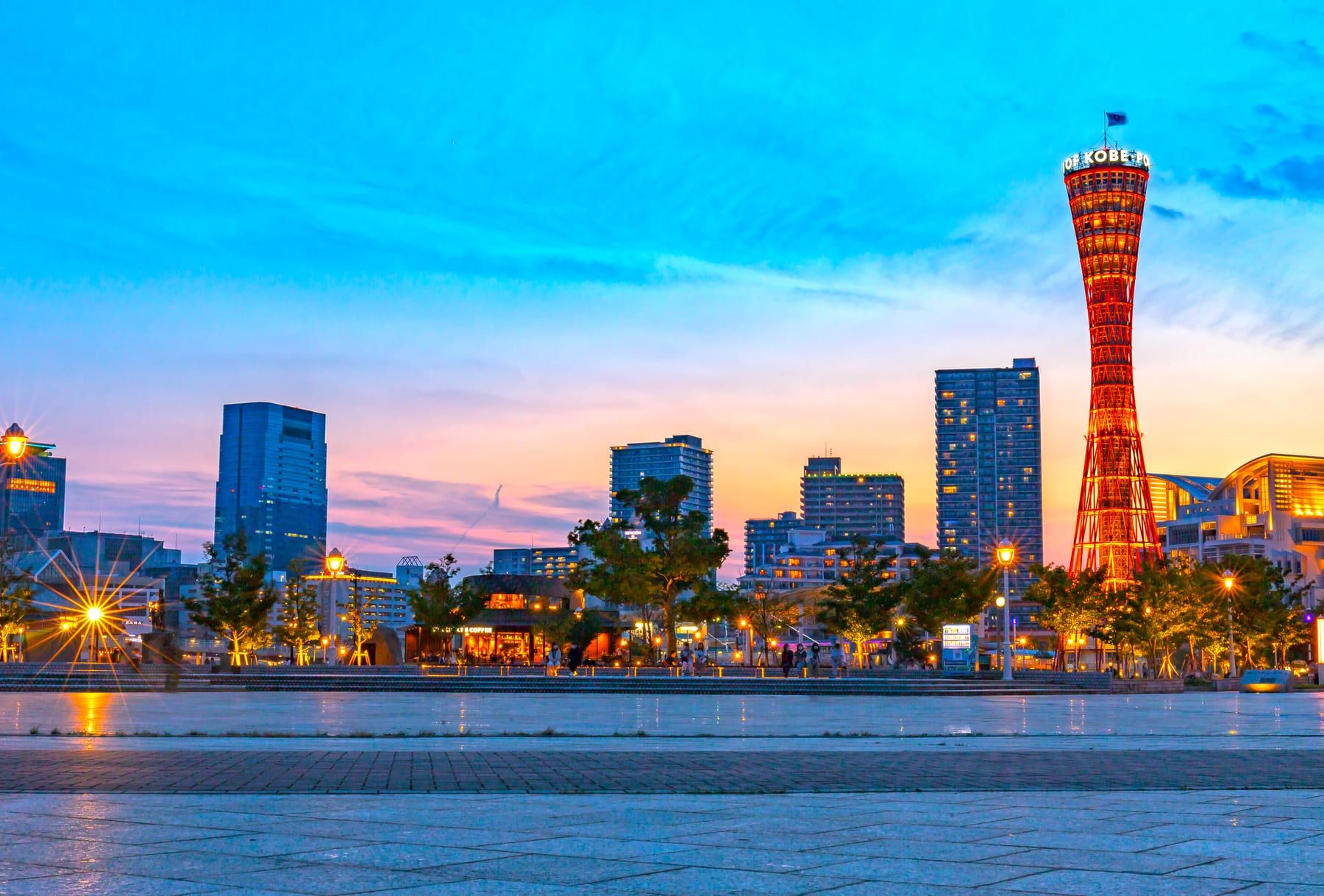
Nishiki Market is a 400-metre covered lane with 130 stalls, "Kyoto's kitchen". Come before 10 am or after 4 pm, eat at the stall rather than while walking, and try the tamagoyaki at Miki Keiran and the pickled vegetables. The second underrated part is the northwest: Daitoku-ji is a complex of 20 Zen temples with rock gardens that hardly anyone visits because Kinkaku-ji next door gets all the attention, and the weaving district of Nishijin has most of the surviving machiya. For a day trip you have two directions. Uji is 20 minutes south by Keihan or JR (CHF 2, about EUR 2) and is the town of matcha: Byodo-in with its Phoenix Hall from 1053 (admission CHF 4), teahouses serving matcha and a sweet for CHF 6 to 10, and the Ujigami Shrine, the oldest shrine building in Japan. The alternative is the mountains: take the Eizan line from Demachiyanagi to Kurama in 30 minutes (CHF 3), climb up to Kurama-dera, then walk 90 minutes over the mountain down to Kibune, where in summer people eat on platforms above the river (CHF 30 to 60). Kurama has an onsen with an outdoor pool for around CHF 15.
Four full days is a good rule of thumb: one day for Higashiyama and Gion, one for Arashiyama, one for Fushimi Inari plus Uji or Nara, and one for the northwest with Kinkaku-ji, Ryoan-ji and Daitoku-ji. If you use Kyoto as a base for Osaka, Nara, Kobe and Himeji, a week is easy to fill. Less than two days just means standing in queues.
Late March to mid-April and mid-October to the end of November are the most beautiful times, but also the most expensive and the most crowded. For a good balance of weather, price and calm we recommend May after Golden Week, the second half of September or early December. January and February are cold, cheap and empty.
No, not at the moment. Swiss flies direct to Tokyo; to Osaka Kansai (KIX) you need one change, for example via Istanbul, Doha, Dubai, Helsinki or Beijing, taking 14 to 17 hours. Fares start at CHF 950 (about EUR 1,017) in the low season. Alternative: fly direct to Tokyo and continue by shinkansen, which costs CHF 85 extra but often saves connection time.
Swiss, German and Austrian nationals do not need a visa for tourist stays of up to 90 days. You fill in the immigration and customs declaration online in advance (Visit Japan Web), which saves time at the airport. Your passport must be valid for the length of your stay, and you may be asked for a return ticket. Fingerprints and a photo are taken at the airport; at Kansai this rarely takes longer than 30 minutes.
Food and transport cost about the same, but hotels are more expensive in Kyoto because demand outstrips supply. Expect CHF 120 (about EUR 128) for a mid-range double room compared with CHF 110 in Tokyo, and considerably more in peak season. On the other hand, you spend less on transport in Kyoto if you cycle. With CHF 110 to 130 per person per day, flights excluded, you will get by comfortably.
Yes, for one or two nights. You get a tatami room, a yukata, kaiseki dinner and breakfast, and usually a bath too. Dinner is often fixed at 6 pm, check-in is by 5 pm at the latest, shoes come off at the entrance, and the futon is rolled out in the evening. Tattoos usually have to be covered in the shared bath; many ryokan offer private baths you can book.
Tokyo · Hakone · Kyoto · Nara · Osaka
Big city, first ryokan night, temples, deer and street food in twelve days: the route for a first visit to Japan, entirely by train and with no backtracking.
Tokyo · Matsumoto · Takayama · Shirakawa-go · Kanazawa · Kyoto
Black castle, wooden town, thatched roofs and the samurai city by the sea: the round trip for anyone who wants to see Japan between the big cities, with no hire car at all.
Tokyo · Yokohama · Kyoto · Nara · Osaka
Robots, a noodle museum, deer, Super Nintendo World and konbini food that children love: the Golden Route in its family version, with fewer temples and more breaks.
Osaka · Kobe · Kyoto · Nara
Japan's kitchen in 60 kilometres: street food in Osaka, beef and sake in Kobe, kaiseki in Kyoto and rice cakes in Nara, all by suburban train and without the hassle of moving on.
The main cherry blossom season: in Fukuoka and Tokyo the blossoms usually open around 24 March, full bloom follows a week later, and Kyoto and Osaka are a few days behind. The full display lasts only about a week before the petals rain down. The classics are Ueno Park, the Meguro River and Shinjuku Gyoen in Tokyo (reservation required there in season), the Philosopher's Path and Maruyama Park in Kyoto, illuminated at night. Hanami means a picnic under the trees, and supermarkets sell bento boxes made for it. Weather services such as Weathernews and the Japan Meteorological Corporation publish weekly forecasts from January.
For travellers: Kyoto is the most expensive place in Japan during these two weeks; book hotels six months ahead or sleep in Osaka. Plan with a buffer: the forecast can still shift by a week in March.
Japan's most famous festival runs the whole of July, with two highlights: on 17 July, 23 festival floats (yamaboko) up to 25 metres tall roll through the city centre, and on 24 July eleven more follow. Dozens of men pull the multi-tonne floats on ropes, and at the crossings they are jerked around the corner on wet bamboo mats. On the three evenings before each (yoiyama), Shijo and Karasuma streets are pedestrianised with thousands of food stalls and lit floats, and old merchant houses display their treasures. Watching is free; grandstand seats on procession day cost around CHF 30 to 40 (about EUR 32 to 43) through the city tourism office. It is hot and humid, 33 degrees is normal.
For travellers: Kyoto is sold out and expensive around 17 July, while Osaka is 30 minutes away; be on the route by eight on procession day, or look at the floats up close on the evenings before, which is more relaxed.

At Obon the souls of the ancestors return home for three days, and half of Japan returns to its hometowns with them. Obon is not a public holiday, but most companies close for the best part of a week around Mountain Day (11 August), and travel reaches its third peak of the year after New Year and Golden Week: shinkansen at 150 percent occupancy, traffic jams, domestic flights at double the price. Sights stay open; small restaurants in provincial towns close. Bon odori is danced everywhere in the evenings, in Kyoto the Daimonji fires burn on five mountains at 8 pm on 16 August, and lanterns are set afloat on rivers. Add 35 degrees and typhoon risk.
For travellers: Reserve shinkansen seats a month ahead when sales open, or do not travel at all on the peak days of 13 and 16 August; the bon odori evenings at village shrines are open to everyone and a highlight of any summer trip.
Japan's second great season, quieter than the cherry blossom but just as crowded in Kyoto: maples and ginkgos turn from north to south, in Nikko first at altitude around Lake Chuzenji (early October), then around the Toshogu Shrine from late October to mid-November. Kyoto usually peaks around 20 to 30 November: Tofuku-ji with the Tsutenkyo bridge, Eikando and Kiyomizu-dera with evening illuminations, Arashiyama with the Sagano scenic railway. Tokyo's gardens such as Rikugien follow until early December. Forecasts appear from September, and the colours last around two weeks, much longer than the cherry blossom.
For travellers: Kyoto hotels in late November cost as much as in cherry blossom season, so book early or sleep in Osaka; visit Tofuku-ji and Arashiyama before nine on weekends, and expect the Irohazaka hairpins in Nikko to be jammed for hours on autumn weekends.
What a few days in Japan's kitchen really cost, why Osaka is a better base for Kansai than Kyoto, and how to eat takoyaki, kushikatsu and okonomiyaki in the right order.
What Japan's first capital really costs, why you should stay longer than the four hours the tour groups give it, and how to feed the deer without getting bitten.
What the port city between mountains and sea really costs, how to eat Kobe beef without paying CHF 200, and why Arima Onsen is the best bathing day in all of Kansai.
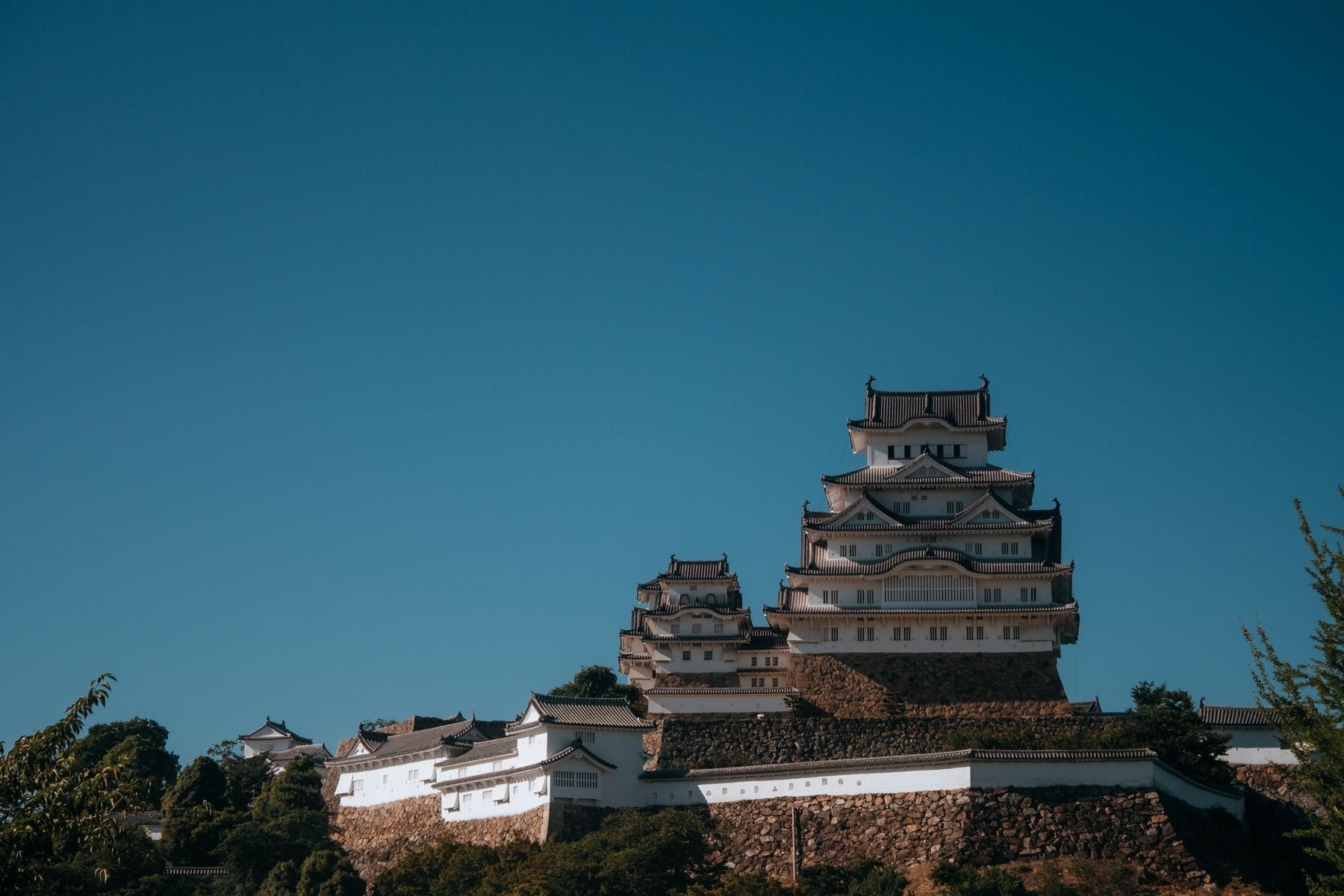
What Japan's most beautiful castle really costs, why you should be at the gate at 9 am, and how to turn the day trip into a day that is more than just a castle.