Japan · Food · 7 days

Kansai Food Trip

Japan's kitchen in 60 kilometres: street food in Osaka, beef and sake in Kobe, kaiseki in Kyoto and rice cakes in Nara, all by suburban train and without the hassle of moving on.

The route, day by day

  1. Day 1 to 3

    Osaka: takoyaki, kushikatsu and eating standing up

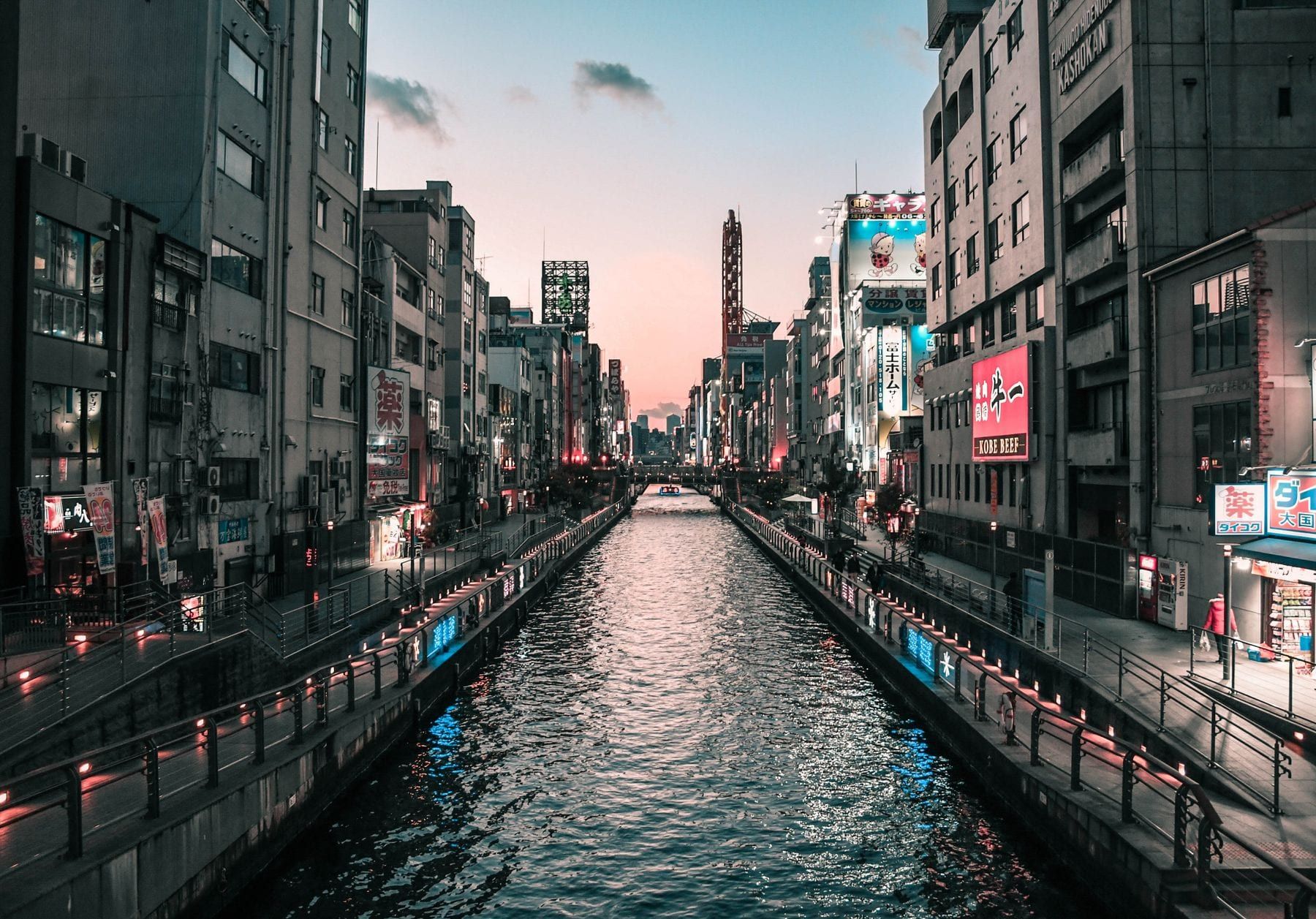
    Osaka calls itself Japan's kitchen, and the motto is kuidaore, eating yourself into ruin. You land at Kansai, take the Nankai to Namba (40 minutes, CHF 6 to 9, about EUR 6 to 10) and stay three nights there, business hotel CHF 90 to 130 for two, everything on foot. Day 1: look at Dotonbori in the evening but eat in Hozenji Yokocho, the alley with the moss covered Buddha, okonomiyaki on the griddle. Day 2: Kuromon Market in the morning with sea urchin and grilled scallops, at lunch to Shinsekai for kushikatsu, deep fried skewers for CHF 1 to 2 each, dipped in the sauce only once, takoyaki in the afternoon at Aizuya in Tamade, the place that invented them in 1935, tachinomi in the evening, standing bars in Tenma with sake for CHF 3 a glass. Day 3: the depachika in the basement of the Hankyu department store in Umeda, then a cooking class or a fugu lunch (CHF 40). On to Kobe: Hanshin line from Umeda to Sannomiya, 30 minutes, CHF 2, with a stop in Mikage for the breweries.

    Tours at this stop: Osaka street food tour ↗Takoyaki and okonomiyaki cooking class ↗

    Open the Osaka travel guide →
  2. Day 4

    Kobe: sake in Nada and beef at lunch

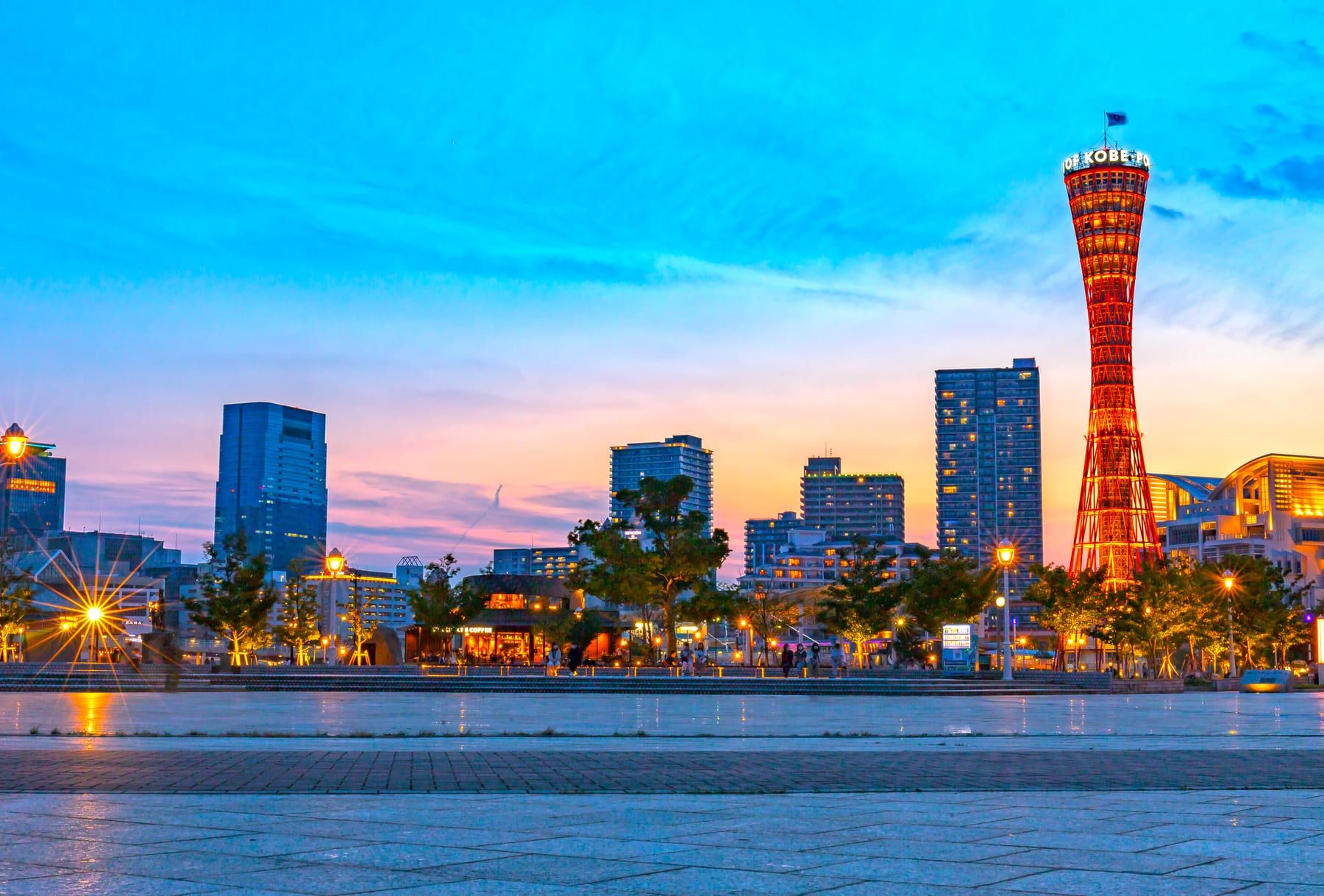
    Kobe is a day that starts with sake and ends with meat. Get off the Hanshin line at Mikage or Uozaki: this is Nada, the largest sake district in Japan, with brewery museums of Hakutsuru (free, with tasting), Kiku-Masamune and Sawanotsuru, all within walking distance, plus the Miyamizu water that makes the sake dry. Two or three houses in the morning are enough; buy a bottle of nama sake, which you only get here. Then to Sannomiya for lunch: Kobe beef at midday is half the price, a teppanyaki set with 100 to 150 grams of certified meat costs CHF 55 to 80 (about EUR 59 to 86) instead of CHF 150 to 200 in the evening, reserve, and look for the certificate with the ten digit number. In the afternoon you digest on the Kitano hillside with its old consular villas or at the harbour, in the evening a jazz bar and akashiyaki, the soft Kobe cousins of takoyaki in dashi. Stay in Sannomiya, mid range CHF 90 to 130 for two, or in Arima Onsen in the mountain behind. On to Kyoto: JR Special Rapid from Sannomiya, 50 minutes, CHF 6.50.

    Tours at this stop: Sake breweries in Nada ↗Kobe beef teppanyaki lunch ↗

    Open the Kobe travel guide →
  3. Day 5 to 6

    Kyoto: Nishiki Market, kaiseki at lunch and sake in Fushimi

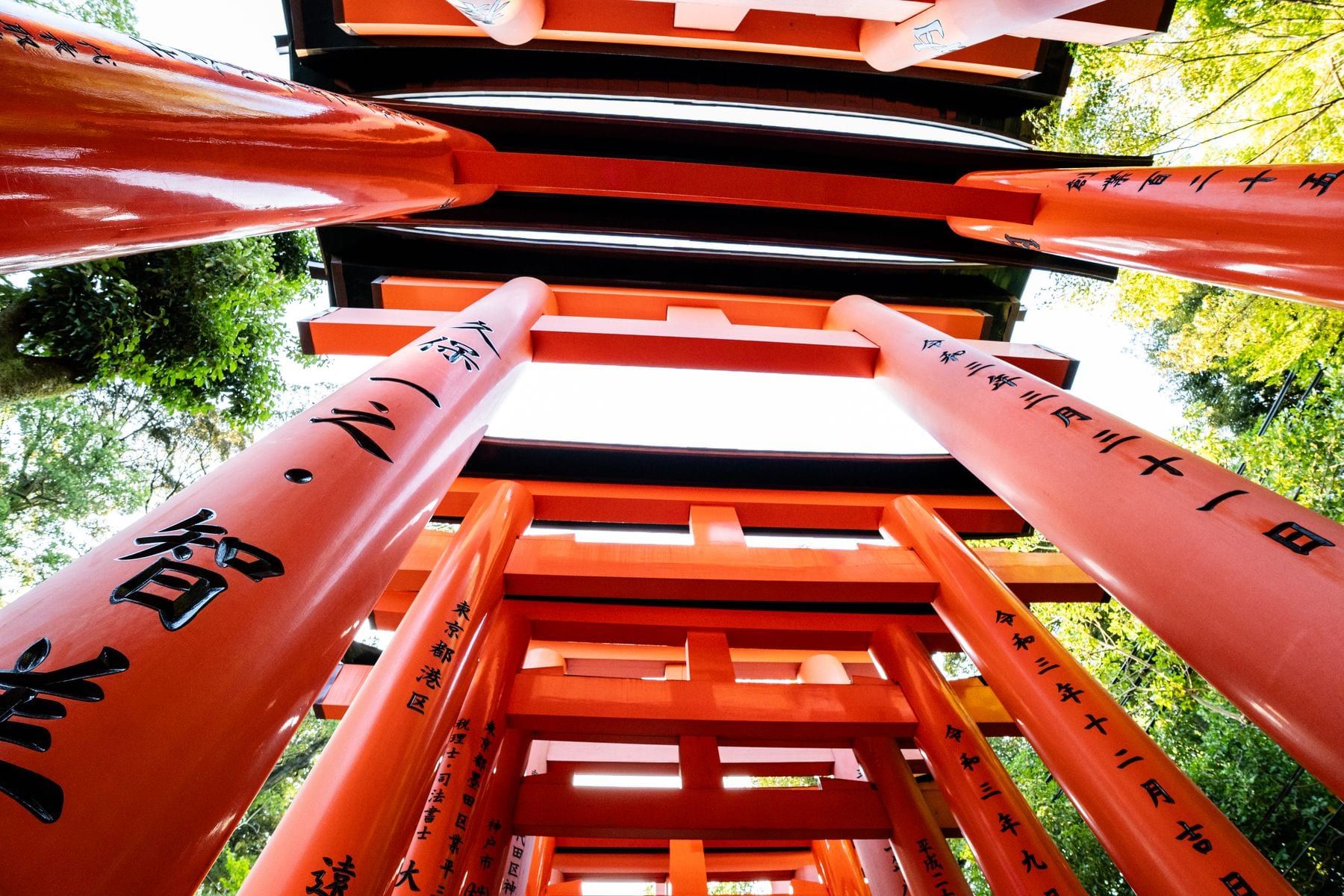
    Kyoto is the capital of fine cuisine, and you eat it at lunchtime, when it is affordable. Stay two nights centrally between Karasuma and Kawaramachi, business hotel or small ryokan without meals, CHF 120 to 180 (about EUR 128 to 193) for two. Day 5: Nishiki Market at the 10 am opening before it gets crowded, tsukemono pickles, tamagoyaki on a stick, yuba and hamo; kaiseki for lunch in a kappo restaurant, eight to ten courses for CHF 40 to 60 instead of CHF 120 to 200 in the evening, reserve; matcha and wagashi in a Gion teahouse in the afternoon, Pontocho in the evening with obanzai, Kyoto's home cooking. Day 6: on the Keihan to Fushimi, the second great sake district: Gekkeikan Okura Museum (CHF 4 with tasting), Kizakura Kappa Country, lunch of sake kasu dishes, then on foot to the first gates of Fushimi Inari, only 15 minutes away; yudofu, tofu hotpot, at Nanzen-ji in the evening or yakitori behind the station. On to Nara: Kintetsu Limited Express from Kyoto, 35 minutes, CHF 8.

    Tours at this stop: Nishiki Market food tour ↗Fushimi sake tasting ↗Tea ceremony in Gion ↗

    Open the Kyoto travel guide →
  4. Day 7

    Nara: persimmon leaf sushi, mochi and the origin of sake

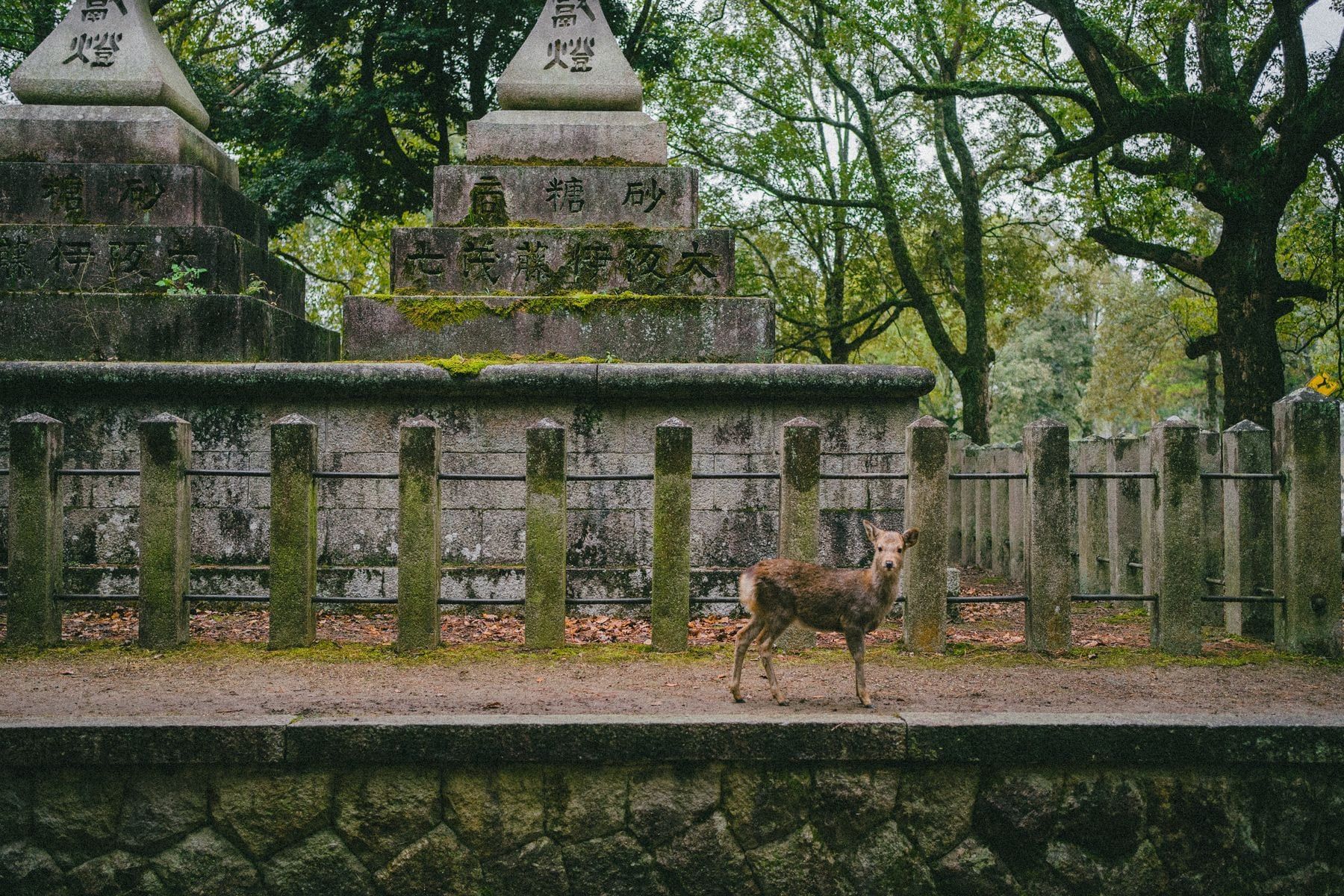
    Nara is the quiet finish, and in food terms more than deer crackers: clear sake was invented here in the 15th century, and the old town of Naramachi has breweries that still show it. Arrive early, leave your luggage in a locker at the Kintetsu station (CHF 4, about EUR 4) and go into the park before the buses come: Todai-ji, deer, Kasuga-Taisha, which you need as the backdrop for the day. For lunch kakinoha sushi, mackerel and salmon sushi wrapped in persimmon leaves, CHF 10 for a set, with nara-zuke, vegetables pickled in sake lees. In the afternoon Naramachi: a tasting at the Harushika brewery (five kinds for CHF 3) and the mochi pounding at Nakatanidou in the shopping arcade, where two men beat the rice in rhythm, warm yomogi mochi CHF 1.20 apiece. If you have time, eat an early dinner at a kappo in Naramachi. Journey home: the limousine bus runs from Kintetsu-Nara direct to Kansai Airport in 90 minutes (CHF 13), or JR via Tennoji in 80 minutes, for the evening flight home.

    Tours at this stop: Naramachi walking tour with sake tasting ↗

    Open the Nara travel guide →

If you book through these links we earn a small commission, at no extra cost to you.

What the route costs

Rough total per person for the whole route, mid-range, travelling as a pair. Flights and hotels vary by season; details are on the destination pages.

  • Getting there 1,070 EUR
  • Accommodation 342 EUR
  • Food 449 EUR
  • Local mobility 96 EUR
1,958 EUR
Total per person · 7 days

Money & payment: You pay in yen (JPY). 1,000 yen is roughly CHF 6 or EUR 6.50. Cards work in cities and hotels; small restaurants, temples and rural stations often want cash. An IC card (Suica or ICOCA) on your phone pays for trains, buses and convenience stores.

Tips for the route

Reserve the meals that matter to you two to four weeks ahead: kaiseki lunches in Kyoto and Kobe beef teppanyaki go through the hotel reception, Tabelog or platforms like Omakase and TableCheck, as many places do not take bookings in English by phone. Takoyaki, kushikatsu, tachinomi and markets need no reservation, but patience in the queue and cash.

Lunch instead of dinner is the biggest saving trick of this route: the same kaiseki house charges CHF 40 to 60 (about EUR 43 to 64) at lunch for a shorter menu and CHF 120 to 200 in the evening, Kobe beef costs half at midday, and sushi counters have lunch sets. Plan the expensive meals for 12 noon and eat in izakaya and standing bars in the evening, and you stay at CHF 60 a day while still eating at the highest level.

The order can be reversed to start with Kyoto, and the trip then ends with Osaka at the airport. Forwards suits the stomach better, though: the heavy, deep fried things at the start when you are hungry and jet lagged, Kobe beef in the middle, the fine cuisine at the end when your palate is awake. Between Kyoto and Nara you can slot in Uji with its matcha temples, 20 minutes by train.

Table etiquette: never stick chopsticks upright in the rice and never pass anything from chopsticks to chopsticks. Dip kushikatsu in the sauce only once; the cabbage is for scooping. With sake you pour for the person opposite, never for yourself. Slurping noodles is welcome, tipping is not. Many standing bars and yatai charge otoshi, a seating fee of CHF 3 to 5 (about EUR 3 to 5) with a small dish, which is normal.

Timing for food: October and November for matsutake mushrooms, new rice and autumn leaves, December for fugu and crab from the Sea of Japan, March to May for bamboo shoots, hamo and the cherry blossom, which does fill Kyoto up. June is the rainy season, but brings Kyoto cucumbers and the kawayuka terraces over the river from May. In summer Kansai is humid at 35 degrees and the appetite smaller.

Frequently asked questions about Kansai Food Trip

Are seven days enough for Kansai?

For the food circuit yes, because the cities are close together and you change hotels only three times. With five days you cut Nara and do Kobe as a day trip from Osaka. With ten days you add Himeji with oden, Uji with matcha and Arima Onsen with a kaiseki ryokan.

When is the best time for a food trip to Kansai?

Autumn and winter: October to December bring mushrooms, new rice, fugu and crab, and Kyoto hotels are cheap after the autumn leaves in mid December. Spring has bamboo shoots and hamo, but cherry blossom prices. In high summer the markets are pleasant early in the morning and the river terraces in Kyoto in the evening; in between it is too hot to eat.

Do I need a car or a rail pass?

Neither. All legs of this route are suburban trains for CHF 2 to 9 (about EUR 2 to 10), paid with ICOCA or Suica on your phone, and the restaurants are within walking distance of the stations. The Kansai Area Pass only pays off with trips to Himeji. A car would be nothing but a search for parking, and after sake and beer no option anyway, since Japan has a zero alcohol limit.

What does the food week cost?

Around CHF 1,830 (about EUR 1,960) per person: flight CHF 1,000, six nights as a couple CHF 320, food CHF 420 with two expensive lunches and otherwise market, izakaya and counter, trains CHF 90. If you want kaiseki and Kobe beef every evening, budget CHF 150 a day for food. Tastings and museums together come to under CHF 30.

Can I manage with allergies or as a vegetarian?

Vegetarian is easy in Kyoto: shojin ryori, the temple cuisine, yudofu and yuba, obanzai with vegetables. In Osaka it is harder, as dashi from bonito flakes is in almost everything, including okonomiyaki, so ask for kombu dashi. Write allergies on a Japanese card (templates online); nuts are rare, soy, wheat and sesame are everywhere. Avoiding gluten is difficult with soy sauce.

Is there a shorter or longer version?

Shorter: Osaka and Kyoto in five days, Kobe as a lunch trip for the beef. Longer: a day in Himeji with the castle and oden, an evening in Arima Onsen with kaiseki in a ryokan, a morning in Uji with a matcha ceremony, or on to Hiroshima for layered okonomiyaki and oysters on Miyajima, which makes ten to twelve days.

More itineraries through Japan