Şanlıurfa

Turkey · Southeastern Anatolia · Travel guide

Şanlıurfa

What a trip to the oldest temples in the world really costs, how to plan Göbekli Tepe and Harran sensibly and where to eat like a local in Urfa.

Photo: DMN Atölye / Pexels

What does a trip to Şanlıurfa cost?

Adjust the values to your trip: the calculator updates live (EUR, converted from CHF estimates).

1,621 EUR
≈ 811 EUR per person
  • Flights 856 EUR
  • Accommodation 294 EUR
  • Food 268 EUR
  • Local transport 107 EUR
  • Göbekli Tepe tour with guide 96 EUR

Estimates for orientation, not booking prices. Flights and hotels vary strongly by season: current prices are behind the links below.

Money & payment: You pay in Turkish lira (TRY). The exchange rate moves a lot, which is why all prices here are given in francs and euros. Cards are accepted almost everywhere; you need cash for the dolmuş, markets and tips. Flight time: 3 to 4 hours.

Recommended hotels

Nine options in three price ranges, each among the best-rated on Booking.com.

Budget

Aslan Guest House

Altstadt, Şanlıurfa

Family-run guesthouse in an old stone house in the old town, around ten minutes' walk from Balıklıgöl. The rooms are simple and clean, the courtyard is the meeting point, and the hosts help with tips for Göbekli Tepe and Harran. No hotel comfort, but plenty of warmth and a fair price. Bring cash and book ahead, the house is small.

from EUR 35 / night View →

Stone House by Cevahir

Altstadt, Şanlıurfa

Guesthouse in an old stone house with a courtyard, close to the old town. Small, atmospheric rooms, Sıra Gecesi evenings in the courtyard that you experience first-hand as a guest. Not quiet, but very Urfa. Good breakfast, friendly management, fair price. Rooms facing the courtyard are noisier in the evening.

from EUR 45 / night View →

Yıldız Saray Konuk Evi

Altstadt, Şanlıurfa

Historic konak hotel with a courtyard and vaulted rooms within walking distance of Balıklıgöl. The house is old and it shows, but that is exactly where the charm lies. Popular for its courtyard restaurant with Urfa cuisine and music. Lots of atmosphere for little money. Be sure to book for the restaurant.

from EUR 45 / night View →

Mid-range

Manici Hotel

Balıklıgöl, Şanlıurfa

Boutique hotel in a restored stone house right on Balıklıgöl, with Ottoman-style rooms, a terrace and great attention to detail. In the evening you sit in the courtyard for dinner, in the morning you are at the pool in two minutes. The hotel with the most character in Urfa.

from EUR 85 / night View →

Elruha Hotel

Balıklıgöl, Şanlıurfa

Large hotel in the style of an old palace, built from local stone, right next to Balıklıgöl. Courtyards, fountains, hammam and a roof terrace with views over the old town and the citadel. The rooms are spacious, the style opulent. Hard to beat for the location by the pool.

from EUR 90 / night View →

Hilton Garden Inn Şanlıurfa

Haliliye, Şanlıurfa

Modern chain hotel in the new town with large rooms, gym, bar and a reliable breakfast. No old-town flair, but peace and quiet, air conditioning that works, and parking. 15 minutes to the old town by taxi. A good base for Göbekli Tepe with a rental car. Rental cars park right outside the door.

from EUR 80 / night View →

Luxury

DoubleTree by Hilton Şanlıurfa

Karaköprü, Şanlıurfa

The largest and most modern hotel in the city, with pool, spa, hammam and several restaurants. International five-star standard in the new town. After a day in the heat of Göbekli Tepe the pool is worth its weight in gold. Around 15 minutes to the old town by taxi.

from EUR 120 / night View →

Nevali Hotel & Convention Center

Haliliye, Şanlıurfa

Locally run five-star house with pool, spa and one of the best restaurants in the city, named after the Stone Age site of Nevalı Çori. Large rooms, good breakfast, plenty of Turkish hospitality. In the new town, quiet and easy to reach. Ten minutes by taxi to Balıklıgöl.

from EUR 105 / night View →

Dedeman Şanlıurfa

Karaköprü, Şanlıurfa

Turkish chain with a solid five-star standard: pool, spa, spacious rooms and a breakfast that mixes local and international cuisine. In the new town on the main road, a quick taxi ride to Balıklıgöl. Reliable and often cheaper than the international chains. A good choice for groups and families.

from EUR 100 / night View →

If you book through these links we earn a small commission, at no extra cost to you.

Experiences worth your time

Göbekli Tepe with a guide

The oldest known temple complex of humankind, 11,600 years old. With an archaeological guide, pillars under a roof become an experience you will not forget. Go early and bring water. Entry around CHF 15 (about EUR 16).

View & book →

Karahan Tepe

The new site 45 kilometres to the east, with a pillar chamber and rock-carved head, still in the middle of excavation. Only reachable by car or tour, ideal together with Göbekli Tepe in one day. Infrastructure still basic.

View & book →

Şanlıurfa Archaeology Museum

The original finds from Göbekli Tepe, the Urfa Man and a full-scale replica of the main circle. Visit before the excavations, then you will understand more out there. Plan two hours. Entry around CHF 10 (about EUR 11), Museum Pass valid.

View & book →

Balıklıgöl and old town walking tour

Abraham's Pool, the birth cave, mosques, citadel and the covered bazaar with a guide. Around three hours, best in the morning. You learn the legends and find the alleys you would never find on your own.

View & book →

Harran and the beehive houses

Mud-brick domed houses, ruins of the oldest Islamic university in Anatolia and biblical history, 45 kilometres to the south. Half-day trip, in summer strictly in the morning. Dolmuş from Urfa for a few francs, taxi return from CHF 30 (about EUR 32), or as part of a day tour.

View & book →

Sıra Gecesi evening

Music, çiğ köfte, kebab and dancing in the courtyard of an old konak. The evening Urfa is famous for. Book through your hotel or a platform, around CHF 25 to 35 (about EUR 27 to 37) including dinner.

View & book →

Çiğ köfte workshop

Knead bulgur, isot and spices for an hour until it tastes right. Usually part of a Sıra Gecesi or as a separate class. An honest piece of Urfa to take home, at least as a recipe. Around CHF 20 (about EUR 21) per person.

View & book →

Day tour Göbekli Tepe, Harran and old town

Everything in one day with driver and guide: the excavation in the morning, Harran at midday, Balıklıgöl in the evening. If you only have one day, book this combination. From CHF 60 (about EUR 65) per person.

View & book →

If you book through these links we earn a small commission, at no extra cost to you.

Food & drink

Urfa eats hot, smoky and simple: liver from the charcoal grill for breakfast, çiğ köfte in the evening among friends, and over everything the dark isot pepper. The city is considered the birthplace of Abraham, alcohol plays no role, hospitality all the more.

Ciğer Kebabı

Liver restaurants around Haşimiye Square and the bazaar

Cubes of lamb liver with tail fat on skewers over charcoal, rolled into thin lavaş with onions, isot and parsley; the breakfast of the city. CHF 3 to 5 (about EUR 3.20 to 5.40) a portion.

Tip:Between 6 and 9 am; by lunchtime the liver is long past fresh.

Çiğ Köfte

Çiğ köfte shops in the centre and as a course at every sıra gecesi

Fine bulgur kneaded for hours with isot paste, tomato purée and spices, traditionally in Urfa with raw minced meat, in the shops today mostly without. CHF 1.50 to 3 (about EUR 1.60 to 3.20) a portion, in lettuce leaves with lemon.

Tip:The raw meat version only in the evening and freshly kneaded, that is how it is meant to be.

Urfa Kebabı

Kebab houses in the old town around the Gümrük Hanı

Minced lamb on a skewer, the mild sister of the Adana, with isot instead of chilli, on lavaş with grilled tomatoes and peppers. CHF 6 to 9 (about EUR 6.50 to 9.70).

Tip:With onion and sumac salad and ayran; the lavaş soaks up the juices.

Urfa Lahmacun

Fırın restaurants in the bazaar

Thinner and crisper than in Antep, with isot and plenty of parsley, out of the stone oven in two minutes. CHF 1.50 to 2.50 (about EUR 1.60 to 2.70).

Tip:Two with an ayran make a lunch for under CHF 5.

Isot

Spice stalls in the bazaar (Kapalı Çarşı) and traders at the Gümrük Hanı

Dark red Urfa pepper, dried and oiled, with a smoky, slow heat; the spice that defines the whole cuisine. 100 grams from CHF 2 (about EUR 2.20).

Tip:It should be dark and slightly moist, not bright red; take it home vacuum-packed.

Lebeniye Çorbası

Lokantas in the alleys behind Balıklıgöl

Yoghurt soup with chickpeas, rice and small köfte, with mint and browned butter; tangy and filling. CHF 3 to 5 (about EUR 3.20 to 5.40).

Tip:At lunchtime; the restaurants right on the pool are dearer and worse.

Şıllık

Pastry shops in the centre and as dessert in the konak restaurants

Paper-thin pancakes filled with walnuts, rolled and drenched in hot syrup; Urfa's answer to baklava. CHF 2 to 4 (about EUR 2.20 to 4.30).

Tip:Warm, after the kebab, with a glass of unsweetened tea.

Tea in the Gümrük Hanı

Gümrük Hanı, Şanlıurfa bazaar

Tea in the courtyard of the caravanserai of 1562, among backgammon and okey players, under mulberry trees. CHF 0.30 (about EUR 0.30) a glass and the loveliest spot in the old town for a break.

Tip:In the afternoon, when the courtyard is full; women sit here without any problem.

History & background

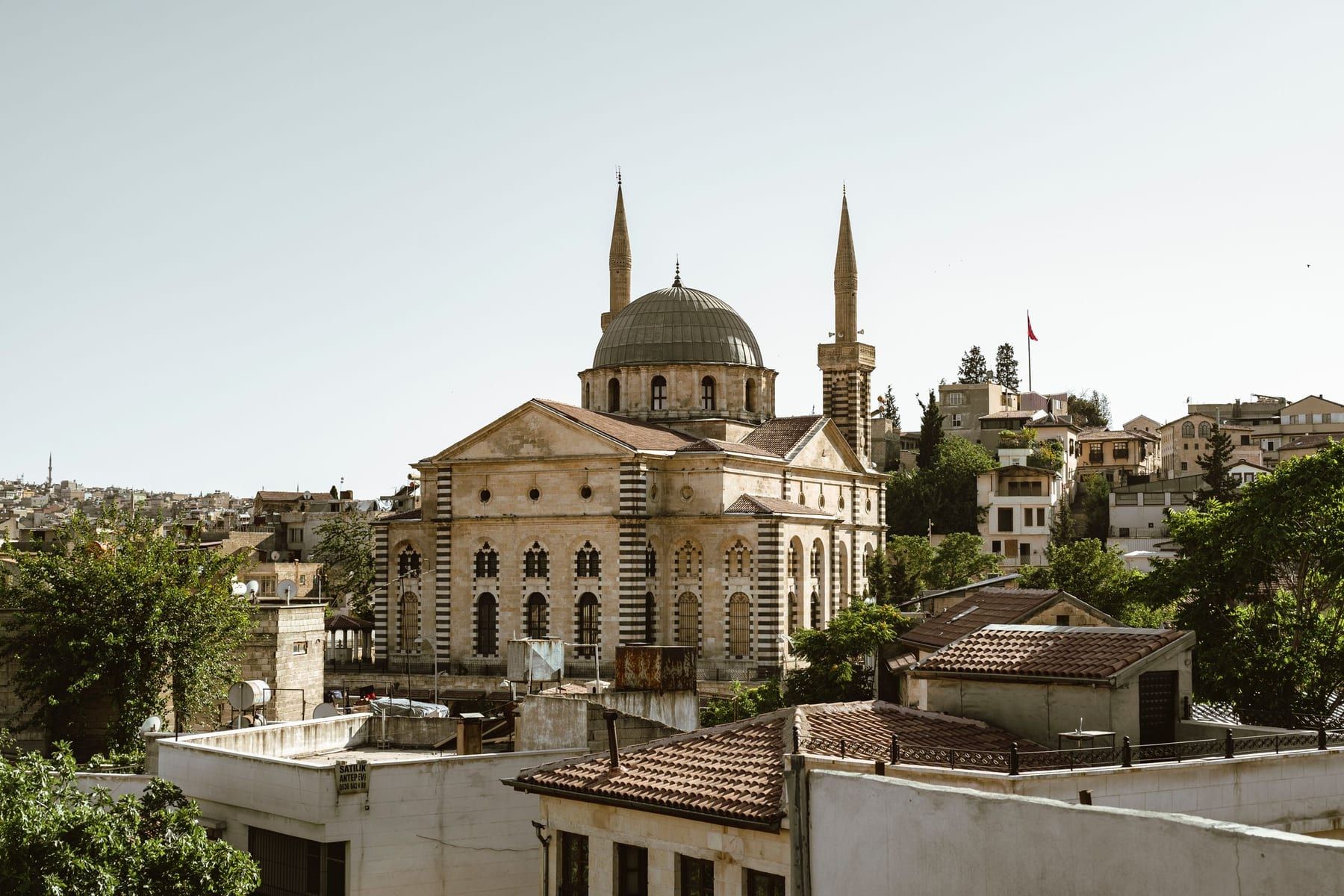
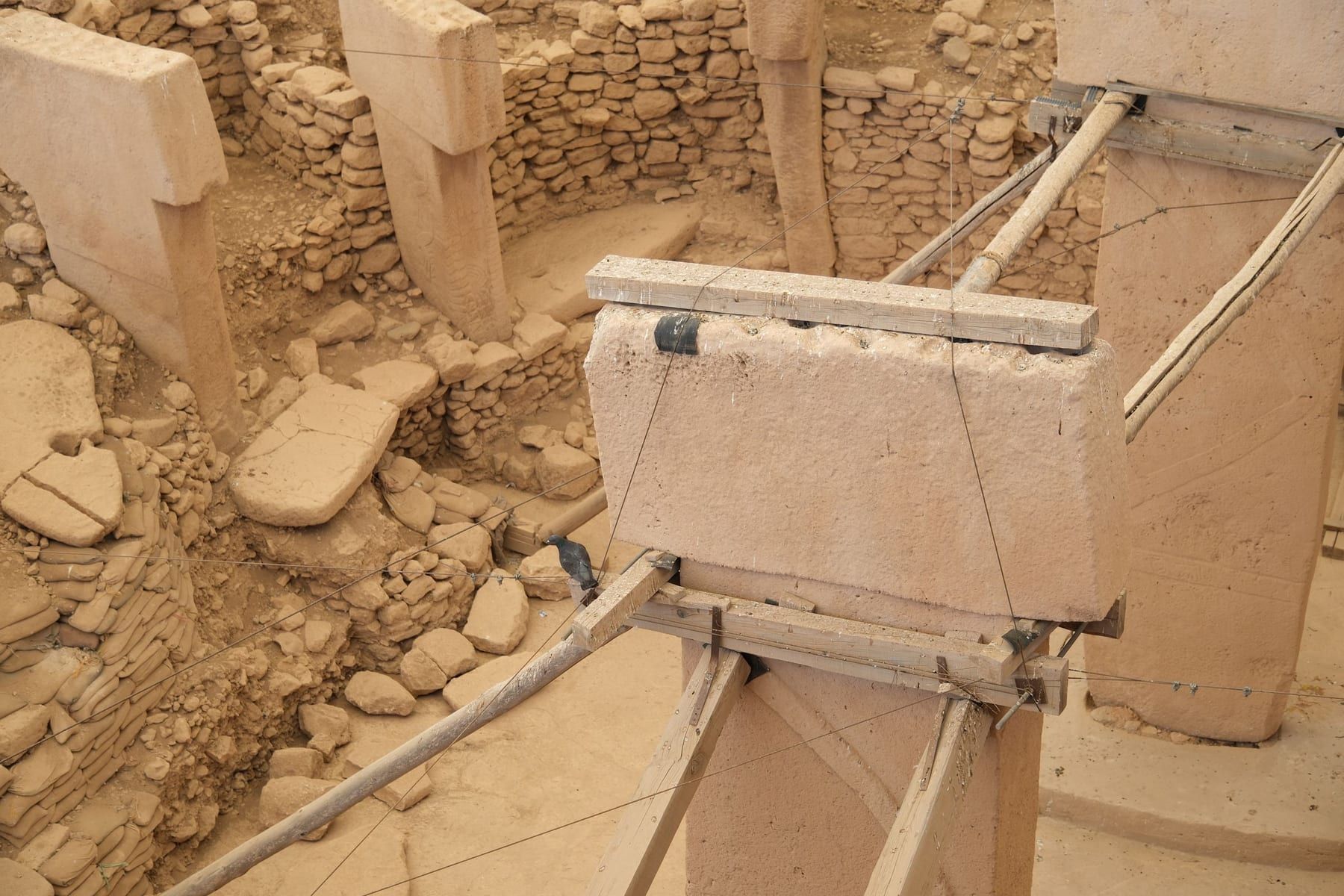
Şanlıurfa, known to everyone simply as Urfa, calls itself the city of the prophets. According to tradition, Abraham was born here, and when King Nimrod had him thrown into the fire, God turned the flames into water and the logs into fish. The pool of Balıklıgöl with its sacred carp still lies at the heart of the old town, surrounded by mosques and pilgrims. For a long time Urfa was seen as a pilgrimage town with a beautiful bazaar, until in the 1990s excavations began on a hill 15 kilometres to the northeast: Göbekli Tepe. The T-shaped stone pillars with their animal reliefs are around 11,600 years old, older than agriculture, pottery and writing. They have changed our picture of human history: it was apparently not farming that brought people together, but ritual. Göbekli Tepe has been a UNESCO World Heritage Site since 2018, and at Karahan Tepe a second, possibly even more spectacular site is currently being uncovered. Then there is Harran to the south with its mud-brick domed houses and the oldest Islamic university in Anatolia. Urfa is Arab and Kurdish in character, conservative, hospitable and musical: the Sıra Gecesi, the men's evenings of song and çiğ köfte, were invented here.

Insider tips

Göbekli Tepe: how to make it worth it

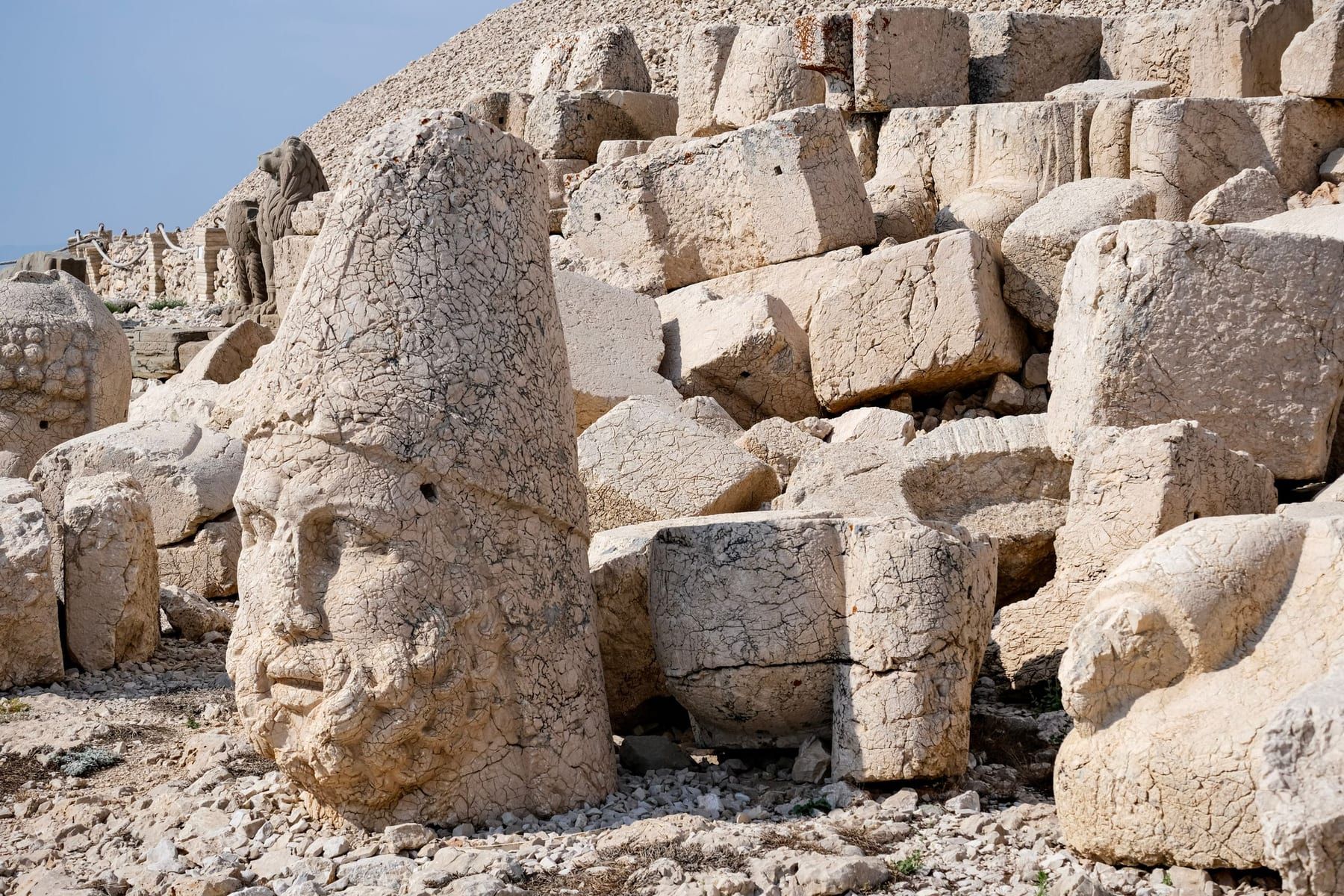
Göbekli Tepe is an excavation, not a temple in the classical sense. Under a large protective roof you view the pillar circles from a wooden walkway, and without explanation it remains a heap of old stones. With a guide it becomes one of the most impressive places on earth. So either book a tour with an archaeology guide (CHF 40 to 60, about EUR 43 to 65, including transfer) or take the audio guide at the entrance. Entry costs around CHF 15, and the Turkey Museum Pass is valid. A shuttle runs from the car park to the dig. Without a tour, a taxi from Urfa costs CHF 25 to 35 return including waiting time. Go early; from midday the roof gives shade, but the heat is brutal all the same. And do visit the archaeology museum in the city beforehand: it holds the original finds, the Urfa Man, the oldest life-size human statue in the world, and a full-scale replica of the main circle.

Karahan Tepe: the new site

Around 45 kilometres east of Urfa, Karahan Tepe has been under excavation since 2019, and what is emerging there is, for many archaeologists, even more exciting than Göbekli Tepe: a chamber with eleven phallic pillars and a head carved out of the rock, a seated statue two metres tall, animal reliefs. The site has been open to visitors since 2023; the infrastructure is still basic and the excavation continues. That is the appeal: you see archaeology as it happens. Getting there is only possible by car or tour; many operators combine Göbekli Tepe and Karahan Tepe in one day for CHF 60 to 90 (about EUR 65 to 95). On the way lies the village of Yeşilova, and the landscape of the Taş Tepeler, the stone hills, is bare and vast. If you have the time, take both sites in one day, but then with a lunch break in the shade.

Balıklıgöl and the old town

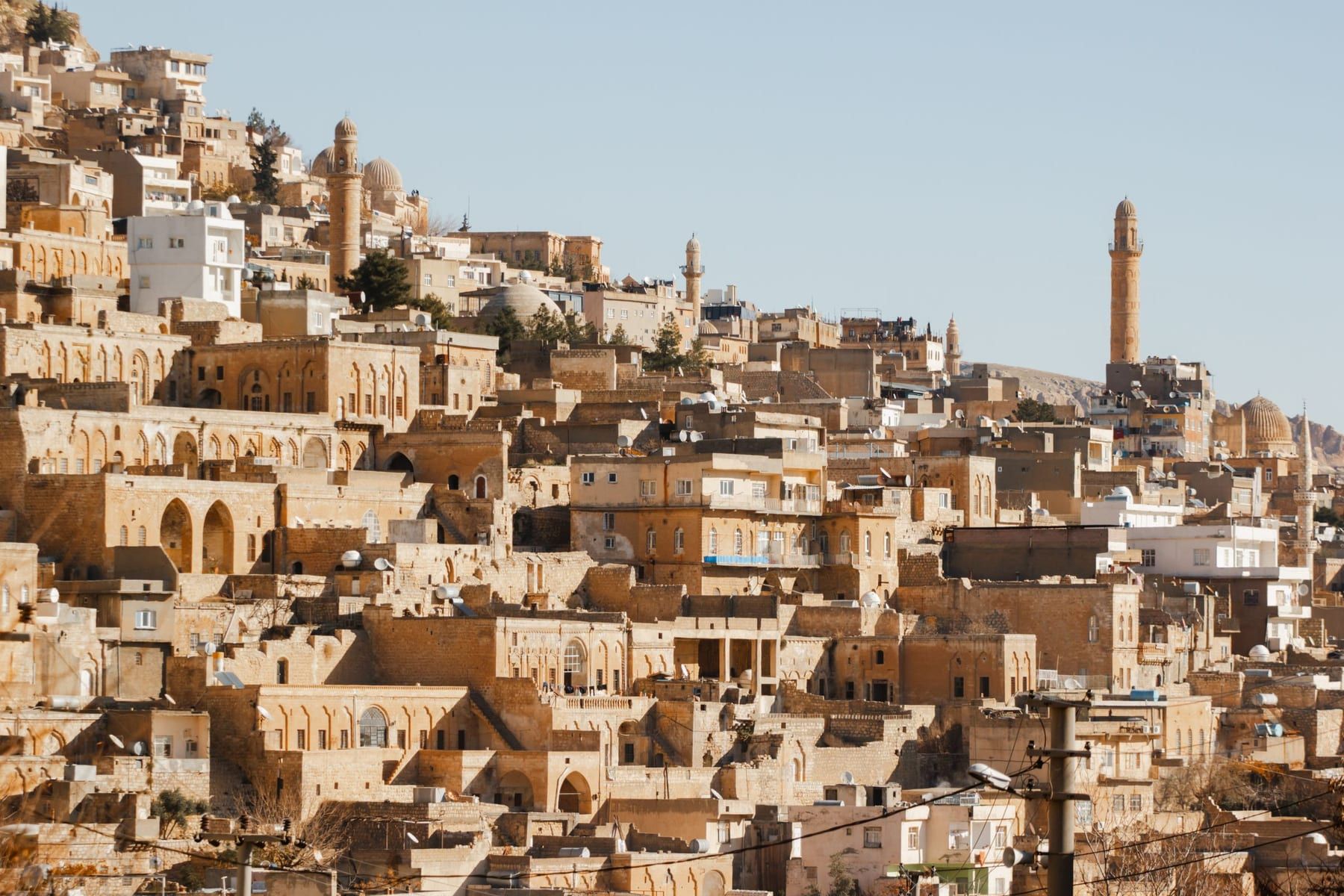
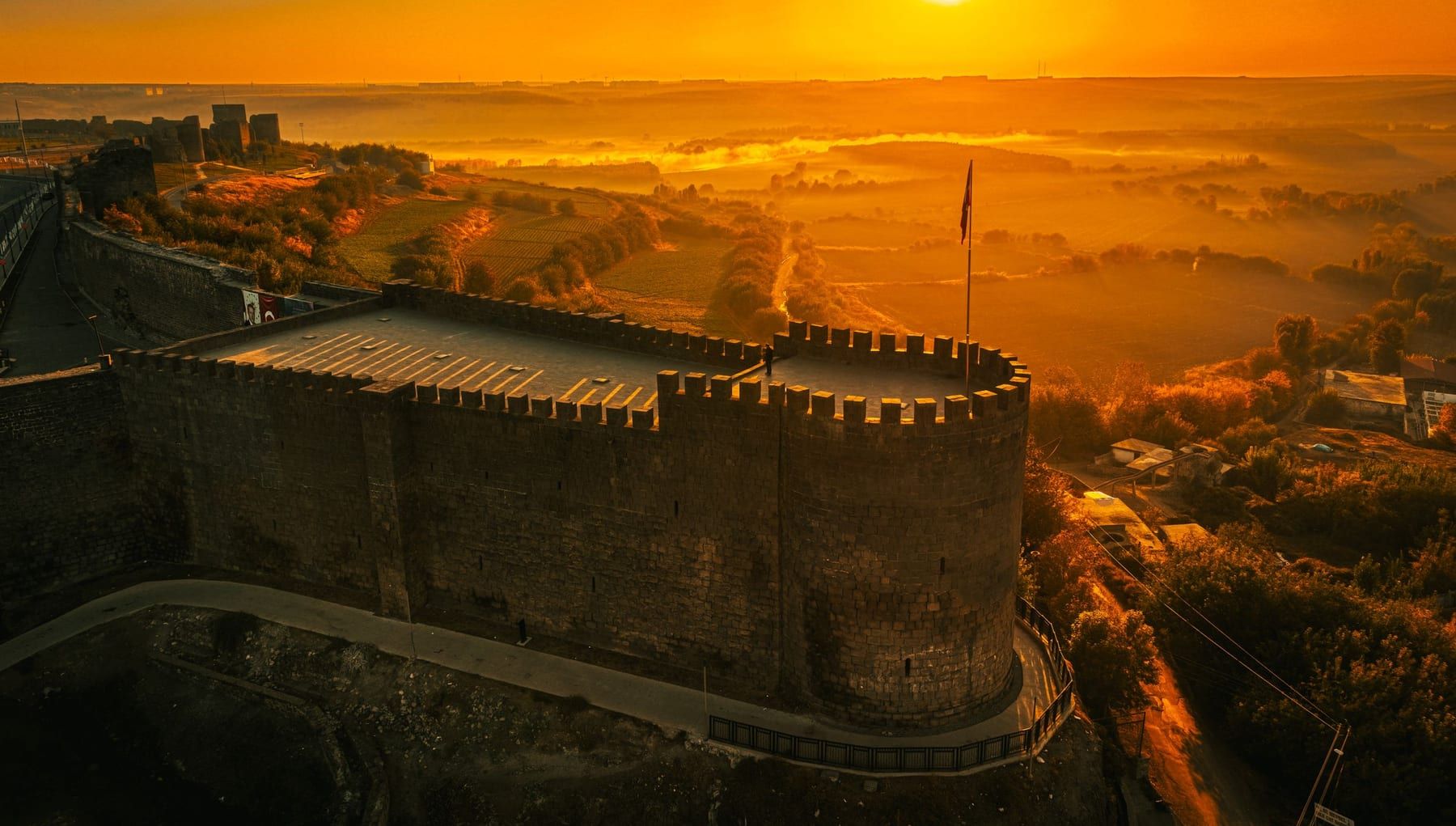
Abraham's Pool lies in a well-kept park in the middle of the old town, flanked by the Rızvaniye Mosque and the Halil-ür-Rahman Mosque. The carp are considered sacred, and you can feed them for a few lira. Come early in the morning or after sunset, when it is quiet and the lighting is beautiful. Behind the pool is the cave where Abraham is said to have been born, with separate entrances for men and women; headscarves for women can be borrowed. Then up to the citadel on the hill for the view over the city. The actual old town with its covered bazaar, caravanserais and courtyards where men drink tea and play backgammon begins right next door. Urfa is conservative: long trousers and covered shoulders are not compulsory, but they make many things easier, especially at religious sites.

Harran: the beehive houses

Harran lies 45 kilometres south, just short of the Syrian border, and is mentioned in the Bible: Abraham is said to have lived here before moving on to Canaan. The village is famous for its mud-brick houses with conical domes that look like beehives and stay pleasantly cool in summer. Most are now show houses with carpets, tea and photo opportunities; the residents live next door in concrete houses. Add the ruins of the Ulu Camii and the remains of the oldest Islamic university in Anatolia from the 8th century, of which a minaret still stands. Realistically, Harran is a half-day trip: dolmuş from Urfa for a few francs, taxi return from CHF 30 (about EUR 32), or as part of a day tour with Göbekli Tepe. In summer go in the morning without fail; Harran sits on the plain and is one of the hottest places in Turkey.

Sıra Gecesi: the evening you must not miss

The Sıra Gecesi, the evenings in turn, originated in Urfa: friends meet at each other's homes in rotation, there is singing, saz playing and çiğ köfte kneaded together, raw bulgur with pepper paste and spices, in Urfa also with raw meat, for tourists usually without. Today several konak restaurants in the old town offer Sıra Gecesi evenings for visitors: you sit on cushions in the courtyard of an old stone house, there is a menu of kebab, meze and sweets, live music, and at the end everyone dances. Expect CHF 20 to 35 (about EUR 21 to 37) per person including food; book through your hotel. It is touristy, but honestly touristy, the musicians are often very good, and you will not have a better evening in Urfa. There is usually no alcohol; Urfa is a city without bars, and that is part of it too.

Eating in Urfa: liver, lahmacun and isot

Urfa eats differently from Antep, spicier and simpler. The city's breakfast is ciğer kebabı, skewers of lamb liver from the charcoal grill, with onions, parsley and thin flatbread, from six in the morning in the liver joints around the bazaar, CHF 3 to 5 (about EUR 3 to 5) a portion. Urfa kebabı is the milder sister of Adana kebab, and lahmacun here is thinner and crispier than in Antep. Everywhere you turn: isot, the dark, dried Urfa pepper with a smoky heat, which you buy in the bazaar as a souvenir, 100 grams from CHF 2. For dessert, şıllık, paper-thin pancakes with walnuts and syrup, or künefe. The places around the bazaar and in the Haşimiye area are cheaper and better than the restaurants right on Balıklıgöl. A full day with liver breakfast, lahmacun and a kebab dinner costs barely more than CHF 20.

Frequently asked questions about Şanlıurfa

How many days should you plan for Şanlıurfa?

Two full days: one for Göbekli Tepe, Karahan Tepe and the archaeology museum, one for the old town, Balıklıgöl and Harran. Add a Sıra Gecesi evening and some rest and it becomes three. Urfa is two hours from Gaziantep and three from Mardin, ideal for a road trip.

When is the best time to visit?

March to May and October to November. Urfa is one of the hottest cities in Turkey; in July and August 42 degrees is normal, and Göbekli Tepe sits on the plain with no tree cover. Winter is mild and quiet, and the excavations are open year-round.

How do you get to Şanlıurfa from Western Europe?

Via Istanbul to Şanlıurfa (GNY) with Turkish Airlines or Pegasus; the airport is 35 kilometres out of town, with shuttle buses and taxis into the city. Return flights from Zurich CHF 350 to 480 (about EUR 375 to 515). Alternatively fly to Gaziantep and continue two hours by bus.

Is Şanlıurfa safe?

Urfa is a calm, conservative city with plenty of pilgrim tourism. The Syrian border is 50 kilometres to the south; most foreign ministries advise against travel to the immediate border area, but Harran and Urfa itself are not affected. Check your foreign ministry's current travel advice before you go and follow the usual rules. Visitors report exceptional hospitality.

Do you need a guide for Göbekli Tepe?

Not strictly, but strongly recommended. Without explanation you see pillars under a roof. With an archaeologically trained guide you understand why this place rewrote human history. At the very least take the audio guide and visit the archaeology museum first.

Is there alcohol in Urfa?

Hardly any. Urfa is a religiously conservative city, there are practically no bars, and restaurants generally do not serve alcohol. A few of the larger hotels have a bar. If that matters to you, plan accordingly. In return, the tea and coffee houses are full and very sociable until late.

Itineraries with this destination

More destinations in Southeastern Anatolia