Turkey · Food · 9 days

Culinary Mesopotamia

The best cuisine in Turkey is in the south-east: baklava, lahmacun, kebab in twenty varieties and liver for breakfast. Plus the oldest temples in the world, a stone city above the plain and the heads of gods at 2,150 metres.

The route, day by day

  1. Day 1 to 2

    Gaziantep: Baklava, Zeugma and the Copper Bazaar

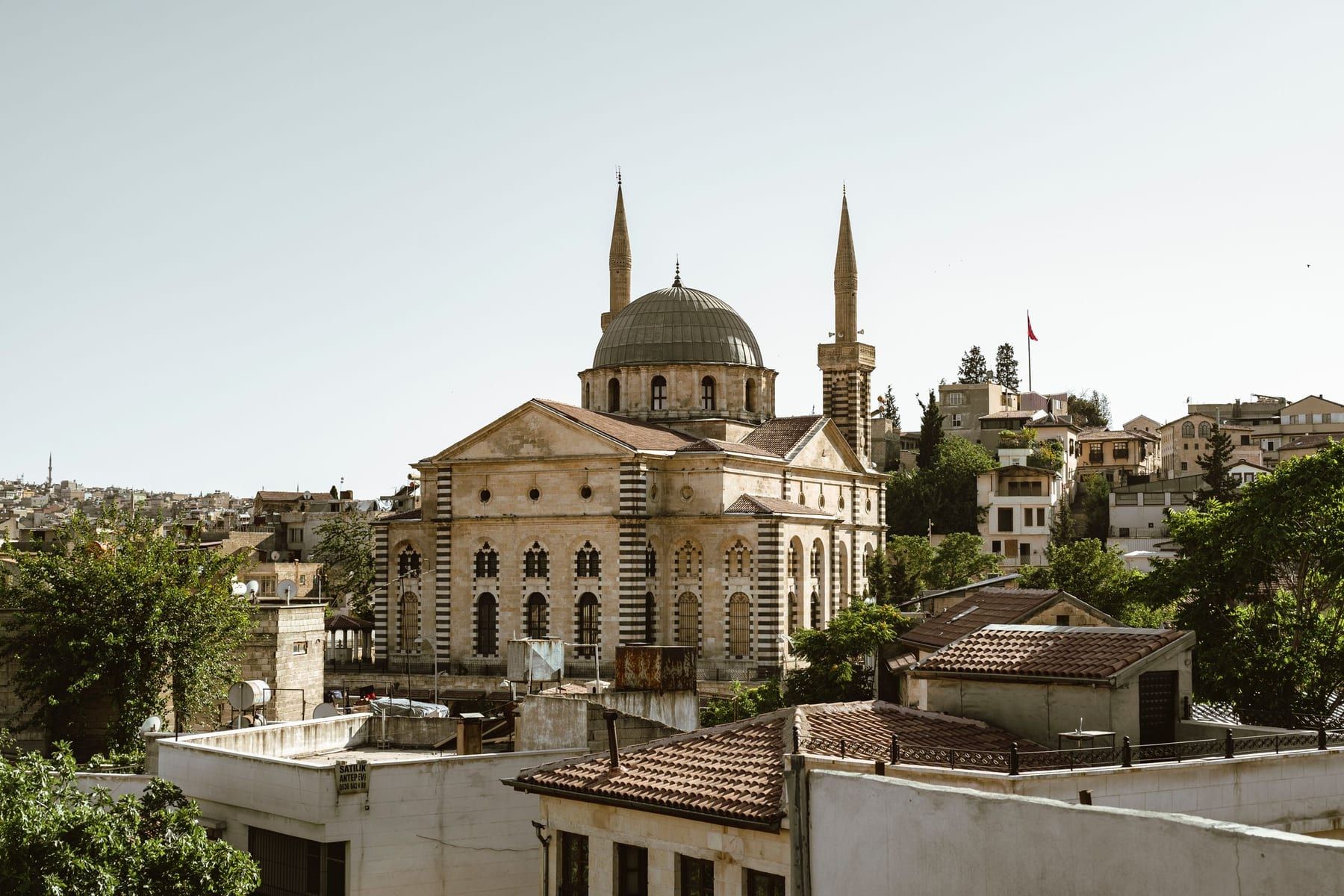
    You fly via Istanbul to Gaziantep, a good six hours, collect the car at the airport and park it straight at the hotel: the old town is for walking. Gaziantep is a UNESCO City of Gastronomy, and you start with the essential, baklava in one of the old pastry shops, local pistachios, sheep's milk butter, thin, not too sweet, for breakfast, like the locals. Then the copper bazaar, the pistachio merchants and, for lunch, beyran, the spicy lamb soup, or lahmacun from the stone oven. The afternoon belongs to the Zeugma Mosaic Museum with the Gypsy Girl, Turkey's most famous mosaic; allow two hours. On the second day drive 120 kilometres to Halfeti on the Euphrates, the half-submerged town with its minaret in the water, boat trip, fish on the bank, back in the evening for katmer, the pistachio filo dessert. Sleep in a mid-range hotel near the castle, around CHF 60 (about EUR 64) per night. On to Şanlıurfa: 140 kilometres on the O-52 motorway, an hour and a half, toll via the sticker.

    Tours at this stop: Gaziantep street food tour ↗Baklava workshop ↗Halfeti boat trip ↗

    Open the Gaziantep travel guide →
  2. Day 3 to 4

    Şanlıurfa: Göbekli Tepe, Balıklıgöl and Sıra Gecesi

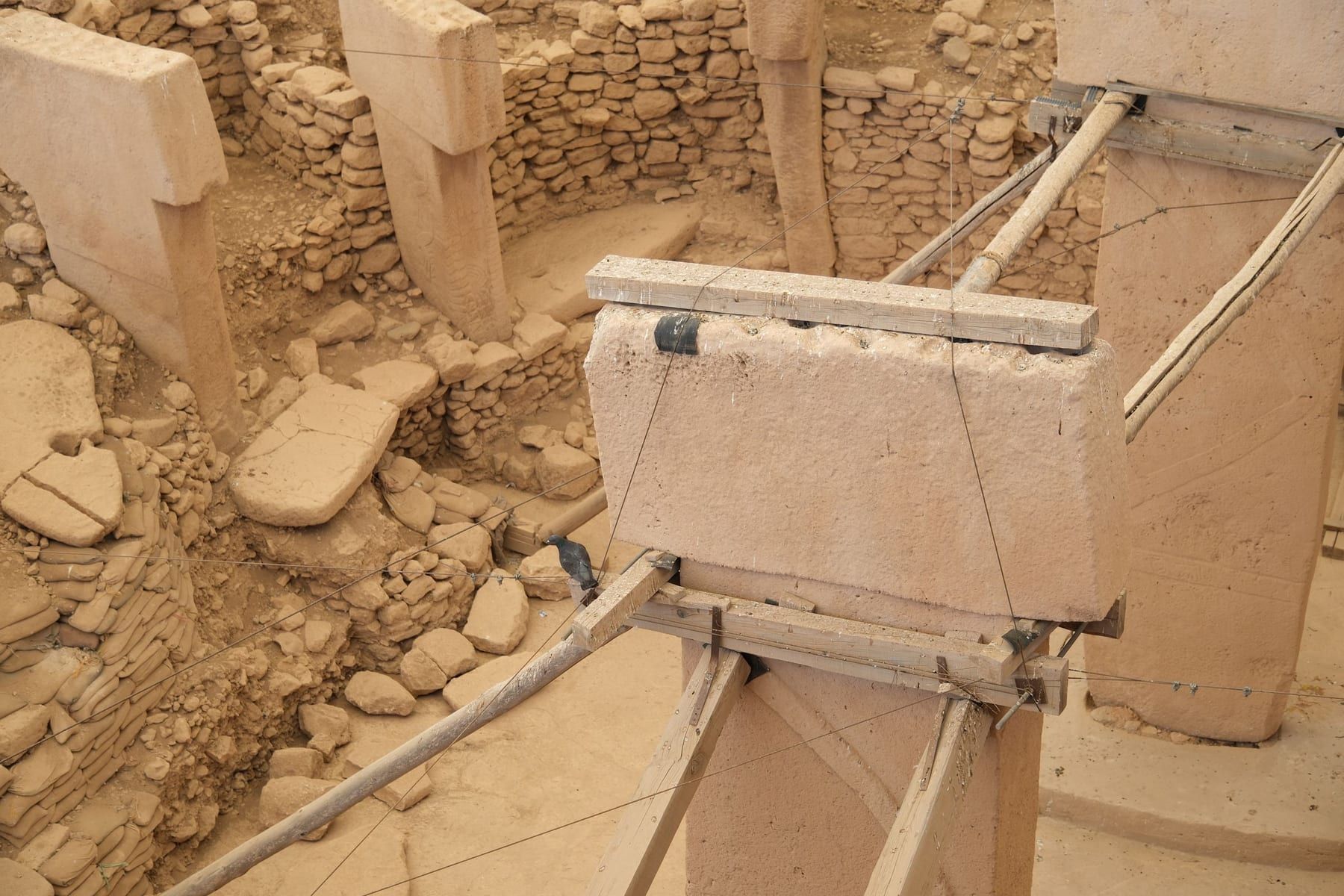
    Şanlıurfa, Urfa for short, is the city of the prophets and of Turkey's spiciest cuisine: isot is the dark chilli they sprinkle on everything here. On the first morning drive to Göbekli Tepe, 20 kilometres to the north-east, the world's oldest temple complexes, 12,000 years old, T-shaped pillars with animal reliefs under a protective roof. Take a guide or the audio guide; without an explanation it is a hill with stones. Then the archaeological museum in town, where the original finds are kept. In the afternoon the Balıklıgöl, the pool with the sacred carp, and the old town with its vaulted bazaar lanes; for dinner Urfa kebab and ciğer, skewered liver, eaten here for breakfast. The second day leads to Harran, 45 kilometres south, with its mud beehive houses and the oldest university in the Islamic world, then Karahan Tepe, the new excavation site. In the evening a sıra gecesi, the traditional music night with çiğ köfte; book it through the hotel. Sleep in a konak hotel in the old town, around CHF 55 (about EUR 59) per night. On to Mardin: 190 kilometres on the D400 eastwards, two and a half hours.

    Tours at this stop: Göbekli Tepe with a guide ↗Harran and Karahan Tepe ↗Sıra Gecesi music night ↗

    Open the Şanlıurfa travel guide →
  3. Day 5 to 6

    Mardin: Stone City above Mesopotamia and the Monasteries

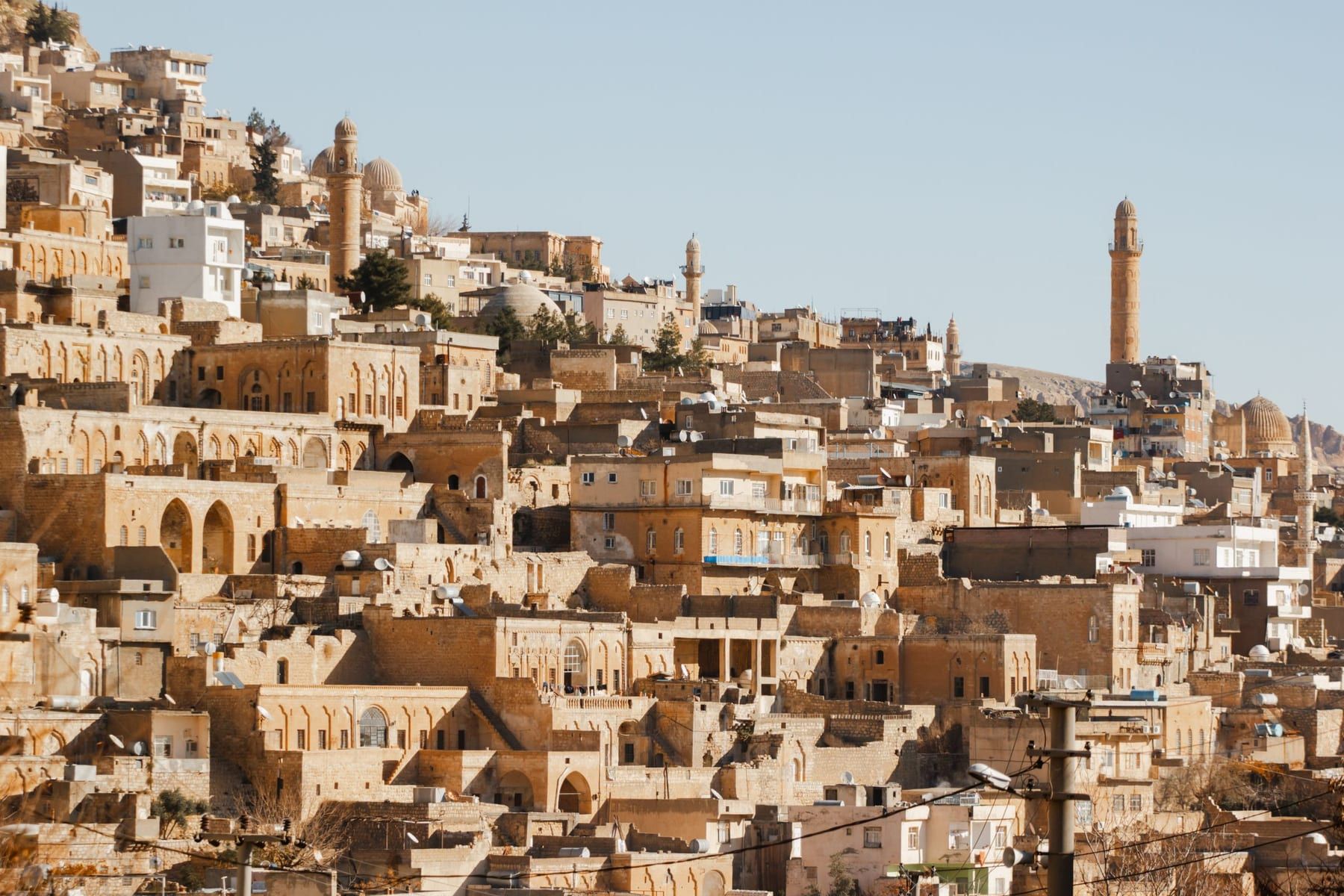
    You see Mardin from afar: a city of honey-coloured limestone terraced up a mountainside, the Mesopotamian plain below stretching to Syria. You sleep in the old town in a stone house with a terrace, mid-range around CHF 65 (about EUR 70), not down in the cheaper new town, because the evening view from the terrace is the reason for Mardin. The first day is for the main street and the stepped lanes behind it, the Zinciriye Medrese, the museum in the old patriarchate and the food: kaburga dolması, stuffed lamb ribs, sembusek, the half-moon pastries, and mırra, the bitter coffee, plus Mardin soap and almond sweets to take home. On the second day drive to the Saffron Monastery of Deyrulzafaran, six kilometres, then into the Tur Abdin to the monastery of Mor Gabriel, the oldest still inhabited Syriac Orthodox monastery, and to Midyat with its silversmiths, a 150 kilometre loop. If you have time, add Dara, the forgotten fortress city. On to Diyarbakır: 95 kilometres north on the D950, an hour and a half.

    Tours at this stop: Mardin old town guided tour ↗Monasteries of the Tur Abdin and Midyat ↗

    Open the Mardin travel guide →
  4. Day 7

    Diyarbakır: City Walls, Hevsel Gardens and Liver for Breakfast

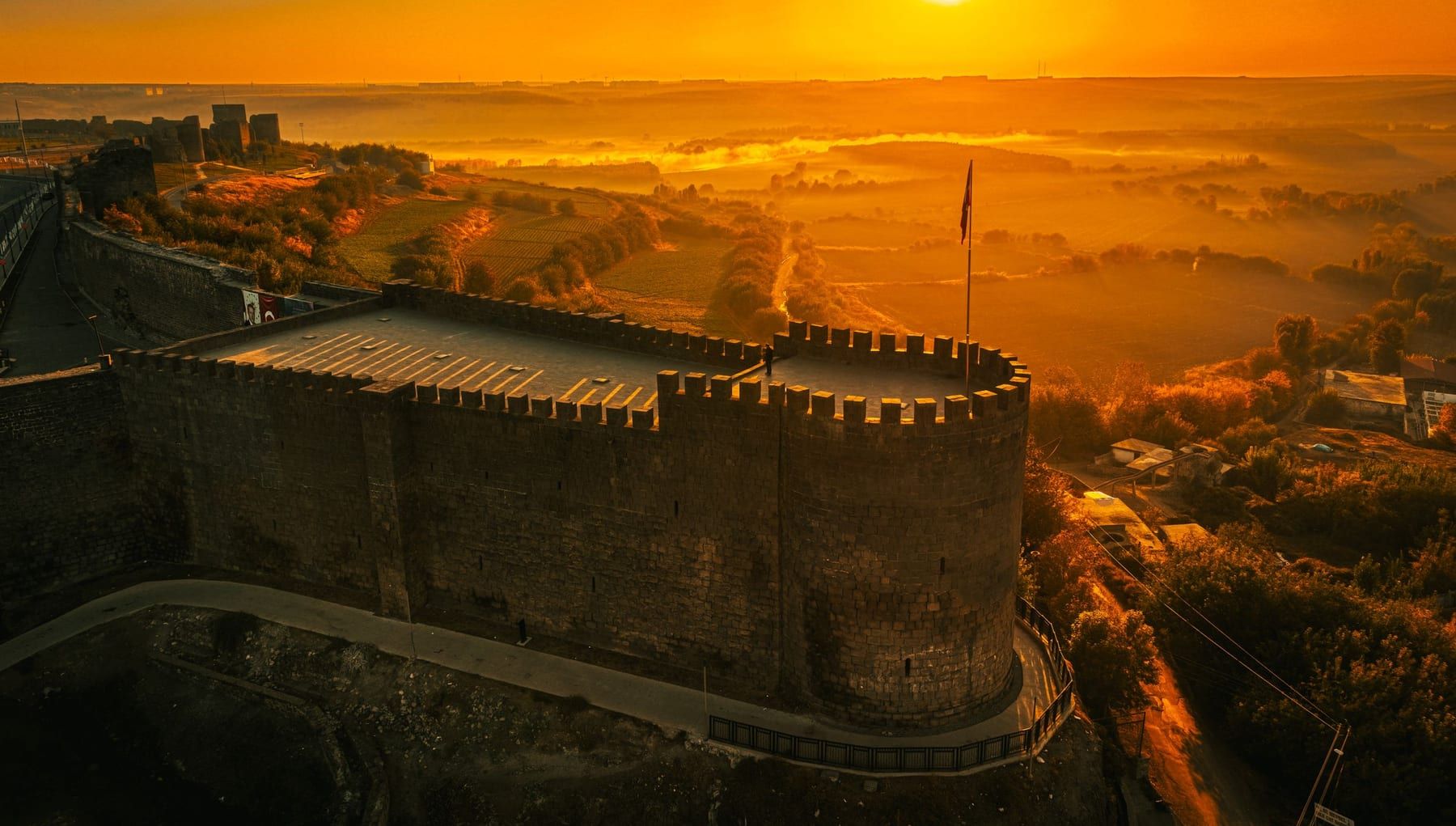
    Diyarbakır is the largest Kurdish city in Turkey, and it is honest: loud, lively, with a five kilometre city wall of black basalt, considered the longest in the world after the Great Wall of China. One day covers the essentials, because the city is compact. You breakfast like the locals on ciğer, grilled liver with onions and parsley, at seven in the morning at a ciğerci by the market, then walk through Sur, the old town within the walls: the Ulu Camii, one of the oldest mosques in Anatolia, the Armenian church of Surp Giragos, the Hasan Paşa Hanı caravanserai for a çay in the courtyard. Climb the wall at the Keçi Burcu to see the Hevsel Gardens on the Tigris, farmed for thousands of years, and the Ten-Eyed Bridge. In the afternoon kadayıf with cheese and Diyarbakır watermelon, which grows so big here that it has its own festival. Sleep in a mid-range hotel in or near Sur, around CHF 55 (about EUR 59). On to Nemrut: 200 kilometres via Siverek and Kahta to Karadut on the D360 and D885, three and a half hours with the ferry stop or the bridge over the Atatürk reservoir.

    Tours at this stop: City walls and Sur old town ↗Diyarbakır food tour ↗

    Open the Diyarbakır travel guide →
  5. Day 8 to 9

    Nemrut: Heads of Gods in the Morning Light and the Drive Back

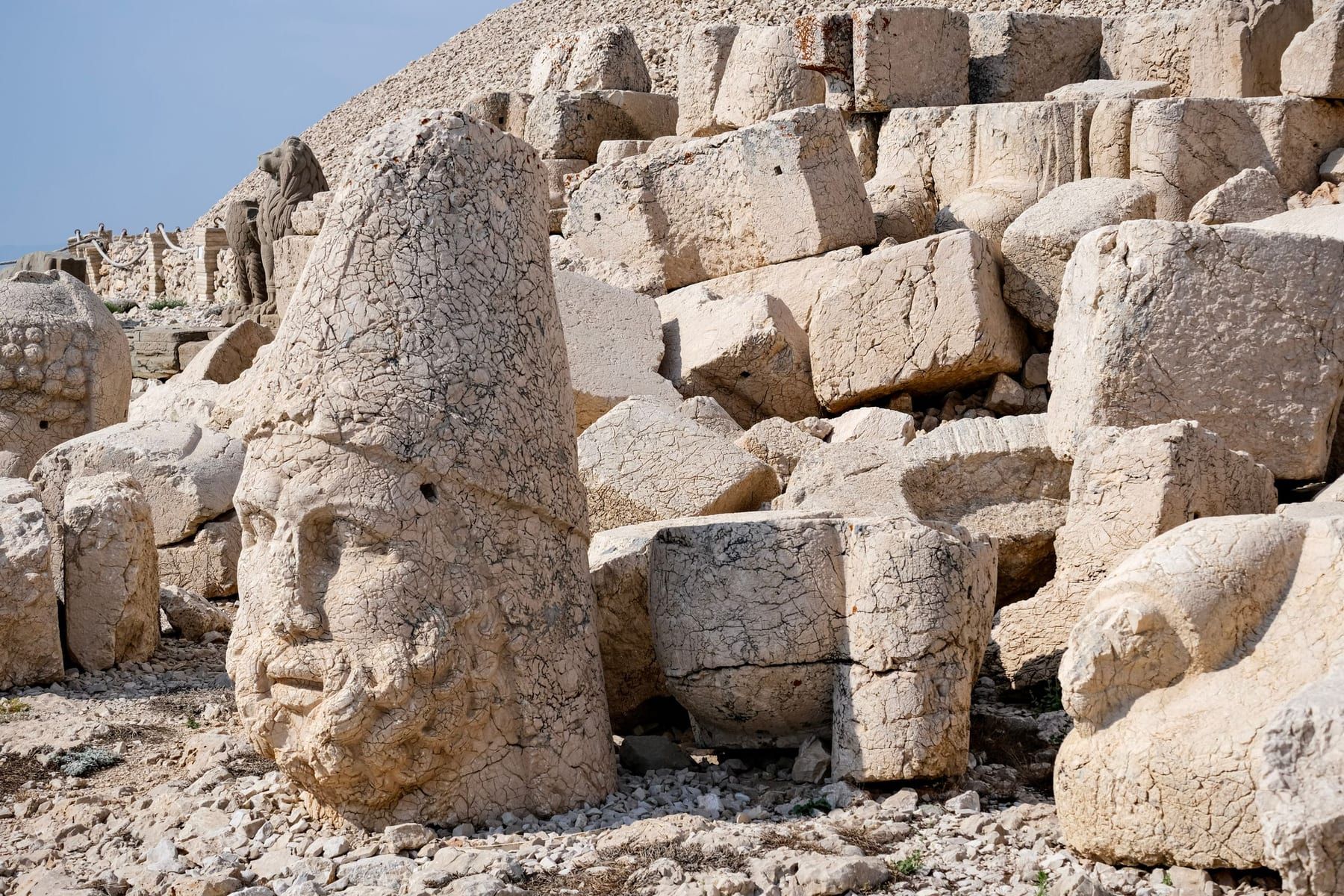
    Mount Nemrut is the final chord: at 2,150 metres, in the 1st century BC, King Antiochus I of Commagene had a burial mound heaped up, flanked by two terraces with colossal statues whose heads now stand on the ground gazing over the plain. You sleep in Karadut, the village at the foot of the mountain, in a simple guesthouse with half board, around CHF 50 (about EUR 54) per night, because the summit road from there is only twelve kilometres. On the first evening drive up for sunset on the west terrace to get your bearings, and the next morning at four for sunrise on the east terrace, which is honestly the better half; dress warmly, it is five degrees up there even in July. Then breakfast at the guesthouse and the valley sites on the way back: the Karakuş burial mound, the Roman Cendere Bridge and Arsameia with the Heracles relief, all along one road. Return journey: 90 kilometres to Adıyaman airport with few flights; more reliable is the 250 kilometres back to Gaziantep on the D360 and O-52, three and a half hours, where you drop the car and fly via Istanbul to Zurich.

    Tours at this stop: Nemrut sunrise from Karadut ↗Commagene loop: Arsameia and Cendere ↗

    Open the Mount Nemrut travel guide →

If you book through these links we earn a small commission, at no extra cost to you.

What the route costs

Rough total per person for the whole route, mid-range, travelling as a pair. Flights and hotels vary by season; details are on the destination pages.

  • Getting there 428 EUR
  • Accommodation 246 EUR
  • Food 278 EUR
  • Local mobility 353 EUR
1,305 EUR
Total per person · 9 days

Money & payment: You pay in Turkish lira (TRY). The exchange rate moves a lot, which is why all prices here are given in francs and euros. Cards are accepted almost everywhere; you need cash for the dolmuş, markets and tips.

Rental car for this route

A rental comparison link will follow once the partner programme is live. Until then, compare directly with the rental companies or at your arrival airport.

Tips for the route

The route also works backwards: fly to Adıyaman or Malatya, Nemrut first, then Diyarbakır, Mardin, Urfa and finally Gaziantep with baklava as a farewell and the flight home from there without a one-way fee. The downside: you start with the most tiring night. Most people prefer the sunrise as the climax at the end.

It stays cheaper without a one-way rental: fly in and out of Gaziantep, pick up and return the car there; the 250 kilometres from Nemrut to Gaziantep take half a day. The O-52 motorway between Gaziantep and Urfa charges a toll via the HGS sticker, around CHF 5 (about EUR 5) each way; the rest is toll-free, new main roads. Fuel costs as in Switzerland.

April, May, October and November are the months. It gets hot in June, and in July and August the plain sits at 40 to 45 degrees, when even baklava is no fun any more and Göbekli Tepe has no shade. In winter Nemrut is closed because of snow from November to April, and the route then ends in Diyarbakır.

Eat baklava in the morning, kebab at lunchtime and mezze in the evening, and ask the hotel to name the places where the locals eat, not the ones with the picture menu by the castle. In Gaziantep a cooking class or a food tour on the first day is worthwhile; after that you know what to order. Vegetarians eat well: çiğ köfte without meat, lentil soup, aubergines in every form.

For Nemrut book a guesthouse in Karadut with half board, because the village has no restaurant, and ask about the transfer to the summit if you do not want to drive the hairpins yourself at night, around CHF 25 (about EUR 27) for the car. For Göbekli Tepe and the Zeugma Museum you buy tickets at the entrance; prices for foreigners are 15 to 20 euros each. Book the sıra gecesi in Urfa through the hotel.

Safety: the region is calm, Mardin and Gaziantep are well set up for tourists, and Diyarbakır is normal everyday life. You will see police posts and armoured vehicles, which is routine. Check the Swiss FDFA travel advice for the provinces on the Syrian border before the trip and stick to main roads. The people are so hospitable that you will drink more tea than you care to.

Frequently asked questions about Culinary Mesopotamia

How many days do you need for south-eastern Anatolia?

Nine days for the five stops with two nights per city and one night in Diyarbakır. In seven days you leave out Diyarbakır and drive straight from Mardin to Nemrut. With twelve days you stay longer in Mardin, add Hasankeyf on the Tigris or tack on Malatya and its apricots.

When is the best time to travel?

April, May, October and November with 20 to 30 degrees. In May the fields around Harran are green, in October it is pistachio harvest in Gaziantep. Summer is barely bearable at over 40 degrees, and winter on the plain is mild, but Nemrut is then closed and it can snow in Mardin.

Do I need a hire car?

Not necessarily for Gaziantep, Urfa, Mardin and Diyarbakır; comfortable intercity buses run between them, and taxis and dolmuş are enough on the spot. For Göbekli Tepe, the monasteries of the Tur Abdin, Halfeti and Nemrut you save time and money with a car, because tours for two quickly cost as much as a hire car for the day.

What does the culinary week cost per person?

Around CHF 1,220 (about EUR 1,310) per person travelling as a couple in mid-range: flight via Istanbul 400, eight hotel nights 230, food 260, hire car for nine days with fuel, tolls and one-way surcharge 330. Food here is so cheap that the food tour and the cooking class fit into the food budget as well.

Is the region safe and what is driving like?

Safe for travellers, with a visible police presence. The roads are new and empty, motorway between Gaziantep and Urfa, main roads after that. Do not drive at night; the hairpins up Nemrut are steep and without crash barriers, so treat them with respect in the wet. Check the Swiss FDFA travel advice before the trip; a Swiss driving licence is sufficient.

Is there a shorter or longer version?

Shorter: Gaziantep and Şanlıurfa in four days as a food and Göbekli Tepe weekend, flying in and out of Gaziantep. Longer: after Nemrut continue to Malatya with its apricots and fly from there, or spend two days in Hatay with Antakya before Gaziantep, whose cuisine is yet another world of its own.

More itineraries through Turkey