History & background
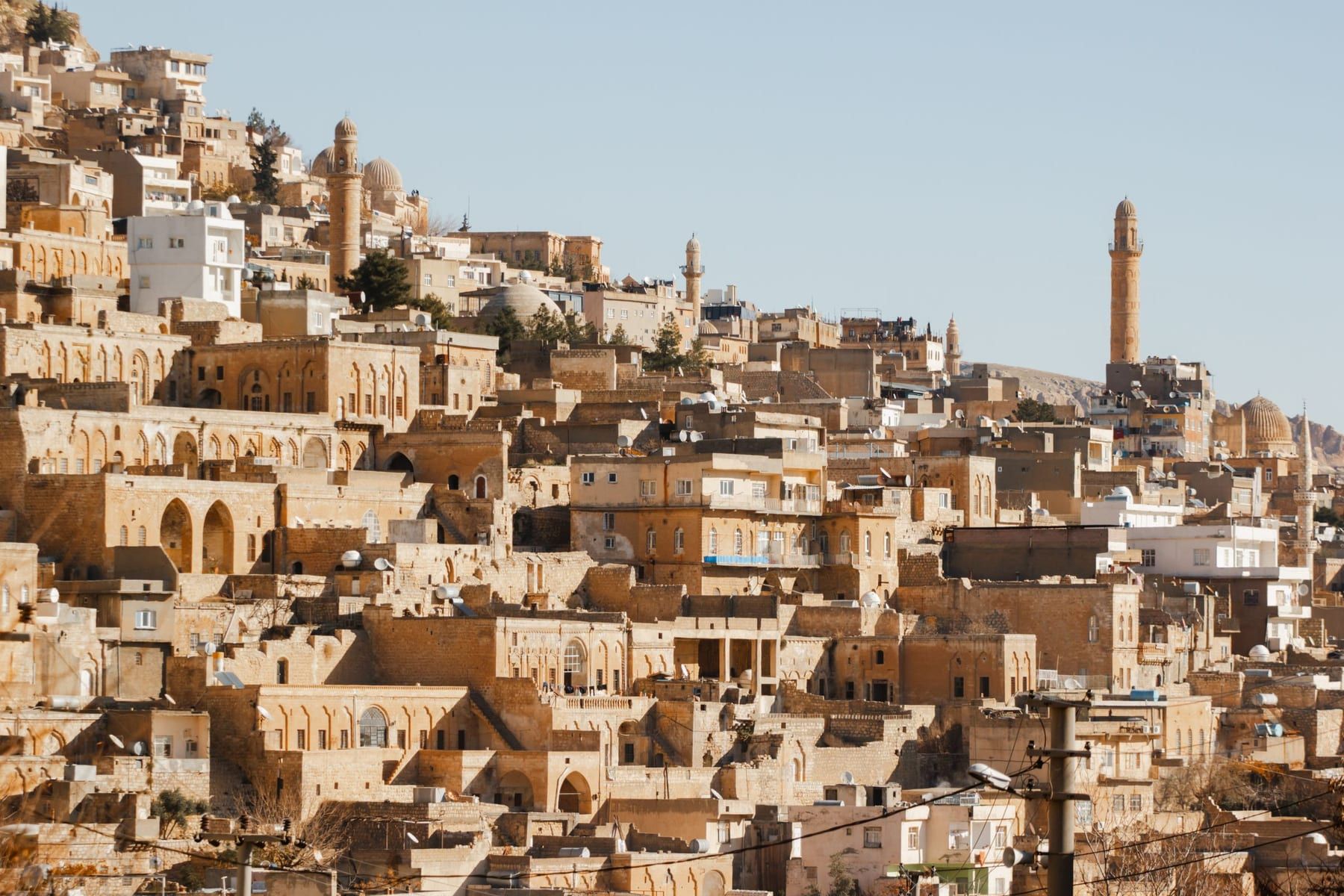
Mardin clings to a rocky hillside high above the Mesopotamian plain, and from every terrace you can see all the way to Syria. The city is built from honey-coloured limestone, house upon house, linked by stepped alleys and vaulted passages known as abbaras. The Assyrians already knew the site; Romans, Byzantines and Arabs followed. Mardin's golden age came under the Artuqids in the 12th and 13th centuries: the Zinciriye and Kasımiye madrasas with their elaborately carved portals date from that period. What makes Mardin special is its diversity. Arabs, Kurds, Turks and Syriac Orthodox Christians have lived side by side here for centuries, and the Deyrulzafaran monastery just outside the city was the seat of the Syriac Orthodox patriarch for more than 600 years. In the Tur Abdin, the hill country east of Mardin, monasteries still stand where prayers are said in Aramaic, the language Jesus spoke. The ruins of Dara, once an Eastern Roman fortress city facing the Persians, lie half an hour away. Mardin is on the UNESCO tentative list and has become the most popular destination in Turkey's southeast in recent years.