Ibis Gaziantep
The familiar chain concept: small, clean rooms, a good bed, reliable Wi-Fi, at a price that is hard to beat in the southeast. In the new town; the old town is around 15 minutes away by taxi or tram. Ideal for the first and last night.
Turkey · Southeastern Anatolia · Travel guide
What a few days in Turkey's culinary capital really cost, where to find the best baklava and which experiences beyond the food make the trip worthwhile.
Photo: Baset Alhasan / Pexels
Adjust the values to your trip: the calculator updates live (EUR, converted from CHF estimates).
Estimates for orientation, not booking prices. Flights and hotels vary strongly by season: current prices are behind the links below.
Money & payment: You pay in Turkish lira (TRY). The exchange rate moves a lot, which is why all prices here are given in francs and euros. Cards are accepted almost everywhere; you need cash for the dolmuş, markets and tips. Flight time: 3 to 4 hours.
Nine options in three price ranges, each among the best-rated on Booking.com.
Budget
The familiar chain concept: small, clean rooms, a good bed, reliable Wi-Fi, at a price that is hard to beat in the southeast. In the new town; the old town is around 15 minutes away by taxi or tram. Ideal for the first and last night.
Modern mid-range standard at a budget price, with breakfast included, a gym and large rooms. The new-town location is unspectacular but practical, with parking and a quick route to the airport. Good for anyone who wants comfort without a surcharge. Breakfast is already included in the price.
Simple, central city hotel within walking distance of the old town and the bazaar. The rooms are plain, the staff helpful, the price fair. If you mainly want to eat and wander the alleys and only need a clean bed at night, this is the place.
Mid-range
Four restored 19th-century stone houses grouped around courtyards, in the heart of the old town. Antique furniture, wooden ceilings, a breakfast of Antep specialities in the courtyard. Personal and run with great care, for years the first choice for travellers looking for atmosphere. Book early, the house is often full.
A former caravanserai right in the bazaar quarter, with a courtyard and vaulted rooms. You are two minutes from the coppersmiths and from İmam Çağdaş. The rooms are solid rather than luxurious, but you pay a fair price for a location in the thick of it.
Long-established four-star house on the main street of the new town, with hammam, pool and a restaurant that ranks among the better ones in the city. A little old-fashioned, but spacious and well run. For anyone who prefers to relax in a big room after the bazaar. Five minutes to the old town by taxi.
Luxury
The city's flagship: five stars, spa, pool, an elegant restaurant serving Antep cuisine and a collection of local art in the house. Generous rooms, service at Istanbul level. Ten minutes to the old town by taxi. The best address for framing a culinary trip.
Large, modern hotel in the new town with pool, spa, hammam and one of the best breakfast buffets in the city. International standard, reliable, lots of space. Not charming, but comfortable, and often at prices you do not get in western Turkey. Well suited to families with children.
Five-star house right next to the Zeugma Mosaic Museum, with spa, steam bath, gym and a breakfast that reviews regularly praise. The rooms are large, the house more solid four-star quality than real luxury, but often considerably cheaper than the international chains. Ten minutes by taxi to the old town and the bazaar. With parking.
If you book through these links we earn a small commission, at no extra cost to you.
One of the largest mosaic museums in the world, home to the famous Gypsy Girl. Plan at least two hours and take the audio guide. The city's highlight besides the food. Ten minutes by taxi from the old town, entry around CHF 10 (about EUR 11).
With a guide through the bazaar and the old town, from beyran in the morning via lahmacun to baklava and katmer. You learn the addresses where locals eat. Three to four hours, and you are guaranteed to be full.
Roll out 40 layers of pastry yourself, spread the pistachios and understand why Antep baklava is different. Usually in a bakery or a konak, with the result to take away. Around two hours. Around CHF 30 to 50 (about EUR 32 to 55) per person.
The castle is under restoration after the earthquake but impressive from outside. Around it, the historic bazaar with coppersmiths, spices and pistachio traders. Liveliest on weekdays. With a guide you also understand the story of the 1921 defence.
Boat trip over the sunken village on the Euphrates to the rock fortress of Rumkale, plus black roses and fish on the riverbank. The most beautiful excursion from Gaziantep, less crowded during the week. From CHF 30 (about EUR 32) per person.
The original site of the mosaics on the Euphrates near Nizip, with Roman villas under a protective roof. 50 kilometres from the city, easy to combine with Halfeti or the museum. Two hours is enough. Entry is cheap, the Museum Pass is valid.
Cook ali nazik, stuffed aubergines and katmer under guidance, then eat together. Half a day, often in an old konak. For anyone who wants to take the recipes home.
Small museum in an old-town house that explains Antep cuisine with replicas, utensils and stories. A short, charming visit that makes the food taste better afterwards. Entry costs a few francs, an hour is enough.
Multi-day tours from Gaziantep via Şanlıurfa, Göbekli Tepe, Mardin and Nemrut. For anyone who wants to see the southeast without their own car, with driver and guide. Four to seven days, usually bookable from two people.
If you book through these links we earn a small commission, at no extra cost to you.
Gaziantep is Turkey's UNESCO city of gastronomy and takes it seriously: baklava with green boz pistachios, beyran soup at six in the morning, katmer, lahmacun and kebabs that the rest of the country copies. You eat breakfast, lunch and dessert here at world-class level for the price of a sandwich in Zurich.
Paper-thin layers of pastry, pistachios and butter, crisp rather than soggy; fıstıklı with pistachio, şöbiyet with cream. A plate of four to six pieces costs CHF 4 to 6 (about EUR 4.30 to 6.50), a kilo CHF 20 to 30.
Tip:Order it warm with çay; have it vacuum-packed for the flight.
Breakfast soup of shredded lamb, rice, garlic, butter and plenty of pepper, brought to the boil in a copper pan over an open flame; spicy, fatty, magnificent. CHF 4 to 5 (about EUR 4.30 to 5.40).
Tip:Between 6 and 10 am, with flatbread; often sold out after 11.
Paper-thin dough with pistachios, clotted cream and sugar, baked crisp in the oven and cut into diamonds; strictly a breakfast, but it works at any hour. CHF 4 to 6 (about EUR 4.30 to 6.50) per portion.
Tip:In the morning with tea; as a dessert, share one between two.
Thin flatbread with minced meat, parsley and pepper paste, in Antep with garlic or onion; out of the stone oven in two minutes. CHF 2 to 3 (about EUR 2.20 to 3.20).
Tip:Roll it up with salad and lemon, ayran on the side; at lunchtime.
Smoked aubergine purée with garlic yoghurt, topped with grilled minced lamb and browned butter; the dish that sums up Antep best. CHF 8 to 12 (about EUR 8.60 to 13).
Tip:As a main course in the evening, with lavaş and grilled peppers.
Festive soup with tiny rice and meat balls, chickpeas, pieces of lamb and a minted yoghurt broth; traditionally for Bayram, today also in lokantas. CHF 5 to 8 (about EUR 5.40 to 8.60).
Tip:At lunchtime as the dish of the day; check the board at the entrance.
Coffee made from roasted terebinth berries, caffeine-free, cooked with milk, nutty and creamy. CHF 1.50 to 2.50 (about EUR 1.60 to 2.70).
Tip:In the afternoon, watching the bustle; it also comes as a paste in a jar to take home.
Pistachios from the region, sold in the bazaar raw, roasted or as green boz for baklava; from CHF 15 (about EUR 16) per kilo, well below the Swiss price.
Tip:Buy them unsalted and have them vacuum-packed; on a weekday, the bazaar is closed on Sundays.
Through markets and eateries with a guide, tastings included.
If you book through these links we earn a small commission, at no extra cost to you.
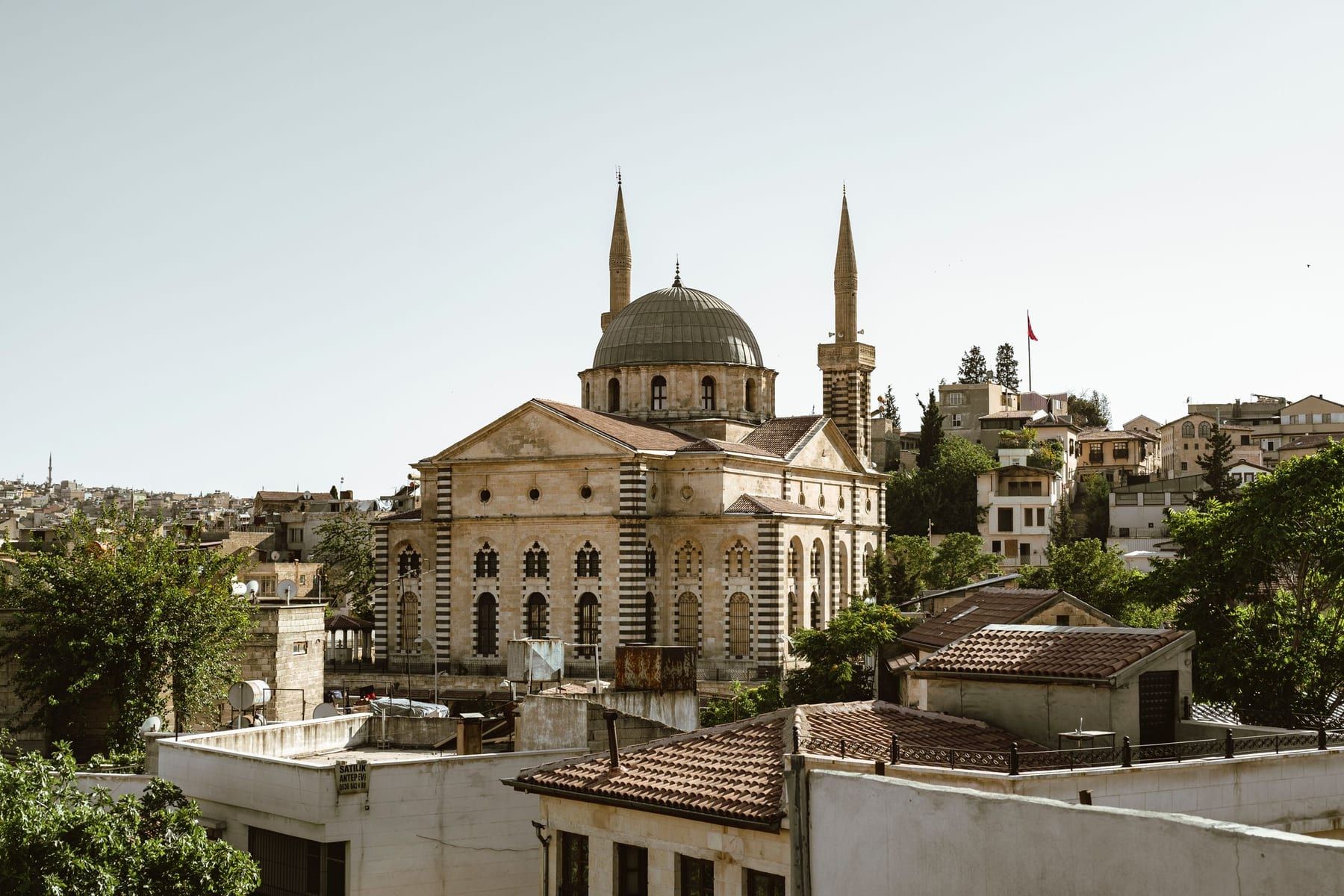
Gaziantep, Antep for short, is one of the oldest continuously inhabited cities in the world. The Hittites settled here, and the Romans built Zeugma on the Euphrates into a wealthy trading city whose mosaic floors now fill the city's most important museum. The castle on the hill in the old town is Byzantine at its core and was extended by Seljuks and Ottomans. The city received its honorary title Gazi, war veteran, in 1921 after months of defence against French troops. What defines Gaziantep today is its position between Anatolia, Syria and Mesopotamia: every cuisine that passed through left its mark. Antep pistachios are considered the best in the world, the city's baklava has protected designation of origin, and in 2015 UNESCO made Gaziantep the first Turkish city in its Creative Cities Network for gastronomy. The earthquake of February 2023 hit the region hard; the castle was damaged and has been under restoration since. The old town, the bazaars and the museums reopened long ago, and the city lives from trade, from copper, pistachios and a passion for food you will not find anywhere else in Turkey.
Antep baklava is thinner, crispier and heavier on pistachio than anything you know from the supermarket. The big names in town are İmam Çağdaş (since 1887, in the old town, also a restaurant) and Koçak Baklava (several branches, many locals swear by it), plus Güllüoğlu, which became famous in Istanbul but comes from Antep. A kilo costs CHF 20 to 30 (about EUR 21 to 32) at the good houses, a plate of four to six pieces in the shop CHF 4 to 6. What to avoid: the shops at the airport and the brightly packaged gift boxes in souvenir stores, which are often days old and twice the price. In the shop, order fıstıklı baklava (with pistachio) or şöbiyet (with cream), warm, with çay. For the flight home, the good bakeries will vacuum-pack the baklava; it keeps for five to seven days that way.
The Zeugma Mosaic Museum is one of the largest mosaic museums in the world and the second reason for a trip to Gaziantep. The floors come from Roman villas at Zeugma on the Euphrates, rescued during construction of the Birecik Dam. The most famous piece is the Gypsy Girl, a girl's face with a gaze that follows you around the room, displayed in its own darkened chamber. Plan at least two hours, better three. Entry is around CHF 10 (about EUR 11), and the museum is ten minutes by taxi from the old town. An audio guide is worth it, the labels are rather brief. If you want to see the original site: Zeugma itself lies 50 kilometres east near Nizip, and part of the villas can be visited under a protective roof. Together with the museum, a full and rewarding day.
The historic bazaar around the castle is still a place of work, not a tourist market. In the Bakırcılar Çarşısı you hear the coppersmiths hammering before you see them, and you can buy trays, pots and pans directly from the master. A hand-hammered copper pan costs CHF 25 to 60 (about EUR 27 to 65), considerably less than in Istanbul. In the Zincirli Bedesten and the alleys around it there are spices, leather yemeni shoes, pepper paste and, of course, pistachios. Buy the pistachios unroasted and unsalted from a trader in the bazaar, not in tourist packaging, and have them vacuum-packed, from CHF 15 per kilo. The boz variety, harvested green and unripe, is especially good and is the one used for baklava. Most of the bazaar closes on Sundays, so plan your visit for a weekday. Bargaining is customary but friendly: ten to twenty percent is possible, not more, and a tea comes with every bigger purchase.
Antep cuisine has hundreds of dishes, and in three days you will manage only a fraction. Beyran is the city's breakfast soup: lamb, rice, garlic and plenty of pepper, hot from the copper cauldron, for CHF 4 to 5 (about EUR 4 to 5), best in one of the places around the old town from six in the morning. At lunch, lahmacun, the thin meat flatbread, for CHF 2 to 3, or ali nazik, grilled minced meat on smoked aubergine purée with yoghurt. In the evening, kebab at an ocakbaşı, where you sit at the grill: patlıcan kebabı with aubergine, küşleme from tender lamb loin. A good kebab evening costs CHF 15 to 25 per person. Then katmer, paper-thin pastry with pistachios and cream, technically a breakfast dish that works at any time of day. If you are unsure where to start, book a food tour on the first day and carry on eating on your own for the rest.

The best day trip from Gaziantep is Halfeti, two hours to the east. The Birecik Dam flooded the old village in the 1990s; today a minaret rises from the water, and you take a boat over the submerged houses to the fortress of Rumkale, a castle on a rocky spur above the river. The boat trip costs CHF 5 to 10 (about EUR 5 to 11) per person on the shared boats at the shore; private boats charge many times that. Halfeti is famous for its black roses, which grow in this dark shade only here, and for fish from the Euphrates, eaten on the riverbank. Organised day tours from Gaziantep cost CHF 30 to 50 including the boat; with a rental car you are more flexible and can take in Zeugma or Birecik on the way back. Halfeti is packed at weekends and relaxed during the week.
Gaziantep was close to the epicentre of the February 2023 earthquake. The castle lost parts of its walls, and some buildings in the old town were damaged. Two years on, most of it has been repaired; the castle is under restoration and can be seen from outside, while the Zeugma Museum, the bazaars, the konak hotels and the restaurants are all open. In the outer districts you still see gaps where buildings stood, and the subject comes up in conversation. For you as a visitor it means: come. Tourism matters to the city more than ever, and you will be welcomed with a warmth that goes beyond the usual. Many hotels have been newly renovated, and prices are not yet back at pre-earthquake levels. If you are unsure, ask your hotel in advance about the state of things in the area.
Two full days for the old town, the bazaar and the Zeugma Museum, a third for Halfeti. If you are serious about eating, stay three to four days. Gaziantep is also the ideal starting point for a southeastern road trip via Şanlıurfa, Mardin and Nemrut.
April to June and September to November. In high summer it climbs above 40 degrees, in winter it can be cold and grey. September is pistachio harvest, when the bazaar is especially lively.
With Turkish Airlines or Pegasus via Istanbul to Gaziantep (GZT); the airport is 25 minutes from the city. Return flights from Zurich cost CHF 320 to 450 (about EUR 340 to 480). Gaziantep has the best-connected airport in the southeast, often with several flights a day.
Yes. Gaziantep is a city of millions with plenty of industry and trade, and the old town and the tourist sites are relaxed. The Syrian border is 60 kilometres to the south; most foreign ministries advise against travel to the immediate border area, but the city itself is not affected. Check your foreign ministry's current travel advice before you go, as for any trip to the southeast.
Yes, no problem, in hand luggage or in your suitcase. The good bakeries vacuum-pack it on request, so it keeps for five to seven days. Pistachios too. Check the duty-free allowance of your home country before you fly back.
Partly. The cuisine is meat-heavy, but there are many meze, lentil dishes, stuffed aubergines, pilaf and of course the sweets. Lahmacun and beyran are out, katmer, baklava and the pistachios are in. You will not go hungry, but the famous dishes are mostly meat.
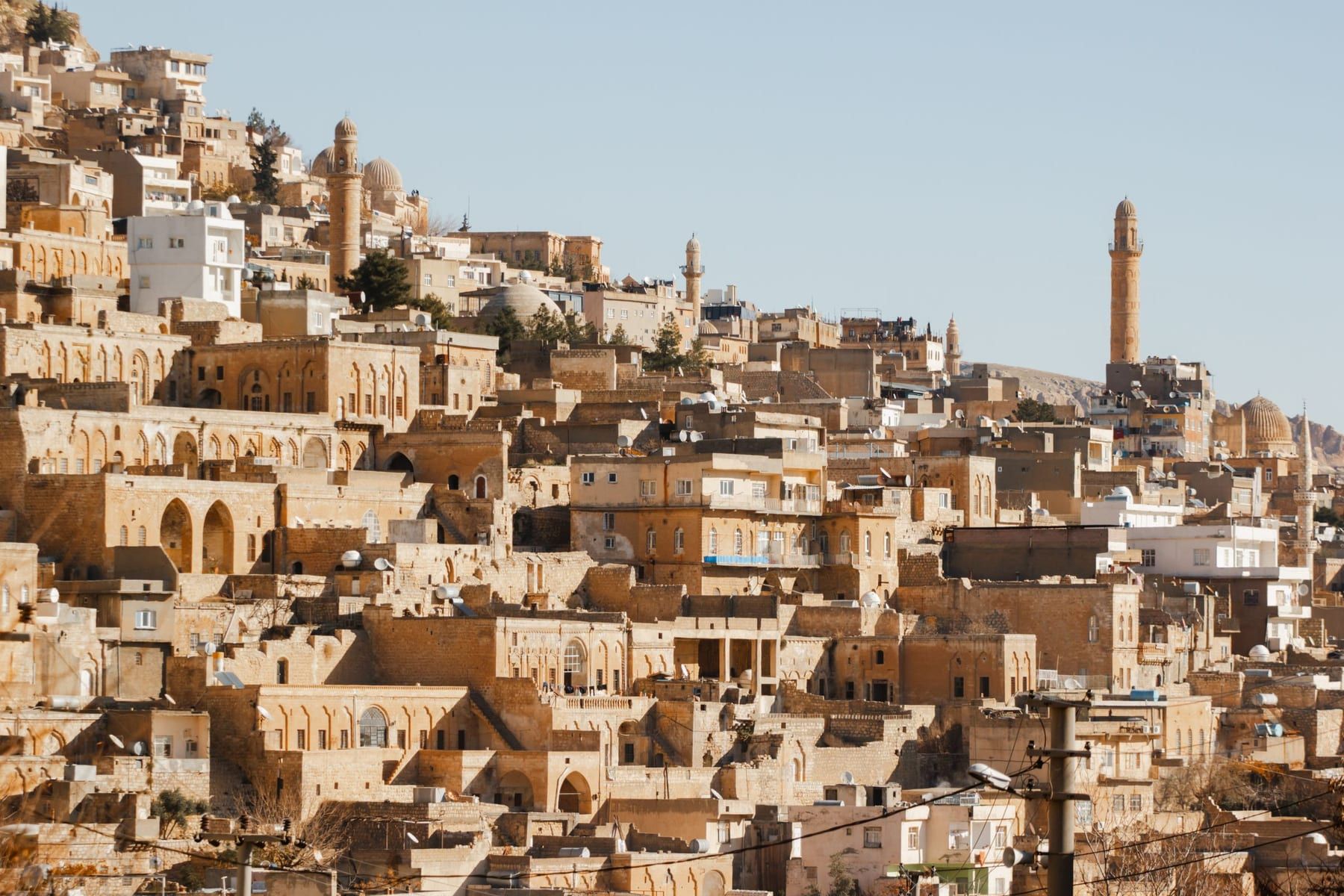
What a week in the golden stone city really costs, how to combine Mardin, Midyat and the monasteries sensibly and which experiences are worth it.
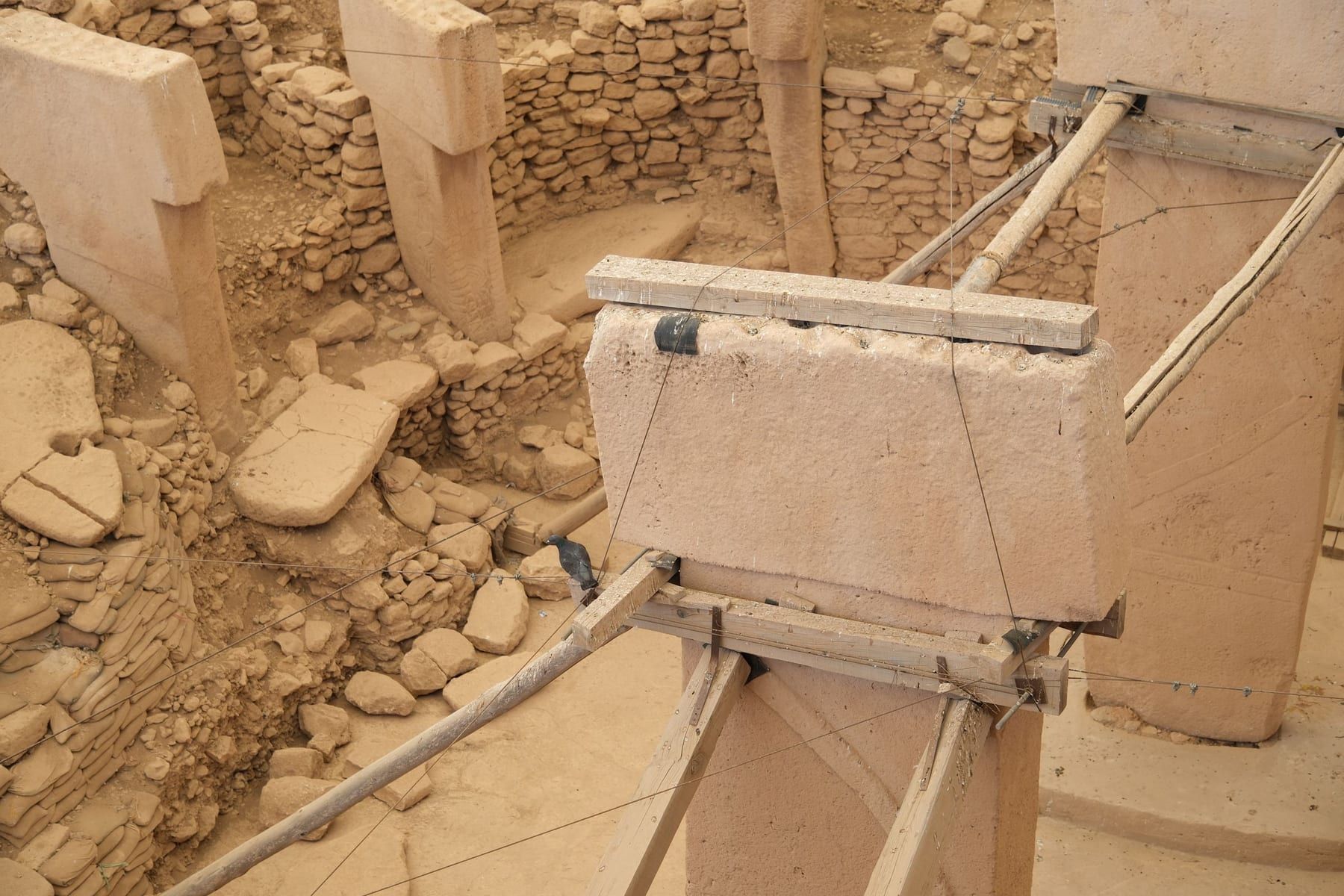
What a trip to the oldest temples in the world really costs, how to plan Göbekli Tepe and Harran sensibly and where to eat like a local in Urfa.
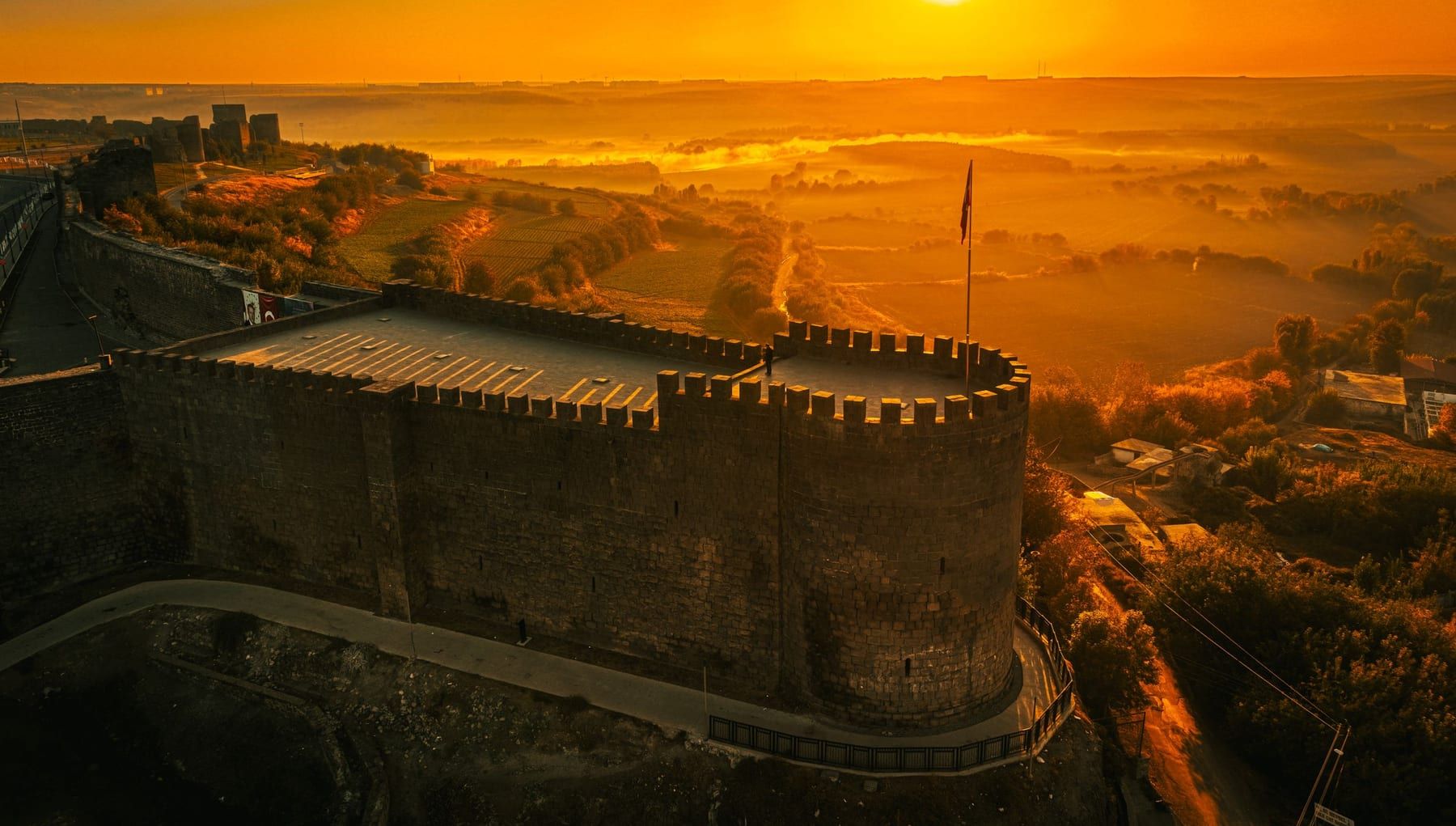
What a trip to the city behind the black walls really costs, how safe it is today and which experiences make the journey to the Tigris worthwhile.
What sunrise among the stone heads of Nemrut really costs, how to reach the mountain without a package tour and which Commagene sites you should take in.