History & background
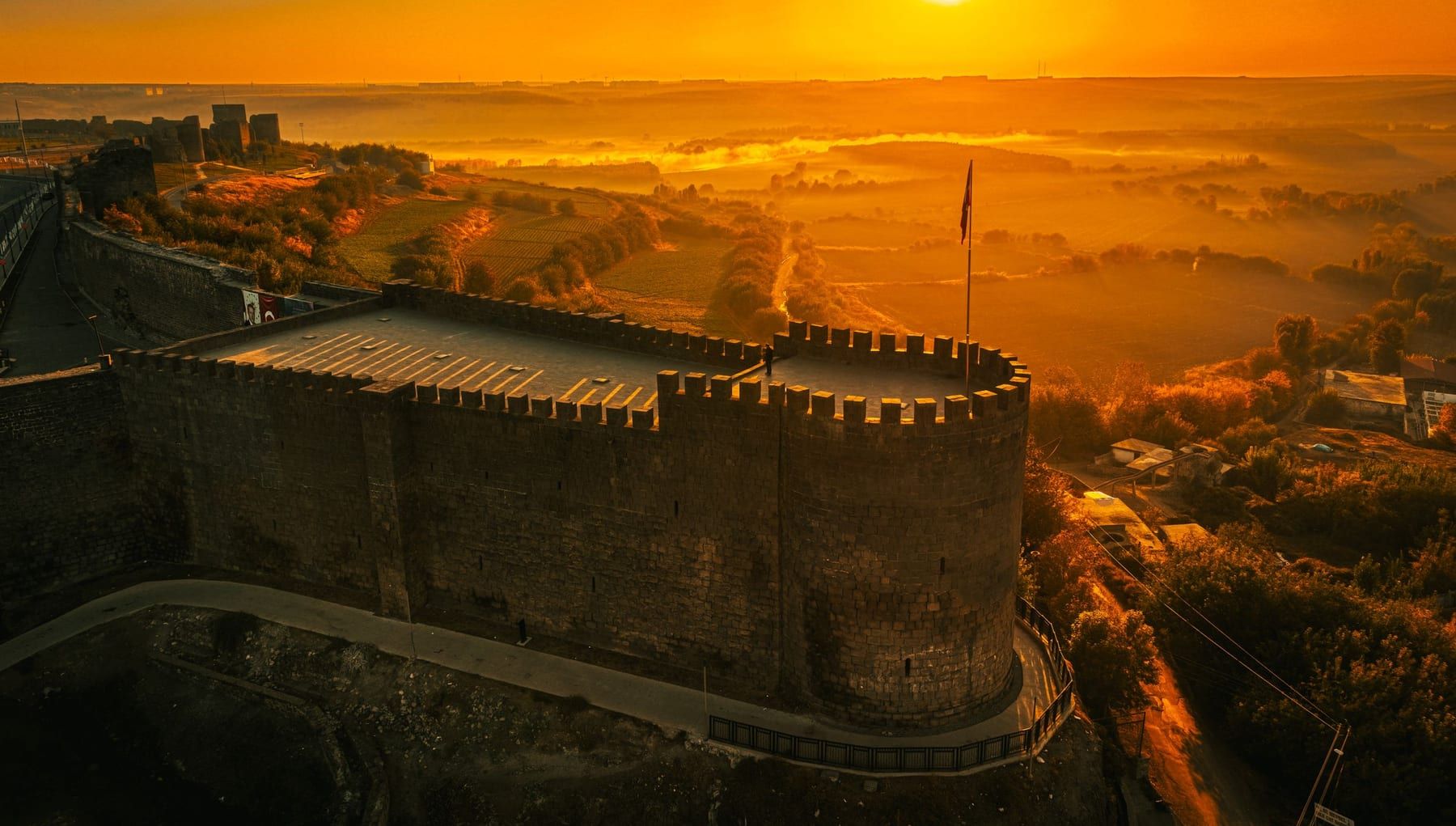
Diyarbakır sits on a basalt plateau above the Tigris and has been inhabited for at least 5,000 years. Hurrians, Assyrians, Romans and Byzantines built fortresses here, and the Roman city wall of black basalt, almost six kilometres long with 82 towers, is among the longest surviving city walls in the world. Only the Great Wall of China is longer. Between the walls and the river lie the Hevsel Gardens, orchards and vegetable fields cultivated for thousands of years that fed the city; together they have been a UNESCO World Heritage Site since 2015. After the Arab conquest in the 7th century the city was named Diyar Bakr, land of the Bakr, after the tribe of that name. The Ulu Camii, one of the oldest mosques in Anatolia, was built with columns from Roman buildings. Diyarbakır is the cultural centre of the Kurds in Turkey, with everything that means politically. The old town of Sur was badly damaged in the fighting of 2015 and 2016; parts were demolished and rebuilt. Today the city is calm again, the walls and gardens are open, and whoever comes experiences a city of two million people, plenty of pride, plenty of music and one of the most honest cuisines in Turkey.