History & background
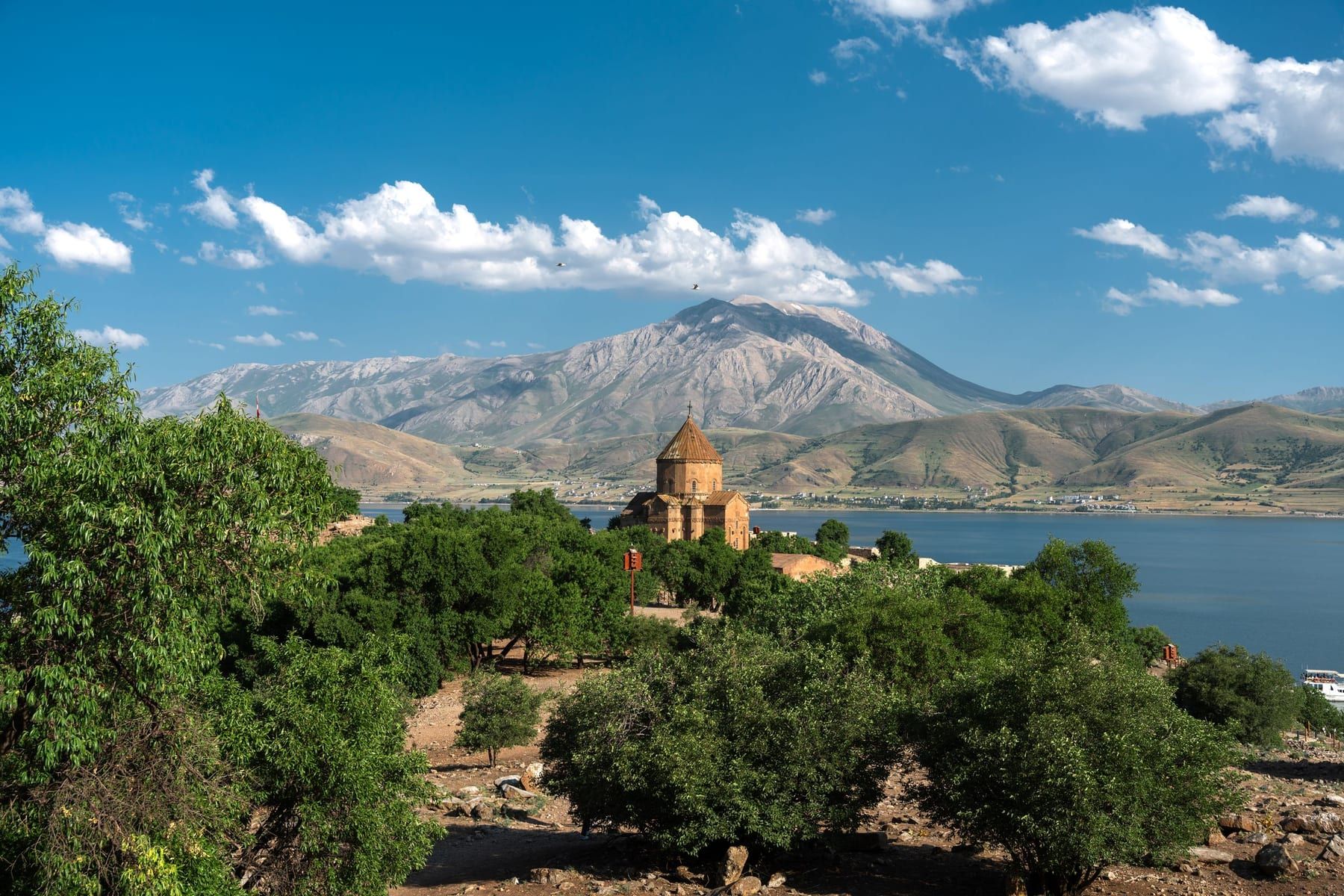
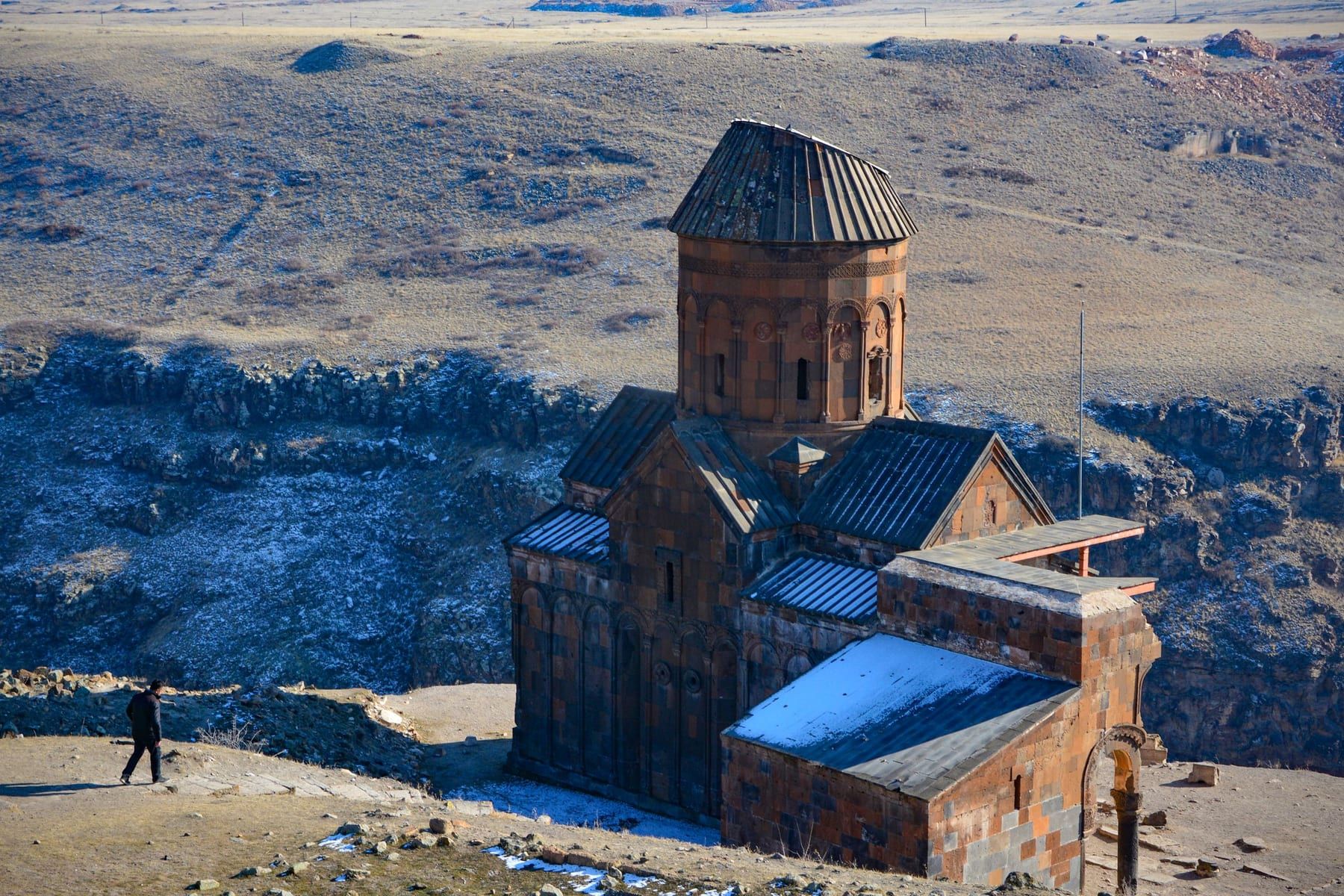
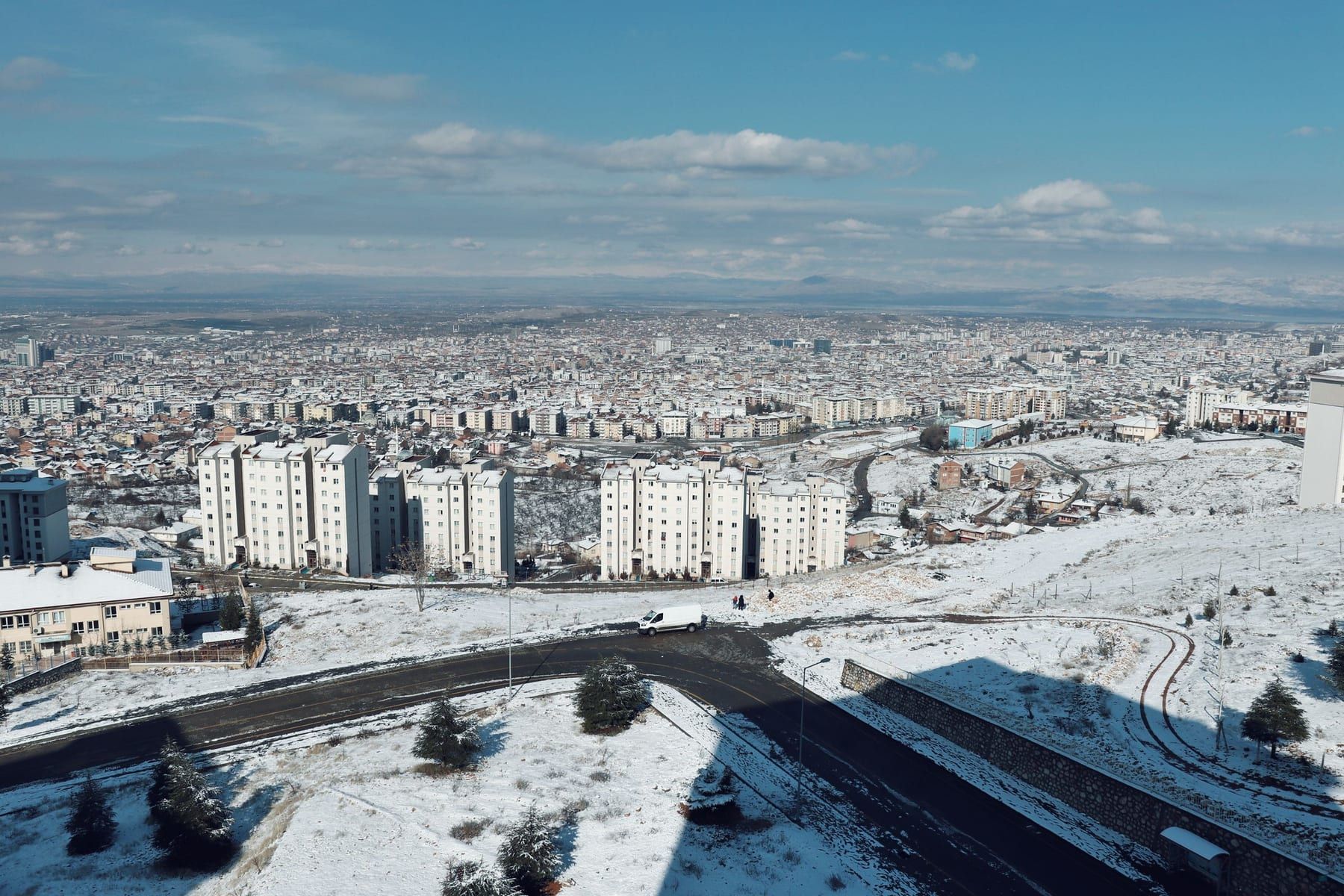
Van sits on the eastern shore of Lake Van, a vast soda lake at over 1,600 metres altitude and seven times the size of Lake Constance. Almost 3,000 years ago the city, then called Tushpa, was the capital of the Kingdom of Urartu, whose kings carved their inscriptions directly into the rock of Van Castle. The Urartians built canals, fortresses and temples, and after them came Medes, Persians, Armenians, Byzantines, Seljuks and Ottomans. For centuries Van was a centre of Armenian life: the 10th-century Church of the Holy Cross on Akdamar Island is its best-known legacy, with biblical reliefs on the outer walls. During the First World War the old town at the foot of the castle was completely destroyed and its population driven out or killed. Today's Van was rebuilt a few kilometres further east. In 2011 two severe earthquakes again wrecked large parts of the city, which is why Van looks strikingly modern today. The population is predominantly Kurdish, and the lake shapes the climate, the cuisine and the pace of life. Van is also famous for its white cats with odd-coloured eyes and for the most elaborate breakfast in Turkey.