History & background
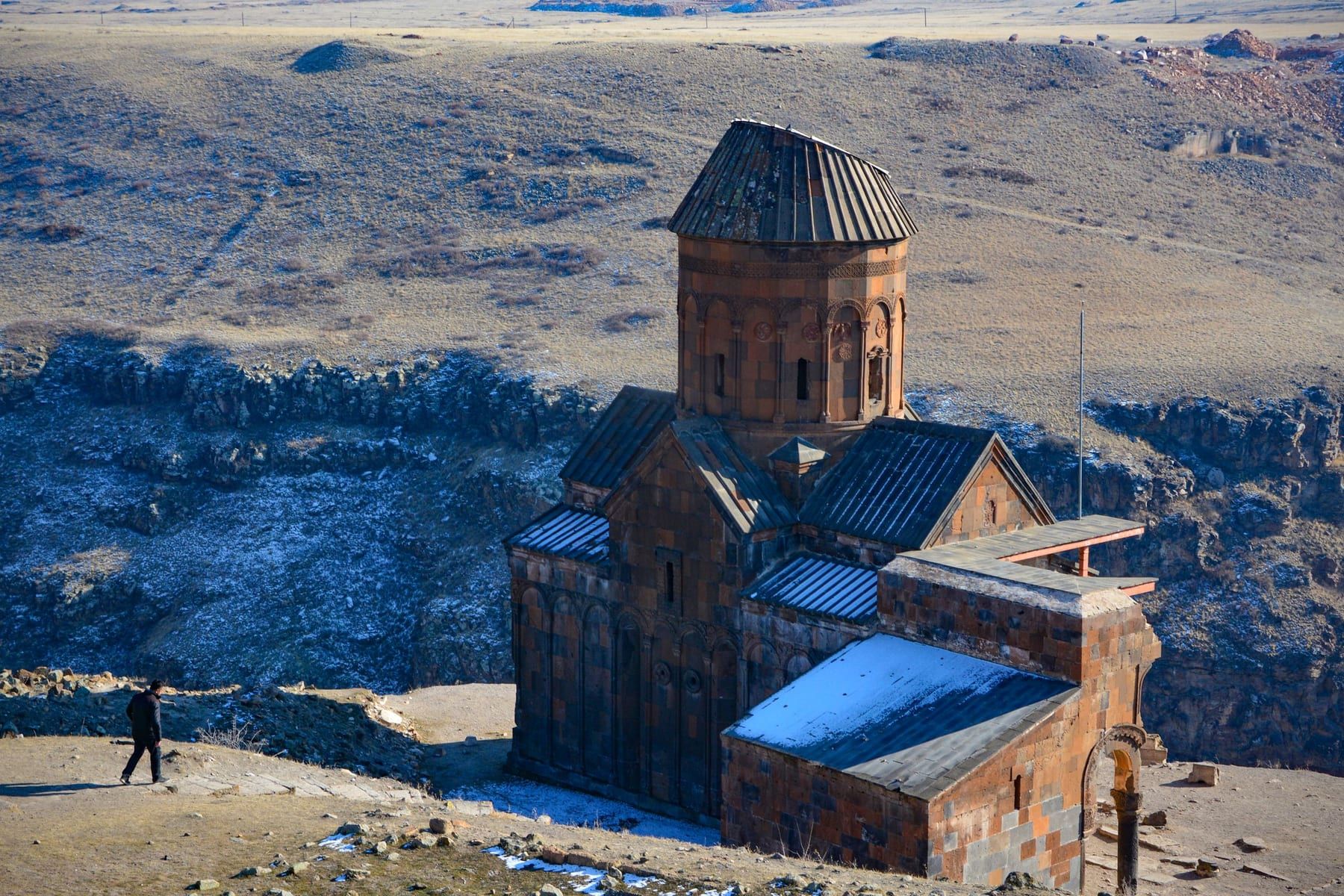
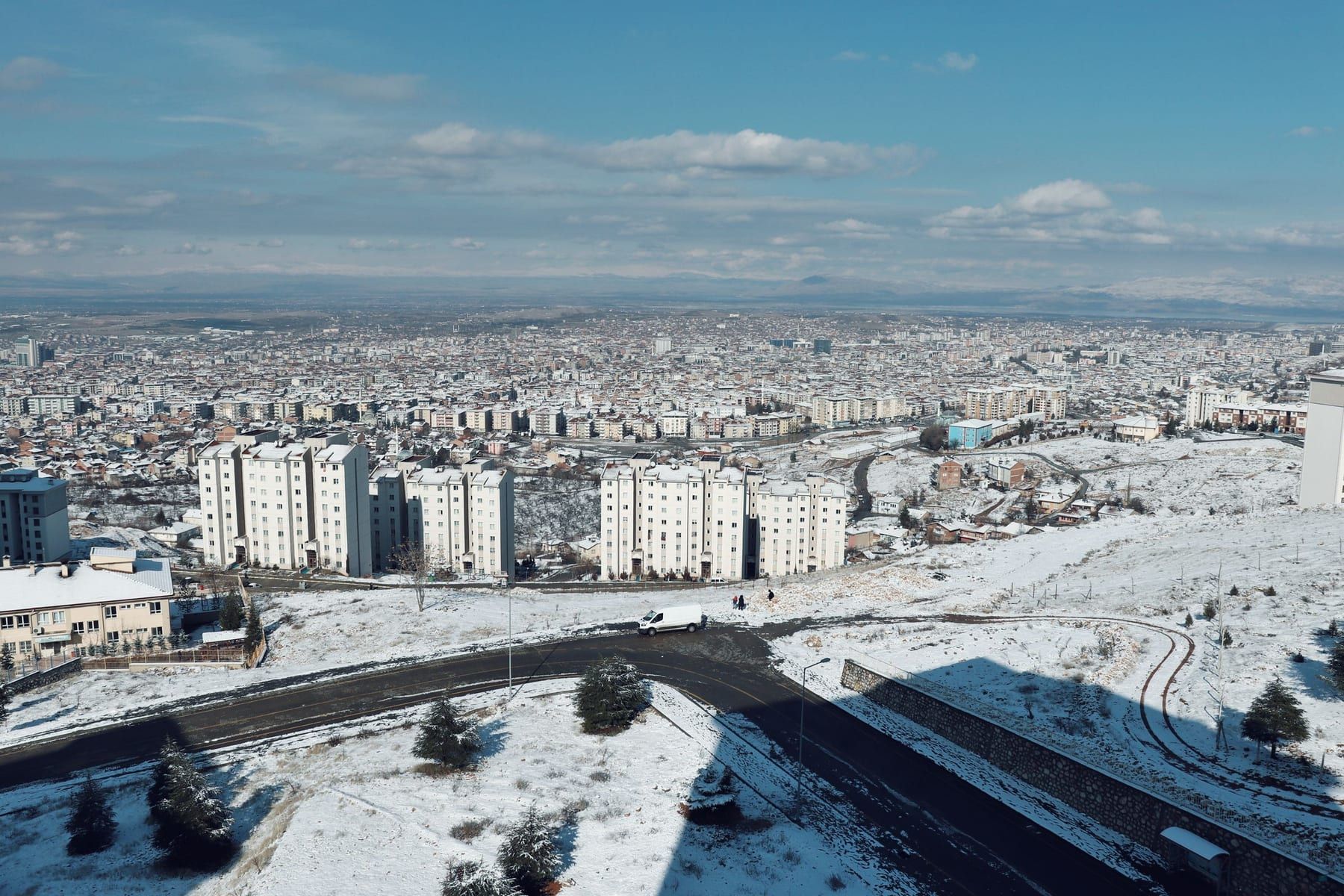
Kars lies at 1,750 metres in the far north-east of Turkey, 50 km from the Armenian border. Few cities have changed hands as often: Armenians, Byzantines, Georgians, Seljuks and Ottomans all built and destroyed here. In the 10th century nearby Ani was the capital of the Armenian Bagratid kingdom, a Silk Road metropolis of allegedly a thousand churches, abandoned after the Mongol invasion and earthquakes and today standing in the steppe as a UNESCO World Heritage Site. Kars itself became Russian in 1878 and stayed that way for forty years; the chessboard street grid and the low stone houses in Baltic style that give the city its un-Turkish face date from this period. In 1918 Kars returned to the Ottoman Empire, and in 1921 the present border was fixed. The writer Orhan Pamuk made the city world-famous with his novel "Snow". Today Kars lives from cattle farming, cheese, the military and increasingly from tourism: the journey on the Doğu Ekspresi from Ankara has turned Kars into a winter dream destination for young Turks within just a few years.