Vienna

Austria · Vienna, Danube & Burgenland · Travel guide

Vienna

What four days in the imperial city really cost, why the night train is the best way to get there and how to stand in the State Opera for CHF 15 instead of sitting for CHF 200.

Photo: Radubradu / Pexels

What does a trip to Vienna cost?

Adjust the values to your trip: the calculator updates live (EUR, converted from CHF estimates).

1,830 EUR
≈ 915 EUR per person
  • Getting there 342 EUR
  • Accommodation 696 EUR
  • Food 535 EUR
  • Local transport 64 EUR
  • Opera or concert evening (mid-range seat) 193 EUR

Estimates for orientation, not booking prices. Getting there means train or car from Switzerland, return, per person. Hotels vary strongly by season: current prices are behind the links below.

Money & payment: You pay in euros (EUR). Cards work almost everywhere; mountain huts and sausage stands often want cash. Tipping is expected: 5 to 10 percent, by naming the rounded total when you pay. In ski resorts a visitor tax of EUR 2 to 4 per night is added to the hotel price. Getting there: By train (ÖBB Railjet), car or a flight to Vienna, 2 to 8 hours.

Recommended hotels

Nine options in three price ranges, each among the best-rated on Booking.com.

Budget

Motel One Wien-Staatsoper

Innere Stadt, Vienna

The well-known budget design chain right behind the State Opera and two minutes from Karlsplatz. Small, good rooms, a lounge with a view of the opera, no restaurant. For the location the price is hard to beat.

from CHF 110 / night (about EUR 118) View →

a&o Wien Hauptbahnhof

Favoriten, Vienna

Large hostel hotel five minutes from the Hauptbahnhof, double rooms and dorms, breakfast buffet for an extra charge. Perfect if you arrive by Railjet or Nightjet and for families on a small budget; the area is functional, not pretty.

from CHF 60 / night (about EUR 64) View →

Wombat's City Hostel Vienna Naschmarkt

Mariahilf, Vienna

Popular hostel right on the Naschmarkt with dorms and private rooms, a bar in the cellar and a large kitchen. Ideal for solo travellers who want company in the evening; if you need quiet, ask for a room facing the courtyard.

from CHF 35 / night (about EUR 37) View →

Mid-range

Hotel Am Konzerthaus Vienna MGallery

Landstrasse, Vienna

Hotel in Jugendstil style next to the Konzerthaus and the Stadtpark, ten minutes on foot from the opera. Generous rooms, Klimt reproductions, good breakfast. For concert-goers the best location in the city.

from CHF 160 / night (about EUR 171) View →

25hours Hotel Wien beim MuseumsQuartier

Neubau, Vienna

Circus design, a roof terrace with one of the best bars in the city, right by the Museumsquartier. The rooms are playful and loud enough that anyone seeking quiet should ask for one at the back. For everyone who wants Vienna young rather than imperial.

from CHF 150 / night (about EUR 161) View →

Hotel Kaiserhof Wien

Wieden, Vienna

Family-run traditional house behind Karlsplatz, five minutes from the opera and the Naschmarkt. Classic rooms, a small spa area, very good breakfast and service that chains cannot manage. For couples and older travellers.

from CHF 170 / night (about EUR 182) View →

Luxury

Hotel Sacher Wien

Innere Stadt, Vienna

The Viennese hotel par excellence, opposite the State Opera since 1876: red velvet rooms, original paintings, the Sachertorte from its own kitchen. Expensive and sometimes full of day visitors in the café, but as a hotel every bit as good as its reputation.

from CHF 550 / night (about EUR 589) View →

Hotel Imperial, a Luxury Collection Hotel, Vienna

Innere Stadt, Vienna

Former palace of the Duke of Württemberg on the Kärntner Ring; state guests still stay here today. Marble staircase, butler service in the suites, Café Imperial with the Imperialtorte. The most classic house on the Ringstrasse.

from CHF 500 / night (about EUR 535) View →

Rosewood Vienna

Innere Stadt, Vienna

Since 2022 in the former bank building on Petersplatz, 99 rooms, a roof terrace looking onto the Peterskirche and St Stephen's Cathedral. Modern luxury instead of imperial era, and the location could not be better. For anyone who finds Sacher and Imperial too heavy on the velvet.

from CHF 600 / night (about EUR 642) View →

If you book through these links we earn a small commission, at no extra cost to you.

Experiences worth your time

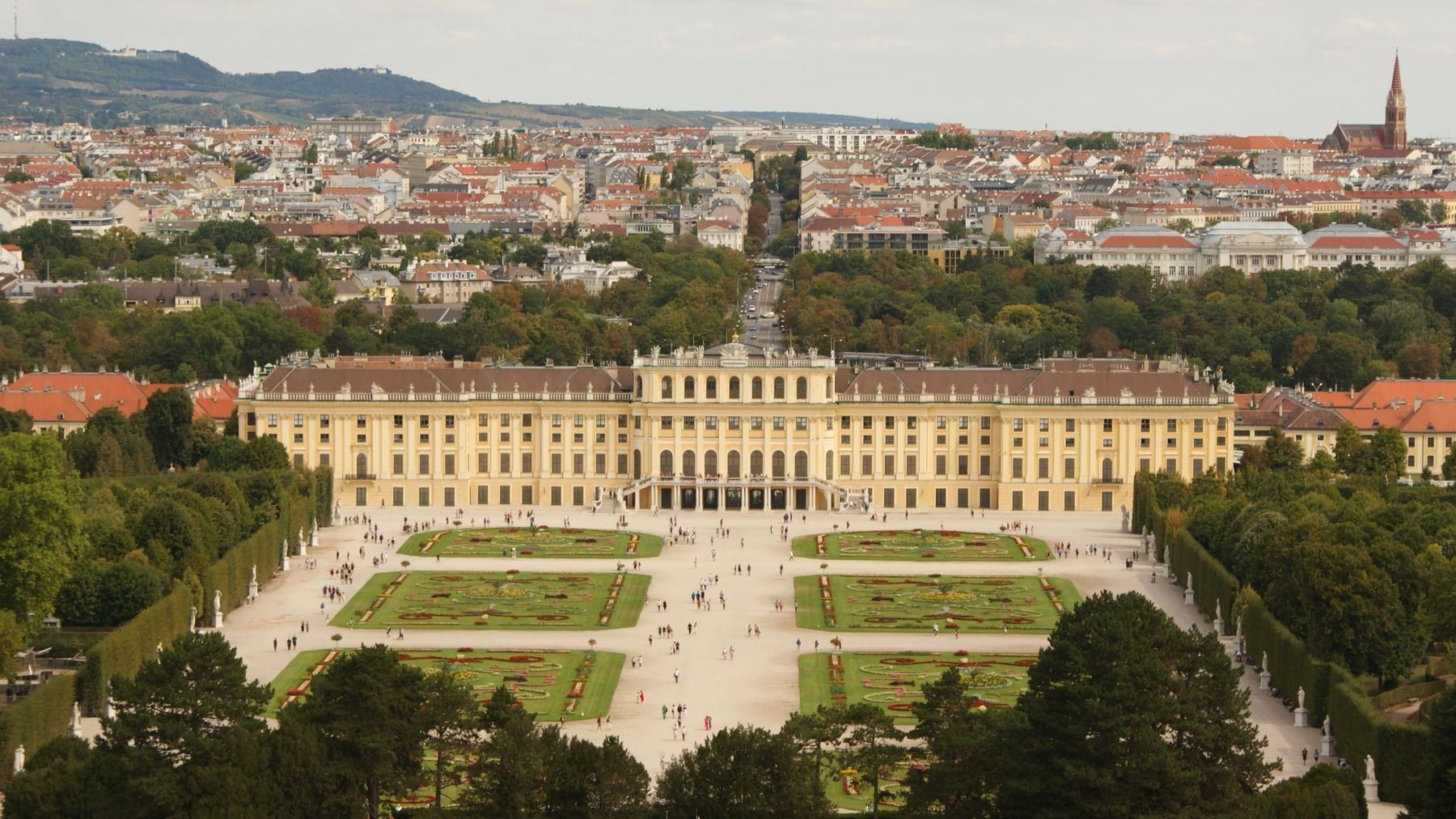
Schönbrunn Palace with the Grand Tour

The Habsburgs' summer residence with 1,441 rooms; the Grand Tour shows 40 of them for around CHF 28 (about EUR 30), the Imperial Tour 22 for CHF 24. Book a time slot online, otherwise you wait two hours in summer. Allow half a day for the palace, the Gloriette and the gardens; the park is free.

View & book →

Hofburg: Sisi Museum and Imperial Apartments

The winter residence with the Sisi Museum, the Imperial Apartments and the Silver Collection on one ticket for around CHF 18. The Sisi Museum is better than its kitsch reputation; 90 minutes is enough. The Spanish Riding School next door shows the morning exercise of the Lipizzaners for CHF 16.

View & book →

Upper Belvedere with Klimt's Kiss

Prince Eugene's baroque palace with the largest Klimt collection in the world, admission around CHF 17 online, time slot required. The Kiss hangs on the first floor; come at opening time at 9 am. The garden between the Upper and Lower Belvedere is free and one of the most beautiful walks in the city.

View & book →

Standing room at the Vienna State Opera

World-class opera or ballet for CHF 13 to 18, sold online from 10 am the day before and at the box office from two hours before curtain. If you would rather sit: guided tours of the house cost CHF 15 and last 40 minutes. Summer break from July to early September.

View & book →

St Stephen's Cathedral with the south tower and catacombs

The cathedral is free; the climb of 343 steps up the south tower costs CHF 6 and rewards you with a view over the rooftops. The catacombs tour with the urns of the Habsburgs is CHF 7, the north tower with the Pummerin bell by lift CHF 7. Around two hours for everything.

View & book →

Kunsthistorisches Museum

Bruegel, Vermeer, Velázquez, the Kunstkammer and the most beautiful museum building on the Ringstrasse, admission around CHF 22. The Bruegel room alone is worth the price. Thursday evening until 9 pm it is empty, and the café under the dome is an attraction in itself. At least three hours.

View & book →

Giant Ferris Wheel and Prater

A turn on the Ferris wheel from 1897 takes 15 minutes and costs around CHF 14, loveliest at dusk. The Wurstelprater around it is a funfair with free entry and rides from CHF 3, and the Green Prater behind it is a six-kilometre park for cycling.

View & book →

Heuriger evening in Stammersdorf or Nussdorf

Guided Heuriger tours with wine tasting, buffet and an explanation of the Gemischter Satz cost CHF 60 to 90 per person; on your own you take tram 31 to Stammersdorf and get by on CHF 25 to 35 per person. Both options fill an evening, and the second is the more genuine.

View & book →

Concert at the Musikverein or Konzerthaus

The Golden Hall of the Musikverein is the hall of the New Year's Concert; tickets for the Vienna Philharmonic or the Symphoniker cost CHF 30 to 150, standing room from CHF 10. Avoid the tourist concerts in costume and look at the programmes of the two houses, where the playing is serious.

View & book →

If you book through these links we earn a small commission, at no extra cost to you.

Food & drink

Viennese cuisine is the only cuisine in the world named after a city, and it is a legacy of the multi-ethnic empire: schnitzel from Milan, goulash from Hungary, Powidl and dumplings from Bohemia, coffee from Constantinople. You eat in the Beisl, the Viennese Gasthaus, in the coffee house, at the Heuriger and at the Würstelstand. It is rarely expensive, and only bad where the schnitzel with chips and ketchup hangs on a photo outside.

Wiener Schnitzel of veal

Gasthaus Pöschl in the 1st district, Zum Schwarzen Kameel, Beisln in Neubau and Josefstadt

Thinly beaten veal, fried golden and puffed in clarified butter, with potato salad dressed with pumpkin seed oil and a wedge of lemon. The real thing made of veal costs CHF 24 to 30 (about EUR 26 to 32), the pork version ("Wiener Art") CHF 14 to 18. Figlmüller is the most famous schnitzel in the city, but it is pork and comes with a queue.

Tip:Ask whether it is veal, and order the potato salad with it, not chips. At lunchtime the schnitzel as a set menu is often CHF 5 cheaper.

Tafelspitz

Plachutta Wollzeile, the best-known boiled beef restaurant in the city

Boiled beef from the tip of the rump, served in its broth with marrow bones, with apple horseradish, chive sauce and roast potatoes. Franz Joseph's favourite dish, CHF 28 to 36 as a menu in several courses.

Tip:First the soup with the marrow on dark bread, then the meat; the waiter explains the order if you ask.

Sachertorte and Apfelstrudel

Café Sacher and Demel on the Kohlmarkt for the cake, Café Sperl or Café Prückel for the strudel

Chocolate cake with apricot jam under the glaze, CHF 9 a slice at Sacher, CHF 8 at Demel, where it is called "Demel-Torte". The apple strudel with vanilla sauce costs CHF 6 to 8 and is usually the better piece.

Tip:The cake to take away in its wooden box is the souvenir; the airport has it too, but dearer.

Käsekrainer from the Würstelstand

The Würstelstand at the Hoher Markt or Bitzinger by the Albertina

Coarse scalded sausage with pieces of cheese that ooze out as it fries, with a bread roll or dark bread, mustard and pickled peppers. CHF 5 to 6, and the Viennese supper after the concert.

Tip:You order "a Eitrige mit an Buckl und an Süssen", meaning a Käsekrainer with the end of the loaf and sweet mustard.

Goulash in a Beisl

Gulaschmuseum in the Schulerstrasse or any Beisl in the 7th and 8th districts

Viennese Saftgulasch of beef, dark and braised with plenty of onion, with a bread roll or as Fiakergulasch with a fried egg, sausage and gherkin. CHF 14 to 20, and in Vienna permitted as breakfast after a long night.

Tip:Goulash is better on the second day, which is why it is often good in old Beisln and often thin in new places.

Melange in the coffee house

Café Sperl, Café Prückel, Café Hawelka, Café Jelinek

Half coffee, half milk, with milk foam, served on a silver tray with a glass of water. CHF 5 to 6, and for that the table is yours for two hours, newspapers included.

Tip:Never order "a coffee" but a Melange, Kleiner Brauner, Verlängerter or Einspänner, and do not send the waiter away if he does not come straight away; that is part of the game.

Heuriger buffet with Gemischter Satz

Heurigen in Stammersdorf (tram 31), Nussdorf (tram D) and Neustift am Walde

A cold platter from the buffet, sold by weight: roast pork, Blunzn (black pudding), Liptauer, Kümmelbraten (caraway roast), pickled vegetables, with dark bread. CHF 10 to 18 per person; a quarter litre of Gemischter Satz, Vienna's own white wine from vines planted mixed in the same plot, CHF 4 to 5.

Tip:Only places with a bunch of pine branches hung out and the sign "Ausg'steckt" are serving their own wine; in Grinzing you pay for the coaches parked outside.

Naschmarkt breakfast and Käsekrapfen

Naschmarkt; the stalls towards Kettenbrückengasse are cheaper than those at Karlsplatz

The Naschmarkt is 1.5 kilometres of stalls from gherkins to falafel, plus restaurants that serve breakfast until midday, CHF 12 to 20. Käsekrapfen (cheese pastries) or stuffed vine leaves from a stall CHF 3 to 5.

Tip:On Saturdays there is a flea market at the end of the market, so come early; the "have a taste" stalls with dried fruit charge fantasy prices.

Kaiserschmarrn with Zwetschkenröster

Café Landtmann on the Ring or Heindls Schmarren & Palatschinkenkuchl by the opera

Shredded pancake with raisins, caramelised in butter, with icing sugar and stewed plums. CHF 12 to 16 as a main course; in Vienna this is a serious meal, not a dessert.

Tip:Made fresh it takes 20 minutes, which is a good sign; anyone who serves it in 5 minutes had it prepared in advance.

Book a food tour: Vienna

Through markets and eateries with a guide, tastings included.

View & book →

If you book through these links we earn a small commission, at no extra cost to you.

History & background

Vienna begins as the Roman legionary camp of Vindobona around the year 100, and the layout of that camp is still embedded in the street grid around the Graben and the Hoher Markt. In the Middle Ages the city became the seat of the Babenbergs and, from 1278, of the Habsburgs, who ruled here for more than 600 years and made Vienna the capital of an empire that stretched from Spain to Hungary. Twice the Ottomans stood before the walls, in 1529 and 1683; the second siege ended with the relief battle on the Kahlenberg and, so the legend goes, with the first Viennese coffee house. The 18th century brought Maria Theresa, Schönbrunn and the baroque, the 19th century the Congress of Vienna in 1815, which redrew Europe, and from 1857 the Ringstrasse, when Emperor Franz Joseph had the city walls demolished. Around 1900 Vienna, with two million inhabitants, was the fourth-largest city in the world and a laboratory of modernism: Freud, Klimt, Schiele, Mahler, Schönberg, Otto Wagner and Adolf Loos were all working here at the same time. With the end of the monarchy in 1918 the empire shrank to a tenth of its size, and "Red Vienna" built municipal housing estates in the 1920s such as the Karl-Marx-Hof, in which a quarter of the city still lives today. 1938 brought the Anschluss and the expulsion and murder of the Jewish population, 1945 the division into four occupation zones until the State Treaty of 1955. Since 1979 Vienna has been the third seat of the United Nations, since the 1990s the city has been growing again, and it regularly sits at the top of the rankings of the world's most liveable cities.

Insider tips

Getting there: Railjet by day, Nightjet by night, flying only if you are short of time

The ÖBB Railjet leaves Zurich HB every two hours and runs direct to Wien Hauptbahnhof, a journey of around 8 hours via Buchs, Innsbruck, Salzburg and Linz. Sparschiene tickets start at CHF 30 to 40 (about EUR 32 to 43) one way if you book a few weeks ahead; the standard fare is around CHF 120. The loveliest option is the Nightjet: departure from Zurich at about 9 pm, arrival in Vienna at 8 am, couchette from CHF 60 to 80, a sleeper compartment for two from CHF 200 including breakfast. You save a hotel night and arrive in the city well rested. From Basel and Bern you join the train in Zurich; from Munich the Railjet takes 4 hours. The flight from Zurich takes 1 hour 20 minutes and costs CHF 150 to 300 return with Swiss or Austrian; add the journey to the airport, security and the S-Bahn or the CAT from Vienna airport (S7 for CHF 4.50, the CAT for CHF 14 is hardly any faster) and you are on the move for 5 hours anyway. By car it is 740 kilometres and 8 hours, plus the vignette (CHF 11 for 10 days) and parking fees of CHF 25 to 40 a day in the city centre. In Vienna itself you do not need a car; it mostly gets in the way.

Where to stay: inside the Gürtel, not on the Ring

Vienna has an enormous range of hotels, and prices are fair: a mid-range double room costs CHF 100 to 150 (about EUR 107 to 161) during the week, and double that on Advent weekends and for the Opera Ball in February. The hotels right on the Ring and around Stephansplatz charge CHF 250 and more, yet from the 7th district (Neubau) or the area around the Naschmarkt you are in the centre in ten minutes on foot. Our rule of thumb: anything inside the Gürtel, the second ring road, is central enough. Neubau and Josefstadt are quiet and full of good restaurants, Leopoldstadt by the Karmelitermarkt is young and close to the Prater, and the 4th district between the Naschmarkt and the Hauptbahnhof is practical for the Railjet and the Nightjet. Be careful with hotels at the Hauptbahnhof itself or in Favoriten: cheap, but short on charm in the evening. Book four to eight weeks ahead, earlier for December and for May to June. The local tax of around 3 per cent is sometimes only added at reception. Holiday flats in the centre have been heavily restricted since 2024 and many listings are no longer legal; a hotel is the safer choice.

Cost traps and savings: standing room, the Vienna card and Fiaker carriages

The biggest saving in Vienna is standing room: at the State Opera it costs CHF 13 to 18 (about EUR 14 to 19), sold online from 10 am the day before or at the box office two hours before curtain, and you hear the same performance as the people in the CHF 250 seats. The Musikverein and the Konzerthaus have standing places or returns from CHF 10 to 20. Keep away from the sellers in Mozart wigs outside the opera: the concerts are expensive and mediocre. The 72-hour ticket from Wiener Linien costs around CHF 17 and pays for itself from the third ride; the Vienna City Card is only worth it if you do several museums in one day. Fiaker rides cost CHF 55 for 20 minutes and CHF 100 for 40 minutes, which is a photo opportunity, not a city tour. Schönbrunn: the gardens are free, the Grand Tour through 40 rooms costs around CHF 28; if all you want is the Gloriette and the view, skip the admission. Museums are not cheap at CHF 15 to 22, but the Kunsthistorisches costs nothing extra in the evening with the annual pass, and the federal museums are free for everyone under 19. Tap water in Vienna is mountain spring water and is served with your Melange in the coffee house without you asking.

Timing: Advent, the opera season and the empty summer weeks

Vienna is a year-round city, but prices swing widely. Advent from mid-November brings 20 Christmas markets, punch for CHF 5 (about EUR 5) and full hotels; if that is what you want, book in September. January and February are cold, cheap and culturally dense: ball season, opera season, empty museums. May and June are the most beautiful months, with Heurigen in Grinzing and Stammersdorf, the Wiener Festwochen and evenings on the Danube Canal, and correspondingly expensive. In July and August the State Opera, the Burgtheater and the Musikverein are closed, but the film festival on Rathausplatz runs for free, the city is emptier and hotels are 20 to 30 per cent cheaper. So if you come for the culture, avoid high summer; if you come for Heurigen, the Prater and the Alte Donau, that is the best time. Autumn is Sturm season at the Heurigen (fermenting grape must, late September to October) and brings the Viennale at the end of October. Expect CHF 200 per double room in Advent and around the Opera Ball, otherwise CHF 120 to 150.

Underrated: Zentralfriedhof, Karl-Marx-Hof, Alte Donau and Kahlenberg

The tourist circuit is St Stephen's Cathedral, Hofburg, Schönbrunn, Belvedere, and it is perfectly fine. The other Vienna is one tram ride further. The Zentralfriedhof, reached by tram 71, covers three square kilometres; Beethoven, Schubert, Brahms, Strauss and Falco lie here, the old Jewish section is overgrown and silent, and admission is free. The Karl-Marx-Hof in Heiligenstadt (U4) is, at over a kilometre, the longest residential building in the world and the symbol of Red Vienna; the small museum in the former laundry costs CHF 6 (about EUR 6). The Alte Donau is Vienna's bathing lake in the middle of the city: the Gänsehäufel lido charges CHF 7 admission, rowing boats cost from CHF 15 an hour, and there are fish restaurants on the shore. From the Kahlenberg (bus 38A from Heiligenstadt) you see the whole city and walk down through the vineyards to Nussdorf in an hour, where the Heurigen are. In the Museumsquartier do not just see the Leopold Museum and mumok (around CHF 17 each) but sit on the Enzis in the evening, the colourful furniture in the courtyard, with a drink from the supermarket, which is expressly allowed. And the Secession with Klimt's Beethoven Frieze (CHF 11) stands right by the Naschmarkt and is still often passed over.

Coffee house, Heuriger and Würstelstand: how Vienna eats

The coffee house is a living room with waiter service: a Melange costs CHF 5 to 6 (about EUR 5 to 6), and for that you may stay two hours, read the papers and work, and nobody moves you on. Café Central and Sacher have queues and prices; Café Sperl, Café Prückel, Café Jelinek and Café Hawelka have the same patina without the queue. Order a "Kleiner Brauner" or a Melange, never a "coffee". The Heuriger is the Viennese wine tavern serving its own wine: a buffet with Blunzn (black pudding), Liptauer and roast pork for CHF 10 to 18, a quarter litre of Gemischter Satz CHF 4 to 5. Grinzing is touristy; Stammersdorf and Strebersdorf in the 21st district and Neustift am Walde are more genuine. "Ausg'steckt" means: open. The Würstelstand is the third institution: Käsekrainer with mustard and a bread roll for CHF 5 to 6, at the Hoher Markt or by the Albertina until late at night, and yes, you do order an "Eitrige mit an Buckl". Tips on schnitzel are further down under food and drink.

Frequently asked questions about Vienna

How do I get from Switzerland to Vienna, and what does it cost?

Best by Railjet from Zurich (8 hours, direct, Sparschiene from CHF 30 to 40, about EUR 32 to 43, one way) or by Nightjet overnight (couchette from CHF 60 to 80, and you save a hotel night). The flight takes 1 hour 20 minutes, costs CHF 150 to 300 return and, with transfers, is hardly any faster than the train in the end. By car it is 740 kilometres, a vignette is required, and in Vienna itself you do not need it.

How many days should I plan for Vienna?

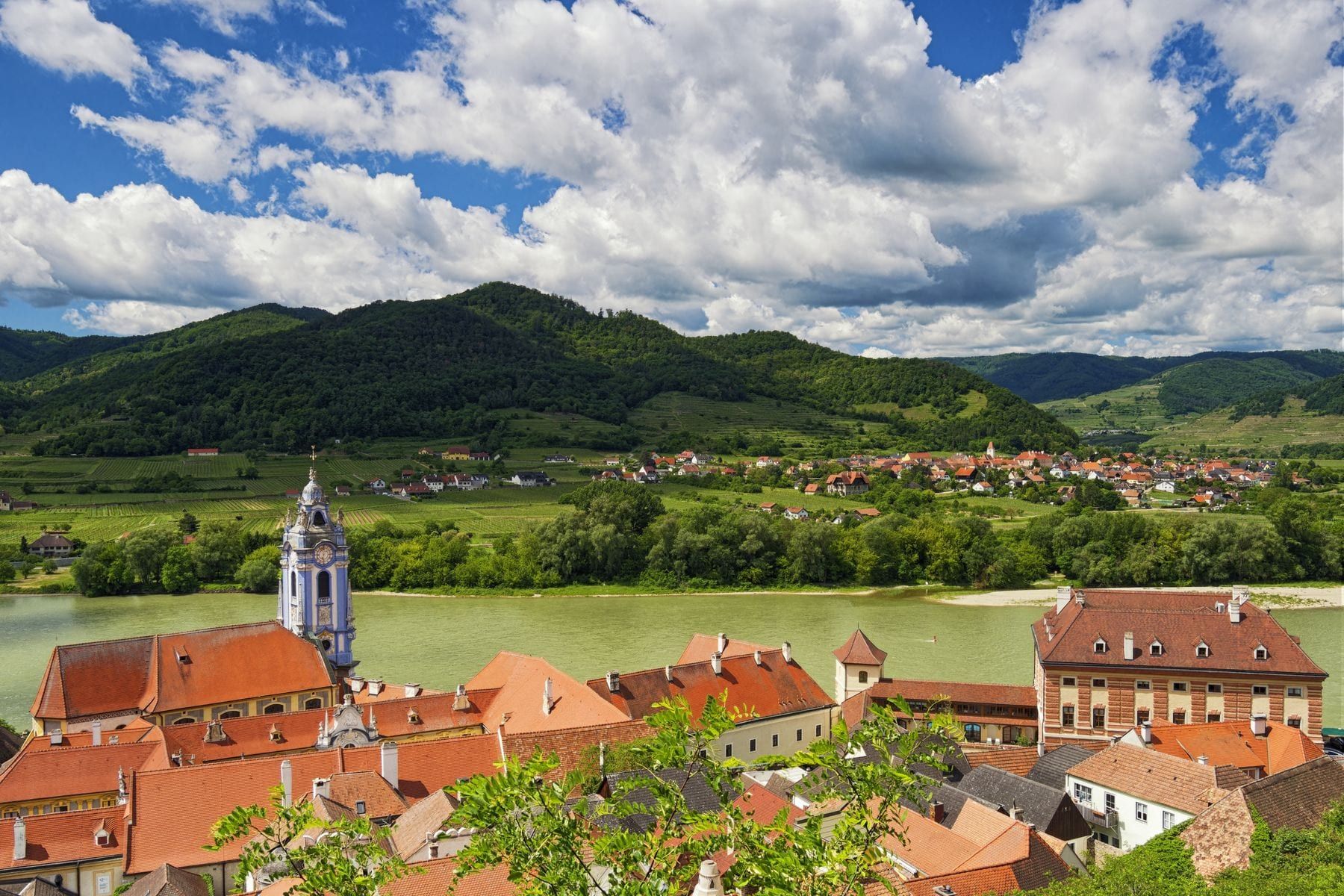
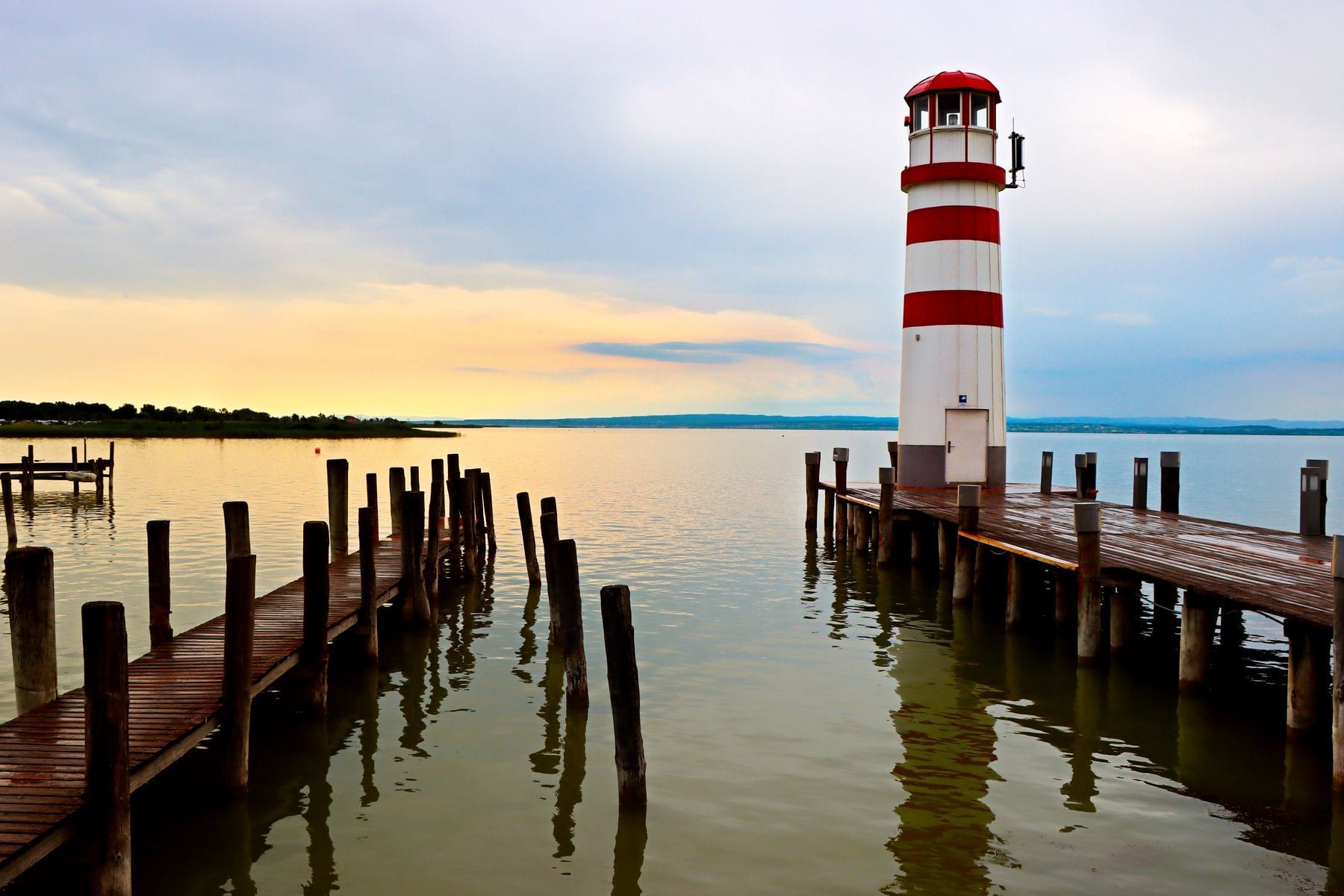
Three full days for the centre, Schönbrunn and one museum. With four to five days you get to a Heuriger, up the Kahlenberg, to the Alte Donau and to the opera. Vienna works well as a base: the Wachau and Lake Neusiedl are each an hour away, Bratislava an hour by train or boat. A weekend is enough for a first impression; more is better.

How expensive is Vienna compared with Switzerland?

Noticeably cheaper, by about 30 to 40 per cent. A schnitzel in a good Gasthaus costs CHF 18 to 24 (about EUR 19 to 26), a beer CHF 4.50, a Melange CHF 5.50, a mid-range double room CHF 120 to 150, the 72-hour public transport ticket CHF 17. The expensive things are opera seats, Fiaker rides and the museums (CHF 15 to 22). With CHF 100 to 130 per person per day excluding travel you live well.

Can I still get tickets for the State Opera?

Yes, almost always. Seats go on sale two months ahead and sell out quickly for well-known operas; returns are available online until shortly before curtain. Standing places (CHF 13 to 18, about EUR 14 to 19) are sold online from 10 am the day before and at the box office from two hours before the performance; queue early and bring a scarf to reserve your spot on the rail. From July to early September there is a summer break.

What is the best way to get around Vienna?

By U-Bahn, tram and bus with Wiener Linien, one of the best networks in Europe. A single ticket is CHF 2.60 (about EUR 3), 24 hours CHF 7.50, 72 hours around CHF 17, a weekly ticket from Monday to Monday CHF 16. The U-Bahn runs all night at weekends. You walk the centre inside the Ring; for Heurigen and the Kahlenberg you take tram and bus. Taxis are fair (CHF 12 to 15 right across the city), Citybikes cost 1 euro per half hour.

Is the Vienna City Card or the Vienna Pass worth it?

The Vienna City Card (from CHF 16, about EUR 17, for 24 hours including public transport) gives 10 to 25 per cent off museums and tours, which is only worth it if you would buy the 24- or 72-hour ticket anyway and plan several museums. The Vienna Pass (from CHF 85 a day) only pays off from three expensive admissions a day, so Schönbrunn, the Kunsthistorisches and the Giant Ferris Wheel on the same day. For most people the transport ticket plus individual admissions is cheaper.

Itineraries with this destination

Activities in the region

Events

Feb 4

Vienna Opera Ball

Culture

4 February 2027 Thursday before Shrove Tuesday; 2027: 4 February

The Opera Ball is the climax of Vienna's ball season: for one night the State Opera becomes a ballroom, 144 debutante couples in white and tails open with the polonaise, and then around 5,000 guests dance until five in the morning. An entrance ticket costs around CHF 400 (EUR 415), a box several tens of thousands of francs, and the dress code of tails and full-length gown is checked at the door. For most travellers the ball is a television broadcast and a reason to walk past the Ring in the afternoon, where onlookers and protesters gather. The Viennese ball season offers dozens of other balls in January and February (Kaffeesieder, Zuckerbäcker, Jägerball) with tickets from around CHF 100 (EUR 105), which are closer to the city's culture than the Opera Ball. Hotels around the Ring are pricier than usual on Opera Ball night.

For travellers: If you want to dance, go to one of the smaller balls instead, for example the Kaffeesiederball in the Hofburg, where tickets are often still available at short notice; the Elmayer and Rueff dance schools offer waltz crash courses.

May 14

Wiener Festwochen (Vienna Festival)

Culture

14 May 2027 Mid May to mid June; 2027 expected 14 May to 20 June

Five weeks of theatre, music theatre, dance and performance at around 20 venues across the city, from the MuseumsQuartier and the Theater an der Wien to factory halls in Simmering. The Festwochen are the experimental counterpart to the State Opera and Burgtheater: international directing teams, premieres, political themes, much of it in English or with surtitles. Tickets cost around CHF 20 to 90 (EUR 20 to 95), students and under-27s much less, and some performances are free, including the opening concert on Rathausplatz. Hotel prices in Vienna are high in May and June anyway, but the Festwochen alone do not fill the city. If you are expecting classic waltzes and Sisi, this is the wrong place.

For travellers: The programme goes online in February and the best-known productions are gone by April; the Vienna public transport ticket gets you to the venues on the city fringes without any trouble.

Jun 25

Donauinselfest Vienna

Festival

25 June 2027 One weekend at the end of June, Friday to Sunday; 2027 expected 25 to 27 June

Europe's biggest free open-air festival: over three days several hundred acts play on around a dozen stages along the Danube Island, from Austropop and Schlager to hip-hop, electronic music and cabaret, with sports areas, children's programmes and hundreds of food stalls. Around 2.5 million visits are counted, and the main stage by the Reichsbrücke fills up so much on Saturday evening that it is temporarily closed off. Getting there only works by underground (U1 Donauinsel, U6 Neue Donau), which runs all night at weekends, and even there you will queue. Beer costs around CHF 5 to 6 (EUR 5 to 6), and the toilets are what you would expect at this scale. It is not the place for a focused concert experience, but as a summer evening with a Viennese crowd, a view of the skyline and a swim in the Neue Donau it works.

For travellers: Come on Friday or Sunday afternoon when it is still manageable, and bring swimming things, as the Neue Donau is open for swimming right by the festival site; hotels in Vienna are no dearer than usual this weekend.

Oct 26

Austrian National Day

Public holiday

26 October 2027 26 October, public holiday; in 2027 a Tuesday

Austria's national day commemorates the Neutrality Act of 26 October 1955: shops, banks and offices are closed, restaurants, museums and mountain railways open, and trains run to a holiday timetable. In Vienna the armed forces display tanks, helicopters and field kitchens on Heldenplatz, and the federal museums and many state museums offer free entry that day, with corresponding queues outside the Kunsthistorisches Museum. Traditionally 26 October is a hiking day, and the organised walks in the provinces together with the mild autumn weather fill the huts in the Vienna Woods and the foothills of the Alps. When the date falls conveniently it creates a long weekend during which South Tyrol and the Alpine passes are busy; in 2027 it is a Tuesday and many people take the Monday off. The Austrian autumn school holidays start the following day, so thermal spas and family hotels are well booked all week.

For travellers: Use the free museum entry in Vienna in the morning, as the queues are long from midday; if you do not want to see tanks on Heldenplatz, head for Schönbrunn or the vineyards in Grinzing instead.

Nov 13

Vienna Christkindlmarkt and Advent Markets

Festival

13 November 2026 Mid November to 26 December; 2026 expected from 13 November, 2027 from 12 November

Vienna has more than 20 Advent markets and they could hardly be more different: the Christkindlmarkt on Rathausplatz is the biggest and most touristy, with a Ferris wheel, an ice-skating trail through the park and three million visitors, and many stalls sell mass-produced goods. Nicer are the market in front of Schönbrunn Palace, the craft market on Spittelberg in the Biedermeier lanes, the market on Karlsplatz with handmade goods and the Old Viennese market on the Freyung. Punch costs around CHF 5 to 6 (EUR 5 to 6) plus a mug deposit, food at the stalls CHF 8 to 15 (EUR 8 to 16), and the quality varies a lot. At weekends the big markets are overcrowded from 4 pm; on weekday afternoons they are manageable. Hotel prices in Vienna rise noticeably in Advent, the Advent weekends are the most expensive of the year apart from New Year's Eve, and it is cold, wet and dark early, which suits the punch.

For travellers: Come on a weekday and start at Schönbrunn at 3 pm, then Spittelberg at dusk and finally Rathausplatz once the town hall is lit up; most markets close on 23 or 24 December, while a few run until 26 December or New Year.

More destinations in Vienna, Danube & Burgenland