Activities

City Breaks

Three nights, one train, one city: Zurich, Basel, Berlin, Hamburg, Vienna or Salzburg, plus Istanbul and the Japanese metropolises as long-haul options. What the journey costs, when a city pass pays off and where to stay without paying trade-fair prices.

Best months: JanFebMarAprMayJunJulAugSepOctNovDec

Getting there: SBB, DB and ÖBB Nightjet honestly calculated

For city breaks from Switzerland the train is almost always the better choice: you leave from the centre, arrive in the centre and need no airport transfer. Within Switzerland you travel with the Half Fare Card and saver tickets, which SBB offers from 60 days before departure for specific trains with up to 70 percent off; Zurich to Geneva then costs from CHF 25 (about EUR 27) instead of CHF 90. Abroad there are SBB's Europe saver tickets and the saver fares of DB and ÖBB, the earlier and the less flexible, the cheaper: Zurich to Munich from CHF 30 (Eurocity, three and a half hours), Basel to Frankfurt from CHF 35 (ICE, three hours), Zurich to Innsbruck from CHF 25 (Railjet, three and a half hours), Zurich to Vienna from CHF 40 (Railjet, eight hours). For Berlin, Hamburg and Vienna the ÖBB Nightjet is the elegant solution: depart Zurich or Basel in the evening, arrive in the morning. Seat from CHF 35, couchette from CHF 70, sleeper from CHF 120 per person in a double compartment, breakfast included in the sleeper. Book Nightjets three to six months ahead, the cheap quotas go fast at weekends. Flying only still makes sense for Hamburg or Berlin with very little time, and even then you barely save an hour once airport transfers are counted.
City passes: when the Zürich Card, WelcomeCard, Vienna City Card and Salzburg Card pay off

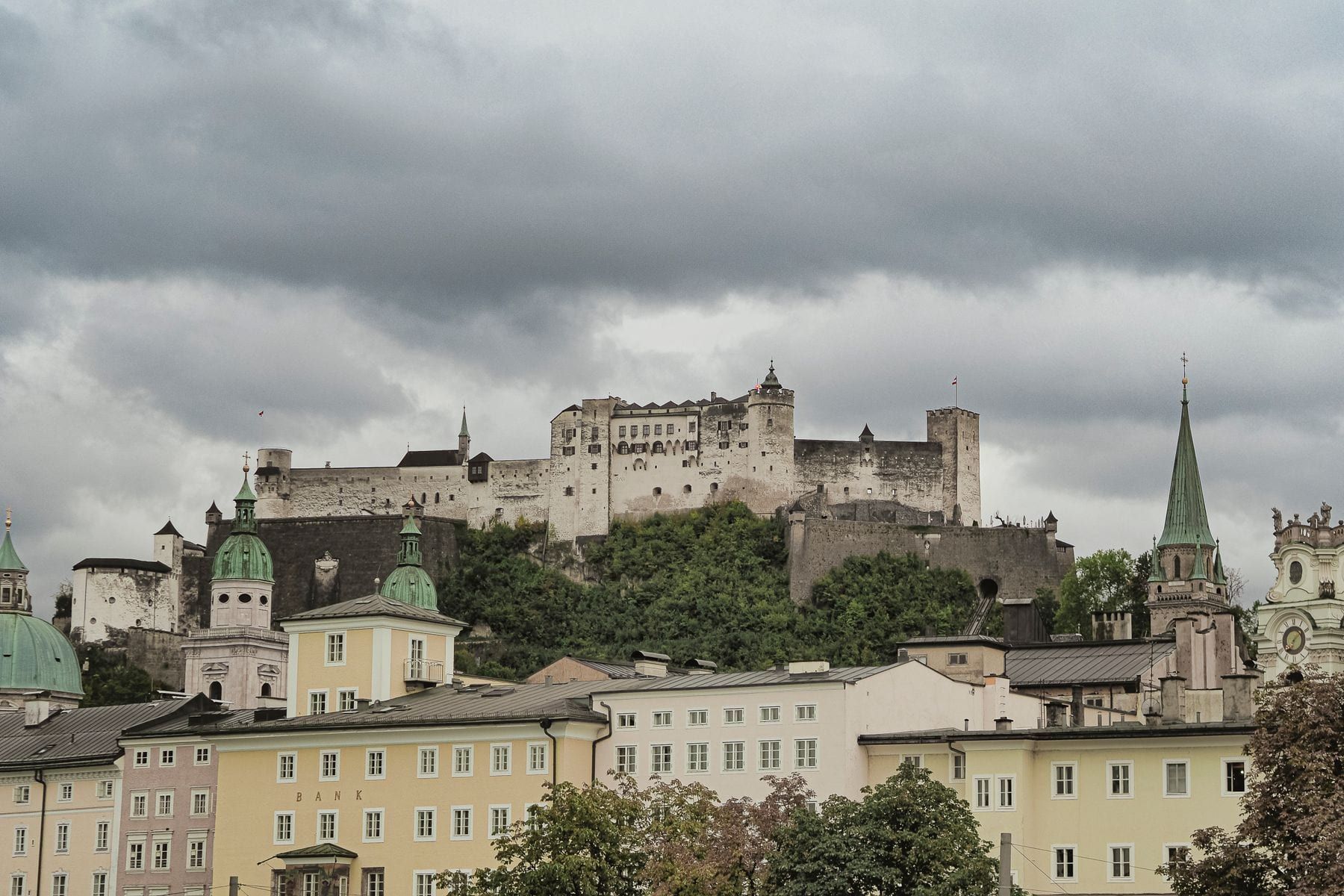
City passes only pay off if you do the maths. The Zürich Card costs CHF 29 (about EUR 31) for 24 hours and CHF 56 for 72 hours, includes public transport in the city including the airport and free or reduced entry to over 40 museums, among them the Kunsthaus and the National Museum. With two museums a day it pays off, with a stroll through the old town it does not. The Berlin WelcomeCard costs around CHF 25 for 48 hours and CHF 35 for 72 hours in zones AB, includes public transport and 25 to 50 percent off attractions, but no free entry; the Museum Island version for around CHF 55 pays off if you visit at least two museums there. The Vienna City Card is cheap at CHF 16 for 24 hours to CHF 28 for 72 hours, but at heart it is a transport ticket with discounts; if you want to see Schönbrunn, the Belvedere and the Kunsthistorisches Museum, single tickets cost barely more. The Salzburg Card is the exception that almost always pays off: CHF 30 to 48 depending on duration and season for free entry to the fortress, Mozart's birthplace, Hellbrunn Palace, the Untersberg cable car and the fortress funicular plus public transport; the fortress and Hellbrunn alone otherwise cost over CHF 30 together. Munich, Hamburg and Cologne have similar cards, and the same rule applies: add up what you will really visit and compare.

Where to stay: the right neighbourhood and why trade fairs make everything expensive

The biggest mistake on a city break is the wrong date. During Art Basel in June a simple room in Basel costs CHF 400 (about EUR 427) instead of CHF 150, at Oktoberfest prices in Munich triple, during the Frankfurt Book Fair in October the hotels are booked out, in Berlin the ITB in March and the IFA in September push prices up, in Cologne Gamescom in August, in Salzburg the festival in July and August. Check the city's trade fair calendar before you book and move a week. Normal prices for a double room in a mid-range hotel: Zurich and Geneva CHF 180 to 300, Basel, Bern, Lucerne and Lugano CHF 140 to 250, Munich and Hamburg CHF 130 to 220, Berlin, Cologne, Leipzig and Dresden CHF 100 to 180, Vienna CHF 120 to 200, Salzburg CHF 130 to 220, Graz and Innsbruck CHF 110 to 180. Neighbourhoods: in Zurich Kreis 4 and 5 rather than Bahnhofstrasse, in Berlin Prenzlauer Berg, Kreuzberg or Schöneberg rather than Alexanderplatz, in Vienna Neubau or Leopoldstadt inside the Gürtel, in Munich Maxvorstadt or Haidhausen, in Hamburg Ottensen or St. Georg. Look for proximity to a metro or tram line, not to the main station; the districts around German main stations are rarely the prettiest. On top there is often a city tax of CHF 3 to 8 per night, in Vienna 3.2 percent of the room price.

Museums and culture: what entry costs and when it is free

The cities in this guide have more museums between them than you could visit in a year, so choose. Zurich: Kunsthaus CHF 24 (about EUR 26) for the collection, free on Wednesdays, National Museum CHF 13, FIFA Museum CHF 26. Basel: Fondation Beyeler CHF 25 to 32 depending on the exhibition, Kunstmuseum CHF 16 to 26. Bern: Zentrum Paul Klee CHF 20, Einstein House CHF 7. Berlin: Museum Island ticket for all houses around CHF 22, Neue Nationalgalerie CHF 13, the Berlin Wall Memorial, Topography of Terror and the Reichstag dome free, and on Museum Sunday (first Sunday of the month) many houses are free. Munich: Alte and Neue Pinakothek CHF 9 each, CHF 1 on Sundays, Deutsches Museum CHF 14. Hamburg: Elbphilharmonie Plaza free, concerts from CHF 20, Miniatur Wunderland CHF 20 with a time slot. Dresden: Zwinger with the Old Masters gallery CHF 14, Frauenkirche free, dome CHF 10. Vienna: Kunsthistorisches Museum CHF 20, Upper Belvedere CHF 18, Schönbrunn Grand Tour CHF 30, standing places at the State Opera from CHF 13, morning exercise at the Spanish Riding School from CHF 17. Salzburg: fortress with funicular CHF 13 to 18, Mozart's birthplace CHF 14. The rule: book popular houses (Beyeler, Miniatur Wunderland, Schönbrunn, Museum Island) online with a time slot, arrive at opening time for all the others and plan at most two museums a day. Many houses are closed on Mondays, though in Berlin some are open; check beforehand.

Food: coffee house, brewery, Beiz and what an evening costs

Each of these cities has a food culture you grasp fastest in one type of establishment. In Vienna it is the coffee house: a Melange costs CHF 5 to 6 (about EUR 5.30 to 6.40), you may sit for hours reading the paper, a slice of Sachertorte costs CHF 7 to 9; a schnitzel in a Gasthaus CHF 20 to 28. In Munich and Cologne it is the beer garden and the brewery: a litre Mass costs CHF 12 to 14 in the beer garden, and you may bring your own food as long as you buy the drinks; in a Cologne brewery the Köbes keeps bringing Kölsch in 0.2 litre glasses at CHF 2.50 to 3 until you put the beer mat on top of the glass. In Berlin you eat cheaply and internationally, Currywurst CHF 4 to 5, kebab CHF 7 to 8, a good dinner for two with wine CHF 70 to 100. Hamburg means fish rolls at the harbour for CHF 5 to 7 and Franzbrötchen with your coffee. In Switzerland the Beiz is the answer: Zürcher Geschnetzeltes with Rösti costs CHF 35 to 45, a lunch menu CHF 20 to 28, Älplermagronen in Lucerne and Bern from CHF 22, in Lugano polenta and luganighe in a grotto for CHF 25 to 35, in Geneva filets de perche by the lake for CHF 35 to 45. Tipping: in Germany and Austria you round up five to ten percent, in Switzerland it is voluntary and gladly taken.

The rhythm of a long weekend

Three nights is the right measure for a city: enough to get to know two neighbourhoods, too little to want to see everything. The rhythm that works: Thursday evening onto the Nightjet or Friday morning onto the first train, arrival by noon, luggage to the hotel, afternoon on foot through the centre without a programme. Saturday is museum and market day: early morning in the most important museum, lunchtime at a market (Viktualienmarkt in Munich, Naschmarkt in Vienna, Markthalle Neun in Berlin, Isemarkt in Hamburg, in Zurich the Bürkliplatz on Tuesdays and Fridays), afternoon in a neighbourhood away from the centre. Sunday is a day of rest in Switzerland, Germany and Austria: shops closed, museums open, cafés full. So on Sunday museums and a long brunch; on Monday, when many museums are closed, viewpoints, parks, riverbanks or an excursion (Potsdam from Berlin, the Rhine Falls from Zurich, the Wachau from Vienna, Lake Starnberg from Munich) and the journey home in the late afternoon. Do not book the return too early: a saver fare around 4 pm is often cheaper than at noon and gives you half a day. What not to do: more than two museums a day, hop-on hop-off buses in cities with good trams, and booking a hotel before checking the trade fair calendar.

Turkey

Istanbul: the city break with a flight that is still worth it

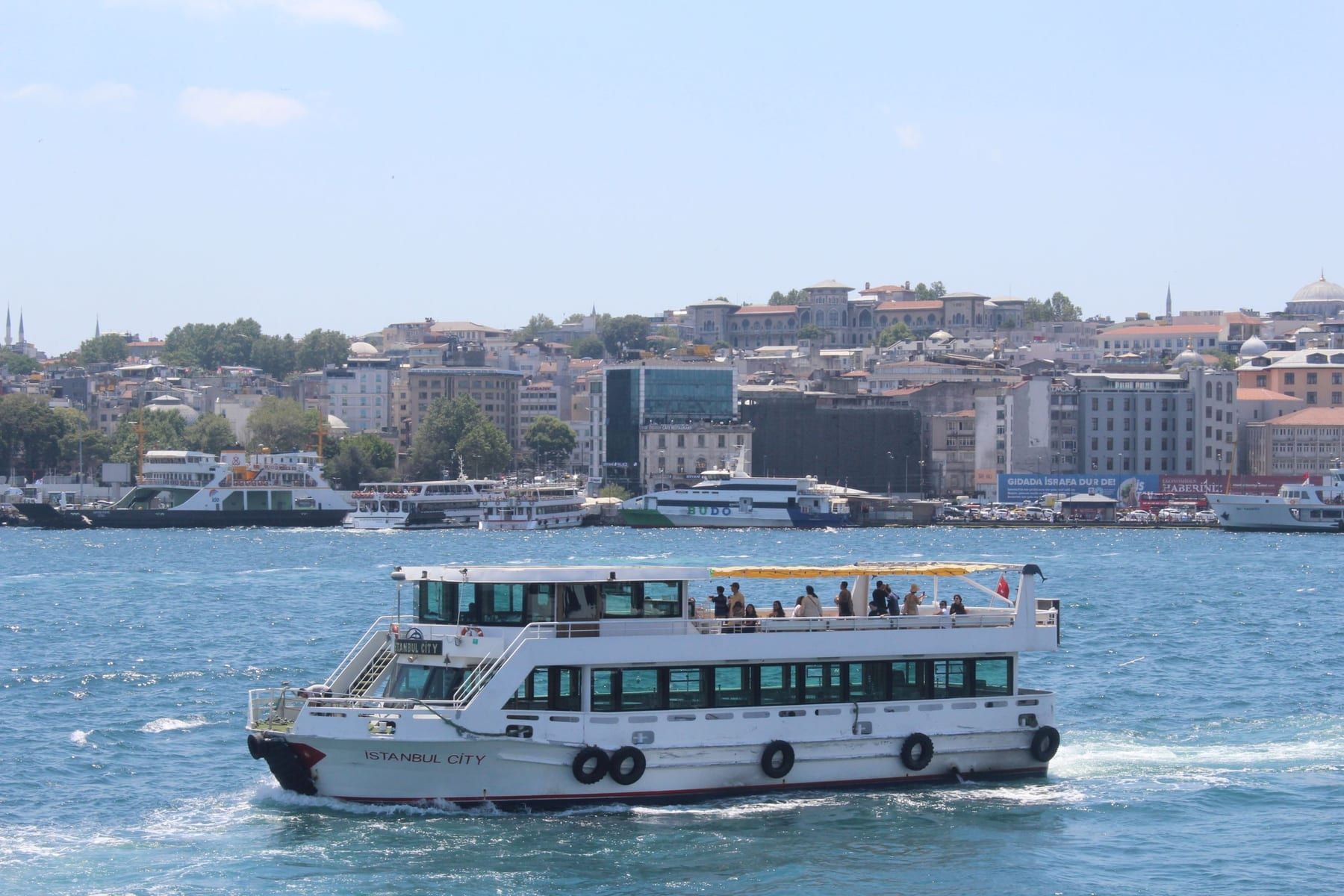
Istanbul is the only city in this guide you fly to, and it is worth every one of the three flight hours. With three nights you manage the historic core on the peninsula (Hagia Sophia, Blue Mosque, Topkapı, the cistern), a day in Beyoğlu and Karaköy with the Galata Bridge and one on the Asian side in Kadıköy, with the ferry across the Bosphorus for less than a franc, the best city tour in the world. Hotels in Sultanahmet or Karaköy cost CHF 70 to 150 (about EUR 75 to 160) per double room, food half of what you pay in Zurich. Entry fees have risen sharply in recent years: Topkapı with the harem costs around CHF 50, the Hagia Sophia around CHF 25 for tourists; the Museum Pass Istanbul only pays off if you visit four or more state museums, and the Hagia Sophia and the cistern are not included. Flights from Zurich, Basel and Geneva run daily, mostly for CHF 200 to 400 return, and the metro takes a good hour from the airport to the centre. Everything else, from neighbourhoods to food, is on the Istanbul page; it is this guide's counterpart for Turkey.

Japan

Tokyo, Kyoto and Osaka: the city break as a long-haul trip

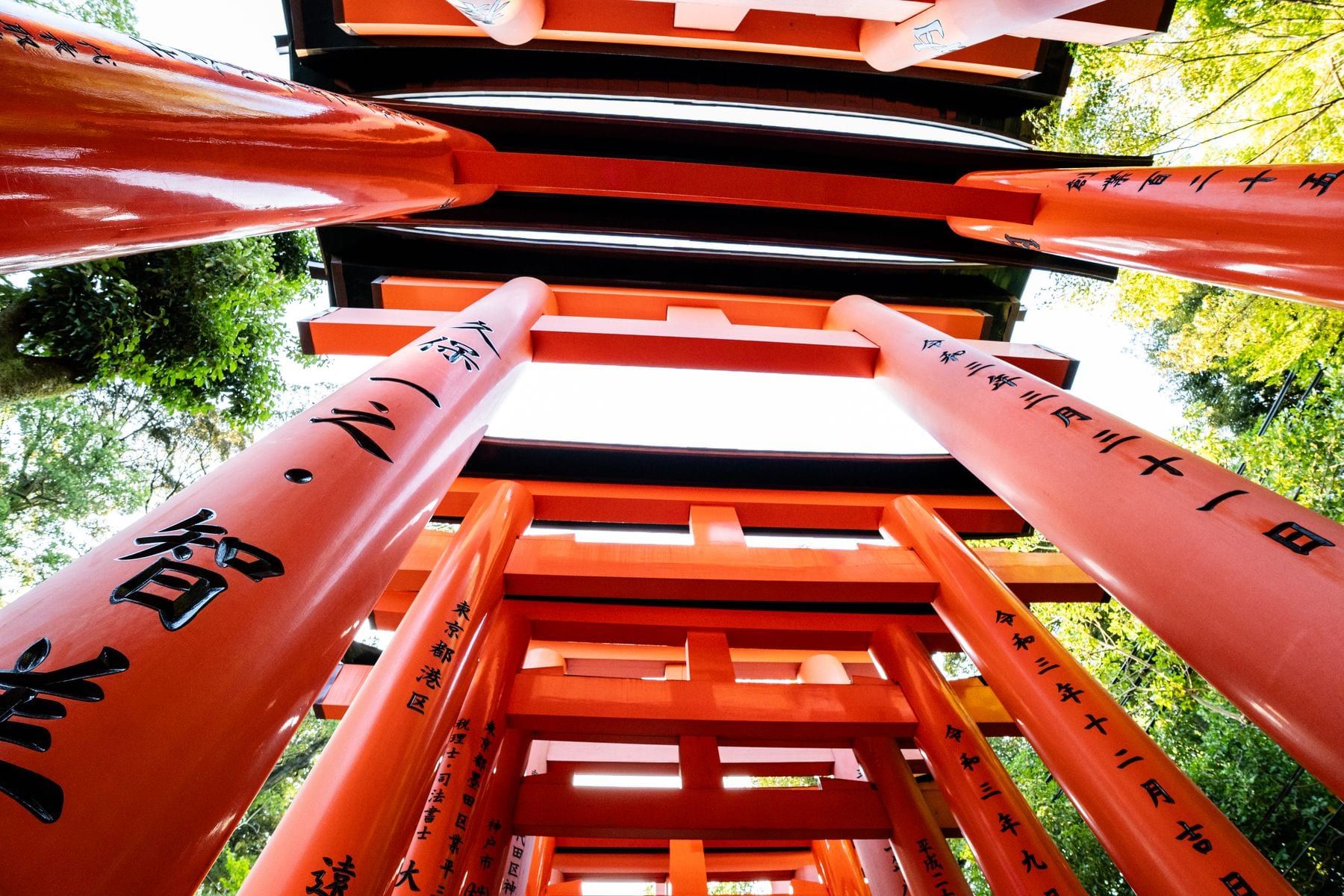
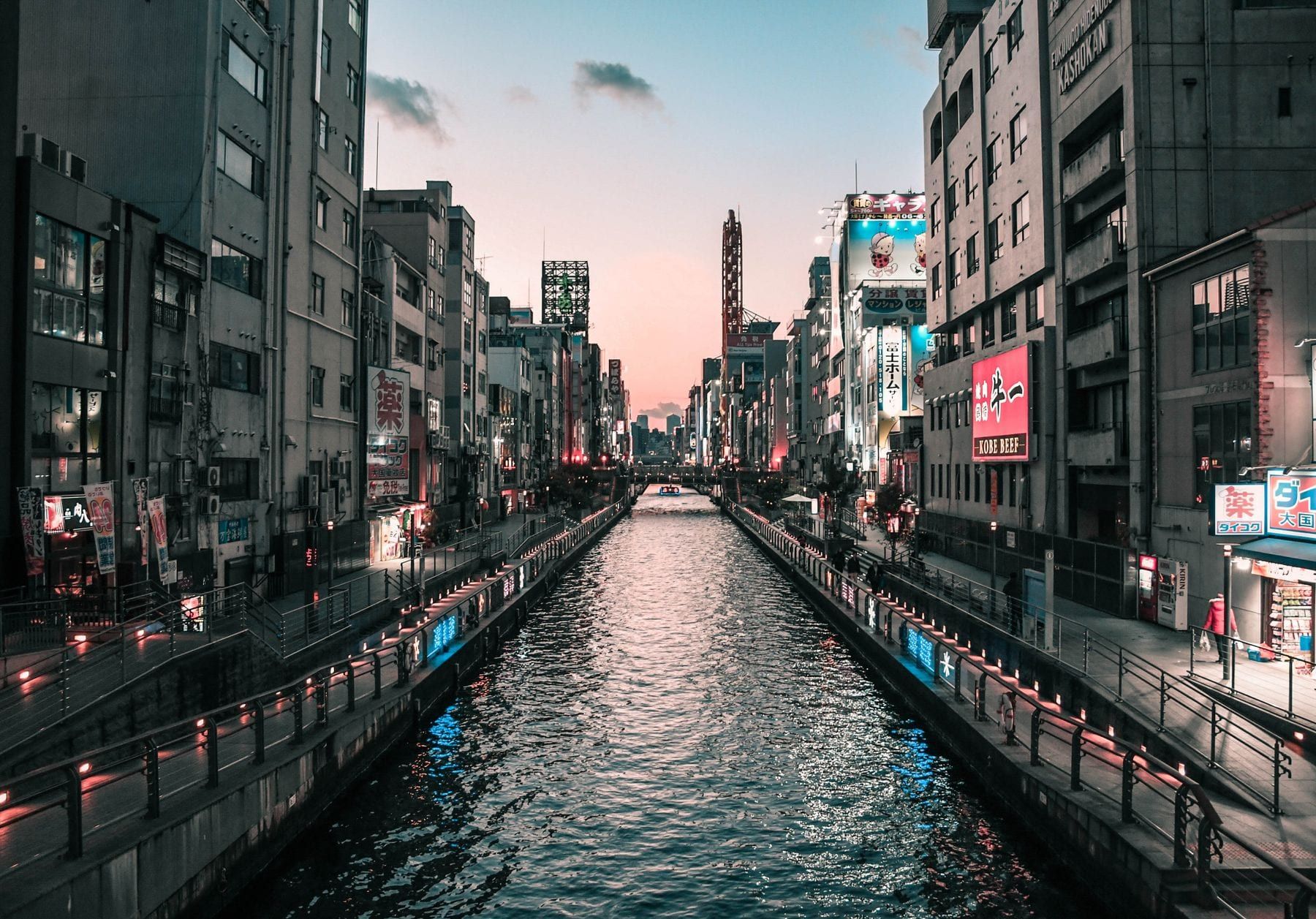
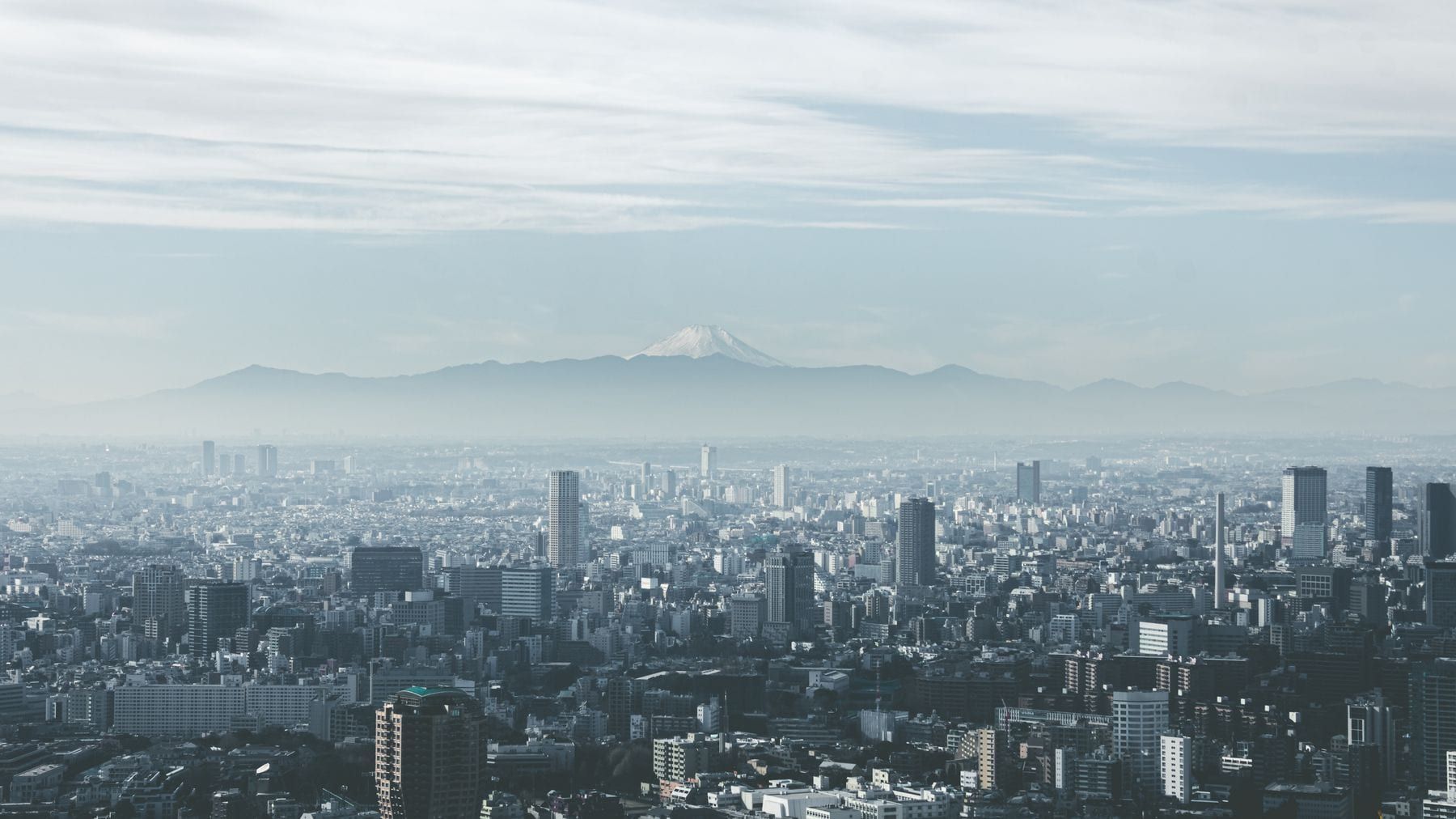
Japan is proof that a city break can carry twelve flight hours: Tokyo, Kyoto and Osaka are strung along the Shinkansen, and two weeks are enough for all three. Tokyo is the largest city in the world and quiet all the same, with neighbourhoods instead of one centre: Shinjuku, Shibuya, Asakusa, Yanaka and Ginza are each worth a day, and public transport works with a Suica card on your phone. Kyoto is the city of temples and gardens, two hours and 15 minutes away by Shinkansen, most beautiful early in the morning before the tour groups, with one night in a ryokan as an experience for CHF 150 to 300 (about EUR 160 to 320) per person with dinner. Osaka is the food city: okonomiyaki, takoyaki and kushikatsu in Dotonbori, business hotels from CHF 50. What defines city breaks in Japan: hotels are cheaper than in Switzerland, food too, museums and temples cost CHF 3 to 10, and the cities are cleaner and safer than any in Europe. What is expensive is the flight (CHF 900 to 1400 return) and the Shinkansen (Tokyo to Kyoto around CHF 85 one way). The details on the three cities, on rail passes and on when to go are on the Japan pages.

Tours worth booking

Germany

Berlin walking tour: Mitte, the Wall and the government quarter

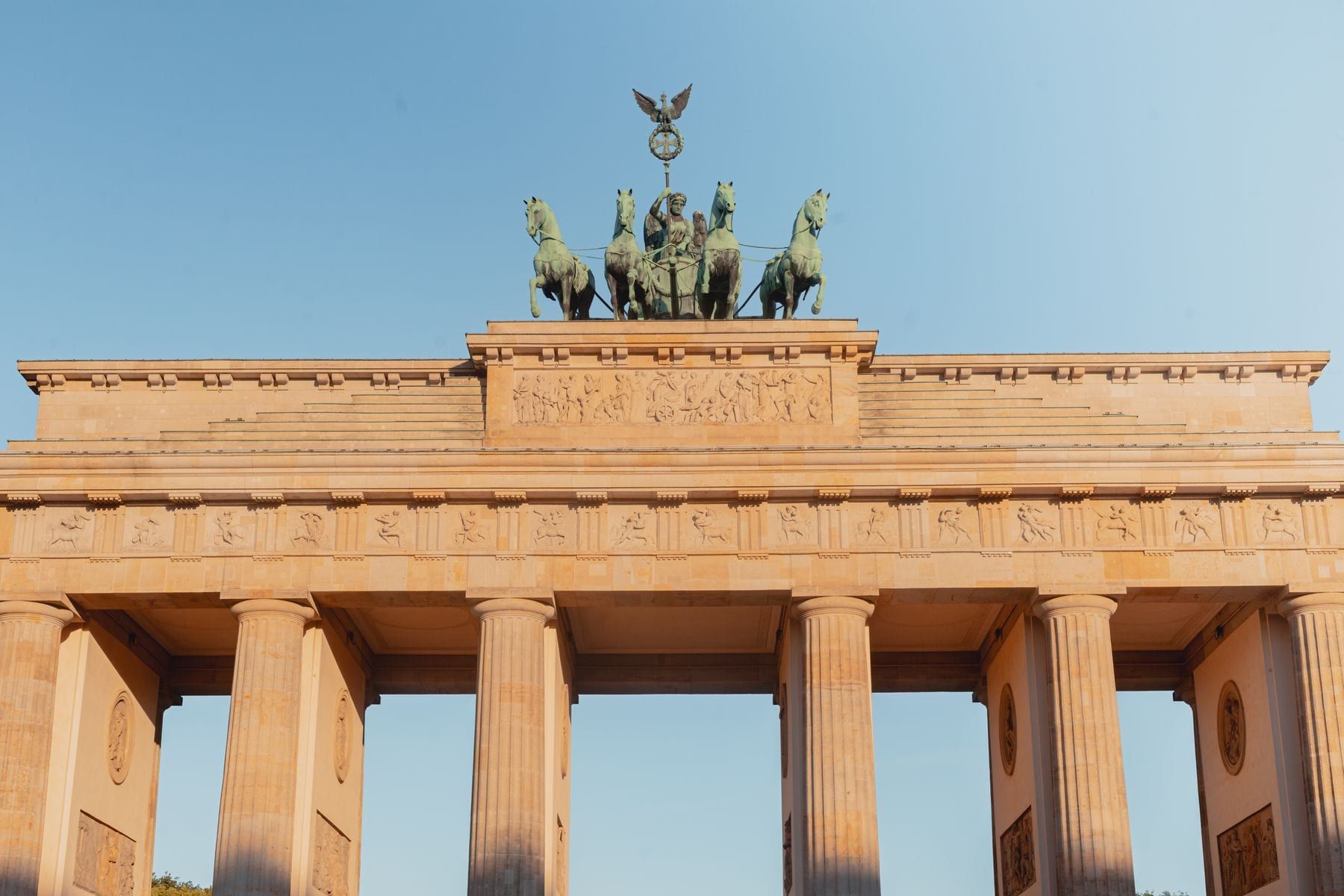
Three hours with a guide from the Brandenburg Gate via the Holocaust Memorial, Checkpoint Charlie and Museum Island, with the history that is not written on the sites themselves. The right start on day one, after which you find your own way.

View & book →
Austria

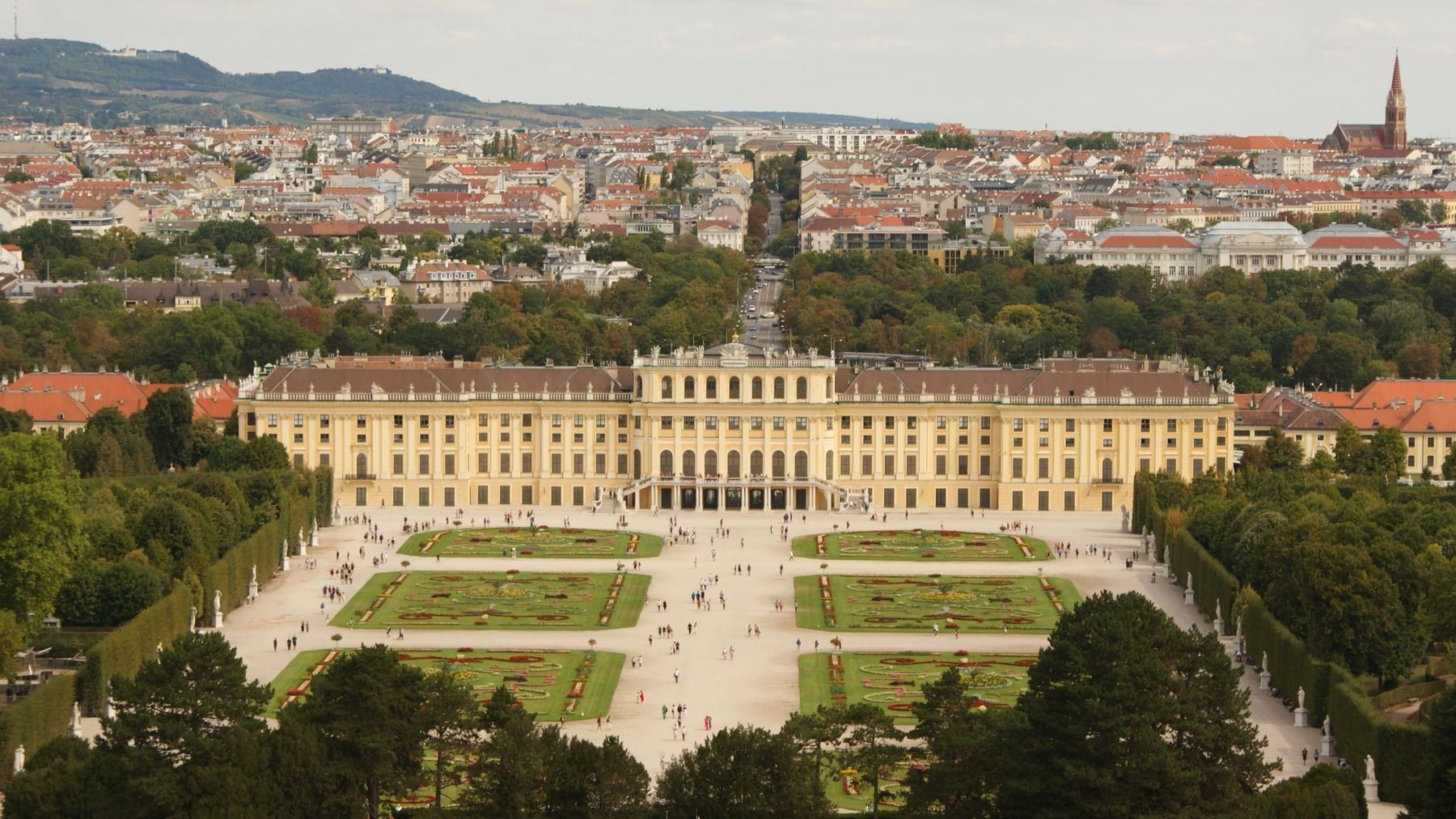
Schönbrunn Palace: ticket with time slot and guided tour

Grand Tour through 40 rooms of the Habsburg residence with a fixed time slot so you do not queue for two hours. With the Gloriette, the maze and the park you can fill half a day; the park alone is free.

View & book →
Germany

Munich: brewery and beer garden tour with tasting

Evening walk through the Hofbräuhaus, Augustiner and smaller breweries with beer tastings, a Brotzeit snack and explanations of the purity law. Sociable rather than strictly educational, but the fastest way into Munich's tavern culture.

View & book →
Germany

Hamburg harbour cruise with Speicherstadt and Elbphilharmonie

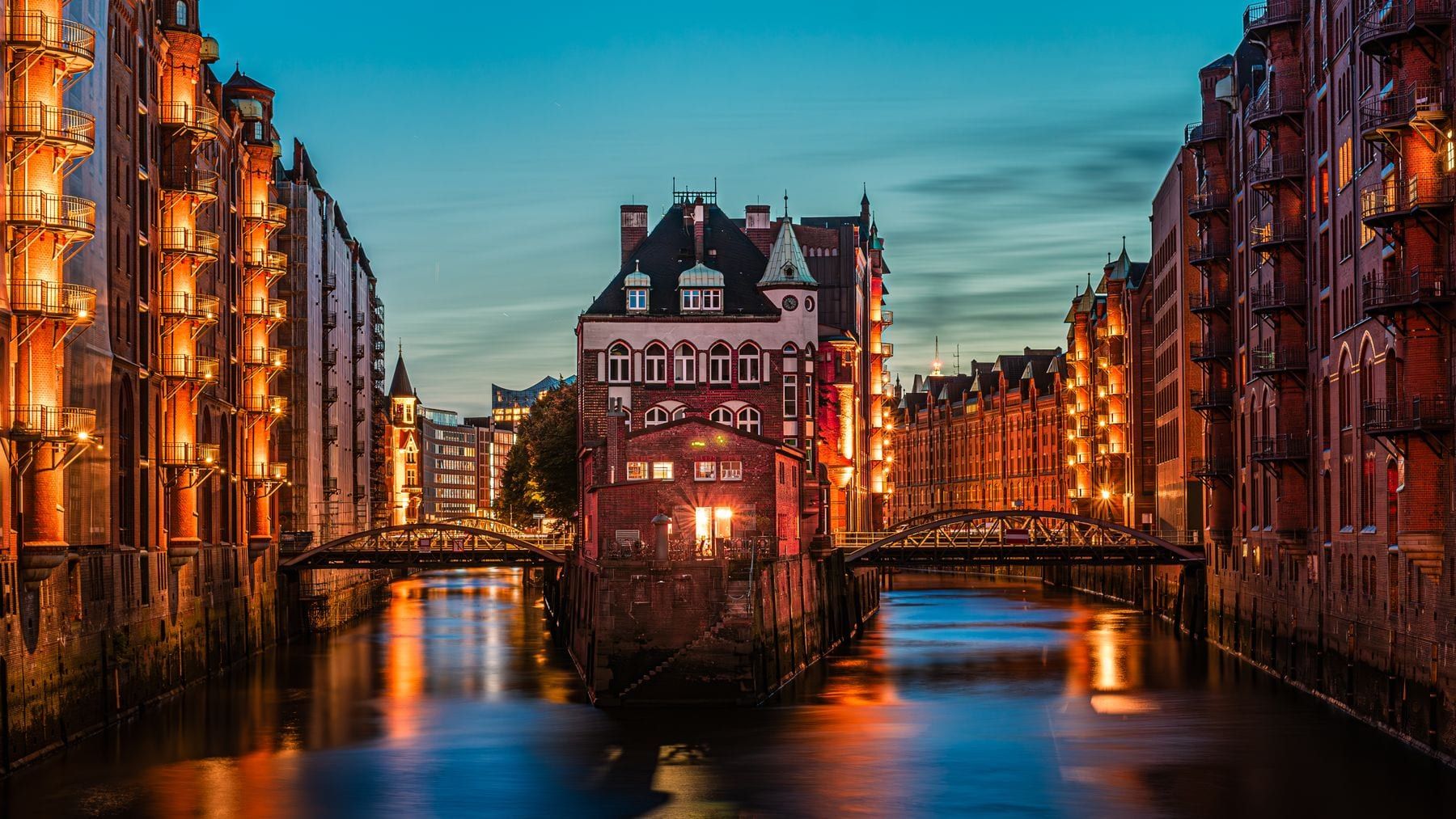
One hour by launch through the Speicherstadt, the HafenCity and out to the container terminals, with a Hamburg wit on the microphone. Cheaper and more authentic than any hop-on hop-off boat; ferry line 62 is the free version with an HVV ticket.

View & book →
Austria

Salzburg: Original Sound of Music Tour

Four hours by bus to the film locations, to Leopoldskron Palace, Hellbrunn and into the Salzkammergut to Mondsee. Kitschy, but the classic for decades, and the landscape is worth seeing even without the film.

View & book →
Switzerland

Zurich old town walk with a local guide

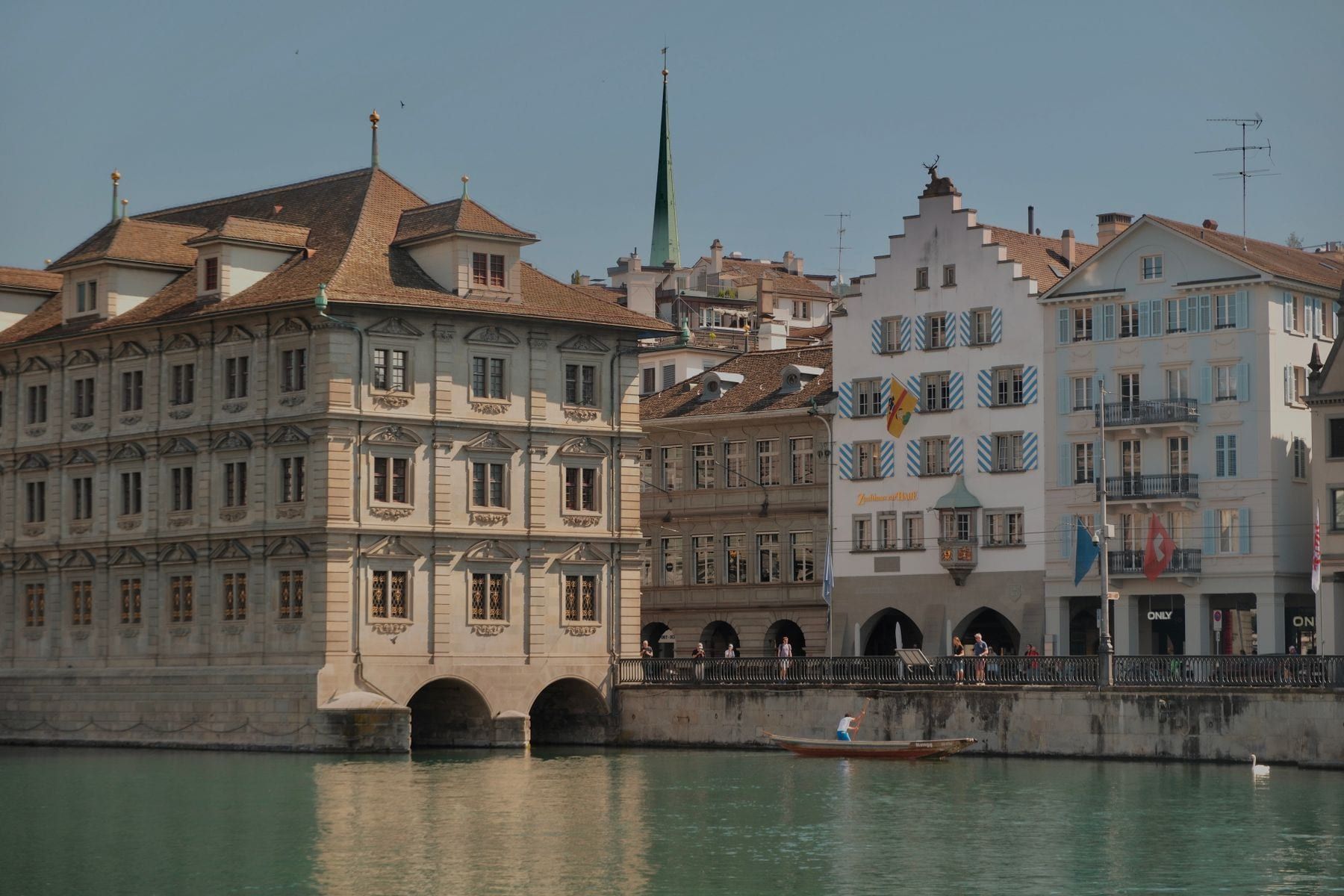
Two hours on foot through Niederdorf, Lindenhof, the Fraumünster with the Chagall windows and along the Limmat, with guild history and tips for Beizen away from Bahnhofstrasse. Also for Swiss people who only know Zurich from changing trains.

View & book →
Turkey

Istanbul Bosphorus boat trip at sunset

Two hours on the Bosphorus between Europe and Asia, past Dolmabahçe, Ortaköy and the wooden mansions on the shore, with tea on board. The public ferry is cheaper, the evening cruise with commentary more relaxed.

View & book →
Japan

Tokyo food tour through Shinjuku or Tsukiji

Three hours with a local guide through izakaya alleys, yakitori stands and the Tsukiji outer market, with six to eight tastings and explanations of how to order and pay. The best first evening in Tokyo.

View & book →

If you book through these links we earn a small commission, at no extra cost to you.

Where

Istanbul Flights approx. 235 EUR
Marmara

Istanbul

What a long weekend or a week in the city on two continents really costs, which neighbourhoods you actually need, and where the locals eat.

Tokyo Flights approx. 1070 EUR
Kanto

Tokyo

What a week in the biggest city in the world really costs, which neighbourhood you should stay in and how to get around with Suica, metro and konbini like someone who lives here.

Kyoto Flights approx. 1070 EUR
Kansai

Kyoto

What a week in the old imperial city really costs, when you need to be at which temple to actually see it, and why a bike beats the bus here.

Osaka Flights approx. 1070 EUR
Kansai

Osaka

What a few days in Japan's kitchen really cost, why Osaka is a better base for Kansai than Kyoto, and how to eat takoyaki, kushikatsu and okonomiyaki in the right order.

Zurich Getting there approx. 43 EUR
Zurich, Basel & Lucerne

Zurich

What a weekend in Zurich really costs, why in summer you need a badi rather than a museum, and how the Half Fare Card and a day pass get you the city and the Uetliberg at half price.

Basel Getting there approx. 54 EUR
Zurich, Basel & Lucerne

Basel

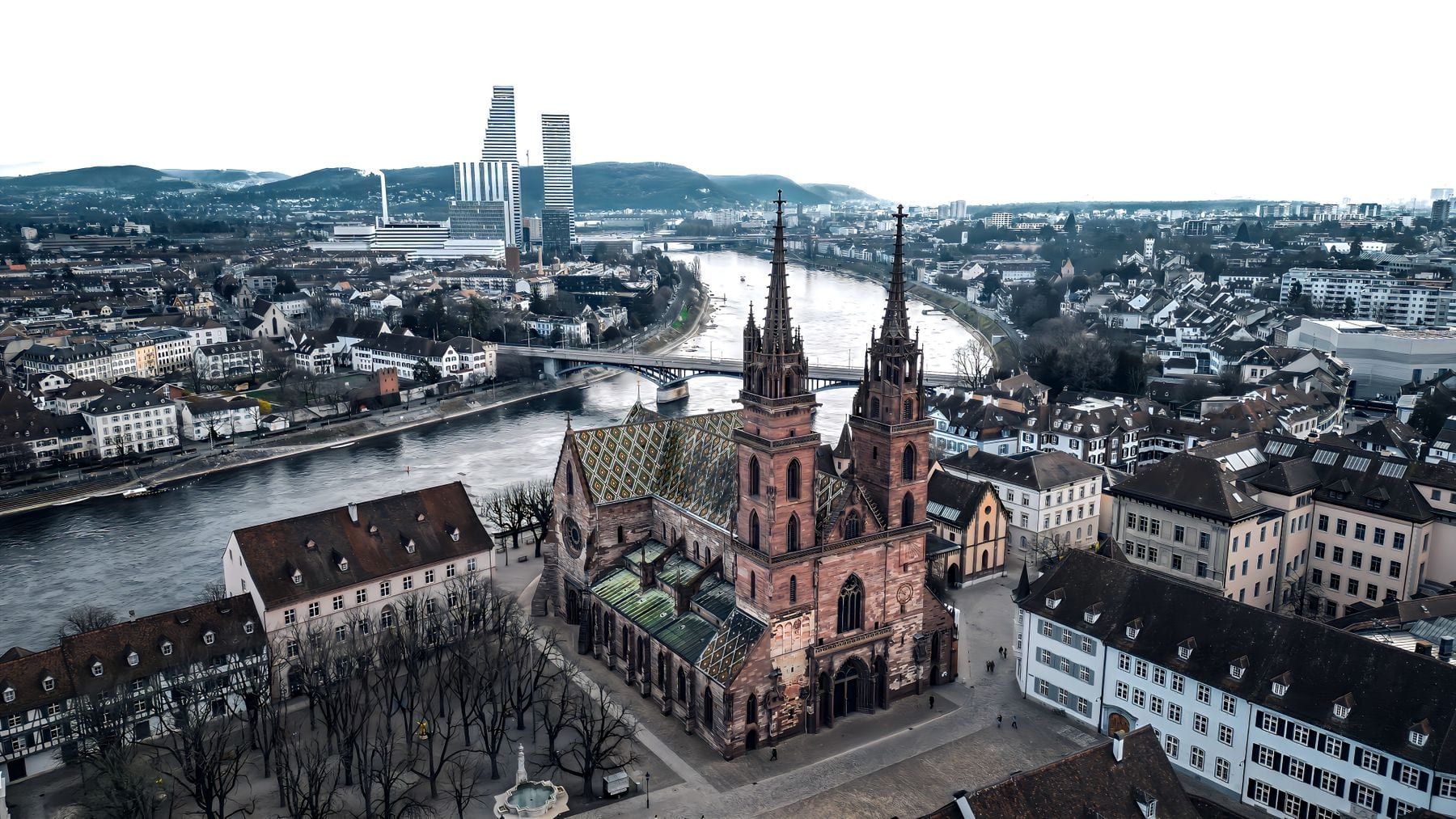
What a museum weekend in Basel costs, why in summer you float through the city on the Rhine instead of walking, and how the BaselCard saves you half of the admission fees.

Lucerne Getting there approx. 54 EUR
Zurich, Basel & Lucerne

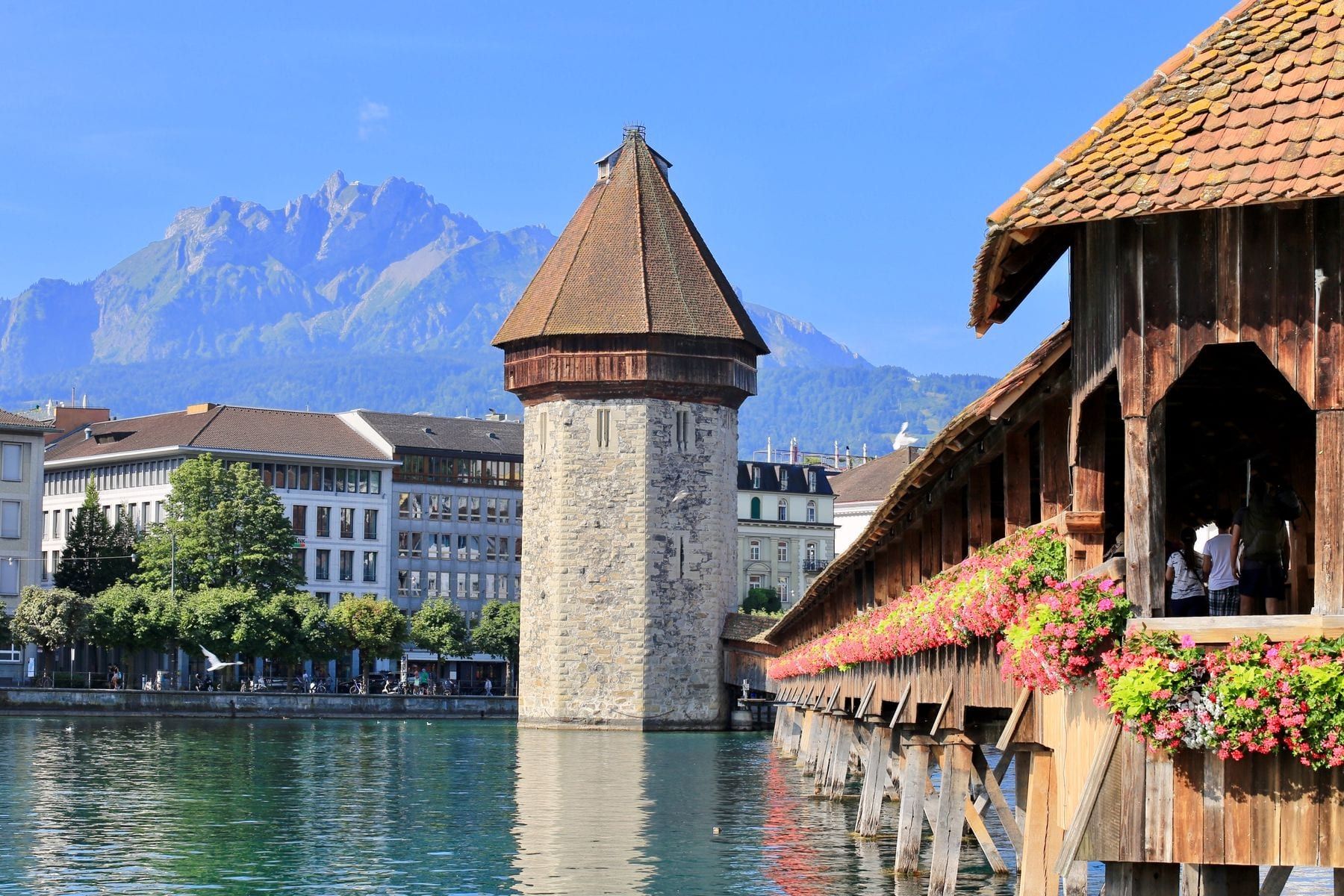
Lucerne

What three days in Lucerne with a mountain and a boat really cost, why you do not need Pilatus, Rigi and Titlis all together, and how the Half Fare Card and Saver Day Pass halve the mountain railways.

Bern Getting there approx. 43 EUR
Bern & Bernese Oberland

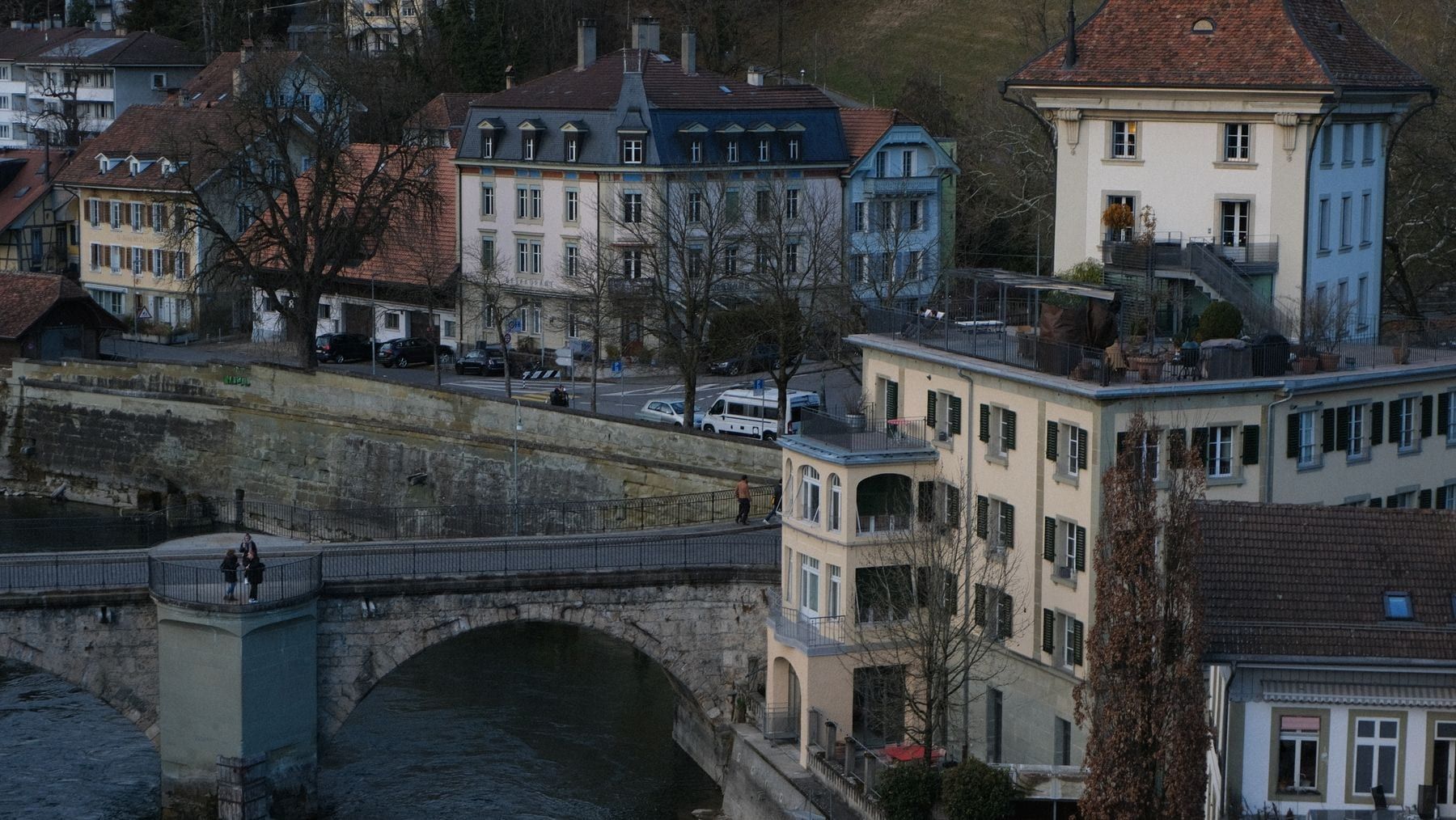
Bern

What a weekend in the federal city really costs, why you pack swimming trunks in summer, and how to see Bern thoroughly in two days without spreading yourself thin.

Geneva Getting there approx. 75 EUR
Lake Geneva & Valais

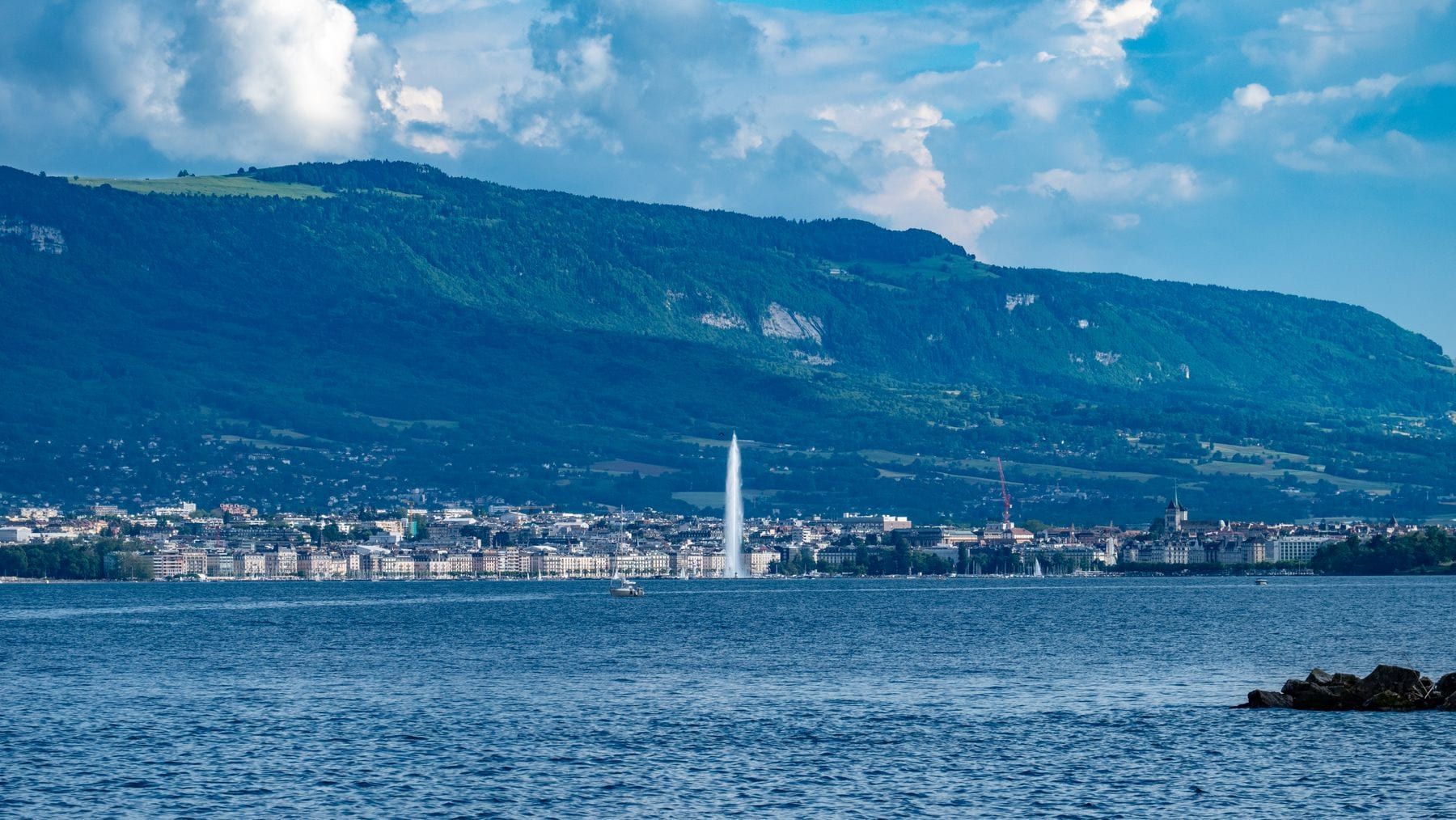
Geneva

What a weekend in the international city on the lake really costs, why you need your hotel's free transport card, and where Geneva looks like a neighbourhood rather than a bank.

Lugano Getting there approx. 139 EUR
Graubünden & Ticino

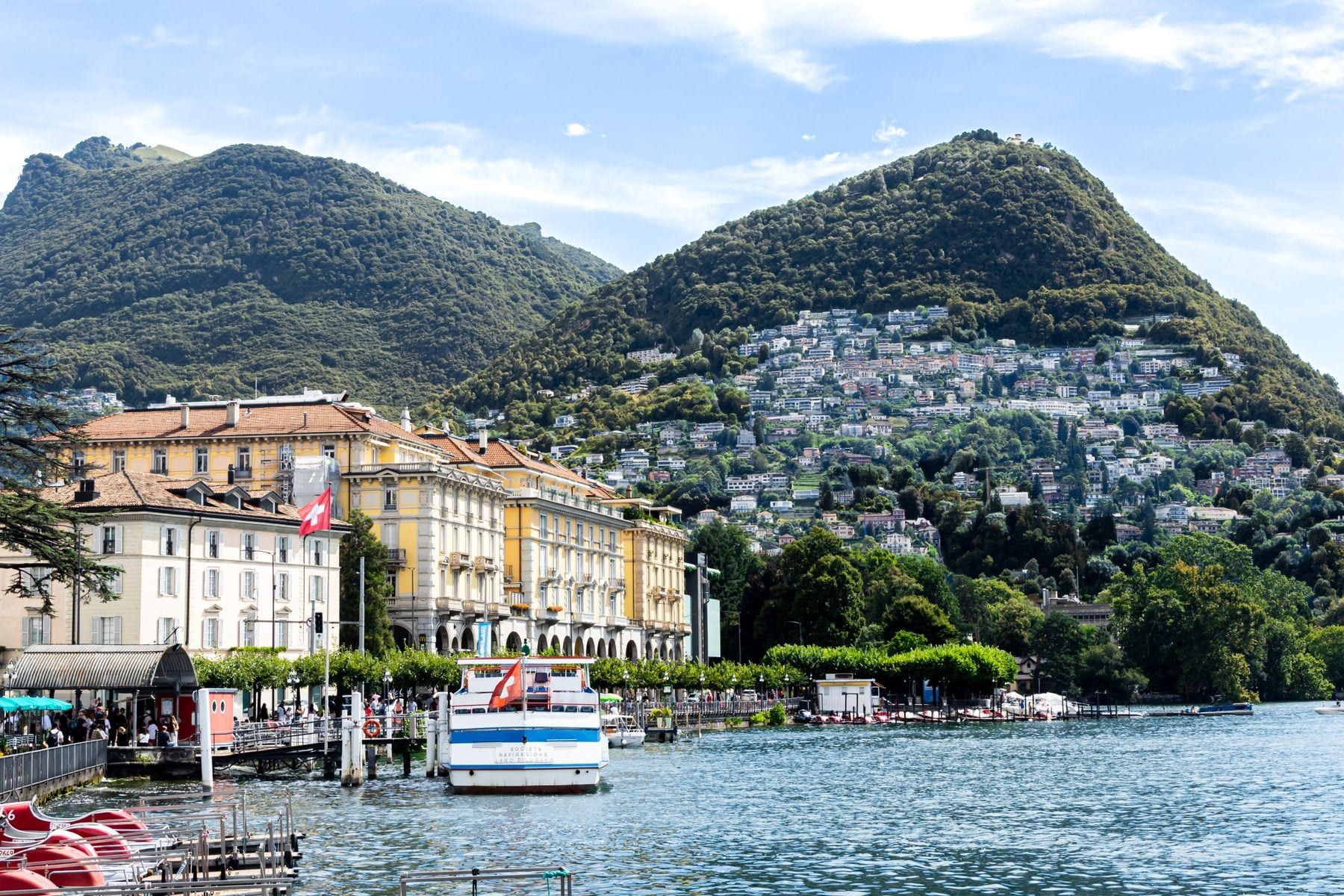
Lugano

What a long weekend on Lake Lugano really costs, which of the two home mountains suits you, how to reach Gandria and Morcote by boat and PostBus, and where a grotto is still a grotto.

Berlin Getting there approx. 193 EUR
Berlin & the North

Berlin

What a long weekend in the German capital really costs, why you can take the night train to Berlin instead of flying, and which neighbourhood to stay in so you are not spending half an hour on the U-Bahn every evening.

Hamburg Getting there approx. 193 EUR
Berlin & the North

Hamburg

What a long weekend on the Elbe really costs, why harbour ferry 62 is the best harbour tour in the city, and how to get into the Elbphilharmonie without booking a year ahead.

Dresden Getting there approx. 182 EUR
Saxony & Harz

Dresden

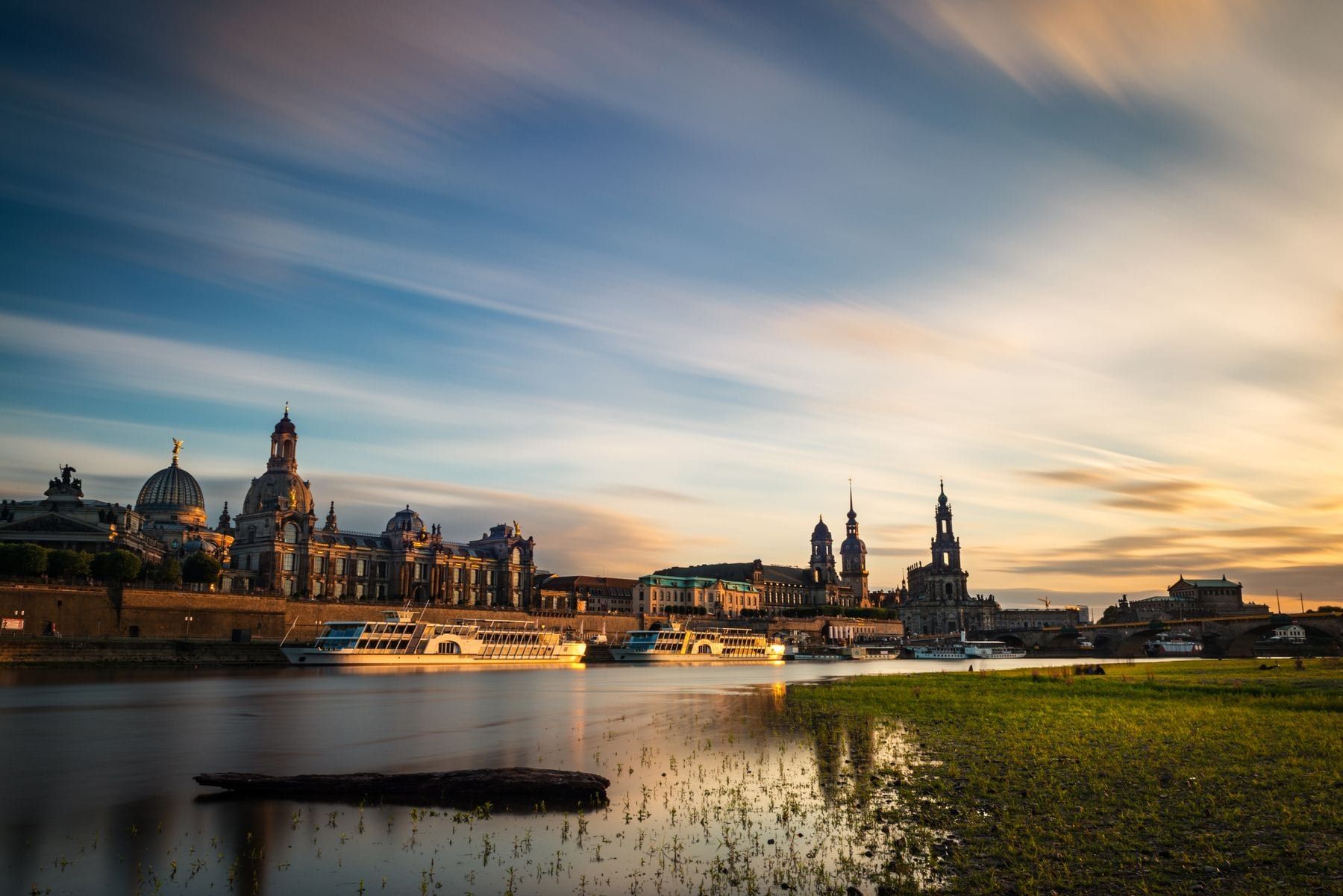
What a long weekend in "Florence on the Elbe" really costs, why you should stay in the Neustadt rather than the Altstadt, and when you have the Frauenkirche almost to yourself.

Leipzig Getting there approx. 171 EUR
Saxony & Harz

Leipzig

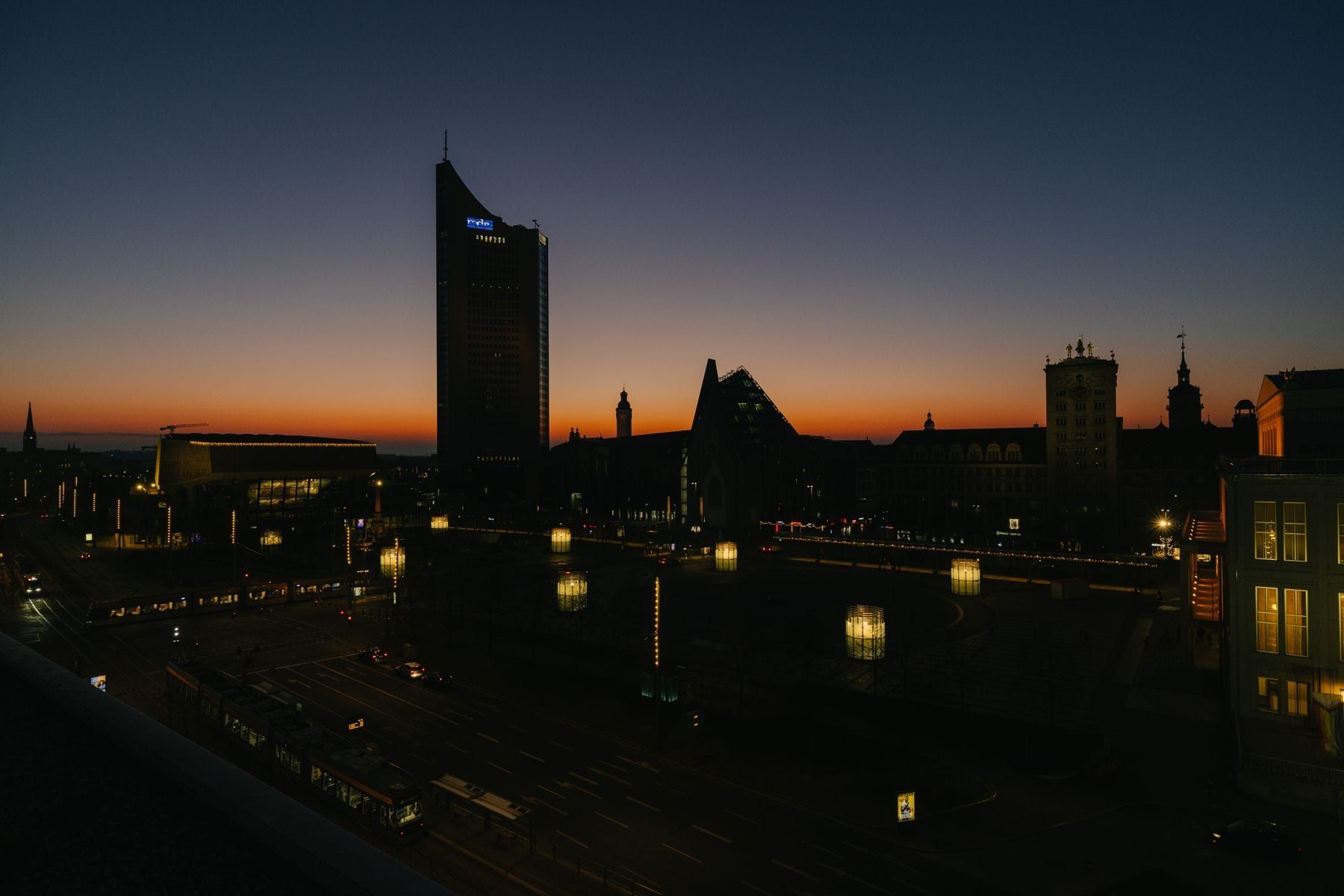
What a few days in Germany's cheapest big city really cost, why Plagwitz is more exciting than the centre, and how you hear Bach without buying a concert ticket.

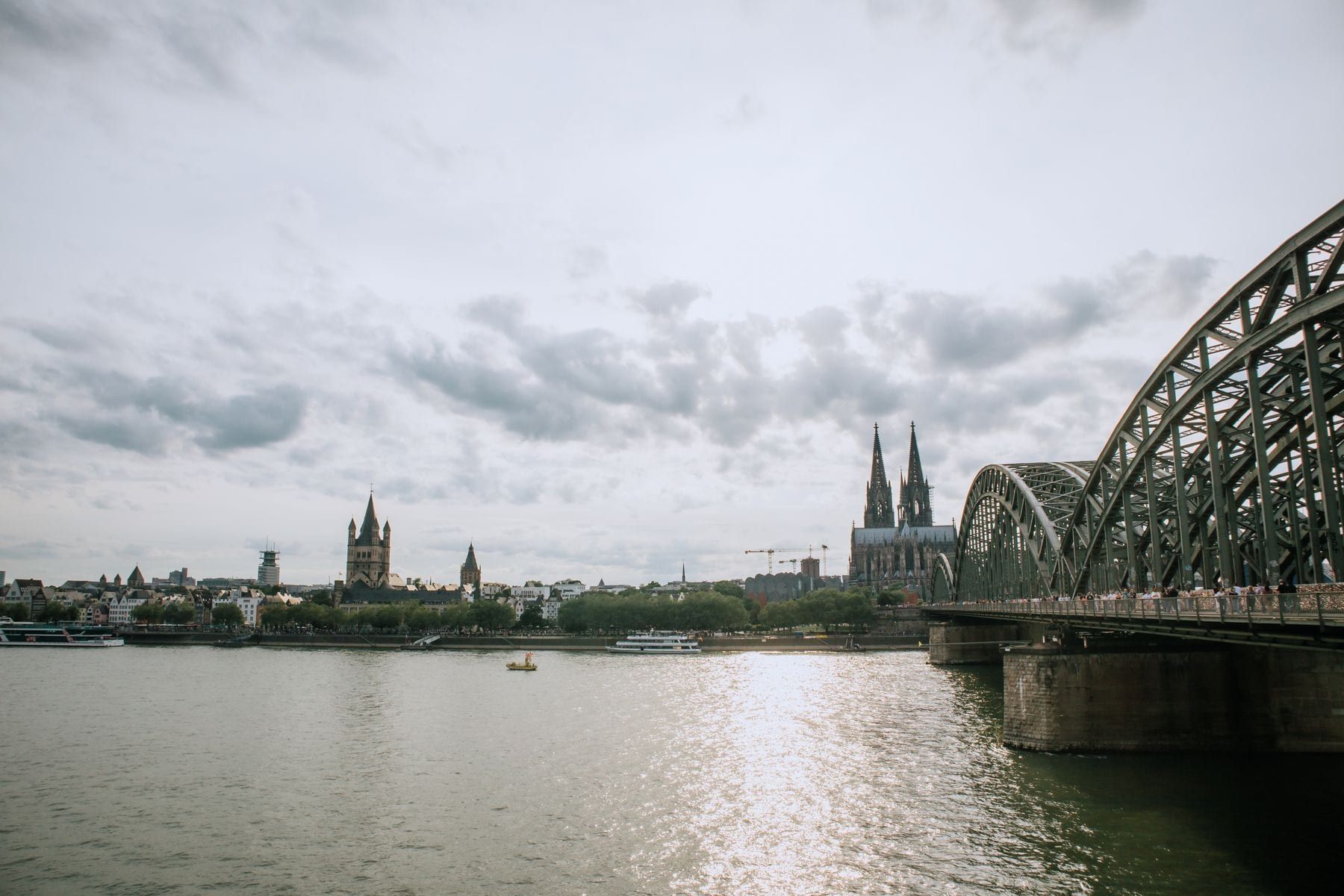
Cologne Getting there approx. 139 EUR
Rhineland & Moselle

Cologne

What a weekend in the cathedral city really costs, why you should visit the cathedral at 6 in the morning, how not to stand out as a tourist in a brewhouse, and what Carnival is really about.

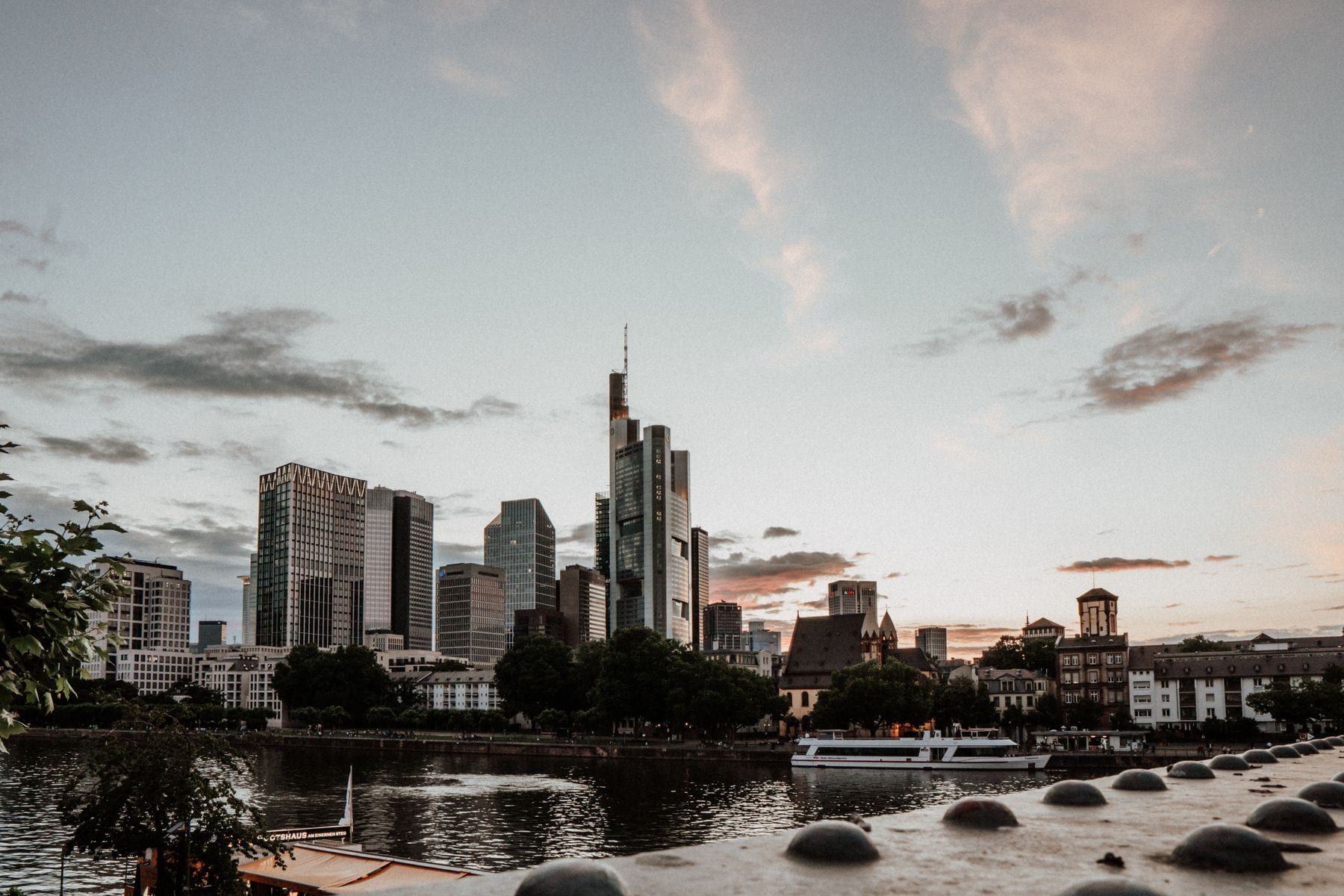
Frankfurt Getting there approx. 107 EUR
Rhineland & Moselle

Frankfurt

What two days in the banking city really cost, why Frankfurt is better than its reputation, where to drink apple wine and what the station district is all about.

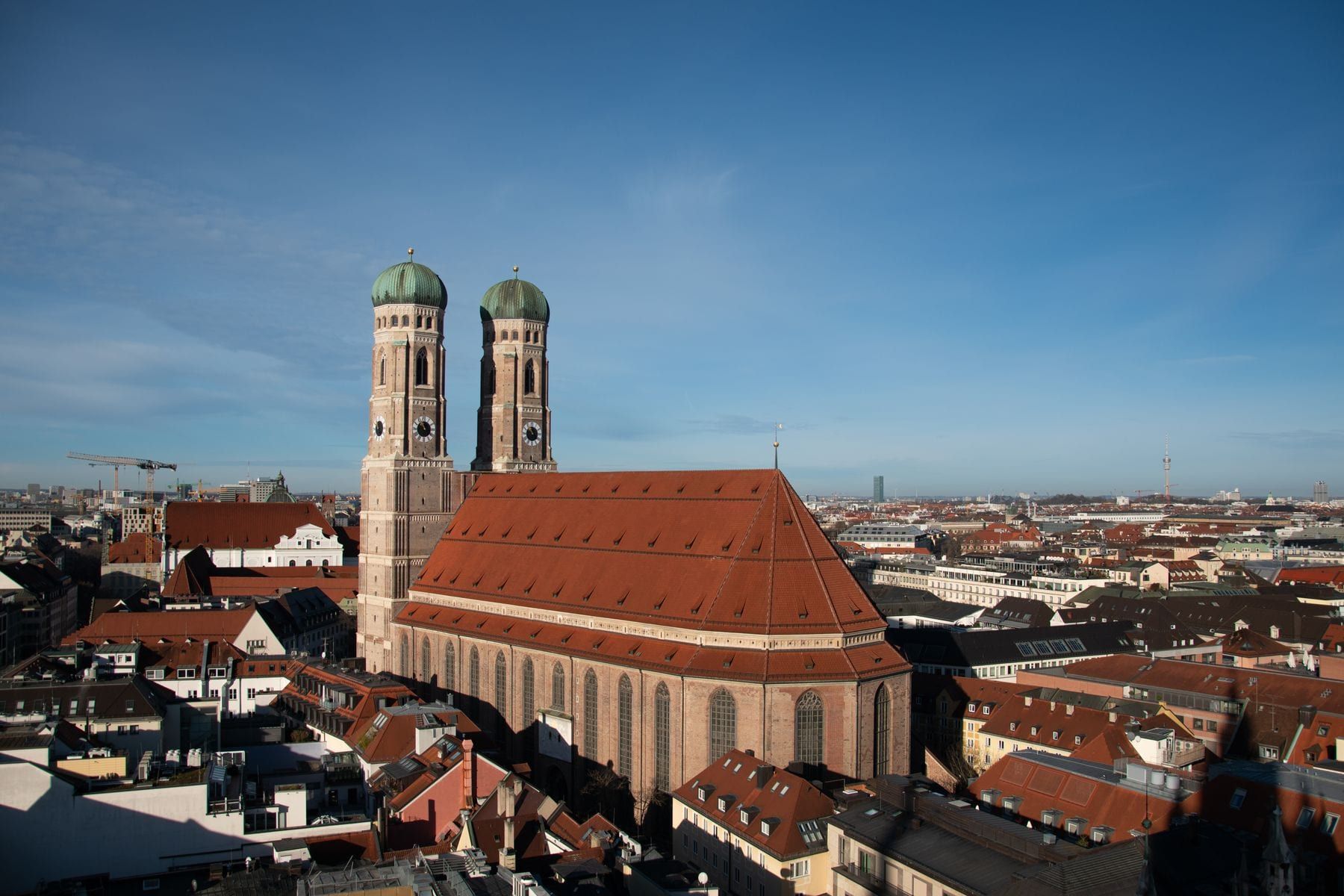
Munich Getting there approx. 118 EUR
Bavaria & the Alps

Munich

What a long weekend in the Bavarian capital really costs, why you come by train and leave the car at home, and where you eat Weisswurst without sitting in a tourist trap.

Vienna Getting there approx. 171 EUR
Vienna, Danube & Burgenland

Vienna

What four days in the imperial city really cost, why the night train is the best way to get there and how to stand in the State Opera for CHF 15 instead of sitting for CHF 200.

Salzburg Getting there approx. 118 EUR
Salzburg & Salzkammergut

Salzburg

What three days in Mozart's city really cost, why the Railjet beats the car here and which Festival tickets you can afford without blowing the holiday budget.

Innsbruck Getting there approx. 96 EUR
Tyrol

Innsbruck

What a weekend in the city with a cable car from the centre really costs, when the Innsbruck Card pays off and why you can have skiing and city life on the same day here.

Graz Getting there approx. 150 EUR
Styria & Carinthia

Graz

What a long weekend in Austria's second-largest city really costs, why you should arrive on the Nightjet and where the people of Graz buy their own pumpkin seed oil.

Frequently asked questions

Train or plane for Berlin, Hamburg and Vienna?

The Nightjet for all three, if you can handle a night on the train: you lose no day and save a hotel night. By day, Zurich to Berlin or Hamburg takes around eight to nine hours with a change, Vienna eight hours direct; with saver fares from CHF 40 to 60 (about EUR 43 to 64) that is cheaper than the flight plus transfers. Flying only pays off if you have to go there one day and come back the next.

Is a city pass worth it?

Only if you do the maths. The Salzburg Card almost always pays off because it includes the fortress, Hellbrunn and the cable car. The Zürich Card pays off from two museums a day. The Berlin WelcomeCard and the Vienna City Card are at heart transport tickets with discounts; with few rides and a lot of walking, single tickets or a day ticket are enough.

How many days do I need per city?

Three nights for Zurich, Basel, Bern, Geneva, Lucerne, Salzburg, Graz, Innsbruck, Dresden, Leipzig and Cologne. Four for Munich and Hamburg, four to five for Berlin and Vienna if you also want to see Potsdam or the Wachau. Istanbul needs at least four nights, Tokyo alone five, Kyoto three, Osaka two.

When is the best time for city breaks?

April to June and September to October for pleasant temperatures and open terraces. Advent is a season of its own in Vienna, Salzburg, Dresden, Nuremberg and Basel, with Christmas markets and correspondingly full hotels at weekends; weekdays are quieter. July and August are hot and crowded in Vienna, Berlin and Munich, January is the cheapest and emptiest.

How do I find out whether a trade fair is on?

If hotels for your date cost twice as much as a week later, a trade fair or a major event is on. Check the events calendar of the exhibition company (Messe München, Messe Berlin, Messe Frankfurt, Koelnmesse, MCH Basel) and the Eviano annual calendar. The big price drivers: Art Basel in June, Oktoberfest, the Frankfurt Book Fair, ITB and IFA in Berlin, Gamescom in Cologne, the Salzburg Festival.

Do I need cash in Germany and Austria?

In Germany yes, more than you think: many bakeries, kiosks, market stalls, smaller restaurants and some museums take no card or only the German Girocard. Withdraw the equivalent of CHF 100 (about EUR 107) in euros and expect to tip in cash. Austria is more card-friendly, you mainly need cash at markets and at the Heuriger. In Switzerland you pay almost everywhere by card or Twint.