Austria · Road trip · 10 days

Grossglockner Road Trip

From Mozart's city over 36 hairpin bends to 2,504 metres and down to the warmest lake in the Alps: the classic Alpine loop in your own car, honestly costed.

The route, day by day

  1. Day 1 to 2

    Salzburg: Arriving in Mozart's City

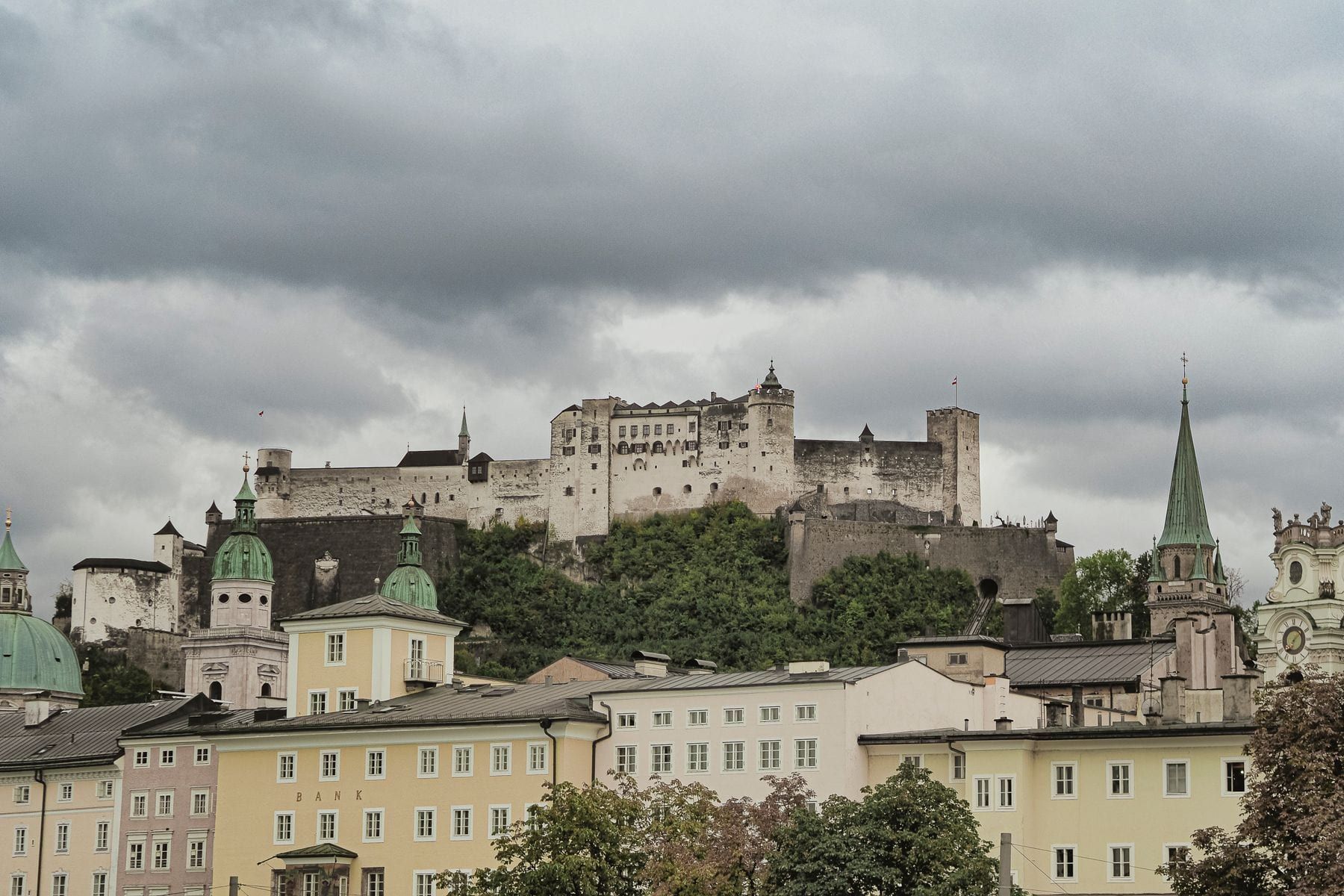
    From Zurich you drive 530 kilometres on the A1 to Munich and the A8 to Salzburg, a good five and a half hours with one break. Buy the Austrian vignette digitally beforehand; the German motorway is free. In Salzburg you leave the car for two days in a garage at the edge of the old town, as parking in the city costs CHF 20 to 30 (about EUR 21 to 32) per day and is a nuisance. Then on foot: Getreidegasse early in the morning before the coaches arrive, the climb to Hohensalzburg Fortress without the funicular, Hellbrunn Palace with its trick fountains in the afternoon, and in the evening across the Staatsbrücke into Steingasse, where the locals themselves eat. The 48-hour Salzburg Card pays off from the second museum onwards. You sleep on the right bank of the Salzach around Linzer Gasse, just as central as the old town and 20 to 30 percent cheaper. On to Zell am See: 90 kilometres on the Tauern motorway A10 to Bischofshofen and the B311, an hour and a half, more like two and a half with coffee in Werfen and a look at Hohenwerfen Castle.

    Tours at this stop: Salzburg old town walking tour ↗Sound of Music tour ↗

    Open the Salzburg travel guide →
  2. Day 3 to 5

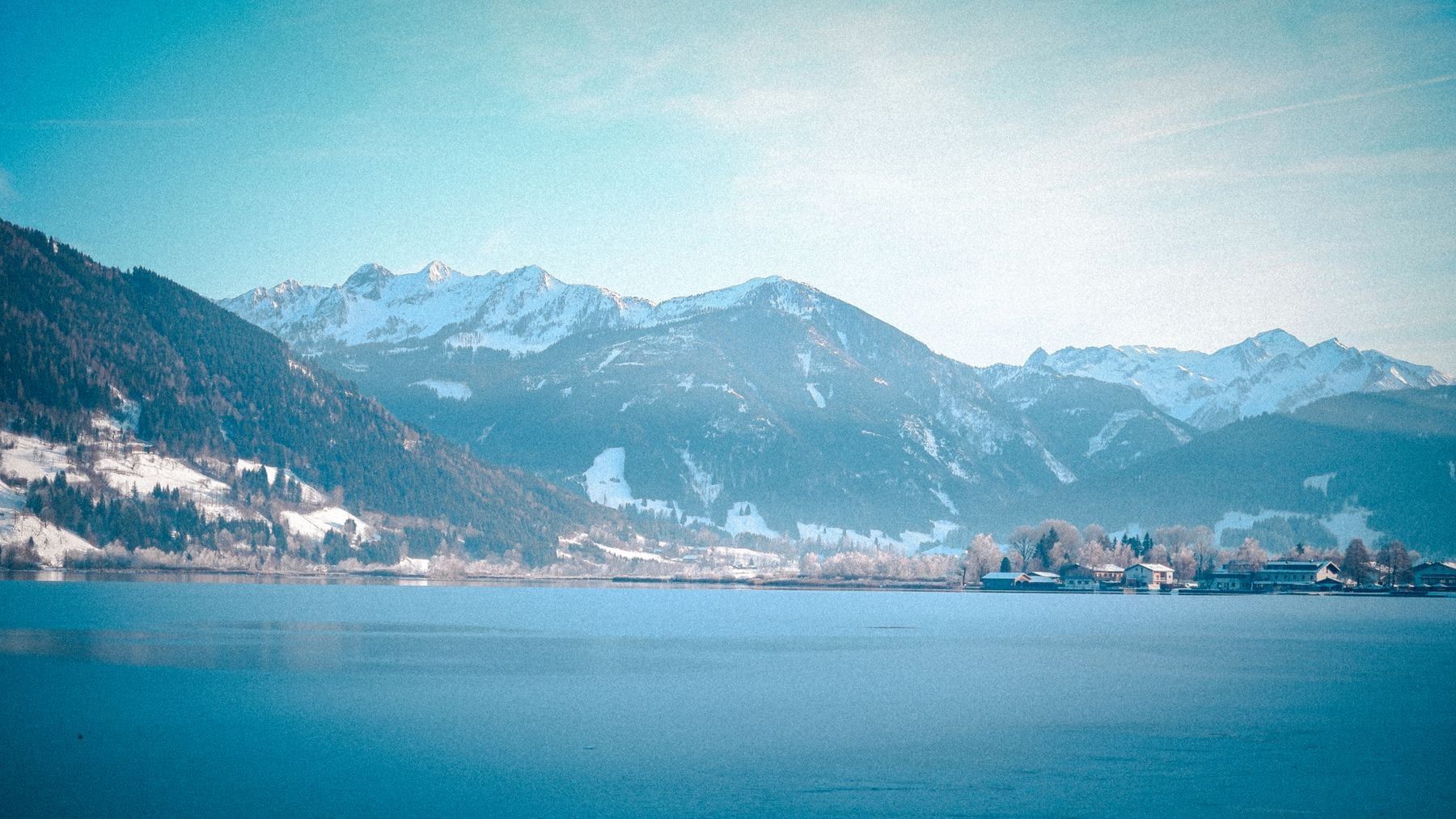
    Zell am See: Lake, Glacier and the Road to 2,504 Metres

    Three days, because three different outings wait here and you do not want to pack every morning. From mid-May to the end of October your stay gets you the Zell am See-Kaprun summer card for free, which includes one ascent and descent per day on the Schmittenhöhe, Kitzsteinhorn and Maiskogel, plus the boat and the lido. Day three belongs to the Kitzsteinhorn: 3,029 metres, Gipfelwelt 3000, still snow in July. On day four you ride up the Schmittenhöhe and spend the afternoon swimming in the lake, 22 degrees in high summer. Day five is for the Krimml Waterfalls, 55 kilometres through the Pinzgau, or simply for rest. You sleep in a half-board hotel in Zell or Kaprun; the guesthouses in Schüttdorf are cheaper. On to Klagenfurt over the Grossglockner-Hochalpenstrasse: from Bruck it is 48 kilometres of pass road with a toll of CHF 42 to 45 (about EUR 45 to 48) per car, the Hochtor at 2,504 metres, a detour to the Kaiser-Franz-Josefs-Höhe with its view of the Pasterze, lunch in Heiligenblut, then through the Mölltal via Spittal onto the A10 and A2. Around 190 kilometres, four hours of pure driving, a whole day with photo stops and marmots.

    Tours at this stop: Kitzsteinhorn Gipfelwelt 3000 ↗Krimml Waterfalls excursion ↗

    Open the Zell am See and Kaprun travel guide →
  3. Day 6 to 8

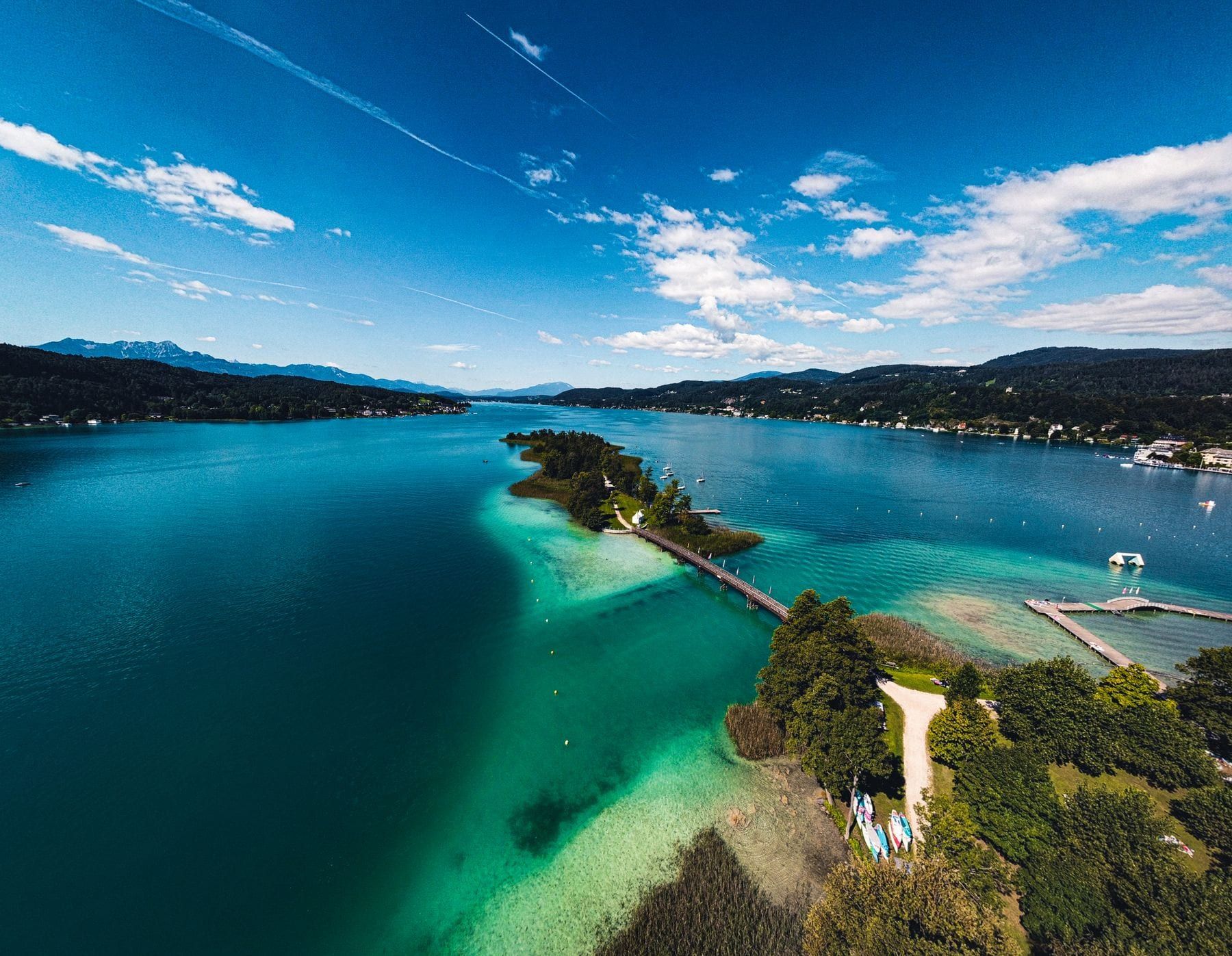
    Klagenfurt and Lake Wörthersee: Swimming Days at the Warmest Alpine Lake

    After the glacier comes the lake: Lake Wörthersee reaches 24 degrees in July, and three nights are the minimum so that you do not just arrive and pack again. Day one is for lazing on the jetty, best on the eastern shore near Krumpendorf or at Klagenfurt-Loretto, where the lido costs next to nothing. Day two is a loop by car: the Pyramidenkogel with the world's tallest wooden observation tower, Maria Wörth with its church on the peninsula, Velden for a coffee on the promenade but not for the hotel. Day three is Klagenfurt itself, the Lindwurm, Alter Platz, Minimundus if you have children, or a boat trip across the whole lake. With the Kärnten Card for around CHF 50 (about EUR 54) per week, the tower, the boat and over 100 further attractions are included. You sleep in a guesthouse with its own bathing spot on the eastern shore or in a city hotel in Klagenfurt; Velden and Pörtschach cost CHF 250 to 400 per room in August. On to Graz: 140 kilometres on the A2 and over the Packsattel, an hour and three quarters, with no toll beyond the vignette.

    Tours at this stop: Lake Wörthersee boat trip ↗Pyramidenkogel observation tower ↗

    Open the Klagenfurt and Wörthersee travel guide →
  4. Day 9 to 10

    Graz: Schlossberg, Pumpkin Seed Oil and the Drive Home

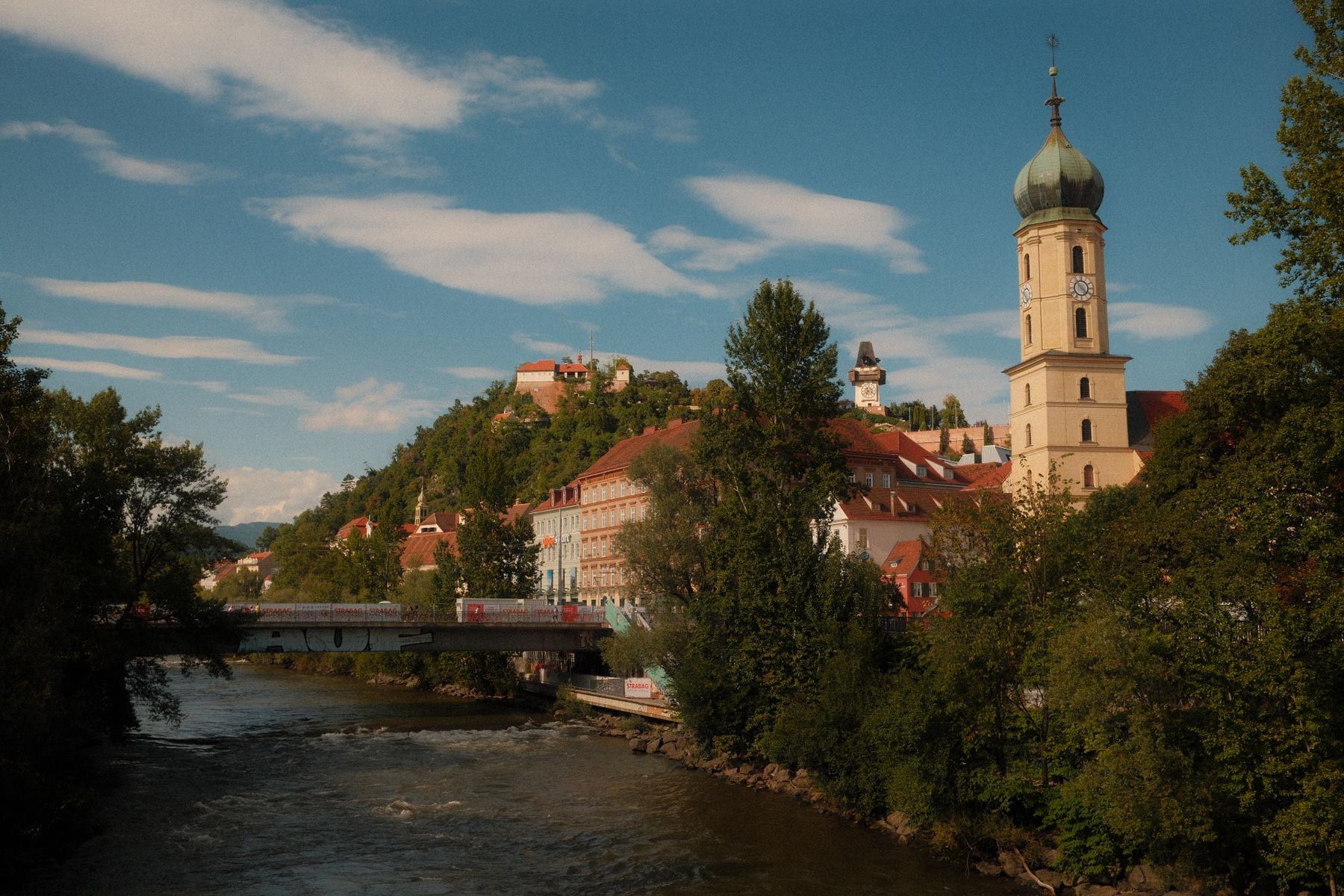
    Graz is the relaxed finale: the car stays in the garage, and the old town fits inside a circle two kilometres across. You climb the 260 steps up the Schlossberg, free and with the best view, visit the Kunsthaus and the Lendplatz on Saturday morning when the market is on, eat Backhendlsalat with Kernöl and drink a Schilcher in the evening. If you still have time on day ten, drive 40 minutes to the Südsteirische Weinstrasse and sit at a Buschenschank with a Brettljause, loveliest in September during the harvest. You sleep in the Lend district west of the Mur, among the cafés and the young hotels, cheaper and livelier than the old town. Return to Zurich: 760 kilometres, first on the A9 to Liezen, through the Ennstal past Schladming and at Radstadt onto the Tauern motorway A10 to Salzburg, then Munich and Lindau. Eight to nine hours with breaks; if you would rather not do that in one go, add a night in Salzburg or at the Chiemsee.

    Tours at this stop: Graz old town guided tour ↗Südsteirische Weinstrasse tour ↗

    Open the Graz travel guide →

If you book through these links we earn a small commission, at no extra cost to you.

What the route costs

Rough total per person for the whole route, mid-range, travelling as a pair. Flights and hotels vary by season; details are on the destination pages.

  • Getting there 193 EUR
  • Accommodation 770 EUR
  • Food 535 EUR
  • Local mobility 235 EUR
1,733 EUR
Total per person · 10 days

Money & payment: You pay in euros (EUR). Cards work almost everywhere; mountain huts and sausage stands often want cash. Tipping is expected: 5 to 10 percent, by naming the rounded total when you pay. In ski resorts a visitor tax of EUR 2 to 4 per night is added to the hotel price.

Rental car for this route

A rental comparison link will follow once the partner programme is live. Until then, compare directly with the rental companies or at your arrival airport.

Tips for the route

Reversing the order pays off if you travel in July or August: then you start in Graz, reach Lake Wörthersee before the high season really gets going, and cross the High Alpine Road from south to north, with the Pasterze in the morning and less traffic. The downside: the long journey to Graz, 760 kilometres, then falls on the first day instead of the last.

The Grossglockner-Hochalpenstrasse is open from early May to the end of October, closed at night, and at its finest in June and September: snow at the roadsides, few coaches, marmots at the Edelweissspitze. The ticket is slightly cheaper bought online in advance, and it is valid all day, including a return before the evening closure.

Vignette and tolls honestly costed: the digital ten-day vignette costs around CHF 12 (about EUR 13), the Tauern motorway has a special toll of around CHF 15 per direction between Golling and Spittal for the Tauern and Katschberg tunnels, and the High Alpine Road costs CHF 42 to 45 per car. If you want to avoid the Tauern tunnel toll, drive home through the Ennstal and join the A10 only at Radstadt, which bypasses the toll section.

Driving style on the High Alpine Road: 36 hairpins, gradients of up to 12 percent, plenty of motorbikes and cyclists. Go downhill in a low gear instead of braking constantly, do not overtake on the bends, and switch on the fog lights in fog at the Hochtor. The thermometer at the Fuscher Törl occasionally shows 5 degrees even in August, and the road can close at short notice after fresh snow; the operator's website says so each morning.

Book the Lake Wörthersee hotels early, nothing else: Salzburg and Graz have plenty of beds, Zell am See has room in summer, but on Lake Wörthersee the guesthouses with their own jetty are gone four to six months ahead for July and August. If you are flexible, travel the route in mid-June or September, when the same room costs 30 to 40 percent less and the lake is still 22 degrees.

Frequently asked questions about Grossglockner Road Trip

Are ten days enough for this route?

Yes, with two nights in Salzburg, three in Zell am See, three on Lake Wörthersee and one or two in Graz. If you have less time, drop Graz and drive straight home from Lake Wörthersee on the Tauern motorway, which saves two days and 150 kilometres. If you have more time, add two nights in Heiligenblut or the Mölltal.

When is the best time for the Grossglockner road trip?

June and September. The High Alpine Road is open, Lake Wörthersee is warm enough for swimming, and the hotels cost considerably less than in high summer. July and August work too, but with queues at the toll station at weekends and crowded jetties at the lake. In May and October the road is open but the lake is too cold.

Can you do the route by train and bus?

Partly. Salzburg, Zell am See, Klagenfurt and Graz all have stations, and the Railjet connects them. You then ride the High Alpine Road itself on the Postbus from Zell am See to the Kaiser-Franz-Josefs-Höhe in summer, or book a day tour. The car still wins clearly on this route, because the pass is the heart of the trip.

What does the road trip cost for two people?

Reckon on around CHF 1,600 (about EUR 1,710) per person: petrol and vignette for the journey there and back around CHF 180, nine nights mid-range around CHF 720, food CHF 500, and around CHF 220 for local petrol, tolls and parking garages. Cable cars in Zell am See are included with the summer card, and on Lake Wörthersee you pay little extra with the Kärnten Card.

Is the Grossglockner High Alpine Road difficult to drive?

No, it is wide, well surfaced and has crash barriers throughout. The only demanding parts are the many downhill hairpins, the traffic of motorbikes and coaches, and the weather, which changes quickly up top. With an ordinary car, a low gear on the descent and an hour of buffer, it is manageable for any driver.

Is there a shorter or longer version?

Shorter: Salzburg, Zell am See and back over the pass as far as Heiligenblut and return the same day, seven days without Lake Wörthersee and Graz. Longer: after Graz, two more days on the Südsteirische Weinstrasse, or two nights in Hallstatt on the way back, making it 13 to 14 days.

More itineraries through Austria