Austria · Road trip · 10 days

Tyrol Ski Safari

Five ski areas in ten days, a new mountain every second day, never more than two hours in the car: the winter route for anyone who finds a week at the same lift too little.

The route, day by day

  1. Day 1 to 2

    St. Anton: Opening Act on the Arlberg

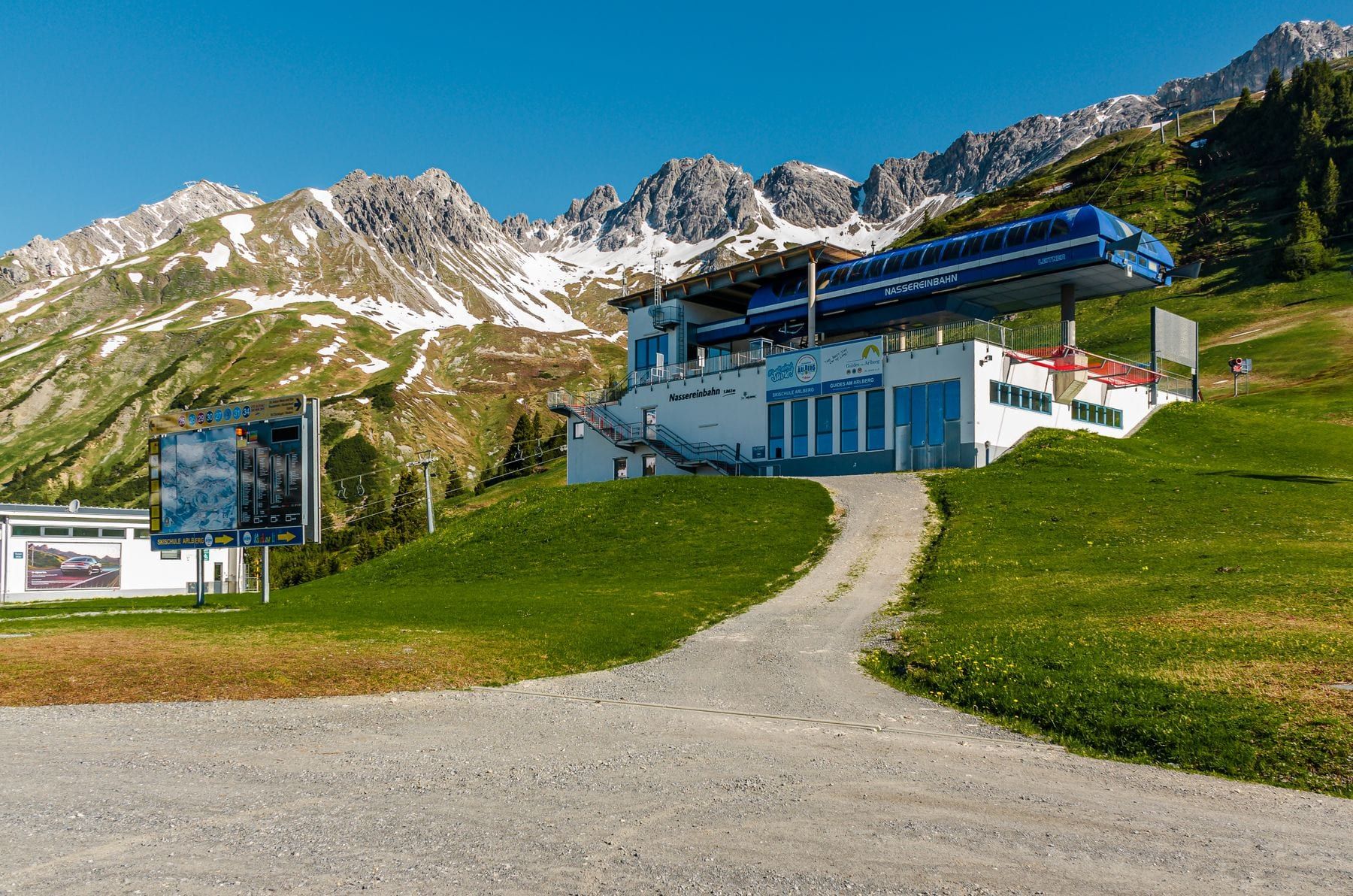
    From Zurich it is only 200 kilometres on the A13 to Sargans, the A14 from Feldkirch and from Bludenz the S16 through the Klostertal to the Arlberg road tunnel, two hours without snow, three with. The tunnel costs around CHF 12 (about EUR 13) per direction; the Arlberg pass above it is often open in winter but closed or chains-only when it snows. You arrive in the morning, put the car in the hotel garage for two days and are on the Galzig by midday. Two ski days on Ski Arlberg, 305 kilometres of piste: day one Galzig and Valluga, day two over the Flexenbahn to Zürs and Lech and back. Day pass around CHF 75, five percent cheaper online. You sleep in Nasserein or St. Jakob, ten minutes from the après-ski of the Mooserwirt zone and 20 to 30 percent cheaper than the centre. On to Ischgl: 60 kilometres on the S16 to Landeck, the Reschenstrasse to Pians and the B188 through the Paznaun, a good hour, an hour and three quarters in snow. On Saturdays do not leave before 11 am, as the weekly changeover is stuck in the valley before then.

    Tours at this stop: Ski hire St. Anton ↗Arlberg ski lessons ↗

    Open the St. Anton am Arlberg travel guide →
  2. Day 3 to 4

    Ischgl: Silvretta Arena and a Detour to Samnaun

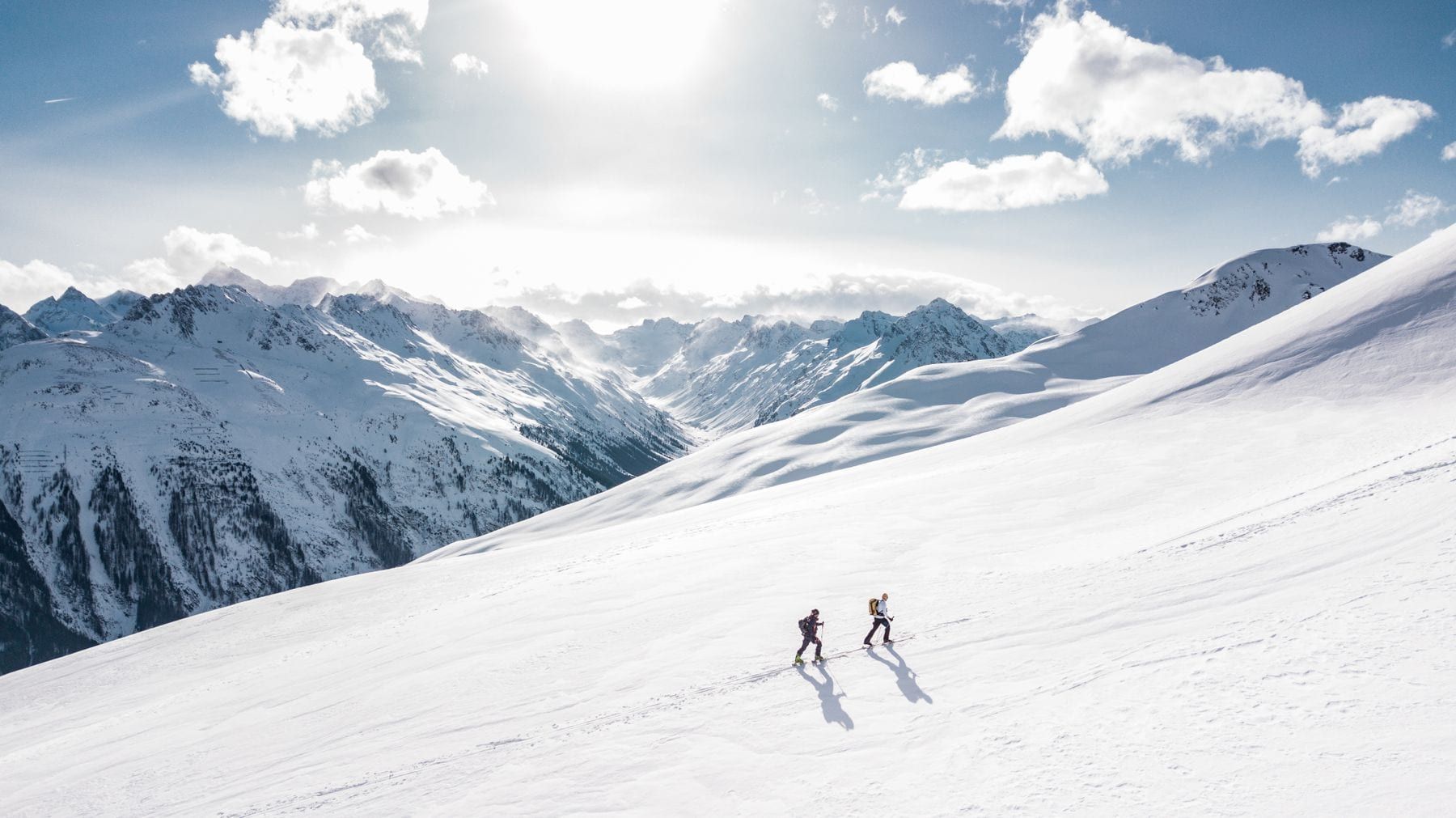
    Ischgl is the exact opposite of St. Anton: almost everything above the treeline, wide pistes between 1,400 and 2,872 metres, snow-sure until early May, and loud from 3 pm. Two days are enough for the Silvretta Arena, 239 kilometres of piste in two countries. On the first day you take the Pardatschgratbahn straight up to 2,624 metres and stay on the Austrian side. On the second day you cross via the Idalp to Samnaun, where you shop duty free and pay for lunch in francs, and return in the afternoon before the connecting lifts close. The day pass costs around CHF 72 (about EUR 77) and is automatically valid in both countries. You do not sleep in Ischgl itself but in Kappl or Galtür, where a guesthouse with breakfast costs CHF 110 to 150 instead of 300, and you take the ski bus to the valley station, which is included in the pass. On to Innsbruck: 100 kilometres back to Landeck and along the Inntal motorway A12, an hour and a half, two to two and a half with fresh snow in the Paznaun.

    Tours at this stop: Ski hire Ischgl ↗Silvretta Therme Ischgl ↗

    Open the Ischgl and Paznaun travel guide →
  3. Day 5 to 6

    Innsbruck: A Break with City and Nordkette

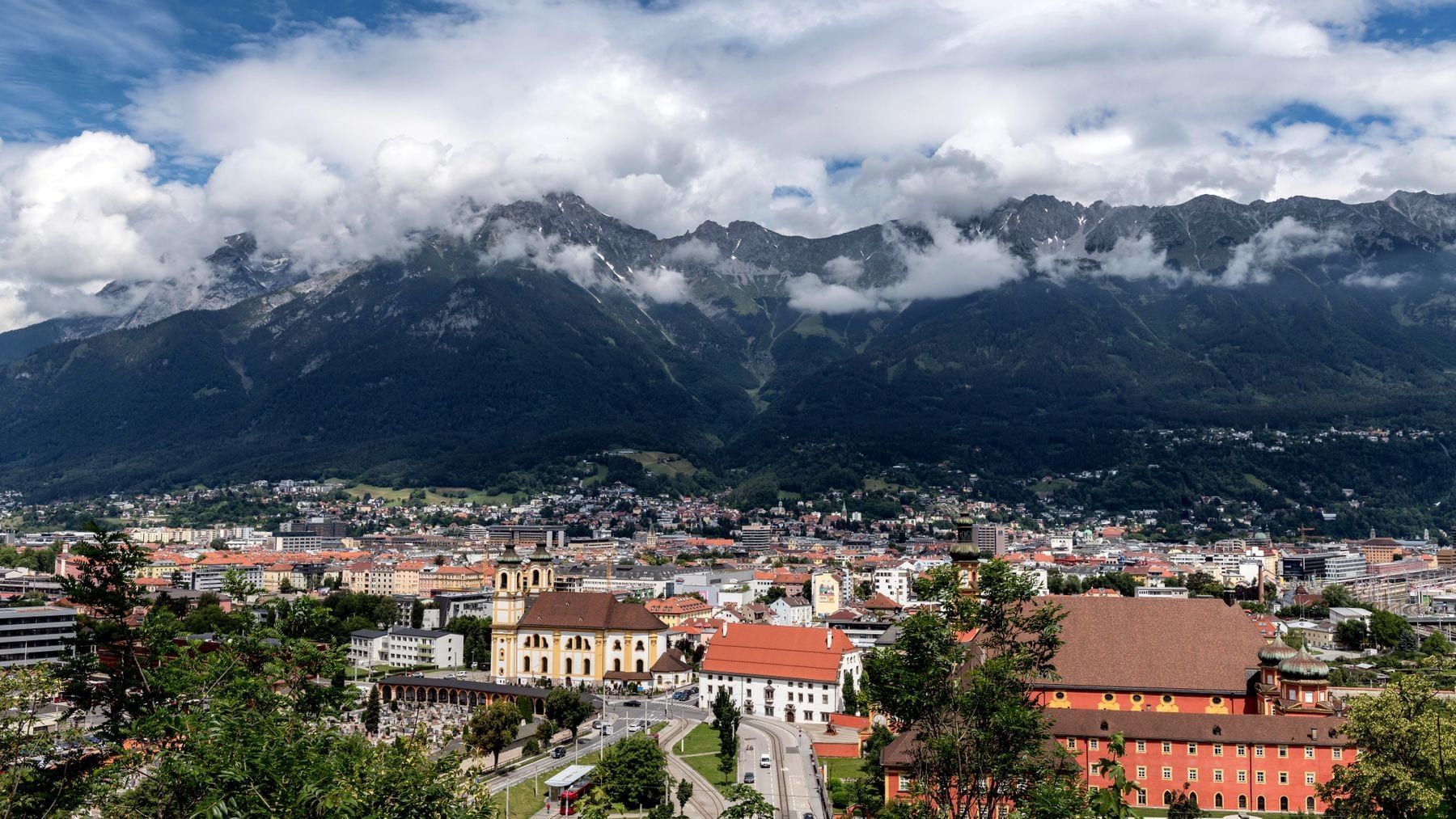
    After four days of skiing a city does you good, and Innsbruck is the only one where you can go from café to 2,256 metres in 20 minutes. Day five is a rest day: old town with the Goldenes Dachl, Hofkirche, the Bergisel ski jump with its view over the city, sauna at the hotel in the afternoon. On day six you take the Nordkettenbahnen from the Congress to the Seegrube and Hafelekar, around CHF 48 (about EUR 51) return, and decide at the top whether you ski the steep Nordkette pistes or just look. If you would rather ski properly, take the ski bus to the Axamer Lizum, 30 minutes, day pass around CHF 60. You sleep in Wilten or Saggen, ten minutes on foot from the centre, double room CHF 130 to 180, with the car in a garage for around CHF 20 per day. On to Kitzbühel: 95 kilometres on the A12 to Wörgl and the B170 via Hopfgarten and Kirchberg, an hour and a half, two to two and a half on Saturdays and in snow. Winter tyres are compulsory, and snow chains belong in the car.

    Tours at this stop: Nordkettenbahnen Innsbruck ↗Bergisel ski jump ↗

    Open the Innsbruck travel guide →
  4. Day 7 to 8

    Kitzbühel: Hahnenkamm and KitzSki

    Kitzbühel lies low, between 800 and 2,000 metres, and is therefore the stop where you read the snow report: in January and February the area is reliable thanks to snowmaking, in March you ski early and on the north-facing slopes at midday. Two days on KitzSki, 230 kilometres of piste: day seven Hahnenkamm, Pengelstein and a look at the Streif, not a run, as the Mausefalle is prepared for race week and otherwise closed or icy. Day eight across on the 3S cable car to Jochberg and Pass Thurn, where the pistes are empty and wide. Day pass around CHF 75 (about EUR 80); with the Kitzbühel Card from your accommodation you ride bus and regional train for free. You sleep in Kirchberg, two kilometres on, with its own valley stations and rooms 30 to 40 percent cheaper than in Kitzbühel. During Hahnenkamm race week at the end of January everything is booked out and twice the price, so swap the order then. On to Mayrhofen: 90 kilometres back to Wörgl, on the A12 to the Wiesing exit and the B169 through the Zillertal, an hour and a half, two to three in the Saturday Zillertal jam.

    Tours at this stop: Hahnenkammbahn Kitzbühel ↗Ski hire Kitzbühel ↗

    Open the Kitzbühel travel guide →
  5. Day 9 to 10

    Mayrhofen: Penken, Harakiri and Home via the Arlberg

    The finale in the loudest ski resort of the Zillertal: on day nine you take the Penkenbahn from the centre up to 1,800 metres and have 140 kilometres of piste across Horberg, Rastkogel and Eggalm, with the Harakiri as a test of nerve, a 78 percent gradient, only in good visibility and good snow. On day ten you have a choice: half a day on the Ahorn, the quiet family mountain, or 20 kilometres further to the Hintertux Glacier, 3,250 metres, still powder in April, covered by the Zillertaler Superskipass, day ticket around CHF 72 (about EUR 77). You sleep away from the main road, towards the station or in Hippach, where the après-ski bass does not reach the room, double room with half board CHF 180 to 260. Return to Zurich: 340 kilometres through the Zillertal to the A12, past Innsbruck to the Arlberg road tunnel and via Feldkirch to Zurich, four hours without, five to six with snow and Saturday traffic. If you drive on Sunday, you have the motorway to yourself.

    Tours at this stop: Penkenbahn Mayrhofen ↗Hintertux Glacier ↗Natur Eis Palast Hintertux ↗

    Open the Mayrhofen travel guide →

If you book through these links we earn a small commission, at no extra cost to you.

What the route costs

Rough total per person for the whole route, mid-range, travelling as a pair. Flights and hotels vary by season; details are on the destination pages.

  • Getting there 128 EUR
  • Accommodation 1,059 EUR
  • Food 642 EUR
  • Local mobility 161 EUR
1,990 EUR
Total per person · 10 days

Money & payment: You pay in euros (EUR). Cards work almost everywhere; mountain huts and sausage stands often want cash. Tipping is expected: 5 to 10 percent, by naming the rounded total when you pay. In ski resorts a visitor tax of EUR 2 to 4 per night is added to the hotel price.

Rental car for this route

A rental comparison link will follow once the partner programme is live. Until then, compare directly with the rental companies or at your arrival airport.

Tips for the route

Day passes instead of a weekly pass: five areas, five different passes, and none of the weekly passes is valid in the next valley. Reckon on CHF 72 to 75 (about EUR 77 to 80) per day and eight ski days, so around CHF 580 per person. Buying online in advance saves five percent, and in the early season until mid-December and from the end of March around 15 percent. Children up to 15 pay half everywhere.

Winter tyres are compulsory in Austria from 1 November to 15 April in wintry conditions, snow chains belong in the car and really are demanded in the Paznaun and the Zillertal when it snows. Buy the digital vignette for ten days; the Arlberg road tunnel costs around CHF 12 (about EUR 13) per direction extra, the Arlberg pass is free but closed or chains-only in snowfall.

Driving times in snow: every leg of this route is under 100 kilometres, and that is deliberate. When it snows the time doubles, and on Saturdays the weekly changeover in the Paznaun and the Zillertal adds jams of one to two hours. Drive the legs on Sunday or during the week, set off after 10 am when the roads have been cleared, and reach your destination before dusk.

Change the order if the Hahnenkamm races (end of January), Snowbombing in Mayrhofen (April) or the Ischgl concerts at the opening and closing of the season are coming up: rooms are then twice the price or gone. The route also works from east to west, arriving via the A12 in Mayrhofen and driving home from St. Anton in two hours.

Hotels in ski resorts often demand Saturday to Saturday and a seven-night minimum in high season. You will get two midweek nights in guesthouses, garnis and through booking platforms filtered for free cancellation. Book the stops four to eight weeks ahead, except over Christmas and in the February holidays, when it is six months. Half board is worth it, as dinner in a ski resort otherwise costs CHF 35 to 50 (about EUR 37 to 54).

Luggage: your own skis fit crossways in any estate car, and the ski room in the hotel garage is usually heated. If you hire, you hire per resort, around CHF 40 to 55 (about EUR 43 to 59) per day for mid-range skis with boots, or bring only your own boots and hire the skis. Helmets are compulsory for children up to 15, not for adults, but a good idea on the Harakiri.

Frequently asked questions about Tyrol Ski Safari

Are ten days enough for five ski areas?

Yes, with two days in each resort and a rest day in Innsbruck. More areas in less time becomes a removal marathon; fewer areas in ten days would be more relaxed. If you like to stay longer, drop Innsbruck or Mayrhofen and add the day to St. Anton or Kitzbühel.

When is the best time for the ski safari?

Mid-January to early March, outside Hahnenkamm week and the February holidays. December is snow-sure in St. Anton and Ischgl, often marginal in Kitzbühel. March brings sun and spring snow, with soft slopes in Kitzbühel by the afternoon, but powder on the Hintertux Glacier into April.

Can you do the ski safari by train?

Surprisingly well: St. Anton, Innsbruck, Kitzbühel and Jenbach are on the Railjet, Ischgl is reached by bus from Landeck, Mayrhofen on the Zillertalbahn. Changing trains with ski luggage is tedious, but you save vignette, tunnel and garages and do not have to drive in snow. Allow an hour more per leg than by car.

What does the ski safari cost per person?

Around CHF 1,850 (about EUR 1,980) without ski passes: the journey in your own car including vignette and tunnel around CHF 120, nine nights mid-range with breakfast or half board around CHF 990, food CHF 600, and around CHF 150 for local petrol, garages and ski bus. Add eight day passes for around CHF 580 and possibly ski hire.

How difficult is winter driving in Tyrol?

The main roads are well cleared and salted; the Paznaun and Zillertal valleys have gradients that need chains in fresh snow. With winter tyres, chains in the boot, a full tank and departure after 10 am, the route is no problem for experienced drivers. If you are unsure, take the bus from Landeck for the leg to Ischgl.

Is there a shorter or longer version?

Shorter: St. Anton, Ischgl and Innsbruck in seven days, with a two-hour drive home. Longer: slot two days in the Stubaital or in Sölden between Innsbruck and Kitzbühel, or add two glacier days in Hintertux after Mayrhofen, making it 12 to 14 days with a second rest day needed.

More itineraries through Austria