Austria · Road trip · 8 days

Salzkammergut and Danube

Four lakes, a World Heritage village, an underrated city and apricot dumplings by the river at the end: the route for anyone who prefers to drive Austria slowly, along the water.

The route, day by day

  1. Day 1 to 2

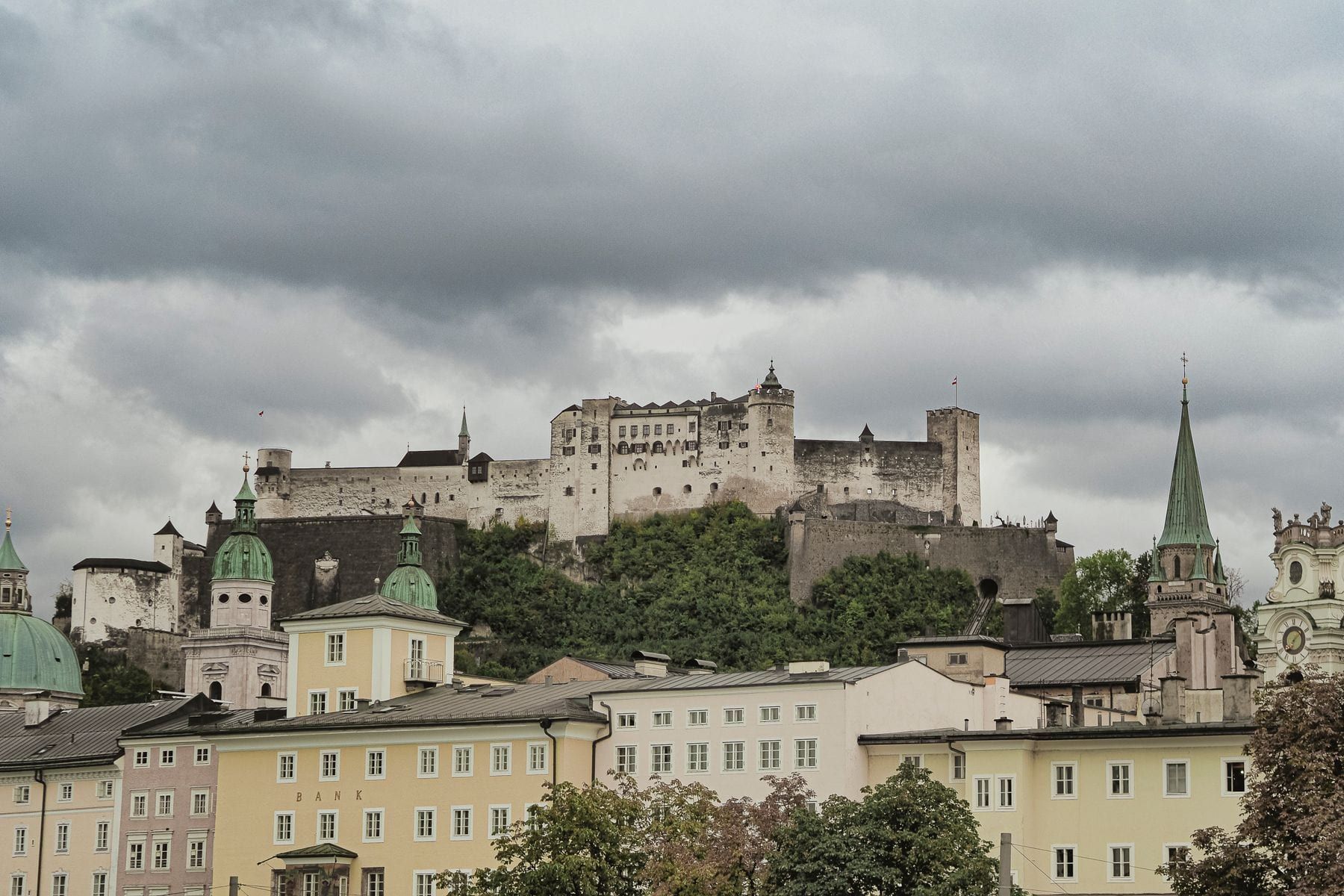
    Salzburg: City on Foot, Car in the Garage

    The journey from Zurich is the same as for any Salzburg trip: 530 kilometres via Munich, five and a half hours, ideally leaving in the morning so that you are standing on the Mönchsberg by the afternoon. The car goes into a garage at the edge of the old town and stays there until you leave. Day one belongs to the left bank of the Salzach: cathedral, Residenz, the fortress on foot, sunset from the Museum der Moderne. On day two you use the Salzburg Card for Hellbrunn and the Untersberg, or you stay in town and visit the Mirabell Gardens and the Mozart Residence instead of the birthplace, which is less crowded. You sleep in the Andräviertel by the station or around Linzer Gasse, where a double room costs CHF 130 to 180 (about EUR 139 to 193) instead of 250 in the Getreidegasse. On to Hallstatt: 80 kilometres via Fuschl, the Wolfgangsee with a stop in St. Gilgen or St. Wolfgang, Bad Ischl and Bad Goisern, an hour and a half of pure driving, half a day with a swim in the Wolfgangsee and coffee at Zauner in Bad Ischl.

    Tours at this stop: Salzburg old town walking tour ↗Hallein salt mine ↗

    Open the Salzburg travel guide →
  2. Day 3 to 4

    Hallstatt: Two Nights to See the Village Without the Coaches

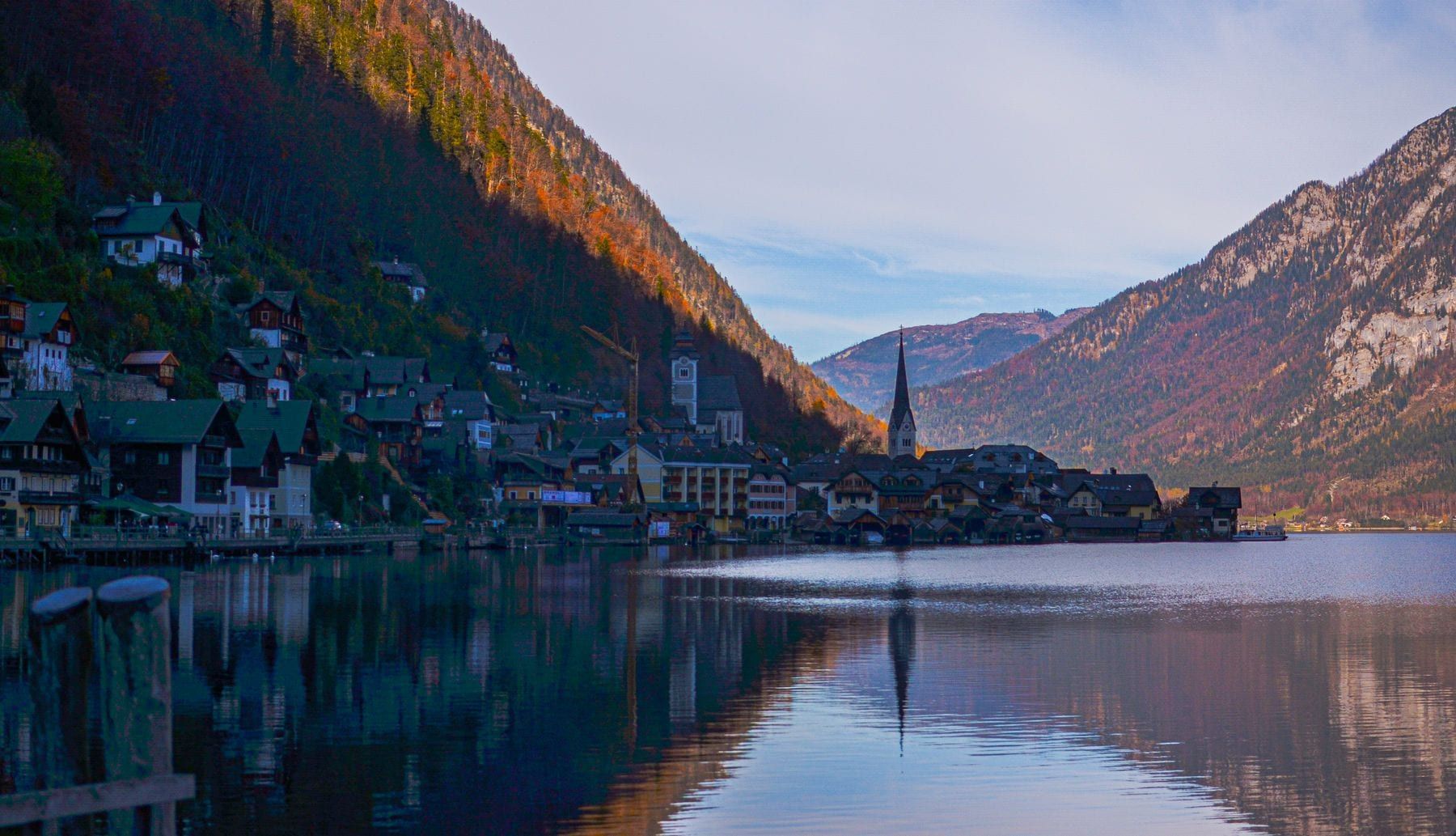
    Two nights are the honest minimum: between 10 am and 4 pm Hallstatt is a selfie corridor, and in the morning and evening it is one of the most beautiful villages in the Alps. You stay in Obertraun on the eastern shore, five kilometres away, quiet, with a bathing beach and a station, or in the village itself if you booked six months ahead. On the first morning you are at the photo spot on Gosaumühlstrasse at 8 am, then you take the funicular to the Salzwelten, the oldest salt mine in the world, 70 minutes inside the mountain with two slides. In the afternoon, the beach in Obertraun. The second day belongs to the Dachstein: ice cave, Mammoth Cave and the 5 Fingers platform, combined ticket around CHF 55 (about EUR 59). If you would rather stay by the water, drive 20 minutes to the Gosausee with its Dachstein view. On to Linz: 130 kilometres via Bad Goisern, Ebensee, along the Traunsee to Gmunden with a stop at Schloss Ort on the lake, then onto the A1. Two hours, three to four with Gmunden and a swim in the Traunsee.

    Tours at this stop: Salzwelten Hallstatt ↗Dachstein ice cave and 5 Fingers ↗

    Open the Hallstatt and Salzkammergut travel guide →
  3. Day 5

    Linz: The Underrated Stopover on the Danube

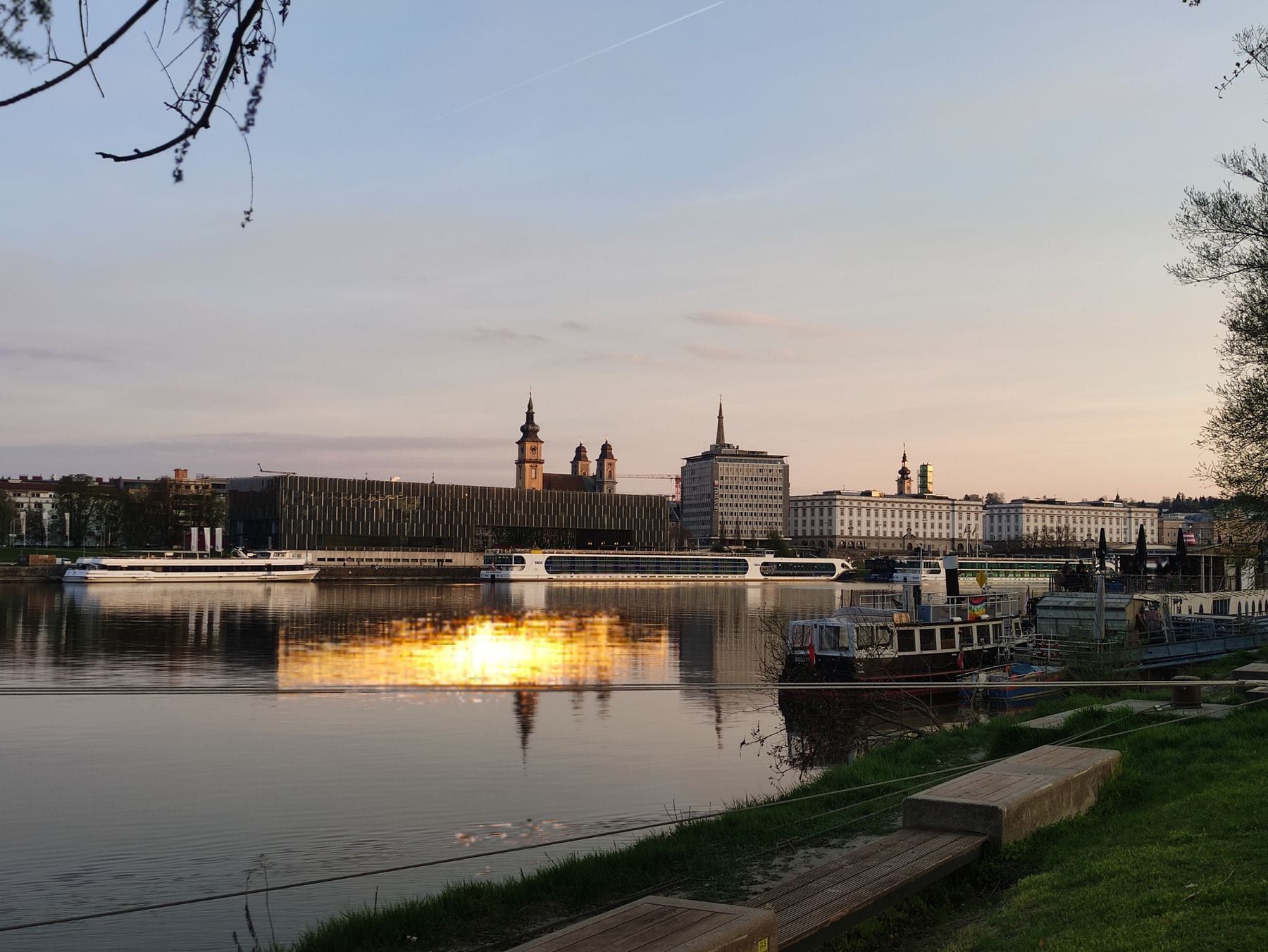
    Nobody puts Linz on an Alpine route, and that is exactly why it is worth it: the city is cheap, half empty at weekends, and the Ars Electronica Center with its Deep Space is the best museum between Munich and Vienna if you like technology. One day is enough: Hauptplatz, Mariendom and the Lentos on the river in the morning, Linzer Torte at Jindrak at lunchtime, up the Pöstlingberg on the Pöstlingbergbahn in the afternoon and back to childhood on the Grottenbahn, then the Donaupark and a beer in the Urfahr district in the evening. The one-day Linz Card costs around CHF 28 (about EUR 30) and includes museums, public transport and the mountain railway. You sleep in the city centre between the station and Hauptplatz, CHF 80 to 120 for a double at weekends, because the business travellers have gone. On to the Wachau: not on the A1 but along the right bank of the Danube on the B3 through the Strudengau, Grein with the oldest town theatre in Austria, Ybbs and Melk, 110 kilometres, two hours with stops, where the motorway takes one.

    Tours at this stop: Ars Electronica Center ↗Linz city tour ↗

    Open the Linz travel guide →
  4. Day 6 to 8

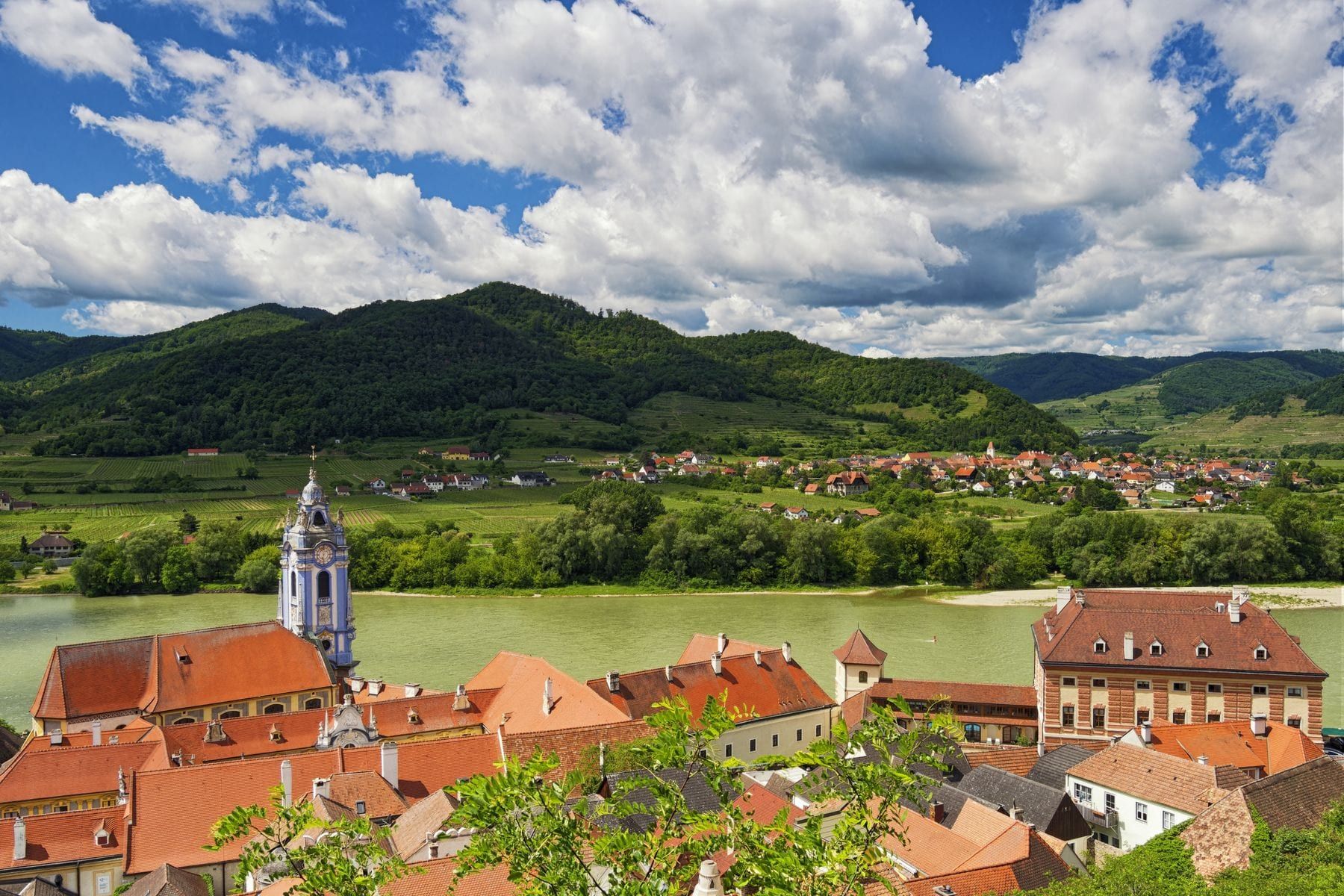
    Wachau: Melk Abbey, Cycle Path and Winegrowers' Rooms

    In the Wachau you park the car for two days and take to bike and boat, the way the Lower Austrians do it. Day six: Melk Abbey in the morning, library and terrace, then by boat down the Danube to Spitz or Dürnstein, three hours, around CHF 32 (about EUR 34). Day seven: a hire bike along the north bank from Dürnstein to Weissenkirchen and Spitz, with a Heuriger stop and Marillenknödel, back on the roll ferry and the bus. See Dürnstein at 6 pm, when the boat passengers have gone and the lane is quiet and blue. You sleep at a winegrower's in Weissenkirchen or Spitz, double room with breakfast CHF 80 to 120, and the Wachau card usually comes free with it. On day eight you drive home: 640 kilometres on the Westautobahn A1 past Linz and Salzburg, via Munich to Lindau and Zurich, seven hours of pure driving, eight with two breaks. If you leave early, you have lunch in Salzburg and close the circle.

    Tours at this stop: Boat trip Melk to Krems ↗Wine tasting in the Wachau ↗Melk Abbey guided tour ↗

    Open the Wachau travel guide →

If you book through these links we earn a small commission, at no extra cost to you.

What the route costs

Rough total per person for the whole route, mid-range, travelling as a pair. Flights and hotels vary by season; details are on the destination pages.

  • Getting there 171 EUR
  • Accommodation 562 EUR
  • Food 428 EUR
  • Local mobility 161 EUR
1,321 EUR
Total per person · 8 days

Money & payment: You pay in euros (EUR). Cards work almost everywhere; mountain huts and sausage stands often want cash. Tipping is expected: 5 to 10 percent, by naming the rounded total when you pay. In ski resorts a visitor tax of EUR 2 to 4 per night is added to the hotel price.

Rental car for this route

A rental comparison link will follow once the partner programme is live. Until then, compare directly with the rental companies or at your arrival airport.

Tips for the route

Reverse the order if you want to arrive by Railjet and hire the car only on the spot: then you take the train to St. Pölten, hire there or in Krems, start in the Wachau and return the car in Salzburg. One-way hire within Austria usually costs only CHF 30 to 60 (about EUR 32 to 64) extra, and the long motorway leg on the final day disappears.

Off season here is not a saving tip but the main recommendation: on summer weekends the roads around the Wolfgangsee and Hallstatt grind to a halt, and the car parks at the village are full from 10 am. In May, June and September you drive freely, the lakes are warm enough, and the apricot blossom in early April or the harvest in October give the Wachau one more reason.

Booking: Hallstatt and Obertraun four to six months ahead, especially the few rooms in the village. Salzburg, Linz and the winegrowers' rooms in the Wachau are fine four weeks in advance, except during the Salzburg Festival from late July to late August, when prices there double and you are better off sleeping in Hallein or by the Wallersee.

Vignette and parking: you need the digital ten-day vignette for around CHF 12 (about EUR 13) from the border at Salzburg and for the A1. No special tolls apply on this route. Parking is the expensive part: a Salzburg garage CHF 20 to 30 per day, car park P1 in Hallstatt around CHF 15 per day, in Linz and the Wachau practically free. Hotels with their own parking save you around CHF 100 over eight days.

Luggage and bikes: pack your swimming things at the top of the case, you will need them at every lake. If you bring your own bikes you have an advantage in the Wachau, where the Danube cycle path is flat and paved; hire bikes there cost CHF 20 to 30 (about EUR 21 to 32) per day, e-bikes CHF 40. You do not need a bike for Hallstatt and Salzburg, everything there is within walking distance.

Frequently asked questions about Salzkammergut and Danube

How long do you need for the Salzkammergut and the Wachau?

Eight days is a good measure: two nights in Salzburg, two in Hallstatt, one in Linz, two in the Wachau, then the drive home. If you have a week, skip Linz and drive straight to Melk. If you have ten days, add two nights on the Attersee or Mondsee, which this route only passes by.

When is the best time to travel?

May, June and September. The lakes are warm enough for swimming, the roads clear, the hotels cheaper. In July and August the Salzkammergut is full and hot, but in return there are apricots at every roadside in the Wachau. October is perfect for the Wachau with the grape harvest, but already cool and misty for Hallstatt.

Can you do the route without a car?

Yes, better than you would think: Railjet to Salzburg, regional train via Attnang-Puchheim to Hallstatt with the ferry, train to Linz, Railjet or Westbahn to Melk, boat and bike in the Wachau, back on the Railjet. You lose the Wolfgangsee and the Traunsee as stops along the way, but save parking fees and nerves.

What does the route cost per person?

Around CHF 1,250 (about EUR 1,340) mid-range as a couple: petrol and vignette for the journey there and back around CHF 160, seven nights around CHF 525, food CHF 400, and around CHF 150 for local petrol, parking, boat and hire bike. Add admissions: Salzwelten, Dachstein, Melk Abbey and the Salzburg Card together around CHF 130.

Is driving in Austria different from Switzerland?

Hardly. Speed limit 130 on motorways, 100 on country roads, vignette required on all motorways, forming an emergency lane in traffic jams is compulsory and fined. The lakeside roads in the Salzkammergut are narrow and full of cyclists, motorbikes and coaches in summer, so expect slow going. Alcohol limit 0.5 per mille, and a high-visibility vest and first-aid kit must be in the car.

Is there a shorter or longer version?

Shorter: Salzburg and Hallstatt in five days, returning via the Wolfgangsee. Longer: add two days in Vienna after the Wachau, with the car in a garage on the edge of the city and the underground into town, or a night in Munich on the way home. That makes ten to eleven days.

More itineraries through Austria