Germany · Van trip · 10 days

Baltic Vanlife

Pick up the campervan in Hamburg, drive via Lübeck to the Baltic, spend five nights between chalk cliffs and beach chairs on Rügen, then head to Berlin and hand the van back there. Ten days in the north without a single hotel change.

The route, day by day

  1. Day 1 to 2

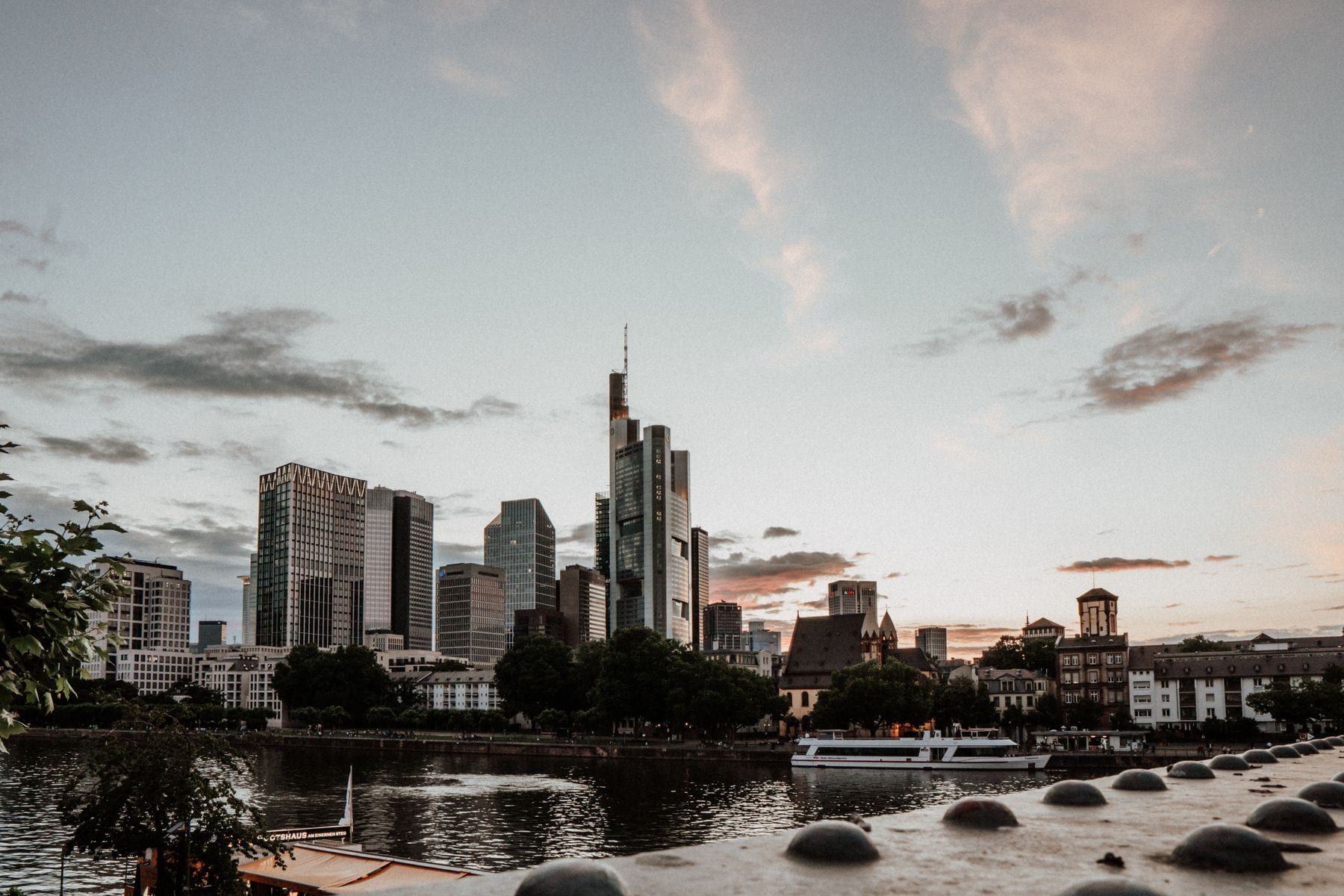
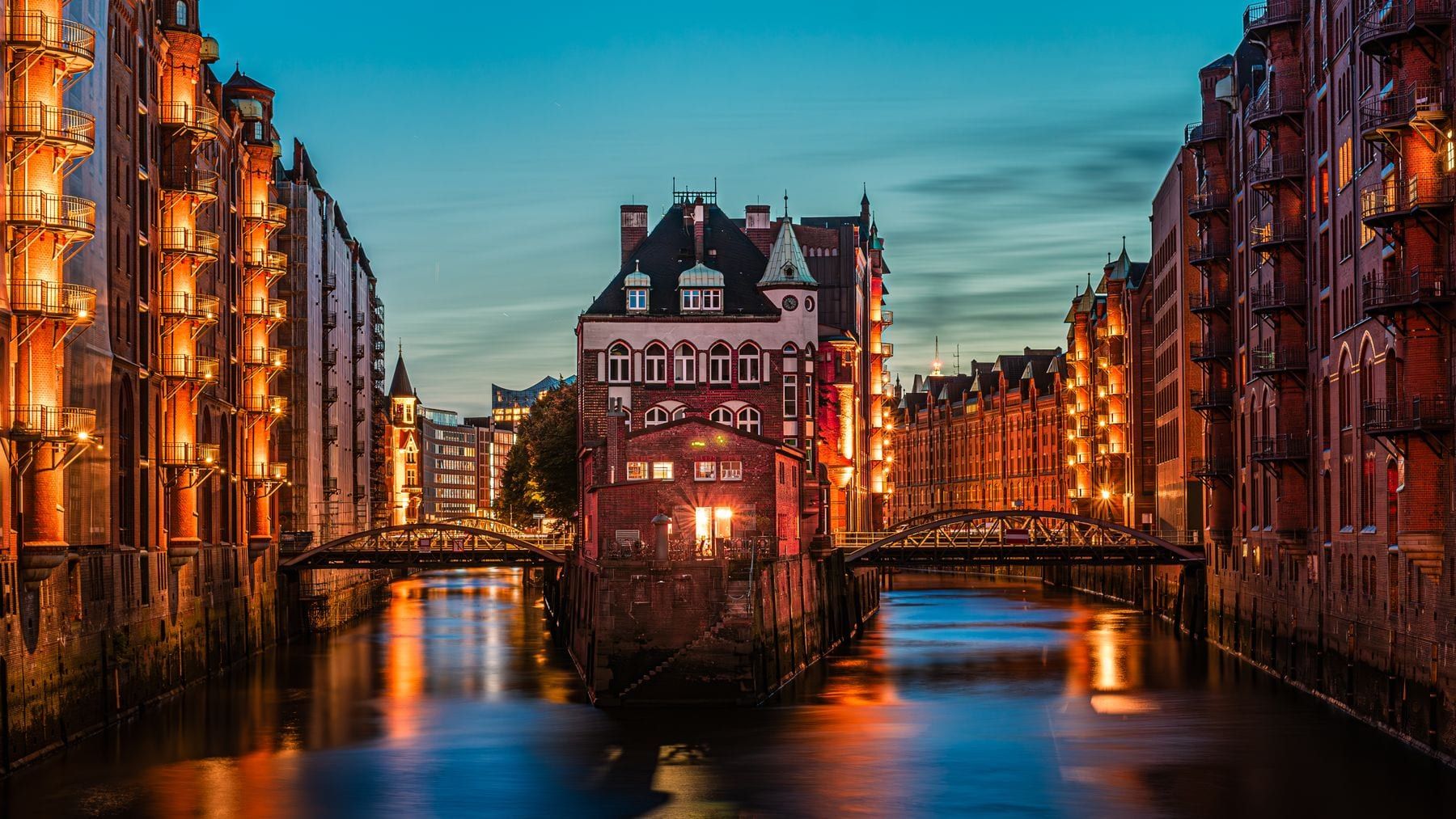
    Hamburg: Harbour, Elbphilharmonie and Collecting the Van

    You arrive in Hamburg in the morning on the Nightjet from Zurich or Basel, or fly in an hour and a half, then two days of city before the van: harbour ferry 62 to Finkenwerder on an ordinary HVV ticket instead of a harbour cruise, the Elbphilharmonie Plaza free with a time slot, Speicherstadt in the evening, the Fischmarkt on Sunday at 6 am. The first night you sleep in a hotel in the Neustadt around the Michel, CHF 110 to 140 (about EUR 118 to 150) for a double. On the morning of day 2 you collect the campervan; most Hamburg depots are in Wandsbek, Billbrook or near the airport, reachable by S-Bahn or taxi. Allow two hours for handover, gas bottle, water and a first supermarket shop. The second night you already sleep in the van at the Fischmarkt pitch or in Hamburg-Rissen, so the kit has had its trial run. On to Rügen: 300 kilometres, A1 to Lübeck (70 kilometres, one hour, Holstentor and marzipan for lunch), then the A20 to Stralsund and over the Rügen bridge to Binz, four to five hours with a break.

    Tours at this stop: Hamburg harbour cruise and Speicherstadt ↗Elbphilharmonie guided tour ↗St. Pauli neighbourhood tour ↗

    Open the Hamburg travel guide →
  2. Day 3 to 7

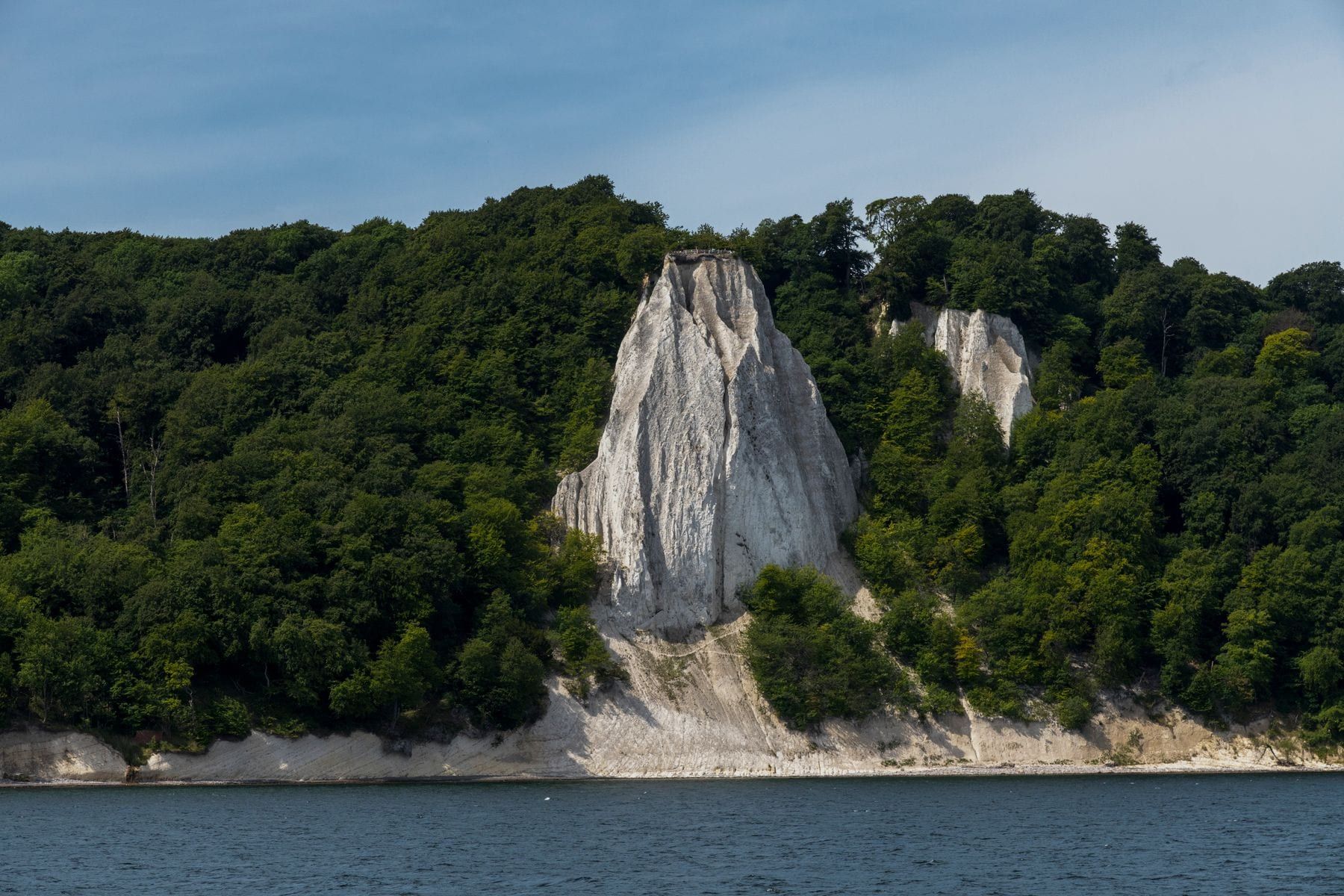
    Rügen: Chalk Cliffs from Below, Piers and Pitches by the Beach

    Five nights on the island, because Rügen is big and the van is slow. Two nights at the campsite in Prora or the pitch in Binz: cycle the promenade to Sellin for the pier in the evening once the day trippers have left, and ride the Rasender Roland steam train to Göhren. Then two nights in the north at Glowe or Dranske for the Jasmund National Park: walk the Hochuferweg from Sassnitz to Lohme in the morning, see the chalk cliffs from below from the beach near Sassnitz for free, the Königsstuhl Skywalk costs CHF 16 (about EUR 17), and Kap Arkona is an afternoon by bike from Putgarten. The last night in the south east near Thiessow, where the beach is quietest. Pitches cost CHF 15 to 25, campsites with power and showers CHF 30 to 45 a night; in July and August book Binz and Prora ahead. Usedom with its imperial resorts, 150 kilometres south east, is a good addition but costs two nights. On to Berlin: 280 kilometres via Stralsund, the A20 and A11, or more leisurely on the B96 through Mecklenburg, three and a half to four hours.

    Tours at this stop: Chalk cliffs walk in Jasmund National Park ↗Boat trip to the chalk cliffs from Sassnitz ↗Rasender Roland day ticket ↗

    Open the Rügen travel guide →
  3. Day 8 to 10

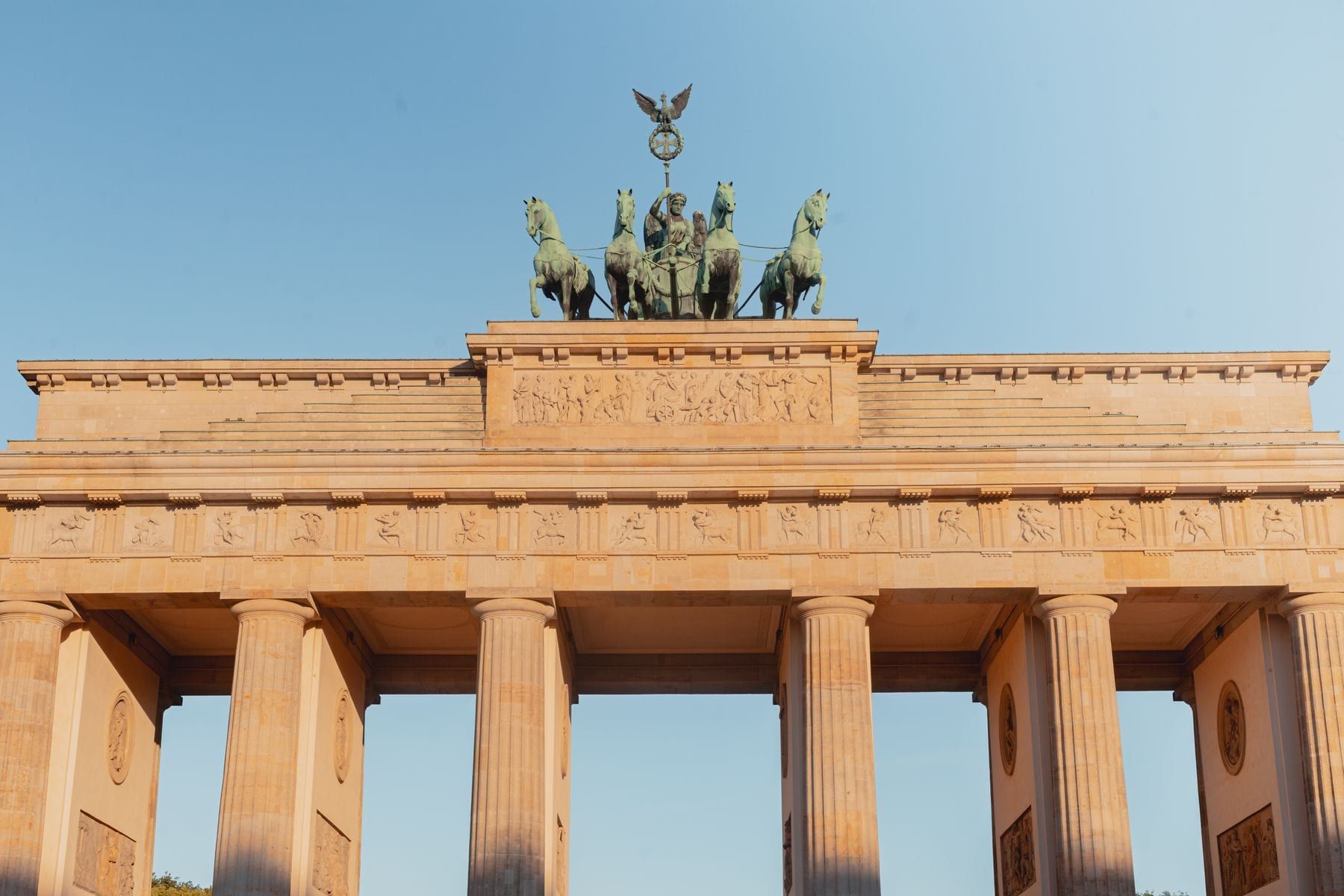
    Berlin: Handing Back the Van, Choosing a Kiez and the Capital to Finish

    On the afternoon of day 8 you return the van at the rental firm's Berlin depot, most of them in Spandau, Schönefeld or on the edge of the city, with a full tank and the toilet emptied, otherwise CHF 50 to 100 (about EUR 54 to 107) in fees are added. Then two hotel nights in Mitte around Rosenthaler Platz or in Prenzlauer Berg, CHF 100 to 140 for a double, and the city on foot and by S-Bahn: the Reichstag dome with advance registration, the Berlin Wall Memorial on Bernauer Strasse rather than Checkpoint Charlie, the Museumsinsel with the three day museum pass, Kreuzberg or Neukölln in the evening. After a week in the van, a real bed and a long shower are exactly right, and with beer for CHF 4 and lunch for CHF 12 Berlin is the cheap end of the trip. Return journey: the Nightjet leaves Berlin Hauptbahnhof in the evening and reaches Basel and Zurich in the morning, couchette from CHF 80, or fly from BER to Zurich in 1 hour 25; the FEX airport express takes 30 minutes to the airport.

    Tours at this stop: Berlin history walk: the Wall and the Cold War ↗Reichstag and government district tour ↗Street food tour of Kreuzberg ↗

    Open the Berlin travel guide →

If you book through these links we earn a small commission, at no extra cost to you.

What the route costs

Rough total per person for the whole route, mid-range, travelling as a pair. Flights and hotels vary by season; details are on the destination pages.

  • Getting there 235 EUR
  • Accommodation 353 EUR
  • Food 428 EUR
  • Local mobility 642 EUR
1,659 EUR
Total per person · 10 days

Money & payment: You pay in euros (EUR). Germany is fonder of cash than Switzerland: bakeries, kiosks and small restaurants often say "cash only", though cards work almost everywhere from about EUR 10. Tip 5 to 10 percent by rounding up and naming the total when you pay.

Rental car for this route

A rental comparison link will follow once the partner programme is live. Until then, compare directly with the rental companies or at your arrival airport.

Tips for the route

Reversing the direction works well: collect the van in Berlin and drive via Rügen to Hamburg. The advantage is that the Nightjet arrival in Berlin in the morning fits a 10 am pickup, and the return flight from Hamburg is often cheaper. Check when booking which direction has the lower one way surcharge; the rental firms use it to balance their fleets and the difference can be CHF 100 (about EUR 107).

Booking the van: the big providers with depots in Hamburg and Berlin, such as roadsurfer, Indie Campers or McRent, charge CHF 100 to 160 (about EUR 107 to 171) a day in high season for a panel van with bed and kitchen, CHF 80 to 120 in June and September. The one way surcharge is CHF 150 to 300. Book three to four months ahead; in August the automatics go first.

Wild camping is tolerated in Germany for one night to restore fitness to drive, without chairs or awning, but on Rügen it is banned practically everywhere and fined CHF 50 to 100 (about EUR 54 to 107). Use the pitches; apps such as park4night and Stellplatz-Radar show them, CHF 15 to 25 a night including waste disposal, campsites with power CHF 30 to 45.

June and September are better months than July and August: rapeseed and poppies in flower on Rügen, pitches free, the beach chair half price, and no queues on the Rügen bridge. In high summer the Baltic is 19 to 20 degrees, in June 16, so swimming takes courage then, the beach and dunes do not. From October many campsites close.

Driving the van: six metres long and 2.05 metres wide is tight on the tree lined avenues of Mecklenburg and Rügen, where many trunks stand right at the edge of the tarmac. Drive 70 instead of 100, keep right for overtakers and avoid village crossings on summer weekends. Fuel is 20 to 30 centimes cheaper than in Switzerland, though not on the motorway; the van uses 9 to 11 litres of diesel per 100 kilometres.

Luggage: the van has space but no wardrobes. Take soft bags instead of suitcases, a rucksack for day trips, beach towels, a head torch and warm clothes even in July, since evenings by the water are cool. Hiring two bikes is worth it on Rügen (CHF 12 to 15 (about EUR 13 to 16) a day in Binz); the rental firms add a bike rack for CHF 10 a day.

Frequently asked questions about Baltic Vanlife

How long do you need for the Baltic by van?

Ten days is the minimum if you want to include Hamburg and Berlin: two days Hamburg with the pickup, five nights Rügen, three days Berlin. If you only want the coast, Lübeck, Fischland-Darss and Rügen fit into a week with the van returned in Hamburg. Rügen itself needs four nights; the island is 50 kilometres across and the van is slow.

When is the best time to go?

June and September: 20 to 24 degrees, long evenings, free pitches and camping prices without the high season surcharge. July and August are warmer, with the Baltic around 20 degrees, but Binz and Prora are booked out and the Rügen bridge jams on changeover days. May is sunny and cold, October stormy and empty, and the first campsites close then.

Van or hotel plus hire car?

The van pays off for two from a week upwards: CHF 100 to 160 (about EUR 107 to 171) a day plus a CHF 20 pitch replaces a hotel at CHF 130 and a hire car at CHF 50. You gain beach pitches, flexibility and breakfast by the water; you lose space, a hotel quality shower and an hour a day for water, power and waste. First timers should take a panel van, not an overcab model.

What does the route cost per person?

Around CHF 1,550 (about EUR 1,659) per person for two: CHF 220 for the Nightjet or flight there and back, CHF 330 for three hotel nights and seven pitch nights, CHF 400 for food including shopping for the van and CHF 600 for half the van with one way surcharge, diesel and bike rack. With two more people in the van the share drops considerably, and in June the hire costs CHF 150 less.

Is vanlife on the Baltic safe and easy to drive?

Yes, it is the easiest van route in Germany: flat, motorway A1 and A20 almost to the island, short stages. Crime is not an issue on the pitches, but still do not leave valuables in view. The avenues in Mecklenburg are narrow, so better not to drive at night. A panel van up to 3.5 tonnes can be driven on an ordinary Swiss category B licence.

Is there a shorter or longer version?

Shorter in seven days: van from Hamburg, two nights on the Bay of Lübeck or Fischland-Darss, three nights Rügen, return in Hamburg without a one way surcharge. Longer in 14 days: two nights Fischland-Darss between Lübeck and Rügen, two nights Usedom with the imperial resorts of Ahlbeck, Heringsdorf and Bansin, and from there via the Uckermark to Berlin, which turns the Baltic into the whole German coast.

More itineraries through Germany