History & background
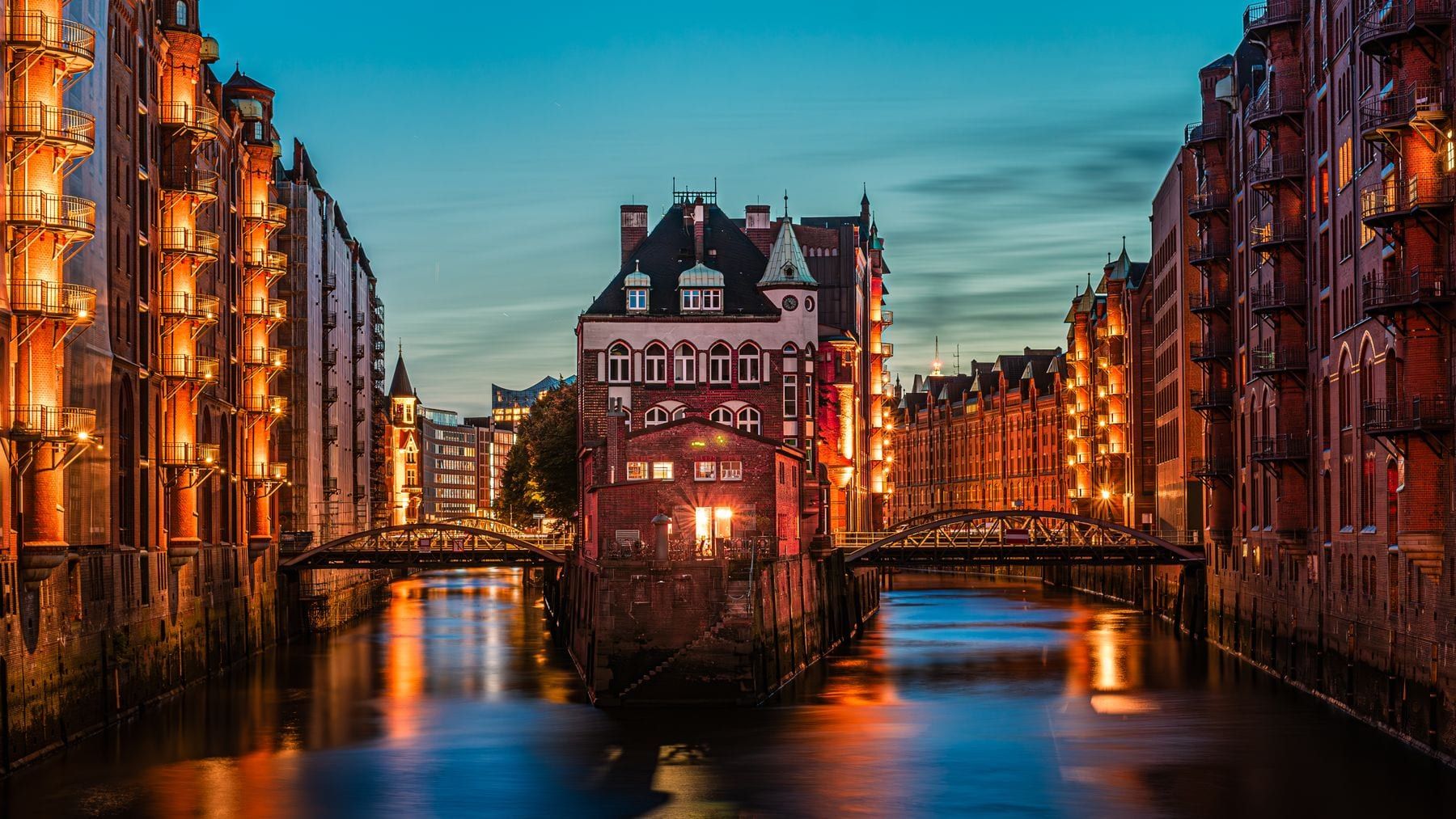
Hamburg calls itself a Free and Hanseatic City, and both words are a statement of intent. The Hammaburg was founded around 810 under Charlemagne as a missionary outpost against the Danes and Slavs, on the site where the Domplatz lies today. The rise began in 1189, when Emperor Frederick Barbarossa granted the city freedom from customs duties on the Elbe all the way to the North Sea, a privilege Hamburg still celebrates as the birth certificate of its port. In league with Lübeck, Hamburg became a centre of the Hanseatic League in the 13th century, which controlled trade between Novgorod, Bergen, Bruges and London. The city remained Protestant, republican and proud of its independence: no princes, no royal residence, just merchants who governed themselves from the town hall. The Great Fire of 1842 destroyed a third of the city centre; the town hall of 1897 and the Alster Arcades were built afterwards. In 1888 Hamburg joined the German customs union and in return built the Speicherstadt as a free port, for which 20,000 people were moved out of the Gängeviertel slums. From here five million Europeans emigrated to America with the Hapag line, and the BallinStadt museum remembers them. Operation Gomorrah in July 1943 destroyed large parts of the city in a firestorm and killed around 35,000 people. After the war Hamburg became a media city and container port, the Beatles played in St. Pauli from 1960 to 1962, and the storm surge of 1962 cost 315 lives and made Helmut Schmidt famous. Since 2008 HafenCity has been growing on former port land, in 2017 the Elbphilharmonie opened after ten years of construction and 866 million euros in costs, and the Speicherstadt has been a UNESCO World Heritage Site since 2015.