Germany · Road trip · 8 days

Romantic Road

ICE to Frankfurt, then a hire car via Würzburg and Rothenburg to Munich and on to the end of the road at the Zugspitze. Eight days of half-timbered towns, Riesling, beer gardens and a mountain to finish.

The route, day by day

  1. Day 1 to 2

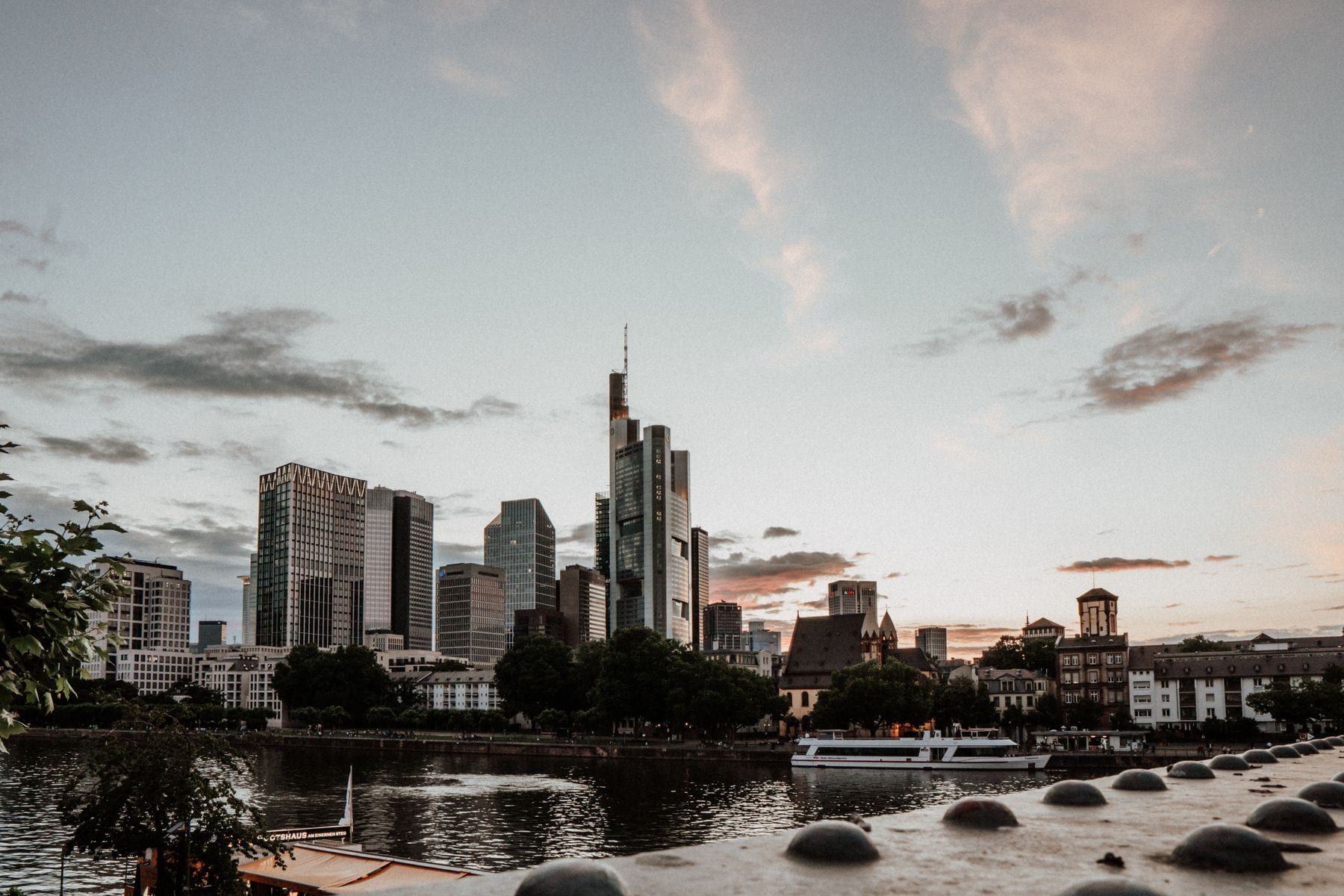
    Frankfurt: Arriving on the Main, Apfelwein in Sachsenhausen

    The ICE runs direct from Basel SBB to Frankfurt Hauptbahnhof in 2 hours 50 minutes, from Zurich via Basel in just under four hours. Two days are enough for a city with more than a skyline. On the first afternoon you cross the Eiserner Steg to Sachsenhausen; in the evening you sit in an Apfelwein tavern with a Bembel jug and Handkäs mit Musik for CHF 20 (about EUR 21) per person. Day two belongs to the Museumsufer: the Städel in the morning, then the rebuilt old town between Römer and cathedral, at sunset the Main Tower for CHF 10, the only public viewing platform. Stay in Sachsenhausen or the Nordend, not in the station district; a mid range double costs CHF 110 to 140. Collect the hire car at the Hauptbahnhof only on the morning of day 3; you do not need it in town. On to Rothenburg: 180 kilometres, first the A3 to Würzburg in 1 hour 15, where the Romantic Road officially begins, then via Tauberbischofsheim, Bad Mergentheim, Weikersheim and Creglingen another two to three hours with stops at the Würzburg Residenz and the Riemenschneider altar.

    Tours at this stop: Frankfurt old town walk with the Römer ↗Apfelwein tour through Sachsenhausen ↗

    Open the Frankfurt travel guide →
  2. Day 3 to 4

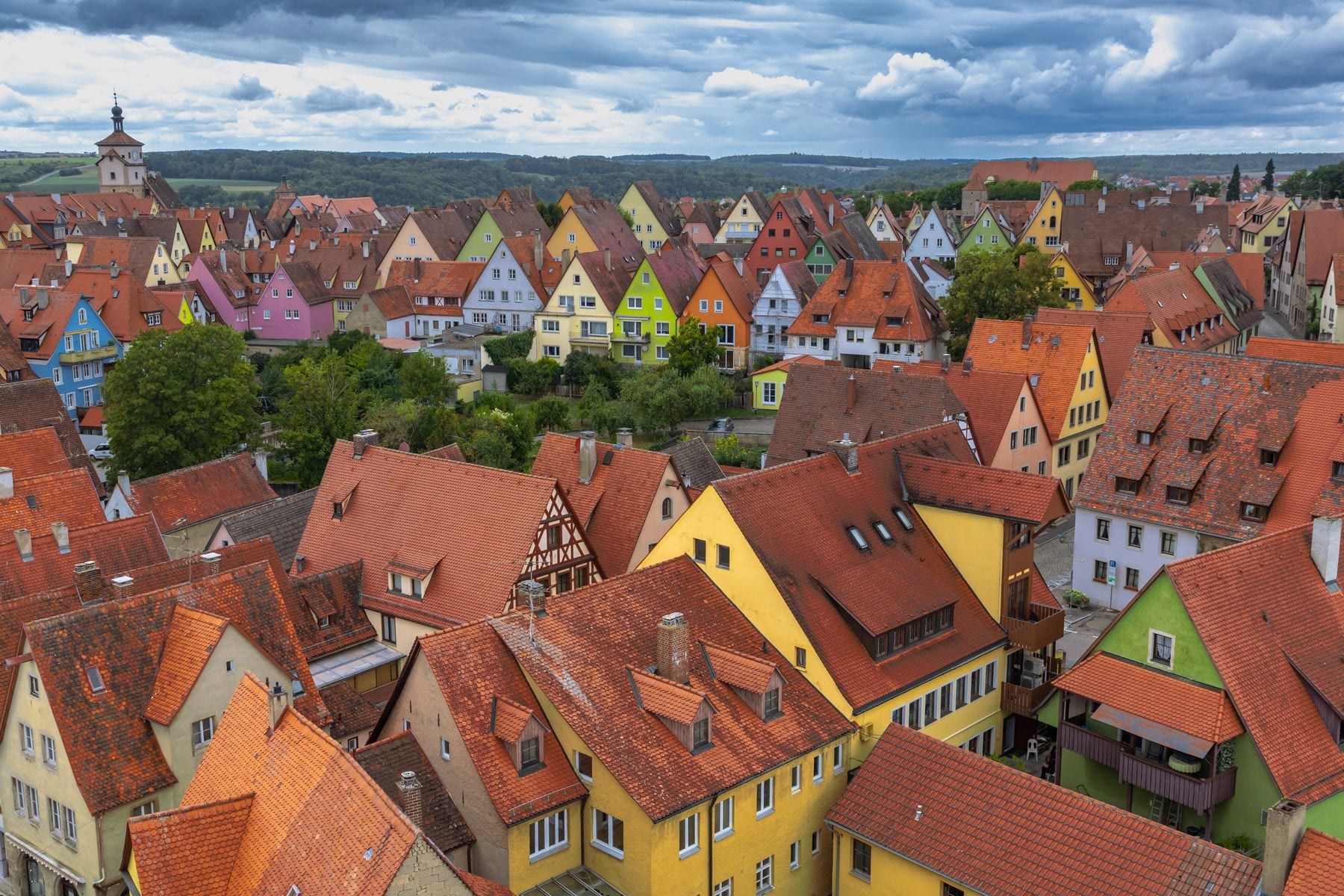
    Rothenburg: Town Walls, the Night Watchman and the Road of Half-Timbered Towns

    You arrive in the late afternoon, exactly right: the coaches leave at 4 pm, and from 5 pm Rothenburg belongs to the overnight guests. Park at P1 to P5 outside the wall, around CHF 8 (about EUR 9) a day, and walk in. You stay inside the wall in a half-timbered hotel, CHF 110 to 140 for a double, creaking stairs and sloping floors included. At 9.30 pm join the night watchman's tour in German, an hour of halberd and dry humour, CHF 10, no booking needed. Day 4 before 9 am: photograph Marktplatz, town hall tower and Plönlein without people, then walk the two kilometres of covered wall walk, sit in the Burgtor garden at midday and visit the Criminal Museum in the afternoon when the lanes are full. On to Munich: 230 kilometres, direct via the A7 and A8 in two and a half hours; along the Romantic Road with stops in Dinkelsbühl (50 kilometres, complete town wall, quieter than Rothenburg) and Nördlingen (30 kilometres further, a town inside a meteorite crater, Daniel tower for CHF 4) more like five to six hours, then via Donauwörth and Augsburg on the B2 and A8.

    Tours at this stop: Rothenburg night watchman tour ↗Guided walk of Rothenburg ob der Tauber ↗

    Open the Rothenburg ob der Tauber travel guide →
  3. Day 5 to 6

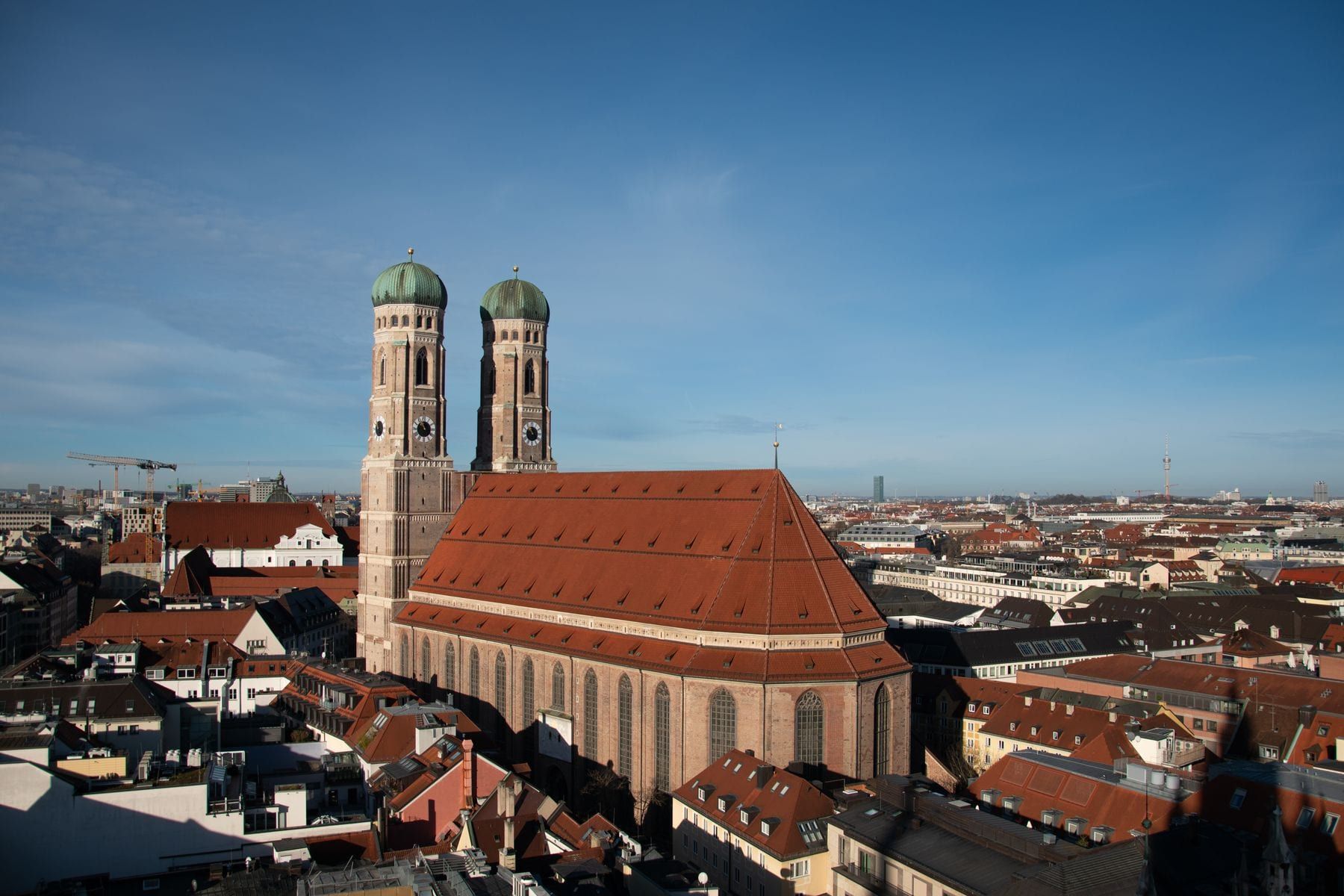
    Munich: Beer Gardens, Pinakotheken and the Car Left on the Edge

    Munich is the city where you leave the car parked. Take a hotel with a garage on the outskirts or on a U-Bahn line; a city centre car park costs CHF 30 to 40 (about EUR 32 to 43) a day and the old town is pedestrianised. Day 5 is the classic day: Viktualienmarkt, Marienplatz at 11 am for the Glockenspiel, Frauenkirche, the Englischer Garten with the surfers on the Eisbach, a beer garden at the Chinesischer Turm or the Augustiner-Keller, a Mass for CHF 10, half a roast chicken for CHF 15. Day 6 goes to the Pinakotheken (CHF 1 entry per museum on Sundays) or the Deutsches Museum, then Weisswurst, pretzels and sweet mustard in a tavern away from the main lanes. A mid range double costs CHF 130 to 180, double that during the Oktoberfest and the big trade fairs, so check before booking. If you return the hire car here, you take the train for the last leg: regional train from München Hauptbahnhof to Garmisch-Partenkirchen, 1 hour 25, hourly. By car it is 90 kilometres on the A95 and B2 in a good hour, on summer weekends with queues before Garmisch more like two.

    Tours at this stop: Munich old town walk ↗Beer tasting and brewery tour Munich ↗Dachau Memorial Site guided tour ↗

    Open the Munich travel guide →
  4. Day 7 to 8

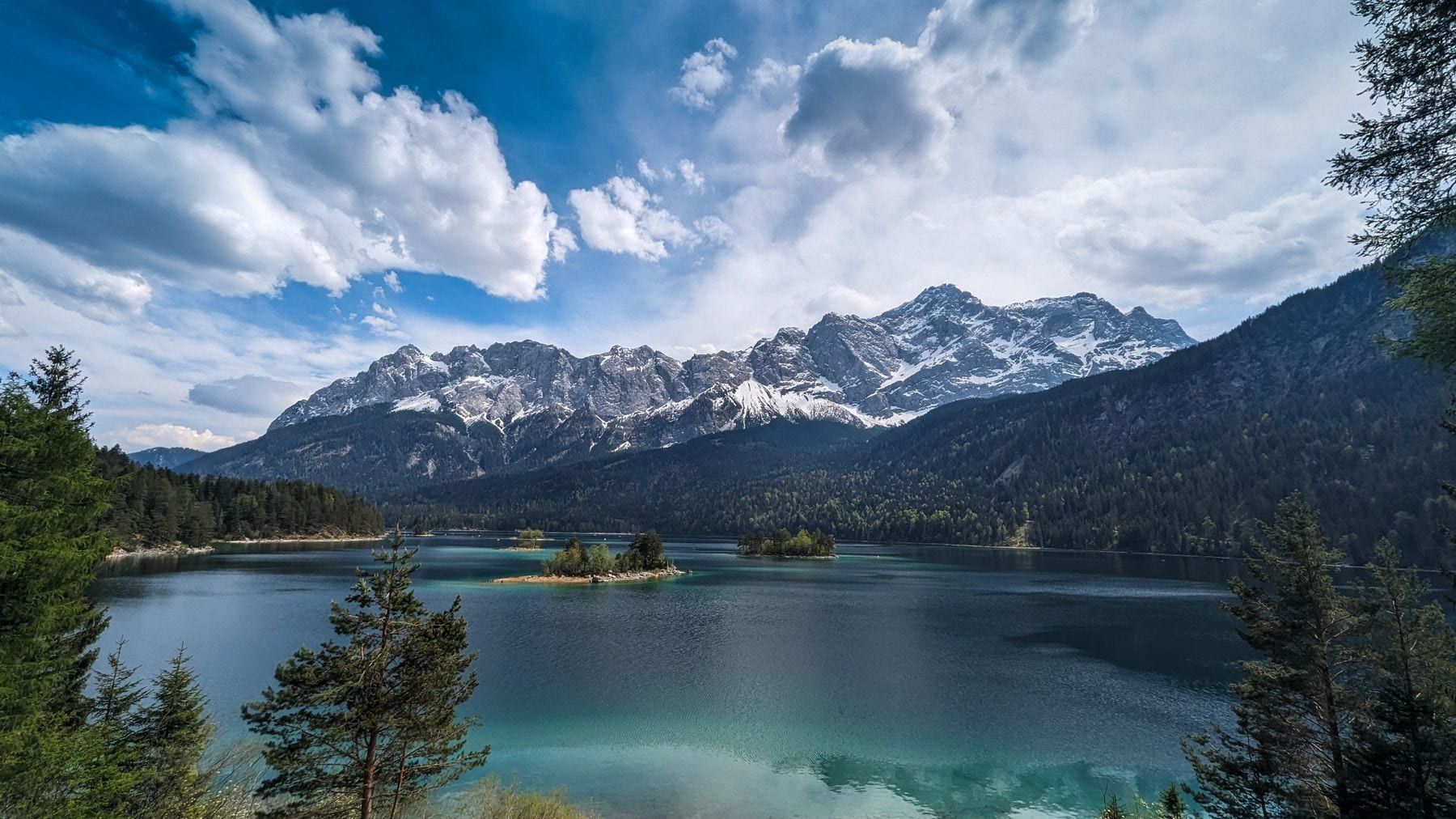
    Garmisch-Partenkirchen: Zugspitze, Partnachklamm and the End of the Road

    The Romantic Road officially ends in Füssen at Neuschwanstein Castle, which you turn into a day trip: from Garmisch it is 60 kilometres via Ettal and Oberammergau on the B23 and B17 to Hohenschwangau, a good hour each way. Book castle tour tickets online weeks ahead or you will find the time slots sold out. Honestly, the view from the Marienbrücke is the reason for the drive; the interiors take 30 minutes. Day 8 belongs to the Zugspitze if the weather plays along: cog railway up, cable car down to the Eibsee, around CHF 75 (about EUR 80); if it is cloudy, do the Partnachklamm (CHF 7) and the Wank instead. Stay in Partenkirchen in an old inn on Ludwigstrasse or in Garmisch near the Zugspitzbahn, CHF 130 to 170 for a double; the guest card covers the local buses. Return journey: hand the hire car back in Munich (90 kilometres, a good hour) and take the Eurocity to Zurich in 3 hours 30, or go from Garmisch on the Mittenwaldbahn via Innsbruck and the Railjet to Zurich, around five hours and one of the finest railway lines in the Alps.

    Tours at this stop: Day trip to Neuschwanstein Castle ↗Zugspitze ticket for cog railway and cable car ↗

    Open the Garmisch-Partenkirchen and Zugspitze travel guide →

If you book through these links we earn a small commission, at no extra cost to you.

What the route costs

Rough total per person for the whole route, mid-range, travelling as a pair. Flights and hotels vary by season; details are on the destination pages.

  • Getting there 128 EUR
  • Accommodation 514 EUR
  • Food 385 EUR
  • Local mobility 407 EUR
1,434 EUR
Total per person · 8 days

Money & payment: You pay in euros (EUR). Germany is fonder of cash than Switzerland: bakeries, kiosks and small restaurants often say "cash only", though cards work almost everywhere from about EUR 10. Tip 5 to 10 percent by rounding up and naming the total when you pay.

Rental car for this route

A rental comparison link will follow once the partner programme is live. Until then, compare directly with the rental companies or at your arrival airport.

Tips for the route

Reversing the direction makes sense if you want the Alps first: Eurocity to Munich, hire car there, Garmisch, then north via Rothenburg to Frankfurt and home on the ICE. The downside is that the highlight comes at the start and the A3 motorway to Frankfurt comes at the end. We recommend north to south because the Zugspitze is the better closing picture.

The one way hire from Frankfurt to Munich costs a CHF 50 to 100 (about EUR 54 to 107) surcharge with the big rental firms, which stays manageable within Germany. Compare pickup at the Hauptbahnhof with Frankfurt Airport: the airport has more choice and is often cheaper, and the S-Bahn gets you there in 15 minutes. Book an automatic early, most cars in Germany are manual.

Germany has no motorway toll for cars and no vignette, but it does have low emission zones: Frankfurt and Munich require the green particulate sticker. Hire cars have it; your own car from Switzerland needs one for CHF 6 to 15 (about EUR 6 to 16) from TÜV, Dekra or online, ordered before the trip. Parking in Munich is the most expensive item of the week; a hotel with a garage saves CHF 30 a night.

Rothenburg, Dinkelsbühl and Nördlingen all work on the same pattern: before 10 am and after 4 pm they belong to the locals and the overnight guests. If you only have one night, sleep in Rothenburg; if you have two, add Dinkelsbühl, where the wall is complete, the prices lower and the evenings genuinely quiet.

The shoulder season in May and October is the best time: hotels CHF 20 to 30 (about EUR 21 to 32) cheaper, wine festivals in Franconia in September and October, autumn colour in the Tauber valley. July and August bring heat in Frankfurt and Würzburg and full car parks in Garmisch. In Advent, Rothenburg with its Reiterlesmarkt is magical and twice the price, and the Zugspitze means winter tyres and no guarantee of a view.

Fuel is cheaper in Germany than in Switzerland, but not on the motorway: service stations charge 20 to 30 centimes more per litre than the petrol station in the next town. On the Romantic Road you are on B roads anyway, so fill up in Würzburg, Rothenburg or Donauwörth. Return the hire car with a full tank or the rental firm charges CHF 3 (about EUR 3) a litre.

Frequently asked questions about Romantic Road

How long do you need for the Romantic Road?

The road itself is 460 kilometres long and can be driven in a day, but then all you see is town signs. Eight days with four stops is the right measure: two days Frankfurt, two days Rothenburg with Würzburg and Dinkelsbühl, two days Munich, two days Garmisch with Neuschwanstein and the Zugspitze. With only a week, drop one Munich day.

When is the best time to go?

May, June, September and October: pleasant temperatures, wine festivals in Franconia, open beer gardens in Munich and stable visibility on the Zugspitze. In July and August Rothenburg and Neuschwanstein are overcrowded and hotel prices at their highest. Advent is lovely but expensive, and on the Zugspitze you then need winter kit and luck with the weather.

Can you do the route without a car?

Yes, with compromises. Frankfurt, Würzburg, Munich and Garmisch are superbly connected by ICE, regional trains and Eurocity, and Rothenburg is reached with a change in Steinach. Dinkelsbühl and Nördlingen are tedious without a car; the Romantic Road bus runs only once a day in summer. With a car you are free, without one you save CHF 300 (about EUR 321) and the Munich parking.

What does the route cost per person?

Budget around CHF 1,350 (about EUR 1,445) per person for two in mid range: CHF 120 for the train there and back, CHF 480 for seven hotel nights, CHF 360 for food and around CHF 380 for the hire car with one way fee, fuel, parking and the Zugspitzbahn. With guesthouses and beer gardens instead of restaurants you get down to CHF 1,000; Neuschwanstein and museums come on top.

What is driving in Germany like for Swiss drivers?

More relaxed than its reputation. On the Romantic Road you are on B roads at 100 km/h; on the A3 and A8 there is an advisory limit of 130 on some stretches and plenty of roadworks, so keep right and leave the left lane to those in a hurry. Speed cameras stand in the villages, not on the motorway. Hire cars need no vignette, but Munich requires the green emission sticker.

Is there a shorter or longer version?

Shorter in five days: one night Frankfurt, one night Rothenburg, two nights Munich, one night Garmisch, return the car in Munich. Longer in ten days: a night in Würzburg for the Residenz and the wine taverns, a night in Dinkelsbühl and a third night in Garmisch, which leaves time for Neuschwanstein, the Zugspitze and a walk to the Eibsee without rushing.

More itineraries through Germany