Hotel Nassereinerhof
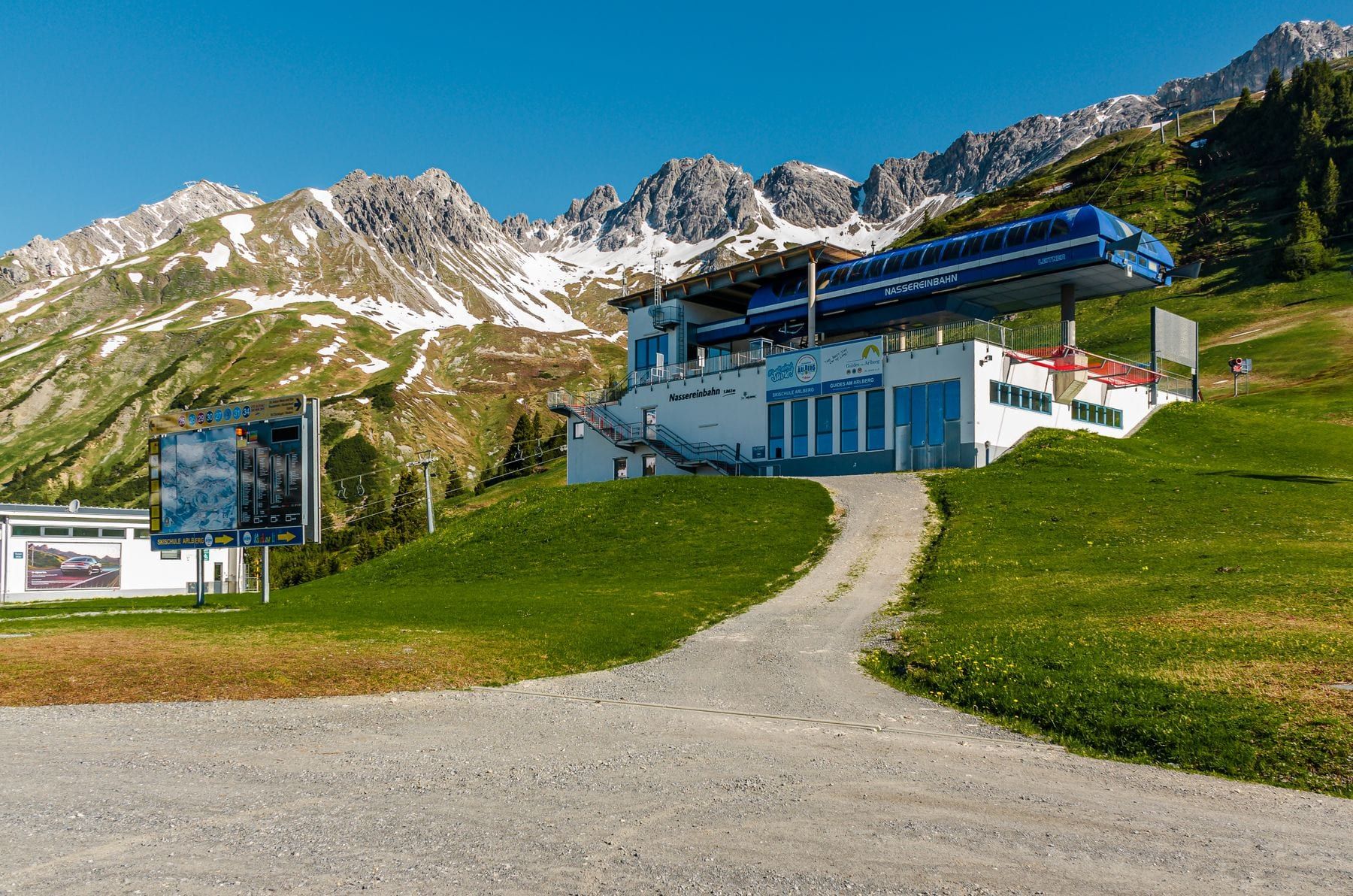
Three-star house in Nasserein, a few steps from the Nassereinbahn and yet away from the après-ski noise. Simple rooms, sauna, half board available. For skiers who want to live at the lift and sleep in peace.
Austria · Arlberg, Ötztal & Vorarlberg · Travel guide
What a ski week in Austria's largest ski area really costs, why the train beats the car here, and where on the Arlberg you can be happy without après-ski.
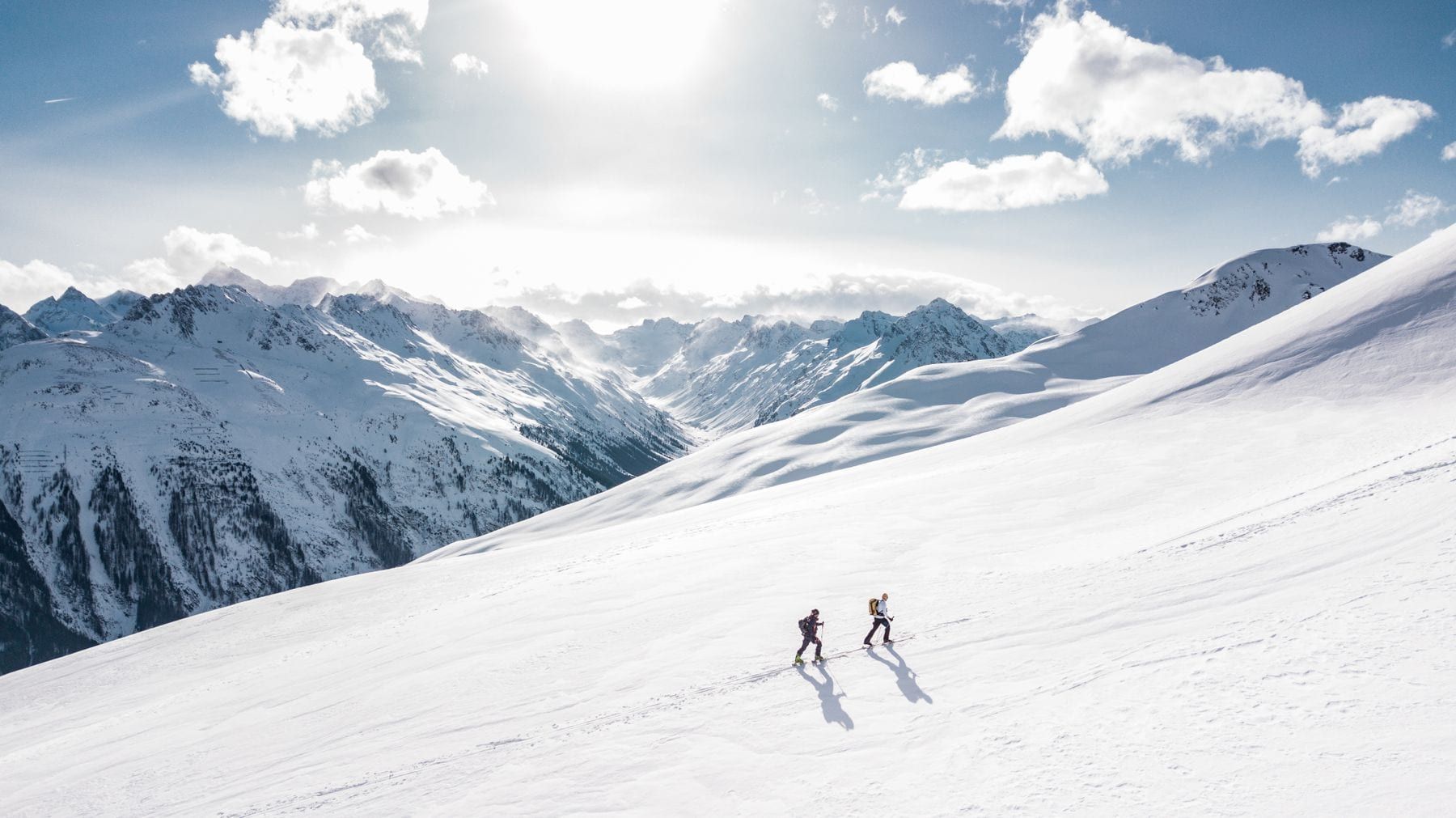
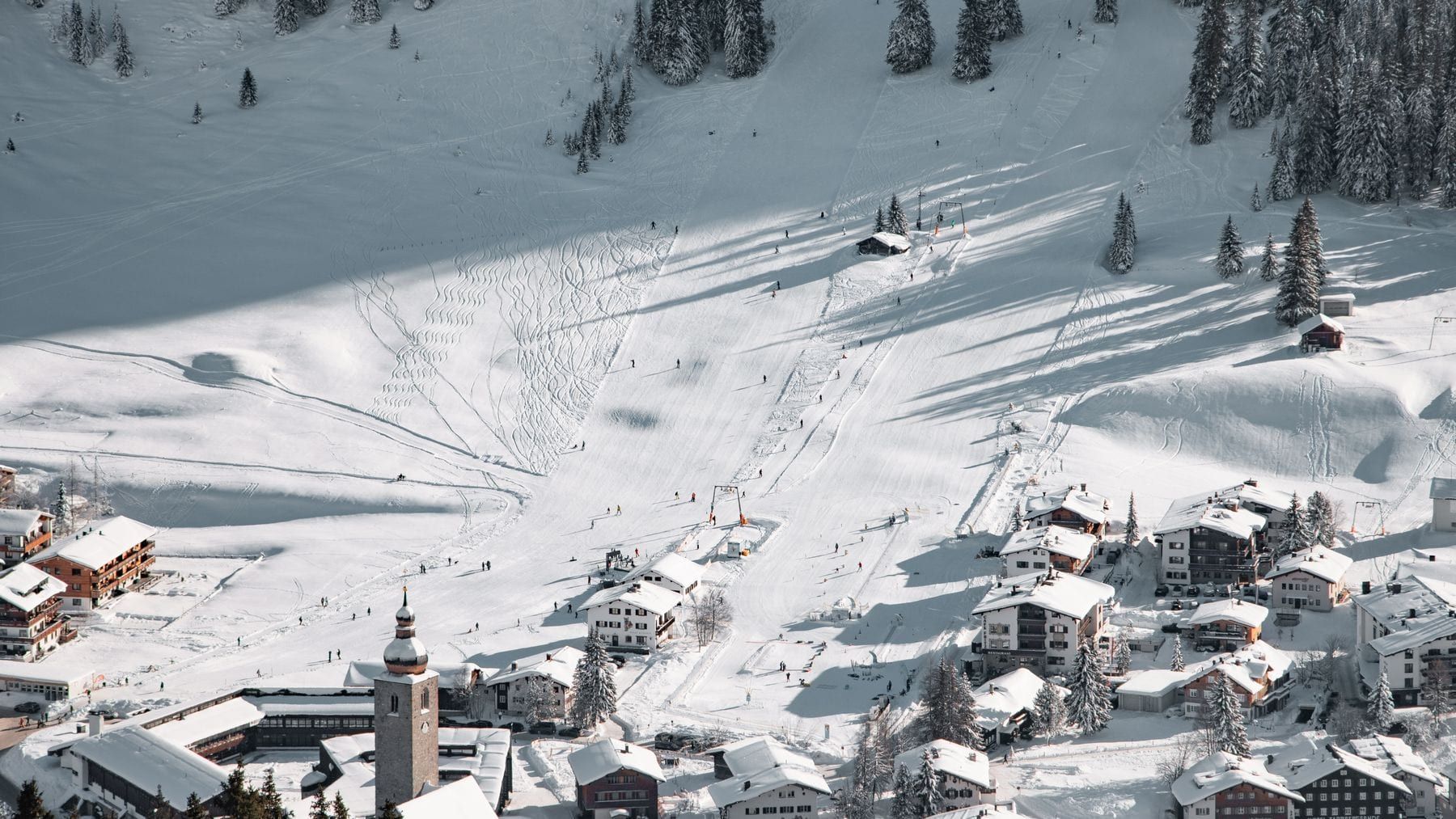
Photo: Harry Dona / Pexels
Adjust the values to your trip: the calculator updates live (EUR, converted from CHF estimates).
Estimates for orientation, not booking prices. Getting there means train or car from Switzerland, return, per person. Hotels vary strongly by season: current prices are behind the links below.
Money & payment: You pay in euros (EUR). Cards work almost everywhere; mountain huts and sausage stands often want cash. Tipping is expected: 5 to 10 percent, by naming the rounded total when you pay. In ski resorts a visitor tax of EUR 2 to 4 per night is added to the hotel price. Getting there: By train (ÖBB Railjet), car or a flight to Vienna, 2 to 8 hours.
Nine options in three price ranges, each among the best-rated on Booking.com.
Budget
Three-star house in Nasserein, a few steps from the Nassereinbahn and yet away from the après-ski noise. Simple rooms, sauna, half board available. For skiers who want to live at the lift and sleep in peace.
Family-run guesthouse with breakfast in the Nasserein district, 100 metres from the ski bus and the Nassereinbahn, a quarter of an hour on foot to the centre. Plain rooms with balcony, ski room, personal service. For anyone who needs the budget for the ski pass. There are several Strolz guesthouses in St. Anton; this one is at Gomperz-Weg 11.
Small garni on Gomperz-Weg in Nasserein with a good breakfast, sauna and five minutes to the Nassereinbahn. Rooms clean and solid, prices fair for St. Anton, deposit by bank transfer. For couples and solo skiers who only want to sleep and have breakfast.
Mid-range
Traditional house in the middle of the pedestrian zone, Galzigbahn and station in three minutes. Large spa area with pool, good half board, rooms in Tyrolean style. For anyone who wants the village at the door and comfort all the same.
Modern design hotel right at the station, two minutes to the Galzigbahn, with a rooftop sauna and a bar that draws locals in the evening too. No half board, but a restaurant in house. Ideal for train travellers.
Historic inn from 1570 with a painted facade, in the same family for generations, with spa and award-winning cooking. Rooms between tradition and alpine design, central on the village street. For anyone who wants St. Anton with history.
Luxury
Small five-star house with just seven suites above the village, with gourmet restaurant, spa and chauffeur service to the lift. Discreet, personal, very expensive. For anyone who values privacy more than a hotel lobby.
Five-star house at the entrance to the village, family-run, with pool, spa and a restaurant of a high standard. The ski bus stops at the door, the Galzigbahn is ten minutes on foot. For guests who want classic luxury and quiet.
Four-star superior house with an Asian spa and modern design directly opposite the Galzigbahn and a few steps from the station. Rooms with piste views, good breakfast. For skiers who combine comfort with the shortest walks.
If you book through these links we earn a small commission, at no extra cost to you.
With the Galzig and Valluga cable cars in two sections up to 2,811 metres, viewing platform with views of the Zugspitze, Silvretta and Säntis. Return trip around CHF 45, included with a ski pass, summit section open to pedestrians. Two to three hours.
305 kilometres of pistes from St. Anton to Warth on one pass, day ticket around CHF 75, six-day pass CHF 390 to 420. Group lessons from CHF 70 a day, private instructor from CHF 300. Book online in advance.
Schindlergrat, Mattun and Albona on the day after a snowfall with a certified guide, avalanche equipment included. Group of up to six from CHF 400 a day, individual places from CHF 120. Keep one buffer day for the weather.
Ski museum in the Villa Trier with the story of Hannes Schneider, the Ski-Club Arlberg and the Arlberg-Kandahar race. Admission around CHF 8, one hour, then coffee in the museum restaurant in the park.
Four-kilometre natural toboggan run from the Gampen into the village, floodlit several evenings a week. Lift up around CHF 15, sledge hire CHF 10. With a stop at the Rodelalm it is a two-hour evening programme.
Sports and wellness centre in the village with indoor pool, sauna complex, climbing hall and ice rink. Pool around CHF 15, with sauna CHF 25. The cheap alternative to the hotel spa on a bad-weather day.
From the end of the village an hour to the Verwallsee, on along the water trail or three hours to the Konstanzer Hütte. Free; in summer a shuttle runs to the lake for a few francs. Flat and suitable for families.
Ridge via ferrata from the Vallugagrat lift over the Weissschrofenspitze, grade C/D, 5 to 6 hours, only for the experienced with equipment. Guided with a mountain school from CHF 150 including hire gear, lift extra.
On skis via Galzig and the Flexenbahn, last return at 4 pm, or by bus over the Flexen pass in 40 minutes for around CHF 8. In winter for the Weisser Ring, in summer for the Rüfikopf and the Formarinsee.
If you book through these links we earn a small commission, at no extra cost to you.
St. Anton eats Tyrolean hut food with an international twist, because half the guests come from Britain, Scandinavia and the Netherlands: Gröstl next to burgers, Kaiserschmarrn next to pizza. On the huts on the Galzig and Rendl it is good and expensive, in the village there are a few addresses with real cooking, and in St. Christoph stands one of the most famous wine cellars in the Alps.
Fried potatoes with beef, onions and a fried egg, served in the pan. The standard lunch on the Arlberg, CHF 18 to 24 (about EUR 19 to 26) at the hut, a little cheaper in the village.
Tip:Combine it with an evening toboggan run at the Rodelalm, then the Gröstl is your dinner.
Fried cheese dumplings of mountain cheese and bread, in soup or with coleslaw. CHF 12 to 16, filling as a main course with three dumplings.
Tip:Reserve at the Verwallstube; you pay for the view there, but the kitchen keeps up.
Veal fried in clarified butter, with cranberries and potato salad, on the Arlberg often as big as the plate. Veal CHF 28 to 36, pork CHF 18 to 24.
Tip:Ask whether it is veal or pork; the price difference usually gives it away.
Fluffy, caramelised torn pancake with stewed plums, in St. Anton often flambéed with rum. CHF 13 to 17, one portion for two.
Tip:The Hospiz Alm has a slide down into the wine cellar; take it before the Schmarrn.
Black tea with rum, red wine and spices, served hot, the fuel of the Mooserwirt. CHF 8 to 10 a glass, a beer CHF 7.
Tip:After the second Jagertee the run down is no longer a good idea; the walk into the village takes 15 minutes.
Hard cheese made from hay milk on the alps around the pass, spicy and, depending on age, strong. As a cheese platter at the hut CHF 14 to 18, in the shop CHF 25 to 30 a kilo.
Tip:For the snack in your rucksack: bread, mountain cheese and bacon from the village shop together cost less than a soup at the hut.
Yeast dumpling with plum jam filling, poppy seeds, sugar and melted butter, the dessert of the ski huts. CHF 9 to 12, hot and heavy.
Tip:Order it with custard instead of butter if you still want to ski afterwards.
Through markets and eateries with a guide, tastings included.
If you book through these links we earn a small commission, at no extra cost to you.
St. Anton lies at the eastern foot of the Arlberg, the pass that separates Tyrol from Vorarlberg and was for centuries one of the most feared routes in the Alps. In 1386 the farmer Heinrich Findelkind founded a hospice for lost travellers in St. Christoph, from which grew the Brotherhood of St. Christoph, which still exists today. In 1884 the Arlberg railway tunnel opened, at more than ten kilometres then the longest in Austria, and St. Anton got the station that shapes the village to this day. Between 1901 and 1930 modern skiing was born here: in 1901 locals founded the Ski-Club Arlberg, in 1921 Hannes Schneider opened his ski school and developed the Arlberg technique with its stem turn and parallel turn, which went around the world in the 1920s through instructional films. In 1928 the Arlberg-Kandahar race was run for the first time, the oldest alpine race of all. Schneider, who rejected the National Socialists in 1938, was arrested and emigrated to the USA, where he built up skiing in New Hampshire. In 1937 the Galzigbahn went into service as one of the first cable cars in Austria, in 1955 the Vallugabahn. The 2001 World Championships brought the new station on the edge of the village and the relocation of the tracks, and in 2016 the Flexenbahn linked St. Anton with Zürs and Lech to form the largest connected ski area in Austria. Today the village has 2,500 inhabitants and, on some winter days, ten times as many guests.
St. Anton is one of the few ski resorts in the Alps where the long-distance train stops in the middle of the village. The ÖBB Railjet runs from Zurich HB every two hours without a change to St. Anton, journey time 2 hours 30 minutes, via Sargans, Buchs and Feldkirch. With a Half Fare Card and an early Supersaver ticket the single fare is CHF 20 to 40 (about EUR 21 to 43), the standard fare is around CHF 60; from Basel or Bern add one to one and a half hours. From the station it is a 5-minute walk to the Galzigbahn and the Gampenbahn, and almost all hotels collect you with a shuttle. By car you need 2 hours from Zurich via Feldkirch and the Arlberg tunnel (toll CHF 12 each way, plus vignette CHF 12 for 10 days) or, in summer, free over the Arlberg pass. In winter, queues of an hour and more build up in front of the tunnel on Saturdays, and parking in St. Anton costs CHF 15 to 20 a day in the garages. Once there you do not need a car: the village centre is car-free, ski buses to St. Jakob, Nasserein, St. Christoph and Stuben are free with a ski pass, and you reach Lech on skis and the Flexenbahn. Conclusion: take the train, and that applies here more than anywhere else on the Arlberg.
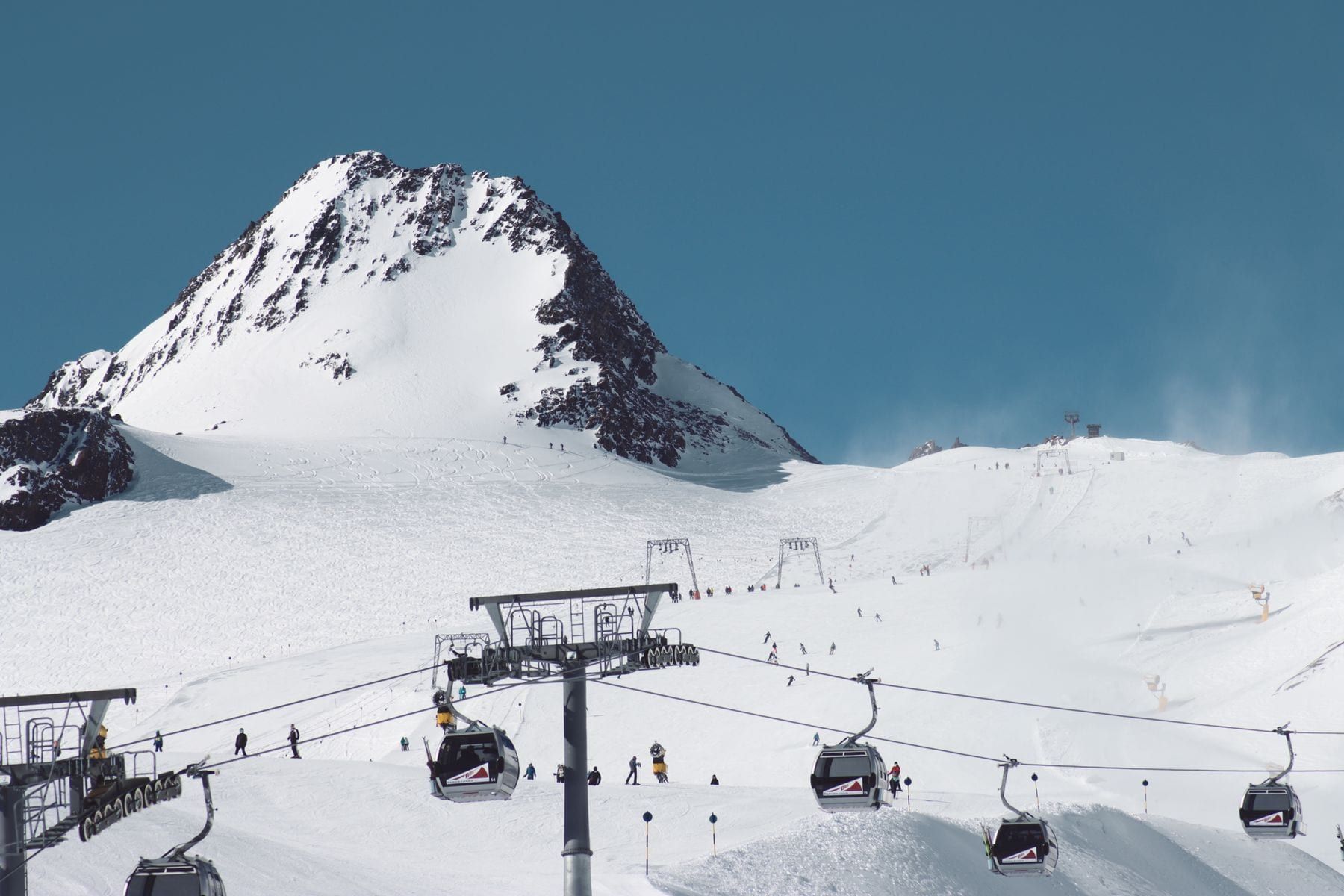
Ski Arlberg has 305 kilometres of pistes, 88 lifts and 200 kilometres of off-piste routes, all on one ski pass. From St. Anton three directions lead up: Galzig (2,185 metres) is the main mountain with wide pistes and the link to St. Christoph and on via the Flexenbahn to Zürs and Lech. From Galzig you continue to the Valluga (2,811 metres), the highest point; you may only take the second section to the summit with skis if you have a mountain guide, but for sightseeing the ride is open to everyone and the view reaches the Zugspitze. Kapall and Gampen on the village side are the training slopes with the World Championship downhill, Rendl on the other side of the valley is sunnier, quieter and the better choice for families. Honestly: St. Anton has few blue pistes, many are red to black, and the runs down to the valley in the afternoon are mogulled and crowded. Beginners learn here on the Nasserein practice slope and are better off in Lech or Obergurgl. The run to Lech and back via the Weisser Ring is a full-day programme with an early start, last Flexenbahn back at 4 pm. Freeriders find variants on the Schindlergrat, in the Mattun and on the Rendl that are tracked out by 10 am after fresh snow; a guide is worth it for that, around CHF 400 a day for the group.
St. Anton is one of the most expensive ski resorts in Austria, but still cheaper than Lech next door. A guesthouse with breakfast in the centre costs CHF 130 to 180 (about EUR 139 to 193) for a double room in January, a four-star house with half board CHF 280 to 400, five stars from CHF 600. Christmas, New Year and the February holidays add 30 to 60 per cent, and in those weeks it is Saturday to Saturday almost everywhere. On top comes the local tax of around CHF 4 per person per night. Location decides: in the village centre between the station and the Galzigbahn you live at the lifts, but after 4 pm in the noise of the après-ski, which runs through the pedestrian zone until 8 pm. Nasserein, 15 minutes on foot to the east, has its own gondola, is quieter and 20 to 30 per cent cheaper. St. Jakob, further out still, is connected by ski bus and is the best address for families on a tight budget. St. Christoph up on the pass is a hamlet with a few very good hotels right on the piste and no nightlife. Booking: for February and Christmas in early summer, for January and March two to three months is enough. Many small guesthouses can only be booked via the St. Anton tourism site, where you will frequently still find rooms when Booking.com shows nothing.
A day ticket for Ski Arlberg costs around CHF 75 (about EUR 80) in high season, the six-day pass CHF 390 to 420. Booking online saves about 5 per cent, and the pre-season up to mid-December and April are around 15 per cent cheaper. Children up to 15 pay half, and even less with the Arlberg family rate. If you only ski St. Anton you still pay the full pass, as a St. Anton-only rate no longer exists. Après-ski is the silent cost trap: at the Mooserwirt a beer costs CHF 7, a Jagertee CHF 9, and once people are dancing on the tables at 4 pm nobody keeps count any more. Then comes the last run down to the valley in the dark, after three Jagertee. Better: one hour, then down. Hut meals cost CHF 18 to 26 for Gröstl or schnitzel, considerably more at the Verwallstube on the Galzig. Money savers: the supermarket in the village has bread and cheese for a snack in your rucksack, the self-service restaurants on the Galzig and Rendl are cheaper than the waiter-service huts, and the ski buses are free with a ski pass. Ski hire costs CHF 35 to 50 a day for a good set, around 15 per cent less if reserved online. And the Arlberg WellCom in the village has an indoor pool with sauna for CHF 20, far cheaper than the hotel spa.
The season in St. Anton runs from early December to the end of April, with one of the snowiest winters in Austria; the Arlberg gets an average of seven metres of fresh snow a year. The most expensive and busiest weeks are Christmas to 6 January and the February holidays up to early March. The best weeks are mid to late January (cold, lots of snow, prices below average) and the second half of March, when the sun shines long and hotels get cheaper again. Early December is uncertain; the resort often only opens with full operation on the second weekend of December. The end of the season in mid-April is celebrated with the "White Thrill", a mass-start race from the Valluga, and a week of concerts and low prices. In summer St. Anton is a different place: from July to September the Galzig, Gampen and Rendl lifts run, the village is quiet, hotels cost half the winter rate, and the St. Anton summer card makes lifts, bus and swimming pool free. Hiking to the Verwallsee, biking on the Rendl, the Arlberg via ferrata: all without crowds. In June and October little is open, and many businesses close completely from mid-April to the end of June.
St. Christoph at 1,800 metres on the pass is a hamlet with a hospice, chapel and a handful of hotels, five minutes by ski bus. The Hospiz Alm, a restaurant with a slide down into the wine cellar and the largest stock of large-format Bordeaux in the Alps, is an attraction in itself, even if you only eat a soup. Stuben, on the Vorarlberg side of the pass, is a village of 100 inhabitants, birthplace of Hannes Schneider and, with the Albonabahn, the powder reserve of the Arlberg: north-facing, cold, with powder into March. In summer the Verwall valley is the loveliest outing: from the end of the village it is an hour on foot or by shuttle to the Verwallsee, then on along the water trail or as far as the Konstanzer Hütte, three hours each way. The St. Anton museum in the Villa Trier tells the story of skiing and Hannes Schneider, admission CHF 8 (about EUR 9), with a restaurant in the garden. The toboggan run from the Gampen into the village is four kilometres long, floodlit in the evening, sledge hire CHF 10, lift up CHF 15. And if you want to go to Lech without skiing: the bus over the Flexen pass takes 40 minutes and runs several times a day in winter.

By ÖBB Railjet direct from Zurich HB in 2 hours 30 minutes, with a Half Fare Card and a Supersaver ticket CHF 20 to 40 each way (about EUR 21 to 43), every two hours. The station is in the village and hotels collect you. By car you need 2 hours, pay vignette, tunnel toll and CHF 15 to 20 parking a day, and sit in the Saturday queue in front of the Arlberg tunnel. Once there the centre is car-free and the ski buses are free. Here the train is clearly the better choice.
For two people in January: seven nights in a guesthouse with breakfast CHF 1,000 to 1,300 (about EUR 1,070 to 1,391), six-day passes CHF 800, food on the piste and in the evening CHF 600 to 800, ski hire CHF 400, train travel CHF 160. That is around CHF 1,600 to 1,800 per person. In a four-star house with half board you are at CHF 2,300 to 2,800. That is roughly the level of Laax or Davos, but below Zermatt and St. Moritz.
Only to a limited extent. There are practice slopes in Nasserein and on the Gampen and good ski schools, but few blue pistes and steep, crowded runs down to the valley. Families with children who already ski are well served on the Rendl. Beginners and families with small children have it easier in Lech, Obergurgl or Serfaus. If you want to avoid the après-ski, stay in Nasserein, St. Jakob or St. Christoph.
Mid to late January and the second half of March: lots of snow, long days in March, prices below average and fewer crowds than in the February holidays. Christmas and February are the most expensive and busiest. Powder skiers come in January and February, sun skiers in March and April. Summer from July to September is quiet and half the price, with a summer card for lifts and bus.
The Mooserwirt and Krazy Kanguruh on the valley run are packed from 3 pm, with schlager music, dancing on tables and beer for CHF 7 (about EUR 7). It is an experience, but after an hour you have had it, and the run down afterwards is steep and crowded. Nobody forces you: Nasserein, St. Christoph and Stuben are quiet, and in the village there are bars without schlager blaring. There is also a taxi from the Mooserwirt into the village, around CHF 15.
Yes, with the Ski Arlberg pass and on skis: via Galzig and St. Christoph to the Flexenbahn, then to Zürs and Lech. Allow a full day for the circuit, start before 9 am and be at the Flexenbahn by 3.30 pm for the way back, otherwise it becomes a taxi for CHF 90 (about EUR 96). For the Weisser Ring in Lech you need an early start and good legs. Without skis, the bus over the Flexen pass takes 40 minutes.
St. Anton · Ischgl · Innsbruck · Kitzbühel · Mayrhofen
Five ski areas in ten days, a new mountain every second day, never more than two hours in the car: the winter route for anyone who finds a week at the same lift too little.
Bregenz · Lech · St. Anton · Ischgl
From Lake Constance through the Bregenzerwald onto the Flexenpass and into the Paznaun: eight winter days between cheese cellar, powder snow and après-ski, two hours from Zurich.
What a week in Sölden or Obergurgl really costs, why the valley is cheaper and quieter in summer, and how to get there from Zurich without a car.
What a week in the Silvretta Arena really costs, why you can ski from Ischgl into Switzerland and shop duty-free there, and where in the Paznaun the quiet lives.
What the most expensive ski resort in Austria really costs, why it is often worth its money all the same, and how Warth, Schröcken and summer on the Lech get you away far cheaper.
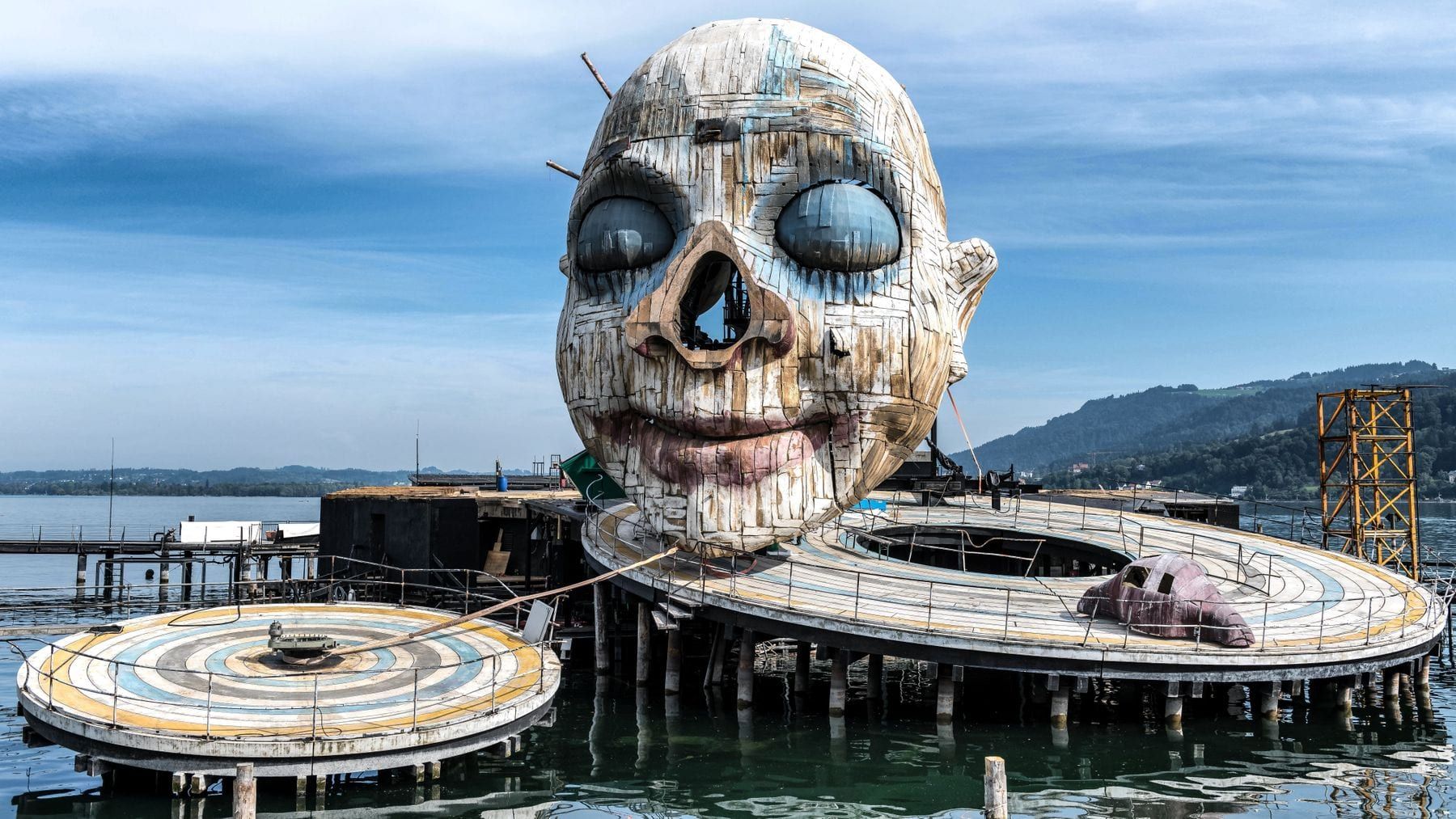
What a festival evening on the lake stage really costs, why Bregenz is worth a trip even without the opera, and how you can be sitting over cheese in the Bregenzerwald 1.5 hours after leaving Zurich.