Toyoko Inn Aomori Ekimae
Right in front of Aomori station, the chain's standard rooms, simple breakfast included. Five minutes to the harbour with the Nebuta museum and the market, three minutes to the bus to Hirosaki and Oirase.
Japan · Tohoku · Travel guide
What the northernmost city on Honshu really costs, why the Nebuta festival in early August is worth the trip and how to combine Hirosaki, Oirase and Lake Towada in four days.
Photo: Han Sen / Pexels
Adjust the values to your trip: the calculator updates live (EUR, converted from CHF estimates).
Estimates for orientation, not booking prices. Flights and hotels vary strongly by season: current prices are behind the links below.
Money & payment: You pay in yen (JPY). 1,000 yen is roughly CHF 6 or EUR 6.50. Cards work in cities and hotels; small restaurants, temples and rural stations often want cash. An IC card (Suica or ICOCA) on your phone pays for trains, buses and convenience stores. Flight time: 12 to 14 hours, usually with one stop.
Nine options in three price ranges, each among the best-rated on Booking.com.
Budget
Right in front of Aomori station, the chain's standard rooms, simple breakfast included. Five minutes to the harbour with the Nebuta museum and the market, three minutes to the bus to Hirosaki and Oirase.
Small but well-equipped rooms on Shinmachi-dori, the main street of the Nebuta parade. Large bath in the building, a good location for restaurants and izakaya, cheap except in August.
In the centre of Hirosaki, 15 minutes' walk to the castle, with an onsen bath, sauna and the free evening ramen. The best budget base if you make Hirosaki rather than Aomori your base.
Mid-range
A quiet city hotel between the station and the harbour, rooms of 20 to 25 square metres, a good breakfast with local fish. Aomori's upper mid-range, often cheaper than the name suggests.
Comfortable rooms, good beds, ten minutes from the station on the edge of the nightlife district. A reliable chain that ranks among the better addresses in Aomori.
A newer hotel on Shinmachi-dori, spacious rooms, washing machines, breakfast with a nokke-don station. During the Nebuta festival the floats pass right below.
Luxury
The only hotel right on the Oirase stream, with an outdoor onsen pool that an artificial ice fall reaches into in winter, and a shuttle to the Shinkansen. Apple-themed buffet, guided walks in the morning. Expensive, but there is no second location like it.
A large resort ryokan that stages the culture of the prefecture: a Nebuta show every evening, horse-drawn carriages through the park, an onsen in the pond with an apple bath. Located in Misawa, 40 minutes by train from Hachinohe, with a shuttle. Ideal with children.
A chalet-style mountain hotel at 900 metres in the middle of the Hakkoda mountains, with a wooden bathhouse made of hiba cypress, a French-Japanese dinner and a shuttle from Aomori station. Surrounded by snow monsters in winter and red beeches in autumn.
If you book through these links we earn a small commission, at no extra cost to you.
Twenty illuminated paper giants, drums and dancing haneto parade through the city centre from 7 pm, with fireworks over the harbour on 7 August. Free from the roadside, grandstand seats CHF 20 to 40. Book hotels in January.
Four to five of last year's original Nebuta in a dark hall, plus a look into the workshop and drumming shows at weekends. Admission 620 yen (CHF 4), right at the harbour next to the station; allow 60 to 90 minutes.
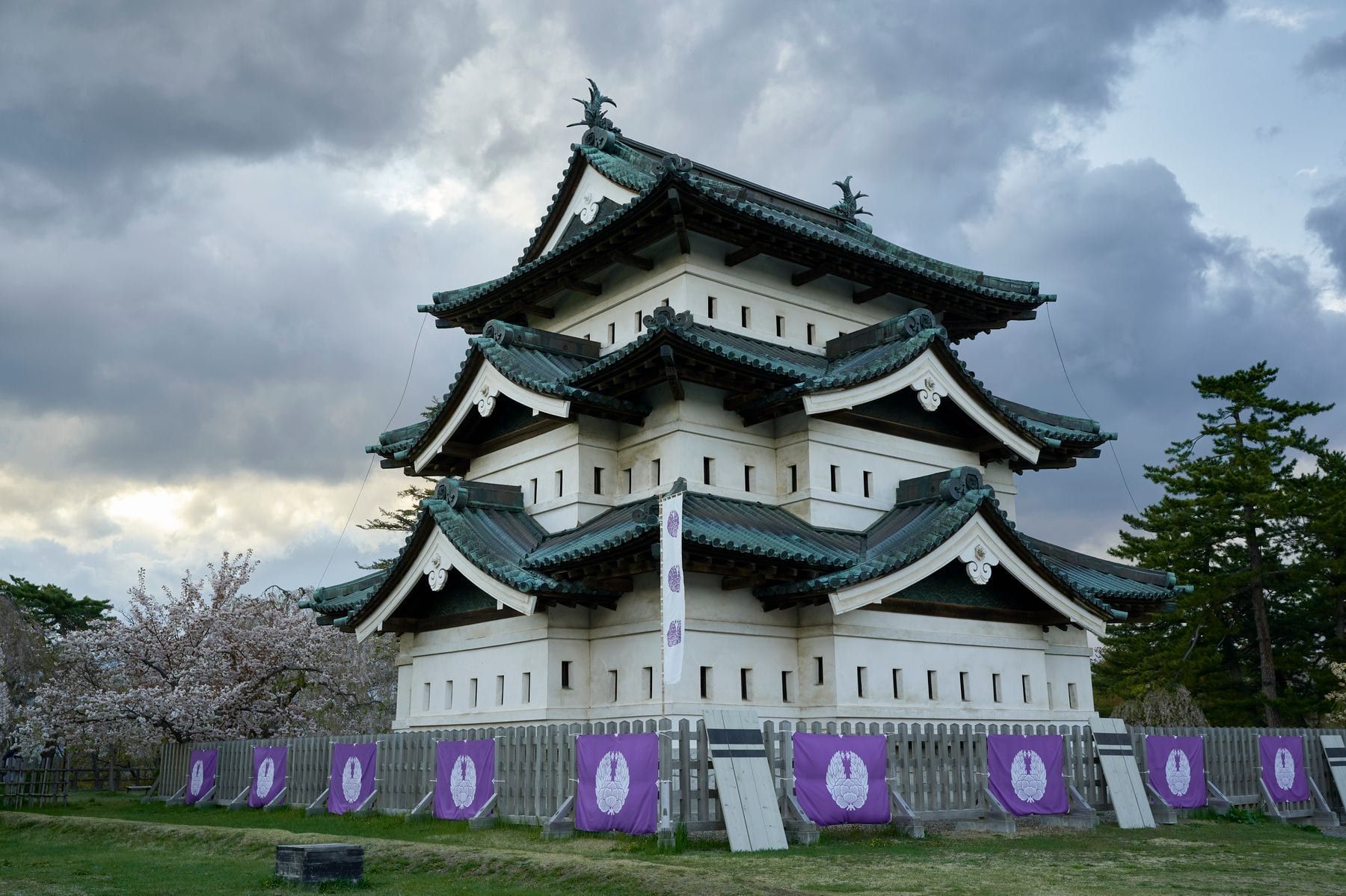
The only original castle keep in Tohoku, surrounded by 2,600 cherry trees and moats that turn pink in late April. Park free, inner area 320 yen. 45 minutes from Aomori on the Ou line, then bus or a 25-minute walk.
Nine flat kilometres along the stream through beech forest, moss and a dozen waterfalls, from Ishigedo to Lake Towada. Free, three hours, by JR bus or rental car from Aomori. In mid October the best autumn leaves in the north.
The crater lake is 327 metres deep and perfectly round; the trip from Nenokuchi to Yasumiya takes 50 minutes and costs 1,500 yen (CHF 9). Only April to November. In Yasumiya the bronze statue "Otome no Zo" stands on the shore.
UNESCO World Heritage on the edge of the city: a settlement from around 3900 BC with reconstructed longhouses, a tower on six pillars and thousands of finds in the museum. Admission 410 yen, 30 minutes by bus from Aomori station.
The ropeway (2,000 yen return) takes you up to 1,300 metres, in winter to the ice-covered snow monster firs, in summer to moorland with a boardwalk. Afterwards head to Sukayu Onsen, the famous mixed wooden bath "for a thousand people", 600 yen.
For 2,000 yen (CHF 12) you buy tickets and build your own seafood bowl at the stalls: scallops, salmon roe, tuna. From 7 am to 3 pm, closed on Tuesdays. The best breakfast in Aomori.
The cider brewery at the harbour next to the station sells apple juice, cider and apple pie, with tasting machines (CHF 2 to 4 per glass). Handy before your train, and in Hirosaki you will find pick-your-own orchards at the Apple Park in October.
If you book through these links we earn a small commission, at no extra cost to you.
Aomori eats what the sea and the soil provide: scallops from Mutsu Bay, tuna from Oma, apples in every form, garlic from Takko and ramen with dried fish in the broth. Add sake made from rice that grows in the snow. It is a simple, robust cuisine at prices far below Tokyo.
A rice bowl you put together yourself at the market: you buy ten tickets for 2,000 yen (CHF 12, about EUR 13), swap one for rice and the rest for scallops, salmon roe, tuna, squid or sea urchin at the stalls.
Tip:From 7 am, closed on Tuesdays; the choice is best in the morning.
Thick and sweet, raw as sashimi or grilled in the shell with miso and egg ("kaiyaki miso"), the signature dish of the region. A grilled hotate CHF 3 to 4 (about EUR 3 to 4), kaiyaki miso in an izakaya CHF 8.
Tip:Kaiyaki miso is served in the shell over the flame; the shell is hot, do not touch it.
The most famous tuna in Japan is caught on the line off the northern tip of the Shimokita peninsula and fetches millions at Tokyo's New Year auction. In Aomori a plate of sashimi costs CHF 15 to 25 (about EUR 16 to 27), in Oma itself a bowl CHF 20 to 35.
Tip:Out of season the Oma tuna is frozen, so order local mackerel or squid instead.
Fuji, Tsugaru, Sekaiichi (up to 500 grams per apple): crisp, sweet and cheap at the market (CHF 3 to 5 per kilo, about EUR 3 to 5). In Hirosaki over 40 cafés bake apple pie, a slice CHF 3 to 5.
Tip:The Hirosaki tourist information office has an apple pie map with all the cafés, rated by sweetness and cinnamon.
A clear broth of dried sardines (niboshi) and soy, thin noodles, bamboo shoots, chashu. It tastes of the sea, light and packed with umami. A bowl CHF 5 to 8 (about EUR 5 to 9).
Tip:If you want it more intense, order "nokko niboshi", the cloudy version with extra fish.
A stew from Hachinohe with chicken, mushrooms and vegetables, into which hard rice crackers are broken that turn soft and noodle-like. Winter food, CHF 8 to 12 (about EUR 9 to 13).
Tip:Order the crackers separately and break them in yourself, so they keep their bite.
A farmhouse soup of finely chopped root vegetables, mountain herbs, tofu and miso, traditionally cooked on 15 January. Mild and nourishing, on many ryokan menus in winter. In a restaurant CHF 5 to 8 (about EUR 5 to 9).
Tip:Often part of breakfast at a ryokan; just try it if it is on your tray.
Denshu from Aomori is one of the most sought-after sakes in Japan; Joku and Hachitsuru are cheaper and good. Plus local cider from the A-Factory. A glass in an izakaya CHF 3 to 6 (about EUR 3 to 6), a tasting at the A-Factory CHF 2 to 4.
Tip:Denshu is rare; if an izakaya has it on the menu, have a glass, because you will hardly find the bottle.
Through markets and eateries with a guide, tastings included.
If you book through these links we earn a small commission, at no extra cost to you.
Aomori means "blue forest", and as a city it is barely 400 years old: in 1624 the lord of Hirosaki had a port built on the bay to ship rice and timber to Edo. Real power sat inland in Hirosaki, where the Tsugaru clan built its castle in 1611; the three-storey keep from 1810 still stands today, the only original castle keep in Tohoku. Aomori itself only became the prefectural capital in 1871 and, with the railway ferry to Hakodate in 1908, the gateway to Hokkaido. For 80 years the Seikan ferries crossed the Tsugaru Strait, until the 54-kilometre Seikan Tunnel opened in 1988, at the time the longest railway tunnel in the world. The ferry Hakkoda Maru is now moored in the harbour as a museum. In July 1945 American bombers burned down almost 90 percent of the city, which is why you see hardly any old buildings here. The area itself is far older: the Sannai-Maruyama excavation on the edge of the city shows a Jomon period settlement inhabited around 3900 BC, with reconstructed pile dwellings and thousands of clay figurines, a UNESCO World Heritage Site since 2021. Apples arrived in 1875 with American saplings; today the prefecture grows more than half of all Japanese apples, including the Fuji, bred in 1939 in Fujisaki near Hirosaki. And the Nebuta festival, in which huge illuminated paper figures are paraded through the city, goes back at least to the 18th century.
The Tohoku Shinkansen Hayabusa runs from Tokyo to Shin-Aomori in just under three hours; a reserved ticket costs around 17,700 yen (CHF 106, about EUR 113) each way. From Shin-Aomori a local train takes you to Aomori station in the centre in six minutes. There is no direct connection from Zurich to Aomori; the small airport has domestic flights from Tokyo Haneda (CHF 80 to 150 with JAL) and Seoul. For the return trip plus Hirosaki and Hakodate, the JR East Tohoku Area Pass (five days, 30,000 yen) pays off, or, if Hokkaido is part of the plan, the JR East-South Hokkaido Pass (35,000 yen, six days). In the city your feet and the Nebuta shuttle bus "Nebutan-go" (day pass 700 yen) are enough. For Oirase and Lake Towada, the JR bus from Aomori (twice a day, about three hours, 3,140 yen) is awkward; two days of car rental for CHF 100 to 130 plus fuel gives you far more freedom, and the roads are empty and easy.
In Aomori city you are best off in a business hotel by the station or on Shinmachi-dori: Toyoko Inn, APA, Dormy Inn, Richmond, JAL City and Daiwa Roynet are all within ten minutes' walk, double rooms CHF 55 to 100 (about EUR 59 to 107). The centre is small, and the harbour with the Nebuta museum and the market is five minutes away. Honestly, Hirosaki, 45 minutes by train, is the more charming base: a castle, a samurai district, Western-style brick buildings, apple pie cafés and good hotels (Dormy Inn Hirosaki, Art Hotel Hirosaki City) for CHF 60 to 90. If you want to see the Nebuta festival, though, you have to sleep in Aomori itself, and the rule is: rooms for 2 to 7 August are gone six months ahead and cost two to three times the usual price. For nature, a night at an onsen is worth it: Hotel Jogakura in the Hakkoda mountains or the Hoshino resort at the Oirase Gorge, CHF 200 to 400 for two with half board.
Nebuta is free if you stand at the roadside. Reserved grandstand seats cost CHF 20 to 40 (about EUR 21 to 43) and go on sale from early July on the tourism website; they are worth it on 5 and 6 August, when the large Nebuta floats parade, because the street is then packed five rows deep. Otherwise arrive at 5 pm and secure a spot on Shinmachi-dori. Second trap: apple products. The gift boxes at the station cost CHF 15 to 30 for prettily wrapped biscuits; at the Auga farmers' market or the market in Hirosaki you pay CHF 5 for two kilos of fresh apples. Third trap: Lake Towada is practically closed in winter, the boats do not run, the Oirase road is partly closed, and a rental car with winter tyres and the risk involved costs more nerves than it is worth. In winter the programme is the Nebuta museum, the market, sake and the snow monsters of Hakkoda (ropeway 2,000 yen).
Aomori has two dates you should plan around. Cherry blossom at Hirosaki Castle falls in late April to early May, right in Golden Week: 2,600 trees, a moat full of pink petals ("hanaikada") and illuminations in the evening. It is the most beautiful cherry blossom in Japan, and you share it with a lot of Japanese visitors; book Hirosaki hotels in December. The Nebuta Matsuri runs every year from 2 to 7 August, with parades from 7 pm, and on the last day in the afternoon with fireworks over the harbour. At the same time Hirosaki holds its own Neputa festival with fan-shaped floats (1 to 7 August), quieter and just as beautiful. Autumn leaves at the Oirase Gorge and Lake Towada are best in mid to late October. Winter brings up to three metres of snow from December; statistically Aomori is the snowiest large city in the world. The trains still run, only the mountains are closed off.
If you are not there in August, you still get the festival: the Nebuta Museum Wa Rasse at the harbour shows four to five of last year's original floats in a dark hall, six metres high, lit from within, with samurai, dragons and demons made of washi paper. Admission 620 yen (CHF 4, about EUR 4); at weekends there are drumming performances you can join in. Next door is the museum ferry Hakkoda Maru (510 yen), which sailed to Hokkaido until 1988. Five minutes further on, at the Furukawa fish market, you buy tickets for 2,000 yen (CHF 12) and put together your own "nokke-don": a rice bowl on which the traders place scallops, salmon roe, tuna and squid. You will not eat better or cheaper in Aomori. Mornings from 7 am, closed on Tuesdays. In the afternoon the market is empty.
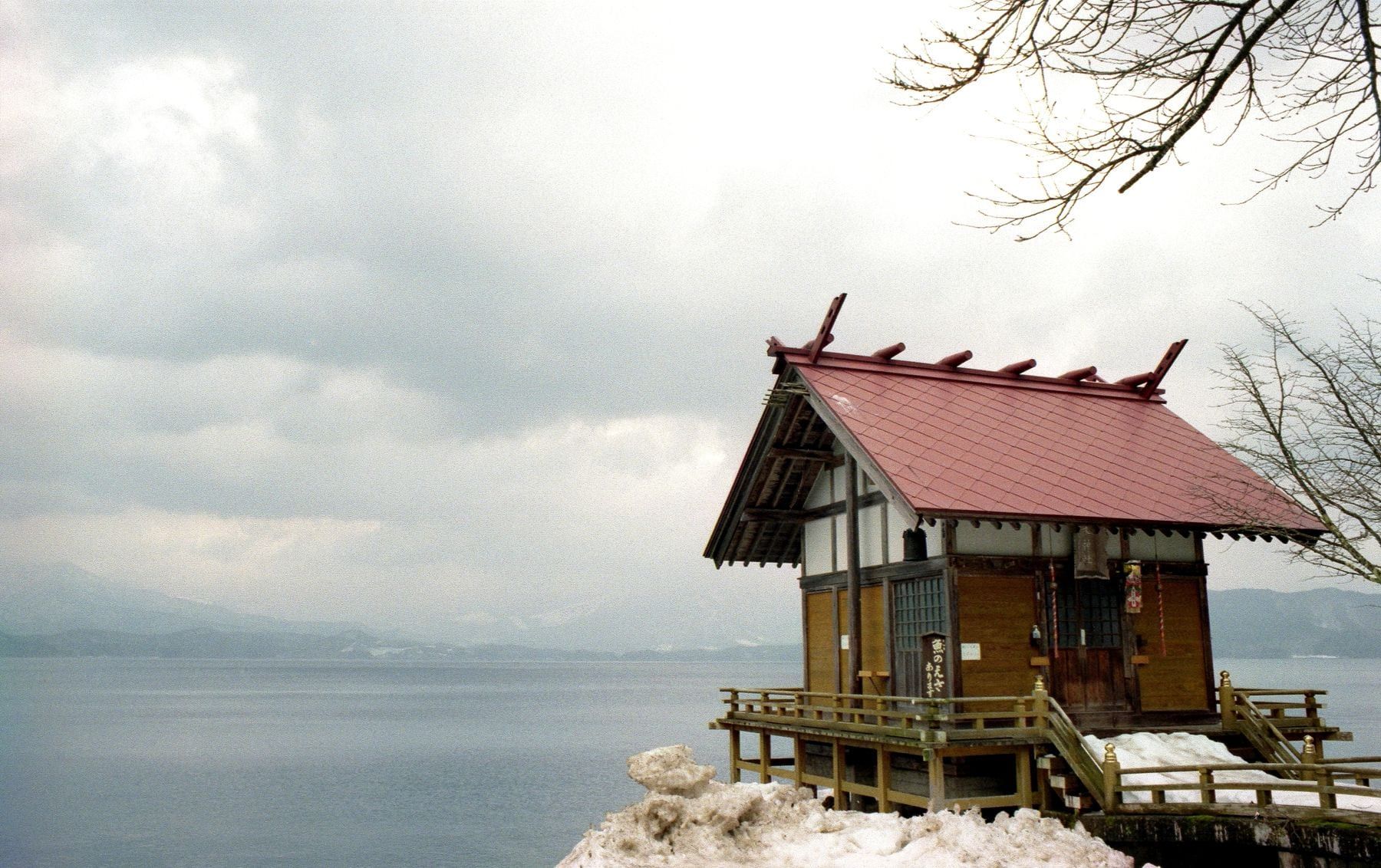
The Oirase Gorge is a 14-kilometre stream flowing from Lake Towada through a forest of beech, moss and ferns, with a dozen waterfalls along the way. The trail runs flat beside the water and the road is never far, so you can hop on the bus at any point. The finest stretch is the nine kilometres from Ishigedo to Nenokuchi on the lake, about three hours. Lake Towada is a crater lake at 400 metres, perfectly round and 327 metres deep, with a boat trip from Nenokuchi to Yasumiya (50 minutes, 1,500 yen). From Aomori the JR bus Mizuumi-go leaves at 8 am, takes about three hours to Nenokuchi and returns around 4 pm; a day pass costs 5,800 yen (CHF 35, about EUR 37). By rental car you are there in 90 minutes and can take in the Hakkoda mountains and the sulphur bath Sukayu Onsen (600 yen, famous wooden pool for 1,000 people). In October it is busy, in June green and almost empty.
Three to four days: one day in Aomori city with the Nebuta museum, the market and Sannai-Maruyama, one day in Hirosaki with the castle and the samurai district, and one day for the Oirase Gorge and Lake Towada. For the Nebuta festival, add the evening. If you spend a night at an onsen in Hakkoda or on the Oirase, you need five days and will not regret a single one.
Yes. It is one of the three great summer festivals of Tohoku and an experience you will not get anywhere else: 20 illuminated giant figures, drums, flutes and tens of thousands of dancing "haneto" in festival dress. You can rent the costume for CHF 25 (about EUR 27) and jump along. The price is hotels that are gone six months ahead and cost double. Alternatively: Sendai (Tanabata) and Hirosaki (Neputa) on the same weekend.
Usually from 20 April to early May, with the peak mostly around 25 April, a week before Golden Week. The city publishes a forecast every year. Come in the last week of April on a weekday and you get the blossom without Golden Week prices. Hirosaki Park is free during the day; the inner castle area costs 320 yen.
It is ideal. The Hokkaido Shinkansen runs from Shin-Aomori through the Seikan Tunnel to Shin-Hakodate-Hokuto in an hour, ticket 7,720 yen (CHF 46, about EUR 49). The JR East-South Hokkaido Pass (six days, 35,000 yen) covers Tokyo, Sendai, Aomori and Hakodate. A route from Tokyo via Sendai, Aomori and Hakodate to Sapporo in ten days is one of the best Japan trips you can do.
Noticeably cheaper. Business hotels are 20 to 30 percent below Tokyo, a lunch with fish costs CHF 8 to 12 (about EUR 9 to 13), nokke-don at the market CHF 12, a glass of local sake CHF 3. What adds up is getting there (Shinkansen CHF 106 each way) and a rental car for the countryside. Expect CHF 90 to 130 per person per day without the flight, sharing a business hotel room for two.
More than half of all Japanese apples grow here, and the Fuji variety was bred near Hirosaki. The fruit is large, sweet and crisp, because every apple is bagged and turned by hand. The season is October and November, when a kilo costs CHF 3 to 5 (about EUR 3 to 5) at the market. All year round there is apple pie in Hirosaki (over 40 cafés), 100 percent apple juice and cider from the A-Factory brewery at the harbour.
If you miss the blossom in the south, head north: in Tohoku the cherries bloom two to three weeks later and with far fewer tourists. Hirosaki Castle Park in Aomori Prefecture, with 2,600 trees, carpets of petals on the moat and rowing boats, is considered the most beautiful spot in the country, with full bloom usually around 20 to 25 April. Kakunodate near Nyuto Onsen has weeping cherries along its samurai houses, Kitakami a two kilometre riverside walk, and Sendai blooms as early as mid-April. By shinkansen Hirosaki is a good four hours from Tokyo.
For travellers: Hirosaki has few hotels and is full during the festival; Aomori city is 45 minutes away. If you come at the end of April you run straight into Golden Week.
The most spectacular summer festival in northern Japan: every evening from 7.10 to 9 pm around 20 huge paper figures lit from inside (nebuta), up to nine metres wide, warriors and demons from myths, are pulled through the streets of Aomori, accompanied by drums, flutes and thousands of hopping dancers (haneto) shouting 'Rassera!'. Anyone wearing the costume may join in, with rental in town for around CHF 25 (about EUR 27). On 7 August there is a daytime parade and in the evening the nebuta are floated on the sea with fireworks. 2.5 million visitors, seats along the route from CHF 20 (about EUR 21), standing is free.
For travellers: Hotels in Aomori are gone a year ahead; the fallbacks are Hirosaki (Neputa festival 1 to 7 August) and Hachinohe. The same week Akita holds the Kanto lantern festival (3 to 6 August) and Sendai its Tanabata (6 to 8 August).

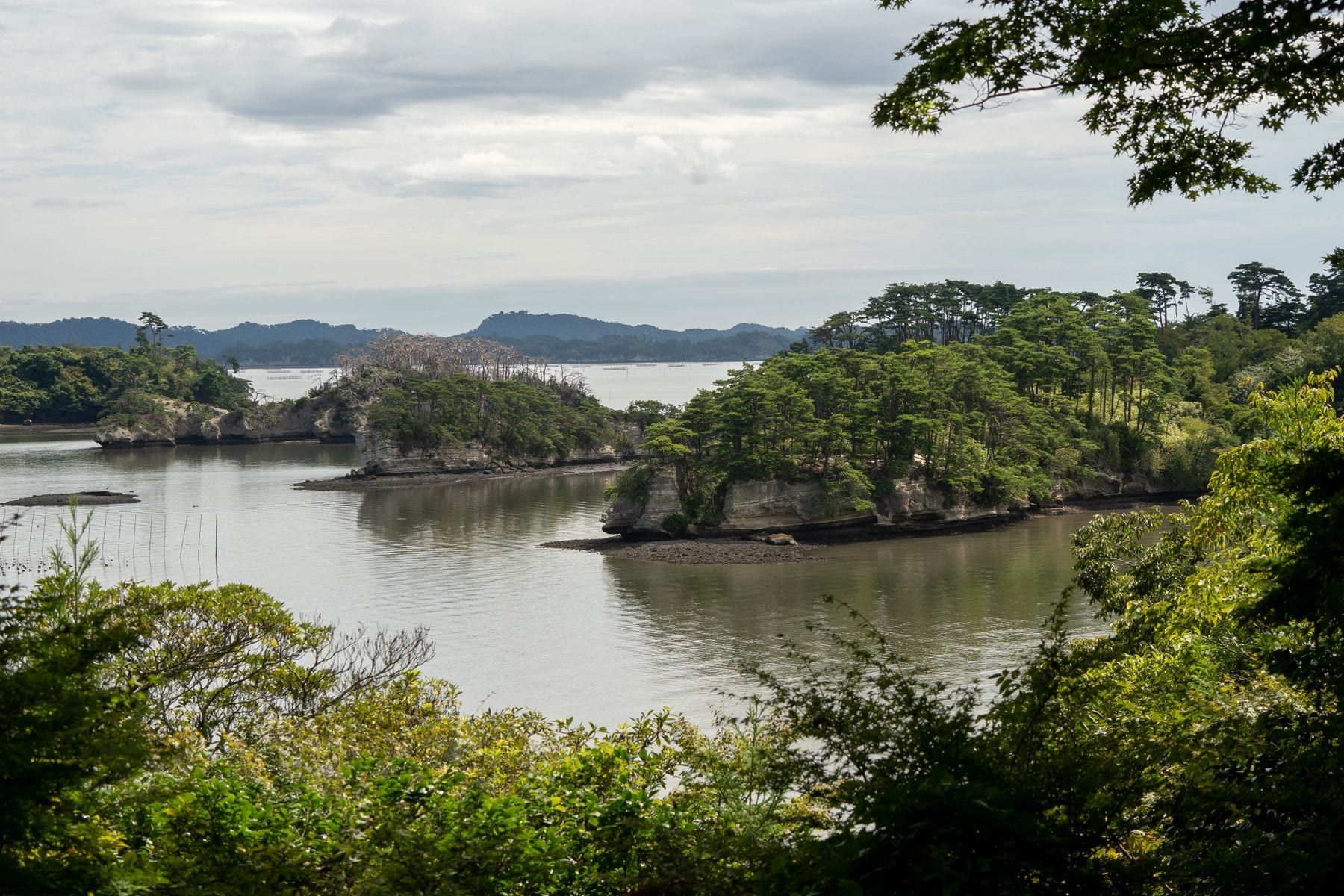
What a few days in the big city of the north really cost, why you eat beef tongue here and how to see the 260 islands of Matsushima without a tour group.
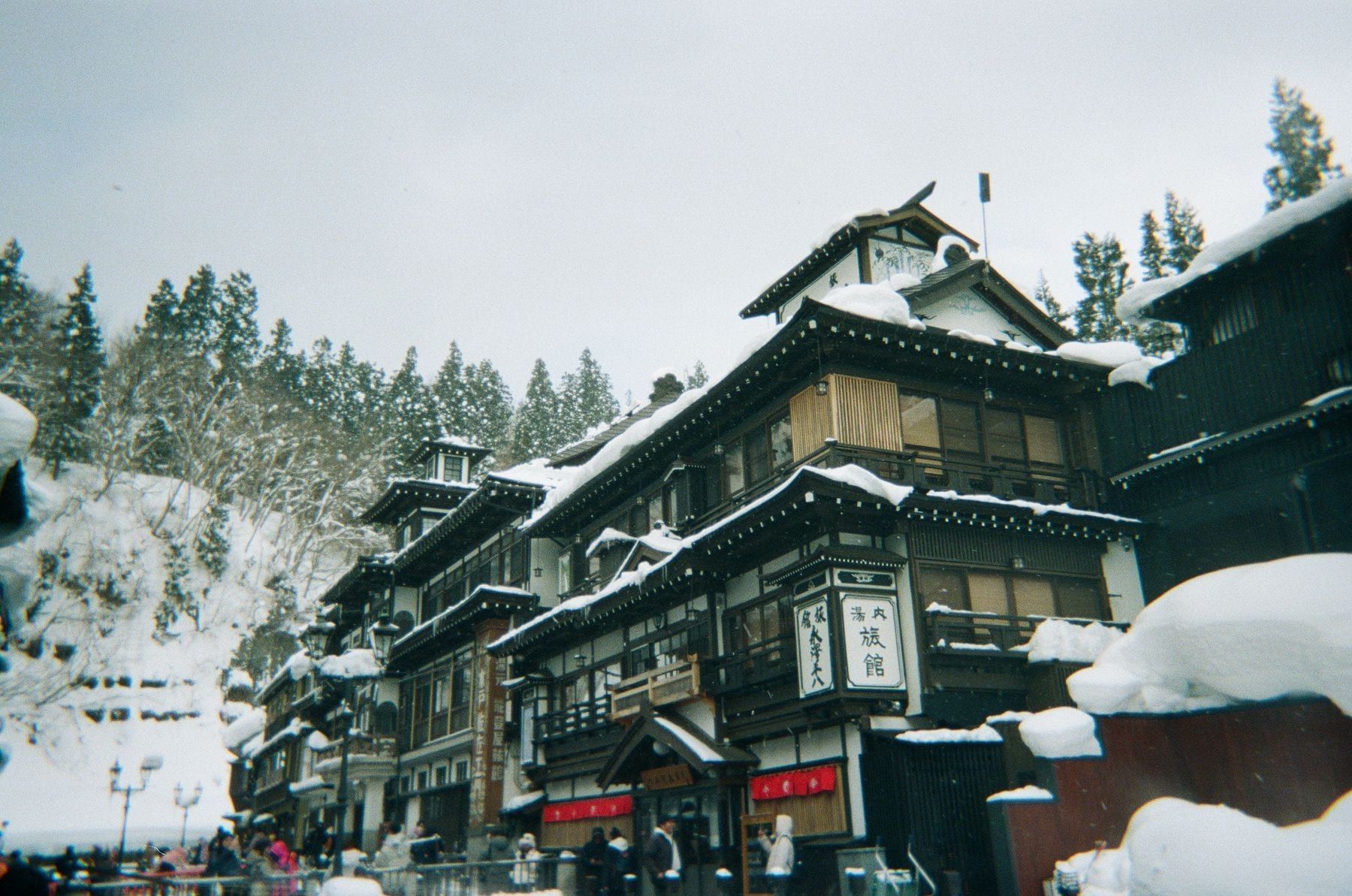
What a night in a wooden riverside ryokan really costs, why you have to book months ahead and how to combine Zao, Yamadera and cherries in June into one trip.
What a night in Akita's milky-white forest baths really costs, how to get there on the Akita Shinkansen and why Kakunodate in late April is the better cherry blossom.