Japan · Onsen · 9 days

Tohoku Onsen Tour

Wooden ryokan with gas lamps, milky forest baths in the snow and beef tongue in Sendai: the route for anyone who wants to experience Japan in a yukata, without a tour group.

The route, day by day

  1. Day 1 to 2

    Sendai: beef tongue and the islands of Matsushima

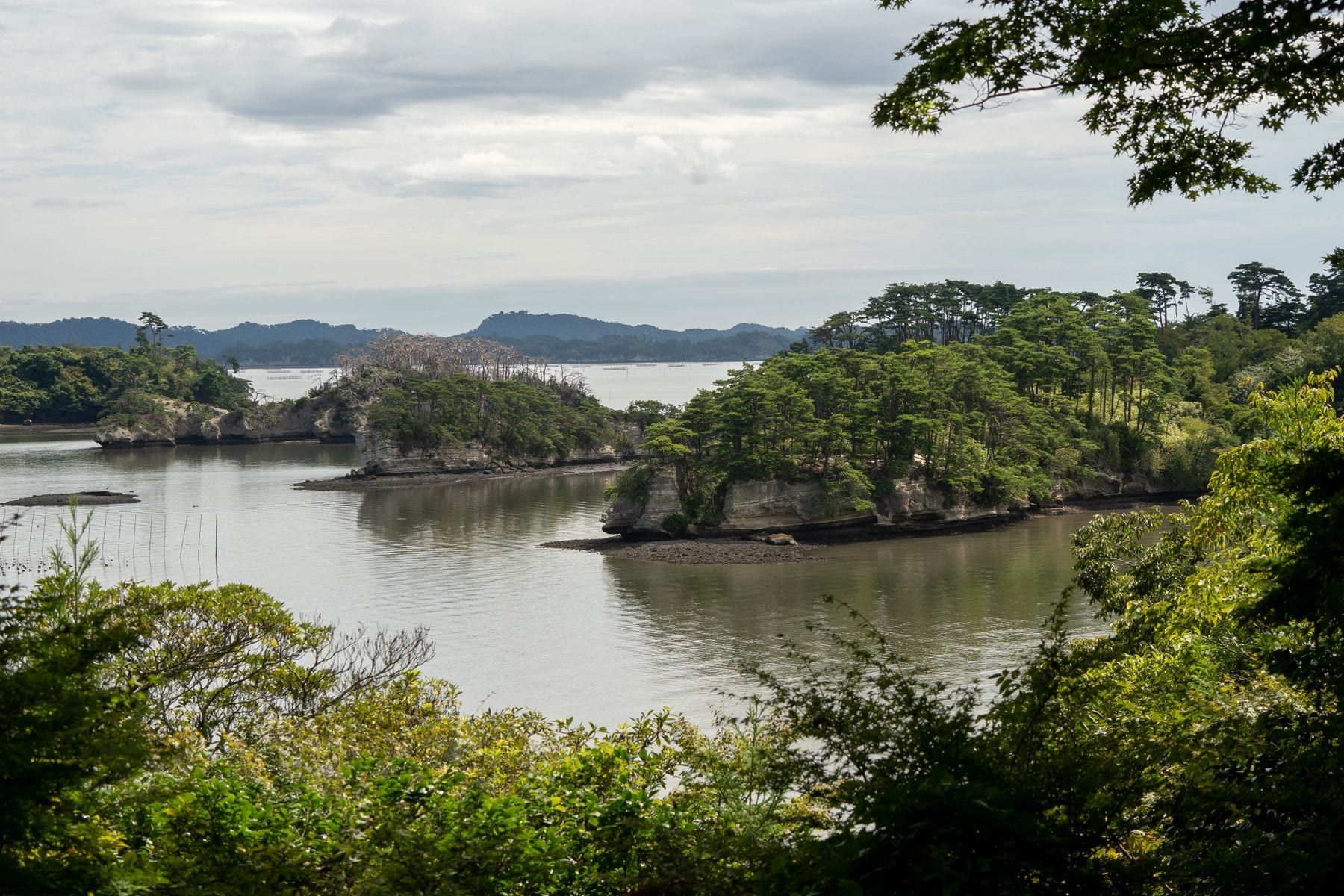
    You fly to Tokyo and travel straight on: the Tohoku Shinkansen Hayabusa takes you from Tokyo to Sendai in 90 minutes, seat reservation compulsory, around CHF 68 (about EUR 73). Stay in a business hotel at the west exit of the station, CHF 70 to 110 for two, ideally one with an onsen bath on the roof, so the tour begins on the first evening. For dinner there is gyutan, grilled beef tongue with barley rice and oxtail soup, CHF 12 to 20. Day 2: on the Senseki line in 40 minutes to Matsushima (CHF 3); the standard boat cruise through the 260 islands costs CHF 9, you do not need the upper deck. Then the Zen temple Zuigan-ji and the red bridge to Fukuura island. In the evening back to the izakaya alleys of Kokubuncho. On to Ginzan Onsen: Senzan line to Yamagata (75 minutes, CHF 7), Yamagata Shinkansen Tsubasa or local train to Oishida, then the Hanagasa bus for 40 minutes (CHF 4.50), a good three hours in all; many ryokan pick you up in Oishida.

    Tours at this stop: Matsushima boat cruise ↗Sendai food tour with gyutan ↗

    Open the Sendai & Matsushima travel guide →
  2. Day 3 to 4

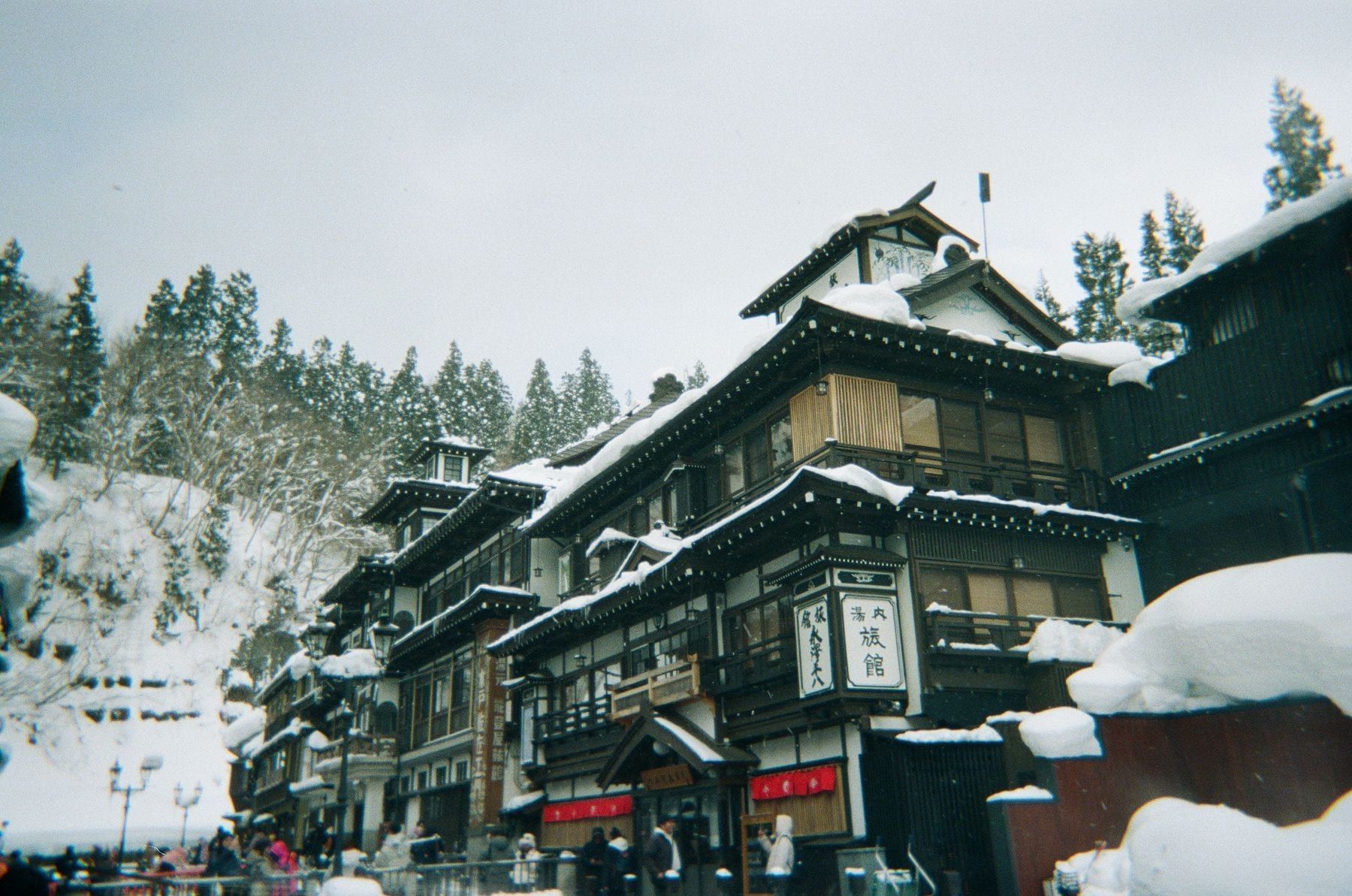
    Ginzan Onsen: gas lamps, steam and a dozen ryokan

    Ginzan Onsen is a single street of wooden Taisho era ryokan, a river and gas lamps, and it is exactly as beautiful as in the photos once the day buses leave at 5 pm. Check-in from 3 pm, then yukata, bath, dinner with Yamagata beef and mountain herbs in your room or the hall, then a stroll to the waterfall at the end of the lane. A ryokan costs CHF 250 to 500 (about EUR 270 to 535) for two with half board and must be booked months ahead, in winter half a year. Two nights if the budget allows; otherwise spend the second in a business hotel in Yamagata city (CHF 60 for two) and visit the mountain temple Yamadera with its 1,015 steps (CHF 2) on day 4 en route. On to Nyuto Onsen: bus to Oishida, Tsubasa to Shinjo (20 minutes), Ou main line via Yokote to Omagari (around two and a half hours by local train, one change), there onto the Komachi to Tazawako (20 minutes) and bus into the forest (50 minutes). Allow five to six hours and check the timetable the evening before; the Ou line runs only every one to two hours.

    Tours at this stop: Yamadera mountain temple ↗

    Open the Ginzan Onsen & Yamagata travel guide →
  3. Day 5 to 6

    Nyuto Onsen: seven bathhouses in the beech forest

    Nyuto Onsen is the opposite of Ginzan: not a village but seven separate bathhouses scattered through the forest at the foot of Mount Nyuto, with milky white, sulphurous water in open air wooden pools. The most famous is Tsurunoyu with thatched roofs and a large mixed outdoor bath, CHF 160 to 250 (about EUR 170 to 270) for two with half board, bookable only by phone or email and months ahead; easier to book are Kuroyu (mid April to mid November only), Ganiba, Magoroku or Taenoyu. In the evening you eat kiritanpo, grilled rice on a stick, in mountain stew, and sleep on futon without a television. Buy the Yumeguri pass (CHF 15): it lets you bathe in all six other houses and ride the shuttle between them. Day 6: work through two or three baths, in between stroll by Lake Tazawa, the deepest in Japan, or take the Komachi 15 minutes to Kakunodate and its samurai district. On to Aomori: bus to Tazawako station, Komachi to Morioka (35 minutes), Hayabusa to Shin-Aomori (60 minutes), local train into the centre, around 2 hours 30 minutes in all, CHF 55.

    Tours at this stop: Kakunodate samurai district ↗

    Open the Nyuto Onsen & Kakunodate travel guide →
  4. Day 7 to 9

    Aomori: Nebuta, fish market and the thousand person bath

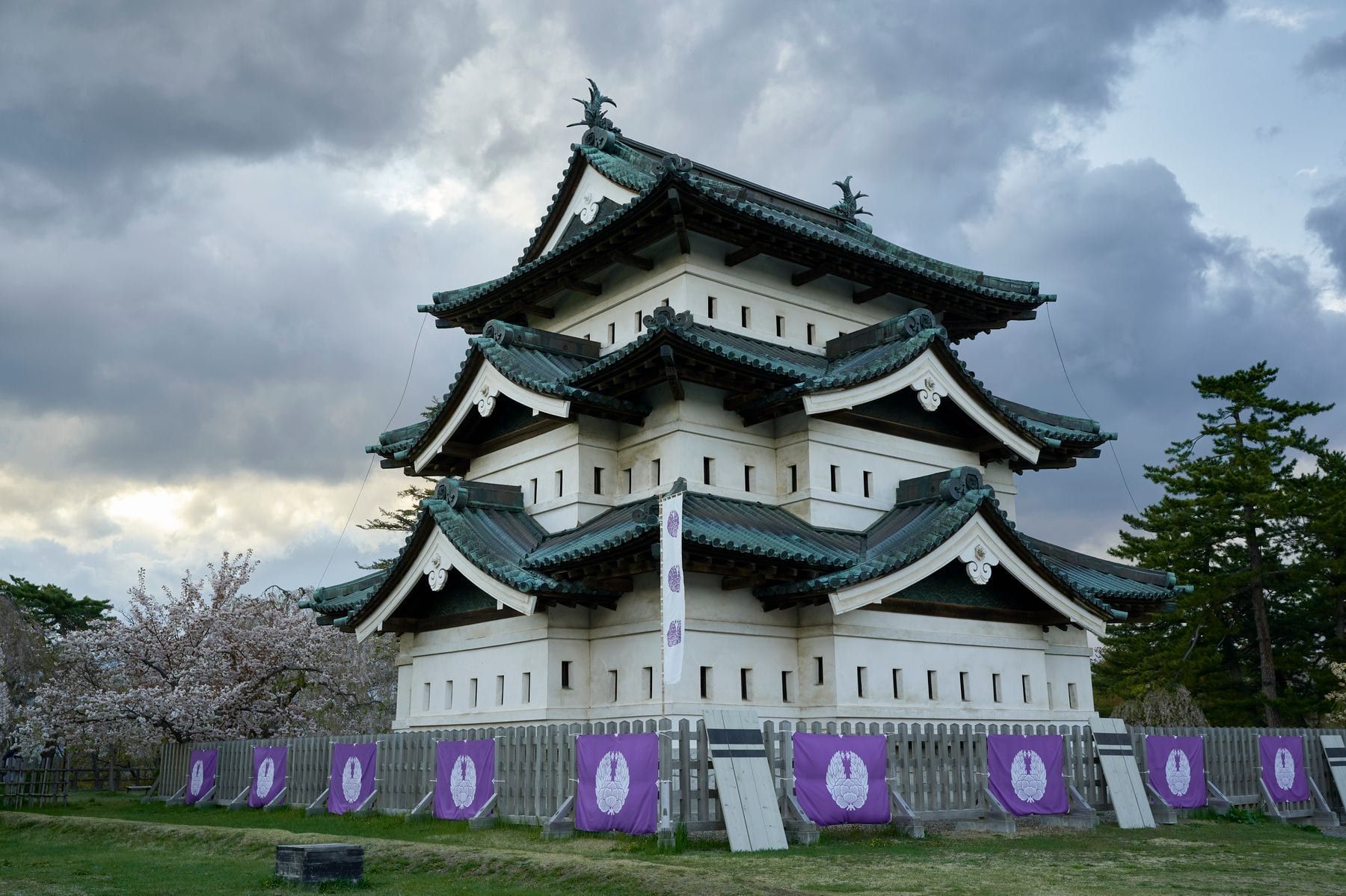
    For most people Aomori is the interchange for Hokkaido; for you it is the finale. Stay three nights in a business hotel by the station or on Shinmachi-dori, CHF 60 to 100 (about EUR 64 to 107) for two, which after the ryokan nights almost feels like saving. Day 7: the Nebuta Museum Wa Rasse at the harbour (CHF 4) with the floats of the August festival, scallops and sake in the evening. Day 8: breakfast at Furukawa Market, where you assemble your own nokke-don bowl (CHF 10 to 15), then to Hirosaki for the castle and apple pie (45 minutes, CHF 4), or in October on the JR bus into the Oirase Gorge. Day 9: the last onsen, and what an onsen: Sukayu, an hour by bus into the Hakkoda mountains, with the thousand person bath of hiba wood, mixed, acidic, in operation for 300 years, day bath CHF 6. Journey home: Hayabusa from Shin-Aomori to Tokyo in just under three hours (CHF 106) or a flight from Aomori to Haneda in 80 minutes (CHF 60 to 120), then the flight home.

    Tours at this stop: Hirosaki castle and apple country ↗Oirase Gorge and Lake Towada ↗

    Open the Aomori travel guide →

If you book through these links we earn a small commission, at no extra cost to you.

What the route costs

Rough total per person for the whole route, mid-range, travelling as a pair. Flights and hotels vary by season; details are on the destination pages.

  • Getting there 1,124 EUR
  • Accommodation 642 EUR
  • Food 300 EUR
  • Local mobility 353 EUR
2,418 EUR
Total per person · 9 days

Money & payment: You pay in yen (JPY). 1,000 yen is roughly CHF 6 or EUR 6.50. Cards work in cities and hotels; small restaurants, temples and rural stations often want cash. An IC card (Suica or ICOCA) on your phone pays for trains, buses and convenience stores.

Tips for the route

Onsen etiquette in three sentences: you wash thoroughly on the stool before you get into the pool, the small towel does not go in the water but on your head or the edge of the pool, and there is no swimwear. In mixed baths like Tsurunoyu and Sukayu the water is milky enough, and many women use the bath wrap that is allowed there. Being loud, taking photos and drinking in the bath are not done.

Tattoos are banned in many baths in Japan, though Tohoku is more relaxed than the cities: cover small tattoos with a plaster (available at the konbini), for larger ones ask by email when booking. Almost every ryokan has a kashikiri bath that you can reserve privately for 45 minutes, often free for house guests. That solves the problem without discussion.

Book the ryokan nights first, then the rest. Ginzan Onsen has around a dozen houses, Nyuto seven, and both are full months ahead at weekends, in February and in October. Tsurunoyu takes bookings only by phone or email, which works in simple English. Many ryokan have a cancellation deadline of seven days, after which the full night is charged.

The JR East Pass Tohoku genuinely pays off here: it costs around CHF 180 (about EUR 193) for five flexible days and covers all the Shinkansen on the route, reservations included. Bought individually, Tokyo to Sendai, the Yamagata leg, Komachi, Hayabusa to Aomori and back to Tokyo come to over CHF 300. You buy it online and collect it at the station; showing your passport is enough.

In winter there is one to three metres of snow in Nyuto and Ginzan, and that is the reason to come: sitting in hot water while it snows on your head. Pack shoes with grip, a hat and a head torch for the path between the baths. The buses run even in snow; the Komachi is sometimes delayed. If you do not want snow, come at the end of October for autumn colour in the beech forest.

The local trains between Shinjo and Omagari are the honest catch of this route: one or two carriages, every one to two hours, no luggage racks. Alternatively go back from Ginzan to Sendai (three hours) and from there with the Hayabusa and Komachi via Morioka to Tazawako (80 minutes), which is an hour shorter and more relaxed, and costs nothing extra with the JR East Pass.

Frequently asked questions about Tohoku Onsen Tour

Are nine days enough for the onsen tour?

Yes, because there is nothing you have to get done in the spa villages. Two days in Sendai, two nights each in Ginzan and Nyuto and three days in Aomori is a calm rhythm. With seven days you cut one night in Aomori and do Ginzan as a single night. If you have longer, add Hirosaki or Lake Towada with one night.

When is the best time for onsen in Tohoku?

January and February for the picture with snow and lanterns, which is the most expensive and hardest time to book. Late October for the autumn colour in the beech forest around Nyuto, May and June for cherry blossom in Hirosaki (late April) and green mountains. In early August the Nebuta festival runs in Aomori, and hotels are gone months ahead.

Do I need a hire car?

No, but a car would spare you the detour via the Ou line: from Oishida to Tazawako it is two hours of driving instead of five by train and bus. In winter you need winter tyres and experience with snow for that, plus the international driving permit under the Geneva Convention. For two people the train with the JR East Pass stays cheaper.

What does the onsen tour cost?

Around CHF 2,260 (about EUR 2,420) per person: flight CHF 1,050, accommodation CHF 600, of which around CHF 450 for the four ryokan nights with half board, food CHF 280, because dinner and breakfast are included on four days, and trains CHF 330, more like CHF 230 with the JR East Pass. The ryokan are the item where you save, or choose not to.

Is Tohoku safe, including earthquakes and tsunami?

Yes. Tohoku has been fully travelled again since 2011 and the infrastructure is new. Earthquakes happen across Japan, the hotels are built for them, and your phone warns you in Japanese with a loud alarm. In Matsushima and Sendai tsunami escape routes are signposted. The bigger risk on this route is slipping on icy steps outside the bath.

Is there a shorter or longer version?

Shorter: just Sendai, Ginzan Onsen and back, which is five days from Tokyo and fits as an add-on to a Golden Route. Longer: from Aomori continue on the Hokkaido Shinkansen to Hakodate (one hour) and Sapporo, which turns it into a two week northern route with the flight home from New Chitose.

More itineraries through Japan