Activities

Onsen and Ryokan

Naked in hot volcanic water under the open sky, then yukata, tatami and a twelve-course dinner: onsen and ryokan are the part of Japan you keep in your body.

Best months: JanFebMarAprMayJunJulAugSepOctNovDec

Etiquette: wash, bathe naked, towel on your head

The sequence is the same in every onsen. You undress completely in the changing room and put your clothes in a basket or locker (CHF 0.50 to 1, about EUR 0.50 to 1, deposit). You take the small towel into the bathing room, sit on one of the stools at the washing row and wash thoroughly with the soap and shampoo provided. Only then do you enter the pool, slowly, because the water is 40 to 44 degrees. The towel must not go in the water; you put it on the edge or folded on your head. Long hair is tied up. No swimming, no diving under, no loud talking in the bath; phones stay in the locker. After the bath you dry off roughly before going back to the changing room. Swimwear is taboo in classic onsen; exceptions are mixed baths with mandatory swimwear and spa parks. After 10 to 15 minutes in the hot water you get out, drink water and go back in later; circulation problems are the most common beginner mistake, especially after alcohol. Children are welcome, and men and women bathe separately.
Tattoos: where it works and how to solve it

Tattoos are associated with the yakuza in Japan, and many onsen ban them, even small ones. This is changing slowly, but not everywhere. Your options: first, cover-up patches, available in drugstores for CHF 5 to 10 (about EUR 5 to 11), accepted for palm-sized motifs if the establishment explicitly allows it. Second, kashikiri, a private bath you rent for 45 to 60 minutes, in many ryokan for CHF 15 to 40 or free for house guests; no tattoo rules apply there. Third, ryokan with a bath in the room, from about CHF 250 per person. Fourth, explicitly tattoo-friendly places: in Kinosaki all seven public baths are open to tattooed guests, in Beppu and Kusatsu many small community baths, in Hokkaido for example Hoheikyo Onsen near Sapporo. The website tattoo-friendly.jp keeps a list. When in doubt, ask at reception with a phrase like Tattoo wa daijobu desu ka; a no is not meant personally. Showing large tattoos in a bath that bans them puts you and the establishment in an awkward position. With kashikiri you are on the safe side in any case.

Bath types: rotenburo, konyoku, kashikiri and sento

Rotenburo means outdoor bath: a pool under the open sky, with a view of forest, river, sea or snow. It is the reason to go to Japan in winter; sitting in 42 degree water at minus five while it snows stays with you. Konyoku is the mixed bath, once the norm, now rare and mostly found in remote places like Nyuto Onsen; in many a bath towel or a rented suit is allowed. Kashikiri (also kazoku-buro, family bath) is the private bath for couples, families or tattooed guests, booked by the hour. Then the words on signs: uchiyu is the indoor bath, sotoyu in towns like Kinosaki the public bathhouse in the village, ashiyu the free foot bath at the station or by the road. A sento is an urban bathhouse with heated tap water instead of a spring, entry around CHF 3 to 4 (about EUR 3 to 4), on every corner in Tokyo and Kyoto too. The water itself varies: sulphurous and milky in Kusatsu and Noboribetsu, iron-rich reddish brown in Arima, clear and alkaline in Hakone. Notices about healing effects hang everywhere; take them with humour, the hot water works either way.

Ryokan: the night that is worth the price

A ryokan is not a hotel with a bath but a sequence. You arrive between 3 and 5 pm, take off your shoes, get tea in your tatami room and a yukata, the cotton kimono you wear for the rest of the stay, to dinner and in the village too. Then bath, then kaiseki: a dinner of 8 to 14 small seasonal courses, in your room or in the dining hall, at 6 or 6.30 pm; punctuality is required. While you eat, staff lay out the futons. Breakfast at 7.30 or 8 am, also Japanese with fish, rice, miso soup and pickles. Prices: simple ryokan with half board CHF 150 to 200 (about EUR 160 to 214) per person, good houses CHF 250 to 400, luxury open-ended. Prices are per person, not per room, and half board is the norm; rooms without meals are cheaper, but then you miss the core. Book through the hotel portals or directly, two to four months ahead for weekends and cherry blossom. If the budget is not there, take a minshuku, the family-run counterpart for CHF 70 to 120 with two meals, or a day bath with lunch (higaeri plan) at an expensive ryokan for CHF 40 to 80.

The regions: Hakone, Kusatsu, Beppu, Kinosaki, Ginzan, Nyuto, Noboribetsu

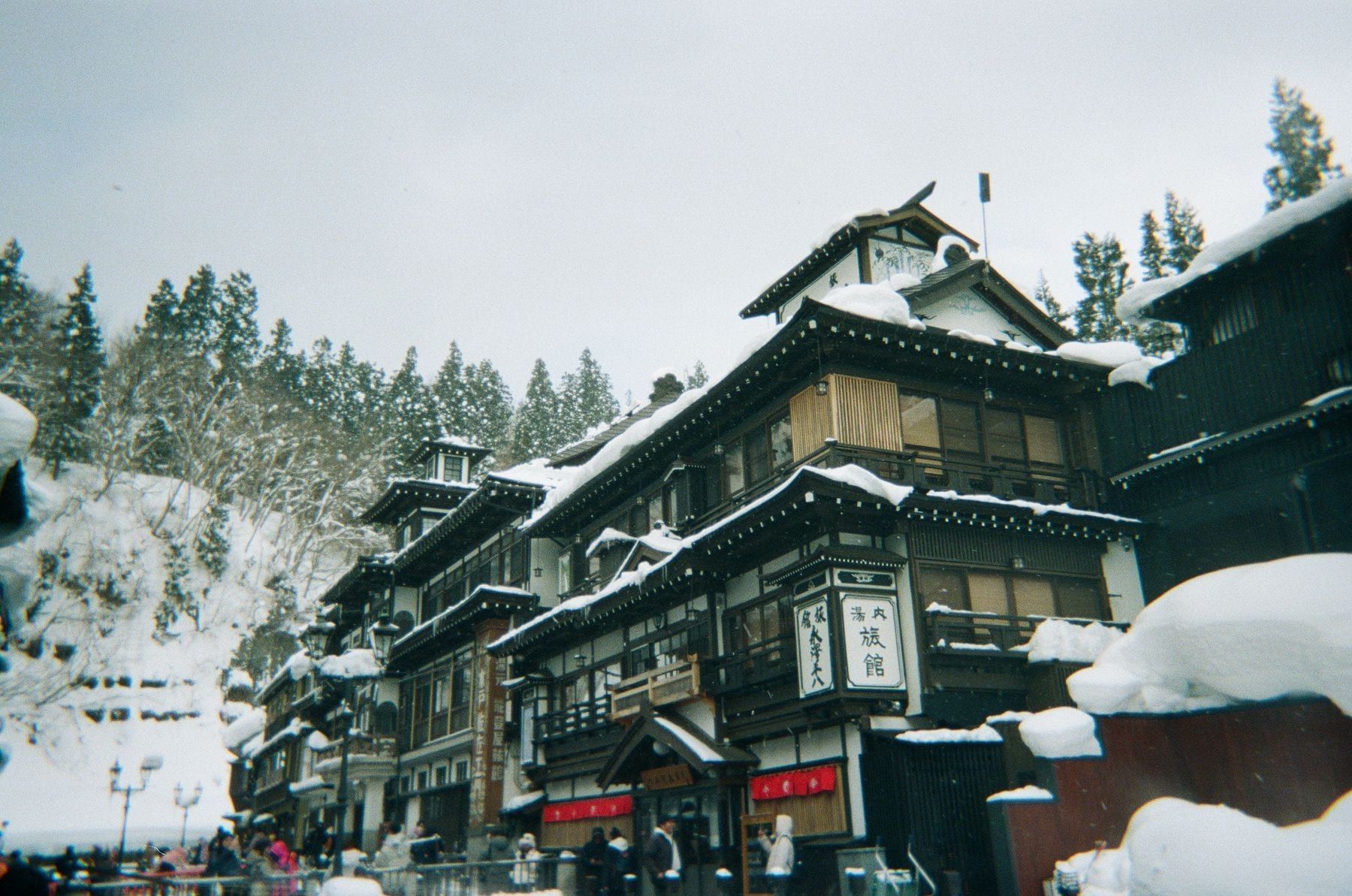
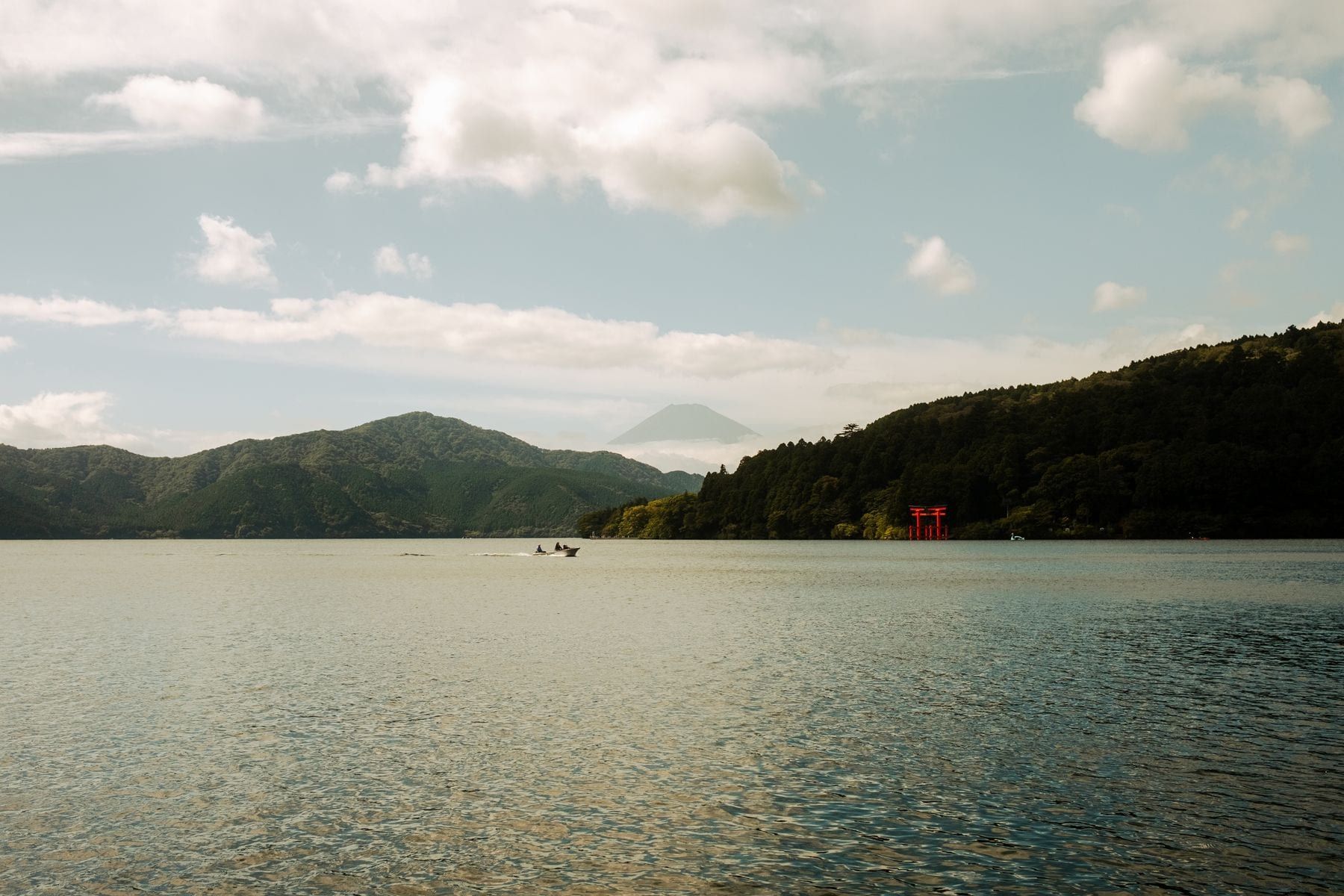
Hakone, 90 minutes from Tokyo, is the easiest start: hundreds of ryokan, a view of Fuji in clear weather, plus the sulphur vents of Owakudani with their black eggs (kuro-tamago, CHF 3, about EUR 3, for five). Expensive and busy at weekends. Kusatsu in the mountains north of Tokyo has the Yubatake, a steaming wooden structure in the middle of town, and sulphuric water so hot it is cooled with wooden paddles (yumomi show, CHF 4). Beppu on Kyushu produces more hot spring water than any other place in Japan; the seven hells (jigoku) are for looking, sand baths and steam baths for joining in, day baths from CHF 2. Kinosaki on the Sea of Japan coast is the village where you walk from bath to bath in yukata and wooden sandals; seven public baths, ryokan guests enter free, day visitors pay CHF 10 for the pass. Ginzan Onsen in Yamagata is the village of Taisho-era wooden houses along a river, with gas lamps and snow in winter; few beds, and winter access restrictions for day visitors. Nyuto Onsen in Akita is a group of seven inns in the forest, Tsurunoyu with its milky mixed outdoor bath the most famous. Noboribetsu on Hokkaido sits next to the Jigokudani hell valley and has the most varied waters; 75 minutes from Sapporo. Other names: Dogo in Matsuyama, the oldest onsen in Japan, Kurokawa near Aso, Yufuin, Arima near Kobe, Gero.

Practical: season, food, yukata and typical mistakes

The best time is October to March: autumn colours from mid October in the mountains, then snow, and the cold air is what makes the hot bath really good. In summer onsen at 30 degrees and high humidity is less tempting, but works in the mountains. Onsen tamago are eggs cooked in spring water at 65 to 70 degrees, with firm yolk and soft white, everywhere for CHF 1 (about EUR 1) each. You wear the yukata with the left side over the right (the reverse is reserved for the deceased), with the obi belt tied at the hips, and in winter the haori jacket over it. In ryokan villages, yukata and sandals are welcome outside. There is no tipping. Typical mistakes: staying in the water too long, dropping the towel in the pool, getting in with soap on, missing dinner because the walk was too long, and checking out too late on departure day (10 am is usual). If you have back or heart problems, bathe for shorter spells and avoid the hottest pools. Glasses wearers take their glasses into the bath; it is common. Photography in the bath is absolutely taboo, even when nobody is there.

Tours worth booking

Hakone day trip with onsen from Tokyo

Guided day from Tokyo with Owakudani, a boat on Lake Ashi, a Fuji view in good weather and an onsen visit in the afternoon. Practical if you only have one day for Hakone and do not want to plan it yourself.

View & book →

Kusatsu Onsen day tour from Tokyo

Coach trip to Kusatsu with the Yubatake, a yumomi demonstration and time for a bath in one of the public onsen. A long drive, but one of the most impressive hot spring towns in Japan without an overnight stay.

View & book →

Beppu hells walk and onsen experience

Walking tour of the coloured hot springs of Beppu with a guide, a steam-cooked lunch and a bath in a local onsen or sand bath. For Kyushu travellers, the introduction to the hot spring city.

View & book →

Kinosaki Onsen trip from Kyoto or Osaka

Day trip or overnight stay in Kinosaki with yukata, bath pass for the seven public baths and time to stroll along the canal. Tattoo-friendly and therefore popular with travellers from Europe.

View & book →

Onsen etiquette and bathhouse visit with a local guide

Accompanied visit to a sento or onsen in Tokyo or Kyoto with the rules explained on site. For anyone who feels unsure the first time and wants to ask questions before getting in the water.

View & book →

Noboribetsu Onsen and hell valley from Sapporo

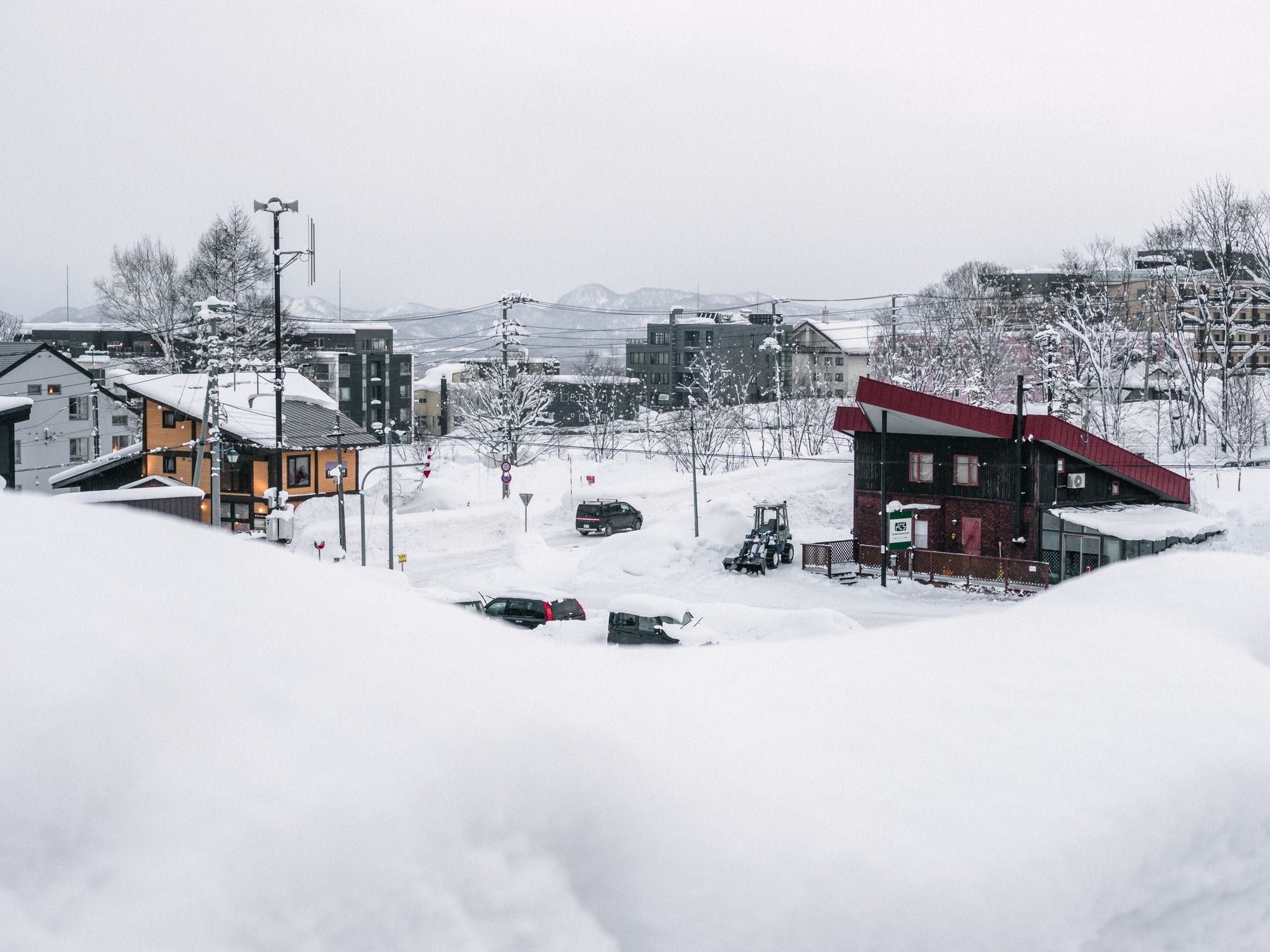
Day trip from Sapporo to Noboribetsu with a walk through the steaming Jigokudani and a bath in one of the big onsen hotels. A good addition to ski days in Niseko or a Sapporo stay.

View & book →

If you book through these links we earn a small commission, at no extra cost to you.

Where

Frequently asked questions

Do I really have to bathe naked?

Yes, swimwear is not allowed in classic onsen, not even in the outdoor bath. Men and women bathe separately, and nobody looks. If you prefer not to, rent a kashikiri private bath for CHF 15 to 40 (about EUR 16 to 43) or choose a ryokan with a bath in the room. After the first time the issue is usually settled.

What does an onsen visit cost?

Day baths in public onsen CHF 5 to 15 (about EUR 5 to 16), city sento CHF 3 to 4, private bath CHF 15 to 40 per hour. Day baths in ryokan hotels with a view CHF 10 to 25. A ryokan night with kaiseki and breakfast costs CHF 150 to 400 per person; a minshuku as the simple alternative CHF 70 to 120.

Can I use an onsen with a tattoo?

Depends on the house. Many ban tattoos, more and more allow them or accept cover patches for small motifs. You are safe with a private bath, with tattoo-friendly towns like Kinosaki or a list like tattoo-friendly.jp. Ask at reception; a no is not meant unkindly.

Which onsen town is best for a first trip?

Hakone for proximity to Tokyo and the Fuji view, Kinosaki for village atmosphere and tattoo tolerance, Kusatsu for the strongest water. With more time: Nyuto or Ginzan in the north for seclusion, Beppu on Kyushu for variety. For skiers, Noboribetsu on Hokkaido. A ryokan night belongs on every route, wherever.

Are onsen suitable for children and families?

Yes, Japanese families bathe with small children, often the father with the son and the mother with the daughter. From about age seven, separate baths apply. Family baths (kazoku-buro) solve the problem. The water is hot, so children stay in for shorter spells. Many ryokan have child rates and simpler menus on request.

Related events

Apr 20

Cherry Blossom in Tohoku (Hirosaki, Kakunodate, Kitakami)

Culture · Japan

20 April 2027 Mid to late April, Hirosaki cherry blossom festival usually 23 April to 5 May Hirosaki, Kakunodate, Kitakami, Sendai

If you miss the blossom in the south, head north: in Tohoku the cherries bloom two to three weeks later and with far fewer tourists. Hirosaki Castle Park in Aomori Prefecture, with 2,600 trees, carpets of petals on the moat and rowing boats, is considered the most beautiful spot in the country, with full bloom usually around 20 to 25 April. Kakunodate near Nyuto Onsen has weeping cherries along its samurai houses, Kitakami a two kilometre riverside walk, and Sendai blooms as early as mid-April. By shinkansen Hirosaki is a good four hours from Tokyo.

For travellers: Hirosaki has few hotels and is full during the festival; Aomori city is 45 minutes away. If you come at the end of April you run straight into Golden Week.