History & background
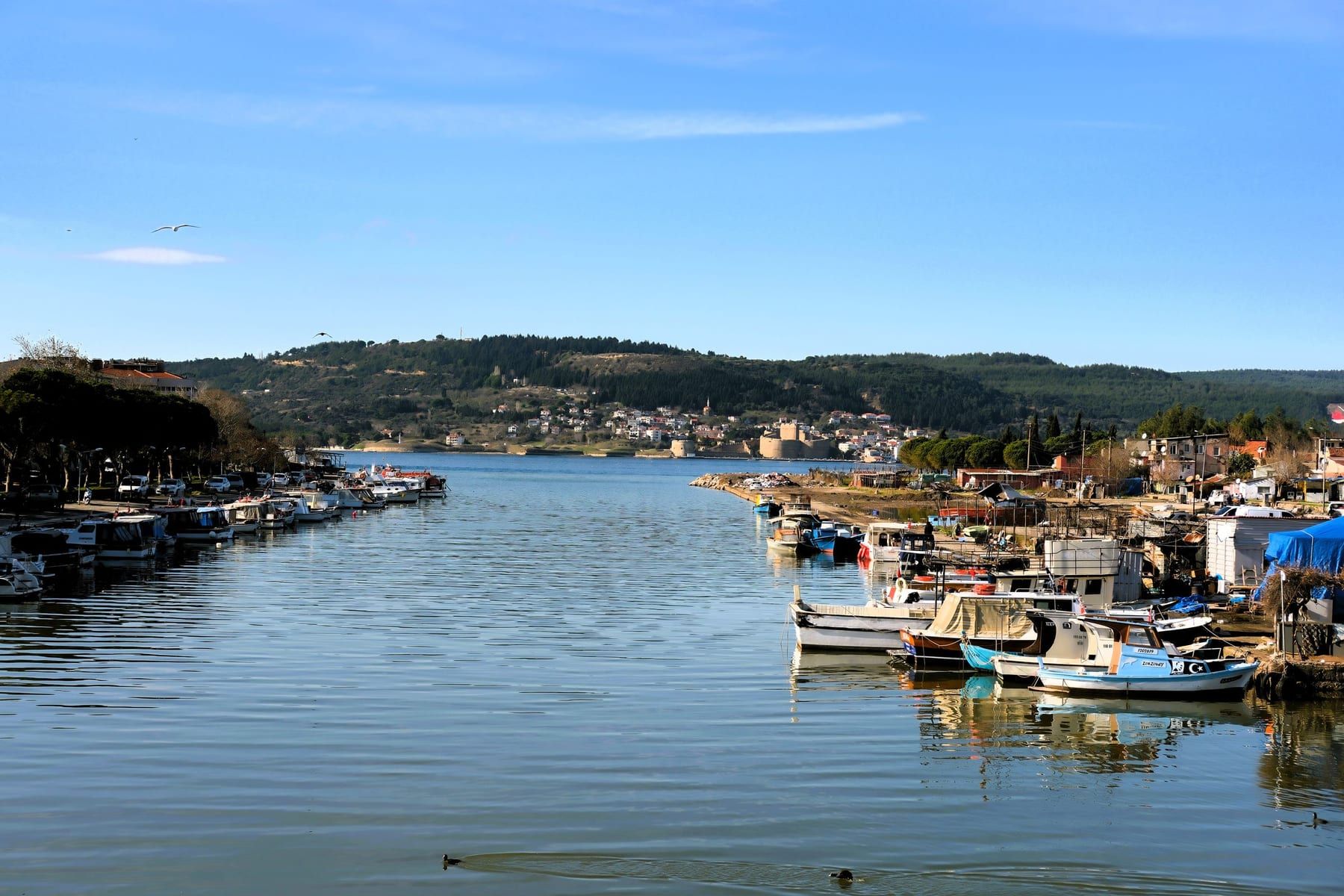
The Dardanelles, the narrow strait between Europe and Asia, have decided world history, and Çanakkale sits at their narrowest point. Thirty kilometres to the south, from 1870 onwards, Heinrich Schliemann and his successors dug into the mound of Hisarlık and found nine settlements layered on top of each other: Troy, whose war Homer sang of in the Iliad and which is now a UNESCO World Heritage Site. Persians, Alexander the Great, Romans and Byzantines crossed the strait here until Sultan Mehmed II had the two fortresses of Kilitbahir and Kale-i Sultaniye built around 1462, from which the town of Çanakkale grew. The name means "pottery fortress", as the town was known for ceramics well into the 20th century. In 1915 the strait became a battlefield: the Allies tried to break through to Istanbul with warships and a landing on the Gallipoli peninsula. The Ottoman army under Mustafa Kemal, the later Atatürk, held firm, and more than 100,000 soldiers on both sides died. For Turkey, Çanakkale has been a site of national remembrance ever since; for Australians and New Zealanders it is the place of Anzac Day. Since 2022 the 1915 Çanakkale Bridge, the longest suspension bridge in the world, has linked the two shores.