Agora Life Hotel
One of the best-rated budget hotels in Sultanahmet. Rooftop terrace with a view of the Sea of Marmara, clean rooms, friendly team. Walking distance to Hagia Sophia, the Grand Bazaar and the Basilica Cistern.
Turkey · Marmara · Travel guide
What a long weekend or a week in the city on two continents really costs, which neighbourhoods you actually need, and where the locals eat.
Photo: betül / Pexels
Adjust the values to your trip: the calculator updates live (EUR, converted from CHF estimates).
Estimates for orientation, not booking prices. Flights and hotels vary strongly by season: current prices are behind the links below.
Money & payment: You pay in Turkish lira (TRY). The exchange rate moves a lot, which is why all prices here are given in francs and euros. Cards are accepted almost everywhere; you need cash for the dolmuş, markets and tips. Flight time: 3 to 4 hours.
Nine options in three price ranges, each among the best-rated on Booking.com.
Budget
One of the best-rated budget hotels in Sultanahmet. Rooftop terrace with a view of the Sea of Marmara, clean rooms, friendly team. Walking distance to Hagia Sophia, the Grand Bazaar and the Basilica Cistern.
Boutique hotel right by the historic Sirkeci station (the Orient Express terminus). Well-kept rooms, good breakfast, excellent value for such a central location. 10 minutes on foot to Hagia Sophia.
Small design hotel in the trendy Moda neighbourhood on the Asian side. Walking distance to the Kadıköy market and the ferry terminal. Ideal as a base for anyone who wants the real Istanbul away from the tourist districts.
Mid-range
Stylish boutique hotel in a restored Galata townhouse. Rooftop terrace with a view of the Galata Tower, modern design, good breakfast. Located between the old city and Istiklal Caddesi, walking distance to both.
Housed in a former Ottoman bank building on the historic Bankalar street. Consistently very well rated for design, service and location. Bosphorus ferry 3 minutes away, good coffee bars and restaurants right around the corner.
Reliable mid-range with Bosphorus views on the Asian side. Large rooms, pool, direct ferry connection to Sultanahmet. Ideal for families or anyone who wants peace and quiet with good connections.
Luxury
Housed in a former Ottoman prison right next to the Hagia Sophia. One of the best locations in the city: you can see the minarets from the courtyard. Classic luxury, personal service, excellent restaurant.
The most legendary hotel in Istanbul, built in 1892 for passengers of the Orient Express. Agatha Christie wrote "Murder on the Orient Express" here. Restored, listed, with a bar, spa and museum. Istiklal Caddesi is 5 minutes on foot.
Boutique luxury hotel in a former Ottoman rakı distillery right on the Bosphorus. Private jetty, rooms with direct sea views, excellent restaurant. The quietest and most romantic luxury hotel in Istanbul, on the Asian side, far from the tourist crowds.
If you book through these links we earn a small commission, at no extra cost to you.
The two icons, within walking distance of each other. Hagia Sophia is free (active mosque), and so is the Blue Mosque. Go early in the morning before the tour groups arrive.
The centre of the Ottoman Empire for four centuries. The Harem (separate ticket) is an experience in its own right. Allow half a day.
Underground Byzantine water reservoir with 336 marble columns and atmospheric lighting. One of the most impressive experiences in the old city.
Take the public ferry to Kadıköy for CHF 2 (about EUR 2). On the other side: fish market, honest restaurants, no tourist bustle. Half a day is enough for a first impression.
More than 4,000 shops in the Grand Bazaar, the oldest in the world. Haggling is mandatory. Then the Spice Bazaar for tea, spices and Turkish sweets.
A traditional Turkish bath is part of Istanbul. The Çemberlitaş Hamam (1584) is the best known and most tourist-friendly, the Kılıç Ali Paşa Hamam a little more exclusive.
Nine islands in the Sea of Marmara, just an hour by ferry. No cars, only horse-drawn carriages and bicycles. Büyükada is the largest and prettiest, ideal for a quiet day.
Simit, balık ekmek (fish sandwich on the Bosphorus), lahmacun, baklava, meze: best explored on a guided food tour that takes you through several neighbourhoods.
If you book through these links we earn a small commission, at no extra cost to you.
Istanbul eats all day long, and takes the street as seriously as the meyhane. Fish sandwiches on the Bosphorus, simit from a cart, a standing lokanta lunch and meze with rakı in the evening: this is not tourist folklore, it is genuinely how people here eat. The best addresses are not in Sultanahmet but in Kadıköy, Karaköy, Eminönü and Beyoğlu.
Grilled mackerel in white bread with onions, lettuce and lemon. Tastes of smoke and sea, costs CHF 3 to 5 (about EUR 3.20 to 5.40). The cheapest meal with a Bosphorus view you will find.
Tip:Add a glass of turşu suyu (pickle juice) from the stand next door, and sit on the quay wall rather than at the waiters' tables.
Sesame ring, crisp outside and chewy inside, CHF 0.50 to 0.80 (about EUR 0.55 to 0.85). With a glass of tea it is breakfast for half of Istanbul.
Tip:Buy in the morning while they are still warm and eat it on the ferry; the gulls will fly alongside.
Paper-thin flatbread with spiced mince, parsley and lemon, rolled up to eat. CHF 2.50 to 4 (about EUR 2.70 to 4.30) each; two make a meal.
Tip:Roll it with plenty of parsley and lemon, order ayran, and arrive before 1 pm at lunchtime or you will queue.
The Istanbul evening: cold and warm meze (fava, lakerda, liver, olive-oil dishes) with rakı, water and ice. With fish expect CHF 30 to 45 (about EUR 32 to 48) per person, without fish CHF 20 to 30.
Tip:Do not let the waiter with the meze tray unload everything: three or four meze for two people is plenty to start, and you can always order more.
Lamb offal grilled on a spit, finely chopped with oregano and chilli, served in bread. Sounds brave, tastes superb. Half a loaf costs CHF 4 to 6 (about EUR 4.30 to 6.50).
Tip:Late at night after the meyhane is kokoreç time; order it «acılı» (spicy) if you mean it.
White beans in tomato sauce on buttered rice, the national dish of the lunch break. In a lokanta with a tray and a display counter you pay CHF 7 to 12 (about EUR 7.50 to 13) for two dishes and a drink.
Tip:At Çiya do not stop at the beans: the counter shows Anatolian dishes every day that you will find nowhere else, so just point and try.
Forty layers of pastry, pistachios, butter, syrup. The fıstıklı (pistachio) version is the benchmark. A portion of two or three pieces costs CHF 6 to 9 (about EUR 6.50 to 9.70).
Tip:Order it with kaymak (clotted cream), eat standing at the counter like the locals, and it is quiet before 11 am.
Shredded pastry filled with cheese, baked in butter, soaked in syrup and served hot. Crisp outside, stringy cheese inside. CHF 5 to 8 (about EUR 5.40 to 8.60).
Tip:Eat it straight away, cold künefe is only half as good, and a glass of unsweetened tea balances the sugar.
Finely ground, brewed in a cezve, served with the grounds. You order the sugar with it: sade (none), orta (medium), şekerli (sweet). CHF 2 to 3.50 (about EUR 2.20 to 3.80) a cup.
Tip:Do not drink the grounds at the bottom, and the glass of water is for before the coffee, to clear your palate, not after.
Through markets and eateries with a guide, tastings included.
If you book through these links we earn a small commission, at no extra cost to you.
Istanbul is one of the few cities in the world that sits on two continents. Its story begins in 657 BC, when Greek settlers founded a colony on the headland above the Golden Horn: Byzantion. The location was no accident. Whoever controlled this point controlled the sea trade between the Black Sea and the Mediterranean. In AD 330 Emperor Constantine the Great declared the city the new capital of the Roman Empire and named it Constantinople. The centre lay in today's Sultanahmet: this is where the Hippodrome stood, the vast racetrack with 100,000 seats, of which obelisks on the square in front of the Blue Mosque still bear witness. In 537 Emperor Justinian completed the Hagia Sophia, for almost a thousand years the largest church in the world. Its dome, 55 metres high, seemed to float like a miracle and still fascinates architects today. Inside, the gold mosaics, the light and the sheer scale come together in one of the most overwhelming spaces humans have ever built. Across the Golden Horn, in today's Galata, Genoese merchants settled in the Middle Ages. In 1348 they built the Galata Tower as a fortification; today it is one of Istanbul's best-known viewpoints, with a panorama over the Bosphorus and the Golden Horn. Galata and neighbouring Karaköy became the trading hub where Genoese, Venetians and Ottoman merchants worked side by side. In 1453 Constantinople fell to Sultan Mehmed II, the Conqueror. He rode through the Theodosian walls and declared the Hagia Sophia a Friday mosque. The Ottomans made Istanbul their capital and expanded it systematically. Topkapı Sarayı (1459), the palace complex on the headland overlooking the Bosphorus and the Sea of Marmara, was for 400 years the residence of 36 sultans and the heart of an empire that stretched from Vienna to Cairo. The Grand Bazaar (Kapalıçarşı, 1461) grew into the largest covered market in the world. The Süleymaniye Mosque (1557), a masterpiece by the great architect Mimar Sinan, still dominates the skyline of the old city. In the 19th century the sultans built new European-style palaces on the Bosphorus. The Dolmabahçe Palace (1856) in Beşiktaş was the most magnificent: 285 rooms, 43 halls, the largest chandelier in the world (4.5 tonnes of crystal) and banisters of Baccarat crystal. Mustafa Kemal Atatürk died here on 10 November 1938. Every clock in the palace still shows 9:05, the hour of his death. Beyoğlu, on the European side of the Golden Horn, was the cosmopolitan quarter: embassies, European banks, opera houses and the legendary Pera Palace Hotel (1892), built for passengers of the Orient Express. Today Beyoğlu, with Istiklal Caddesi, its bars, galleries and cafés, is the liveliest district in the city. After the First World War and the end of the Ottoman Empire, Ankara became the capital of the new Turkey, but Istanbul remained the cultural, economic and culinary heart of the country. More than 15 million people, 3,000 years of history and two continents under one horizon.

First things first: buy an Istanbulkart at the airport or any kiosk for about CHF 2 (about EUR 2). This chip card works on all public transport: tram, metro, bus, ferry, funicular. A single ticket without the card costs almost twice as much. With the Istanbulkart you cross the whole city for the equivalent of CHF 5 to 8 a day. Without it you pay double and wait longer. The ferries across the Bosphorus and up the Golden Horn are included; book them as a tourist cruise and you pay many times more.
Kadıköy on the Asian side is everything Sultanahmet is not: a real neighbourhood where Istanbulites shop, have breakfast and go out in the evening. The Balıkpazarı (fish market) with its vegetable and spice stalls, the small restaurants in the side streets, the cafés: all cheaper, more authentic and less touristy. The ferry from Eminönü or Karaköy to Kadıköy takes 25 minutes and costs a few lira with the Istanbulkart. That crossing is also one of the finest Bosphorus views you can get (almost) for free.
Turkish breakfast is a worldview: olives, white cheese, tomatoes, cucumbers, eggs in several variations, honey, kaymak (clotted cream), fresh bread and of course çay in small glasses, all on the table at once. A breakfast like this in a good place in Karaköy or Moda (Kadıköy) costs CHF 8 to 12 per person (about EUR 9 to 13) and takes a good hour. If you skip it and grab something from the hotel buffet, you miss one of the city's greatest cultural pleasures.
The Grand Bazaar (Kapalıçarşı), with more than 4,000 shops along 64 streets, is one of the largest covered markets in the world, and it is overrun with tourists. Prices are almost always calculated for tourists; haggling is mandatory but exhausting. If you want carpets, leather goods or souvenirs, this is the place, but bring patience and a willingness to negotiate. The Mısır Çarşısı (Spice Bazaar), smaller and more concentrated, is better for spices, dried fruit and Turkish sweets, and somewhat less pricey. The two are within walking distance of each other.
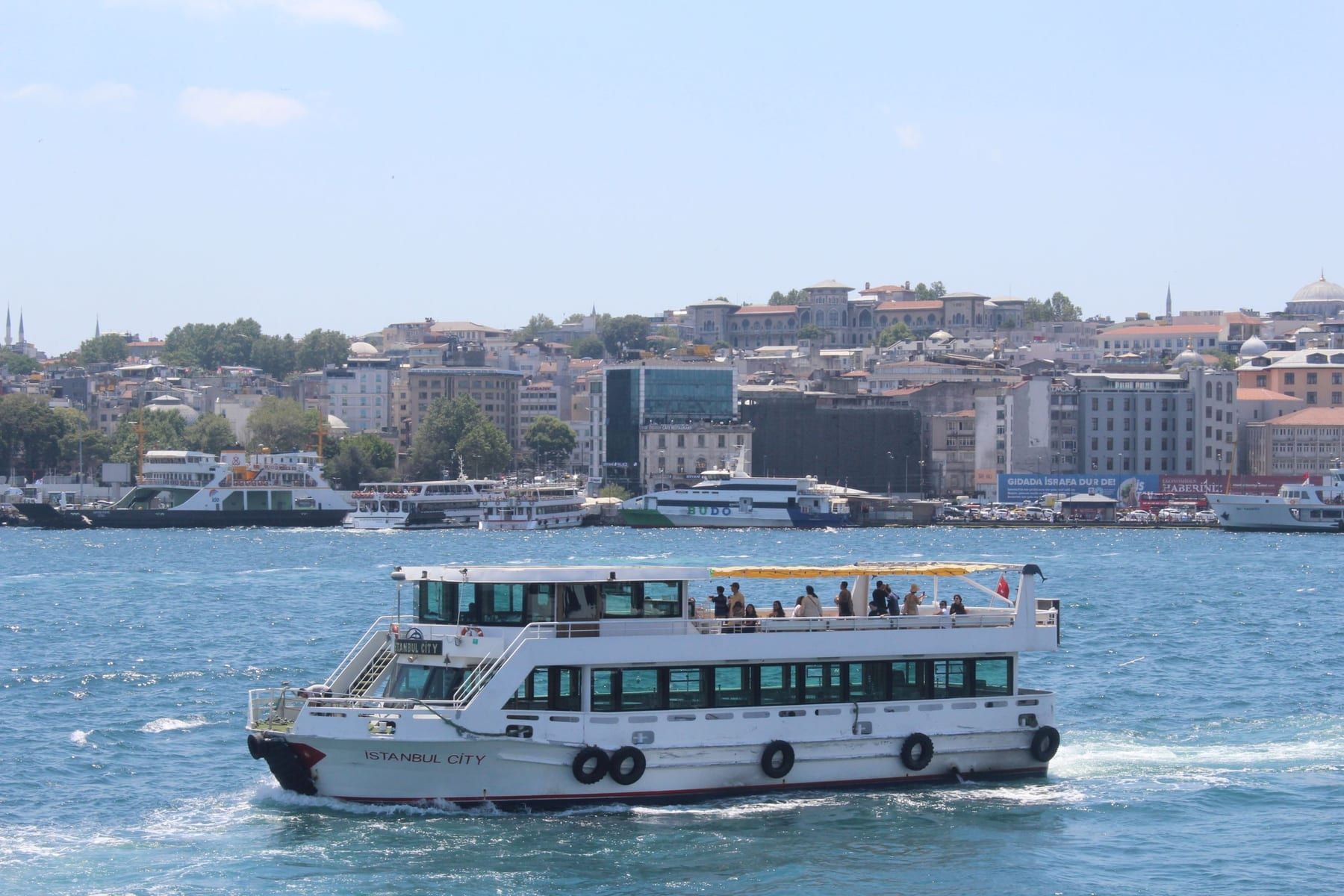
Tourist Bosphorus cruises cost CHF 20 to 40 (about EUR 21 to 43) and show you roughly the same as the public ferry line 15 (Boğaz Hattı) for the equivalent of CHF 2 with the Istanbulkart. This ferry runs the length of the Bosphorus, stops at several piers and gives you a genuine feel for the strait with its yalıs (historic wooden villas) and fortresses. A crossing from Eminönü to Anadolu Kavağı and back takes about 2.5 hours each way.
Sultanahmet (the old city) is close to the big sights but quiet to dead at night and heavily geared towards tourists. Beyoğlu (around Istiklal Caddesi and Taksim) is livelier, more modern and closer to real city life. Karaköy and Galata, between the old city and Beyoğlu, are the best choice for many: walking distance to Hagia Sophia and the bazaar, with good cafés and restaurants on your doorstep. First-time visitors do best in Karaköy or Galata.
Taxi drivers at the airport who say "no meter": always insist on the meter, or better still take the metro (IST has a direct link to the city). Restaurants with picture menus in English right in front of the Blue Mosque: one street further on is better and half the price. Carpet dealers who lead you to a "friend" or "brother" and invite you for tea: that is a well-known sales routine, and a polite no is always fine.
Three days are enough for the highlights (Hagia Sophia, Topkapı, Bosphorus, bazaar, Kadıköy). Five days allow a relaxed pace with a day on the Asian side and one for the Princes' Islands. If you really want to discover Istanbul, stay a week.
April to May and September to October: pleasant temperatures (15 to 22 degrees), fewer high-season prices. July and August are hot (up to 34 degrees) and crowded. Winter is mild by European standards, sometimes rainy, but the sights are much quieter and hotels cheaper.
The M11 metro links the new airport directly with Gayrettepe (change onto the existing network) in about 40 minutes for a few lira with the Istanbulkart. A taxi is more comfortable but costs CHF 25 to 50 (about EUR 27 to 54) depending on traffic. Uber works in Istanbul and is often cheaper than a taxi.
It depends on your nationality. Swiss nationals and travellers from many other countries need an e-visa, which is easy to apply for online (evisa.gov.tr); it currently costs around USD 50 and is issued within minutes. Citizens of many EU countries and the UK are currently visa-exempt for tourist stays. Check the official site before you travel, and apply in advance, not at the airport.
Istanbul is generally safe for tourists. Pickpocketing in crowded areas (Grand Bazaar, Taksim) is the most common problem, so leave valuables at the hotel or keep them in a money belt. Political protests can happen: avoid Istiklal Caddesi if something is going on. Sultanahmet is quiet and safe in the evening, Beyoğlu livelier.
The Hagia Sophia has been an active mosque again since 2020. It is open daily except during the five prayer times (about 90 minutes each). Women need a headscarf (lent at the entrance) and shoes are removed. Early morning is the quietest time. Admission is free.
Istanbul · Cappadocia
The city on two continents and the fairy chimneys in one week: this route is the reason most people travel to Turkey for the first time, and it works entirely without a car.
Istanbul · Bursa · İznik · Edirne
The Ottomans had three capitals before they took Constantinople, and two of them lie around the Sea of Marmara. You visit them by ferry and bus, plus İznik, where the tiles come from, and return to Istanbul as if seeing it for the first time.
During the fasting month of Ramadan, practising Muslims abstain from food and drink from sunrise to sunset. Little changes for travellers: restaurants stay open in cities and resort towns, while in conservative regions (Konya, south-eastern Anatolia) many places close during the day. In the evening, at the breaking of the fast (iftar), streets and squares fill up, in Istanbul around the Sultanahmet Mosque for instance.
For travellers: Eat and drink discreetly during the day in conservative cities, book a table early in the evening, and expect heavy traffic just before iftar.
The biggest film festival in Turkey, organised by the cultural foundation IKSV, shows over 150 films from around the world in cinemas around Beyoğlu and Kadıköy, many with English subtitles. International premieres, Turkish competitions and retrospectives. Tickets cost a few francs and are sold online via the IKSV site; popular screenings go fast.
For travellers: No effect on hotels or traffic, but a good opportunity to experience Istanbul's cinema culture away from the tourist trail.
The tulip came to Holland from Turkey, and Istanbul reminds you of it every year: the city plants millions of tulips in parks and on traffic islands, most spectacularly in Emirgan Park on the Bosphorus and in Gülhane Park next to Topkapı Palace. In Sultanahmet Park a tulip carpet of hundreds of thousands of blooms is laid out. Free, no programme, just go.
For travellers: Emirgan is overrun on April weekends; on a weekday morning you have the park almost to yourself. April is an ideal time to visit Istanbul.
The IKSV's classical music festival, running since 1973, with orchestras, chamber music and opera in historic venues: in Hagia Irene inside Topkapı Palace, in museums, palaces and churches on the Bosphorus. International soloists and orchestras, plus Turkish composers. The Hagia Irene concerts are the highlight and sell out early; tickets from around CHF 15 (about EUR 16).
For travellers: No effect on hotels, but the Hagia Irene concerts are a rare chance to see the Byzantine church from the inside in the evening.
Organised by the IKSV, with jazz, world music and pop on open-air stages in parks, gardens and on the Bosphorus, for instance in the Harbiye open-air theatre or the gardens of old palaces. International names and the Turkish scene, plus free concerts in neighbourhoods on a «Jazz in the Parks» day. Tickets from around CHF 20 (about EUR 21); the big names sell out early.
For travellers: Istanbul is hot and crowded in July; the open-air evening concerts are the most pleasant way to experience the city.
The most important exhibition of contemporary art in Turkey, organised by the IKSV since 1987. International artists take over warehouses, hamams, schools and museums around Beyoğlu, Karaköy and Kadıköy. The 18th Biennial is designed as a multi-year format, with exhibitions in 2025 and a finale in 2027. Entrance is mostly free or a few francs; the programme is on the IKSV site.
For travellers: For art lovers a reason to schedule an Istanbul trip for the autumn; the Biennial has no effect on hotels or traffic.
The most important national holiday commemorates the proclamation of the Republic in 1923. Military parades in Ankara, torchlight processions and fireworks over the Bosphorus in Istanbul, flags everywhere, Atatürk portraits on facades. Government offices, banks and many shops close from noon on 28 October; museums and restaurants in tourist areas stay open. In the evening the waterfront promenades are packed.
For travellers: The fireworks over the Bosphorus are best seen from the ferries and from Üsküdar; traffic around Taksim and the waterfront is closed.
The only marathon in the world across two continents: start on the Asian side, across the 15 July Martyrs Bridge to Europe, finish in Sultanahmet. Alongside the marathon there is a 15 kilometre race and a fun run across the bridge in which tens of thousands take part. Entry fees around CHF 40 to 90 (about EUR 43 to 96), online registration from spring; the Bosphorus bridge can only be crossed on foot on this one day.
For travellers: The waterfront roads on both sides are closed until the afternoon on Sunday; book hotels in Sultanahmet and on the Bosphorus early.
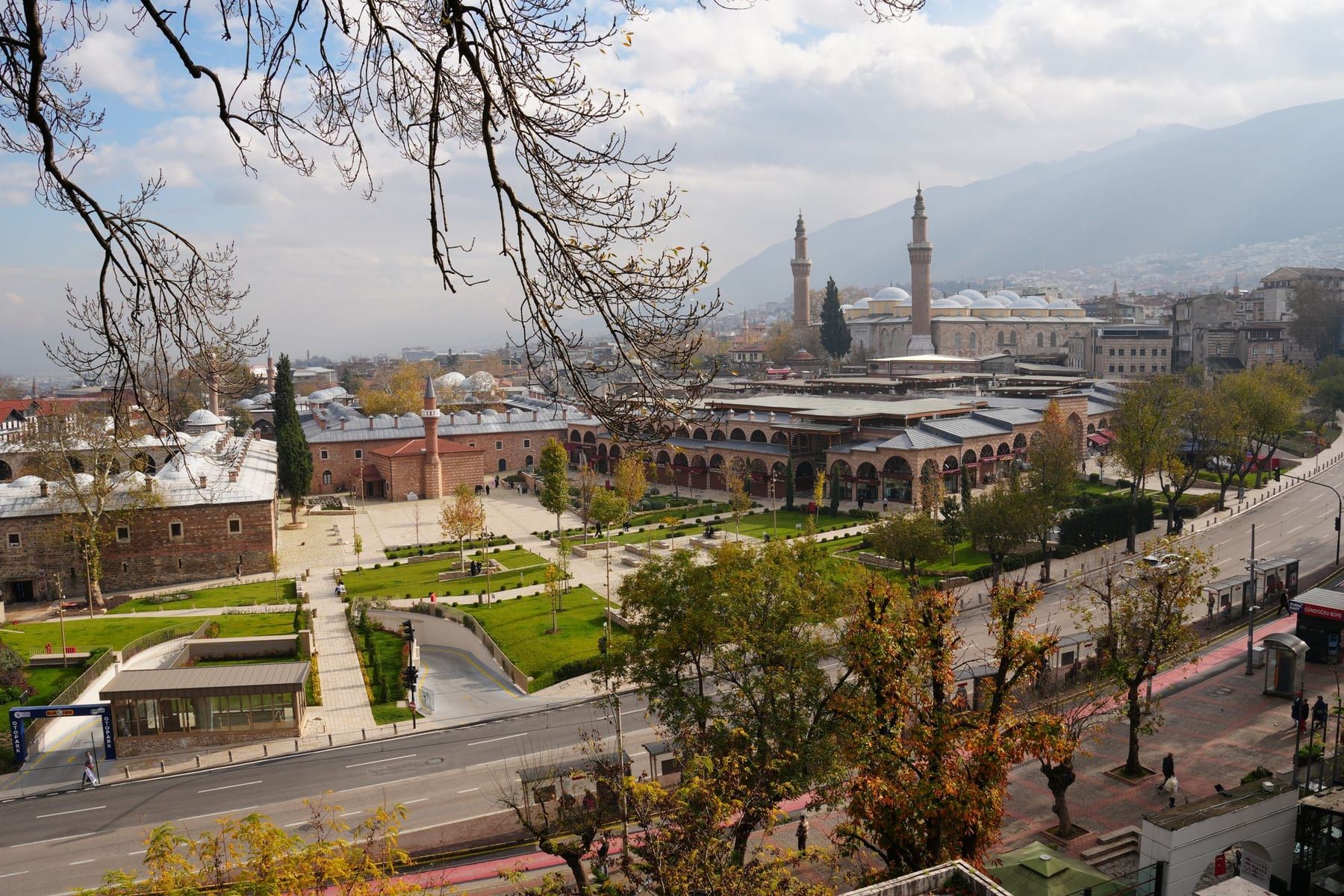
What a few days in the first Ottoman capital really cost, where the İskender kebab was invented and how to experience Uludağ without the tourist markup.
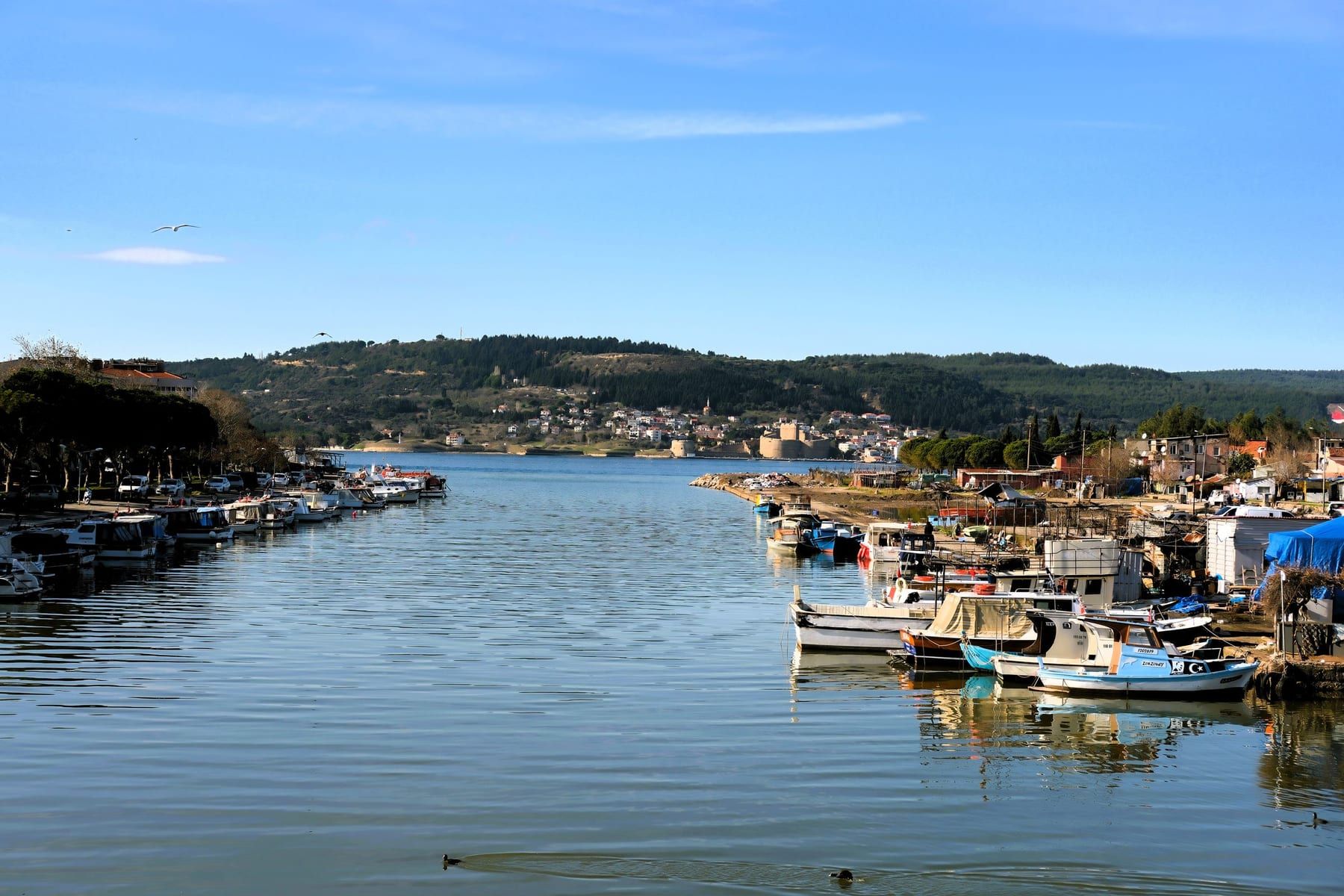
What a week on the Dardanelles really costs, how to see Troy without disappointment and why Bozcaada is the most beautiful island hardly anyone outside Turkey knows about.
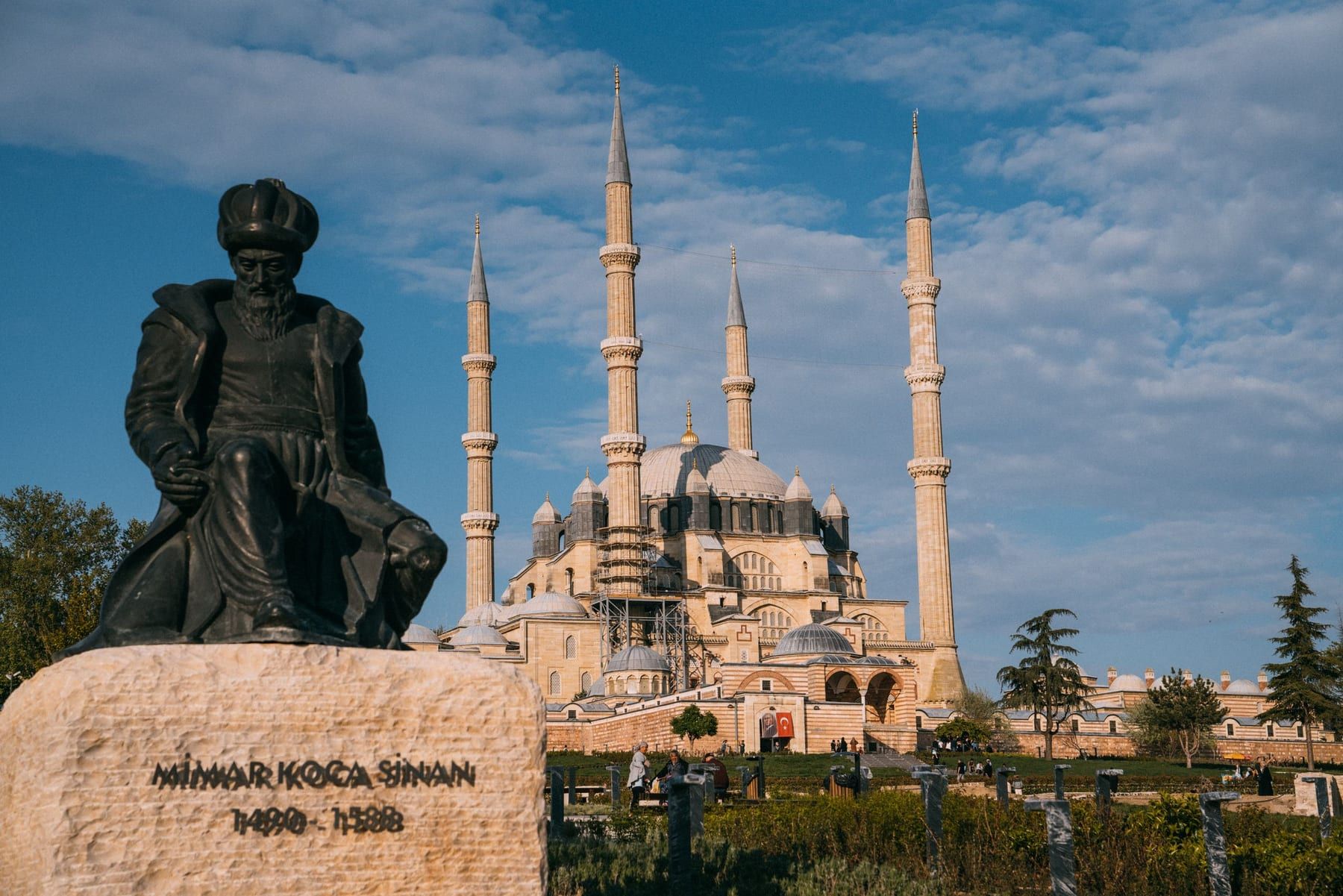
What two days in the second Ottoman capital really cost, why Sinan's masterpiece is worth any journey and how to eat the liver like a local.
What a few quiet days on Lake İznik cost, why the city of the councils and the tiles deserves more than a side trip, and where to buy the genuine ceramics.