Activities

Diving and Snorkelling

Kaş is rated the best dive site in the Mediterranean, Okinawa is Japan's coral paradise, and both cost less than a course in Lake Zurich.

Best months: JanFebMarAprMayJunJulAugSepOctNovDec

Kaş: the best dive area in Turkey

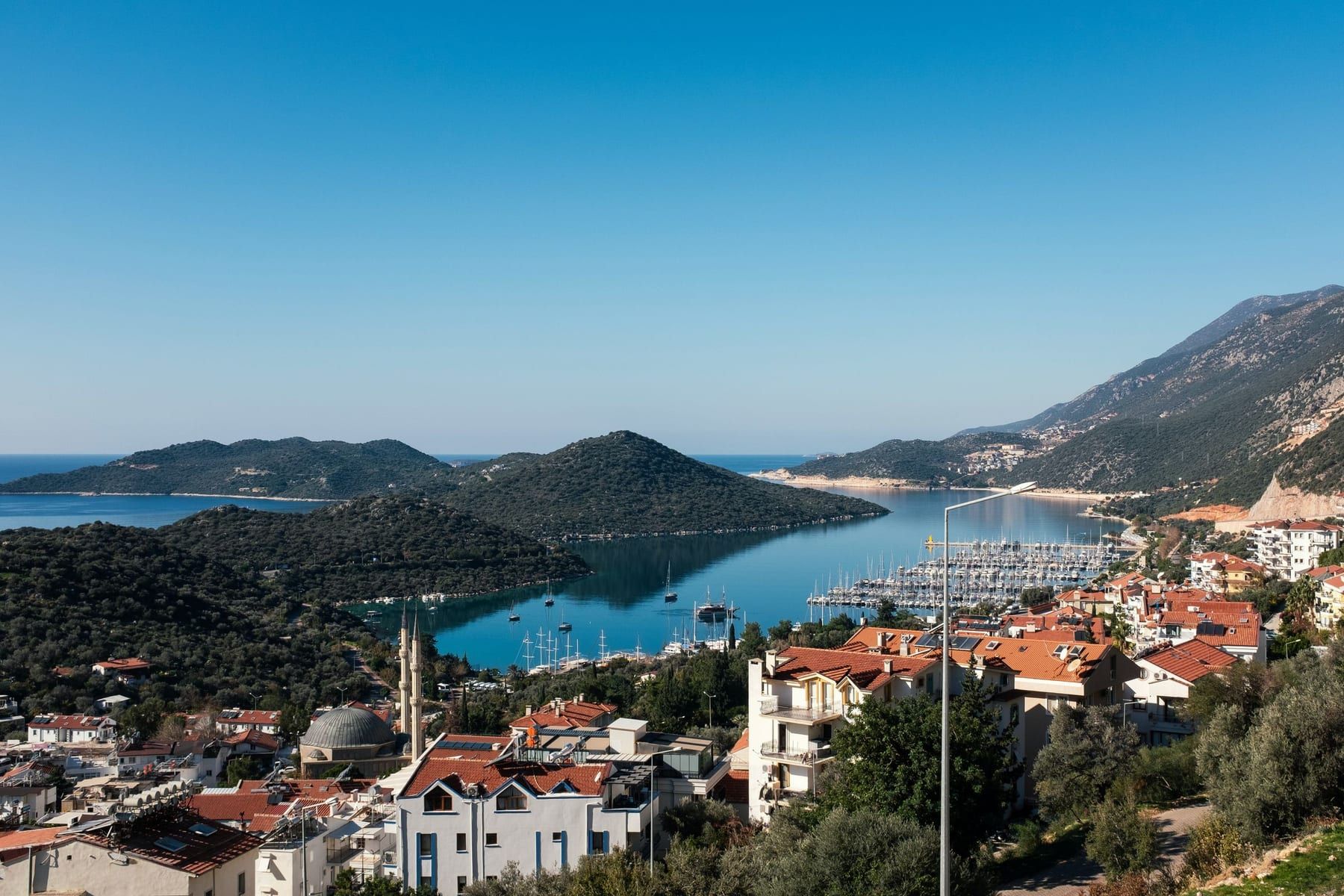
Kaş has over 30 dive sites within boat range and more than a dozen dive centres. The highlights: the wreck of a Dakota aircraft at about 20 metres, sunk deliberately for divers; the freighter Dimitri; the Canyon with its walls; and Flying Fish Reef with groupers and schools of barracuda. Visibility is often 30 metres, water temperature from 18 degrees in May to 27 degrees in September. A two-tank boat dive costs CHF 60 to 90 (about EUR 64 to 96) including equipment; ten-dive packages are cheaper. The centres head out in the morning and are back around 3 pm; the afternoon is free for the town. Kaş, with its stone lanes and bars, is pleasantly low key, and guesthouses cost CHF 40 to 80. In July and August the boats are full; in June and September you have more peace and equally good water.
Kekova, Bodrum, Çeşme and Ayvalık

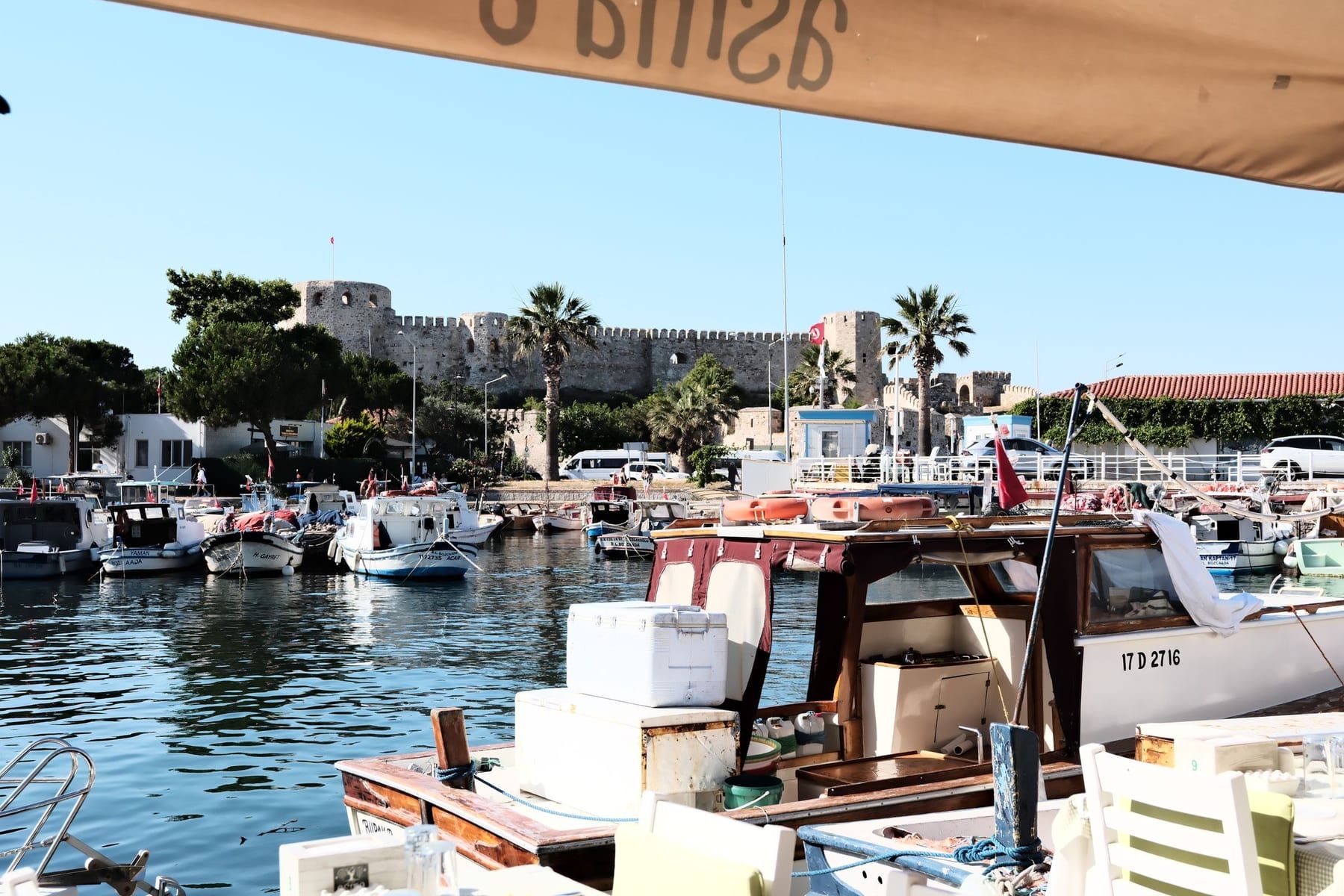
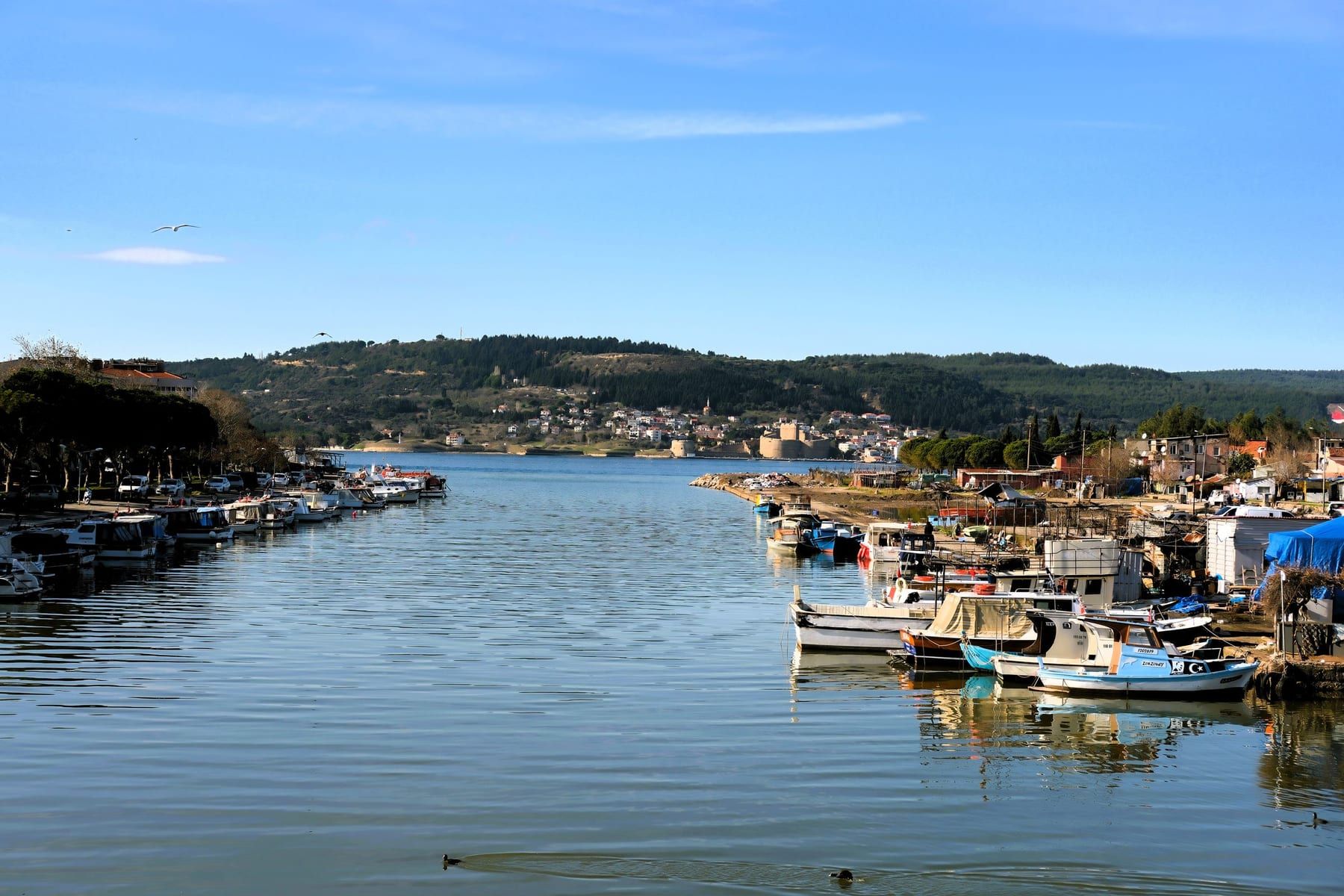
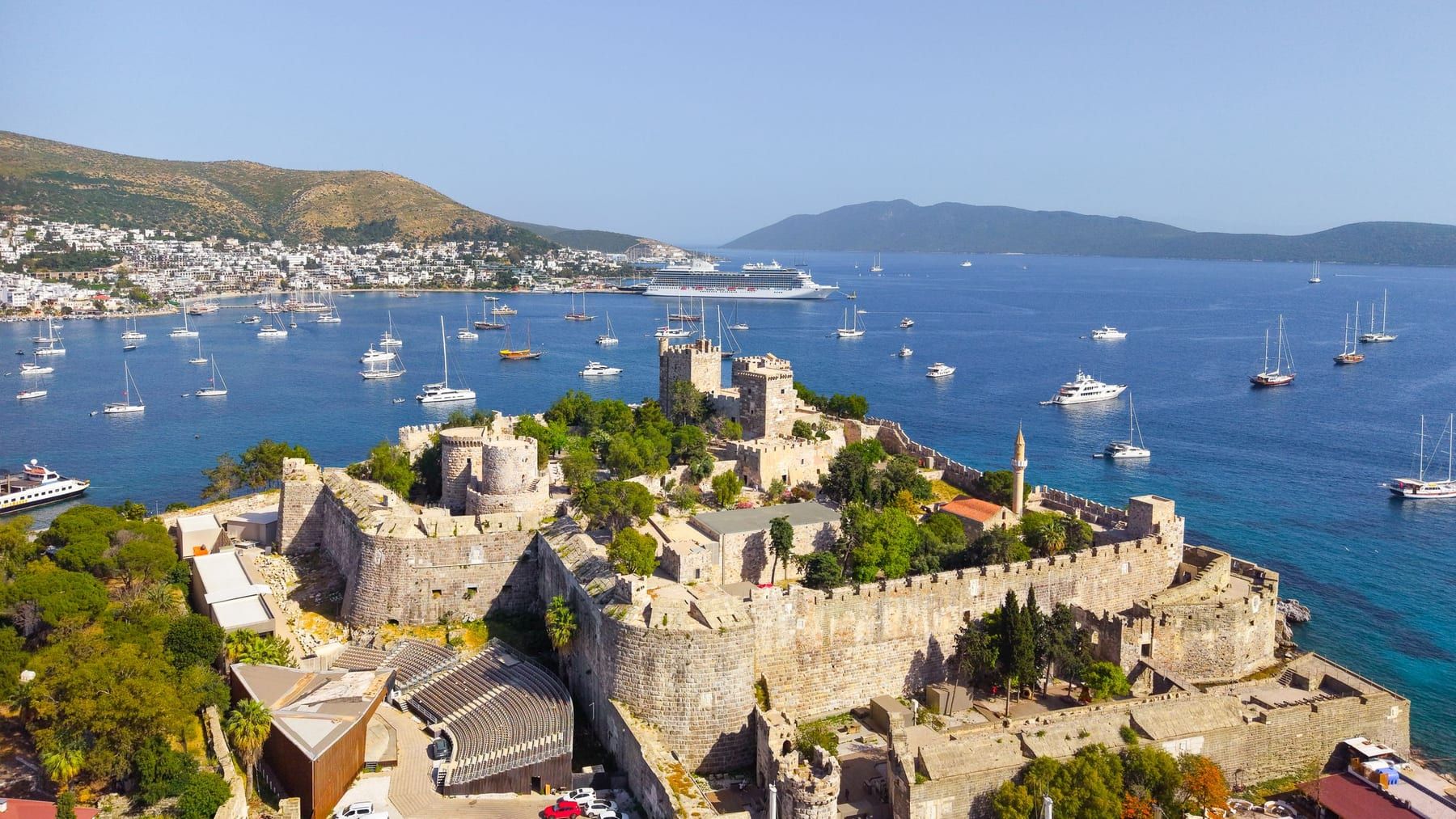
Kekova, an hour by boat from Kaş, is a protected area because of its sunken ruins: diving is banned there, but snorkelling and kayaking over the walls are allowed and very rewarding. Bodrum has wrecks at diving depth, reefs near the islands and many centres offering day trips for CHF 50 to 80 (about EUR 54 to 86) per two-tank dive; the marine life is a little less rich than at Kaş, but the infrastructure is bigger. Çeşme and the Karaburun peninsula offer clear Aegean water, rock formations and less traffic. Ayvalık in the north is known for red coral rock, caves and barracuda; the centres are small and personal, the prices similar. Saros Bay near Çanakkale is an insider tip for wreck divers with several sunken ships and an aircraft. For all areas: mostly boat dives, rarely shore dives, and visibility is best in late summer.

Courses: Open Water in Kaş instead of a cold lake

If you want to get your diving certification, Turkey is the right place. A PADI or SSI Open Water Diver course takes three to four days and costs CHF 350 to 450 (about EUR 375 to 480) including equipment, theory and certificate. In Switzerland you pay double for that and dive in a cold lake. Advanced Open Water costs CHF 300 to 400, speciality courses such as wreck or deep CHF 150 to 250. Courses run in English, often in German too, because many instructors have worked for years in Germany or Switzerland. Book ahead, especially in July and August, and ask about group size: four students per instructor is good, eight is too many. You can do the theory in advance at home via e-learning and save a day. You need a medical certificate if you have pre-existing conditions; the questionnaire is taken seriously.

Snorkelling without a tank

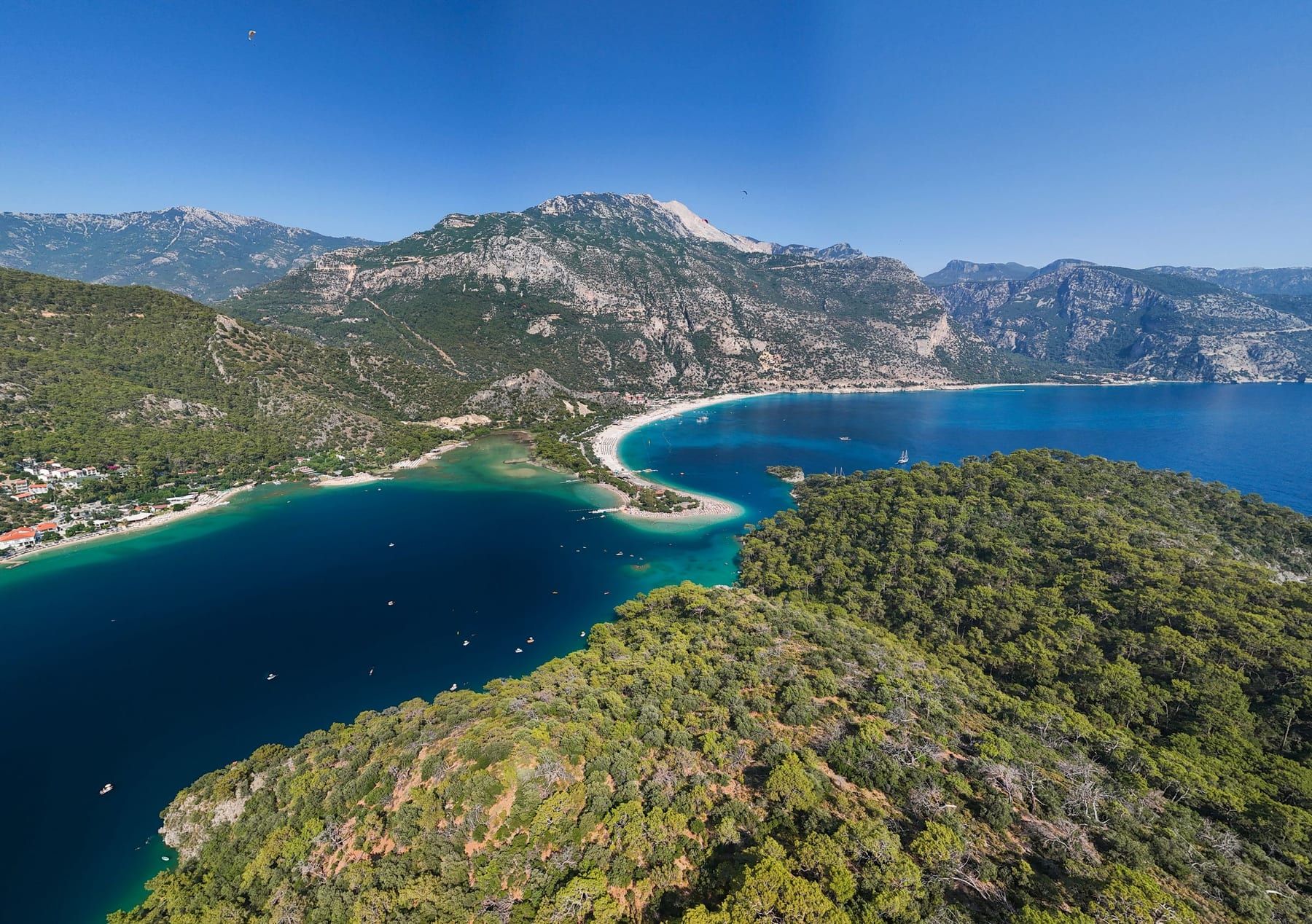
For snorkellers, the sunken ruins of Kekova are the first stop; the water is shallow and you see walls, stairs and amphorae. Day boats leave Kaş for CHF 30 to 50 (about EUR 32 to 54) with lunch, and kayak tours over the ruins cost about the same. Other good snorkelling spots: the coves around Kaş itself (Limanağzı by water taxi), the Blue Lagoon at Ölüdeniz in the morning before the crowds, the islands off Bodrum and the rocky coves near Çeşme. In the Aegean you see seagrass meadows, bream, red mullet, occasionally moray eels and octopus, and with luck sea turtles at Dalyan or Patara. Your own mask and snorkel are worth bringing; the rental sets on boats are often poor. A UV shirt protects against sunburn on your back, the most common reason for a ruined day. You only need fins if you want to snorkel longer stretches along the coast.

Season, safety and typical mistakes

The season runs from May to the end of October, with the warmest water in August and September. In May you need a 7 millimetre suit; in September 5 millimetres is enough. All reputable centres have oxygen on board and work with decompression chambers in Antalya and Bodrum. Check that your dive insurance covers Turkey; DAN or travel insurance with a diving clause makes sense. Typical mistakes: diving on departure day (24 hours' break before flying), starting after a two-year break without a refresher dive, booking the cheapest stall and ending up diving in a group of 12, and leaving your logbook at home. Renting equipment is usually cheaper than hauling it along; bring only your mask, computer and perhaps your own suit. Tipping the crew is customary, CHF 5 to 10 (about EUR 5 to 11) per day.

Japan

Japan, Okinawa: Kerama Islands, Blue Cave and coral

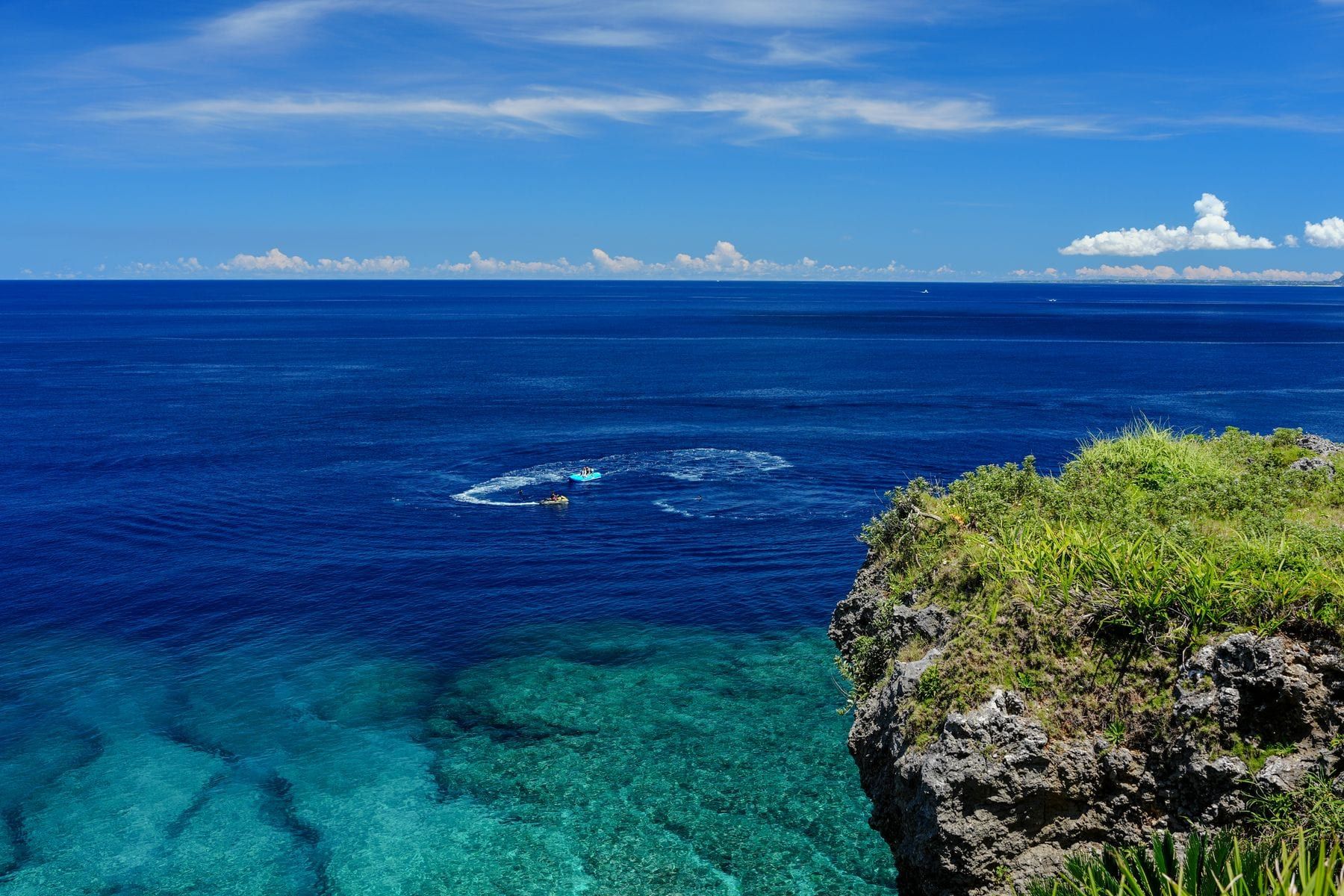
Okinawa lies 1500 kilometres south west of Tokyo at the latitude of Taiwan, and the water is tropical: 21 degrees in February, 29 in August, visibility often 30 metres or more. The best site within reach of Naha is the Kerama Islands, 40 minutes by boat: coral gardens, turtles, whitetip reef sharks and a blue the Japanese call Kerama blue. Day trips with two boat dives cost CHF 90 to 130 (about EUR 96 to 139) including gear, snorkel trips CHF 40 to 70. If you have time, stay on Zamami or Tokashiki in simple minshuku for CHF 50 to 90 and dive from there. On the main island the Blue Cave at Cape Maeda is the classic for beginners and snorkellers, crowded but worthwhile early in the morning. Open Water courses are available in English for CHF 300 to 450, try dives for CHF 60 to 90. From January to March humpback whales pass through the Keramas; whale watching costs CHF 30 to 50. Typhoons are a risk from August to October; winter is calm but a little cool, and a 5 millimetre suit does all year.

Japan

Ishigaki, Yonaguni: mantas, hammerheads and the underwater monument

An hour's flight south west of Naha lie the Yaeyama Islands. Ishigaki is world famous for the manta cleaning stations off Kabira Bay, where giant mantas circle almost daily between June and November; two-tank dives cost CHF 100 to 140 (about EUR 107 to 150), manta snorkel trips CHF 60 to 90. From Ishigaki you reach Iriomote with its mangroves and Taketomi with coral sand streets. Yonaguni, Japan's westernmost island, is for experienced divers: from December to March schools of hammerheads gather there, often in current at 20 to 30 metres. Add the Yonaguni Monument, a rock formation with terraces and sharp edges whose origin has been argued over for decades. The island is small, with few dive centres and lodgings at CHF 60 to 120; flights from Ishigaki take 30 minutes. Current and swell call for experience with at least 30 to 50 logged dives. For the whole region: Japanese dive centres are meticulous about safety and logbooks, tipping is not customary, and if you plan a week, the best combination is the Keramas, Ishigaki and a side trip to Yonaguni.

Tours worth booking

Try dive in Kaş

Discover Scuba Diving for beginners: a short briefing, then a supervised dive to a maximum of 12 metres in a sheltered bay. No certification needed. The best test of whether diving is for you.

View & book →

Two-tank boat dive for certified divers in Kaş

Two dives at wrecks, walls or reefs with guide, equipment and lunch on board. Show your certification and logbook; the centres match the sites to your level.

View & book →

PADI Open Water course in Bodrum

Three to four day diving course with theory, pool training and four open-water dives, certificate included. Bodrum has good centres and enough evening life for the days in between.

View & book →

Kekova kayak and snorkelling over the sunken city

Guided sea-kayak tour over the ruins of Kekova, with snorkelling stops and a visit to Simena. Quieter than the big excursion boats, and you see more from the water.

View & book →

Diving in Çeşme day trip

Boat dives off the Çeşme peninsula and Karaburun in small groups. A good choice if you are visiting Izmir or Alaçatı and want to spend a day underwater.

View & book →
Japan

Kerama Islands boat dives from Naha

Day trip from Naha with two dives on the coral reefs of the Kerama Islands, equipment and lunch on board. For certified divers; snorkellers join the same boat.

View & book →
Japan

Manta snorkelling and diving off Ishigaki

Boat trip to the manta cleaning stations near Kabira, with snorkel or dive option, guide and small group. Best chances from June to November, often combined with a reef stop.

View & book →

If you book through these links we earn a small commission, at no extra cost to you.

Where

Frequently asked questions

Where is the best place to dive in Turkey?

Kaş, without much debate. Over 30 dive sites, wrecks, walls, visibility up to 30 metres and many professional centres. Bodrum is the alternative with more infrastructure; Ayvalık and Çeşme are quieter.

What does a diving course cost?

Open Water Diver CHF 350 to 450 (about EUR 375 to 480) including equipment and certificate, Advanced CHF 300 to 400. A two-tank boat dive for certified divers CHF 60 to 90, a try dive CHF 50 to 80.

When is the diving season?

May to October. The water is 18 degrees in May, 26 to 27 degrees in August and September. The best combination of visibility, warmth and calm is in September and early October.

Can I dive at Kekova?

No, the sunken city is a protected area and diving is banned. Snorkelling and kayaking over the ruins are allowed and very rewarding. For diving you go from Kaş, an hour away.

Are there sharks or dangerous animals?

You practically never see sharks; the few species in the Mediterranean avoid divers. Watch out for fireworms, weever fish in the sand and sea urchins at the entry. Water shoes and a look before you put your hand down are enough.

When is the best time to dive in Okinawa?

All year works, with highlights: mantas off Ishigaki from June to November, hammerheads off Yonaguni from December to March, whales in the Keramas from January to March. The warmest water and most stable visibility are from June to October, but that is typhoon season. April, May and November are a good compromise. At CHF 90 to 140 (about EUR 96 to 150) per two-tank dive, prices are a bit above Turkey.