Geneva

Switzerland · Lake Geneva & Valais · Travel guide

Geneva

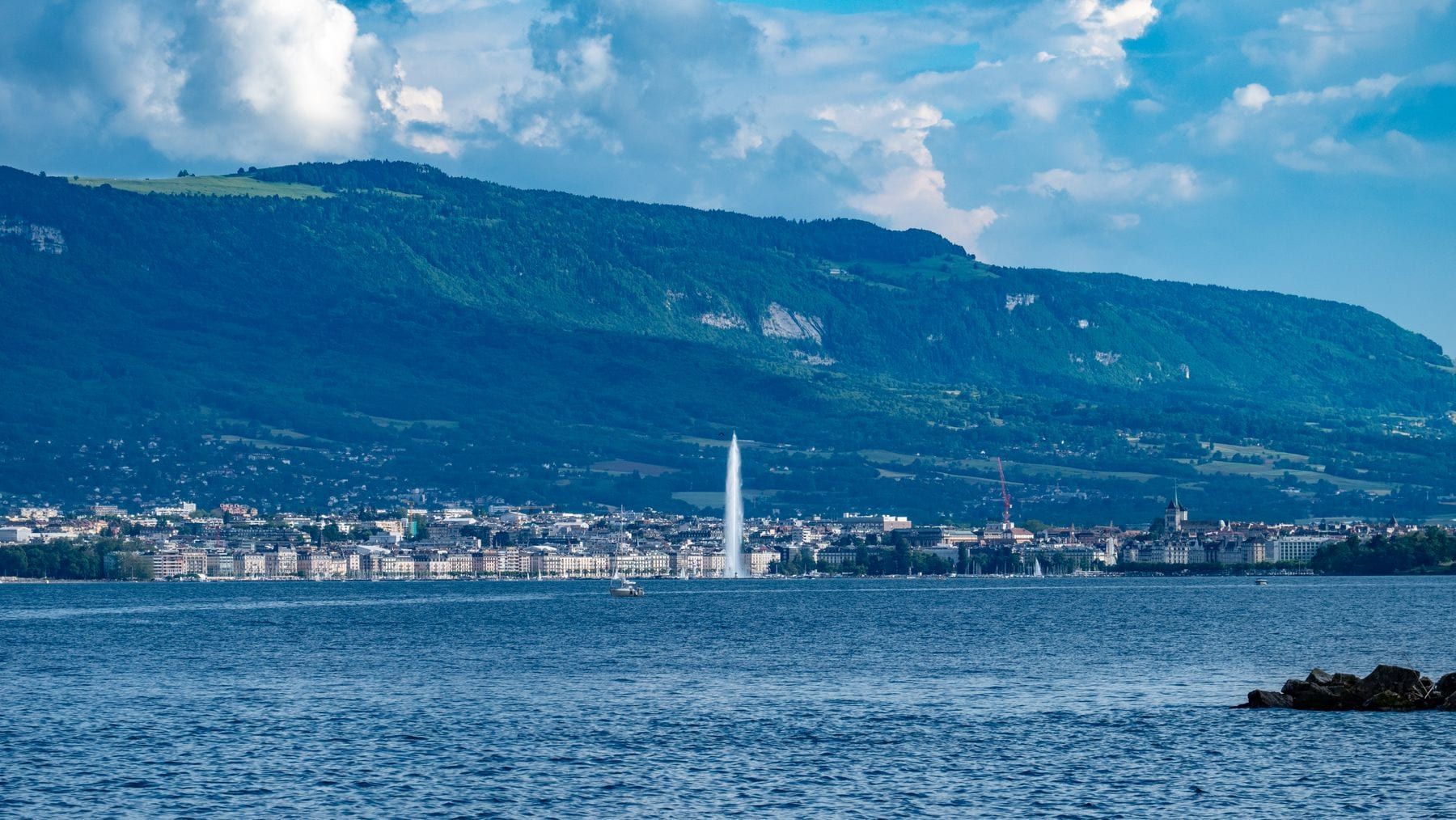
What a weekend in the international city on the lake really costs, why you need your hotel's free transport card, and where Geneva looks like a neighbourhood rather than a bank.

Photo: Christopher Politano / Pexels

What does a trip to Geneva cost?

Adjust the values to your trip: the calculator updates live (EUR, converted from CHF estimates).

1,963 EUR
≈ 982 EUR per person
  • Getting there 150 EUR
  • Accommodation 1,070 EUR
  • Food 642 EUR
  • Local transport 27 EUR
  • CERN visit with lake cruise 75 EUR

Estimates for orientation, not booking prices. Getting there means train or car from Switzerland, return, per person. Hotels vary strongly by season: current prices are behind the links below.

Money & payment: You pay in Swiss francs (CHF). Cards and the Twint app work practically everywhere, even on alpine pastures. Many shops accept euros but give change in francs at a poor rate. Service is included in prices; rounding up is customary. Getting there: By train (SBB) or car, 1 to 4 hours from Zurich.

Recommended hotels

Nine options in three price ranges, each among the best-rated on Booking.com.

Budget

Geneva Hostel

Pâquis, Geneva

The city's big youth hostel, five minutes from the station and the lake. Dorms and simple double rooms, shared kitchen, breakfast included, Transport Card at reception. For solo travellers and families on a small budget, the only genuinely cheap address in Geneva.

from CHF 45 / night (about EUR 48) View →

ibis Genève Centre Nations

Nations, Geneva

Standard Ibis between the station and the UN district, small rooms, reliably clean, tram outside the door. Well placed for visiting the international organisations and the Red Cross Museum; the lake is a 15-minute walk.

from CHF 110 / night (about EUR 118) View →

Hotel Bernina Geneva

Cornavin, Geneva

Simple two-star hotel directly opposite Cornavin station, an address for travellers passing through for decades. Rooms plain and in part thin-walled, but a location and price that are hard to find elsewhere in Geneva.

from CHF 120 / night (about EUR 128) View →

Mid-range

Hotel Cornavin Geneva

Cornavin, Geneva

Four-star hotel next to the station, known from Hergé's Tintin album "The Calculus Affair" and with the largest pendulum clock in the world in the lobby. Modern rooms, roof terrace with a view of the Jet d'Eau and the Salève, ideal for a weekend without a car.

from CHF 190 / night (about EUR 203) View →

Hotel Edelweiss Geneva

Pâquis, Geneva

Chalet style in the middle of the Pâquis, with Swiss pine, cowbells and a restaurant serving fondue and folklore in the evening. Kitsch, but deliberately and well done, rooms quiet towards the courtyard. For guests who want a piece of the mountains in the city.

from CHF 180 / night (about EUR 193) View →

Hotel N'vY Geneva

Pâquis, Geneva

Design hotel from the Manotel group with a pop art lobby, a good bar and a steakhouse in the building. Rooms modern and well soundproofed, station and lake each five minutes away. For couples and city travellers who like it more urban than the classic Geneva hotel.

from CHF 210 / night (about EUR 225) View →

Luxury

Beau-Rivage Genève

Quai du Mont-Blanc, Geneva

Family-owned since 1865, the city's grand hotel, where Empress Sisi died in 1898. Marble atrium, lake-facing rooms with a view of the Jet d'Eau, the Michelin-starred restaurant Le Chat-Botté. For an occasion, not for the average trip.

from CHF 650 / night (about EUR 696) View →

Four Seasons Hotel des Bergues Geneva

Quai des Bergues, Geneva

Geneva's oldest luxury hotel, from 1834, on the spot where the Rhone leaves the lake. Rooftop spa with pool and a view of the Jet d'Eau, the Italian restaurant Il Lago, service at the level the brand promises. The classic among Geneva's palaces.

from CHF 800 / night (about EUR 856) View →

Mandarin Oriental, Geneva

Quai Turrettini, Geneva

On the Rhone rather than the lake, but quieter and with one of the best spas in the city. Art deco building with large rooms, the restaurant Yakumanka for Peruvian-Japanese cuisine, old town five minutes on foot. For guests who want luxury without the Jet d'Eau postcard.

from CHF 600 / night (about EUR 642) View →

If you book through these links we earn a small commission, at no extra cost to you.

Experiences worth your time

UN tour at the Palais des Nations

The seat of the United Nations in Europe with the assembly hall, council chamber and park, tour around 1 hour for CHF 22 (about EUR 24). Book online in advance and bring your passport, without it you will not get in. In front of it, the three-legged chair on the Place des Nations as a memorial against landmines.

View & book →

CERN Science Gateway

The new visitor centre of the particle physics laboratory, free, open Tuesday to Sunday, two to three hours. Guided tours of the facilities are in demand and have to be booked online weeks ahead. Tram 18 from Cornavin goes straight there.

View & book →

Red Cross Museum

The International Red Cross and Red Crescent Museum opposite the UN, CHF 15 (about EUR 16), 90 minutes to two hours. Three exhibition spaces on dignity, family and disasters, emotionally powerful and for children from twelve. One of the best museums in Switzerland.

View & book →

Old town walk with the cathedral

From the Place du Bourg-de-Four up to Saint-Pierre Cathedral, up the tower (CHF 7, 157 steps), to the Maison Tavel (free) and the Reformation Wall in the Parc des Bastions. Guided two hours from CHF 25 (about EUR 27), on your own half a day with breaks.

View & book →

Lake cruise with the CGN

The CGN's Belle Epoque paddle steamers sail from Geneva to Nyon, Yvoire and as far as Lausanne. A one-hour round trip costs around CHF 20 (about EUR 21), Half Fare Card and GA are valid, the half day to Yvoire with its medieval village around CHF 50. The boat is the most beautiful way to see the lake.

View & book →

Bains des Pâquis

The 1932 bathing establishment on the pier in the lake, CHF 2 (about EUR 2) admission, in winter sauna and hammam from CHF 20, buvette with fondue and breakfast. Sunrise from here, with the Jet d'Eau opposite, is the Geneva moment you do not have to pay for.

View & book →

Patek Philippe Museum

Five centuries of watchmaking in Plainpalais, CHF 10 (about EUR 11), two hours, guided tours in German on Saturday. Even if you are not interested in watches, the automata and enamel work of the 18th century will astonish you. No photography, rucksack to the cloakroom.

View & book →

Salève by cable car

Geneva's local mountain lies in France, bus 8 to Veyrier-Douane, across the border on foot, cable car around CHF 15 (about EUR 16) return. At the top, views of the city, lake and Mont Blanc, hiking trails, paragliders. Bring your passport or ID, allow half a day.

View & book →

Wine tasting in Satigny

The largest wine-growing village in Switzerland is twelve minutes by train from Cornavin. Tastings at the wineries from CHF 10 to 15 (about EUR 11 to 16), guided tours with three cellars from CHF 90. On the open cellars day in May the whole village is out and about.

View & book →

If you book through these links we earn a small commission, at no extra cost to you.

Food & drink

Geneva eats French, with the ingredients of the lake and Geneva's market gardens, and alongside that as internationally as hardly any city of this size: in the Pâquis, Beirut, Asmara and Bangkok sit on one street. Its own cuisine is small, but it exists, in winter with Longeole and cardoon, in summer with fish and Chasselas by the lake.

Longeole

Brasseries in Carouge and around the Place du Bourg-de-Four

Coarse pork sausage with fennel seeds and rind, simmered for two hours, served with potato gratin or lentils. Hearty and wintry, CHF 28 to 35 (about EUR 30 to 37) at a brasserie.

Tip:Only on the menu from October to March, and one portion keeps you going all day.

Filets de perche au beurre

Buvette des Bains des Pâquis and the fish restaurants on the quay in Eaux-Vives

Perch fillets fried in butter, with lemon, chips and tartare sauce. The Lake Geneva classic, CHF 32 to 45 (about EUR 34 to 48) when the fish really comes from the lake, cheaper otherwise.

Tip:Ask about the origin: "du lac" is rare and expensive, farmed perch is honest and good.

Gratin de cardons

Market in Plainpalais and Halle de Rive in winter, as a dish in Carouge bistros

The Geneva cardoon with protected origin (AOP), braised and baked with cheese, tastes somewhere between artichoke and celery. Side dish CHF 10 to 14 (about EUR 11 to 15), the Genevans' Christmas dish.

Fondue moitié-moitié

Buvette des Bains des Pâquis, in winter with a view of the Jet d'Eau

Half Gruyère, half Vacherin Fribourgeois, creamier than the Zurich fondue, with bread and kirsch. CHF 25 to 32 (about EUR 27 to 34) per person.

Tip:The buvette does not take reservations, come before 6.30 pm or wait until 8 pm.

Malakoff

Restaurants in Vinzel and Luins on La Côte, 30 minutes by train

Deep-fried cheese balls made of Gruyère, white wine and garlic, a speciality from Vinzel on La Côte, named after the Crimean battle of 1855. CHF 7 to 9 (about EUR 7 to 10) each, two make a meal.

Marmite de l'Escalade

Every confiserie in the city from the end of November, for example Auer on the Rue de Rive

Chocolate cauldron filled with marzipan vegetables, smashed at the table on 12 December. From CHF 5 (about EUR 5) for the small one to CHF 80 for the shop-window version.

Tip:The oldest and the youngest smash it together with the words "Ainsi périssent les ennemis de la République".

Geneva Chasselas

Wineries in Satigny, buvettes on the lake

Light white wine from Satigny and Dardagny that belongs with fish. CHF 6 to 9 (about EUR 6 to 10) per decilitre in a restaurant, a bottle from CHF 14 at the winery.

Tip:The Gamaret, a Geneva red grape variety bred in 1970, is the more exciting wine if you like red.

Mezze in the Pâquis

Rue de Berne and Rue de Monthoux, Pâquis

Hummus, tabbouleh, falafel and grilled meat at the Lebanese restaurants around the Rue de Berne, full for CHF 20 to 28 (about EUR 21 to 30) per person. The cheapest good food in the city.

Tip:At lunchtime there are sandwich versions for CHF 10 to 12 to take away to the lake.

Book a food tour: Geneva

Through markets and eateries with a guide, tastings included.

View & book →

If you book through these links we earn a small commission, at no extra cost to you.

History & background

Geneva was already Roman when Caesar had the bridge over the Rhone torn down in 58 BC to stop the Helvetii. In the Middle Ages the trade fairs made the city rich, and the bishops and the House of Savoy fought over it until Geneva broke away from both as a republic in 1536. In the same year Jean Calvin arrived, and the trading town became the "Protestant Rome": strict morals, but also schools, printing presses and refuge for religious refugees from France and Italy, who brought watchmaking and banking with them. The night of the Escalade in 1602, when the Genevans repelled an attack by Savoy, is still celebrated by the city every December. In 1815 Geneva joined the Swiss Confederation, the last canton to do so together with Valais and Neuchâtel. Henry Dunant founded the Red Cross in 1863, the first Geneva Convention was signed in 1864, and ever since Geneva has been the city of negotiations: the League of Nations from 1920, then the UN, WHO, WTO, UNHCR and around 40 international organisations with 750 non-governmental organisations. CERN, in the west of the city, produced the World Wide Web as a by-product in 1989. Today Geneva, with 200,000 inhabitants, is the second-largest city in Switzerland, almost every second resident has no Swiss passport, and the Jet d'Eau, originally a pressure relief valve for the waterworks in 1886, shoots 140 metres high above the lake.

Insider tips

Getting there and around: train, free public transport and the Mouettes

From Zurich the IC reaches Genève Cornavin in 2 hours 45 minutes, from Bern in 1 hour 45 minutes, from Basel in 2 hours 40 minutes. With a Half Fare Card, Zurich return costs around CHF 90 (about EUR 96), and supersaver tickets start at CHF 25 each way if you book two to three weeks ahead. By car it is 280 kilometres on the A1, but parking in Geneva costs CHF 30 to 50 a day, and the city is one big loop of one-way streets and roadworks. Leave the car at home or in a P+R on the edge of town (CHF 12 a day including a day pass). Once there you hardly need public transport, because almost everything is within walking distance, and when you do, it is free: every hotel, hostel and campsite gives you the Geneva Transport Card on arrival, with which trams, buses, trains within the city and the yellow Mouettes boats across the lake cost nothing. Even on the day you arrive, a free ticket from Cornavin station applies, which you pick up from the machine in the baggage hall, valid for 80 minutes. The Mouettes are the best city tour in the world: from the Pâquis to the Jardin Anglais in five minutes, with a view of the Jet d'Eau and, when the foehn blows, of Mont Blanc.

Where to stay: Pâquis rather than Rive Gauche, and when the city is full

Geneva, together with Zurich, is the most expensive hotel city in Switzerland, and the reason is not tourism but conferences. When the motor show was running in January or the watch fair Watches and Wonders takes place in March, an Ibis costs CHF 250 (about EUR 268), in a normal week CHF 110. So check the Palexpo events calendar before you book. The big names (Beau-Rivage, Four Seasons, Mandarin Oriental) stand on the right bank on the Quai du Mont-Blanc, and a room with a lake view there starts at CHF 600. The neighbourhood behind it, the Pâquis, is the opposite: dense, multicultural, with Lebanese, Eritrean and Portuguese restaurants, a red-light element that barely registers during the day, and solid mid-range hotels for CHF 150 to 220. From here you are five minutes from the station and the lake. If you want it quieter, take Eaux-Vives on the left bank (new station, CEVA line) or Carouge, which is ten minutes from the centre on tram 12. There are few hostels; the Geneva Hostel in the Pâquis is the largest, from CHF 45 in a dorm. And if you are tempted to look across the border: Annemasse in France has hotels for half the price and is 20 minutes from Cornavin on the Léman Express, although the Transport Card is not valid there.

Cost traps and money savers: free museums, lunch menus, lake access

A cappuccino on the quay costs CHF 6 (about EUR 6), a beer CHF 8 to 9, a dinner with wine quickly reaches CHF 70 per person. The following helps. First: the municipal museums (Musée d'Art et d'Histoire, Musée Ariana for ceramics, Maison Tavel in the old town) are free for their permanent exhibitions, always. The Red Cross Museum costs CHF 15, the Patek Philippe Museum CHF 10, the UN tour CHF 22, CERN is free. Second: at lunchtime there is a "plat du jour" everywhere for CHF 18 to 25, in the same restaurants that charge double in the evening. Third: the lake is your lido. The Bains des Pâquis charge CHF 2 admission, at the Plage des Eaux-Vives, the city beach created in 2020, you pay nothing, and the Baby-Plage by the Jardin Anglais is free for families. Fourth: the Migros and Coop restaurants are not a step down but what Geneva office workers do at lunchtime. Fifth: water from the fountains is drinking water, and in a restaurant order "une carafe" instead of mineral water, which otherwise costs CHF 8. And the trap: restaurants right on the Place du Bourg-de-Four with photo menus, where you pay CHF 35 for a fondue that costs CHF 26 in Carouge.

Timing: Escalade, Fêtes de Genève and the Jet d'Eau question

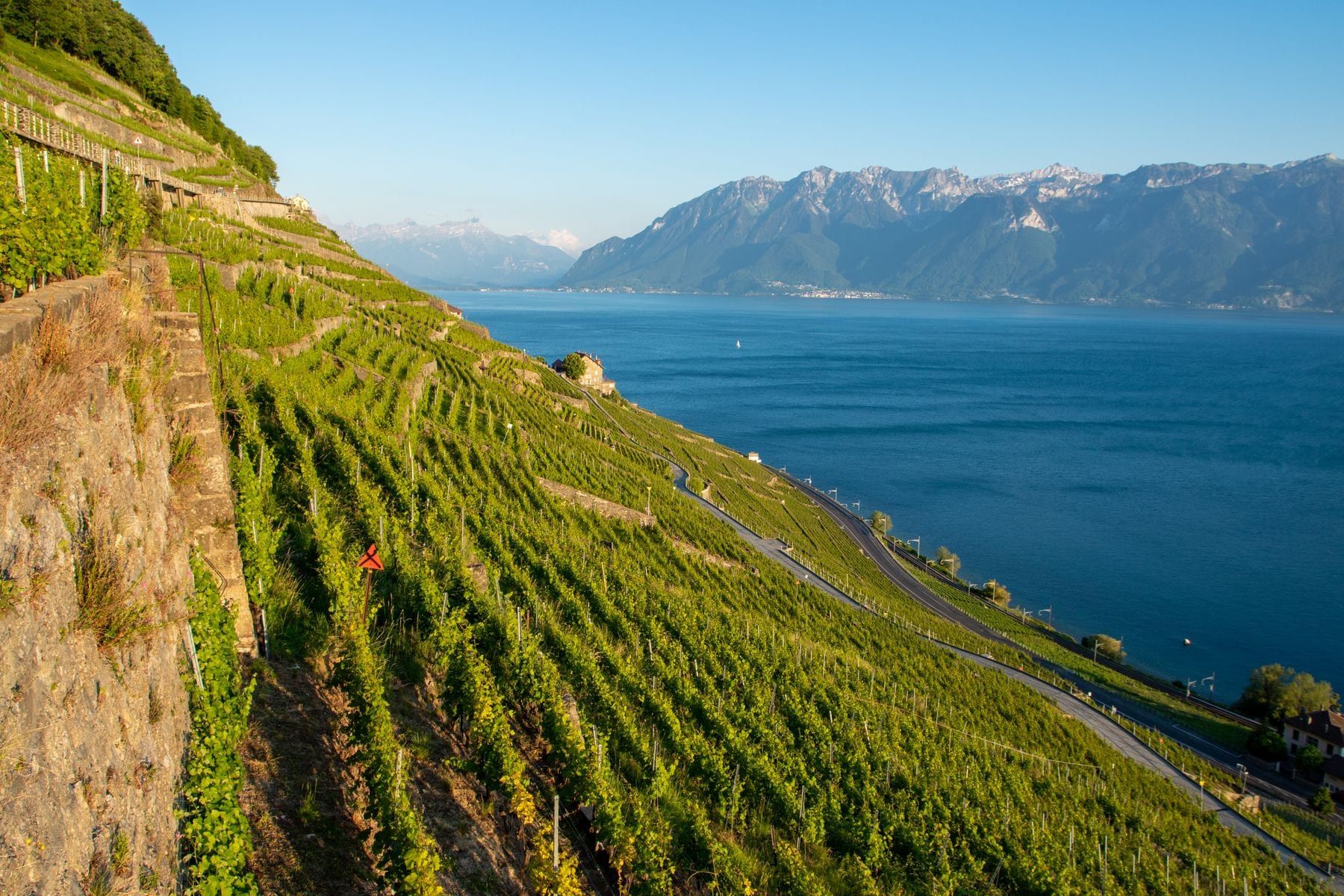
Geneva is a year-round destination, but its character changes. May to September is lake season: the Bains des Pâquis stay open until 9 pm, the Mouettes run frequently, and in the evening the whole city sits by the water. The Fêtes de Genève in August bring fireworks, stalls and full hotels, in a slimmed-down form in recent years. In autumn the city is empty and cheap, and the vineyards of Satigny and Dardagny are ten minutes away by train. December is the most beautiful time for Geneva if you can take the cold: on the weekend around 12 December the city celebrates the Escalade with a torchlight procession in historical costume through the old town, mulled wine and the Marmite, a chocolate cauldron filled with marzipan vegetables that the youngest and the oldest at the table smash together. The Jet d'Eau does not always run: in strong wind, frost and sometimes in winter it is switched off, and in the evening it is lit until 10.30 pm. If it matters to you, check the day. The Bise, the cold north-easterly wind, can blow for days in winter and spring and at minus 10 degrees freezes the quays into ice sculptures of spray. Avoid the trade fair and conference weeks, see above, and make use of the summer holidays in July, when the international staff are away and prices drop.

Underrated: Carouge, Plainpalais, the Salève and Mont Blanc in view

Carouge was built in the 18th century by the King of Sardinia as a rival town to Geneva, with Italian architects and wide streets, and to this day feels like a small Piedmontese town: low houses, courtyards with wisteria, craftspeople, boutiques and the best bars in the region around the Place du Marché. Market days are Wednesday and Saturday. Plainpalais, the large diamond-shaped plain south of the old town, has a flea market on Wednesday, Saturday and Sunday, the MAMCO for contemporary art and the Patek Philippe Museum on its edge, and the student bars in the streets behind. The old town itself is small, but climb the tower of Saint-Pierre Cathedral (CHF 7, about EUR 7), 157 steps, the best view over lake and Jura. And then the Salève: Geneva's local mountain lies in France, and the cable car from Veyrier (bus 8, do not forget your passport) takes you up to 1,100 metres for around CHF 15 return, from where you have the city, the lake and the Mont Blanc range in front of you. At the top there are hiking trails, paragliders and a restaurant that is cheaper than those below. In clear weather you can also see Mont Blanc from the city, best from the Quai Wilson or the Pont du Mont-Blanc early in the morning.

Food and drink: Geneva has its own cuisine, you just have to look for it

Geneva eats French and international, but it does have a cuisine of its own. The Longeole is a coarse pork sausage with fennel seeds, simmered for hours and served with potato gratin or lentils, in winter at every good brasserie for CHF 28 to 35 (about EUR 30 to 37). Filets de perche appear on the table here too, mostly farmed or from Eastern European lakes, and honest restaurants say so on the menu. The Cardon épineux, a type of thistle from Geneva's market gardens with protected origin, is only available in winter as a gratin. Geneva's wine is underrated: Chasselas, Gamay and Gamaret from Satigny, the largest wine-growing village in Switzerland, cost CHF 6 to 9 per decilitre in a restaurant. For going out, the buvettes on the lake are the best address: the buvette at the Bains des Pâquis serves fondue in winter for CHF 25 with a view of the Jet d'Eau, in summer grilled fish and salads at prices that are decent for Geneva. In the Pâquis you eat Lebanese, Ethiopian or Thai for CHF 18 to 25, and Carouge has the bistros with daily menus. At the market in Plainpalais (Tuesday, Friday) and in the Halle de Rive you will find cheese, bread and sausage for a picnic by the lake, which in Geneva is the most honest way to eat.

Frequently asked questions about Geneva

How do I get to Geneva, and do I need a car?

By train: from Zurich 2 hours 45 minutes, from Bern 1 hour 45 minutes, from Basel 2 hours 40 minutes, every half hour direct to Genève Cornavin. With a Half Fare Card, Zurich return costs around CHF 90 (about EUR 96), supersaver tickets from CHF 25 each way. A car is a disadvantage in Geneva: parking CHF 30 to 50 a day, traffic jams, one-way streets. Once there, your hotel's Geneva Transport Card gives you all public transport and the Mouettes boats for free.

How many days do you need for Geneva?

Two full days are enough for the city: one for the old town, cathedral, lakeshore and Bains des Pâquis, one for the UN, the Red Cross Museum or CERN and Carouge in the evening. With a third day you can do the Salève, the vineyards in Satigny, or take the CGN boat to Yvoire or Nyon. Longer than three days only pays off as a base for the whole of Lake Geneva.

What does Geneva honestly cost per day?

With a mid-range hotel for two, a lunch menu, a simple dinner, one museum and coffee by the lake, expect CHF 180 to 220 (about EUR 193 to 235) per person per day, public transport is free. On a budget with a hostel, a picnic from the market and free museums, CHF 90 to 110 is doable. For luxury mode on the Quai du Mont-Blanc there is no upper limit. It only gets more expensive in the trade fair weeks, when hotel prices double.

Is CERN worth it, and how do I visit?

Yes, and it costs nothing. The Science Gateway, the visitor centre opened in 2023 with exhibitions, lab shows and a look at real detectors, is open Tuesday to Sunday, and tram 18 from Cornavin takes you straight there in 25 minutes. For guided tours of the facilities you have to register online in advance, and they are often gone weeks ahead; some places are released at short notice, so check several times. Allow two to three hours, suitable for children from about eight years.

Can I swim in Lake Geneva, and where?

Yes, and the Genevans do it from May to October, the hardy ones all year round. The Bains des Pâquis (CHF 2, about EUR 2) are the institution: jetty, sauna in winter, buvette, view of the Jet d'Eau. The Plage des Eaux-Vives on the left bank is free and new, Baby-Plage next to it is shallow and for families. The water is 20 to 24 degrees in summer and clean. The Genthod-Bellevue baths further north are quieter and ten minutes away by train.

What language is spoken, and can I get by with German or English?

Geneva is French-speaking, and a "Bonjour" when entering a shop is not a courtesy but an obligation. English works almost everywhere thanks to the international organisations, German at the hotel and with SBB, but less so at a bistro in Carouge. With a few words of French you will be treated noticeably more kindly. Prices and menus are often only in French, and "plat du jour" is the term you need to know.

Itineraries with this destination

Activities in the region

Events

Dec 11

Fête de l'Escalade Geneva

Festival

11 December 2026 Weekend around 12 December; 2026: 11 to 13 December, 2027: 10 to 12 December

Geneva celebrates the repelled attack by Savoy on the night of 11 to 12 December 1602, when, according to legend, Mère Royaume tipped a pot of hot soup over the attackers. That is why chocolate cauldrons (marmites) filled with marzipan vegetables are sold everywhere in these days; the youngest and the oldest at the table smash them together with the words "Ainsi périssent les ennemis de la République". On the festival weekend a torchlit procession of more than 800 people in 1602 costume, with horses, cannons and drums, winds through the old town on Sunday evening; on Friday and Saturday there is vegetable soup from cauldrons, mulled wine and children in fancy dress, and the weekend before brings the Course de l'Escalade, Switzerland's biggest fun run, through the old town. There is no entrance fee; the old town lanes are packed on Sunday evening but not unpleasantly so. Hotels in Geneva are booked at normal levels this weekend, and the city is cheaper in December than in summer.

For travellers: For the Sunday procession, stand on Rue de l'Hôtel-de-Ville or at the Bourg-de-Four from 5 pm, as the parade takes a good two hours; the marmites are sold in every confectioner from late November, the small ones from around CHF 8 (EUR 8.50).

More destinations in Lake Geneva & Valais