Switzerland · Cities & culture · 6 days

City Trio

The three big Swiss cities lie on one railway line, and each is different: Zurich urban and on its lake, Bern medieval and on its river, Geneva international and French. You travel by train, stay centrally and never once need a car.

The route, day by day

  1. Day 1 to 2

    Zurich: Old Town, Kreis 5 and a Day on the Water

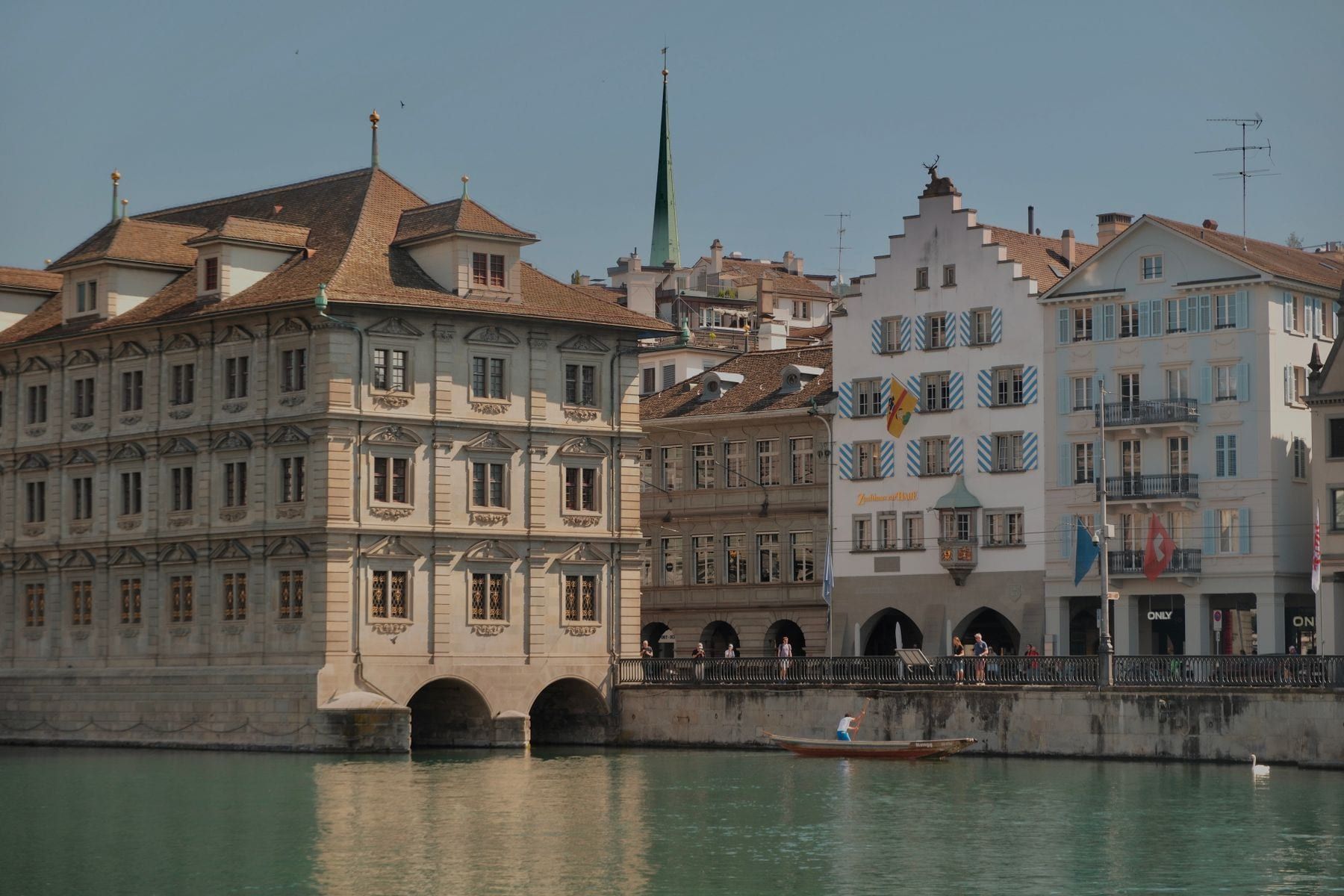
    You arrive at the main station, right in the centre, and buy the Zürich Card, CHF 29 (about EUR 31) for 24 hours, CHF 56 for 72 hours, including public transport, boats as far as Küsnacht and museums, or just the ZVV day pass for CHF 9 with a Half Fare Card. The first day belongs to the old town: Lindenhof, Grossmünster with its tower, Fraumünster with the Chagall windows, Niederdorf, then down Bahnhofstrasse to the lake and into the Badi Utoquai, or in winter the Hürlimann thermal baths. In the evening Kreis 4 and 5, Langstrasse, Frau Gerolds Garten, the Markthalle in the Viadukt. On day two the Kunsthaus with its Chipperfield building, then the S10 up the Uetliberg and the Planet Trail to Felsenegg, an hour and a half, gondola down, or in the heat the boat to Rapperswil with its rose gardens and castle. Sleep in Zürich West or near the main station, mid-range CHF 180 to 240, often CHF 50 cheaper at weekends. On to Bern: IC from the main station, 56 minutes, every half hour, around CHF 26 with a Half Fare Card, Supersaver from CHF 15.

    Tours at this stop: Zurich old town walking tour ↗Kreis 4 food tour ↗Lake Zurich boat cruise ↗

    Open the Zurich travel guide →
  2. Day 3 to 4

    Bern: Arcades, Minster and the Aare as Transport

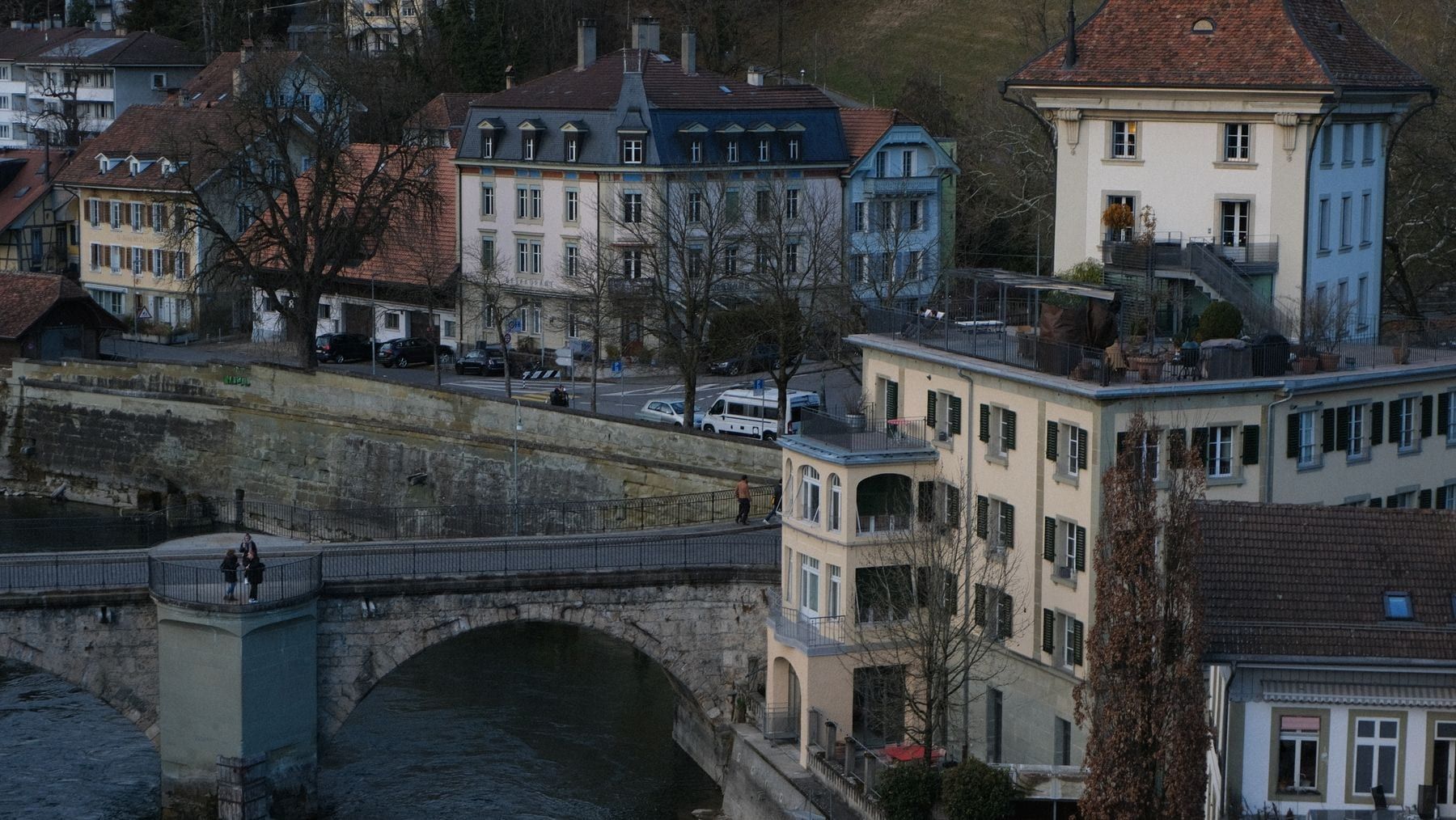
    Bern is the smallest of the three cities and the one where you walk the most. The Bern Ticket from your hotel makes tram and bus free, but the old town is a kilometre long and you hardly need them. Day one: the Zytglogge on the hour, the Einstein House on Kramgasse, the Minster with its tower climb and the platform above the Aare, the Bear Park, the Rose Garden for the view back. At lunchtime the daily menu in an old town Beiz for CHF 20 to 25 (about EUR 21 to 27), the same dish for 35 in the evening, so eat hot at midday. On a summer afternoon do what defines Bern: drift down the Aare from the Bear Park to the Marzili, confident swimmers only. Day two belongs to the Zentrum Paul Klee, the Kunstmuseum with the Gurlitt bequest, or the Gurten, Bern's local hill with funicular and meadow above the city. Sleep in the lower old town, mid-range CHF 170 to 220, full during parliamentary session weeks. On to Geneva: IC via Fribourg and Lausanne, 1 hour 45, around CHF 26 with a Half Fare Card, an afternoon with the Lavaux stop.

    Tours at this stop: Bern old town tour ↗Zentrum Paul Klee ↗Gurten funicular ↗

    Open the Bern travel guide →
  3. Day 5 to 6

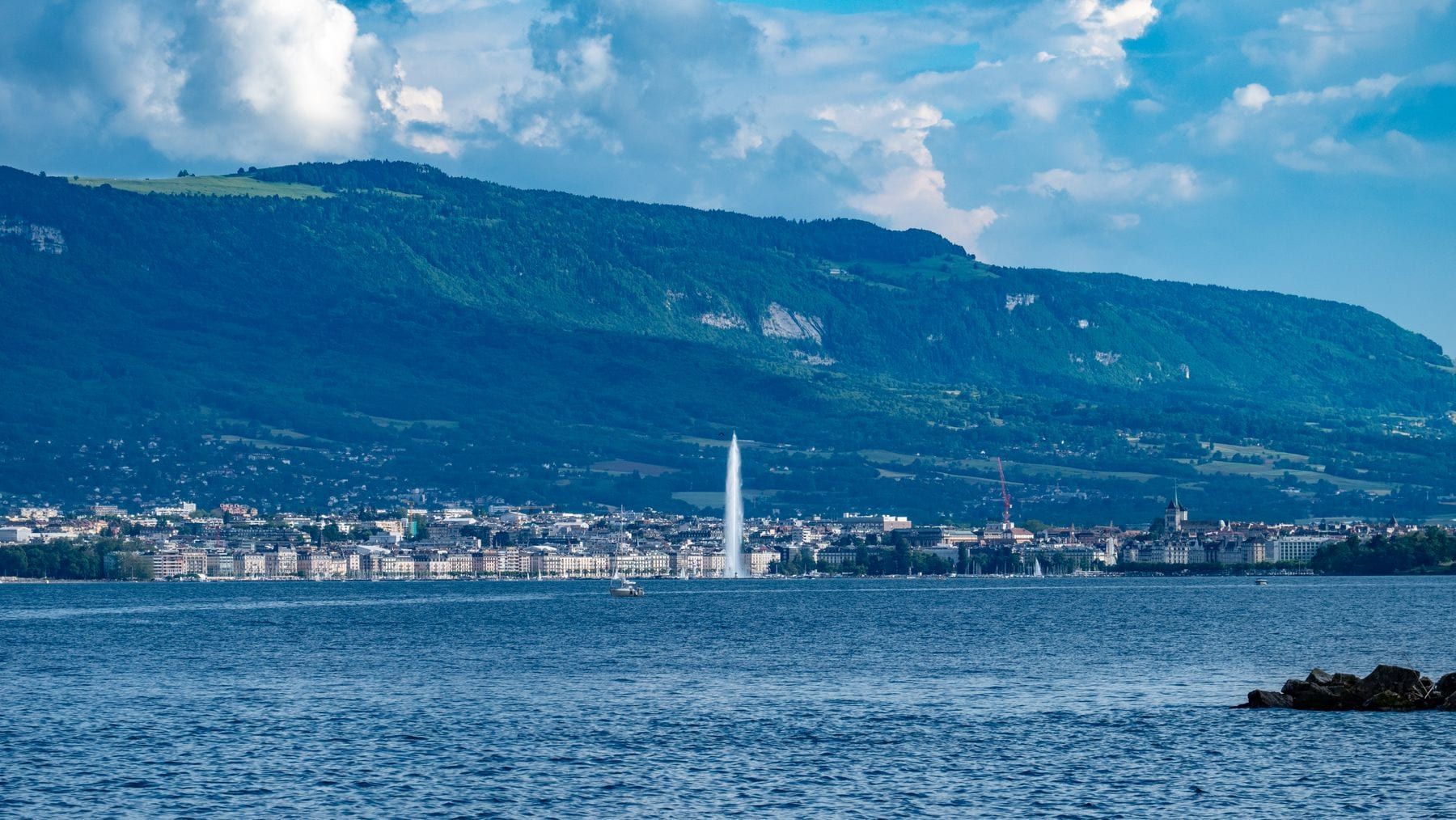
    Geneva: Lavaux on the Way, then Jet d'Eau, Carouge and Salève

    Your Bern to Geneva ticket is valid all day and you may break the journey: change in Lausanne to the S-Bahn to Lutry, walk an hour and a half through the Lavaux vine terraces to Cully, drink a glass of Chasselas in a caveau and continue in the late afternoon to Genève Cornavin, 40 minutes. From your hotel you receive the Geneva Transport Card, which makes trams, buses and the yellow Mouettes ferries free. In the evening to the Rade: the Jet d'Eau, the Bains des Pâquis with fondue or fish on the jetty for CHF 25 (about EUR 27), one of the cheapest tables in town. The last day begins in the old town around the cathedral of Saint-Pierre, then Plainpalais with its flea market on Wednesdays and Saturdays, and tram 12 to Carouge, the Sardinian quarter with courtyards and workshops. In clear weather take the afternoon bus to the Salève, cable car on the French side, views of the lake and Mont Blanc. Sleep in Pâquis behind the station, mid-range CHF 170 to 220, double that in conference weeks. Getting home: IC to Zurich in 2 hours 45, to Basel in 2 hours 40, direct from Cornavin.

    Tours at this stop: Geneva old town tour ↗Lavaux vineyard walk ↗Lake Geneva boat cruise ↗

    Open the Geneva travel guide →

If you book through these links we earn a small commission, at no extra cost to you.

What the route costs

Rough total per person for the whole route, mid-range, travelling as a pair. Flights and hotels vary by season; details are on the destination pages.

  • Getting there 64 EUR
  • Accommodation 535 EUR
  • Food 385 EUR
  • Local mobility 128 EUR
1,113 EUR
Total per person · 6 days

Money & payment: You pay in Swiss francs (CHF). Cards and the Twint app work practically everywhere, even on alpine pastures. Many shops accept euros but give change in francs at a poor rate. Service is included in prices; rounding up is customary.

Tips for the route

In reverse from Geneva the route is just as logical, especially for visitors arriving via Geneva airport or from France by TGV. The trip then ends in Zurich with connections to ICE and Railjet. The Lavaux stop works in both directions; the vineyards lie on the Lausanne to Montreux line, not on the direct line to Geneva, so take the S-Bahn from Lausanne.

Book hotels around the trade fair calendar: Zurich is twice as expensive during Swiss-Moto, Giardina and the Street Parade, Geneva during Watches and Wonders in spring and UN conferences, Bern during parliamentary session weeks. On ordinary weekends prices in Zurich and Geneva drop by CHF 40 to 80 (about EUR 43 to 86) because the business travellers are gone. Friday to Sunday is therefore the best time for the two big cities.

City passes honestly calculated: the Zürich Card pays off from two museums and one boat trip per day; otherwise the day pass is enough. In Bern and Geneva your hotel gives you free public transport, Bern also has a museum pass for 24 or 48 hours, and Geneva the City Pass from around CHF 30 (about EUR 32), which only adds up with the Salève, a boat and three museums. Geneva's municipal museums are free for their permanent collections.

With a Half Fare Card the three train journeys together cost around CHF 100 (about EUR 107), half that with Supersaver tickets from 60 days ahead. If you arrive from abroad, look at the three-day Swiss Travel Pass, around CHF 245, which only pays off if boats and museums are added. A Supersaver ticket ties you to one train, which is no problem on this route with fixed hotel nights.

Food is where Switzerland hurts: CHF 25 to 35 (about EUR 27 to 37) for a main course, CHF 7 to 9 for a beer. Locals eat the daily menu at lunchtime for CHF 20 to 25 and lightly in the evening. The market halls, Coop restaurants and the Bains des Pâquis in Geneva are the honest addresses. Tap water is drinkable everywhere, the fountains in Bern and Zurich are free, and a bottle in a restaurant costs CHF 8.

June to September brings the lakes and the Aare for swimming, December the Christmas markets in all three cities and in Geneva the Escalade on the second weekend. In July Zurich is full during the Street Parade and Geneva during the Fêtes de Genève. October is quiet and cheap, the Lavaux vineyards glow yellow and the grape harvest is under way.

Frequently asked questions about City Trio

How long do you need for Zurich, Bern and Geneva?

Six days with two nights in Zurich and Bern and one in Geneva are enough, because all three centres can be done on foot. In four days you manage one night per city without the Lavaux. With eight days you add a second night in Geneva and from Zurich a trip to Rapperswil or the Rhine Falls.

When is the best time for the city break?

May to October for the lakeside baths, the Aare and the lake promenades, December for Christmas markets and the Escalade in Geneva. July and August are hot and, in Zurich and Geneva, full because of festivals; September and October are mild and cheaper. In winter outside the holidays hotels are at their cheapest, but you lose the boats and the swimming.

Do you need a car for the three cities?

No, it would be a disadvantage. Trains run every half hour, the station is always in the centre, and car parks cost CHF 30 to 50 (about EUR 32 to 54) a day. Bern and Geneva give you free public transport with your hotel stay, and Zurich has the day pass. For the Lavaux stop take the S-Bahn from Lausanne; walking through the vines is the whole point.

What does the city break cost per person?

Budget around CHF 1,040 (about EUR 1,113) per person for two in mid-range comfort: return from Geneva with a Half Fare Card 60, five hotel nights 500, food 360, train journeys, day passes and mountain lifts 120. Museums add CHF 20 to 25 per house. If you sleep in Zurich and Geneva at the weekend and eat your hot meal at lunchtime, you stay below that.

Are Swiss cities safe and easy to travel in?

Yes, among the safest in Europe. At night Langstrasse in Zurich and Pâquis in Geneva are lively, not dangerous. Pickpockets exist at stations as everywhere. You pay by card or Twint and almost never need cash, except occasionally euro coins in Geneva for the bus up the Salève, which is in France.

Is there a shorter or longer version?

Shorter: Zurich and Bern in four days, skip Geneva and take Lucerne as a day trip from Zurich instead. Longer: Basel at the start with two nights and museums, Lausanne as a stop in its own right rather than just the Lavaux break, making eight to nine days in which you have seen all five big cities in the country.

More itineraries through Switzerland