Austria · Road trip · 8 days

Arlberg and Vorarlberg in Winter

From Lake Constance through the Bregenzerwald onto the Flexenpass and into the Paznaun: eight winter days between cheese cellar, powder snow and après-ski, two hours from Zurich.

The route, day by day

  1. Day 1 to 2

    Bregenz: Lake Constance in Winter and Cheese in the Bregenzerwald

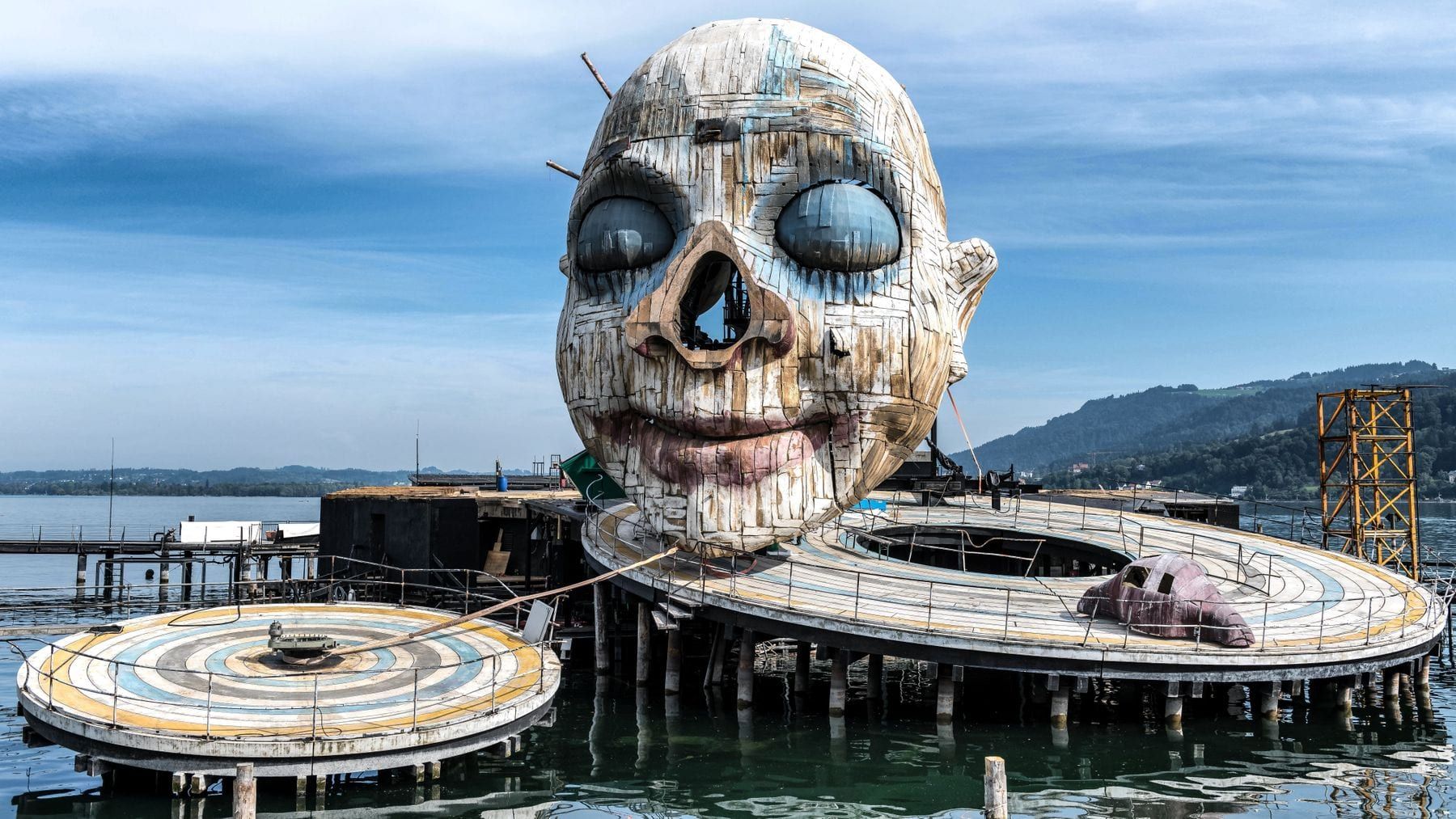
    From Zurich you drive 120 kilometres on the A1 and A13 to St. Margrethen and over the border to Bregenz, an hour and a half; buy the Austrian vignette digitally from the border. In winter Bregenz is empty and cheap, a double costs CHF 110 to 150 (about EUR 118 to 161) instead of festival prices, and the lake lies in fog or clear cold before the mountains. Day one: the Pfänderbahn, the wildlife park, views of 240 Alpine peaks, then the Kunsthaus Bregenz and the upper town with the Martinsturm. Day two is the Bregenzerwald: via Dornbirn and Alberschwende to Bezau, Schwarzenberg with the Angelika Kauffmann Museum and wooden houses, the cheese cellar in Lingenau, Käsknöpfle in a Gasthof at lunchtime, a few hours of skiing in Damüls or Mellau, day pass around CHF 60, then back to Bregenz. On to Lech: not over the Hochtannberg, as the Warth to Lech road is closed in winter for avalanche danger, but on the A14 to Bludenz, the S16 through the Klostertal to Langen and the B198 via Stuben and the Flexenpass to Zürs and Lech. 95 kilometres, an hour and a half, up to two and a half in snow.

    Tours at this stop: Pfänderbahn Bregenz ↗Bregenzerwald cheese road ↗

    Open the Bregenz and Lake Constance travel guide →
  2. Day 3 to 4

    Lech: Two Days in Austria's Most Expensive Ski Resort, Well Considered

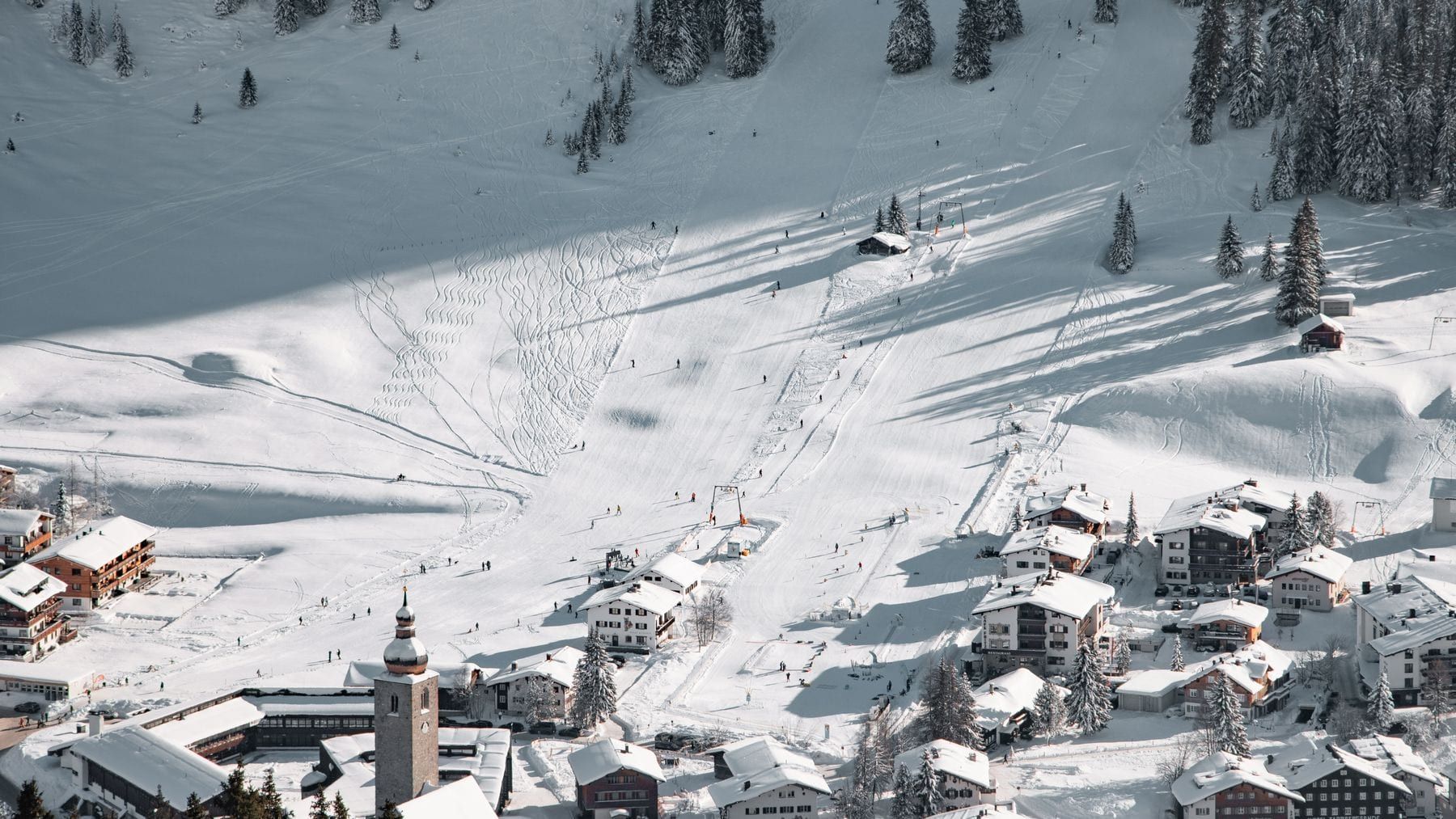
    Two days are enough to see why Lech costs so much: wide, perfectly groomed pistes, a cap of 14,000 day tickets, huts with tablecloths. On day three you ski the Weisser Ring, the 22-kilometre circuit via Zürs, Zug and Oberlech, around four hours with lunch. On day four take the Rüfikopf across to the Trittkopf and on via the Flexenbahn towards Stuben, or to Warth, where the pistes are less crowded. The Ski Arlberg day pass costs around CHF 75 (about EUR 80) and is valid in every resort as far as St. Anton; a Lech-only pass does not exist. You do not sleep in Lech but in Zug, two kilometres up the valley and linked by ski bus, or in Stuben at the foot of the Flexenpass, where a guesthouse with breakfast costs CHF 140 to 200 instead of 400. The car stays put, as parking in Lech is scarce and expensive. On to St. Anton: back over the Flexenpass to Stuben, then either over the Arlberg pass and St. Christoph on the B197, 30 kilometres, 45 minutes, or, if the pass is closed, through the Arlberg road tunnel from Langen with a toll of around CHF 12.

    Tours at this stop: Ski hire Lech ↗Snowshoe hike Lech ↗

    Open the Lech Zürs travel guide →
  3. Day 5 to 6

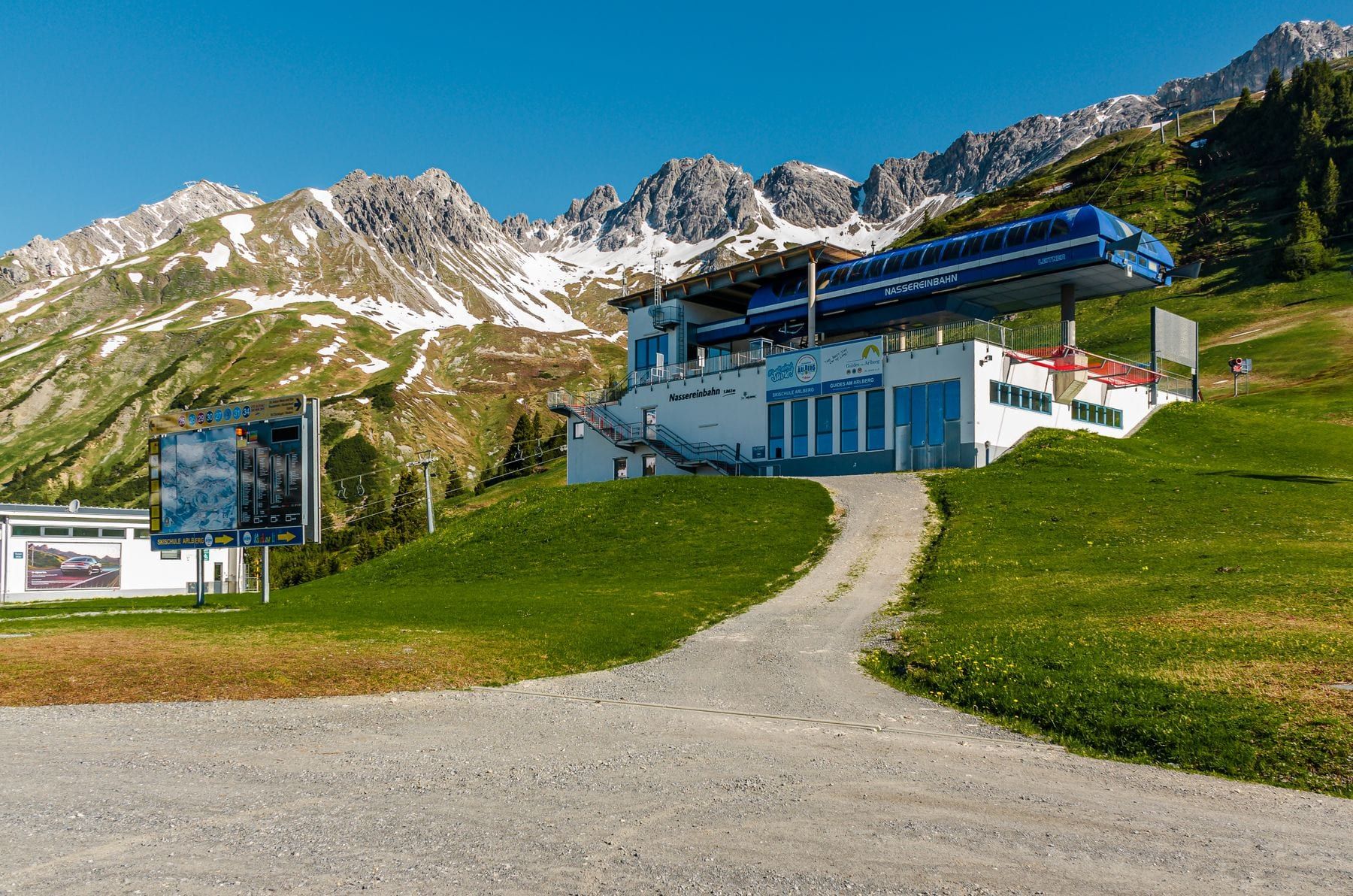
    St. Anton: Valluga, Rendl and the Honest Après-Ski Question

    Same ski pass, different area: St. Anton is steeper, rougher and busier than Lech, with 200 kilometres of off-piste routes that are the real reason to come after fresh snow. Day five: Galzig, then the Valluga with the second section to the summit, just to look or with a mountain guide for the descent to Zürs. Day six: the Rendl across the valley, sunnier, emptier, with the region's best snow park, and in the afternoon, if you like, the Mooserwirt or Krazy Kanguruh at 3.30 pm, a beer CHF 6 (about EUR 6), then down by ski bus, not on skis. You sleep in Nasserein or St. Jakob, ten minutes from the centre, double room with breakfast CHF 130 to 180 in January, far more in the February holidays. If you want no après-ski, St. Jakob is the right choice; you hear nothing there in the evening. On to Ischgl: 60 kilometres on the S16 to Landeck, briefly the Reschenstrasse and from Pians the B188 through the Paznaun, a good hour, an hour and three quarters in snowfall, with chains possibly required from Kappl. On Saturdays leave after 11 am, as the weekly guests fill the valley before then.

    Tours at this stop: Ski lessons St. Anton ↗Freeride guide Arlberg ↗

    Open the St. Anton am Arlberg travel guide →
  4. Day 7 to 8

    Ischgl: Silvretta Arena, Samnaun and the Drive Home

    The finale in the Paznaun: with the Silvretta Arena, Ischgl is the most snow-sure area on this route, almost everything between 2,000 and 2,872 metres, and with the day pass for around CHF 72 (about EUR 77) you automatically ski in two countries. Day seven: the Pardatschgratbahn straight up to 2,624 metres, piste 14 and the Höllkar side, lunch on the Idalp. Day eight: across via the Idalp to Samnaun, duty-free shopping, paying in francs, back on the double-decker cable car, and at the valley station by early afternoon, because the drive home comes next. You sleep in Kappl or Galtür, where a guesthouse with breakfast costs CHF 110 to 150, while Ischgl itself starts at 300, and the ski bus included in the pass takes you to the valley station. If you want après-ski, Ischgl has the loudest version in Austria; if not, you are best off in Galtür. Return to Zurich: 230 kilometres back to Landeck, through the Arlberg road tunnel with a toll of around CHF 12, via Feldkirch and the A13 to Zurich, three hours without, four to five with snow and Saturday traffic. On Sunday morning you drive almost alone.

    Tours at this stop: Ski hire Ischgl ↗Silvretta Therme Ischgl ↗Tobogganing Ischgl ↗

    Open the Ischgl and Paznaun travel guide →

If you book through these links we earn a small commission, at no extra cost to you.

What the route costs

Rough total per person for the whole route, mid-range, travelling as a pair. Flights and hotels vary by season; details are on the destination pages.

  • Getting there 96 EUR
  • Accommodation 1,049 EUR
  • Food 514 EUR
  • Local mobility 107 EUR
1,766 EUR
Total per person · 8 days

Money & payment: You pay in euros (EUR). Cards work almost everywhere; mountain huts and sausage stands often want cash. Tipping is expected: 5 to 10 percent, by naming the rounded total when you pay. In ski resorts a visitor tax of EUR 2 to 4 per night is added to the hotel price.

Rental car for this route

A rental comparison link will follow once the partner programme is live. Until then, compare directly with the rental companies or at your arrival airport.

Tips for the route

Closed passes: the road between Warth and Lech is shut every winter from December to April because of avalanche danger, while the Hochtannberg pass before it is usually open. The Flexenpass between Stuben and Zürs is protected by galleries but closes for hours to days in heavy snowfall, as does the Arlberg pass. Check the road situation each morning on the Land Vorarlberg website and keep a buffer day in reserve for Lech.

Winter tyres are compulsory in Austria from 1 November to 15 April in snow and ice, snow chains belong in the car and are ordered in the Paznaun and on the Flexenpass when it snows. The digital ten-day vignette costs around CHF 12 (about EUR 13), the Arlberg road tunnel around CHF 12 per direction. Fuel is 20 to 30 centimes cheaper in Vorarlberg and Tyrol than in Switzerland, so cross the border on an empty tank.

Ski passes instead of a weekly pass: Lech and St. Anton share Ski Arlberg, four day tickets cost around CHF 300 (about EUR 321), or you buy a four-day pass for around CHF 280. Ischgl has its own pass, two days around CHF 145, and Damüls or Mellau in the Bregenzerwald a day pass of about CHF 60. Five percent cheaper online, and around 15 percent in the early season until mid-December and from the end of March.

Reverse the order if snowfall is forecast: then you drive first to Ischgl, which lies highest and safest, and finish in Bregenz, from where the drive home takes an hour and a half in any weather. In March the reverse direction is better anyway, because you get the sunny days in the Bregenzerwald at the end and the spring-snow slopes in Ischgl first.

Booking: Lech and St. Anton demand Saturday to Saturday in high season; you will get two nights in guesthouses in Zug, Stuben, Nasserein or St. Jakob and through platforms with free cancellation. Over Christmas, New Year and in the February holidays book six months ahead, otherwise four to eight weeks. Take half board, as dinner in Lech otherwise costs CHF 50 to 80 (about EUR 54 to 86) per person.

Luggage: ski boots and helmet in the boot, skis crossways or on the rack, which ices up in salt and snow though. If you spend two days in Bregenz without skiing, leave the skis in the car; the hotel garages are secure. A thermos flask, gloves for fitting chains and a blanket in the car are no luxury when the Flexenpass closes for two hours and you are waiting in Stuben.

Frequently asked questions about Arlberg and Vorarlberg in Winter

How many days do you need for Arlberg and Vorarlberg?

Eight days with two nights per place works well: two quiet ones in Bregenz, then six ski days in three areas. If you only have five days, leave out Bregenz and drive straight to Lech or St. Anton. If you have ten days, stay three nights in St. Anton and add a day of ski touring or snowshoeing in Galtür.

When is the best time for this winter route?

Mid-January to mid-March, outside the February holidays. December is snow-sure on the Arlberg and in Ischgl, sometimes green in the Bregenzerwald. March brings sun, long days and spring snow, and from the end of March the ski passes are cheaper. Over Christmas and New Year the rooms in Lech and Ischgl are twice the price and gone months ahead.

Can you do the route without a car?

Yes, surprisingly well: Railjet to Bregenz, bus into the Bregenzerwald, Railjet to Langen and bus 91 over the Flexenpass to Lech, Railjet to St. Anton, bus from Landeck to Ischgl. You lose flexibility in the Bregenzerwald and need an hour more per leg, but save vignette, tunnel, garages and the worry about closed passes.

What does the winter week cost per person?

Around CHF 1,650 (about EUR 1,770) without ski passes: the journey in your own car around CHF 90, seven nights mid-range including two expensive ones in the Lech area around CHF 980, food CHF 480, and around CHF 100 for local petrol, tunnel and garages. Add six ski days for around CHF 450 and possibly ski hire at CHF 40 to 55 per day.

How difficult is driving over the Flexenpass and the Arlberg in winter?

The passes are wide, protected by galleries and cleared around the clock, but they are steep, twisting and often icy. With winter tyres, chains in the boot, slow driving and no time pressure, this is no problem for experienced drivers. In storms or heavy snowfall, wait and check the road situation; do not set off and hope.

Is there a shorter or longer version?

Shorter: Lech and St. Anton in five days, one ski pass, a two-hour journey. Longer: add two days in Galtür with ski touring or cross-country skiing after Ischgl, or a night in Lindau on the German shore with its island old town before Bregenz, making it ten to eleven days. If you have time, build in a buffer day for closed passes.

More itineraries through Austria