Yokohama

Japan · Kanto · Travel guide

Yokohama

What Japan's second-largest city really costs, why it is a cheaper base than Tokyo and where to eat well in Chinatown and by the harbour without standing in the tourist queue.

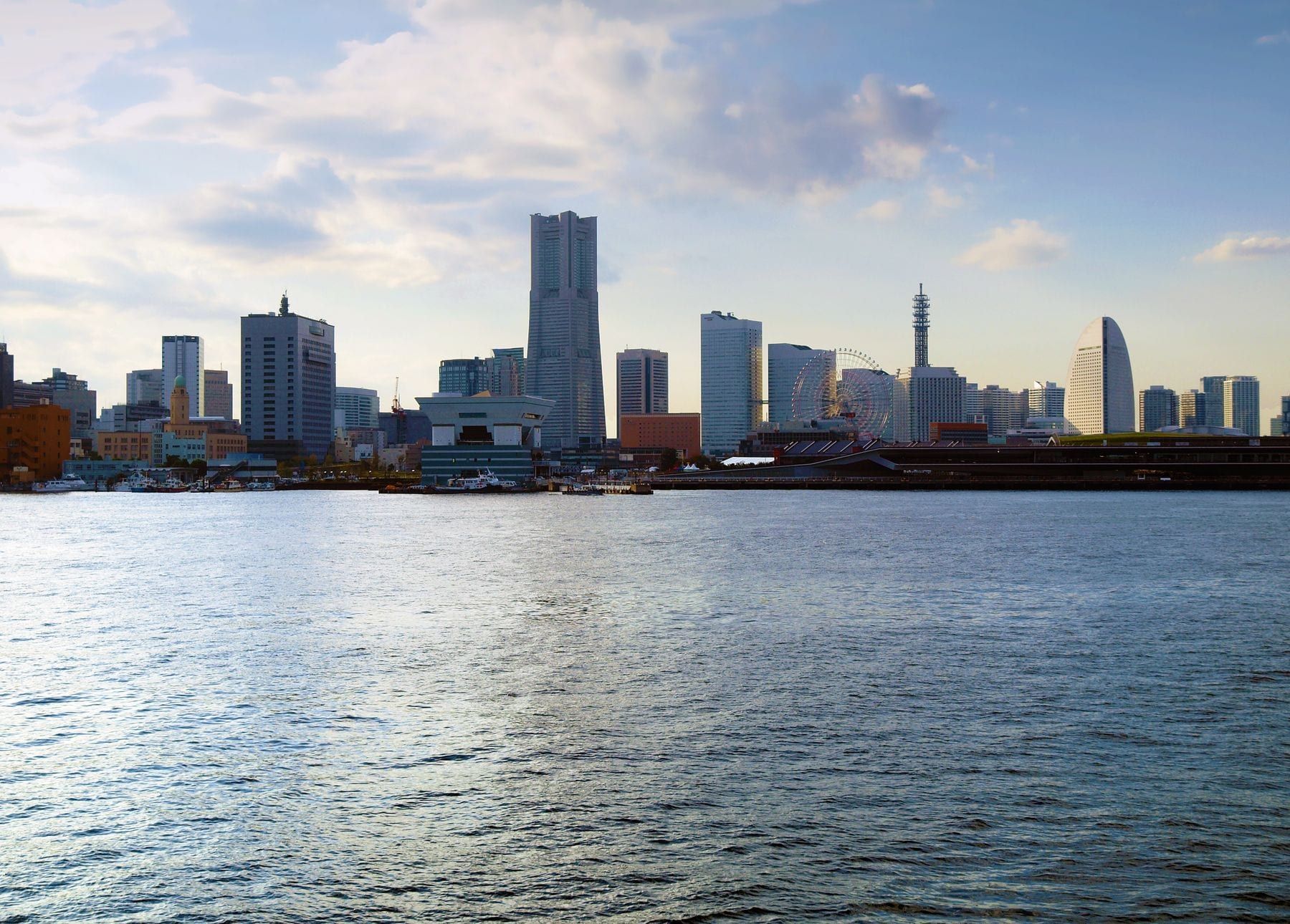
Photo: Alix Lee / Pexels

What does a trip to Yokohama cost?

Adjust the values to your trip: the calculator updates live (EUR, converted from CHF estimates).

3,189 EUR
≈ 1,594 EUR per person
  • Flights 2,140 EUR
  • Accommodation 535 EUR
  • Food 428 EUR
  • Local transport 54 EUR
  • Cup Noodles Museum & Sky Garden (tickets) 32 EUR

Estimates for orientation, not booking prices. Flights and hotels vary strongly by season: current prices are behind the links below.

Money & payment: You pay in yen (JPY). 1,000 yen is roughly CHF 6 or EUR 6.50. Cards work in cities and hotels; small restaurants, temples and rural stations often want cash. An IC card (Suica or ICOCA) on your phone pays for trains, buses and convenience stores. Flight time: 12 to 14 hours, usually with one stop.

Recommended hotels

Nine options in three price ranges, each among the best-rated on Booking.com.

Budget

Toyoko Inn Yokohama Sakuragicho

Sakuragicho, Yokohama

A business hotel five minutes from Sakuragicho station, within walking distance of Minato Mirai and Noge. Small, clean rooms, free breakfast with onigiri and miso soup, washing machines. The usual Toyoko Inn package, reliable and cheap.

from CHF 60 / night (about EUR 64) View →

Super Hotel Yokohama Kannai

Kannai, Yokohama

A budget chain with a good free breakfast, a choice of pillows and a small onsen bath, three minutes from Kannai station. Chinatown and Minato Mirai are each a 15-minute walk. Small rooms, good beds, hard to beat for the price.

from CHF 55 / night (about EUR 59) View →

Hotel Edit Yokohama

Bashamichi, Yokohama

A modern hotel with a restaurant on the ground floor and simple, bright rooms, a five-minute walk from Bashamichi and Sakuragicho stations. For travellers who find business hotels too sterile but want their own bathroom.

from CHF 65 / night (about EUR 70) View →

Mid-range

Hotel New Grand

Yamashita-cho, Yokohama

The classic hotel of 1927 opposite Yamashita Park, where General MacArthur moved in in 1945 and where spaghetti Napolitan and doria were invented. The old main building has the atmosphere, the tower has the view. Chinatown is a three-minute walk.

from CHF 160 / night (about EUR 171) View →

Daiwa Roynet Hotel Yokohama Kannai

Kannai, Yokohama

Larger rooms than at the budget chains, good beds and a quiet location between Kannai and Bashamichi with short distances in every direction. No charm, but everything works, and the price stays reasonable even at weekends.

from CHF 95 / night (about EUR 102) View →

Richmond Hotel Yokohama-Bashamichi

Bashamichi, Yokohama

A reliable Japanese mid-range chain on Bashamichi street with its gas lamps, a ten-minute walk from the Red Brick Warehouse. Well-insulated rooms, breakfast in the building next door. A step up from a business hotel.

from CHF 100 / night (about EUR 107) View →

Luxury

InterContinental Yokohama Grand

Minato Mirai, Yokohama

The sail-shaped tower on the water that appears in every photo of Yokohama. Bay-facing rooms with views of the Ferris wheel and Bay Bridge, large bathrooms, breakfast with a harbour view. Built in 1991, well kept, unbeatable location.

from CHF 260 / night (about EUR 278) View →

Hyatt Regency Yokohama

Yamashita-cho, Yokohama

Since 2020 on the corner between Yamashita Park and Chinatown, with rooms in the style of the 1920s port city, a rooftop restaurant and a quiet location away from the malls. For anyone who would rather stay in the old town than among the skyscrapers.

from CHF 240 / night (about EUR 257) View →

The Kahala Hotel & Resort Yokohama

Minato Mirai, Yokohama

An offshoot of the Hawaii hotel, right on the water in Minato Mirai since 2020, with 146 large rooms, a pool with harbour views, a spa and service that feels more like a resort than a city hotel. The quietest luxury property in the city.

from CHF 350 / night (about EUR 375) View →

If you book through these links we earn a small commission, at no extra cost to you.

Experiences worth your time

Chinatown food walk

Guided walks through the side alleys with steamed buns, dim sum and a temple visit, two to three hours for CHF 50 to 80 (about EUR 54 to 86) including food. Along the way you learn which places are good and which just have touts. On your own: from 11 am for the lunch set.

View & book →

Cup Noodles Museum

The story of Momofuku Ando, who invented instant noodles in 1958, and the station where you design and fill your own cup. Entry CHF 3 (about EUR 3), cup CHF 3. Come early at weekends, as the cup tickets are gone by midday.

View & book →

Landmark Tower Sky Garden

273 metres above the harbour, reached in 40 seconds by one of the fastest lifts in the world. Entry CHF 6 (about EUR 6), with Fuji on clear winter mornings and the skyline and Bay Bridge at sunset. Cheaper and emptier than Skytree or Shibuya Sky.

View & book →

Harbour cruise or water taxi

Cruises from Yamashita Park or Pier 8 for CHF 10 to 20 (about EUR 11 to 21), at night with the illuminated skyline and Bay Bridge. The water taxi between the piers is cheaper, at CHF 3 to 5. The evening cruise in December during the illuminations is the best.

View & book →

Sankeien Garden

18 hectares of landscape garden with 17 historic buildings from Kyoto and Kamakura, ponds and a pagoda on the hill, entry CHF 5.50 (about EUR 5.90). Bus from Yokohama or Sakuragicho station, 30 minutes. The most beautiful place in the city during cherry blossom and in autumn.

View & book →

Shin-Yokohama Ramen Museum

A recreated 1958 alley with nine ramen shops from Sapporo to Kumamoto, entry CHF 3 (about EUR 3), mini bowls for CHF 4 to 6 so you can work your way through. Ten minutes from the Shinkansen station, ideal before heading on to Kyoto.

View & book →

Izakaya evening in Noge

A bar crawl through the old drinking quarter with yakitori, oden and sake at three or four standing bars, guided for CHF 60 to 90 (about EUR 64 to 96) including drinks, or half that on your own. You will be the only tourist here, which is exactly why a guide is worth it the first time.

View & book →

Hakkeijima Sea Paradise

A large aquarium with dolphins, whale sharks and roller coasters on an island in the bay, 40 minutes by train. Day ticket CHF 20 to 35 (about EUR 21 to 37) depending on what is included. A full day for families, skippable for everyone else.

View & book →

If you book through these links we earn a small commission, at no extra cost to you.

Food & drink

Yokohama was the gateway through which Western food came to Japan, and the city turned it into a cuisine of its own: spaghetti Napolitan, doria and pudding a la mode were invented at the Hotel New Grand, iekei ramen in a garage on the ring road, and Chinatown supplies the best steamed buns in the country.

Nikuman from Chinatown

Edosei and Kouran, Yokohama Chinatown

Fist-sized steamed buns with a juicy pork filling, straight from the steamer basket into your hand, CHF 3 to 4 (about EUR 3 to 4). Plus versions with prawns, sesame bean paste or a Shanghai soup filling, where you have to bite a hole first.

Tip:Eat at the stall, not while walking, and at weekends use the shorter queue at the branch shop.

Iekei ramen

Yoshimuraya, near Yokohama station, the original shop

Yokohama's own ramen style since 1974: thick noodles in a rich pork bone and soy broth, with spinach, nori sheets and pork belly, and you choose the firmness of the noodles, the fat and the salt yourself. CHF 6 to 9 (about EUR 6 to 10). Rice on the side is a must here.

Tip:Order at the machine, then say 'futsuu' (normal) when you are asked about firmness, fat and salt.

Shumai

Kiyoken, stalls in every station in Yokohama

Small steamed dumplings with pork and scallop, the speciality of Kiyoken since 1928, which every commuter knows as a bento. A box of 15 costs CHF 4 (about EUR 4), the shumai bento with rice and sides CHF 6.

Tip:Buy the bento for the Shinkansen to Kyoto; it is meant to be eaten cold and tastes best that way.

Spaghetti Napolitan

The Cafe at the Hotel New Grand, or any kissaten coffee house in the city

Spaghetti with ketchup, onions, peppers and ham, fried in the pan, invented around 1950 at the Hotel New Grand and inspired by US soldiers' rations. Sweetish, soft, a Japanese nostalgia dish, CHF 8 to 14 (about EUR 9 to 15).

Tip:At the New Grand it is the original version without ketchup, made with tomatoes, finer and pricier than in the coffee houses.

Doria

The Cafe at the Hotel New Grand, Yamashita-cho

Rice with prawns baked under a bechamel and cheese crust, invented in 1930 by the Swiss head chef Saly Weil at the Hotel New Grand for a sick guest. Today it is on the menu of every family restaurant in Japan; the original costs CHF 15 to 20 (about EUR 16 to 21).

Tip:A Swiss chef invented it, and you are welcome to mention that there, they will be pleased.

Sanmamen

Restaurants in the side alleys of Chinatown and in Kannai

Yokohama's Chinatown answer to ramen: noodles in soy or salt broth under a mound of stir-fried vegetables, pork and bean sprouts in a thickened sauce. Filling and cheap, CHF 6 to 9 (about EUR 6 to 10).

Tip:The dock workers' dish, best in the simple places with plastic chairs.

Pudding a la mode

Hotel New Grand or coffee houses in Motomachi

Firm caramel pudding with cream, fruit and ice cream on a glass plate, created in 1950 at the New Grand for the wives of American officers and now a classic in every kissaten. CHF 6 to 12 (about EUR 6 to 13), CHF 14 for the original.

Tip:In the afternoon at 3 pm with coffee, the way the older ladies of Yamate do it.

Book a food tour: Yokohama

Through markets and eateries with a guide, tastings included.

View & book →

If you book through these links we earn a small commission, at no extra cost to you.

History & background

In 1853 Yokohama was a fishing village of 600 people when the black ships of the American Commodore Perry anchored in the bay and forced Japan to open up after 220 years of isolation. The treaty of 1858 designated Yokohama a treaty port, it opened in 1859, and within a few years it became the gateway through which the West came to Japan: the country's first railway ran from Yokohama to Shimbashi in 1872, and the first gas lamp, the first daily newspaper, the first beer, the first ice cream and the first bakery all came from this city. Chinese traders, who worked as intermediaries between the Japanese and the Europeans, founded the district that, with more than 600 shops and restaurants, is now the largest Chinatown in Asia outside China. On the Bluff, the Yamate hill, the foreigners built their villas, churches and a cemetery. The Great Kanto Earthquake almost completely destroyed the city in 1923, American bombers did the rest in 1945, and afterwards the US Army occupied the harbour zone until the 1950s. Reconstruction turned Yokohama into an industrial and port city, and only from 1983 did the Minato Mirai 21 project transform the old shipyards into the district of skyscrapers, museums and a Ferris wheel that defines the skyline today. With 3.8 million inhabitants, Yokohama is now Japan's second-largest city, and it is growing as Tokyo's rents drive families here.

Insider tips

Getting there and getting around: 30 minutes from Shibuya, 2 francs

The Tokyu Toyoko line runs from Shibuya to Yokohama in 30 minutes and continues as the Minatomirai line to Motomachi-Chukagai, the station for Chinatown, for CHF 2 to 3 (about EUR 2 to 3) with Suica. From Tokyo Station and Shinagawa the JR Tokaido and Keihin-Tohoku lines take 20 to 35 minutes for CHF 3 to 4. From Haneda the Keikyu line takes you directly to Yokohama station in 25 minutes for CHF 2.20, which is faster and cheaper than to Shinjuku and a good argument for starting your trip here. The Shinkansen stops at Shin-Yokohama, ten minutes by metro from the centre, so you do not have to go back to Tokyo to get to Kyoto. Locally almost everything is walkable: from Sakuragicho station via Minato Mirai to the Red Brick Warehouse, Osanbashi Pier, Yamashita Park and Chinatown it is three kilometres of waterfront promenade. The Minatomirai day pass costs CHF 3, and the Akai Kutsu bus (a red retro bus) runs between the sights for CHF 1.40 per ride. The Yokohama Air Cabin, a cable car over the harbour from Sakuragicho station to the Ferris wheel, costs CHF 6 each way and is a five-minute gimmick with a good view, nothing more. Water taxis between the piers cost CHF 3 to 5 and are the best way to get around on sunny days.

Chinatown: where to eat and where not

Yokohama's Chinatown has ten gates, 600 businesses and one problem: the main street, Chukagai-odori, is a chain of all-you-can-eat restaurants with touts at the door who promise everything from CHF 20 (about EUR 21) per person and deliver mediocre food. Go round the corner: in the side alleys are family-run places with Cantonese, Sichuan and Shanghai cooking, where a lunch set with soup and rice costs CHF 8 to 12. The big old houses such as Manchinro (since 1892) and Heichinrou (since 1884) are more expensive, CHF 30 to 60 per person for dim sum and Peking duck, but reliable. For a quick bite, steamed buns in hand are enough: nikuman with pork are on every corner for CHF 3 to 4, and the giant ones at Edosei and Kouran are the best known, with queues at weekends. Add sesame balls, peach manju and freshly made almond milk. The Kanteibyo temple with its gilded war god Guan Yu and the Masobyo temple are free and lit up in the evening. Best time: a weekday from 11 am for the lunch set, or around 5 pm, when the lanterns come on and the groups head back to Tokyo. At Chinese New Year, from late January into February, there are lion dances and fireworks, but then you can hardly move.

Where to stay: cheaper than Tokyo, best in Kannai

Yokohama's hotel prices are 20 to 30 percent below Tokyo's, and all the business hotel chains are here: Toyoko Inn, Super Hotel, Dormy Inn, Daiwa Roynet, Richmond, Vessel. A double room costs CHF 60 to 90 (about EUR 64 to 96) on weekdays, hostels CHF 25 to 35 per bed. The most practical neighbourhood is Kannai with Bashamichi: between Minato Mirai and Chinatown, everything on foot, with izakaya and bars in the evening in Noge, the old drinking quarter with 600 small bars packed into 500 metres. Minato Mirai itself has the big hotels with harbour views (InterContinental, Hyatt Regency, Kahala) from CHF 250, where you sleep looking at the Ferris wheel but eat in shopping malls. Around Yokohama station it is noisy and charmless, but with the best train connections. Yamashita Park and Motomachi are quiet and pretty, and the Hotel New Grand from 1927 is the address with history here, from CHF 160. An argument for families: rooms in Yokohama are on average larger than in Tokyo, and many hotels have triple and quadruple rooms that are hard to find in Shinjuku. Shin-Yokohama by the Shinkansen only makes sense if you are leaving early in the morning; in the evening there is little going on.

Cost traps and what is free

The Cosmo Clock Ferris wheel costs CHF 5.50 (about EUR 5.90), the Landmark Tower Sky Garden on the 69th floor CHF 6, the Air Cabin CHF 6 each way, the Hakkeijima aquarium CHF 20 to 35, and the Cup Noodles Museum CHF 3 entry plus CHF 3 for the cup you design yourself. For a family that adds up to CHF 100. On the other hand, the best things are free: the roof deck of Osanbashi Pier, a wave-shaped wooden deck looking out at the skyline and cruise ships, Yamashita Park by the water, the Red Brick Warehouse from outside, the Western villas on the Bluff in Yamate with their gardens, the foreigners' cemetery, the temples in Chinatown and a stroll through Noge. Cost trap number one is Chinatown's main street; number two is the restaurants in the Minato Mirai malls with a 30 percent harbour-view surcharge. The Shinkansen trap: a ticket from Shin-Yokohama to Kyoto costs the same as from Tokyo, but you save 20 minutes and the detour; if you have the Japan Rail Pass, however, you cannot take the Nozomi, only the Hikari, which takes 20 minutes longer. Cash machines: 7-Eleven and the post office, as everywhere. Yokohama also has a problem with lockers at the main station, which are all taken at weekends; the ones at Sakuragicho or Minatomirai are more likely to be free.

Timing: harbour festival in June, fireworks in summer, illuminations in winter

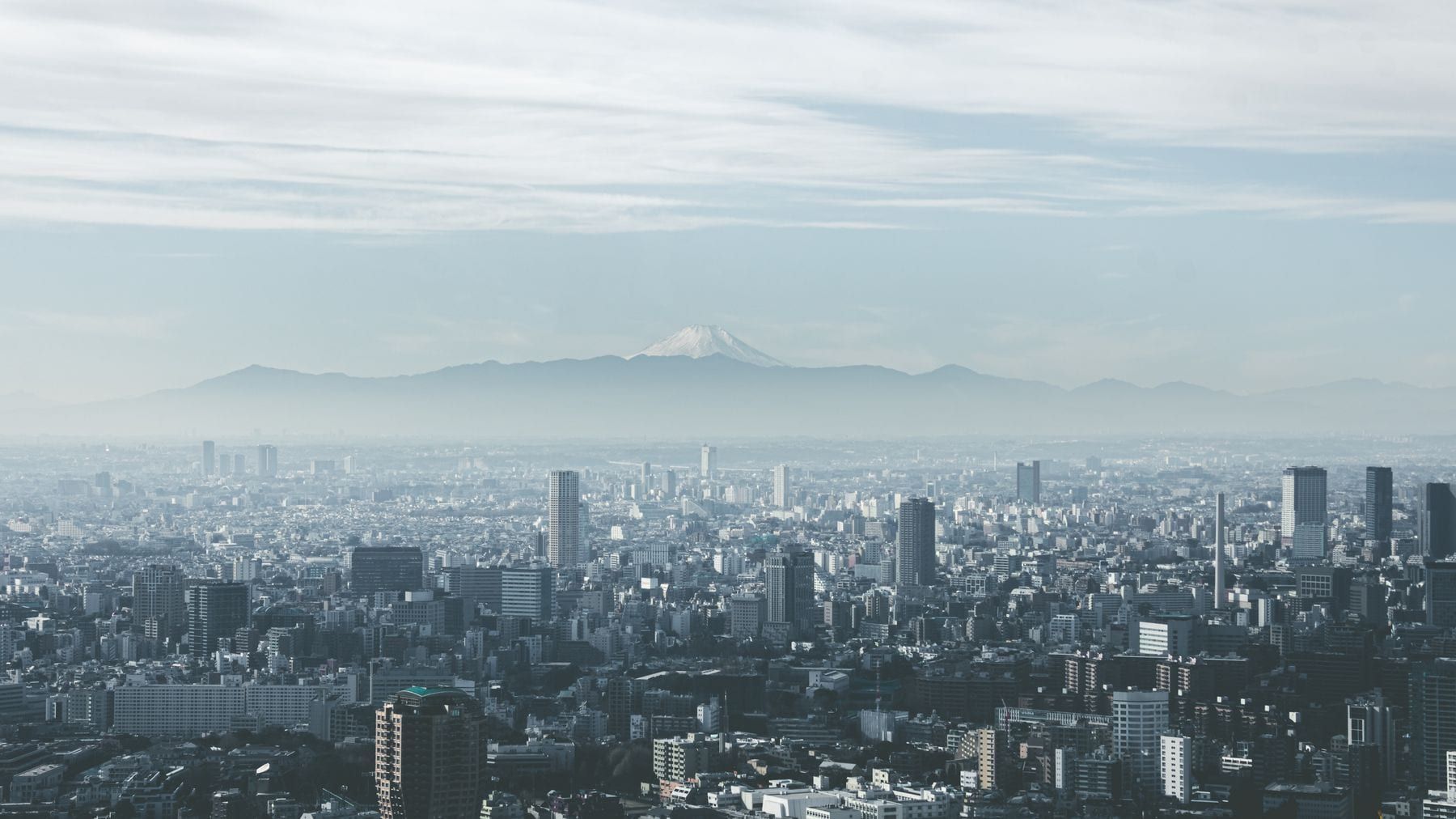
Yokohama depends less on the seasons than Nikko or Hakone, as the sea softens summer and winter. The cherry blossom comes from late March to early April, most beautiful along the Ooka river near Noge, where the trees hang over the water and are lit up in the evening, and in Sankeien Garden. May brings Port Day with parades, and early June the harbour festival with fireworks over Minato Mirai, which you can watch for free from Yamashita Park. July and August are hot, but the promenade has a breeze, and the Hakkeijima aquarium is a good refuge. In October the Oktoberfest copy at the Red Brick Warehouse, with German beer at CHF 9 (about EUR 10) a stein, is a curiosity that Tokyo residents attend in dirndls. Autumn colours Sankeien Garden from late November to early December. From mid-November to Christmas the Minato Mirai illuminations run, with a light show on the skyscrapers and a Christmas market at the Red Brick Warehouse, and hotels are full at weekends. Chinese New Year, between late January and mid-February, turns Chinatown into a two-week festival with lion dances. Otherwise January is the cheapest and clearest month, with Fuji visible from the Landmark Tower on most mornings.

Noge, Yamate and Sankeien: the Yokohama behind the harbour

Noge, five minutes from Sakuragicho station, is the antidote to Minato Mirai: narrow alleys, 600 bars, yakitori smoke, jazz bars dating from the 1950s, and standing bars with beer for CHF 3 (about EUR 3) and sake for CHF 4. Dock workers drink here next to office workers, tourists are rare, and prices are half those by the water. It comes alive from 6 pm and is packed at weekends. The Bluff in Yamate above Motomachi has seven restored Western villas from the days of the foreign settlement, all free, with gardens, tearooms and harbour views; the foreigners' cemetery, with 4,000 graves from 40 countries, can be visited at weekends for a donation. The Motomachi shopping street below was the first where Western goods were sold and today has bakeries and boutiques. Sankeien Garden, 15 minutes south by bus, is an 18-hectare landscape garden that the silk merchant Hara Tomitaro laid out from 1906 and furnished with 17 historic buildings from Kyoto and Kamakura, including a three-storey pagoda. Entry CHF 5.50, beautiful in every season and almost free of tour groups. And for ramen lovers: the Shin-Yokohama Ramen Museum, a recreated street from 1958 with nine ramen shops from all over Japan, entry CHF 3, mini bowls for CHF 4 to 6 so you can try several.

Frequently asked questions about Yokohama

Is Yokohama worth it if I am already seeing Tokyo?

As a day trip, yes, for Chinatown, the harbour and Noge, 30 minutes from Shibuya for CHF 2 (about EUR 2). As a base for your first nights, Yokohama is cheaper, quieter and directly connected to Haneda, and Tokyo stays within reach by train. If you only have three days in Japan, stay in Tokyo. If you have a week, you can move two nights here.

How do I get from Haneda to Yokohama?

On the Keikyu line directly to Yokohama station in 25 to 30 minutes for CHF 2.20 (about EUR 2.35), with trains every ten minutes. The limousine bus runs directly to Minato Mirai and the big hotels in 30 to 45 minutes for CHF 4.50, which is more comfortable with lots of luggage. A taxi costs CHF 40 to 50. From Narita it takes 90 minutes on the Narita Express for CHF 26.

What does the Cup Noodles Museum cost?

Entry costs CHF 3 (about EUR 3), free for children up to high school age. Your own Cup Noodle with your choice of soup and four toppings costs CHF 3 extra; tickets for it are handed out at the entrance and are gone by midday at weekends, so come early or reserve online. The noodle-making workshop costs CHF 6 and needs booking weeks in advance.

Where is the best place to eat in Chinatown?

Not on the main street with the touts, but in the side alleys at the family-run places with a lunch set for CHF 8 to 12 (about EUR 9 to 13), or at the old houses Manchinro and Heichinrou if you want to spend CHF 30 to 60 on dim sum. Steamed buns from Edosei or Kouran for CHF 3 to 4 are enough in between. Avoid all-you-can-eat deals under CHF 20.

Is Yokohama good with children?

Very good, better than Tokyo: wide pavements, parks by the water, the Cup Noodles Museum, the Anpanman Museum (CHF 13 to 15, about EUR 14 to 16), the Ferris wheel, the Hakkeijima aquarium and water taxis. Hotels more often have family rooms, distances are short and the promenade is pushchair-friendly. Zoorasia, one of Japan's best zoos, costs CHF 5 entry and is 40 minutes out of town by train and bus.

Can I take the Shinkansen from Yokohama?

Yes, every Shinkansen towards Kyoto, Osaka and Hiroshima stops at Shin-Yokohama, including the fast Nozomi. From the centre it is ten minutes on the metro's Blue Line, or twelve on JR from Yokohama station. Kyoto takes two hours for CHF 80 (about EUR 86), and you save 20 minutes compared with Tokyo Station plus the trip there.

Itineraries with this destination

More destinations in Kanto