Japan · Family · 12 days

Japan with Kids

Robots, a noodle museum, deer, Super Nintendo World and konbini food that children love: the Golden Route in its family version, with fewer temples and more breaks.

The route, day by day

  1. Day 1 to 4

    Tokyo: robots, temples and teamLab barefoot

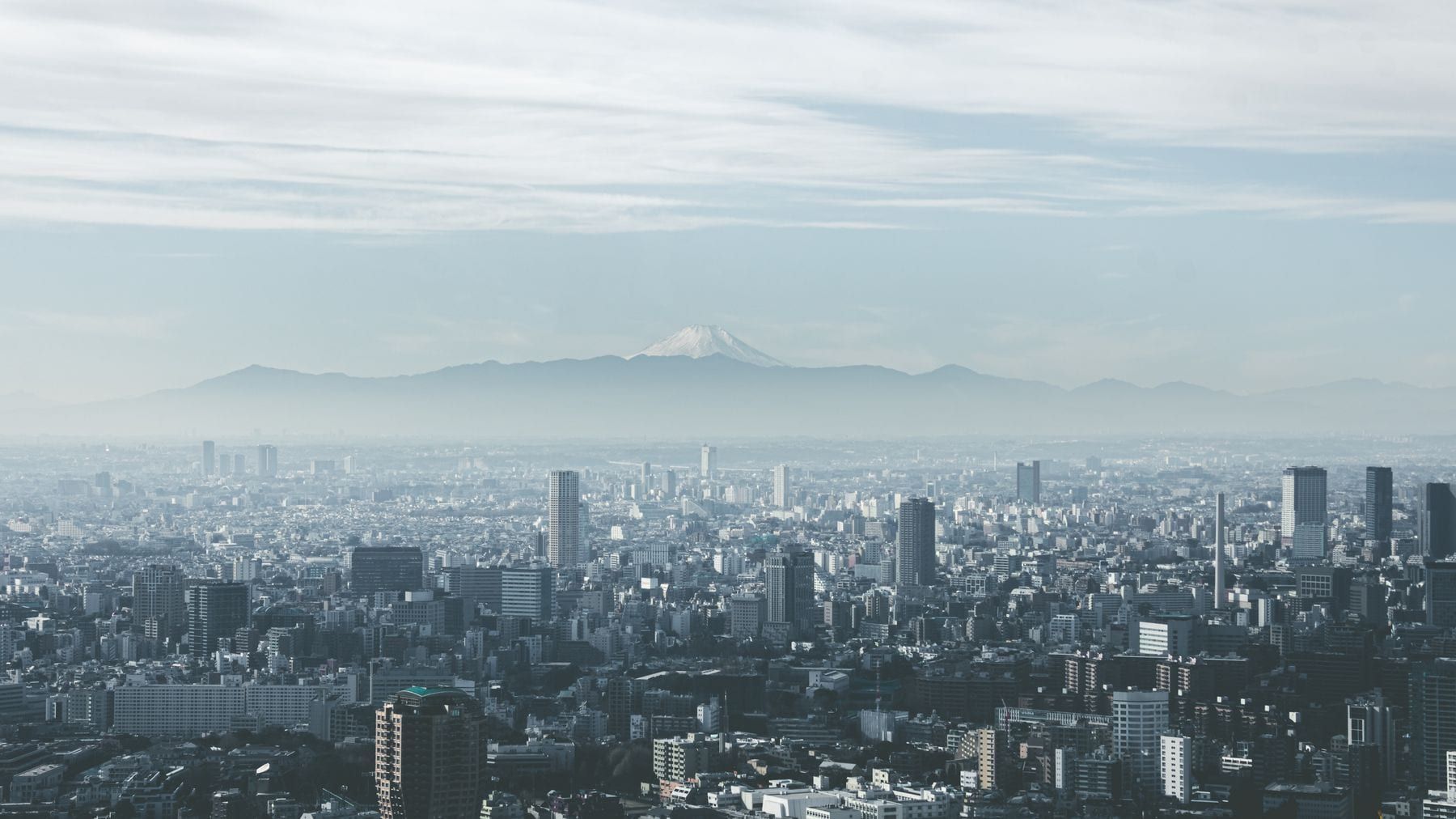
    Tokyo with children means one highlight a day, with playground, konbini and early bed in between. Stay four nights in an apartment hotel or family room in Ueno or Asakusa, where rooms for four start at CHF 180 (about EUR 193); in Shinjuku you pay more and get less space. Day 1: arrive, Suica for everyone (children aged 6 to 11 pay half, the children's Suica is sold at the counter), dinner from the konbini or in an udon chain. Day 2: Senso-ji with its shopping lane, Sumida Park, then by water bus to Odaiba to the life size Gundam robot. Day 3: teamLab Planets in Toyosu, barefoot through water and light, tickets online CHF 25 for adults, children from four CHF 7, book a morning slot; Hama-rikyu garden in the afternoon. Day 4: Harajuku with Takeshita street and crepes, the Pokemon Center in Shibuya, the view from Shibuya Sky (CHF 15), or the Ghibli Museum in Mitaka if you have tickets. On to Yokohama: Tokyu Toyoko line from Shibuya, 30 minutes, CHF 2 to 3, or JR from Tokyo Station in 25 minutes.

    Tours at this stop: teamLab Planets tickets ↗Family walking tour of Asakusa ↗

    Open the Tokyo travel guide →
  2. Day 5 to 6

    Yokohama: noodle museum, Ferris wheel and Chinatown

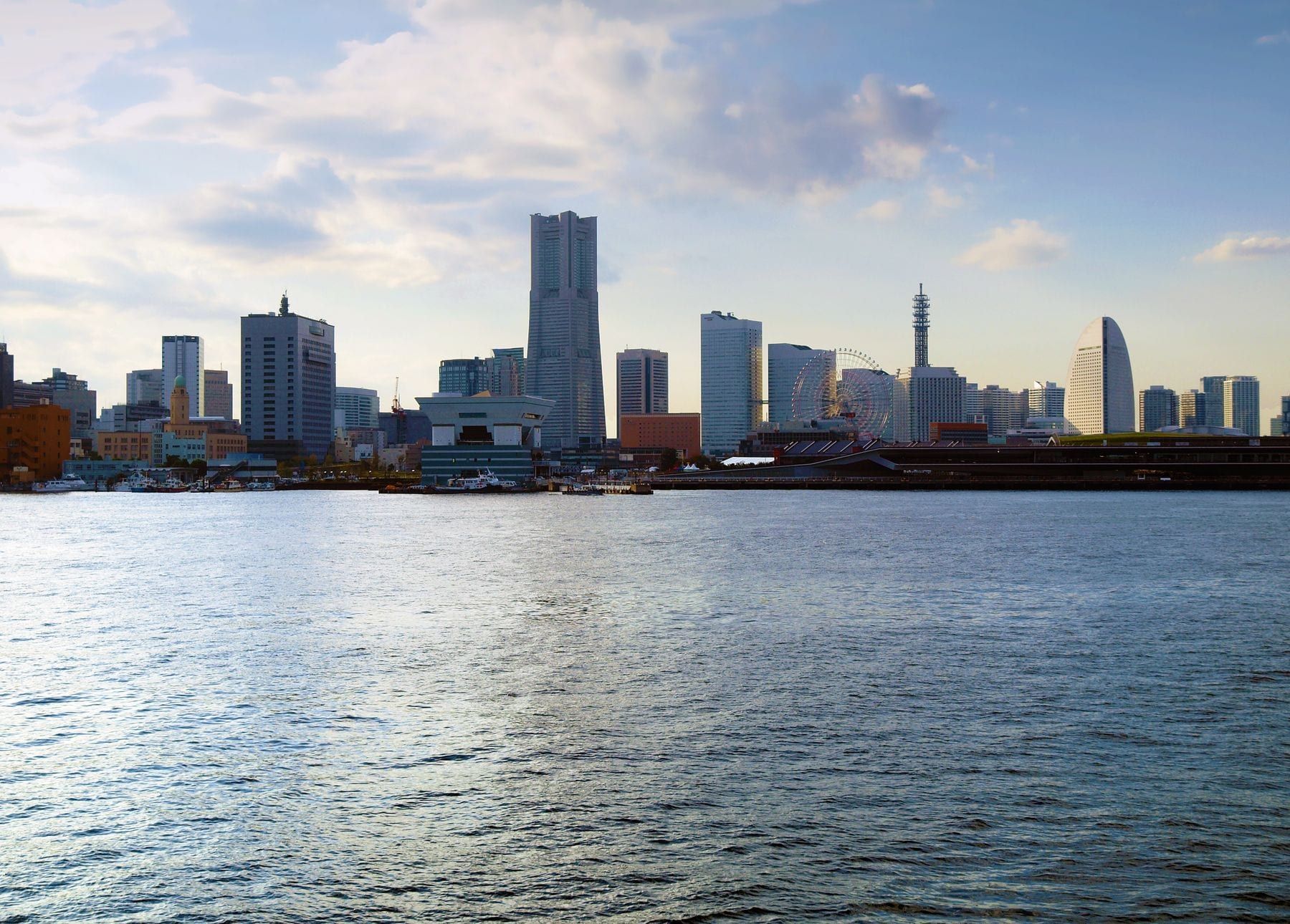
    Yokohama is 30 minutes from Tokyo and the better city for families: wide pavements, a harbour promenade, hotels 20 to 30 percent cheaper, and attractions made for children. Stay two nights in Minato Mirai or Kannai, family rooms from CHF 140 (about EUR 150). Day 5: the Cup Noodles Museum (entry CHF 3, children free), where every child designs and fills their own cup for CHF 3, reserve a time slot online beforehand; then the Ferris wheel at Cosmo World (CHF 6), dim sum in the evening in a side street of Chinatown rather than the all you can eat places on the main street. Day 6: for little ones the Anpanman Museum (CHF 15, children pay from one year), for older ones the Ramen Museum in Shin-Yokohama with mini portions from nine regions, or the Hakkeijima sea aquarium (CHF 35). On to Kyoto: Nozomi Shinkansen from Shin-Yokohama, two hours, CHF 80 per adult, children 6 to 11 half, under 6 free without their own seat; buy ekiben and snacks at the station, and large suitcases need the reserved space behind the last row.

    Tours at this stop: Cup Noodles Museum reservation ↗Yokohama harbour cruise ↗

    Open the Yokohama travel guide →
  3. Day 7 to 9

    Kyoto: a thousand gates, monkeys and a samurai park

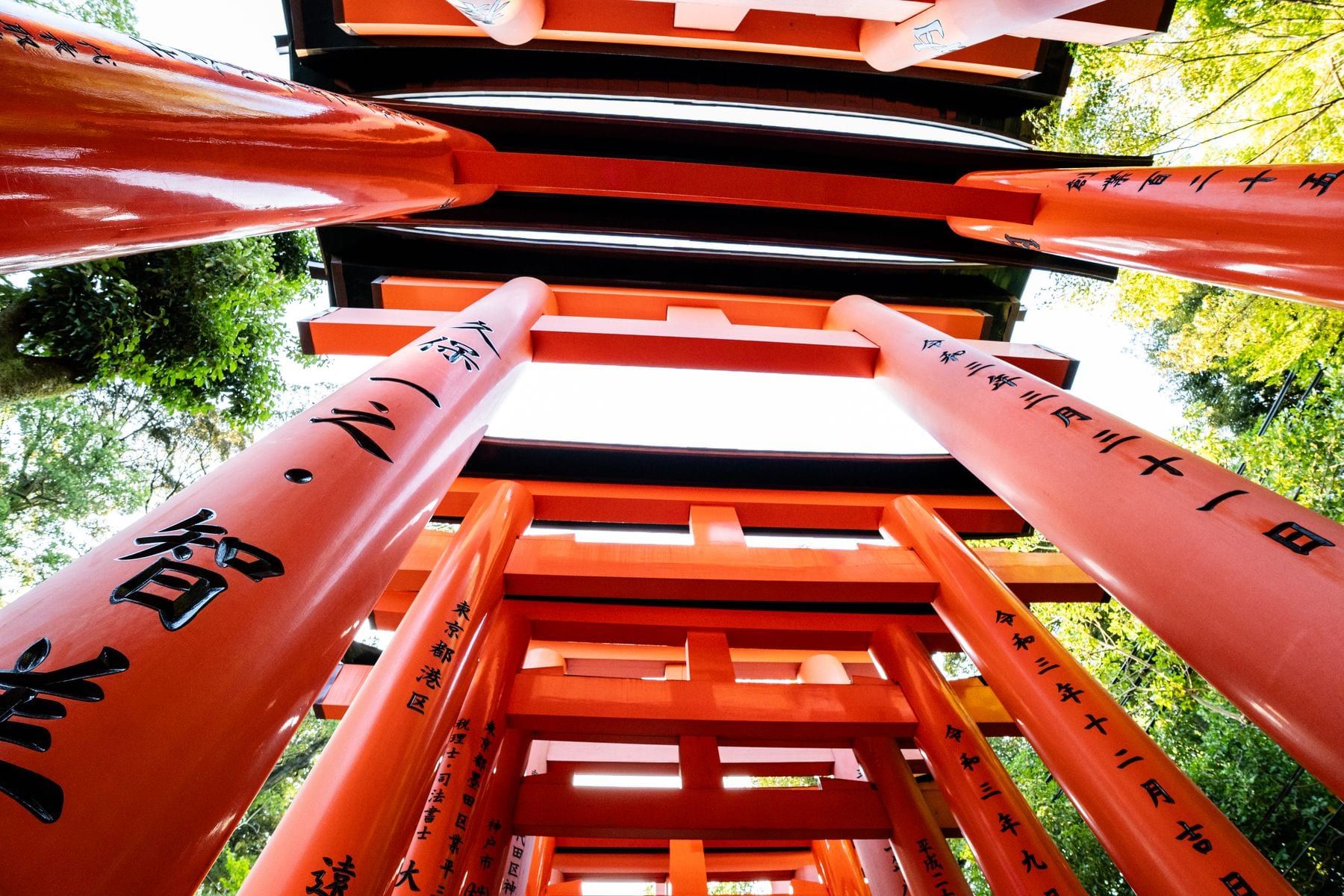
    Kyoto with children works if you choose one temple a day and leave the rest to the kids. Rent a machiya for three nights, a traditional townhouse with futon, tatami and a wooden bath, from CHF 200 (about EUR 215) a night for four, which is cheaper than two hotel rooms and an adventure for children. Day 7: arrival, Nishiki Market with skewers and mochi in the afternoon, the evening in the machiya courtyard. Day 8: Fushimi Inari at 7.30 am, the red gates are a tunnel for children, and two thirds of the way is enough; Arashiyama in the afternoon with the bamboo grove and the Iwatayama monkey park (CHF 4, 20 minutes uphill, feed the monkeys from inside). Day 9: Toei Kyoto Studio Park, a samurai film studio with ninja shows and dressing up (CHF 15, children CHF 7), or the Railway Museum with a steam train ride (CHF 9, children CHF 3), kaiseki for the parents in the evening if the machiya host knows a babysitter, otherwise okonomiyaki for all. On to Nara: Kintetsu from Kyoto, Limited Express 35 minutes for CHF 8 or Express 50 minutes for CHF 4.50, children half.

    Tours at this stop: Samurai and ninja experience for families ↗Arashiyama monkey park and bamboo grove ↗

    Open the Kyoto travel guide →
  4. Day 10

    Nara: feeding deer and through the Buddha's nostril

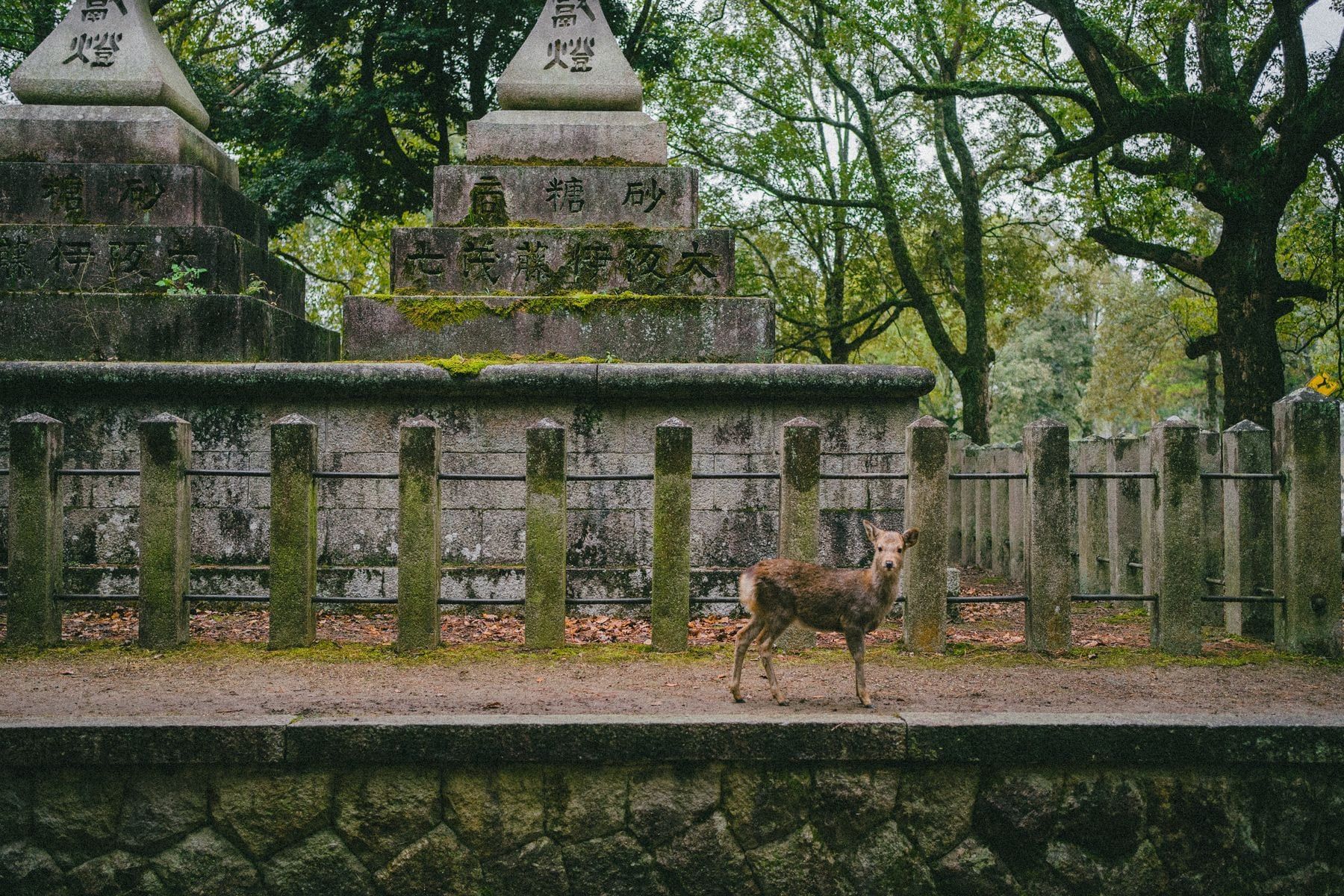
    Nara is the day the children will remember: 1,300 free roaming deer that bow for crackers. Arrive in the morning, take your luggage to a hotel in Naramachi or by the Kintetsu station, family rooms from CHF 130 (about EUR 139), and head into the park. The deer crackers cost CHF 1.30 a bundle, and you explain the rules beforehand: hold the crackers up, hand them out quickly, show empty hands, do not run away. Small children feed from a parent's arms, because the deer shove. Then Todai-ji with the Great Buddha (CHF 4, children CHF 1.20): behind the statue stands a wooden pillar with a hole as big as the Buddha's nostril, whoever crawls through has luck in the next life, and children fit exactly. In the afternoon Kasuga-Taisha through the forest, mochi pounding at Nakatanidou in the shopping arcade, Naramachi in the evening when the park is empty and the deer lie down. On to Osaka: Kintetsu express to Osaka-Namba, 40 minutes, CHF 4, children half; if you want Universal Studios first, take JR via Tennoji to Universal City.

    Tours at this stop: Nara Park family tour ↗

    Open the Nara travel guide →
  5. Day 11 to 12

    Osaka: Super Nintendo World, aquarium and takoyaki

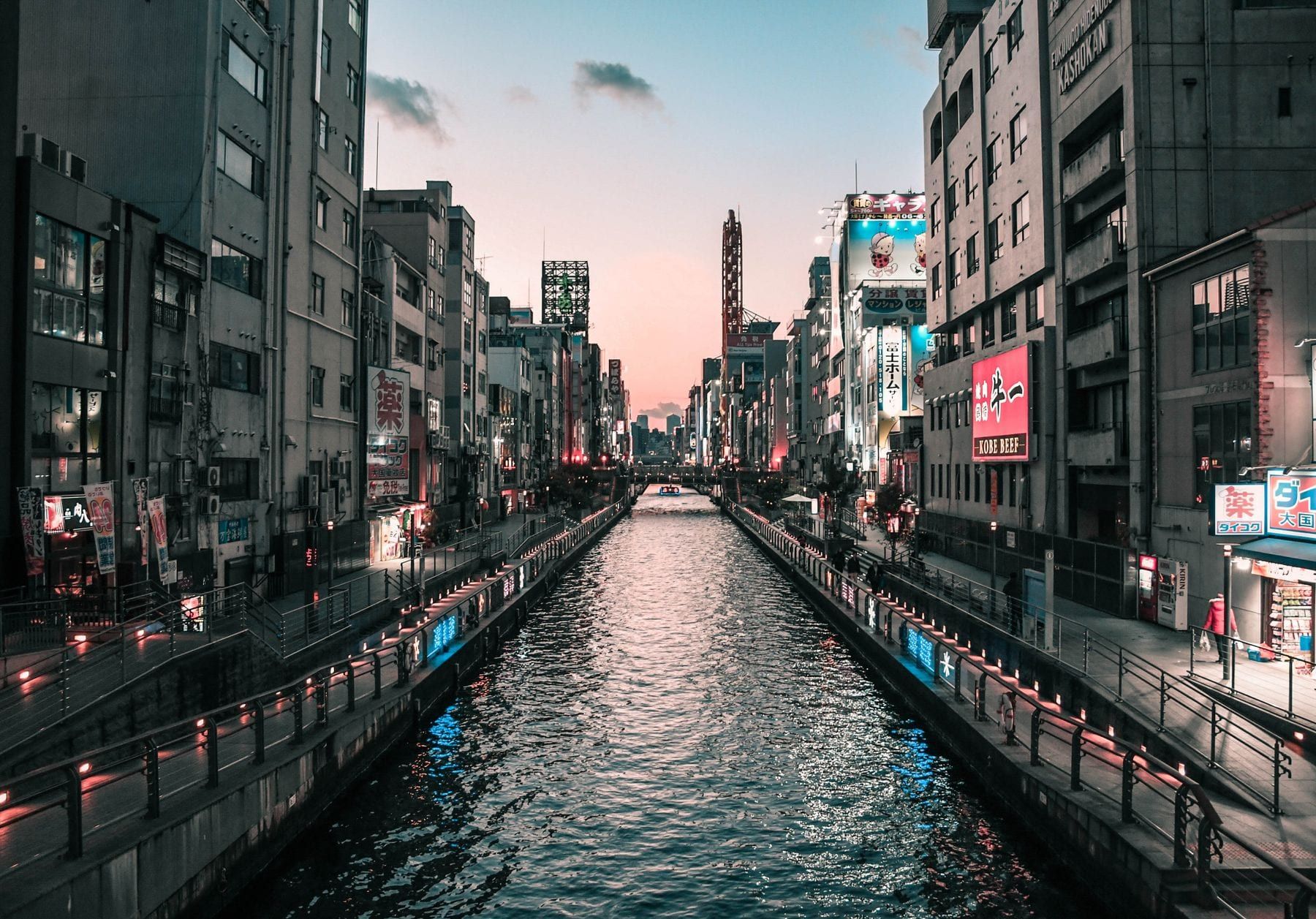
    Osaka is the finale, and day 11 belongs to Universal Studios Japan. Stay two nights in one of the hotels right on Universal City Walk (family rooms CHF 200 to 280, about EUR 215 to 300, but you are at the gate at 8 am) or in Namba with a 20 minute JR ride. Day ticket CHF 55 to 70 for adults, children 4 to 11 CHF 40, buy online. Super Nintendo World needs a time slot that you draw in the app once you have entered the park; on busy days it is gone before 10 am. The safe option is the Express Pass from CHF 60 per person, which halves the queueing, expensive but with children usually worth the money. Day 12: journey home. With an evening flight, the morning at the Kaiyukan aquarium with its whale shark (CHF 17, children CHF 8), takoyaki in Dotonbori in front of the Glico man at lunch, then the Nankai Rapi:t from Namba in 40 minutes to Kansai Airport (CHF 9, children half). Spend the remaining Suica balance on sweets at the konbini; the children's Suica expires after the twelfth birthday anyway.

    Tours at this stop: Universal Studios Japan tickets and Express Pass ↗Kaiyukan aquarium tickets ↗

    Open the Osaka travel guide →

If you book through these links we earn a small commission, at no extra cost to you.

What the route costs

Rough total per person for the whole route, mid-range, travelling as a pair. Flights and hotels vary by season; details are on the destination pages.

  • Getting there 1,070 EUR
  • Accommodation 685 EUR
  • Food 514 EUR
  • Local mobility 257 EUR
2,525 EUR
Total per person · 12 days

Money & payment: You pay in yen (JPY). 1,000 yen is roughly CHF 6 or EUR 6.50. Cards work in cities and hotels; small restaurants, temples and rural stations often want cash. An IC card (Suica or ICOCA) on your phone pays for trains, buses and convenience stores.

Tips for the route

The costs above are per adult; for children reckon like this: flight 75 percent of the adult fare from age two, trains half for 6 to 11 and free below, food half, the hotel is included in the family room. For a family with two children under twelve you land at around CHF 7,500 to 8,500 (about EUR 8,000 to 9,100) for twelve days, plus Universal Studios with Express Pass for four at CHF 450 to 600.

Hotels are the biggest planning issue: standard Japanese rooms are built for two, cots are rare, and many hotels allow children free in the parents' bed only up to age six. Search for "family room", "triple" or apartment hotels (Mimaru, Tokyu Stay) with a kitchen, or rent a machiya in Kyoto. Book early; a hotel often has only two to four family rooms.

Ghibli: the Ghibli Museum in Mitaka near Tokyo sells tickets only in advance, on the 10th of the previous month at 10 am Japan time via Lawson, and they are gone in minutes. Ghibli Park near Nagoya lies on the Shinkansen line between Yokohama and Kyoto; tickets go on sale two months in advance, partly by lottery in holiday periods, and without a ticket there is no entry. Plan a stopover with a night in Nagoya if it works out.

Konbini are your family restaurant: onigiri for CHF 1 (about EUR 1), egg sandwich for CHF 1.50, fruit, yoghurt, warm karaage, bananas, all round the clock. Breakfast for four costs CHF 12. At lunch udon and ramen chains with children's portions work, in the evening family restaurants like Saizeriya or Gusto with picture menus and a play corner. Conveyor belt sushi is the best dinner of the trip for children, CHF 1 a plate.

Pushchair or carrier: Tokyo and Osaka have lifts in almost all stations, but often at the far end of the platform, and in the rush hour (7.30 to 9.30 am) a pushchair on the metro is a problem. Fushimi Inari, the monkey park and Miyajima are stairs. A carrier for children up to three and a light buggy from four, plus taxis for short hops, which are everywhere and cost CHF 5 to 10 (about EUR 5 to 11).

Timing with children: October and November are ideal, warm, dry, no typhoons, with autumn colours. Cherry blossom in late March falls in the Swiss spring holidays but is the most expensive and busiest time. July and August at 35 degrees and humid are tiring for children, but there are fireworks and summer festivals, and hotels with pools. Avoid Golden Week in early May, when all of Japan travels.

Frequently asked questions about Japan with Kids

Are twelve days with children too long or too short?

Just right for the Tokyo to Osaka stretch with breaks. Jet lag costs children two to three days, which is why the route starts gently. With ten days you cut Yokohama and take an extra Tokyo day. Under nine days it becomes a rush, so better to do only Tokyo and Yokohama with a day trip to Kamakura.

From what age is Japan worthwhile with children?

From around five it becomes good for everyone: deer, teamLab, robots, Shinkansen and Nintendo World really work from then on, and the children walk the distances. With babies and toddlers Japan is practical (changing rooms everywhere, konbini milk, clean toilets), but the flight is long. Teenagers love Harajuku, Akihabara and Osaka.

Does a family need a hire car?

No. The train is easier with children than any car: under sixes travel free, 6 to 11 half, the Shinkansen have changing tables and space, and taxis for the last stretch are cheap. A car in Tokyo, Kyoto and Osaka would be nothing but a search for parking. If you need a child seat, you will not get one in a taxi; that is legal in Japan but uncomfortable for small ones.

What does the trip cost for a family of four?

Around CHF 7,500 to 8,500 (about EUR 8,000 to 9,100) for two adults and two children under twelve: flights CHF 3,500, family rooms for eleven nights CHF 2,500, food CHF 1,400, trains CHF 700. Universal Studios adds CHF 250 to 600 depending on the Express Pass, teamLab CHF 65, and the rest of the entries are cheap. With an apartment and konbini evenings you save CHF 1,000.

How safe is Japan for children, and what about the food?

Japan is so safe that first graders ride the metro alone. Lost children are looked after lovingly by station staff and police, though a note with the hotel name in a jacket pocket still helps. Tap water is drinkable, food is clean everywhere. Explain allergies with a Japanese allergy card from the internet; nuts and peanuts are rare, soy and wheat are everywhere.

What version is there for families with less or more time?

Shorter: Tokyo and Yokohama with day trips to Kamakura and Hakone, seven days, one hotel, no moving. Longer: two nights in Hakone in a ryokan with a family room between Yokohama and Kyoto, or after Osaka two days in Hiroshima and Miyajima with deer and ropeway. A beach day on Okinawa is a two hour flight from Osaka.

More itineraries through Japan