Tokyo

Japan · Kanto · Travel guide

Tokyo

What a week in the biggest city in the world really costs, which neighbourhood you should stay in and how to get around with Suica, metro and konbini like someone who lives here.

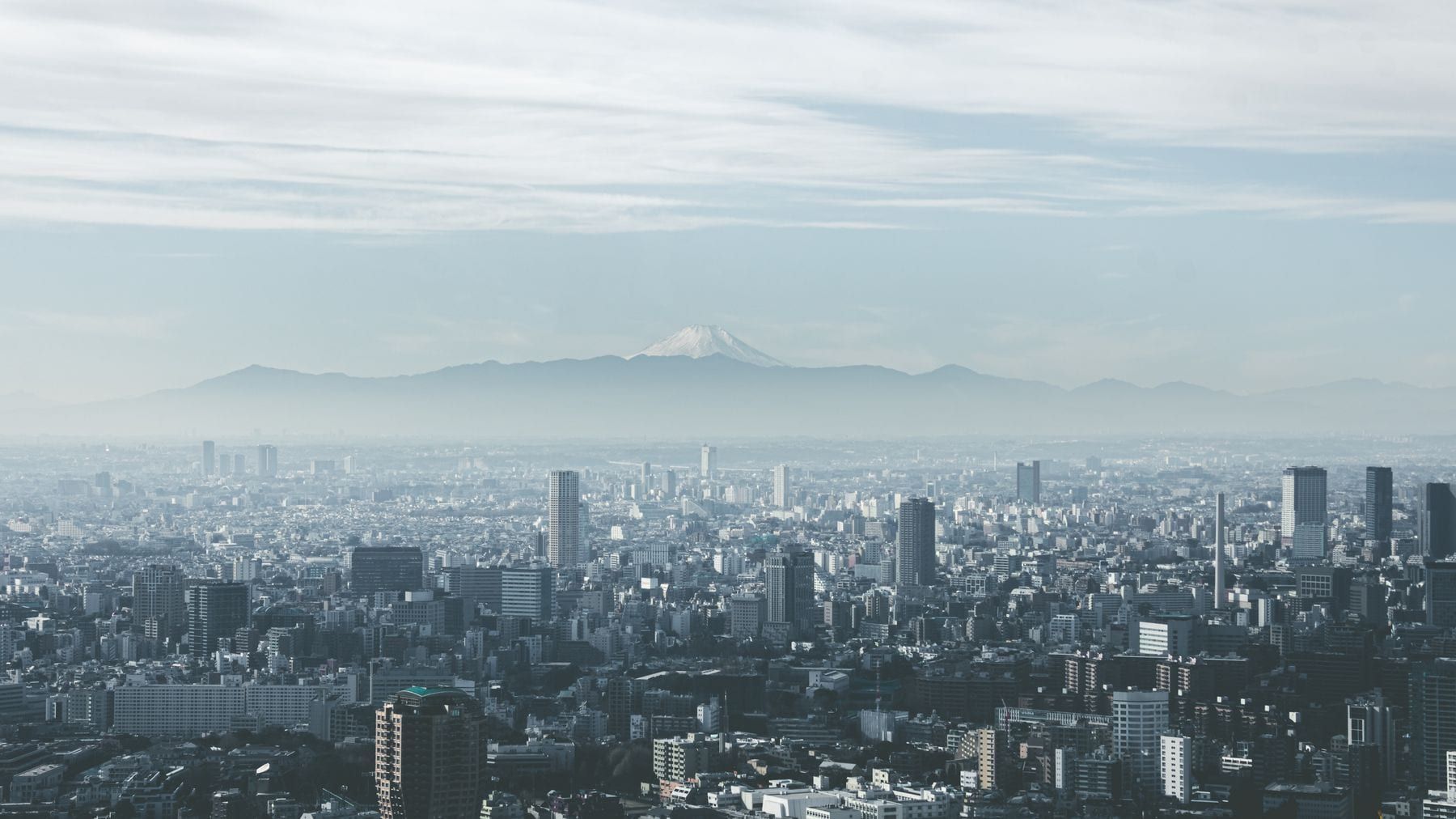
Photo: Ruiz . / Pexels

What does a trip to Tokyo cost?

Adjust the values to your trip: the calculator updates live (EUR, converted from CHF estimates).

3,371 EUR
≈ 1,685 EUR per person
  • Flights 2,140 EUR
  • Accommodation 589 EUR
  • Food 482 EUR
  • Local transport 64 EUR
  • Skytree & teamLab (tickets) 96 EUR

Estimates for orientation, not booking prices. Flights and hotels vary strongly by season: current prices are behind the links below.

Money & payment: You pay in yen (JPY). 1,000 yen is roughly CHF 6 or EUR 6.50. Cards work in cities and hotels; small restaurants, temples and rural stations often want cash. An IC card (Suica or ICOCA) on your phone pays for trains, buses and convenience stores. Flight time: 12 to 14 hours, usually with one stop.

Recommended hotels

Nine options in three price ranges, each among the best-rated on Booking.com.

Budget

nine hours Shinjuku-North

Shinjuku, Tokyo

The capsule hotel done beautifully: black and white design, clean showers, quiet sleeping capsules with curtains. Five minutes from Shin-Okubo station and a ten-minute walk to Shinjuku. An experience for one or two nights, after that you will want a room.

from CHF 35 / night (about EUR 37) View →

UNPLAN Kagurazaka

Kagurazaka, Tokyo

One of the best hostels in the city, with a cafe on the ground floor and private double rooms alongside the dorms. Kagurazaka is quiet, has alleys, temples and good bistros, and is ten minutes from Shinjuku by metro.

from CHF 40 / night (about EUR 43) View →

Toyoko Inn Tokyo Shinagawa-eki Takanawa-guchi

Shinagawa, Tokyo

A classic business hotel from Japan's biggest chain, two minutes from Shinagawa station with its Shinkansen and direct trains to Haneda. Small, clean rooms, simple free breakfast. Ideal for your first and last night.

from CHF 65 / night (about EUR 70) View →

Mid-range

Hotel Gracery Shinjuku

Kabukicho, Shinjuku, Tokyo

The hotel with the Godzilla head on the roof, in the middle of Kabukicho and five minutes from the station. Rooms from the 8th floor up, well soundproofed, modern bathrooms. Loud outside, quiet inside. For anyone who wants Shinjuku as their base.

from CHF 120 / night (about EUR 128) View →

Mitsui Garden Hotel Ginza Premier

Ginza, Tokyo

Rooms from the 16th floor up with views of Tokyo Tower or the bay, and a lobby with panoramic windows. Tsukiji is a ten-minute walk away, Ginza is on the doorstep. A very fair price for the location and the view.

from CHF 150 / night (about EUR 161) View →

Dormy Inn Premium Shibuya Jingumae

Jingumae, Shibuya, Tokyo

A Dormy Inn with the usual package: rooftop onsen bath, free ramen in the evening, good breakfast. It sits between Shibuya and Harajuku on a quiet residential street. Small rooms, but with everything you need.

from CHF 130 / night (about EUR 139) View →

Luxury

The Okura Tokyo

Toranomon, Minato, Tokyo

The legendary Okura of 1962, rebuilt in 2019 and reopened with its original lobby in Japanese modernist style. Large rooms, a quiet location next to the US embassy, a garden and excellent restaurants. The classic Tokyo grand hotel.

from CHF 450 / night (about EUR 482) View →

Andaz Tokyo Toranomon Hills

Toranomon, Minato, Tokyo

Hyatt's lifestyle brand on the top floors of a 52-storey tower, with a rooftop bar looking at Tokyo Tower and rooms in Japanese materials with a bathtub by the window. Less stiff than the classic luxury hotels.

from CHF 400 / night (about EUR 428) View →

Aman Tokyo

Otemachi, Tokyo

Rooms from 70 square metres on the top six floors of the Otemachi Tower, a 30-metre-high lobby of washi paper and stone, and a pool overlooking the Imperial Palace. The most expensive city hotel in Japan, and you understand why.

from CHF 1,100 / night (about EUR 1,177) View →

If you book through these links we earn a small commission, at no extra cost to you.

Experiences worth your time

Tsukiji outer market with breakfast

The best morning in Tokyo: tamagoyaki, grilled scallops and tuna sushi at stalls and counters. Come before 9 am, bring cash, and do not eat while walking, which is considered rude. Guided tours explain what you are eating and cost CHF 60 to 90 (about EUR 64 to 96) including tastings.

View & book →

teamLab Planets in Toyosu

Digital art that you walk through barefoot, sometimes knee-deep in water. Tickets cost CHF 24 to 28 (about EUR 26 to 30), online only and often sold out weeks ahead. It is emptiest at 9 am or after 7 pm. Allow two hours.

View & book →

Shibuya Sky at sunset

An open roof terrace 230 metres above the crossing, with Fuji on clear days. Tickets cost CHF 15 to 18 (about EUR 16 to 19); book online, as the sunset slots go three weeks ahead. Tripods and bags must go in a locker.

View & book →

Tokyo Skytree

At 634 metres the tallest tower in the world; the lower deck at 350 metres is quite enough. Entry costs CHF 13 to 19 (about EUR 14 to 20), cheaper online than on site. Best to go up an hour before sunset and watch the city turn to night.

View & book →

Senso-ji and Asakusa on foot

Tokyo's oldest temple with the red Kaminarimon gate and the Nakamise shopping lane. Free entry, most beautiful before 8 am or lit up after 8 pm. Guided walks combine Asakusa with the river and Kappabashi, the street of kitchenware shops.

View & book →

Sumo training or a tournament

The tournaments take place in Ryogoku in January, May and September, with tickets from CHF 25 (about EUR 27) that sell fast online. Outside tournament time you can watch a morning training session at a sumo stable, in silence, from CHF 70 with a guide who explains the rules.

View & book →

Cooking class: ramen, sushi or wagashi

An afternoon with a family or at a cooking school where, for CHF 60 to 110 (about EUR 64 to 118), you learn ramen broth, sushi rice or Japanese sweets. One of the best souvenirs, because you can repeat it at home.

View & book →

Go-kart through Shibuya and Shinjuku

In costume on real streets through the city, two hours from CHF 70 (about EUR 75). You absolutely need an international driving permit under the 1949 convention, which you apply for at home before you travel. Without it you will be turned away.

View & book →

Day trip to Fuji and Hakone

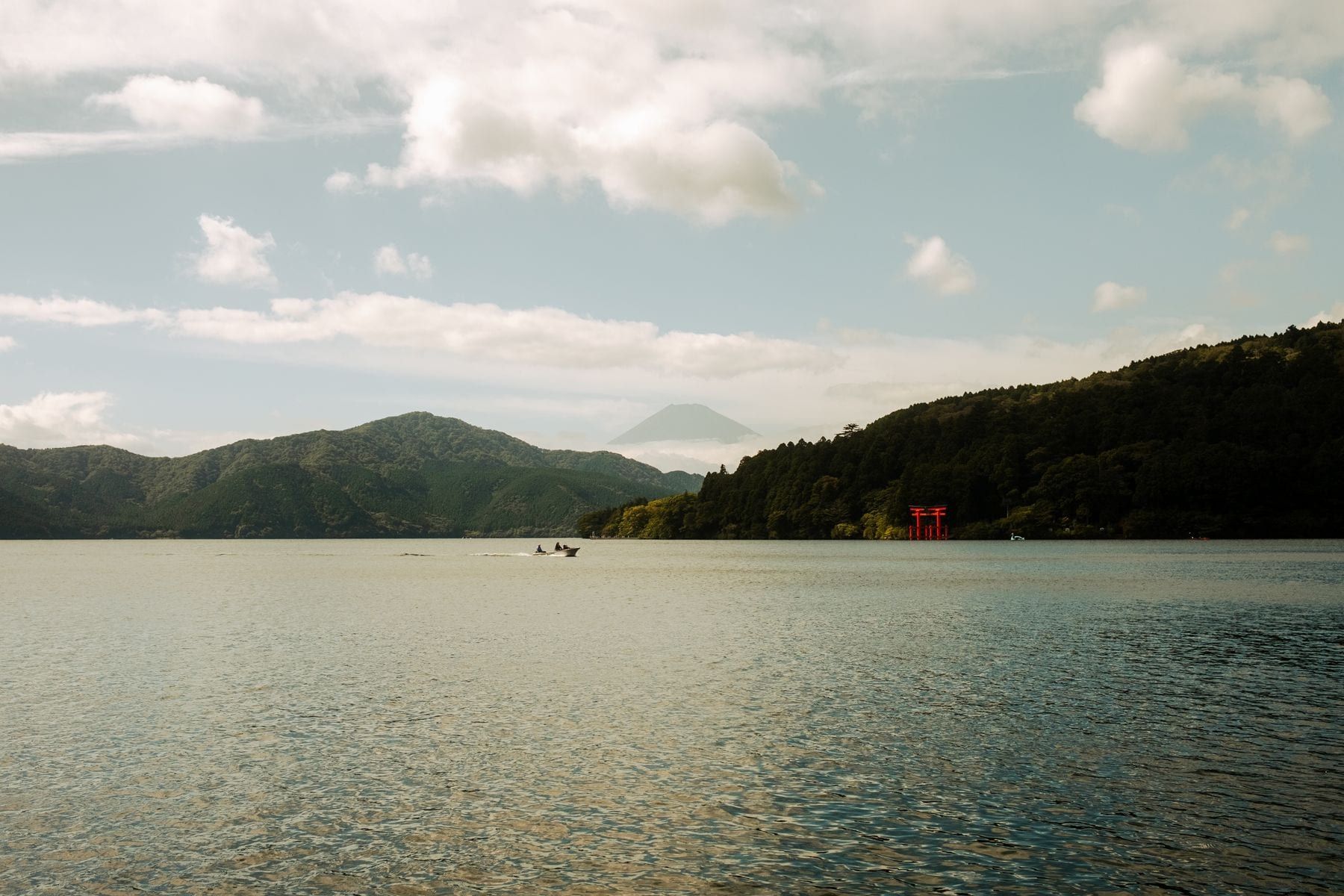
Bus tours from Shinjuku for CHF 90 to 140 (about EUR 96 to 150) combine Fuji's 5th station, Lake Ashi and the ropeway. Comfortable, but only worth it with a clear forecast. If you have time, go on your own with the Hakone Free Pass.

View & book →

If you book through these links we earn a small commission, at no extra cost to you.

Food & drink

Tokyo has more restaurants than any other city in the world, and the astonishing thing is not the top end but the breadth: the ramen shop round the corner, the soba stand in the station and the konbini sandwich are all good. You eat better here for CHF 6 (about EUR 6) than in Zurich for CHF 30, as long as you go where the queue is made up of Japanese people.

Sushi at the Tsukiji outer market

Tsukiji outer market, Chuo

Nigiri with tuna, sea urchin and prawns, right next to the traders who bought the fish that morning. A set of ten pieces costs CHF 20 to 35 (about EUR 21 to 37), single pieces at the stalls CHF 2 to 5.

Tip:Come before 9 am and bring cash, many stalls do not take cards.

Ramen

Ichiran Shibuya or Afuri Ebisu

Shoyu ramen with a clear soy broth is the Tokyo style, alongside tonkotsu, miso and tsukemen for dipping. A bowl costs CHF 6 to 9 (about EUR 6 to 10); you order at the machine by the entrance and eat in ten minutes.

Tip:At Ichiran you sit in a single booth, Afuri serves a light yuzu broth, and both are open around the clock or until late.

Yakitori

Omoide Yokocho, Shinjuku

Chicken skewers over charcoal, from thigh to skin and cartilage, CHF 1.20 to 2.50 (about EUR 1.30 to 2.70) per skewer, with a beer for CHF 4. In the alleys under the railway tracks you sit shoulder to shoulder with office workers after hours.

Tip:Expect a seating charge of CHF 3 to 5 per person and do not stay longer than an hour, seats are scarce.

Tonkatsu

Maisen, Aoyama

Breaded pork cutlet, crisp outside and juicy inside, with shredded cabbage, rice and miso soup. A set costs CHF 10 to 20 (about EUR 11 to 21), and the difference between cheap and good meat is big here.

Tip:Maisen is in an old bathhouse, and at lunchtime there is a cheaper set than in the evening.

Monjayaki

Monja Street, Tsukishima

Tokyo's answer to okonomiyaki: a runny batter with cabbage, seafood and cheese that you fry yourself on the hotplate in the table and eat with little spatulas. CHF 8 to 12 (about EUR 9 to 13) per portion; it looks odd and tastes good.

Tip:The staff will show you how it is done the first time, just ask.

Standing soba

Kanda Matsuya, or standing bars in every larger station

Buckwheat noodles in hot dashi broth with tempura crumbs, or cold with a dip, in three minutes at a standing counter for CHF 3 to 5 (about EUR 3 to 5). The commuters' lunch and the cheapest good food in the city.

Tip:Slurping is allowed and welcome; it cools the noodles and shows you are enjoying them.

Depachika bento

Depachika at Isetan Shinjuku

The food halls in department store basements sell bentos, sushi, salads and pastries at a very high level. A bento costs CHF 8 to 15 (about EUR 9 to 16), with 30 to 50 percent off from 7 pm.

Tip:You are not allowed to eat there; take it to Shinjuku Gyoen or back to your hotel room.

Konbini breakfast

7-Eleven, Lawson or FamilyMart, on every corner

Onigiri with salmon or umeboshi for CHF 1 (about EUR 1), an egg sandwich for CHF 1.50, hot coffee for CHF 0.70, plus yoghurt and fruit. The quality is consistently high and the range changes weekly.

Tip:Staff will heat bentos in the microwave for you; just nod when they ask.

Book a food tour: Tokyo

Through markets and eateries with a guide, tastings included.

View & book →

If you book through these links we earn a small commission, at no extra cost to you.

History & background

Until 1868 Tokyo was called Edo, and it was a fishing village on a marshy bay until Tokugawa Ieyasu chose it as his seat in 1590 and, from 1603, ruled all of Japan from here as shogun. Within a century Edo had grown into the largest city in the world, with more than a million inhabitants, while the emperor sat powerless in Kyoto. The daimyo, the feudal lords, had to reside in Edo every other year, and their residences, merchants, craftsmen and pleasure quarters shaped the street plan you can still recognise today in neighbourhoods such as Asakusa, Nihonbashi and Yanaka. In 1868 the Meiji Restoration toppled the shogunate, the emperor moved into Edo Castle, and the city became Tokyo, the 'eastern capital'. Twice it was almost completely destroyed: in 1923 by the Great Kanto Earthquake, which killed more than 100,000 people, and in 1945 by American firebombing. Both explain why Tokyo has so few old buildings and why the city is so relaxed about tearing down and rebuilding. The 1964 Olympics brought the first Shinkansen and the urban expressways, the bubble years of the 1980s brought the skyscrapers of Shinjuku, and the 2021 Games the new towers on the bay. Today around 37 million people live in the greater metropolitan area, and yet the city runs more quietly and more punctually than Zurich.

Insider tips

Arrival and Suica: how to get around like a local

Haneda is right in the city, Narita 60 kilometres out. If you have the choice, take Haneda: the Keikyu line gets you to Shinagawa in 15 minutes for CHF 2 (about EUR 2), the monorail to Hamamatsucho in 20 minutes for CHF 3. From Narita the Narita Express costs CHF 18 and takes an hour, the Keisei Skyliner CHF 16 to Ueno. Taxis from the airport cost CHF 60 to 120 and are only worth it for four people with a lot of luggage. The most important tool in Tokyo is the Suica: load it as a Mobile Suica in Apple Wallet (works with a Swiss credit card; Android phones from Europe do not support it, in which case you buy a Welcome Suica at the airport). With it you pay for the metro, JR, buses, konbini, vending machines and lockers without ever buying a ticket. A ride costs CHF 1.10 to 2, and you rarely go over CHF 10 a day. The Tokyo Subway Ticket (72 hours for CHF 9, foreigners only) is worth it if you ride the metro more than four times a day, but it is not valid on JR trains such as the Yamanote line. The rush hour between 7.30 and 9 am is best avoided altogether.

Neighbourhoods and business hotels: where to stay and what it costs

Tokyo does not have one centre, it has a dozen. On a first visit, stay on the Yamanote loop line and everything is within 30 minutes. Shinjuku is the most practical choice: the busiest station in the world, direct trains to Hakone and Kamakura, food around the clock. Shibuya is younger and louder, Ueno and Asakusa in the east are cheaper and closer to the temples but go quiet after 9 pm. Ginza is elegant and central for Tsukiji, and hotels there cost 30 percent more. Kagurazaka and Kuramae are underrated. What you do not need: Roppongi (expensive, expat nightlife) and Odaiba (half an hour from everything). You sleep in a business hotel, the best invention for mid-budget travellers: Toyoko Inn, APA, Dormy Inn or Super Hotel offer small, spotless rooms with a bathroom, pyjamas and often breakfast for CHF 55 to 90 (about EUR 59 to 96) for a double, and Dormy Inn adds a rooftop onsen and free ramen at 10 pm. The rooms are 12 to 15 square metres, and two open suitcases will not fit side by side. Hostels cost CHF 25 to 40 per bed, from CHF 180 you are in 'luxury', and for CHF 350 to 600 you get the Okura, Andaz or Aman, which would cost double in Zurich. Book three months ahead.

Konbini, depachika and the cost traps

In Japan the konbini (7-Eleven, Lawson, FamilyMart) is not a kiosk but your breakfast and emergency restaurant. Onigiri for CHF 1 (about EUR 1), an egg sandwich for CHF 1.50, coffee for CHF 0.70, plus a cash machine, printer, postal counter and toilet. Breakfast for two costs CHF 6. From 7 pm the depachika, the food halls in the basements of Isetan, Mitsukoshi or Takashimaya, cut their bentos and sushi by 30 to 50 percent, and that is the best dinner you will find for CHF 8. The cost traps are elsewhere: taxis (CHF 3 flag fall, then quickly CHF 20 for a short ride), izakaya with 'otoshi', a compulsory starter for CHF 3 to 5 per person that is not on the menu, and bars in Golden Gai or Roppongi with a seating charge of CHF 5 to 10. Cash machines: only those in 7-Eleven and at the post office reliably accept Swiss cards. Withdraw CHF 200 in yen, as many ramen shops and temples take cash only. And the classic: 'tax free' shopping from CHF 30 is worth it for electronics and cosmetics, but the goods must leave the country unopened.

Timing: cherry blossom, momiji and when to avoid Tokyo

The best time is from mid-March to mid-May and from mid-October to early December. The cherry blossom usually reaches Tokyo at the end of March and lasts around ten days; hotel prices then rise by 50 to 100 percent, and you should book by December at the latest. More beautiful than the packed Ueno Park are the Meguro river in the evening and Shinjuku Gyoen (entry CHF 3, about EUR 3, no alcohol, but quiet). Golden Week from 29 April to 5 May is the worst week of the year: half of Japan is travelling, the Shinkansen is fully booked and hotels cost twice as much. The same goes for Obon around 13 to 16 August. June to mid-July is the rainy season, followed by July and August with 35 degrees and 80 percent humidity; this is not a city for summer holidays, at most a stopover on the way to Hokkaido. September brings typhoons, usually one or two days of rain, rarely more. Autumn with momiji from mid-November to early December (Rikugien, Meiji Jingu Gaien with its ginkgo avenue) is the best time for me: clear air, 15 degrees, a view of Fuji from the high-rises. In January and February Tokyo is dry, sunny and at its cheapest.

Tsukiji, Yanaka, Shimokitazawa: the places that make the difference

The fish market moved to Toyosu in 2018, but the Tsukiji outer market lives on and is the best breakfast spot in the city: tamagoyaki on a stick for CHF 1.50 (about EUR 1.60), grilled scallops for CHF 4, a sushi set for CHF 20 to 30. Come before 9 am; from 10 am you are just standing among tour groups. Yanaka in the north-east survived the bombing nights of 1945: wooden houses, temples, cats, and the Yanaka Ginza shopping street with croquette stalls for CHF 1. This is old Tokyo, with no admission charge. Shimokitazawa, ten minutes west of Shibuya, is the neighbourhood of second-hand shops, record shops and small cafes, perfect for an afternoon without a plan. And two views that cost nothing: the Tokyo Metropolitan Government Building in Shinjuku (45th floor, free, open in the evening) and the roof terrace of Shibuya Scramble Square, called Shibuya Sky, which costs CHF 15 but is worth every franc at sunset if you book online three weeks ahead. For Senso-ji in Asakusa the rule is: either before 8 am or after 8 pm, when the lanterns are lit and the buses have gone.

Day trips: what you can reach within two hours

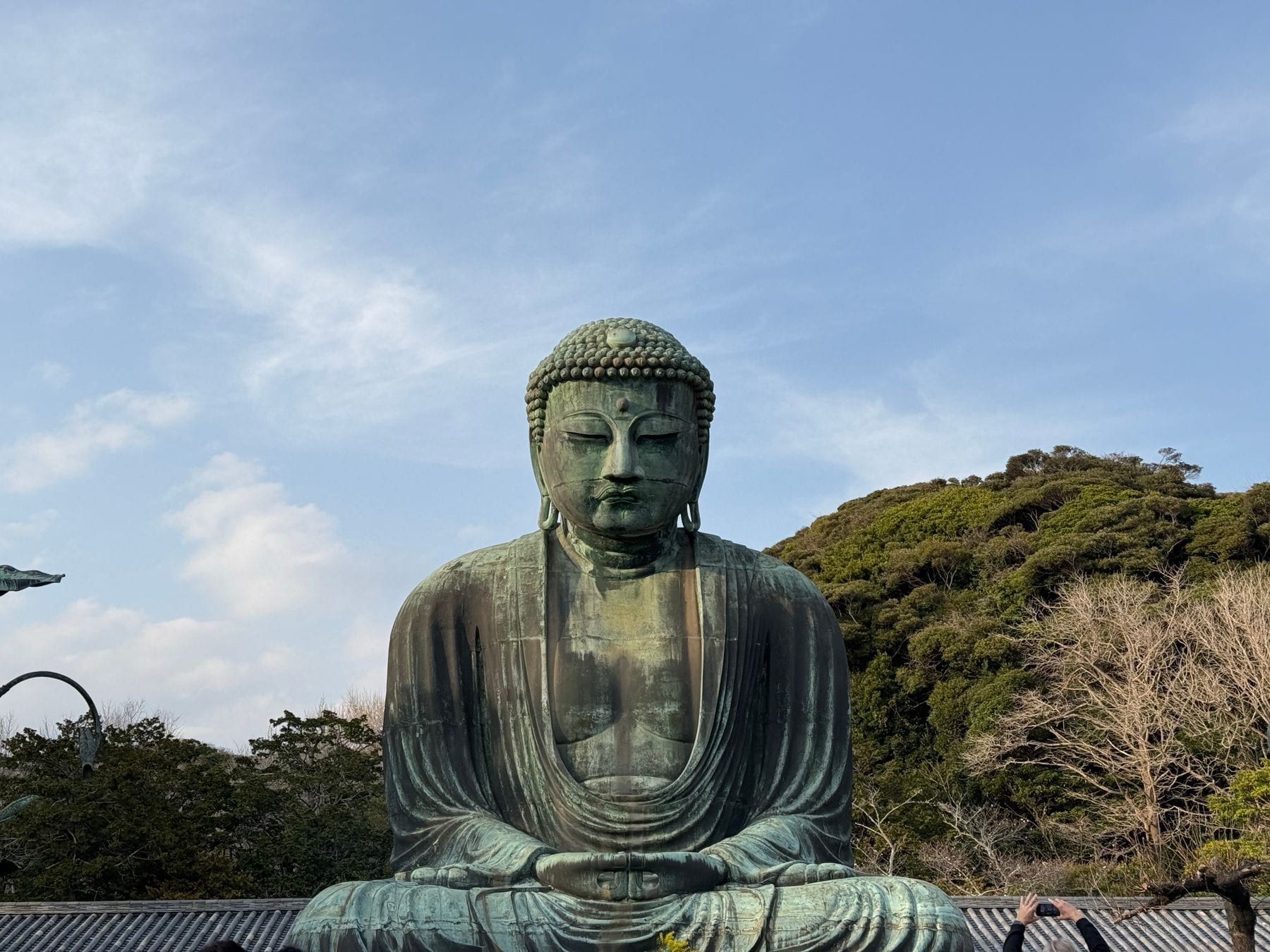
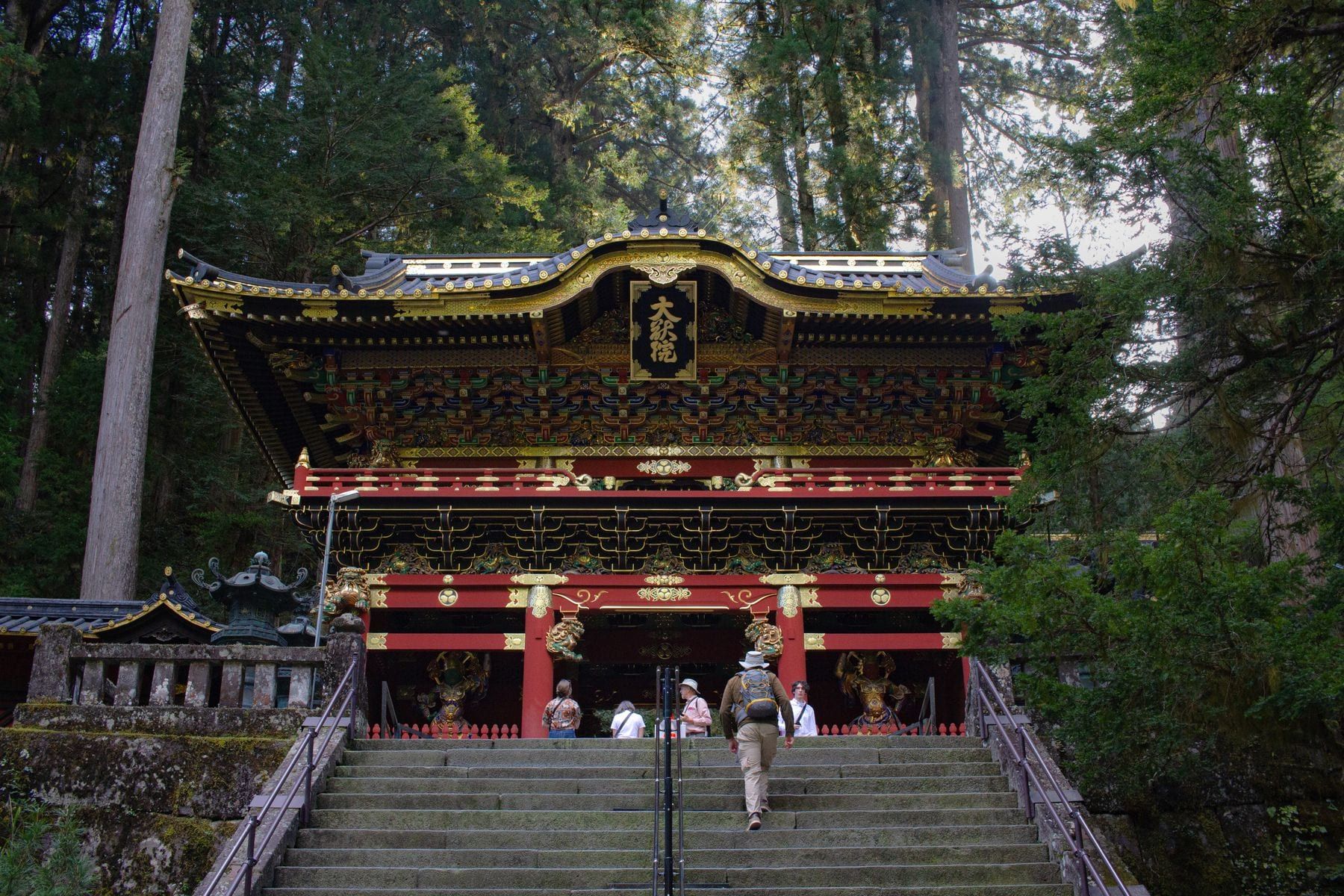
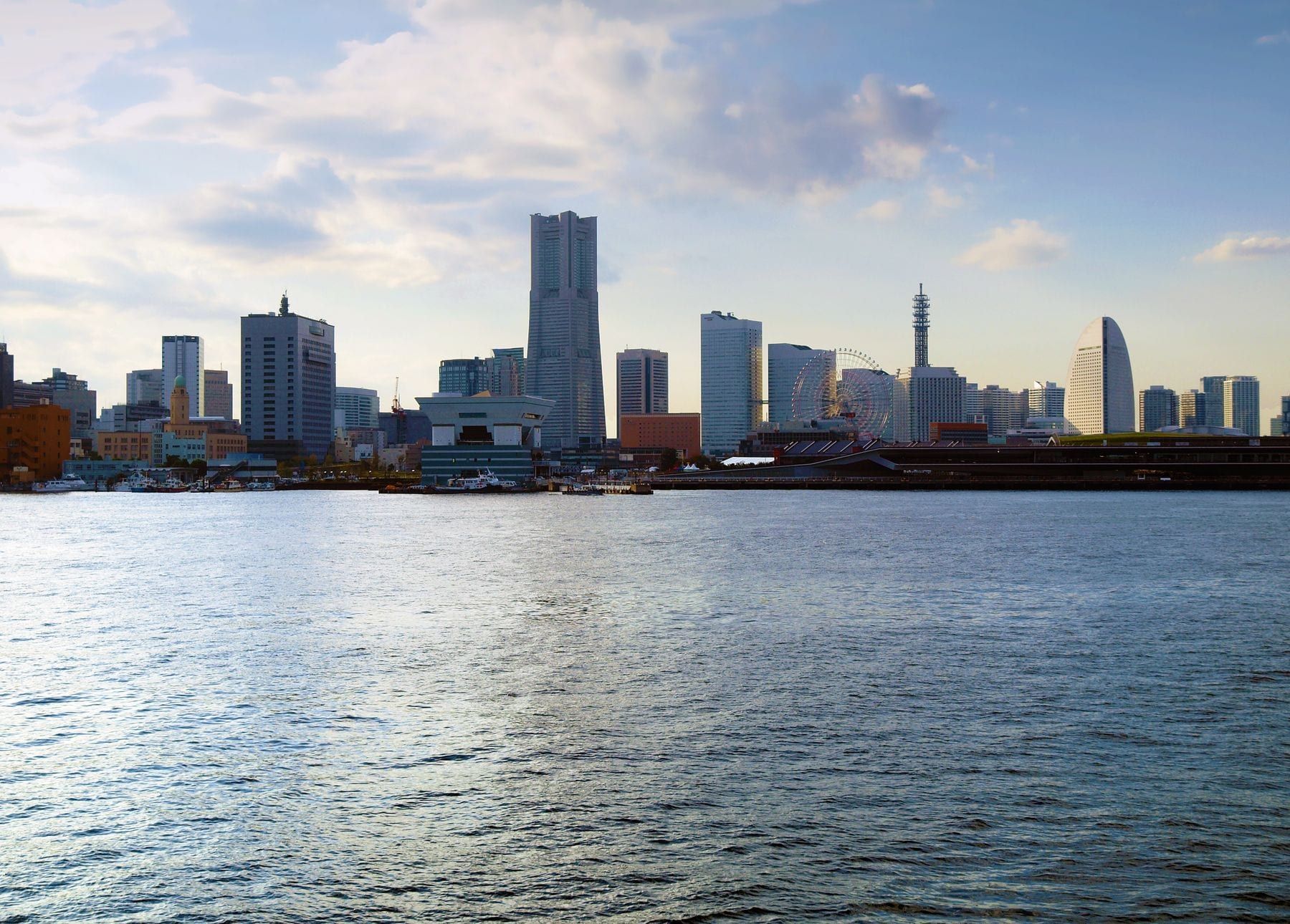
Tokyo is the best base for trips across the whole of Kanto, and for most of them you do not need a rail pass. Kamakura (an hour from Tokyo Station, CHF 6 each way, about EUR 6) for the Great Buddha, temples and the Enoden railway by the sea. Nikko (two hours from Asakusa on Tobu, CHF 17 to 27 each way) for Toshogu and the Kegon Falls, though better with an overnight stay. Hakone (85 minutes from Shinjuku on the Romancecar) with the Hakone Free Pass for CHF 37, which covers the mountain railway, ropeway, pirate ship and buses for two days. Yokohama is only 30 minutes away and costs CHF 2 on the Tokyu line. Kawagoe, 'little Edo' with its storehouses, is 30 minutes from Ikebukuro. The Fuji Five Lakes are two hours by bus from Shinjuku for CHF 13, but the mountain hides on many days; check the webcam in the morning before you set off. And a note on the Japan Rail Pass: since the 2023 price rise (7 days for CHF 300) it only pays off if you travel to Hiroshima and back within a week. For Tokyo plus Kyoto, buy single tickets (CHF 80 each way).

Frequently asked questions about Tokyo

How many days do I need for Tokyo?

Four full days is the minimum: one each for the west (Shinjuku, Shibuya, Harajuku, Meiji Shrine), the east (Asakusa, Ueno, Yanaka, Skytree), Tsukiji, Ginza and the Imperial Palace, and one for teamLab, Odaiba or a neighbourhood of your choice. With five to six days you can add a day trip to Kamakura or Nikko. If you combine Tokyo with Kyoto, plan two weeks in total.

Are there direct flights from Switzerland to Tokyo?

Yes, SWISS flies nonstop from Zurich to Narita in around 13 hours, with tickets from CHF 950 to 1,100 (about EUR 1,015 to 1,180) in the low season. To Haneda you fly with one change, for example with Lufthansa and ANA via Frankfurt or Munich, with Finnair via Helsinki or Turkish Airlines via Istanbul, often CHF 100 to 200 cheaper. Haneda is closer to the city, which saves you an hour on your arrival evening.

Do I need a visa for Japan?

No. Swiss, German and Austrian citizens can enter visa-free for up to 90 days, as can UK and most EU citizens. You fill in immigration and customs in advance on 'Visit Japan Web' and get a QR code, which saves time at the airport. Your passport only needs to be valid for the length of your stay. Fingerprints and a photo are taken on entry; it is routine and takes a few minutes.

Is Tokyo really that expensive?

Not any more. With the weak yen a bowl of ramen costs CHF 6 to 8 (about EUR 6 to 9), a sushi lunch set CHF 12 to 18, a metro ride CHF 1.50 and a double room in a business hotel CHF 70 to 110. Budget CHF 110 to 150 per person per day for a mid-range hotel, food and transport. The only expensive things are the flight, taxis, sushi at the counter (from CHF 100) and alcohol in bars.

Can I manage without Japanese?

In Tokyo, easily. Stations, the metro and menus in tourist areas are signed in English, and Google Maps shows you the line, the platform and even the best carriage. In restaurants, your phone's camera translation helps. 'Sumimasen' (excuse me, also used to call the waiter) and 'Arigatou gozaimasu' (thank you) are enough for everyday life. Many Japanese are reluctant to speak English but understand more than they let on.

Which metro or rail passes are worth it?

For the city itself, usually none. With Suica you pay CHF 1.10 to 2 (about EUR 1.20 to 2) per ride and rarely spend more than CHF 10 a day. The Tokyo Subway Ticket (24, 48 or 72 hours for CHF 5, 7 or 9) is only worth it on days with lots of metro rides. For Hakone and Nikko there are dedicated passes from Odakyu and Tobu covering the return journey plus local transport, and they are almost always cheaper than single tickets.

Itineraries with this destination

Activities in the region

Events

Jan 1

New Year (Shogatsu)

Public holiday

1 January 2027 1 January public holiday, most businesses closed from 29 December to 3 January

Shogatsu is the most important family holiday in Japan and the opposite of a New Year's Eve party: at midnight on 31 December the temples strike their bells 108 times, and then millions set off for the first shrine visit of the year (hatsumode); Meiji Shrine in Tokyo alone counts around three million visitors in three days. Government offices, banks and most museums close from 29 December to 3 January, as do many small restaurants. Department stores reopen on 2 January with lucky bags (fukubukuro), convenience stores and trains keep running, and in Tokyo the trains run all night on New Year's Eve.

For travellers: Shinkansen and domestic flights are sold out around 29 December and 3 January, and museums and many sights are closed; temples and shrines, on the other hand, are livelier than at any other time.

Jan 10

Sumo Tournaments Tokyo (Hatsu, Natsu and Aki Basho)

Sport

10 January 2027 15 days each from the second Sunday in January, May and September; 2027: 10 to 24 January, 9 to 23 May, 12 to 26 September

Three of the six grand sumo tournaments (honbasho) take place at the Ryogoku Kokugikan in Tokyo, each lasting 15 days. The bouts start in the morning with the lower divisions, the hall fills up from 2 pm, and the top bouts of the makuuchi division run from about 4 to 6 pm with the ring-entering ceremony and the yokozuna ritual. Upper-tier seats cost from around 4,000 yen (CHF 25, about EUR 27), Japanese box seats (masu-seki) on the floor CHF 60 to 90 (about EUR 64 to 96) per person. Advance sales start around a month before the tournament on the official ticket site; weekends and the final days are gone within hours.

For travellers: Weekdays in the first week are the easiest to get; if you miss out, you can watch a morning practice (asageiko) at a sumo stable in Ryogoku, usually through a tour operator.

Mar 7

Tokyo Marathon

Sport

7 March 2027 Early March, usually the first Sunday; 2027: 7 March

One of the six World Marathon Majors and the biggest race in Asia: around 38,000 runners start at the city hall in Shinjuku, pass Asakusa, Ginza and the Imperial Palace and finish in front of Tokyo Station. The course is flat, the atmosphere enormous, with a million spectators lining the route. Places are allocated by lottery in August, with odds of roughly one in ten; the entry fee for overseas runners is around CHF 110 (about EUR 118), charity places cost several times that. Tour operators with guaranteed places are the safe but expensive alternative.

For travellers: Large parts of the city centre are closed on Sunday until the afternoon; book hotels in Shinjuku and around Tokyo Station early. The expo with bib collection runs from Thursday to Saturday beforehand.

May 14

Sanja Matsuri Tokyo (and Kanda Matsuri)

Festival

14 May 2027 Third weekend in May, Friday to Sunday; 2027: 14 to 16 May. Kanda Matsuri only in odd years around 15 May

Tokyo's loudest festival: around a hundred portable shrines (mikoshi) are rocked through the lanes of Asakusa for three days, carried by neighbourhood groups in happi coats, some openly showing tattoos that normally stay hidden. On Sunday the three great mikoshi of Asakusa Shrine leave the temple precinct at six in the morning, and up to two million people crowd around Senso-ji. Add food stalls, drums and geisha dances. In odd years, so 2027 included, the Kanda Matsuri takes place a week earlier, with a procession of 200 mikoshi through Kanda, Nihonbashi and Akihabara.

For travellers: Hotels in Asakusa are sold out on the festival weekend, the rest of Tokyo is not; come early on Sunday morning, as from midday the area around Nakamise street is barely passable.

Jul 31

Sumidagawa Fireworks Tokyo (Hanabi)

Festival

31 July 2027 Last Saturday in July, 7 to 8.30 pm; 2027: 31 July, postponed to Sunday in case of rain

Summer in Japan is fireworks season, and the Sumidagawa Hanabi is the oldest and most famous: around 20,000 shells rise from two launch sites between Sakurabashi and Umayabashi over the river, with the Skytree as backdrop, while almost a million people in yukata crowd the banks and bridges. Entry is free, reservable seats are scarce, and the banks are taken from the afternoon. Other big fireworks follow in August across Japan, for example on the Edogawa in Tokyo, in Nagaoka (2 and 3 August, the biggest in the country) and on Lake Biwa.

For travellers: Find a spot on the bank early and bring a blanket and drinks; Asakusa and Kuramae stations become a bottleneck for an hour after the finale, so better walk towards Ueno.

More destinations in Kanto