Munich

Germany · Bavaria & the Alps · Travel guide

Munich

What a long weekend in the Bavarian capital really costs, why you come by train and leave the car at home, and where you eat Weisswurst without sitting in a tourist trap.

Photo: Nicola Raviglione / Pexels

What does a trip to Munich cost?

Adjust the values to your trip: the calculator updates live (EUR, converted from CHF estimates).

1,755 EUR
≈ 877 EUR per person
  • Getting there 235 EUR
  • Accommodation 803 EUR
  • Food 535 EUR
  • Local transport 54 EUR
  • Oktoberfest evening (two Mass, half a chicken, one ride) 128 EUR

Estimates for orientation, not booking prices. Getting there means train or car from Switzerland, return, per person. Hotels vary strongly by season: current prices are behind the links below.

Money & payment: You pay in euros (EUR). Germany is fonder of cash than Switzerland: bakeries, kiosks and small restaurants often say "cash only", though cards work almost everywhere from about EUR 10. Tip 5 to 10 percent by rounding up and naming the total when you pay. Getting there: By train (DB), car or plane, 1 to 8 hours depending on the destination.

Recommended hotels

Nine options in three price ranges, each among the best-rated on Booking.com.

Budget

a&o München Hauptbahnhof

Station district, Munich

Large hostel-hotel five minutes' walk from the Hauptbahnhof with double rooms, family rooms and dorms. Plain, clean, reliable and one of the few places whose prices do not go completely through the roof during the Wiesn. For anyone who just wants to sleep and leave early.

from CHF 80 / night (about EUR 86) View →

Motel One München-Sendlinger Tor

Old town, Munich

Munich's design-budget concept on the edge of the old town, right by the underground and ten minutes' walk from Marienplatz. Small, well-made rooms, a good bar, no frills. For couples who want to stay central and cheap.

from CHF 110 / night (about EUR 118) View →

Wombat's City Hostel Munich Hauptbahnhof

Station district, Munich

One of the best hostels in Europe, right behind the Hauptbahnhof: green inner courtyard, bar with a welcome drink, double rooms with their own bathroom alongside the dorms. Young and loud, but friendly and very clean.

from CHF 35 / night (about EUR 37) View →

Mid-range

Ruby Lilly Hotel Munich

Maxvorstadt, Munich

Lean-luxury hotel on Stiglmaierplatz, ten minutes' walk from the Pinakothek galleries and the Hauptbahnhof. Compact rooms with very good beds, roof terrace with bar, self check-in. For city travellers who want design and do not need a lobby.

from CHF 130 / night (about EUR 139) View →

25hours Hotel München The Royal Bavarian

Station district, Munich

Playful design hotel in the former telegraph office opposite the Hauptbahnhof, with the Boilerman Bar and the restaurant Neni. The location is practical, the rooms are colourful and comfortable. For anyone who does not want to walk far after the train.

from CHF 160 / night (about EUR 171) View →

Platzl Hotel Superior

Old town, Munich

Family-run traditional house right on the Platzl, 50 metres from the Hofbräuhaus and 3 minutes from Marienplatz. Bavarian furnishings without kitsch, with the Wirtshaus Ayingers and a small spa in the style of a Moorish kiosk. For anyone who wants the old town on the doorstep.

from CHF 190 / night (about EUR 203) View →

Luxury

Hotel Bayerischer Hof

Old town, Munich

Family-owned since 1841, venue of the Security Conference and Munich's social living room on Promenadeplatz. Roof terrace with pool, Blue Spa, nightclub, several restaurants up to the three-star Atelier. A grand hotel in the best sense.

from CHF 450 / night (about EUR 482) View →

Hotel Vier Jahreszeiten Kempinski München

Maximilianstrasse, Munich

Since 1858 the house on Maximilianstrasse where kings, state guests and the opera crowd stay. Classic rooms, pool under the roof, lobby with the famous glass dome. For anyone who wants Munich at its most stately.

from CHF 420 / night (about EUR 449) View →

Mandarin Oriental, Munich

Old town, Munich

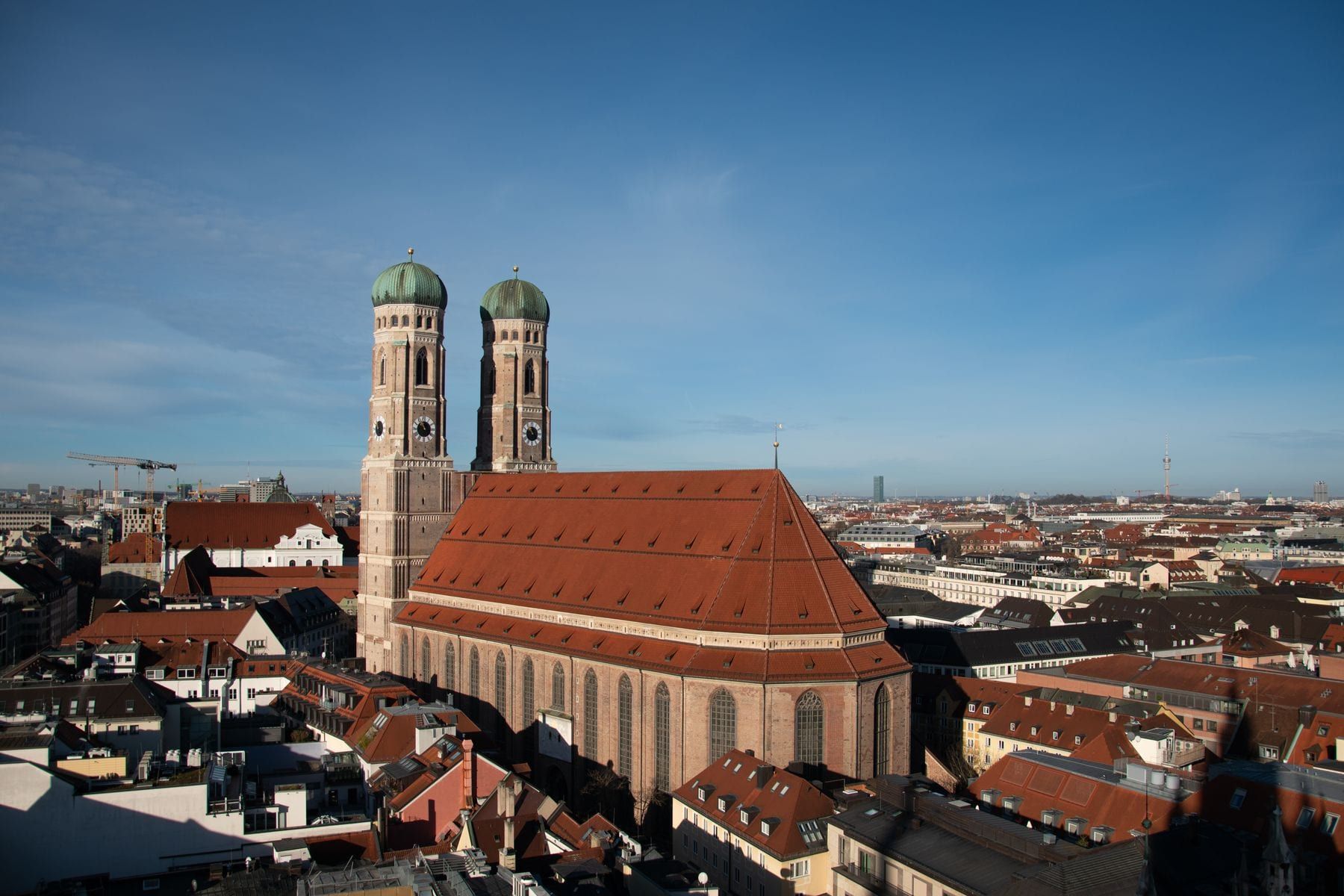
Small luxury hotel in a side street between the Hofbräuhaus and Maximilianstrasse with only 73 rooms, rooftop pool with a view of the Frauenkirche and the Matsuhisa restaurant. Discreet and personal rather than pompous. For couples looking for calm in the middle of the old town.

from CHF 650 / night (about EUR 696) View →

If you book through these links we earn a small commission, at no extra cost to you.

Experiences worth your time

Old town walk with Marienplatz and Viktualienmarkt

Glockenspiel at 11 am and noon, Frauenkirche, Alter Peter (tower CHF 5, 300 steps, best view) and Viktualienmarkt in two to three hours. Guided from CHF 20, on your own free; the city's own guided walks are cheap and good.

View & book →

Residenz and Treasury

The largest city palace in Germany with 130 show rooms, the Antiquarium and the Cuvilliés Theatre. Combined ticket for Residenz and Treasury around CHF 15, audio guide included, allow two and a half hours. Much emptier in the morning.

View & book →

Pinakothek galleries in the Kunstareal

The Alte Pinakothek (Dürer, Rubens, Altdorfer) and the Pinakothek der Moderne (design, architecture, Blauer Reiter) face each other, CHF 9 to 10 each, CHF 1 on Sundays. Two hours per gallery, with coffee in the museum café in between.

View & book →

Englischer Garten and Eisbach wave

Surfers on the Eisbach wave, Monopteros, Chinesischer Turm and Seehaus on a two-hour walk, free. By bike you also see the wild northern part. A guided bike tour through the park and old town costs from CHF 35.

View & book →

Oktoberfest tent with a reserved seat

Between mid-September and early October: guided Wiesn visits with a guaranteed table seat, usually including a Mass and half a chicken, from CHF 120 per person. Expensive, but for groups and weekends the only sure way into a tent. Bookable only during the festival.

View & book →

Dachau Concentration Camp Memorial Site

The first concentration camp of the Nazis, 25 minutes on the S2. Admission free, audio guide CHF 4, guided tours from Munich with train journey and historian from CHF 35. At least three hours, and not for the same day as a beer garden.

View & book →

Nymphenburg Palace

Summer residence of the Wittelsbachs with the Gallery of Beauties, the Amalienburg and 180 hectares of park. Full ticket in summer CHF 15, palace only CHF 10, 20 minutes on tram 17. The park is free and almost empty in the morning.

View & book →

BMW Welt and BMW Museum

BMW Welt next to the Olympiapark is free and shows the current models; the museum opposite costs around CHF 10 and tells the history. Two to three hours together, then up the Olympiaturm (CHF 13) for the view of the Alps when the Föhn blows.

View & book →

Allianz Arena tour

Stadium tour with dressing room, players' tunnel and FC Bayern Museum, around CHF 25, 90 minutes, on the U6 to Fröttmaning. A must for football fans, just another building for everyone else. No tours on match days.

View & book →

If you book through these links we earn a small commission, at no extra cost to you.

Food & drink

Munich eats hearty, Bavarian and at fixed times: Weisswurst in the morning, roast pork at lunch, Brotzeit in the afternoon in the beer garden. The beer comes from six Munich breweries, and which one an inn serves is written on the outside. The good news for the Swiss: everything costs a third less than at home, and the portions are bigger.

Weisswurst with Brezn and sweet mustard

Gaststätte Grossmarkthalle in Sendling or Schneider Bräuhaus in the Tal

White veal sausage with bacon, seasoned with parsley and lemon, served in hot water and traditionally eaten before the bells strike noon. Two with a Brezn (pretzel) cost CHF 7 to 9, with a wheat beer around CHF 13.

Tip:Peel the skin or suck the meat out, both work, but never eat it with knife and fork skin and all.

Schweinsbraten with Knödel

Wirtshaus in der Au in Haidhausen (known for its dumplings), Augustiner-Keller on Arnulfstrasse

Roast pork with crackling in dark beer sauce with bread or potato dumplings and cabbage salad, Bavaria's Sunday dish. CHF 17 to 22 in a traditional inn.

Tip:The crackling has to crunch, otherwise send it back. The Wirtshaus in der Au runs dumpling courses.

Obatzda

Beer garden at the Chinesischer Turm or Königlicher Hirschgarten

Ripe Camembert mashed with butter, paprika, onions and caraway, served with Brezn or farmhouse bread. The classic beer garden snack, CHF 8 to 10.

Tip:In the self-service area you may bring your own Brezn and radishes, the locals do too.

Leberkässemmel

Butchers at the Viktualienmarkt or any branch of Vinzenzmurr

A warm slice of Leberkäse (neither liver nor cheese, but a fine meatloaf) in a bread roll with sweet mustard, CHF 3 to 4. Munich's fast food for 150 years.

Tip:Between 11 am and 1 pm the Leberkäse comes fresh from the oven, when the crust is at its best.

Steckerlfisch

Seehaus in the Englischer Garten, beer garden at the Flaucher, Fischer-Vroni at Oktoberfest

Mackerel or whitefish, skewered on a stick and grilled over charcoal, eaten with a Brezn. CHF 12 to 16 in a beer garden, CHF 20 at the Wiesn.

Tip:Eat it with your hands, the skin is the best part.

Schmalznudel

Café Frischhut on Prälat-Zistl-Strasse next to the Viktualienmarkt

Yeast dough fried in lard, crisp outside, soft inside, sprinkled with sugar, also called Auszogne. CHF 3 each, fresh from the pan.

Tip:The café opens at 5 am and is equally popular with market traders, night owls and tourists.

Halbes Hendl

Augustiner-Keller, Hirschgarten, Wiesn tents

Half a grilled chicken with crisp skin, CHF 12 to 14 in a beer garden, CHF 20 to 23 at Oktoberfest. With a Brezn and a radish it is a whole dinner.

Tip:In the beer garden order at the chicken stand, not at the food counter, where it has often been kept warm for a while.

Mass of Helles in the beer garden

Augustiner-Keller, Hirschgarten (the largest beer garden in the world), Hofbräukeller on Wiener Platz

A litre of Helles lager from the wooden barrel, CHF 10 to 12 in a beer garden, CHF 14 to 15 at the Wiesn. Locals consider Augustiner Edelstoff the best of the six beers.

Tip:If you cannot manage a litre, order a Halbe (half litre), that is no loss of face. A Radler shandy comes as a Mass too.

Book a food tour: Munich

Through markets and eateries with a guide, tastings included.

View & book →

If you book through these links we earn a small commission, at no extra cost to you.

History & background

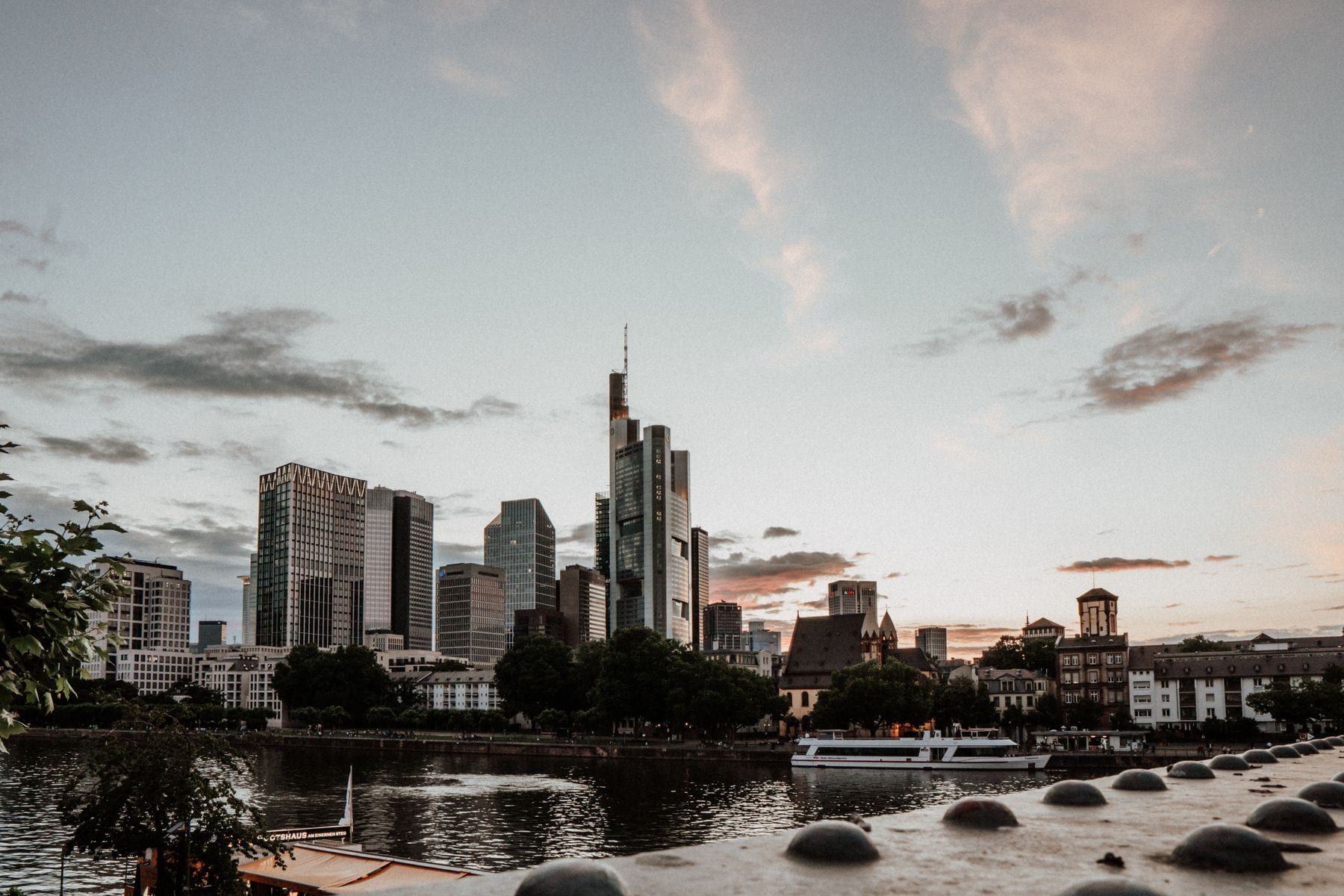
Munich begins in 1158 with a stunt: Duke Henry the Lion had the Bishop of Freising's bridge over the Isar at Föhring burned down and built his own upstream, so that the salt trade from Reichenhall ran through his settlement "bei den Mönchen" (by the monks) and paid its tolls to him. Emperor Barbarossa approved it in the Augsburg arbitration, and the little monk has been on the city's coat of arms ever since. In 1255 Munich became the residence of the Wittelsbachs, who stayed until 1918, longer than any other European dynasty in one place. Almost everything you visit today dates from their time: the Residenz, the Frauenkirche with its onion domes of 1525, the beer purity law of 1516, the Hofbräuhaus of 1589. In the 19th century King Ludwig I turned the provincial town into an "Athens on the Isar" with Ludwigstrasse, the Glyptothek and the Pinakothek galleries, and his grandson Ludwig II preferred to pour the family money into castles on the edge of the Alps rather than the capital. The first Oktoberfest in 1810 was a horse race for the crown prince's wedding on the meadow that has been called Theresienwiese ever since. The 20th century is the dark side: Munich was the "capital of the movement", the Nazi party was founded here, Hitler's putsch failed here at the Feldherrnhalle in 1923, and in Dachau just outside the gates the first concentration camp was built in 1933. After the war the city decided to rebuild the bombed old town in its old form instead of going upwards like Frankfurt. The 1972 Olympic Games brought the underground, the pedestrian zone and the tent roof in the Olympiapark, but also the attack on the Israeli team. Today Munich has 1.6 million inhabitants, is the most expensive city in Germany, home to BMW, Siemens and Allianz, and for travellers from Switzerland still a place where everything costs a little less than at home.

Insider tips

Getting there: EC from Zurich, vignette or not, the car stays on the edge

The Eurocity runs direct from Zurich HB to Munich Hauptbahnhof every two hours, via St. Gallen, Bregenz and Lindau, journey time 3 hours 30 minutes. If you book early, you pay CHF 30 to 50 (about EUR 32 to 54) each way with an SBB saver ticket or DB's Super Sparpreis Europa; the full fare with the Half Fare Card (Halbtax) is around CHF 55. From Basel you need one change, usually in Zurich or Ulm, around 4 hours 45. By car it is 310 kilometres from Zurich, just under 3 hours 30 with clear roads, and the fastest route goes via Bregenz through a stretch of Austria: for that you need the Austrian vignette, 10 days CHF 12. If you want to save that, drive via Schaffhausen, Singen and Memmingen on the A7, around 20 minutes longer. In Germany itself there is no motorway toll. In Munich you no longer need the car: the old town is a pedestrian zone, car parks cost CHF 30 to 45 a day, and park-and-ride on the edge of the city (Fröttmaning, Messestadt) costs CHF 1 to 2. The MVV day ticket for zone M costs around CHF 9; for two or three people the group day ticket at CHF 17 is worth it. From the Hauptbahnhof you walk to Marienplatz in 15 minutes.

Where to stay: choosing a district and the Oktoberfest trap

A mid-range double room in Munich costs CHF 130 to 180 (about EUR 139 to 193), which makes the city more expensive than Berlin or Hamburg but cheaper than Zurich. Prices explode at three times: during Oktoberfest (mid-September to early October), during the big trade fairs (bauma every three years in April, Expo Real in October, ISPO in December) and on Champions League evenings. Then Motel One costs CHF 300 and the rooms are gone anyway. Check the trade fair calendar before booking, and book four to six months ahead for the Wiesn. On location: the station district south of the Hauptbahnhof has most of the cheap hotels, is practical but not pretty in the evening. You are better off in the Glockenbachviertel or around Gärtnerplatz (pubs, cafés, 10 minutes to Marienplatz), in Haidhausen behind the Ostbahnhof (village feel, traditional inns) or in the Maxvorstadt by the museums. Schwabing is less bohemian than the name promises, but close to the Englischer Garten. Hostels and budget hotels (a&o, Wombat's, Motel One) are of good quality in Munich, with double rooms from CHF 90. Adding breakfast is rarely worth it: a bakery with Brezn and coffee for CHF 5 is always round the corner.

Cost traps and savings: Hofbräuhaus, Pinakothek galleries, Deutschlandticket

You do not have to avoid the Hofbräuhaus, but you need to know what it is: a tourist hall with a brass band where the Mass (one litre) costs CHF 12 (about EUR 13) and the roast pork plate is mediocre. The same Mass costs CHF 10 at the Augustiner-Keller or the beer garden at the Chinesischer Turm, and the beer is better. Second saving: the state museums, meaning the Alte Pinakothek, Pinakothek der Moderne, Glyptothek, Bayerisches Nationalmuseum and the Sammlung Schack, charge CHF 1 admission on Sundays instead of CHF 9 to 10. Take Sunday for the art and Saturday for the Viktualienmarkt. The Neue Pinakothek is closed for renovation until probably the end of the decade; its most important paintings hang in the Alte Pinakothek. Third: if you stay longer than four days or make day trips to Nuremberg, Salzburg or the Chiemsee, buy the Deutschlandticket for around CHF 60 a month (cancellable monthly, available to foreigners via the app). It is valid on all regional trains, buses, trams and underground lines in Germany, but not on the ICE. Fourth: in a beer garden you may bring your own food, you only have to buy the drinks. That is not a trick but Bavarian law since 1812, and at the Hirschgarten or the Chinesischer Turm you will see families with tablecloths and cheese platters.

Oktoberfest honestly: what it costs and whether you need a reservation

The Wiesn lasts 16 to 18 days, from mid-September to the first Sunday in October, and draws six to seven million visitors. In 2025 the Mass costs CHF 14 to 15 (about EUR 15 to 16), half a roast chicken CHF 20 to 23, so an evening with two Mass, chicken and one fairground ride comes to around CHF 60 per person, plus a hotel at double the price. Entry to the grounds is free. The big tents (Schottenhamel, Hacker, Augustiner, Hofbräu) are practically closed to people without a reservation in the evenings and from midday at weekends; the landlords allocate reservations from January, often only for tables of ten with a minimum spend. Honestly, you still get in: on weekdays before 3 pm, especially Monday to Wednesday, you will find a seat in almost every tent at the unreserved tables in the central aisle. The smaller tents such as the Augustiner-Festzelt or the Oide Wiesn (CHF 4 entry, brass music instead of party hits, a more traditional atmosphere) are more relaxed. The second Wiesn Sunday with the costume parade is worth watching; the first Saturday with the tapping of the keg is the busiest day of the year. Traditional dress is not compulsory, but the majority wear it; a decent pair of Lederhosen costs CHF 150 to 300, a Dirndl from CHF 100. If you only want the beer tent feeling without the madness, come in spring for the Frühlingsfest or in summer for the Kocherlball in the Englischer Garten.

Englischer Garten, Eisbach wave and the Isar: Munich for free

At 375 hectares the Englischer Garten is bigger than Central Park, and the best thing about Munich does not cost a franc. At the southern entrance by the Haus der Kunst, the Eisbach wave has been running for 50 years, with surfers riding it all year round and in any weather; watching is quietest from 7 am, in the afternoon you stand three rows deep in tourists. Further north are the Monopteros with its view over the city, the beer garden at the Chinesischer Turm with 7,000 seats and the Kleinhesseloher See with the Seehaus. Further north still the park becomes quiet and wild, and locals swim in the Schwabinger Bach. The second lifeline is the Isar: between the Reichenbachbrücke and the Flaucher, thousands sit on the gravel banks on warm evenings, barbecue and swim, even though the river is cold and fast. The Flaucher beer garden is one of the least pretentious in the city. If you cycle, take the Isar cycle path south to Kloster Schäftlarn (20 kilometres, beer garden) or north to the Aumeister at the top end of the Englischer Garten. Rental bikes are available via the MVG Rad app for around CHF 1 (about EUR 1) per 15 minutes or from rental shops at the Hauptbahnhof for CHF 15 to 20 a day. Munich is flat, has wide cycle lanes and is far nicer for two people on bikes than in the underground.

Food: Weisswurst before noon, Viktualienmarkt and beer garden rules

Weisswurst is eaten in the morning, and that is not folklore but a leftover from the days before refrigeration: two sausages with a Brezn (pretzel), sweet mustard and a wheat beer cost CHF 8 to 11 (about EUR 9 to 12) and are the best breakfast in the city. You either suck the meat out of the skin or slit the sausage lengthways and peel the skin off, both are allowed, only eating the skin is not. The Viktualienmarkt behind Marienplatz is lovely, but at the food stalls on the edge you pay tourist prices; the butchers and the cheese stall in the middle are fair, and the beer garden under the chestnut trees changes brewery every six weeks. Roast pork with dumpling and cabbage salad costs CHF 17 to 22 in a traditional inn, Obatzda with Brezn CHF 8 to 10, a Leberkäse roll from the butcher CHF 3 to 4. Beer garden rules: you find your own seat, even at a table with strangers, fetch your beer from the counter and return the glass to the return point, otherwise the deposit of CHF 2 to 3 is gone. Tables with tablecloths belong to the served area, where you may not bring anything of your own. Tip 5 to 10 per cent, round up when paying and say "stimmt so". Card payment works almost everywhere, but the stand-up bar, the bakery and the beer garden often want cash. You need to reserve in the classic inns (Wirtshaus in der Au, Fraunhofer, Schneider Bräuhaus) on Friday and Saturday evenings.

Frequently asked questions about Munich

What is the best way to get from Switzerland to Munich, and what does it cost?

By Eurocity from Zurich HB: direct every two hours, 3 hours 30 minutes, saver ticket from CHF 30 (about EUR 32), full fare with the Half Fare Card around CHF 55 each way. From Basel and Bern you change in Zurich. By car you need 3 hours 30 from Zurich via Bregenz (Austrian vignette required) or just under 4 hours via Singen and Memmingen without a vignette. Flying is not worth it: with the trip to the airport and the S-Bahn from Munich Airport (45 minutes) you are slower than the train and pay more. You do not need a car on site; car parks in the old town cost CHF 30 to 45 a day.

How many days should you plan for Munich?

Three full days is a good rule of thumb: one day for the old town with Marienplatz, Frauenkirche, Viktualienmarkt and Residenz, one day for the Maxvorstadt with two Pinakothek galleries and the Englischer Garten in the evening, one day for Nymphenburg or BMW Welt plus the Isar and a beer garden. With a fourth day you take an excursion: the Dachau memorial site (half a day), the Chiemsee with Herrenchiemsee, Salzburg (1 hour 30 by train) or the Alps with the Tegernsee or Garmisch. For a weekend from Zurich two nights are enough, because by train you are already standing on Marienplatz on Friday evening.

When is the best time to visit Munich?

May to September for beer gardens, the Isar and the Englischer Garten, although July and August are hot (up to 33 degrees) and full of tour groups. Oktoberfest from mid-September to early October is an experience but no longer a city break: hotel prices double and the centre is packed. Advent with the Christkindlmarkt on Marienplatz and the medieval market on Wittelsbacherplatz is atmospheric and cold. January and February are the cheapest months, and with the Föhn wind you get a view of the Alps from the Olympiaturm. Our favourite: June before the school holidays begin, or the first half of October after the Wiesn.

Can I get into an Oktoberfest tent without a reservation?

Yes, on weekdays and in the morning. Monday to Thursday before 3 pm you will find free seats at the unreserved tables in the central aisle of almost every tent; in the afternoon it gets tight, and in the evenings and at weekends the big tents are often closed from 11 am because they are full. If you still want to go on a Saturday, queue before 9 am. Alternatives are the Oide Wiesn (CHF 4 entry, about EUR 4, quieter) and the small tents such as the Ammer or the Fischer-Vroni. Expect CHF 14 to 15 per Mass; cash is a must for tipping the servers, at least CHF 1 per Mass.

Is Munich more expensive or cheaper than Switzerland?

Cheaper, and clearly so for food and beer: a dish in a traditional inn costs CHF 17 to 22 (about EUR 18 to 24) instead of CHF 30, the Mass CHF 10 to 12, a cappuccino CHF 4. Hotels at CHF 130 to 180 for a mid-range double room are about 20 per cent cheaper than in Zurich, except during Oktoberfest and trade fairs, when they are above it. Public transport costs about the same as at home, the day ticket CHF 9. With CHF 100 to 130 per day and person including hotel you will get on well in Munich, with CHF 70 frugally.

Which day trips from Munich are worth it?

The Dachau concentration camp memorial (S-Bahn S2, 25 minutes, free admission, allow 3 hours) is part of a visit to Munich, even if it is hard. The Chiemsee with Herrenchiemsee palace is an hour away, Salzburg 1 hour 30 by train and cheap with the Deutschlandticket or the Bayern-Ticket. Neuschwanstein is a long day from Munich (2 hours each way by train and bus, tickets online weeks ahead); honestly it makes more sense from Garmisch or Füssen. The Tegernsee with the Bräustüberl is an hour away and a lovely beer garden outing with mountain views.

Itineraries with this destination

Activities in the region

Events

Sep 18

Oktoberfest Munich

Festival

18 September 2027 Saturday after 15 September to the first Sunday in October (or 3 October); 2027: 18 September to 3 October

The biggest folk festival in the world: 16 days, around six million visitors, 14 large beer tents seating up to 10,000 each, brass bands until dusk and then party hits sung standing on the benches. Entrance to the Wiesn is free, a litre of beer costs around CHF 15 (EUR 15 to 16), half a roast chicken about the same, and an evening quickly adds up to CHF 80 to 100 (EUR 85 to 105). At weekends the tents are full from midday and are closed off, after which you will not get in without a reservation; table reservations (usually for ten people, with food and drink vouchers) open in spring directly with the tent landlords and go fast. Hotels in Munich cost three to four times the normal rate during these two weeks and are sold out from spring; Augsburg, Rosenheim or Landshut by regional train are the sensible alternative. Traditional dress is not compulsory, but almost everyone wears it, and a cheap dirndl or lederhosen can be had in town from CHF 100 (EUR 105). From late afternoon the Wiesn is very drunk; with children or if you want some calm, go on a weekday morning.

For travellers: On Tuesday and Wednesday mornings you will find a seat without a reservation; the landlords' parade on the first Saturday and the costume parade on the first Sunday are the finest moments even for non-beer-drinkers.

More destinations in Bavaria & the Alps