
Toyoko Inn Kumamoto Ekimae
Right by the shinkansen station, free breakfast, small clean rooms. You need the tram to get to the castle, but setting off for Aso or on to Kagoshima is easy.
from CHF 50 / night (about EUR 54) View →
Japan · Kyushu & Okinawa · Travel guide
What a castle town and the world's largest inhabited caldera really cost, when you are allowed up to the crater, and why a night in Kurokawa Onsen is worth the money.
Photo: jason hu / Pexels
Adjust the values to your trip: the calculator updates live (EUR, converted from CHF estimates).
Estimates for orientation, not booking prices. Flights and hotels vary strongly by season: current prices are behind the links below.
Money & payment: You pay in yen (JPY). 1,000 yen is roughly CHF 6 or EUR 6.50. Cards work in cities and hotels; small restaurants, temples and rural stations often want cash. An IC card (Suica or ICOCA) on your phone pays for trains, buses and convenience stores. Flight time: 12 to 14 hours, usually with one stop.
Nine options in three price ranges, each among the best-rated on Booking.com.
Budget
Right by the shinkansen station, free breakfast, small clean rooms. You need the tram to get to the castle, but setting off for Aso or on to Kagoshima is easy.
Opposite Sakuramachi bus terminal, where buses leave for Aso, Kurokawa and the airport, five minutes' walk from the castle and the arcades. Compact rooms, the best budget location in the city.
On the edge of the Shimotori shopping arcade, ten minutes from the castle. Rooftop onsen bath, free late-night ramen, breakfast with karashi renkon. Just above budget, but unbeatable for the bath and the location.
Mid-range
The best city hotel in Kumamoto, right on the Kamitori arcade and five minutes from the castle, some rooms with castle views. Large rooms, good breakfast, refined service. Often available for CHF 110, which is a bargain.
Modern hotel between Shimotori and the bus terminal, large communal bath on the top floor, quiet rooms. A good mix of business hotel price and mid-range comfort, breakfast with local dishes.
Small, very well-rated ryokan in the spa town of Uchinomaki on the caldera floor, seven kilometres from Aso station, with an onsen bath and tatami rooms. Free parking; with a rental car it is the quiet base for your crater day.
Luxury
Ryokan a little outside the village on the Tanohara river, with large outdoor baths such as the cave bath and the river bath right by the water. Free shuttle from the Kurokawa Onsen bus stop; reserve it when you book. Price for two with half board.
The oldest inn in Kurokawa, built in 1722 and once the official lodging of the Hosokawa lords, in the middle of the historic village. Tatami rooms, baths in the house and every rotenburo in the village within walking distance. Price for two with half board.
Known for the biggest outdoor bath in the village, Senninburo, in a rocky niche under the trees. Some rooms with an irori hearth, central in the village, good for doing the rotenburo pass on foot. A little simpler than Oku no Yu, but cheaper; price for two with half board.
If you book through these links we earn a small commission, at no extra cost to you.
Along the visitor walkway through the building site, into the main keep and the Honmaru Goten palace, CHF 5 (about EUR 5.35) admission. With a guide (CHF 30 to 50) you understand the wall-building technique and the earthquake; on your own, two hours and the English panels are enough.
Day tour to the active crater with its turquoise lake (access depends on gas levels), the Kusasenri grassland and the volcano museum. By car on your own, CHF 10 (about EUR 11) for toll and parking; guided from Kumamoto CHF 90 to 130.
Three outdoor baths with the rotenburo pass for CHF 9 (about EUR 9.60), a stroll through the village, pudding and dango by the river. Bus from Kumamoto three hours (CHF 19); guided in combination with Aso from CHF 110.
The viewpoint on the northern rim of the caldera shows the five peaks as a sleeping Buddha, with the pasture road over the crater rim behind it. Free, only reachable by car; on misty autumn mornings there is a sea of clouds below you.
Basalt gorge with a waterfall where you can row yourself (CHF 25, about EUR 27, per boat for 30 minutes, book online), 1.5 hours by car from Aso in Miyazaki prefecture. In the evening, kagura dance at the shrine for CHF 5.
Landscape garden of the Hosokawa from 1636 with a mini Mount Fuji and a spring-fed pond, CHF 2.40 (about EUR 2.60), 15 minutes by tram from the centre. An hour is enough; early in the morning it is almost deserted, and tea in the pavilion costs CHF 4.
One of the oldest shrines in Japan; the gate that collapsed in 2016 has stood again since 2023. On the approach street, spring water fountains to drink from, Akaushi croquettes and coffee. Free, five minutes from Miyaji station.
Rides across the grassland at 1,100 metres with views of the smoking crater, 5 to 25 minutes for CHF 9 to 30 (about EUR 9.60 to 32). Not a riding lesson, but the children's photo of the year. Right by the Kusasenri car park.
The mascot's office in the Tetoria building in Suidocho, with scheduled appearances, a shop and a cafe. Free; check times online and arrive early for appearances. For children, the highlight of the city.
If you book through these links we earn a small commission, at no extra cost to you.
Kumamoto's cooking is hearty and rural: raw horse meat, mustard stuffed into lotus root, garlic oil on the ramen. Aso adds red cattle, mountain herbs and dairy, and there everything tastes a little of alpine pasture.
Thinly sliced raw horse meat, both lean red and marbled fat, with grated ginger, garlic, onions and sweet soy. Mild, slightly sweet, more tender than beef. CHF 10 to 18 (about EUR 11 to 19) a platter.
Tip:If you are unsure, share a small platter between two and order Akaushi alongside; nobody makes you finish it.
Tonkotsu broth as in Hakata, but blended with chicken bones, with thicker noodles and a spoonful of mayu, black garlic oil, on top. Bolder and less pure than Fukuoka's. CHF 5 to 7 (about EUR 5.35 to 7.50).
Tip:At Kokutei go for the version with tamago (egg); at Keika, the 'taro-men' with garlic chips.
Lotus root whose holes are filled with mustard miso and then fried in turmeric batter, invented in 1632 as a tonic for the ailing lord Hosokawa. Sharp in the nose, crunchy. CHF 4 to 8 (about EUR 4.30 to 8.50).
Tip:Thinly sliced with a beer; to take away, it keeps for three days in the fridge.
Pink-grilled meat from Aso's red cattle, which graze on the caldera grasslands, on rice with an onsen egg and wasabi. Lean, nutty, not as fatty as wagyu. CHF 12 to 18 (about EUR 13 to 19) a bowl.
Tip:Put your name on the list before 11 am, then look round the shrine until it is your turn.
Farmhouse soup of miso or soy with hand-pulled flour dumplings, root vegetables, shiitake and pork. The caldera's winter dish; one bowl fills you up. CHF 5 to 8 (about EUR 5.35 to 8.50).
Tip:Order takana-meshi with it, rice with pickled mustard greens, the Aso lunch for CHF 10.
A thick slice of sweet potato with red bean paste in a steamed dough casing; the name means 'suddenly', because it is quick to make for unexpected visitors. CHF 1.20 (about EUR 1.30) each.
Tip:Buy it warm and eat it straight away; once cold, the dough turns chewy.
Glass noodle soup with prawns, squid, cabbage and fried egg in a clear chicken broth, brought over from Fujian and turned into a school dinner in Kumamoto. Light, CHF 6 to 9 (about EUR 6.40 to 9.60).
Tip:A light supper after a basashi lunch; add chilli oil to taste.
The Jersey cows on the caldera rim give rich milk that becomes cheese, pudding and soft-serve ice cream. The ice cream on the Milk Road is the creamiest in Japan. CHF 2.50 to 4 (about EUR 2.70 to 4.30).
Tip:Take home the bottled 'Aso purin' pudding; it keeps for two days chilled.
Through markets and eateries with a guide, tastings included.
If you book through these links we earn a small commission, at no extra cost to you.
Kumamoto owes its castle to the general Kato Kiyomasa, who built it between 1601 and 1607 with curved walls that no attacker was supposed to be able to climb, and with ginkgo trees and camphor roots in the ground as emergency food for a siege. From 1632 the Hosokawa family ruled here, and their tea master tradition still shapes Suizenji Garden today. The walls passed their test in 1877: Saigo Takamori, the last samurai, besieged the castle for 52 days with 14,000 men and failed; the main keep burned down in the process and was rebuilt in concrete in 1960. North of the city lies Aso, a caldera measuring 25 by 18 kilometres, formed by four enormous eruptions, the last of them 90,000 years ago, whose ash reached as far as Hokkaido. Today around 50,000 people live on the crater floor, and in the middle of it Nakadake smokes, one of the most active volcanoes in Japan. Aso shrine is said to be more than 2,000 years old, and the caldera's grasslands have been burned off every spring for centuries so that the pasture for the red Akaushi cattle does not turn to scrub. On 14 and 16 April 2016 two earthquakes of magnitude 6.5 and 7.3 shook the region; 273 people died, large sections of the castle walls collapsed, and the Romon gate of Aso shrine fell down. The main keep reopened in 2021 and the gate in 2023, and the whole castle is due to be finished in 2052. Kumamon, the black bear with red cheeks, appeared in 2010 as a promotional figure for the Kyushu shinkansen and is now the best-known mascot in Japan.
You reach Kumamoto from Hakata by shinkansen in 35 minutes for CHF 30 (about EUR 32; Sakura train, covered by the JR Pass) or from Kagoshima in 45 minutes. Kumamoto airport lies east towards Aso, and the bus to the centre takes 50 minutes (CHF 6). In the city you ride the tram for CHF 1.10 a trip or walk, as the castle and shopping arcades are close together. Since 2020 the JR Hohi line has run all the way to Aso again: 1 hour 20 minutes to Aso station for CHF 8, then buses to the crater. The Kyushu Odan bus runs from Kumamoto to Kurokawa Onsen in three hours (CHF 19), from Aso in one. To be honest: for Aso you need a rental car, as the buses run three or four times a day. Small cars from CHF 45 a day at Toyota Rent a Car or Times at the station. Important for Swiss and German drivers: your licence is only valid in Japan with an official Japanese translation from JAF (CHF 25, in advance online or at the counter in Fukuoka, up to two weeks' processing). An international driving permit only works if it is issued under the Geneva Convention, which applies to Austria but not to Switzerland.
In Kumamoto the best place to stay is between the castle and the Shimotori and Kamitori arcades: business hotels from CHF 50 to 70 (about EUR 54 to 75), the Hotel Nikko or Mitsui Garden for CHF 100 to 130 with castle views. The area around the station is practical but empty at night, and the castle is 15 minutes away by tram. In Aso itself there are simple onsen hotels in Uchinomaki and guesthouses on the rim of the caldera for CHF 70 to 120 per room, often with half board. The highlight is Kurokawa Onsen, a village of around 30 ryokan in a wooded gorge an hour north of the crater. Prices: CHF 150 to 250 per person with kaiseki dinner and breakfast, simple places from CHF 110. That sounds like a lot, but with the food and the baths it is the most honest value for money that Japan has to offer in luxury. Book three to four months ahead, six months for weekends; many places only take reservations via Booking or Japanican, not directly. One night is enough: you arrive in the afternoon, bathe, eat, bathe, have breakfast, bathe.
Half the castle is a building site, and that is exactly what makes it interesting. For CHF 5 (about EUR 5.35) you walk along a raised walkway through the grounds, see collapsed walls next to newly rebuilt ones, and find a good exhibition on the earthquake inside the reopened main keep. The Honmaru Goten palace with its gold paintings is open again. Allow two hours; in the evening the castle is lit up and can be seen from the street for free. The Sakura-no-baba Josaien complex at its foot has food and souvenirs at reasonable prices. Kumamon has his own appearance schedule (Kumamon Square in the Tetoria building, free, times online); children are thrilled, adults marvel at the choreography. Suizenji Garden (CHF 2.40) recreates the Tokaido road, complete with a mini Mount Fuji. And then basashi: raw horse meat with ginger and soy, the city's speciality since Kato Kiyomasa's campaign in Korea. We will be honest: it is horse, often raised in Canada; it tastes mild and slightly sweet, and nobody will hold it against you if you politely decline. A portion costs CHF 10 to 18.
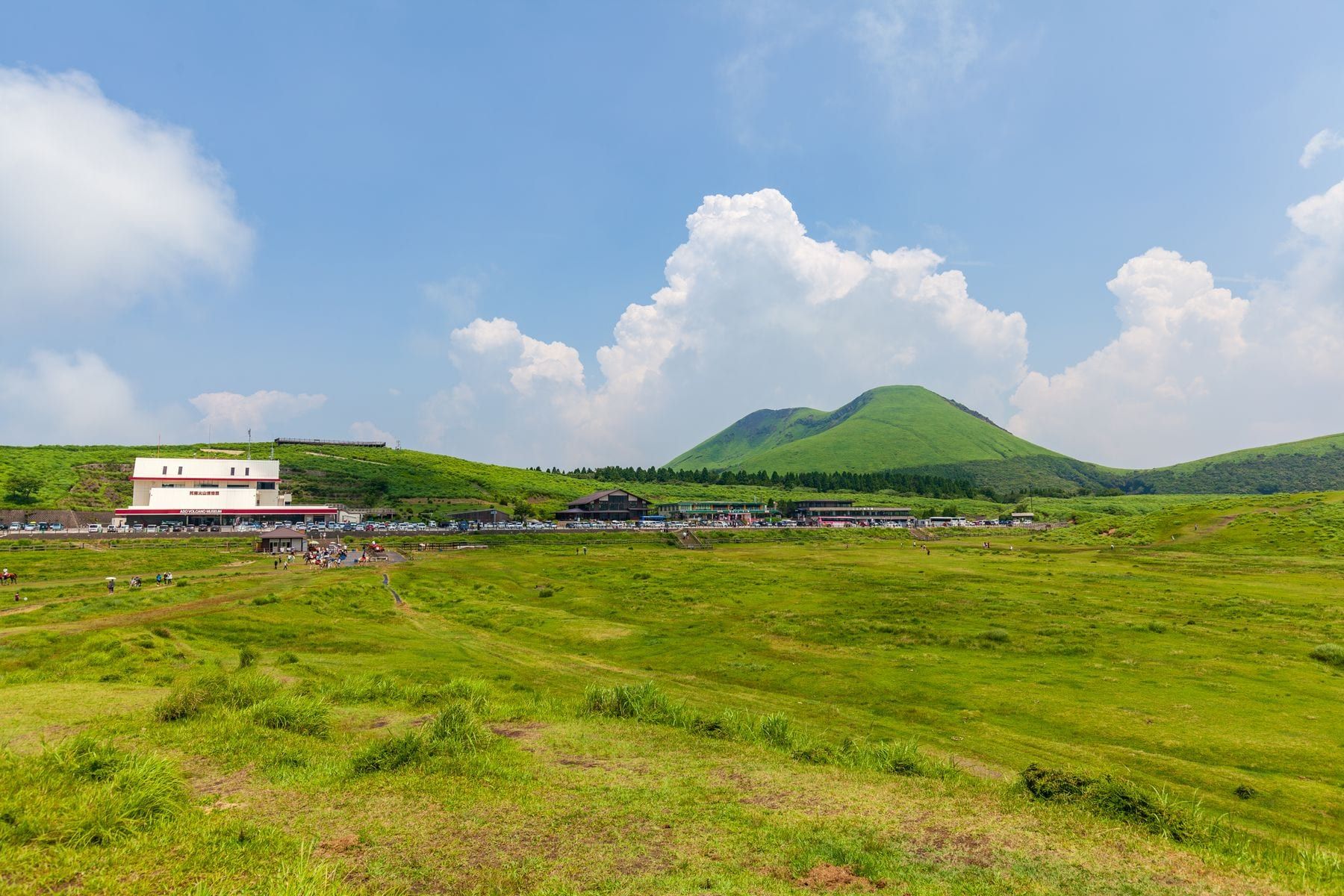
Nakadake has a turquoise crater lake that steams a metre from where you stand, and that is the catch: access depends every day on sulphur dioxide levels and the alert level set by the Meteorological Agency. At level 1 with a favourable wind, shuttle buses (CHF 6 return, about EUR 6.40) or your own car (toll road CHF 5) go up to the crater rim; at level 2 everything beyond the Kusasenri car park is closed. The ropeway has been gone since 2016. Check the Aso Volcano Museum website in the morning or the notice board at the foot of the mountain, and if you have asthma, stay down below; there are shelters up there and clear announcements. What always works: Kusasenri, a grassland with two ponds and horses at 1,100 metres; the Daikanbo viewpoint on the northern rim of the caldera, from which you see the five peaks as a "sleeping Buddha"; the Milk Road over the caldera rim with pastures and cows; Komezuka, a volcanic cone like an upturned rice bowl; and Aso shrine with its Monzen street, where you drink spring water and eat Akaushi croquettes. One day with a car is enough for all of it.
Kurokawa works differently from other onsen towns: instead of hotel baths open only to guests, you buy the nyuto tegata for CHF 9 (about EUR 9.60), a wooden token that opens three outdoor baths (rotenburo) of your choice in different ryokan, valid for six months. Around 25 places take part, daily from 8.30 am to 9 pm. The best: Shinmeikan with its cave bath, Yamamizuki with its riverside bath (ten minutes outside the village, shuttle available), and Ikoi Ryokan with its women's bath under the trees. Nudity is compulsory, swimwear is banned, tie your hair up, wash thoroughly first, and the small towel stays out of the water. Kurokawa is more tolerant of tattoos than most places; cover large ones with plasters or ask at reception. The village itself is a 20-minute stroll: a river, wooden bridges, a few shops selling pudding and dango, a yakitori stand, no konbini, no nightlife. That is exactly the point. A day visit works too, with free parking at the entrance to the village, but you only get the evening atmosphere, when the lamps come on and everyone crosses the bridges in yukata, if you stay overnight.
Aso is different in every season. In early March the farmers burn off the caldera grasslands (noyaki), after which everything is black; from May it is a vivid green, in October pale gold susuki grass, in winter brown and on some days snowy, with the crater road closed. The best times are May to early July (before the worst heat, but with a risk of rain from mid-June) and October to November. During Golden Week and Obon (mid-August) cars queue on the crater road and Kurokawa is booked out a year ahead. Earthquakes: the region has recovered and roads and railway lines are repaired, but take the advice at hotel reception seriously and download the Safety Tips warning app. Cost traps: taxis from Aso station to the crater cost CHF 40 (about EUR 43) each way, the bus CHF 6; Kurokawa has no cash machine that works, so bring cash, as many ryokan do not take cards; kaiseki prices are per person, not per room; and Kumamon souvenirs cost twice as much at the airport as at Kumamon Square.
Three days is ideal: one day in Kumamoto with the castle and Suizenji Garden, one day in Aso with the crater, Kusasenri and Daikanbo, and one night in Kurokawa Onsen, leaving at midday. Add Takachiho Gorge or onward travel to Beppu via the Yamanami Highway and it becomes four. The castle alone can be done as a day trip from Fukuoka.
Yes, with compromises. Take the train to Aso station, then the bus to Kusasenri and the crater shuttle, three to four times a day, and the Kyushu Odan bus to Kurokawa. You will see the crater and the grassland, but not Daikanbo, the Milk Road or the villages. Alternatively, book a day tour from Kumamoto or Fukuoka for CHF 90 to 130 (about EUR 96 to 139) that combines the crater and Kurokawa in one day.
On most days yes, but there is no guarantee. Access is closed for hours or days at a time depending on gas concentration and alert level, on around a third of days over the year. Check the Aso Volcano Museum website in the morning. If it does not work out, Kusasenri and Daikanbo are still worth the trip; the crater is only one part of the landscape.
No. Raw horse meat is Kumamoto's speciality, and if you are curious you can get it in almost any izakaya for CHF 10 to 18 (about EUR 11 to 19). If you would rather not, eat karashi renkon, Akaushi beef, Kumamoto ramen or dago-jiru and you will miss nothing. Nobody expects it of you, and locals themselves only eat it on special occasions.
As a day visit with the rotenburo pass (CHF 9, about EUR 9.60, for three baths) yes; most places are open between 8.30 am and 9 pm. Allow three to four hours plus travel. The night with kaiseki is the complete experience and costs CHF 150 to 250 per person: more expensive, but including two meals you will not get like this anywhere else.
As safe as the rest of Japan. Roads, bridges and the railway line have been restored, the castle is being repaired until 2052, and tourism is running normally. Earthquakes cannot be ruled out, which is what the Safety Tips warning app and clear notices in hotels are for. At the volcano: respect closures, stay below if you have breathing problems, and read the notice boards.
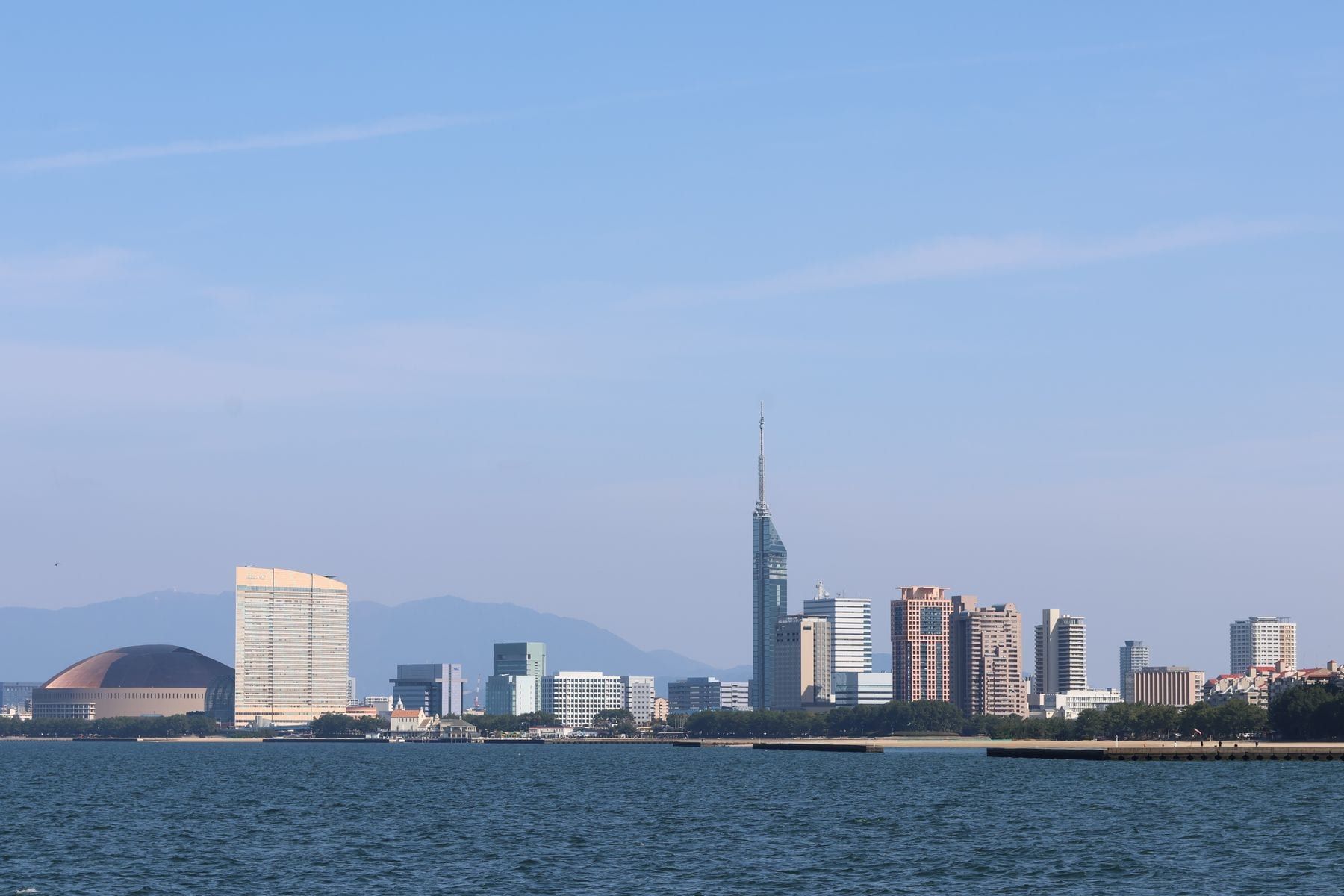
What a few days in the city of street kitchens really cost, where the ramen you know from Ichiran comes from, and why Fukuoka is the best way into Japan if you fly via Seoul.
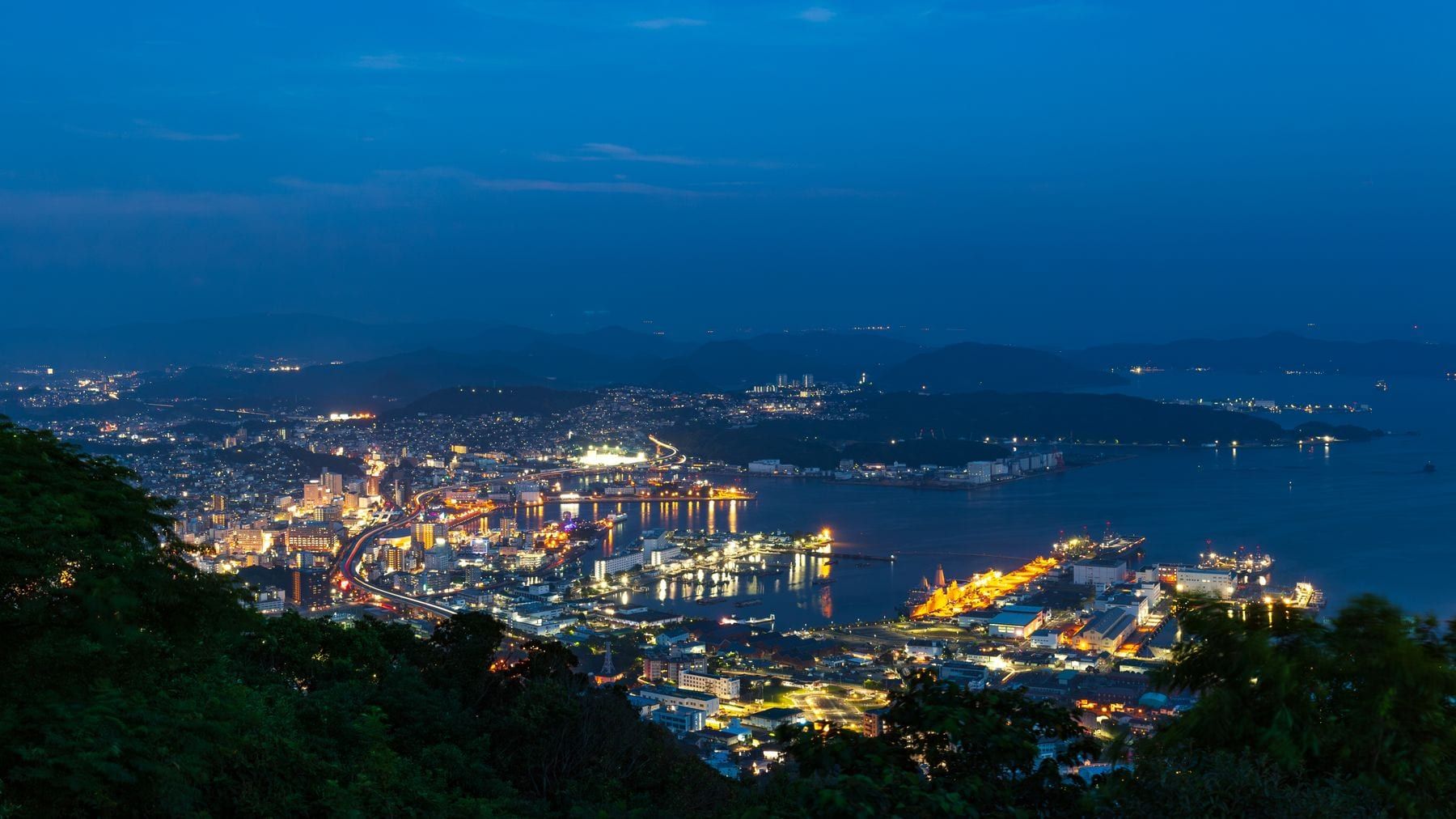
What two days in Japan's gateway to the world really cost, how to visit the Peace Park with the calm it deserves, and why the night view from Mount Inasa is worth more than any boat trip.
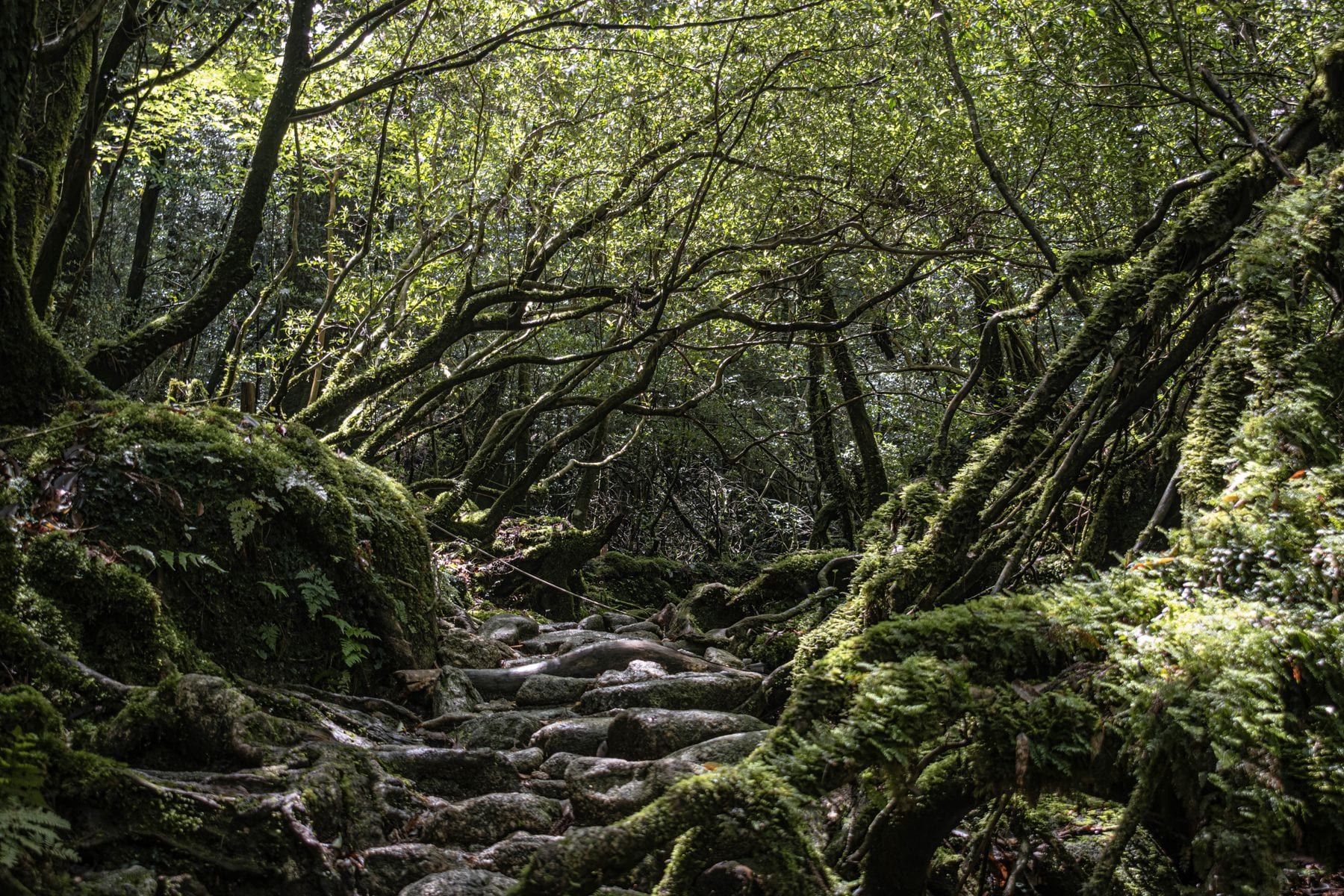
What the volcano city in the south and the rain island with its thousand-year-old cedars really cost, how to get through the ten hours to Jomon Sugi, and why the sand bath in Ibusuki is no tourist gimmick.
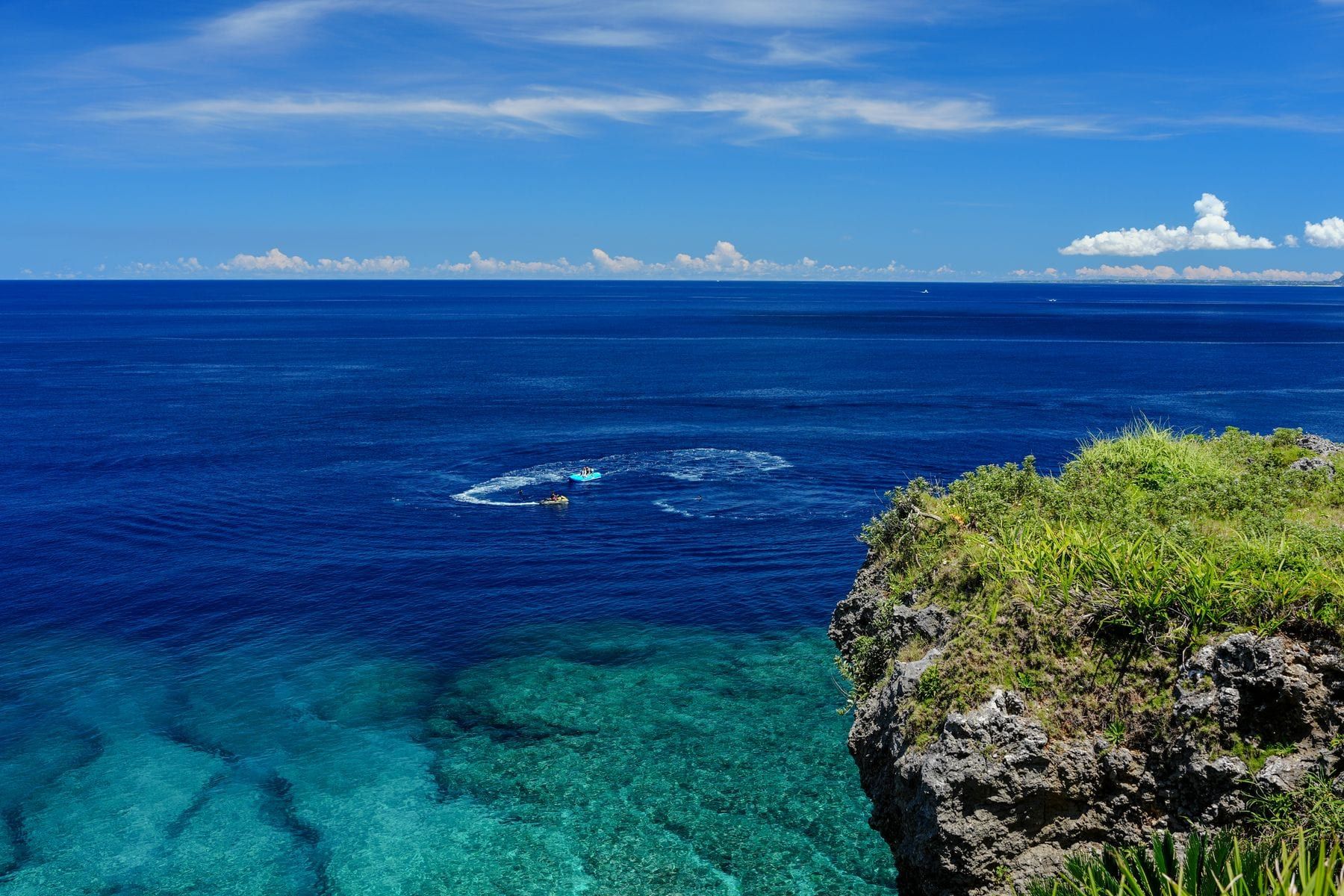
What a week on Japan's southern islands really costs, why without a rental car you only see half the island, and how to fit the Kerama Islands and the war history into one trip.