
Toyoko Inn Nagasaki Ekimae
Five minutes' walk from the station, tram stop outside the door, free breakfast. Small rooms, but everything you need for two nights, and usually the cheapest hotel in the city.
from CHF 50 / night (about EUR 54) View →
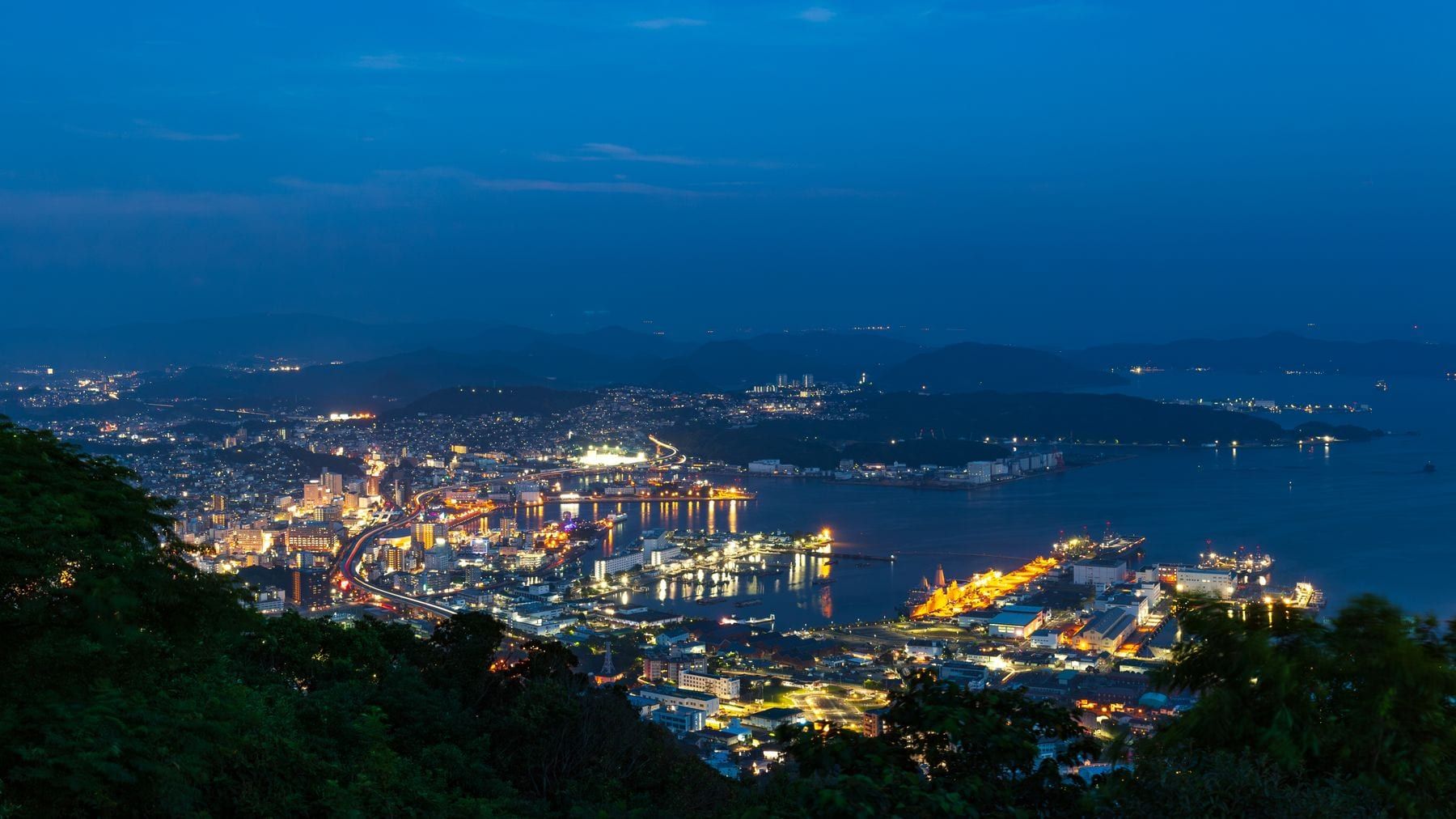
Japan · Kyushu & Okinawa · Travel guide
What two days in Japan's gateway to the world really cost, how to visit the Peace Park with the calm it deserves, and why the night view from Mount Inasa is worth more than any boat trip.
Photo: jason hu / Pexels
Adjust the values to your trip: the calculator updates live (EUR, converted from CHF estimates).
Estimates for orientation, not booking prices. Flights and hotels vary strongly by season: current prices are behind the links below.
Money & payment: You pay in yen (JPY). 1,000 yen is roughly CHF 6 or EUR 6.50. Cards work in cities and hotels; small restaurants, temples and rural stations often want cash. An IC card (Suica or ICOCA) on your phone pays for trains, buses and convenience stores. Flight time: 12 to 14 hours, usually with one stop.
Nine options in three price ranges, each among the best-rated on Booking.com.
Budget
Five minutes' walk from the station, tram stop outside the door, free breakfast. Small rooms, but everything you need for two nights, and usually the cheapest hotel in the city.
Directly opposite the station, with a large communal bath. Compact rooms, reliable fittings, a good base for the tram to the Peace Park and the train to Fukuoka.
On the edge of Chinatown, three minutes from Dejima and Hamanomachi. Onsen bath on the top floor, free late-night ramen, breakfast with local dishes. Priced just above budget, but better than budget in quality.
Mid-range
The classic city hotel seven minutes' walk from the station, with large rooms and several restaurants; a little dated, but well kept. For families and anyone who wants more space than a business hotel offers.
Built in Portuguese style, five minutes from Glover Garden and Oura Church, with a tram stop outside the door. Medium-sized rooms, a quiet location, good breakfast. Fits the mood of the city like no other hotel.
Modern hotel in the Hamanomachi shopping arcade, five minutes from Chinatown and Shianbashi. Spacious rooms with tablets and good beds, breakfast with a champon option.
Luxury
Designed by Kengo Kuma, on the hillside facing the city, every room with a terrace and a view over the harbour and Mount Inasa. Small spa, good restaurant, shuttle into town. The location is remote, but the view makes up for it.
Since 2024 in the converted building of the former Kwassui school, right on the street up to Glover Garden. Historic facade, design rooms, roof terrace with harbour views. For anyone who wants the city's European heritage in their hotel too.
Opened in 2024 in the tower above the station, rooms from the seventh floor up with harbour views, club lounge, gym. The most convenient address for shinkansen travellers and the most modern in the city.
If you book through these links we earn a small commission, at no extra cost to you.
With a local guide, sometimes a descendant of survivors, you understand the hypocentre, museum and Urakami Cathedral as a whole. Three hours, CHF 40 to 60 (about EUR 43 to 64). Going alone works just as well, but with a guide more of it stays with you.
Three hours to the abandoned coal-mining island with a landing, CHF 25 to 35 (about EUR 27 to 37) plus landing fee. Book early; weather-dependent, with frequent cancellations in winter. Bring binoculars and sun protection.
The 19th-century merchant villas on the hillside overlooking the harbour (CHF 3.70, about EUR 4) and next door the oldest church in Japan, from 1864 (CHF 6). Start at the top via the Glover Sky Road and walk down.
Reconstructed warehouses, living quarters and the kitchen of the opperhoofd, right in the middle of the city (CHF 3.10, about EUR 3.30). The audio guide is worth it; in 90 minutes you understand 200 years of isolation. Right by Dejima tram stop.
Ropeway up to 333 metres (CHF 7.50 return, about EUR 8), with the lights of the bay all around you at the top. Free shuttle from the big hotels to the lower station from 7 pm. Go up before sunset and bring a jacket.
The Spectacles Bridge from 1634, the temple street with the Chinese temples Sofuku-ji and Kofuku-ji, and the Shianbashi nightlife district. Two to three hours, about CHF 40 (about EUR 43) guided, free on your own apart from CHF 2 temple admission.
Day trip to the steaming sulphur fields, a bath in acidic volcanic water and the castle town of Shimabara with carp in the roadside channels. By bus CHF 11 (about EUR 12) each way, guided with a car CHF 90 to 120.
An hour's cruise among 208 small islands off Sasebo (CHF 11, about EUR 12), plus the aquarium and the Sasebo burger the US Navy brought here. 1.5 hours by train from Nagasaki.
Cook the city's noodle soup yourself, with an explanation of its Chinese origins and a slice of castella for dessert. Two to three hours, CHF 50 to 70 (about EUR 54 to 75). A good option for the rainy day you will get in Nagasaki.
If you book through these links we earn a small commission, at no extra cost to you.
Nagasaki's cuisine is the result of 400 years as a port: Chinese noodle soups, Portuguese sponge cake, Dutch influences and a plate from the 1950s that wants everything at once. Nowhere else in Japan do you eat such a mix.
Thick noodles in a milky pork and chicken broth with cabbage, bean sprouts, prawns, squid and fish cake, invented in 1899 for Chinese students who needed a cheap filling meal. CHF 6 to 9 (about EUR 6.40 to 9.60).
Tip:Arrive at Shikairou at 11.30 am, when the dining room with its harbour view is still half empty.
The same ingredients as champon, but as a thick sauce over crispy fried thin noodles, with Worcestershire sauce and mustard to taste. Cheaper than it looks, CHF 6 to 8 (about EUR 6.40 to 8.50).
Tip:One portion is enough for two; add gyoza and you have the local lunch.
Light sponge cake made from eggs, sugar and flour, brought by the Portuguese and refined in Japanese style over 400 years, with a layer of coarse sugar on the bottom. A bar costs CHF 6 to 12 (about EUR 6.40 to 13).
Tip:Fukusaya's small two-slice 'Cube' pack costs CHF 2 and is the perfect gift without excess baggage.
Braised pork belly, soft as butter, in a steamed bun, a descendant of Nagasaki's Chinese banquet cooking. CHF 3 to 4 (about EUR 3.20 to 4.30) each, to eat on the go.
Tip:Eat it warm right outside the shop, and ask for mustard when you buy it.
A plate of pork cutlet, pilaf rice and spaghetti in tomato sauce, invented in the 1950s; despite the name ("Turkish rice") no link to Turkey has ever been proven. The city's favourite children's meal, CHF 7 to 10 (about EUR 7.50 to 11).
Tip:Have it with a milk seki, a frozen milkshake with egg that was also invented here.
A banquet at a round Chinese table with Japanese, Chinese and European courses, from fish broth to sweet bean soup at the end. From CHF 35 (about EUR 37) per person at lunch, CHF 60 to 120 in the evening.
Tip:At Kagetsu, booking is essential with a minimum of two people; lunch menus from CHF 45.
Handmade burger with bacon and fried egg following the recipe of the US Navy, stationed in Sasebo since 1945. Bigger and juicier than fast food, CHF 7 to 10 (about EUR 7.50 to 11).
Tip:Combine it with Kujukushima to make the trip doubly worthwhile.
Through markets and eateries with a guide, tastings included.
If you book through these links we earn a small commission, at no extra cost to you.
Nagasaki was a fishing village until the first Portuguese trading ship anchored in its deep bay in 1571. Within a few years the port had become the most Christian city in Asia, with churches, a Jesuit college and a press printing in Latin type. Then the wind turned: in 1597 Toyotomi Hideyoshi had 26 Christians crucified on Nishizaka hill, and in 1614 the shogunate banned the faith altogether. When Japan sealed itself off in 1639, Nagasaki remained the only door: in 1641 the Dutch were moved to Dejima, an artificial fan-shaped island measuring 120 by 75 metres, and traded there under supervision for 218 years. Medical books, telescopes, coffee, billiards and beer entered the country through this island. The Chinese community was given its own quarter, which became Shinchi Chinatown. After the opening of the country in 1859, merchants such as the Scotsman Thomas Glover built villas on the hillside; Glover brought in the first steam locomotive, helped bring down the shogunate and laid the foundations of the Mitsubishi shipyard that still dominates the harbour today. That very shipyard was one reason why, on 9 August 1945 at 11.02 am, the second atomic bomb exploded over the Urakami district, after cloud had spared Kokura. Around 74,000 people had died by the end of the year. The city has 400,000 inhabitants, a tram network dating from 1915, a shinkansen since 2022 and a declared mission to remain the last city ever to have lived through this.
Nagasaki airport sits on an artificial island in Omura Bay, and the bus takes 45 minutes into the city (CHF 7, about EUR 7.50). From Zurich you fly via Tokyo or Seoul with a connection, but the easier route is via Fukuoka: since 2022 the Kamome shinkansen has run from Takeo-Onsen to Nagasaki, so from Hakata you are there in 1 hour 20 minutes with a same-platform change, for about CHF 40. The cheaper express bus takes 2.5 hours for CHF 17. In the city you ride the tram: five lines, a flat fare of CHF 0.85, a day pass for CHF 3.60 from your hotel or the station (not on the tram), and IC cards work. Nagasaki is steep, the neighbourhoods cling to the hillside, and many staircases have no alternative. For Glover Garden there is the Glover Sky Road, an inclined lift plus an elevator, free, starting at Ishibashi tram stop. Between the station, Dejima, Chinatown and Hamanomachi you can walk everywhere in 20 minutes. You only need a rental car for Unzen or the Nishisonogi peninsula.
There are three areas to consider. Around the new station (rebuilt in 2020, with the shinkansen and a shopping centre) business hotels charge from CHF 50 to 75 (about EUR 54 to 80) for a double, handy for arrival and the tram to the Peace Park. Shinchi and Hamanomachi are the centre, with Chinatown, the shopping arcade and the Shianbashi nightlife district; here you live in the middle of the food and are at Glover Garden in ten minutes. The Minami-Yamate hillside above the harbour has the views, but the stairs at night after a few glasses of shochu are no fun. For comfort, the Garden Terrace by Kengo Kuma on the other side of the harbour, looking over the whole bay, is worth it from CHF 250 up. Around 9 August (the memorial ceremony), during the Lantern Festival in January or February and at the Kunchi festival from 7 to 9 October, hotels are full months ahead and twice as expensive. A Dormy Inn in Shinchi gives you an onsen bath and late-night ramen, a clear recommendation at the prices here.
Take the tram to Heiwa-koen and go first to the hypocentre, a black monolith in a park 500 metres below the point of detonation. Next to it stands a piece of the old Urakami Cathedral, at the time the largest church in East Asia. The museum (CHF 1.20, about EUR 1.30; audio guide CHF 1) shows melted rosaries, a clock that stopped at 11.02 am and survivor testimony, sober and without sensationalism. The National Peace Memorial Hall next door is free and quiet. Up in the Peace Park sits the ten-metre statue whose right hand points to the sky (the threat) and whose left points to the side (peace). Allow three hours, not one, and plan nothing loud afterwards. Two places deepen the picture: the rebuilt Urakami Cathedral with its headless statue of the Virgin Mary, and the Nagai Takashi Memorial Museum about the doctor who kept working, irradiated, in a two-tatami hut. Photography is allowed, posing is not. Many Swiss visitors say Nagasaki affected them more than Hiroshima because it is smaller, closer and less visited.
Gunkanjima, officially Hashima, is the concrete coal-mining island 19 kilometres off the coast where in 1959 more than 5,000 people lived on 6.3 hectares, the densest population on earth. Abandoned since 1974, a World Heritage Site since 2015, and familiar from Skyfall. Five companies run boats there; Gunkanjima Concierge and Yamasa Kaiun are the most reliable, with a three-hour tour costing CHF 25 to 35 (about EUR 27 to 37) plus a CHF 2 landing fee. You only see a fenced-off path along the edge, entering the ruins is forbidden, and if the waves are higher than half a metre the boat does not land; you get a circuit of the island and a partial refund instead. In winter around half of all landings are cancelled, in summer hardly any. Book early, as the boats are often full a week ahead. The second weather question is the night view from Mount Inasa, 333 metres high and officially one of the three finest in Japan. The ropeway costs CHF 7.50 return, and in the evening free buses run from the big hotels to the lower station. Arrive 30 minutes before sunset so you get day, dusk and night in one go.
The best time is March to May and October to November. The Lantern Festival for Chinese New Year (usually two weeks in January or February) hangs 15,000 lanterns over Chinatown and the centre: cold, but the most beautiful sight of the year. The rainy season runs from early June to mid-July and is serious here, as Nagasaki is one of the wettest cities in Japan. July and August are hot, but you get the memorial ceremony on 9 August and Shoro Nagashi on 15 August, when families pull boats for their dead through the streets amid fireworks. Kunchi, from 7 to 9 October, is the big shrine festival with a dragon dance; grandstand seats cost CHF 30 to 50 (about EUR 32 to 54), and from the street you often see just as much. On costs: Glover Garden CHF 3.70, Dejima CHF 3.10, Oura Church CHF 6, the Confucius Shrine CHF 4, and it all adds up. Megane Bridge, Teramachi with Sofuku-ji (CHF 2) and Kofuku-ji, Shianbashi and the harbour are free or nearly so. Castella in a gift box at the station costs CHF 12; at the Fukusaya flagship the same piece costs half.
East of Nagasaki lies the Shimabara peninsula with the Unzen volcano, whose Fugendake peak erupted in 1991 after almost 200 years and killed 43 people. You reach the spa town of Unzen Onsen, at 700 metres, by bus in 1 hour 40 minutes (CHF 11, about EUR 12) or by rental car. You can walk the jigoku, or hells, steaming sulphur fields with wooden boardwalks, in an hour for free, and buy eggs boiled in the steam for CHF 1. The ryokan baths are open to day visitors for CHF 5 to 8; the water is strongly acidic and milky. Further east lies Shimabara, with a castle, a samurai lane with a stream running down it and carp in the roadside channels, a town where time stood still; from here a ferry crosses to Kumamoto in 30 minutes if you are travelling on. If you would rather have the sea, take the train to Sasebo (1.5 hours, CHF 10) and the boat trip through the 208 islands of Kujukushima (CHF 11). Huis Ten Bosch, the Dutch theme park, is big, expensive (CHF 45) and, to be honest, one Swiss visitors can skip.
Two full days: one for the Peace Park, Urakami and Mount Inasa in the evening, one for Dejima, Chinatown, Glover Garden and Oura Church. Gunkanjima takes an extra half day, Unzen or Sasebo a whole one. On a day trip from Fukuoka you only manage the Peace Park and Glover Garden at a trot, which does not do the city justice.
Yes, with good judgement. We recommend the Atomic Bomb Museum from about age twelve; younger children should be accompanied and prepared. The rest will thrill them: the tram, Dejima with its reconstructed warehouses, the penguin aquarium (CHF 3, about EUR 3.20), the ropeway up Mount Inasa and champon portions big enough for two. Children under six are not allowed on Gunkanjima.
If you like industrial history or ruins, yes. From a path you see the collapsed apartment blocks, hear the history and spend two hours on the water. The catch: landing is not guaranteed, and without it you are left with a boat ride around a concrete island. In summer there are hardly any cancellations, in winter around half. The Gunkanjima Digital Museum in the city is a supplement, not a substitute.
Take the Relay Kamome from Hakata to Takeo-Onsen and the shinkansen onwards, changing on the same platform: 1 hour 20 minutes, about CHF 40 (about EUR 43) with a reserved seat. The journey is covered by the JR Kyushu Rail Pass. The express bus from Hakata bus terminal takes 2.5 hours and costs CHF 17, cheaper in a four-ticket pack. By rental car it is two hours on the motorway, CHF 25 in tolls.
Champon, the Chinese-Japanese noodle soup with seafood and vegetables in pork broth, and sara udon, the same ingredients as a sauce over crispy noodles. Add castella, the Portuguese sponge cake, kakuni manju with braised pork belly and Toruko rice, a plate of cutlet, pilaf and spaghetti from the 1950s. Chinatown and Shianbashi are the neighbourhoods for it, and you buy castella at the Fukusaya flagship.
April for cherry blossom and mild weather, or October and November for clear skies for the night view. The Lantern Festival in January or February is the most atmospheric time if you can handle the cold. June is the rainy season, August hot and humid. If you want to be there on 9 August, book your hotel six months ahead.
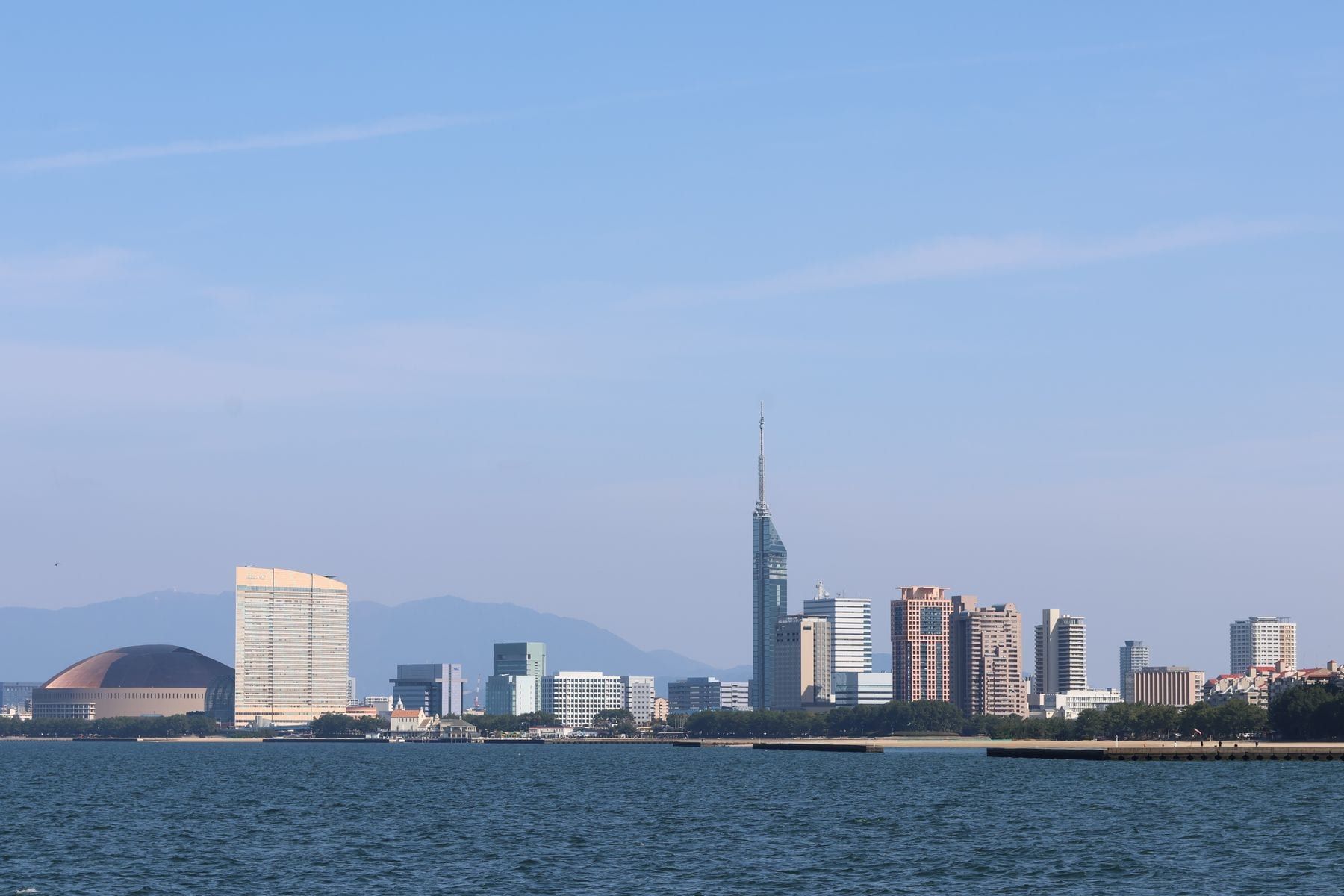
What a few days in the city of street kitchens really cost, where the ramen you know from Ichiran comes from, and why Fukuoka is the best way into Japan if you fly via Seoul.
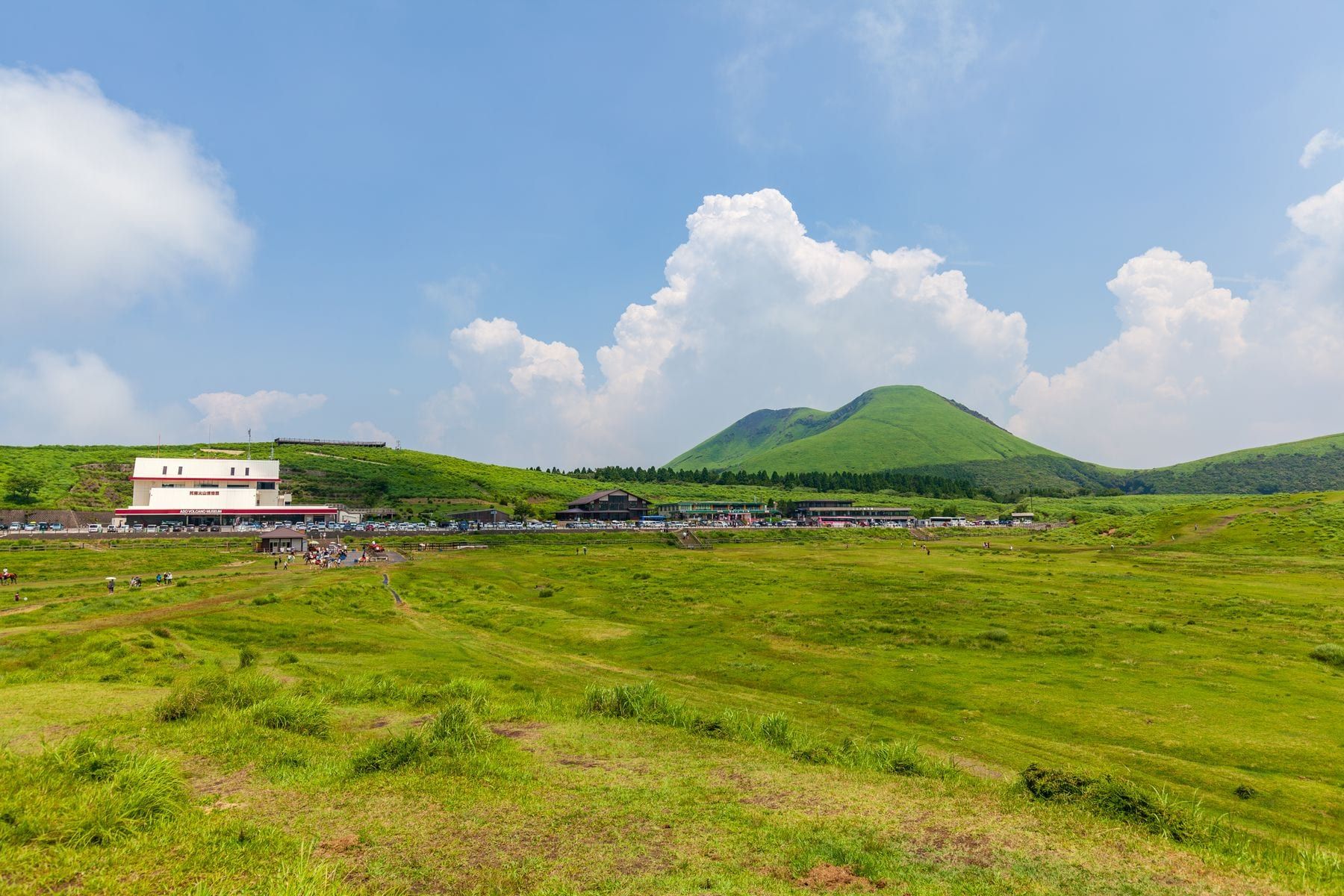
What a castle town and the world's largest inhabited caldera really cost, when you are allowed up to the crater, and why a night in Kurokawa Onsen is worth the money.
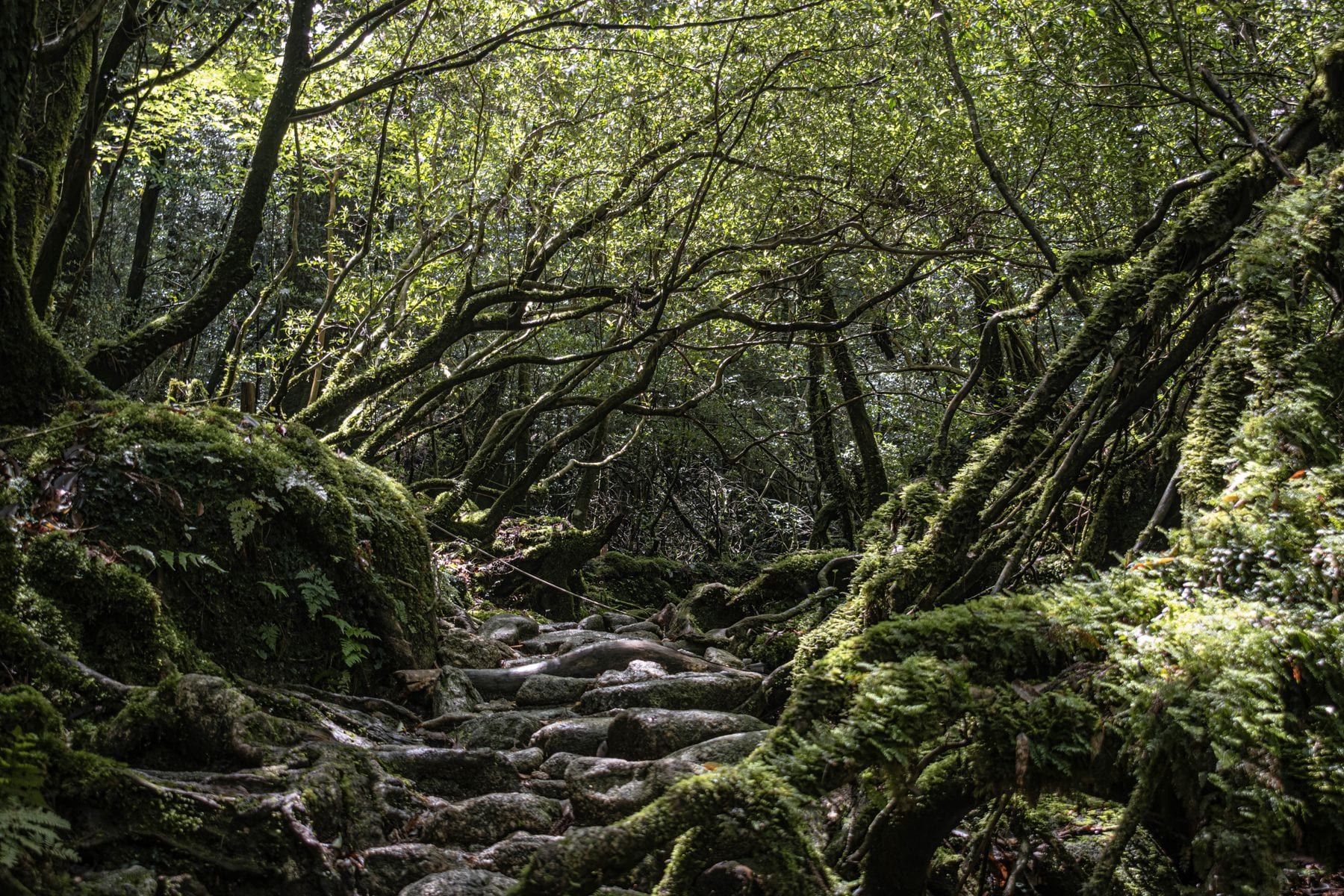
What the volcano city in the south and the rain island with its thousand-year-old cedars really cost, how to get through the ten hours to Jomon Sugi, and why the sand bath in Ibusuki is no tourist gimmick.
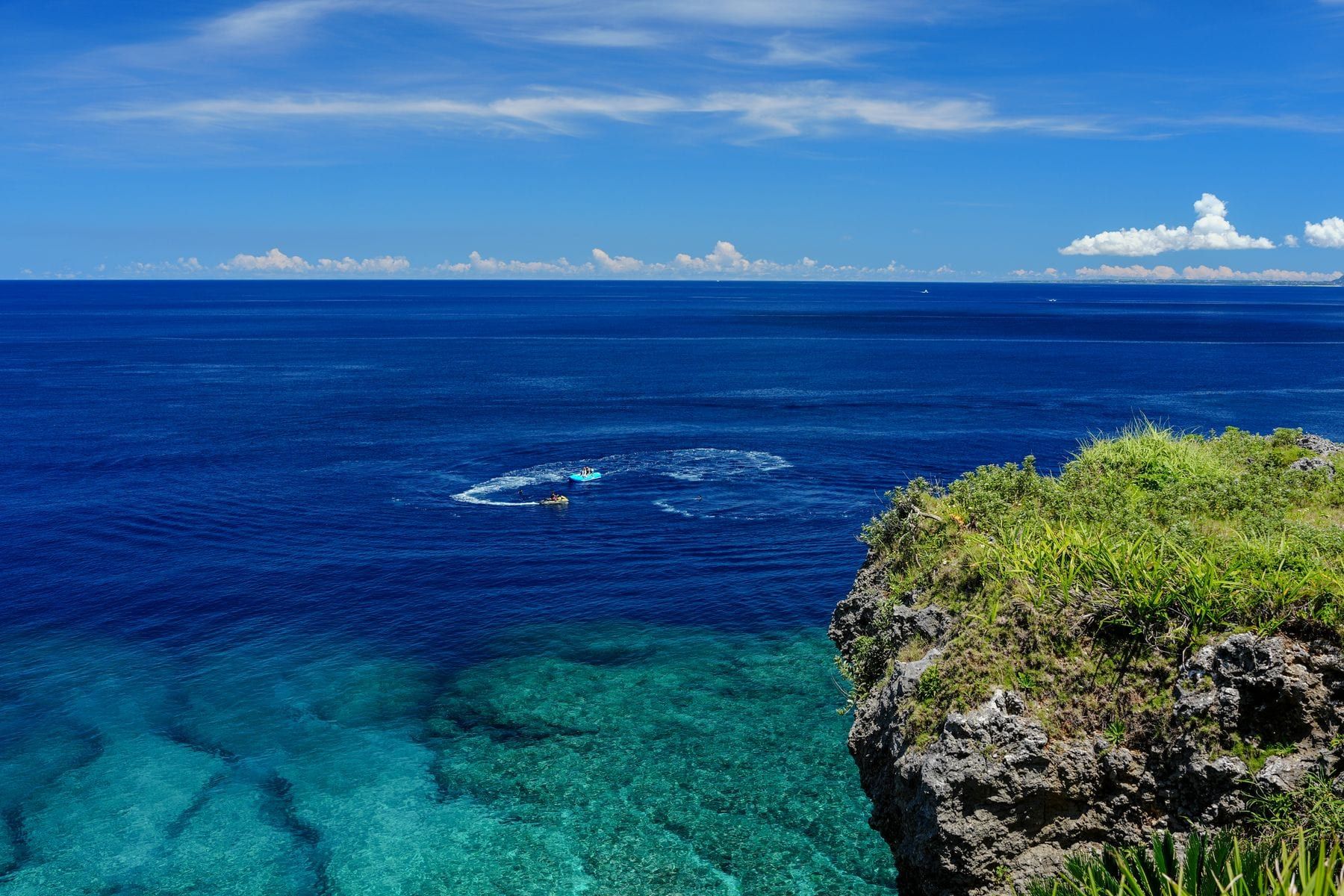
What a week on Japan's southern islands really costs, why without a rental car you only see half the island, and how to fit the Kerama Islands and the war history into one trip.