Fuji Five Lakes

Japan · Chubu · Travel guide

Fuji Five Lakes

What two days at the foot of Mount Fuji really cost, why you need to stay a night to see the mountain, how the highway bus from Shinjuku works and what a summer climb involves.

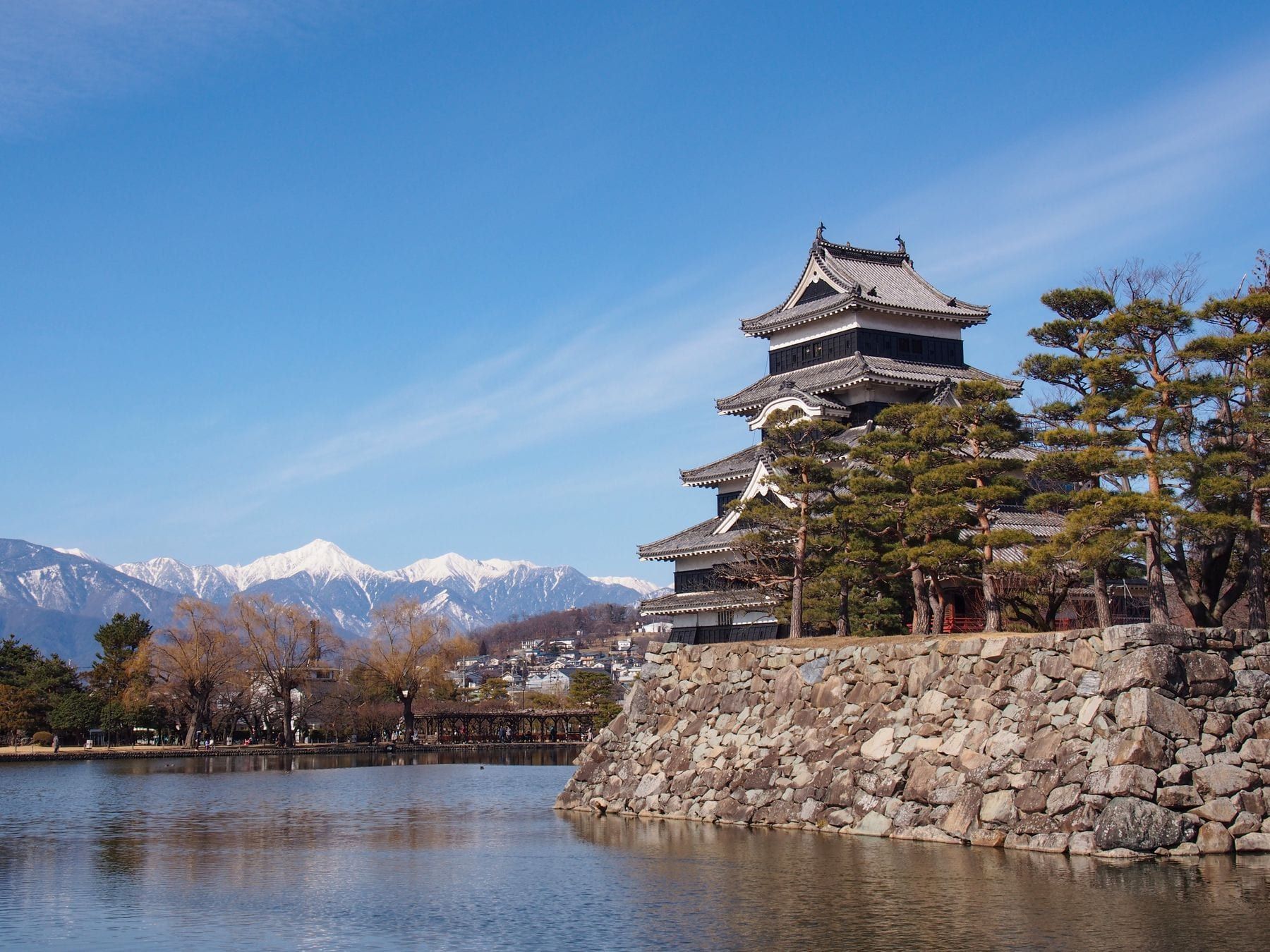
Photo: 艾倫 莊 / Pexels

What does a trip to Fuji Five Lakes cost?

Adjust the values to your trip: the calculator updates live (EUR, converted from CHF estimates).

3,361 EUR
≈ 1,680 EUR per person
  • Flights 2,097 EUR
  • Accommodation 696 EUR
  • Food 428 EUR
  • Local transport 80 EUR
  • Highway bus from Shinjuku (return) 60 EUR

Estimates for orientation, not booking prices. Flights and hotels vary strongly by season: current prices are behind the links below.

Money & payment: You pay in yen (JPY). 1,000 yen is roughly CHF 6 or EUR 6.50. Cards work in cities and hotels; small restaurants, temples and rural stations often want cash. An IC card (Suica or ICOCA) on your phone pays for trains, buses and convenience stores. Flight time: 12 to 14 hours, usually with one stop.

Recommended hotels

Nine options in three price ranges, each among the best-rated on Booking.com.

Budget

K's House Fuji View

Funatsu, Fujikawaguchiko

Hostel of the well-known chain in a converted ryokan with an onsen bath, dorms and private rooms, ten minutes on foot from Kawaguchiko station. View of Fuji from the garden, bikes for rent. The first choice for solo travellers.

from CHF 35 / night per person (about EUR 37) View →

Hostel Fujisan YOU

Kamiyoshida, Fujiyoshida

Small hostel with private rooms, a dorm and a shared kitchen a few minutes on foot from Fujisan station, view of Fuji from the rooms, friendly owners with tips for the climb. Lake Kawaguchi is five minutes' drive away.

from CHF 40 / night per person (about EUR 43) View →

Kawaguchiko Station Inn

Funatsu, Fujikawaguchiko

Simple hotel directly opposite the station and bus terminal, Western and Japanese-style rooms, bath with a view of Fuji on the top floor. For the night before the early bus to the 5th station.

from CHF 80 / night (about EUR 86) View →

Mid-range

Mizno Hotel

Asakawa, Fujikawaguchiko

Hotel on the east shore with a view of Fuji across the lake from most rooms and a rooftop outdoor onsen bath with the same view. Modern rooms, restaurant with local cuisine, shuttle to the station.

from CHF 180 / night (about EUR 193) View →

Fuji View Hotel

Katsuyama, Fujikawaguchiko

Hotel from 1936 in a large garden on the south shore, once home to diplomats and artists, with a view of Fuji from the south-facing rooms and an onsen. A little out of the way, but quiet, with cherry trees in April.

from CHF 160 / night (about EUR 171) View →

Shiki-no-Yado Fujisan

Funatsu, Fujikawaguchiko

Small hotel with a view of Fuji, a tatami corner in every room, an onsen bath and sauna, Japanese breakfast. No luxury, but the location and the morning view that others charge three times as much for.

from CHF 150 / night (about EUR 161) View →

Luxury

Fufu Kawaguchiko

Katsuyama, Fujikawaguchiko

Small resort in the forest on the south shore, every room with its own outdoor onsen bath and a view of Fuji, dinner with ingredients from Yamanashi and wines from Koshu. For two people who want the mountain to themselves.

from CHF 450 / night per person with half board (about EUR 482) View →

HOSHINOYA Fuji

Oishi, Fujikawaguchiko

Glamping resort of the Hoshino group in the forest above the north shore: concrete cabins with large windows and a terrace looking across the lake to Fuji, campfires and dinner outdoors. Luxury with nature instead of a ryokan.

from CHF 400 / night (about EUR 428) View →

Kozantei Ubuya

Asakawa, Fujikawaguchiko

Classic onsen ryokan on the east shore with a large outdoor bath and a view of Fuji across the lake, kaiseki with Koshu beef and fish, some rooms with a private bath by the window. One of the best-known places on the lake.

from CHF 380 / night per person with half board (about EUR 407) View →

If you book through these links we earn a small commission, at no extra cost to you.

Experiences worth your time

Chureito Pagoda at sunrise

The view of Fuji with the red pagoda in the foreground, 398 steps above Arakura Sengen Shrine, free. Two stops on the Fujikyu railway to Shimoyoshida, then 15 minutes on foot. In April and November be there by 6 am.

View & book →

Climbing Fuji via the Yoshida trail

Two-day tour with a night in a hut at the 8th station and sunrise at the summit, only from 1 July to 10 September. Guided from Kawaguchiko or Tokyo CHF 250 to 400 (about EUR 268 to 428) including hut and guide; prefecture registration and fee extra.

View & book →

Cycling around Lake Kawaguchi

20 kilometres around the lake with views of Fuji from the north shore, Oishi Park and lavender fields in summer. Rental bike CHF 10 to 15 (about EUR 11 to 16), e-bike CHF 20 at the station, 2 to 3 hours with breaks. Start clockwise in the morning.

View & book →

Day visit to an onsen with a view of Fuji

Fuji Yurari at Lake Sai or Benifuji no Yu at Lake Yamanaka: outdoor baths with the mountain right in front of you for CHF 8 to 10 (about EUR 9 to 11), towel for a fee. The cheapest way to get the ryokan experience.

View & book →

Oshino Hakkai early in the morning

Eight spring ponds fed by Fuji meltwater, visible to a depth of eight metres, among old farmhouses. Free, bus from Kawaguchiko 25 minutes, CHF 5 (about EUR 5). A village before 9 am, a coach park from 10.

View & book →

Fuji-Q Highland

Amusement park with the record-breaking roller coasters Fujiyama, Eejanaika and Takabisha, free admission, ride pass CHF 40 to 45 (about EUR 43 to 48). A day out for roller coaster fans, not for anyone else. Half the waiting times on weekdays.

View & book →

Saiko Iyashi no Sato and the lava caves

Reconstructed thatched village at Lake Sai with crafts, kimono rental and a view of Fuji, admission CHF 3 (about EUR 3). Next door the Wind Cave and Ice Cave for CHF 2.50 each, a cool 3 degrees in summer. On the green sightseeing bus.

View & book →

Itchiku Kubota Kimono Museum

Museum on the north shore dedicated to the dyer Itchiku Kubota, who rediscovered the lost tsujigahana technique, with his Fuji kimono series in a Gaudi-like building. Admission CHF 8 (about EUR 9), maple forest in the garden in autumn.

View & book →

Shibazakura Festival at Lake Motosu

Carpets of pink moss phlox with Fuji behind, mid-April to the end of May, admission CHF 7 (about EUR 7), shuttle bus from Kawaguchiko CHF 15 return. On weekdays before 9 am; at weekends the road is jammed.

View & book →

If you book through these links we earn a small commission, at no extra cost to you.

Food & drink

Yamanashi cooking is mountain food without the sea: thick noodles in pumpkin stew, horse meat, trout from spring water, grapes and peaches from the Kofu basin and Japan's oldest wine, Koshu. In Kawaguchiko you eat simply, but with a view.

Hoto

Hoto Fudo (four branches around the lake, including the one at Kawaguchiko station and the white dome building on the north side) or Kosaku

Wide, flat wheat noodles cooked in an iron pot of miso broth with pumpkin, mushrooms, cabbage and root vegetables until the noodles thicken the soup. Hearty and filling, the region's signature dish. CHF 9 to 14 (about EUR 10 to 15).

Tip:One portion is easily enough for a hungry eater; sharing is not the norm, but nobody will say anything.

Yoshida udon

Small udon shops in Fujiyoshida, many in private houses, open only at lunchtime from 11 am to 2 pm, such as Shirasu or Menzu

Very firm, thick udon in soy or miso broth with cabbage, strips of horse meat and a spicy seasoning paste (suridane). Chewy in the best sense; the pilgrims filled their stomachs with it. CHF 4 to 7 (about EUR 4 to 7).

Tip:The tourist information office in Fujiyoshida has a map of more than 50 shops, most of them cash only.

Fujizakura pork and Koshu beef

Restaurants around Kawaguchiko station and the ryokan on the north shore

Pork and beef from Yamanashi, as tonkatsu, shabu-shabu or in a ryokan kaiseki. Koshu beef is less marbled than Hida beef and stronger in flavour. A set costs CHF 15 to 25 (about EUR 16 to 27), included in a ryokan kaiseki.

Tip:Considerably cheaper as a lunch set than in the evening.

Trout and wakasagi

Places on the north shore and around Oshino Hakkai, wakasagi mainly from November to March

Rainbow trout from Fuji spring water grilled with salt, and wakasagi, small pond smelt from the lake, eaten as tempura with salt. Both light and fresh. CHF 8 to 12 (about EUR 9 to 13) as a dish.

Tip:Fishing for wakasagi from a heated houseboat on Lake Yamanaka in winter costs CHF 30 to 40, including deep-frying your catch afterwards.

Koshu wine

Wine shops at Kawaguchiko station, wineries in the Kofu basin (such as Grace Wine or Chateau Mercian in Katsunuma, 40 minutes by train)

White wine from the pink Koshu grape, which has grown in Yamanashi for more than 1,000 years: dry, light, with a citrus note. A glass in a restaurant CHF 5 to 8 (about EUR 5 to 9), a bottle from CHF 12 in a shop.

Tip:The wineries in Katsunuma offer tastings for CHF 5 to 10, a good half day when it rains.

Grapes and peaches

Fruit stalls along the road around the lake, farmers' markets, pick-your-own farms near Katsunuma

Yamanashi is Japan's largest grape and peach region. Shine Muscat grapes in September, peaches in July and August, Kyoho grapes in August. A bunch of grapes CHF 8 to 15 (about EUR 9 to 16), a peach CHF 3 to 5, but flawless and sweet.

Tip:Picking your own and eating on the spot costs CHF 15 to 25; in season it is the region's best dessert.

Shingen mochi

Kikyouya shops in Kawaguchiko station and in every souvenir shop

Soft mochi cubes with kinako soy flour and dark sugar syrup (kuromitsu), wrapped in a cloth, named after the warlord Takeda Shingen. Sweet, nutty, sticky. Three pieces CHF 2 to 3 (about EUR 2 to 3).

Tip:The Shingen mochi soft-serve at the stalls by the lake is the better version for a stroll.

Book a food tour: Fuji Five Lakes

Through markets and eateries with a guide, tastings included.

View & book →

If you book through these links we earn a small commission, at no extra cost to you.

History & background

At 3,776 metres Mount Fuji is Japan's highest mountain, a stratovolcano that last erupted in 1707, covering Edo, today's Tokyo, in ash. The five lakes on its northern side, Kawaguchi, Yamanaka, Sai, Shoji and Motosu, were formed when lava flows from the eruption of 864 divided a larger primeval lake into several basins; the Aokigahara forest grew on exactly that lava. The mountain has always been sacred. In the 12th century ascetics of the Shugendo movement began climbing it, from the 17th century the Fuji-ko confraternities from Edo made the pilgrimage to the summit in white robes via Fujiyoshida, and some of the oshi houses in Yoshida where they stayed overnight still stand. Women were forbidden to climb until 1872. Around 1831 Katsushika Hokusai made the mountain the defining image of Japan with his 'Thirty-six Views of Mount Fuji', which include The Great Wave off Kanagawa. The Chureito Pagoda in Fujiyoshida, today the region's most photographed motif, is young: it was built in 1963 as a war memorial. In 1950 Japan declared the area the Fuji-Hakone-Izu National Park, and in 2013 Fuji became a UNESCO World Heritage Site as a cultural site, explicitly not as a natural one, because the infrastructure on its slopes is too dense. Since 2024 Yamanashi prefecture has charged a fee and set a daily limit of 4,000 climbers on the Yoshida trail, after rubbish, congestion and accidents got out of hand. Around 220,000 people climb the mountain every summer.

Insider tips

Getting there: the highway bus from Shinjuku, not the train

The simplest connection is the Fujikyu and Keio highway bus from the Shinjuku bus terminal (Busta Shinjuku, right above the station) to Kawaguchiko: 1 hour 45 minutes without traffic, CHF 13 to 14 (about EUR 14 to 15) one way, every 30 to 60 minutes, reservation online at Highway-buses.jp, compulsory at weekends. On the way the bus stops at Fuji-Q Highland and Fujisan station. By train you take the Chuo line to Otsuki and change to the private Fujikyu railway, 2 to 2.5 hours, CHF 20 to 25; the direct Limited Express Fuji Excursion from Shinjuku takes 1 hour 55 minutes and costs CHF 25, with reservation. The train is only worth it if there is a risk of traffic jams (Golden Week, autumn weekends) or with a rail pass as far as Otsuki. For some years now there has been a direct bus from Tokyo Haneda to Kawaguchiko (2.5 hours, CHF 15), handy on arrival or departure. Locally the Fujikyu sightseeing buses (red, green and blue lines) cover all the spots around Lake Kawaguchi and Lake Sai, two-day pass CHF 10. To reach the Chureito Pagoda you take the Fujikyu railway two stops to Shimoyoshida (CHF 2). A rental bike (CHF 10 to 15 a day, e-bike CHF 20) is the best way to ride around Lake Kawaguchi, 20 kilometres, flat to hilly.

Where to stay: the north shore with a view of Fuji, near the station without

It all comes down to the view. Mount Fuji lies south of Lake Kawaguchi, so you see it across the water from hotels on the north shore (the Kawaguchi and Oishi districts), and not at all, or only over rooftops, from hotels on the south shore and around Kawaguchiko station. The onsen ryokan on the north shore with an outdoor bath and a view of Fuji cost CHF 200 to 500 (about EUR 214 to 535) per person with half board, and the bath with the mountain in the morning light is the reason for the trip. An affordable middle way are the hotels on the east shore near the Fuji viewing spot (Ubuyagasaki) or guesthouses in Oishi from CHF 100 per room. Around the station you will find hostels (K's House, from CHF 35 per person) and business hotels from CHF 80, and from there it is ten minutes by bike or bus to the north shore in the morning. Lake Yamanaka, the largest, is closer to the mountain and has many guesthouses and campsites, but is harder work without a car. Book early: the region has few beds relative to visitor numbers, and for cherry blossom, the autumn leaves festival in November and the climbing season in summer the ryokan are full months ahead. Rooms with a view of Fuji cost CHF 20 to 50 extra in every hotel, and for once that is justified.

Cost traps: Fuji-Q, the ropeway queue and the Lawson photo

First, Fuji-Q Highland, the amusement park with record-breaking roller coasters: admission is free, but the ride pass costs CHF 40 to 45 (about EUR 43 to 48), and at weekends you queue two hours for the big rides. A highlight for roller coaster fans, a lost day for everyone else. Second, the panoramic ropeway at Lake Kawaguchi (Kachi Kachi Yama): CHF 6 return is fair, but between 10 am and 3 pm you wait 45 minutes, and the view from the shore is not much worse. On foot it is 40 minutes up, free. Third, the Lawson photo: the konbini in Fujikawaguchiko with Mount Fuji above its roof became so overrun in 2024 that the town put up a screen. There are dozens of better vantage points. Fourth, the day tours from Tokyo for CHF 80 to 150 with bus, ropeway, boat trip and outlet mall: you pay three times the regular bus fare and are at the lake exactly when the mountain is in cloud. Fifth, admission to the Chureito Pagoda: free, but 398 steps, and in April and November already crowded at 7 am. Fair deals: Oishi Park free, boat trip CHF 6, a day visit to the Fuji Yurari or Benifuji no Yu onsen CHF 8 to 10, the Kubota Itchiku Museum CHF 8.

Timing: winter for the view, summer for the summit, April and November for the pictures

Whether you see Mount Fuji depends on the season, and strongly so. From November to February the air is dry and the mountain is visible in the morning on 20 to 25 days a month, with a snowcap. From June to August it is in cloud on most days, visible perhaps one morning in three, but that is climbing season. April and May, September and October are in between, with good chances early in the morning and cloud from 10 am. The rule for every season: between 5.30 and 8 am your chances are best, after that clouds form on the slopes. The photo motifs have their weeks: cherry blossom at the Chureito Pagoda and on the north shore around 10 to 20 April, the Shibazakura Festival with pink moss phlox carpets at Lake Motosu from mid-April to the end of May (admission CHF 7, about EUR 7), lavender in Oishi Park from late June to mid-July, and the autumn leaves corridor on the north shore with illuminations in early to mid-November. Climbing is only permitted from 1 July to 10 September, when the huts are open. Avoid Golden Week and Obon week, when the highway bus is booked out and the road around the lake is at a standstill. In winter the region is empty, cold (minus 5 degrees in the morning) and the mountain white: the best time for the view.

Underrated: Saiko Iyashi no Sato, Oshino Hakkai early and Lake Motosu

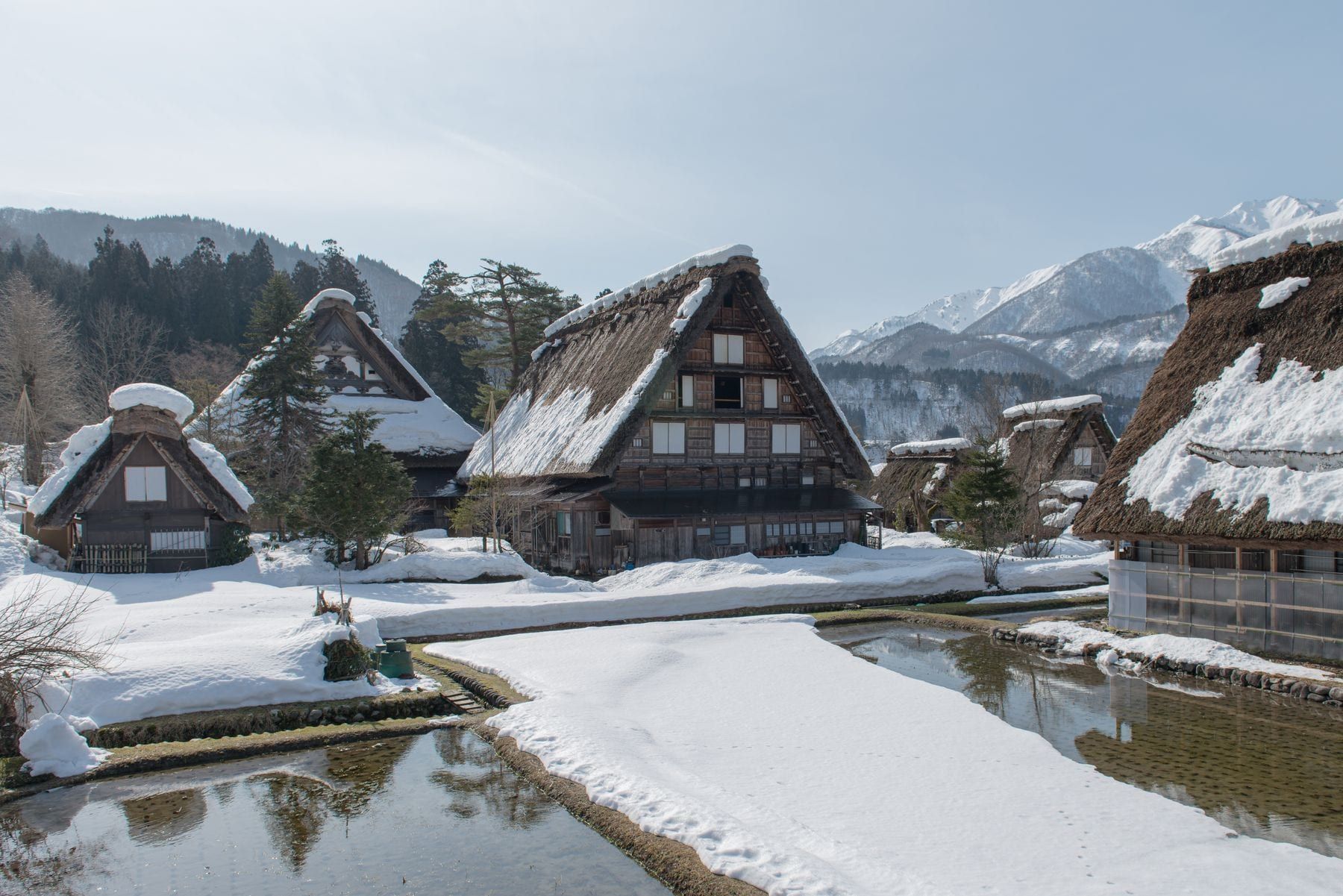
On the smaller Lake Sai to the west lies Saiko Iyashi no Sato Nenba, a village reconstructed in 2006 with twenty thatched houses where craftspeople work, with Mount Fuji above the roofs, admission CHF 3 (about EUR 3). It is less authentic than Shirakawa-go, but almost empty on weekday mornings, and for CHF 10 to 15 you can stand in front of the mountain in samurai armour or a kimono, which looks less silly there than it sounds. Next to it are the lava caves, Fugaku Wind Cave and Narusawa Ice Cave (CHF 2.50 each), pleasant at 3 degrees in summer. Oshino Hakkai, the eight spring ponds fed by Fuji meltwater between Lake Kawaguchi and Lake Yamanaka, is a souvenir obstacle course with coach groups at midday; at 8 am the ponds are so clear you can see the trout eight metres down, and the village street is yours. Bus from Kawaguchiko 25 minutes, CHF 5. Lake Motosu in the far west is the deepest and clearest, and its north shore is the vantage point for the image of Fuji on the 1,000 yen note. There is almost nothing there except campsites, the shibazakura grounds in spring, and peace and quiet. One hour from Kawaguchiko on the blue sightseeing bus, two connections in the morning; check the return.

Climbing Mount Fuji: July to September, and only with a hut

The climb is no stroll, but it is not rock climbing either. The Yoshida trail from the 5th station at 2,305 metres (bus from Kawaguchiko 55 minutes, CHF 16 return, about EUR 17) means 1,470 metres of ascent on scree and lava rock, 5 to 7 hours up, 3 to 4 down. The problem is not technique but altitude: more than half of all climbers get headaches or nausea above 3,000 metres. So do not climb straight through in one night (so-called bullet climbing has been banned on the Yoshida trail between 2 pm and 3 am without a hut reservation since 2024); book a hut at the 7th or 8th station instead, CHF 60 to 90 per person with dinner and breakfast, sleeping on a mat in a row. You walk up to the hut in the afternoon, sleep a few hours, set off at 1 or 2 am and reach the summit for sunrise around 4.30. At the top it is around freezing in August, and with the wind it feels like minus 10 degrees. You need hiking boots, rain gear, warm layers, a head torch, gloves, two litres of water and cash for the toilets (CHF 2) and the Yamanashi prefecture fee (around CHF 25 since 2025, with online registration, a daily limit of 4,000 people, and the gate closed from 2 pm without a hut booking). Reserve huts from April; August weekends are gone by May. If you just want to feel the mountain: the walk from the 5th station to the 6th and back takes two hours, costs nothing and gives you the view down over the lakes.

Frequently asked questions about Fuji Five Lakes

Is a day trip from Tokyo enough?

It works, but your chance of actually seeing the mountain is much smaller, because you are there between 10 am and 4 pm, when it is most often in cloud. If you only have one day: the 7 am bus from Shinjuku, the Chureito Pagoda first, then the lake. Better to stay a night, get up early and take the return bus at midday.

What are the chances of seeing Mount Fuji?

In winter in the morning 70 to 80 percent, in spring and autumn in the morning about 50 percent, in summer 20 to 30 percent. From late morning onwards the chances drop in every season. Check the live cameras from Fujigoko.tv or the prefecture before you set your alarm. And accept that it may not work out; the lake is pretty without the mountain too, but that is not why you go.

Can I climb Mount Fuji without experience?

With normal fitness, the right gear and a night in a hut, yes, between 1 July and 10 September. Without experience, book a guided two-day tour from Tokyo or Kawaguchiko for CHF 250 to 400 (about EUR 268 to 428) including hut, guide and bus; it takes the logistics and altitude decisions off your hands. Outside the season the mountain has no huts, no water and no rescue, and people die there every year. Do not do it.

Kawaguchiko or Hakone for the view of Fuji?

Kawaguchiko. The mountain is closer and bigger, and you see it across a lake with nothing in the way. Hakone has more culture, onsen and museums and the view from Lake Ashi, but from 30 kilometres away and less often. If you want both: one night in Kawaguchiko, then 2 hours by bus to Hakone (CHF 15 to 20, about EUR 16 to 21) and on to Tokyo or Kyoto. That is a good route.

What does a night in an onsen ryokan with a view of Fuji cost?

The well-known places on the north shore of Lake Kawaguchi, such as Konansou, Ubuya or Fufu, cost CHF 250 to 500 (about EUR 268 to 535) per person with dinner and breakfast, more for rooms with a private outdoor bath. Simple ryokan and guesthouses with a view of Fuji from the room from CHF 120 per person. Lakeside hotels without half board from CHF 110 per room. If you want to save, sleep in a hostel by the station and pay CHF 8 to 10 for a day visit to Fuji Yurari, with a view of Fuji from the outdoor bath.

How do I get from the Five Lakes on to Kyoto or Nagoya?

Two ways. First, back to Tokyo (bus 2 hours) and the Shinkansen from Shinagawa, 5 hours in total. Second, by bus to Mishima or Shin-Fuji on the Shinkansen line (1.5 to 2 hours, CHF 15 to 20, about EUR 16 to 21) and from there on the Hikari or Kodama: 2 hours to Kyoto, 1 hour 15 minutes to Nagoya. The second way is shorter and saves the detour via Tokyo, but is a bit more awkward with luggage and changes.

Activities in the region

Events

Jul 1

Mount Fuji Climbing Season

Sport

1 July 2027 Yoshida trail 1 July to 10 September, Shizuoka trails 10 July to 10 September

For only a good two months a year the huts are open and the trails up the 3,776 metre Mount Fuji are free of snow. The most popular is the Yoshida trail from the 5th station on the Yamanashi side, reached by bus from Kawaguchiko or Shinjuku. Since 2025 both prefectures charge a fee of 4,000 yen (around CHF 25, about EUR 27) per person, to be reserved online; the Yoshida trail is capped at 4,000 climbers a day, and between 2 pm and 3 am only those with a hut reservation get through the gate. Huts cost CHF 60 to 90 (about EUR 64 to 96) with dinner and are booked out months ahead. The classic plan: hut in the afternoon, onwards at night, sunrise (goraiko) on the summit.

For travellers: Avoid weekends and the Obon week, when you queue on the mountain; altitude sickness is the most common problem, so take your time at the 5th station and bring warm clothes, as the summit is around zero degrees even in August.

More destinations in Chubu