Dormy Inn Matsumoto
Business hotel between the station and the castle with an onsen bath, sauna and free ramen in the evening. Ten minutes on foot in either direction, an early Kamikochi start is no problem. Small rooms, fair price.
Japan · Chubu · Travel guide
What a few days in the city with the black castle really cost, how to manage Kamikochi as a day trip, where the soba is best and whether the Alpine Route is worth it.
Photo: Robs Quiambao / Pexels
Adjust the values to your trip: the calculator updates live (EUR, converted from CHF estimates).
Estimates for orientation, not booking prices. Flights and hotels vary strongly by season: current prices are behind the links below.
Money & payment: You pay in yen (JPY). 1,000 yen is roughly CHF 6 or EUR 6.50. Cards work in cities and hotels; small restaurants, temples and rural stations often want cash. An IC card (Suica or ICOCA) on your phone pays for trains, buses and convenience stores. Flight time: 12 to 14 hours, usually with one stop.
Nine options in three price ranges, each among the best-rated on Booking.com.
Budget
Business hotel between the station and the castle with an onsen bath, sauna and free ramen in the evening. Ten minutes on foot in either direction, an early Kamikochi start is no problem. Small rooms, fair price.
Inexpensive business hotel five minutes from the station and bus terminal, breakfast included. For the night before the 5.30 am bus to Kamikochi, the most practical location.
Compact hotel right on the station forecourt with a large bath and a good breakfast buffet with Shinshu dishes. Tight but modern rooms, an unbeatable location for day trips.
Mid-range
The city's largest hotel, five minutes from the station, with rooms from the 10th floor up offering Alpine views, several restaurants and a bar on the top floor. Classic, spacious, good breakfast.
Small hotel in a brick building five minutes on foot from the castle, with a restaurant and quiet, bright rooms. For anyone who would rather stay near the castle and Nakamachi than by the station.
Japanese-style hotel of the Dormy group with tatami floors, an onsen bath and yukata, between the station and the castle. A ryokan feeling with hotel comfort and no obligation to take half board.
Luxury
Hoshino ryokan in the Asama hot spring district, 15 minutes by bus from the centre, with 13 different baths, kaiseki with Shinshu ingredients and evening concerts to suit the city of music. Prices per person with half board.
Former large onsen hotel converted into a design hotel in 2021, with a library, cinema, onsen and a restaurant serving local wine. Modern Japanese design, rooms with mountain views, quiet.
The red timber hotel from 1933 in the high valley itself, run by the Imperial Hotel Tokyo, only open from late April to mid-November. Dusk by the Azusa river without the day visitors. Expensive, but uniquely located.
If you book through these links we earn a small commission, at no extra cost to you.
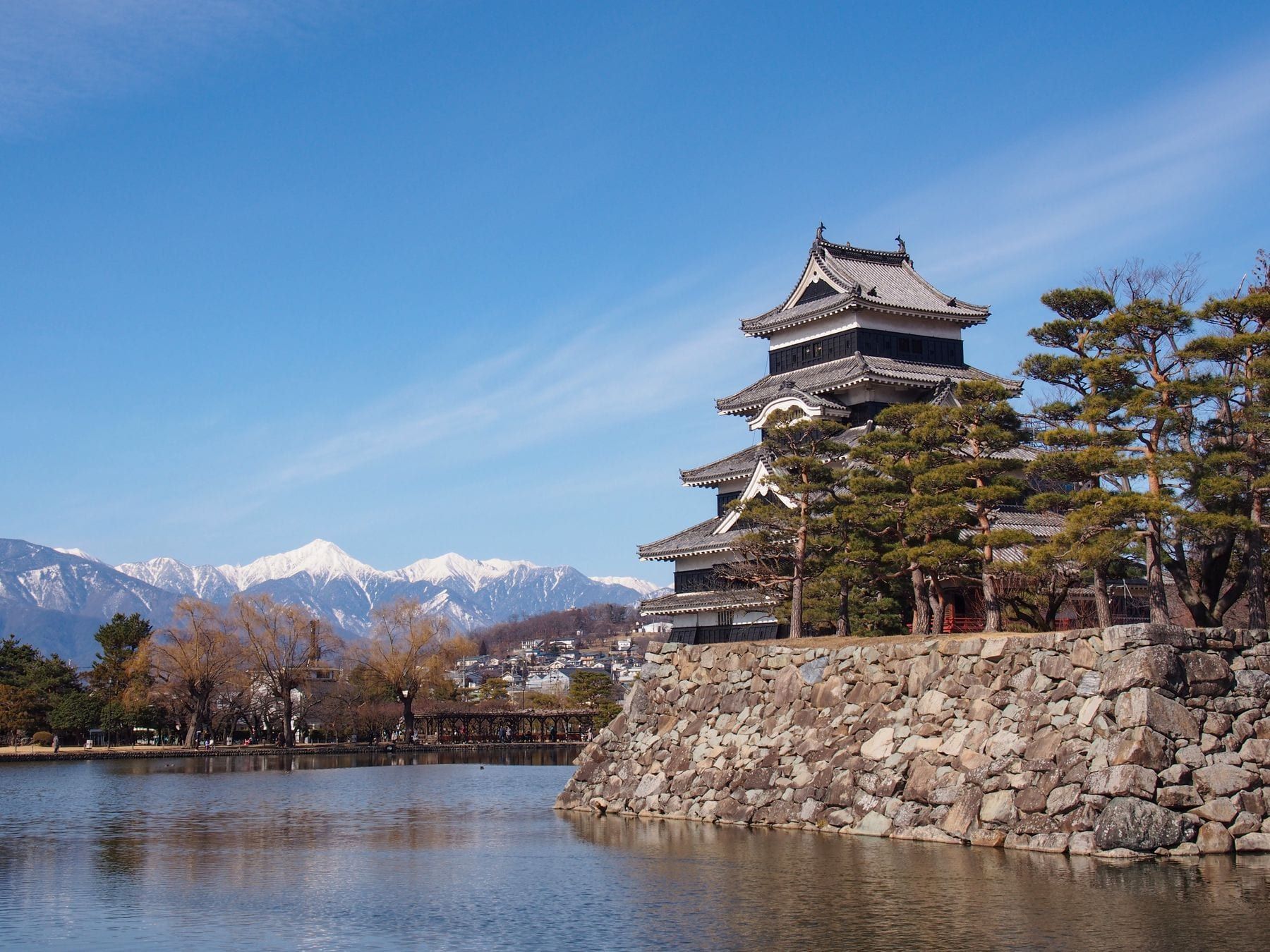
Black main keep from 1593, a National Treasure, with steep wooden stairs over six floors and a firearms collection. Admission CHF 7 (about EUR 7); come at 8.30 am when it opens, otherwise expect a 60-minute queue. Free English-speaking guides at the entrance.
High valley at 1,500 metres with the Azusa river, Kappa Bridge and the Hotaka peaks, April to November. Train and bus from Matsumoto CHF 32 (about EUR 34) return, flat loop walk of 4 to 5 hours. Guided hikes from CHF 80.
Crossing of the Northern Alps by cable car, trolleybus and funicular via Murodo (2,450 m) to the Kurobe dam, snow wall from mid-April to June. Around CHF 70 (about EUR 75) each way; book it as a link to Toyama.
Permanent exhibition of the Matsumoto-born artist, with a mirror room and a polka-dot pumpkin in front of the entrance. Admission CHF 3 (about EUR 3), closed on Mondays, ten minutes from the castle.
A street of white kura storehouses with crafts and sake shops, and parallel to it the frog lane by the river with its stalls. Free, 1 hour, ideal between the station and the castle. Soba restaurants along the way.
Japan's largest wasabi plantation, with spring-fed streams and water wheels, free admission, wasabi soft-serve CHF 3 (about EUR 3). Train to Hotaka 30 minutes, then 10 minutes by rental bike through rice fields with Alpine views.
Knead, roll out, cut and eat Shinshu soba from buckwheat flour, 1.5 to 2 hours, CHF 30 to 50 (about EUR 32 to 54) per person. Several soba schools in the city and in Azumino offer classes in English.
High plateau at 2,000 metres east of the city with cattle, panoramic views of Fuji and the Northern and Southern Alps, and an open-air sculpture museum (CHF 6, about EUR 6). Bus from Matsumoto 80 minutes, May to November.
The macaques in the hot pool near Yudanaka, best from December to March. From Matsumoto by train to Nagano and then bus, 2.5 hours each way, admission CHF 5 (about EUR 5). Guided day tours from Nagano from CHF 70.
If you book through these links we earn a small commission, at no extra cost to you.
In Japan Shinshu, the old name for Nagano, stands for soba, apples, wasabi, miso and a taste for things nobody else eats: raw horse meat, sweet and salty grasshoppers, bee larvae. Matsumoto also has its own sake breweries and a growing wine scene from the slopes of Shiojiri.
Dark, hearty noodles with a high proportion of buckwheat, served cold on a bamboo tray (zaru) with a dipping sauce, freshly grated wasabi and leek. CHF 7 to 12 (about EUR 7 to 13). The reason people eat noodles in Nagano.
Tip:Nomugi only makes a limited amount each day and is often sold out before 1 pm.
A whole chicken breast or thigh, marinated in garlic and soy and deep-fried until crisp, as big as the plate. Hearty, juicy, the city's signature dish. CHF 9 to 14 (about EUR 10 to 15) as a set.
Tip:With lemon and cabbage, and order a second bowl of rice; it is usually free.
Horse meat, raw, sliced paper-thin, with grated ginger, garlic and soy sauce. Lean, slightly sweet, more tender than beef tartare. CHF 10 to 15 (about EUR 11 to 16) a portion. A Shinshu speciality alongside Kumamoto.
Tip:If you are hesitant: sakura nabe, horse meat in a hot pot, is the gentle introduction.
Steamed or pan-fried dumplings made from wheat or buckwheat flour, filled with nozawana mustard greens, pumpkin, aubergine or sweet beans. The farmers' food of the mountains, CHF 1.50 to 2.50 (about EUR 1.60 to 2.70) each.
Tip:Nozawana is the classic filling, slightly salty and sour, good for the train.
After Aomori, Nagano is Japan's second-largest apple region, with varieties such as Shinano Sweet and Fuji in October and November. An apple costs CHF 1.50 to 3 (about EUR 1.60 to 3), apple cake in the cafes of Nakamachi CHF 4 to 6.
Tip:In October the slopes around Azumino are full of apple orchards where you can pick your own for CHF 5 to 8.
Real wasabi from the spring-fed streams of Azumino, grated on sharkskin, tastes sweet and hot at the same time, not sharp like the paste. With soba or sashimi; in restaurants the fresh root costs CHF 2 to 4 (about EUR 2 to 4) extra.
Tip:A fresh root for CHF 8 to 15 keeps for two weeks in the fridge after you get home.
Nagano produces half of Japan's miso, light and mild. As soup in every set, as miso ramen in the shops around the station for CHF 6 to 9 (about EUR 6 to 10), or as miso soft-serve at the producer Ishii Miso.
Tip:The free tour at Ishii Miso shows three-year-old miso in cedar barrels, with a tasting.
Grasshoppers cooked in soy and sugar, and bee larvae in syrup: the old protein sources of the mountains, now a delicacy in jars. Crunchy and sweet-salty. CHF 5 to 10 (about EUR 5 to 11) a jar, CHF 4 a bowl in an izakaya.
Tip:Inago are the easy introduction; they taste like crunchy teriyaki prawns.
Through markets and eateries with a guide, tastings included.
If you book through these links we earn a small commission, at no extra cost to you.
Matsumoto lies at 600 metres in a basin between the Northern Alps to the west and the Utsukushigahara highlands to the east, and the mountains have always shaped what happens here. The castle, whose black-lacquered main keep earned it the nickname Crow Castle, was built from 1593 under the Ishikawa and is one of only five castles in Japan designated a National Treasure; its keep is the oldest surviving five-storey castle keep in the country. Unlike most castles it stands on the plain rather than on a hill, defended by three moats. In the Edo period the lords changed several times, and the town lived from trade on a branch road of the Nakasendo and from silk. In 1872, shortly after the Meiji Restoration, the castle was to be demolished and its timber auctioned off; a citizens' committee bought it back. In 1876 the Kaichi School opened, one of Japan's first modern primary schools, and its building in a mixed Western and Japanese style still stands. In the 20th century Matsumoto became a city of music and art: from 1946 Shinichi Suzuki developed the Suzuki method of violin teaching here, the conductor Seiji Ozawa founded the Saito Kinen Festival in 1992, and the artist Yayoi Kusama, born in Matsumoto in 1929, has a permanent exhibition in the city museum. In 1927 the railway towards Kamikochi reached Shin-Shimashima, in 1971 the Tateyama Kurobe Alpine Route opened, and in 1998 the Winter Olympics came to neighbouring Nagano. Today the city has 240,000 inhabitants and is regarded as the gateway to the Japanese Alps.
From Tokyo the Limited Express Azusa runs direct from Shinjuku to Matsumoto in 2 hours 30 minutes; a single ticket with a seat costs around CHF 40 (about EUR 43), every half hour to hour. It is not a Shinkansen, but it is comfortable, and the route through the Kofu basin with views of the Southern Alps makes a window seat on the right worthwhile. Alternatively the highway bus from the Shinjuku bus terminal for CHF 22, a good 3 hours. From Nagoya you take the Limited Express Shinano, 2 hours through the Kiso Valley, CHF 36. From Nagano 50 minutes on the Shinano (CHF 15) or 70 minutes on the local train (CHF 7). From Takayama the Nohi bus runs via Hirayu in 2 hours 30 minutes for CHF 22, a connection across the Alps that looks impossible on the map and works very well. Shinshu-Matsumoto airport only has domestic flights; for you, Tokyo Haneda is the one that counts. In town you do not need a bus: the station to the castle is 15 minutes on foot, with Nawate-dori and Nakamachi in between. The Town Sneaker minibus runs in a loop for CHF 1.30 if it rains. For Kamikochi and Utsukushigahara what matters is the bus terminal next to the station; the Matsumoto Dentetsu railway leaves from platform 7.
Matsumoto has a lot of beds for its size and correspondingly fair prices. Three options: first, around the station and the castle, with everything you need in between. Business hotels such as Dormy Inn, Richmond, Toyoko Inn or Premier Hotel Cabin cost CHF 65 to 100 (about EUR 70 to 107) for a double room, often with a rooftop onsen bath. Second, Asama Onsen, 15 minutes north-east by bus (CHF 2), an old hot spring district with ryokan from CHF 130 per person with half board, quiet, with views of the Alps and an evening stroll in your yukata between the public baths. Third, Utsukushigahara Onsen on the eastern slope, similar and a little more upmarket. For two nights with a Kamikochi trip I would stay by the station, because the first bus leaves at 5.30 am. For three nights, make one of them in Asama. What you do not need: a hotel in Kamikochi itself, where a night costs CHF 200 to 400 per person, unless you want dusk at Taisho Pond. During the Saito Kinen Festival (August to September) and on the first weekend of October for the soba festival, rooms are scarce.
The Tateyama Kurobe Alpine Route is the most expensive day out in the region: from Shinano-Omachi to Tateyama by trolleybus, cable car, funicular and bus over the 2,450-metre Murodo pass, the crossing costs around CHF 70 (about EUR 75) per person, and with the journey there and back from Matsumoto CHF 100 to 120. With luggage forwarding (CHF 15 to 20 per piece to Toyama or Kanazawa) it makes sense as a link to Hokuriku; as a return trip it is overpriced. The snow wall, the main reason most people go, stands from mid-April to the end of June; after that it is beautiful but ordinary Alpine scenery. Second trap: the castle. Admission of CHF 7 is fair, but at weekends and during cherry blossom you wait 60 to 90 minutes to climb the steep wooden stairs into the keep. Come at 8.30 am when it opens, or after 3.30 pm. Third trap: a taxi to Kamikochi. The trip by train and bus costs CHF 32 return, a taxi from Matsumoto CHF 90 one way. If you want to be earlier than the first bus, take a taxi from the Sawando car park for CHF 25, not from Matsumoto. Also: the Matsumoto pass for the Dentetsu railway plus buses (CHF 18 for 2 days) only pays off if you do Utsukushigahara as well as Kamikochi.
Matsumoto itself is accessible all year round, the mountains are not. Kamikochi opens every year on 17 April with the Kaizan ceremony and closes on 15 November; in between the road is closed to private cars and the bus runs. The best time there is late May to June, when the birches are fresh and snow still lies on the peaks, and mid-October with yellow larches in front of the Hotaka peaks. July and August are busy, but at least 10 degrees cooler than Tokyo. The Alpine Route is open from mid-April to the end of November, with the snow wall until June. Cherry blossom in Matsumoto falls in mid-April; the castle moat with blossom in front of the black keep is one of the best cherry blossom sights in Japan and far less crowded than Kyoto, and in the evenings the castle is lit up free of charge for a week. Autumn leaves in the city come in early November. Winter brings snow and blue skies, the castle with snow and an Alpine panorama is spectacular, and hotels are at their cheapest; in February ice sculptures are displayed in the castle grounds. Avoid Golden Week. The Saito Kinen Festival with Ozawa's orchestra runs from mid-August to early September, tickets from CHF 30 (about EUR 32), but months in advance.
Between the station and the castle are two streets many people miss in passing. Nakamachi-dori has white kura storehouses with black lattice patterns, now craft shops, cafes and sake shops, with no souvenir kitsch. Parallel to it, by the Metoba river, is Nawate-dori with frog statues and little stalls, and a taiyaki stand in the mornings. The Matsumoto City Museum of Art has a permanent display of Yayoi Kusama, who was born here: the polka-dot pumpkin in front of the entrance, a mirror room, early works. Admission CHF 3 (about EUR 3), closed on Mondays, ten minutes on foot from the castle. Then the Kaichi School from 1876, a National Treasure, with angels above the entrance and Meiji-era classrooms (CHF 3, reopened after earthquake strengthening). Outside the city, 30 minutes by train to Hotaka (CHF 2) and 10 minutes by bike, is the Daio Wasabi Farm, the largest wasabi plantation in Japan, with clear spring-fed streams under black netting and three water wheels from a Kurosawa film. Free admission, wasabi soft-serve CHF 3, wasabi beer CHF 5. The cycle path there runs through rice fields with views of the Alps; rental bikes at Hotaka station cost CHF 3 per hour.

Kamikochi is a high valley at 1,500 metres in Chubu-Sangaku National Park, with the crystal-clear Azusa river, Kappa Bridge and the 3,000-metre peaks of the Hotaka massif right above. No private cars, no hotel towers, just paths. From Matsumoto you take the Dentetsu railway 30 minutes to Shin-Shimashima (CHF 4.50, about EUR 4.80) and then the bus 65 minutes to the Kamikochi bus terminal (CHF 15), together CHF 32 return with a combined ticket; the first connection leaves Matsumoto at 5.30 am and arrives around 7.30. The classic walk: from Taisho Pond (get off one stop earlier) along the river to Kappa Bridge, 1 hour on the flat, then on to Myojin Pond, another hour, admission there CHF 3. Back along the other side of the river. In total 4 to 5 hours at a leisurely pace, 12 kilometres, no climbing. If you want more, continue to Tokusawa (another 2 hours) or book a night in a mountain hut towards Karasawa. Food: Kamikochi has a few places by Kappa Bridge with soba and curry for CHF 10 to 15, but bring water and a bento, as there is no konbini. There are bears; bells on rucksacks are common. The last bus back leaves around 5 pm, earlier in autumn.
Two nights: arrive and see the castle, Nakamachi and the Kusama museum on the first day, Kamikochi on the second with an early start, and move on the third morning. Three nights if you want to add the Daio Wasabi Farm or Utsukushigahara, or a night in Asama Onsen. The Alpine Route comes on top as a crossing towards Toyama, not as a return trip.
Officially not. From 16 November to 16 April no buses run, the hotels are closed and the tunnel can only be passed on foot. Experienced snowshoers go in from the Kama tunnel, which means 6 kilometres to Kappa Bridge without any infrastructure, in up to two metres of snow. For normal travellers: April to November, at its most beautiful from late May to June and in mid-October.
As a crossing from Matsumoto to Toyama or Kanazawa between mid-April and June, when the snow wall at Murodo stands up to 20 metres high: yes, despite CHF 70 (about EUR 75) plus the journey there. As a return trip and outside the snow wall season it is a lot of money and a lot of changes for views you get more cheaply in Kamikochi. In October the autumn leaves at the Kurobe reservoir are a second good reason.
The stairs on the upper floors are as steep as ladders, with steps up to 40 centimetres high, and you walk in socks on wood. With knee problems or a toddler in your arms, the sixth floor is hard work. The castle is not accessible for wheelchairs. It looks best from outside anyway, from the park and the red bridge over the moat, and that is free.
Buckwheat grows better than rice in the cool, barren highlands of Shinshu, as Nagano prefecture is traditionally called, and the mountain water is soft. Shinshu soba is considered the best in the country: hearty, dark, with a high proportion of buckwheat. A portion of zaru soba costs CHF 7 to 12 (about EUR 7 to 13); Matsumoto has dozens of shops, and a soba festival by the castle park in early October.
To Takayama the Nohi bus runs via Hirayu Onsen in 2 hours 30 minutes for CHF 22 (about EUR 24), two to four times a day, reservation online. On the way you can get off at Hirayu for a bath or for the Shinhotaka Ropeway. To Nagano on the Shinano express in 50 minutes (CHF 15), where you can see Zenkoji temple and the snow monkeys at Jigokudani, then continue by Shinkansen to Tokyo or Kanazawa. The route Tokyo, Matsumoto, Takayama, Kanazawa, Kyoto works without any detour.
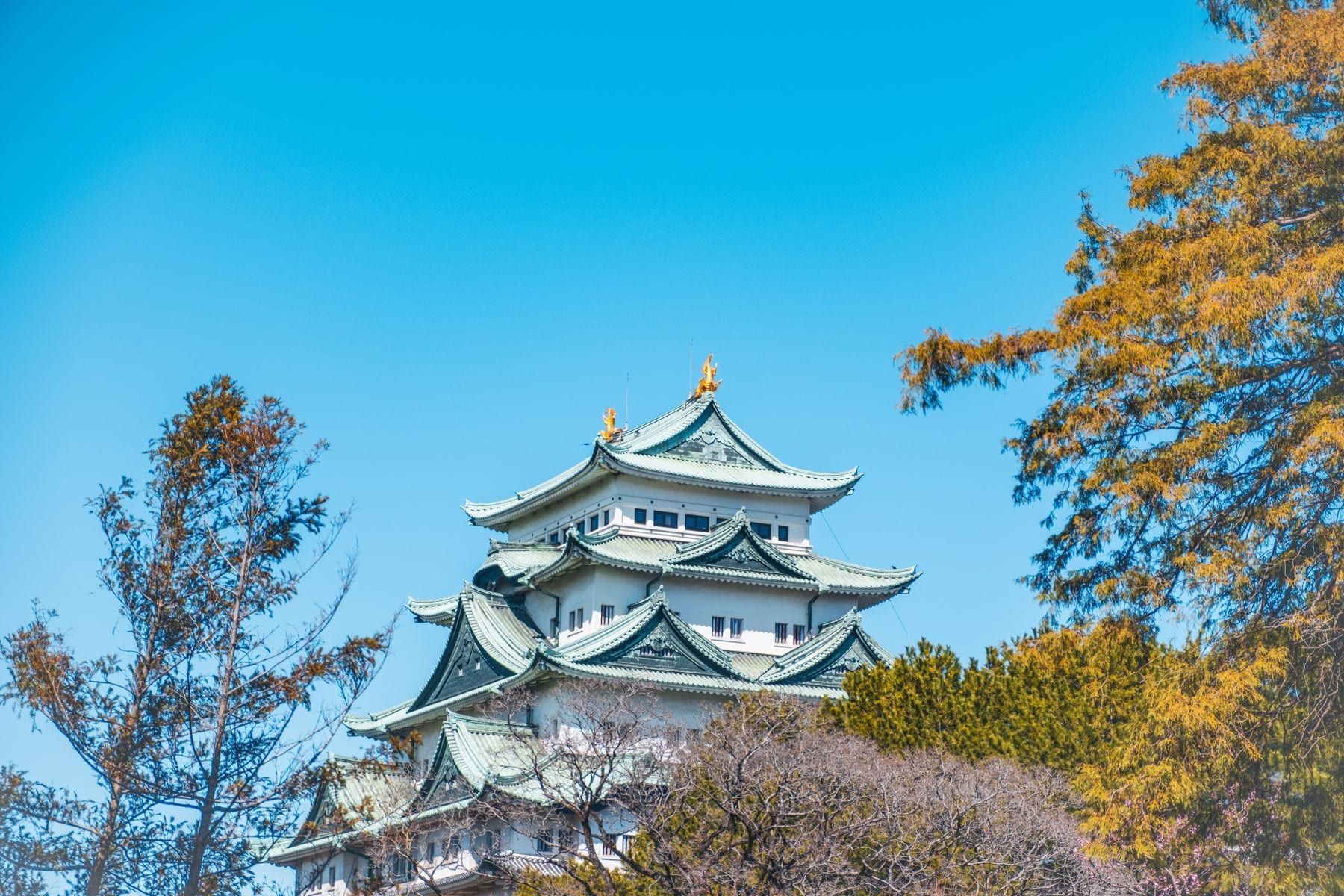
What a few days in Japan's industrial capital really cost, why the food here is more idiosyncratic than in Tokyo, and how to use Nagoya as a base for Takayama and Ise.
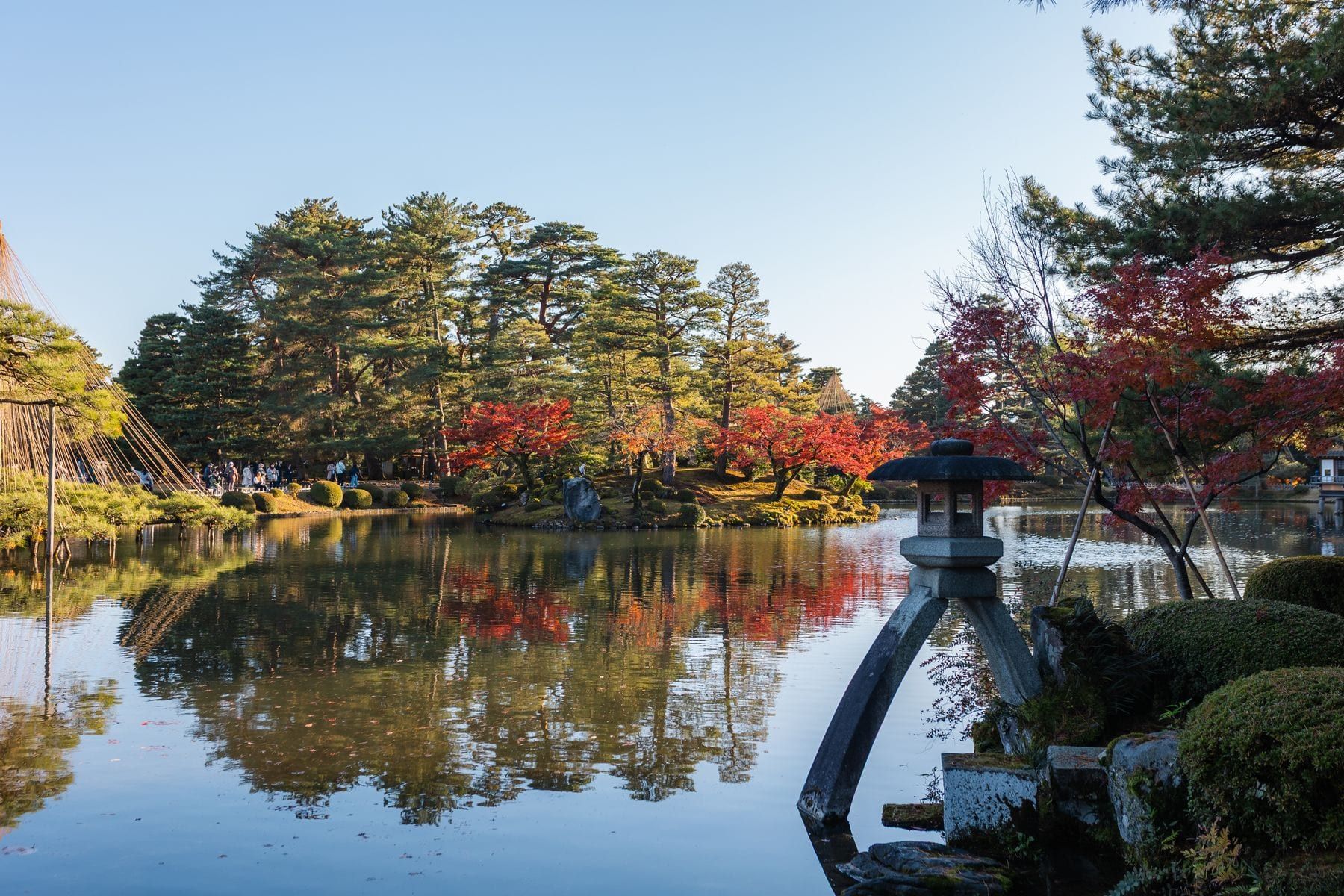
What a few days in the samurai and gold leaf city on the Sea of Japan really cost, where to eat the best fish in the country and how to see Kenroku-en without the coach groups.
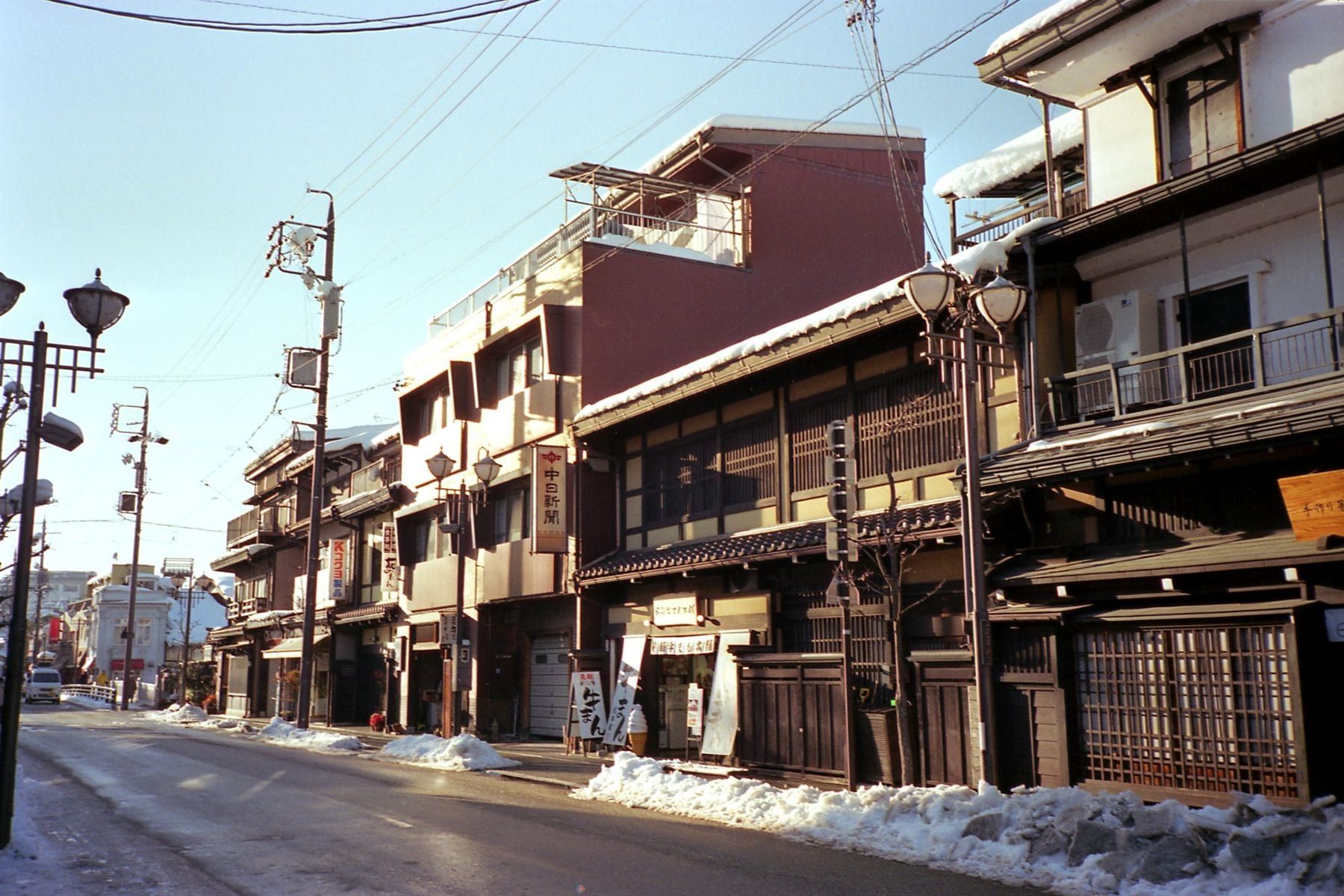
What a few days in the timber town of the Japanese Alps really cost, when the old town is empty, where Hida beef stays affordable and how to continue from here to Shirakawa-go.
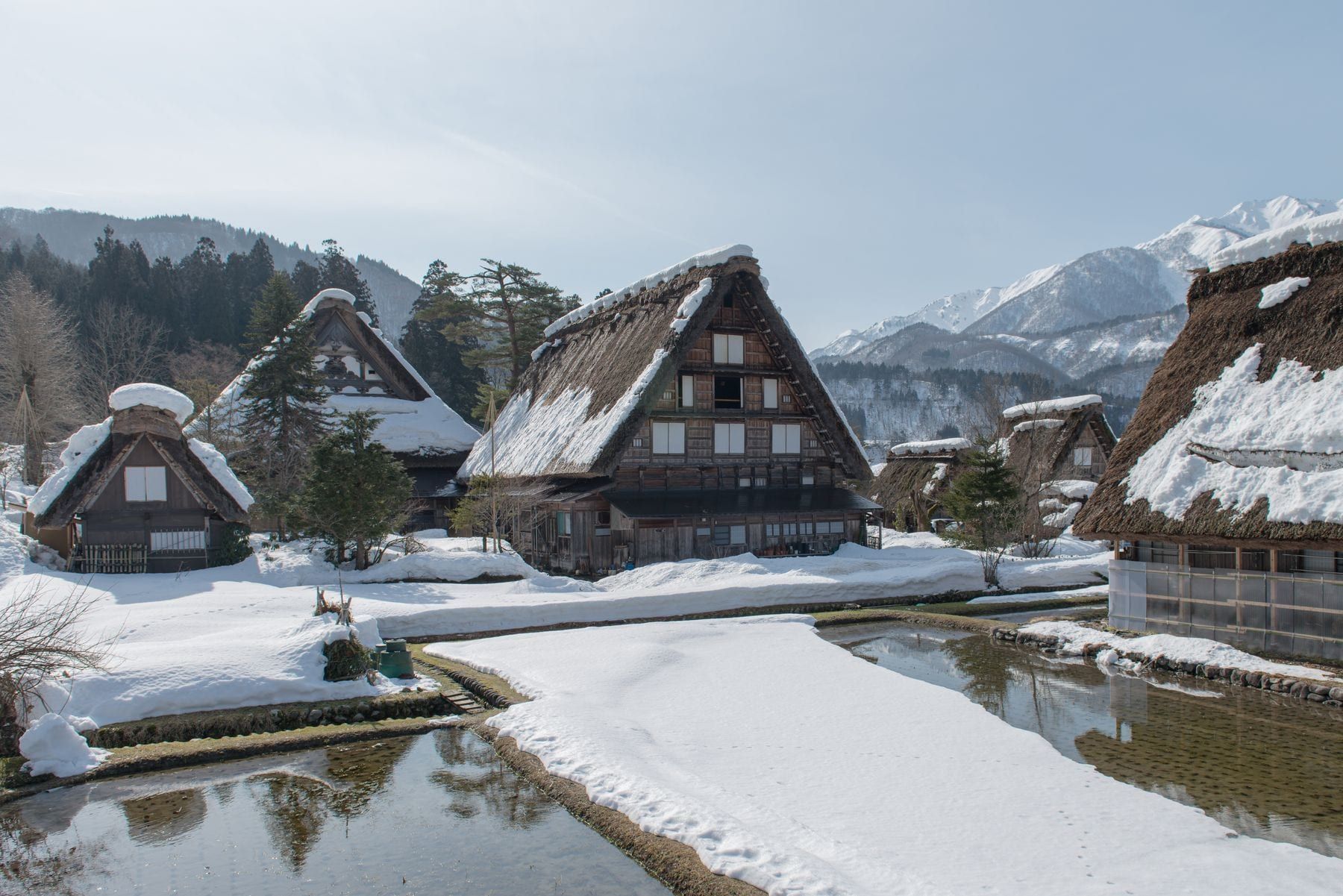
What the village of steep thatched roofs really costs, why a night in a gassho house makes all the difference, how to book the buses from Takayama and Kanazawa properly and when the winter illumination takes place.
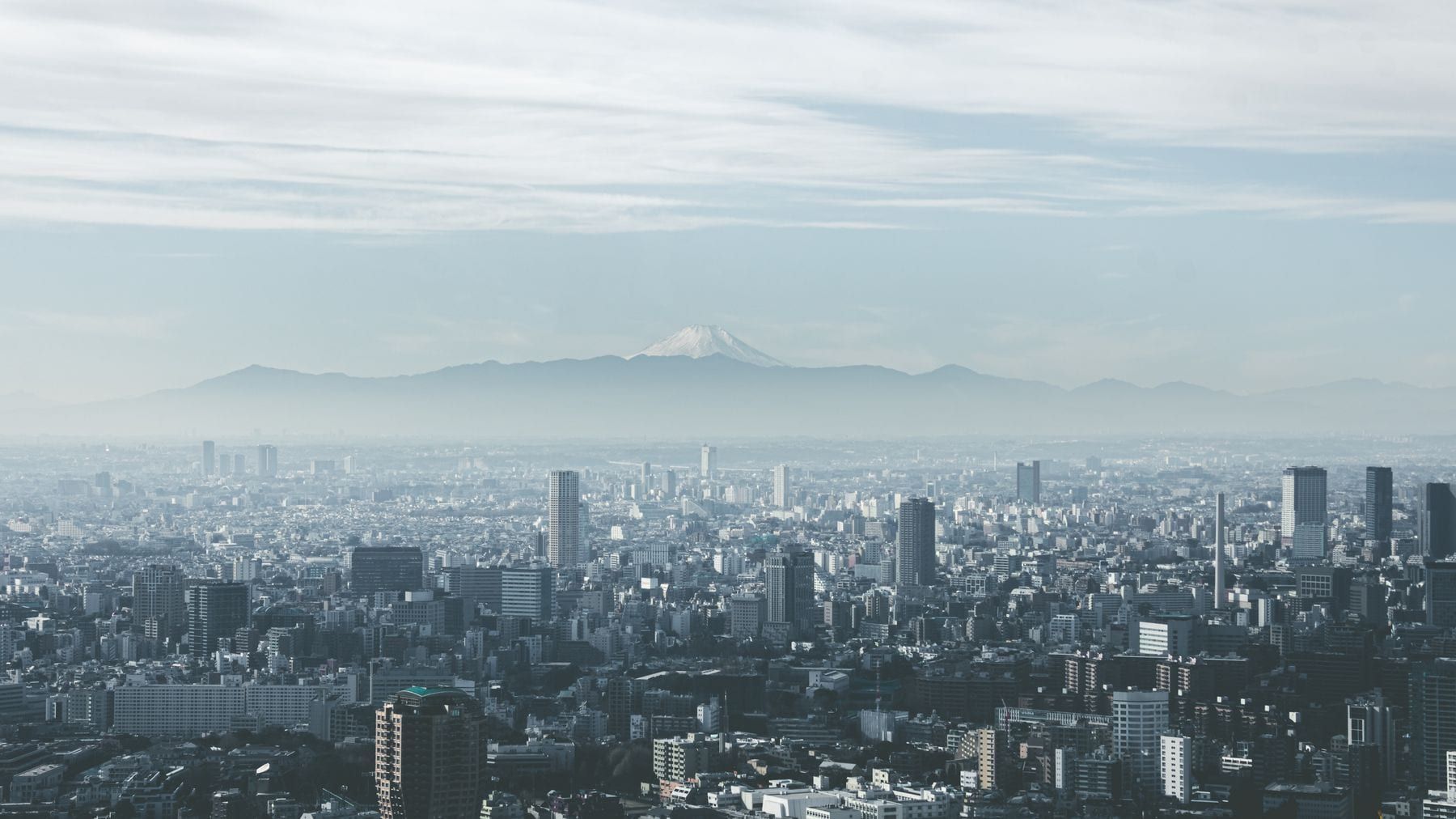
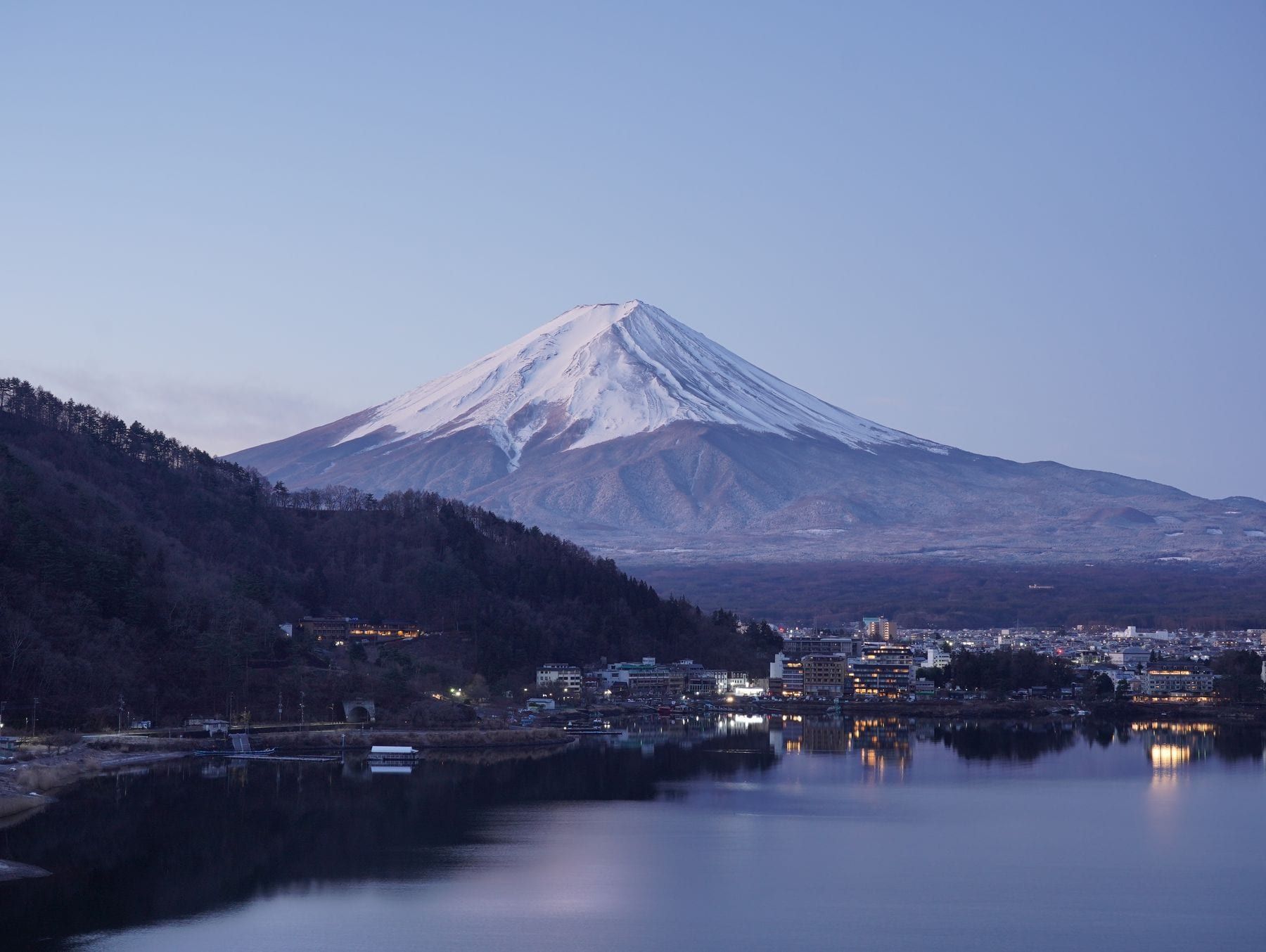
What two days at the foot of Mount Fuji really cost, why you need to stay a night to see the mountain, how the highway bus from Shinjuku works and what a summer climb involves.